Neural Networks: The Brain-Inspired Technology Powering Modern AI
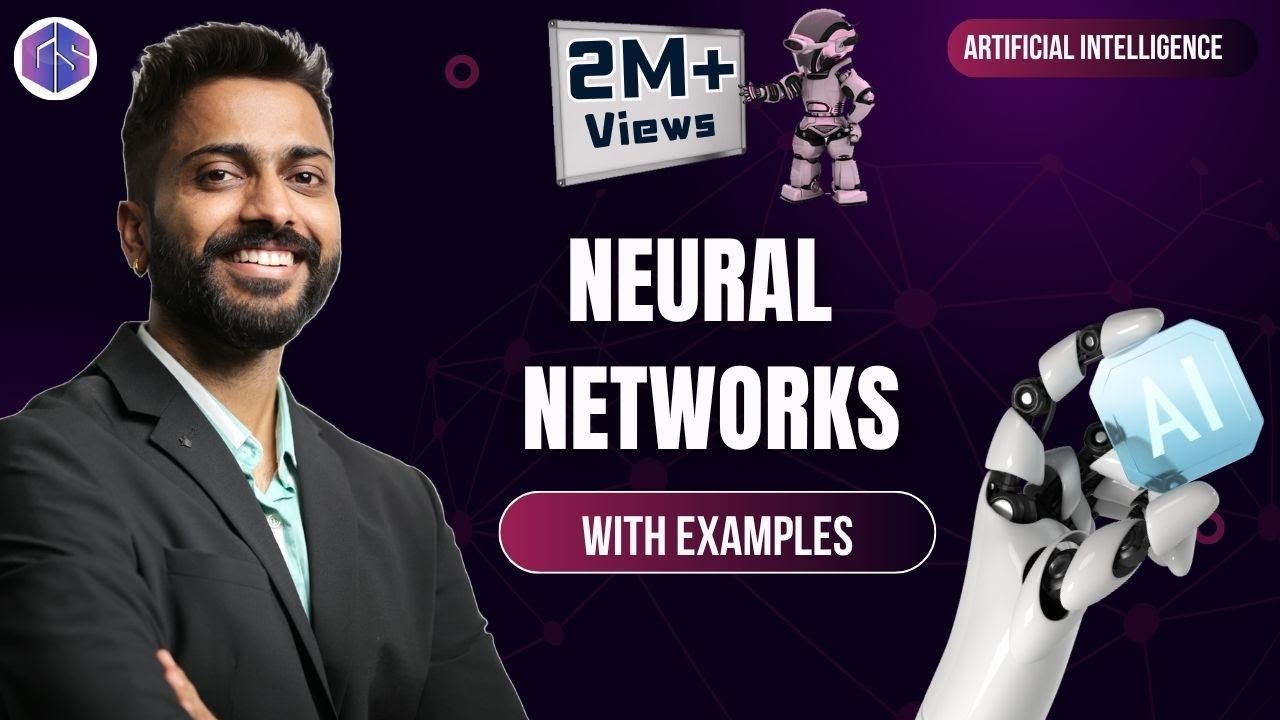
Starting off, neural networks power much of what we now call artificial intelligence. Machines can identify pictures because these systems learn patterns over time. Speech becomes understandable to computers through layered calculations working quietly. Translation between tongues happens without needing rulebooks written by people. Text that feels human comes out when such models piece together sequences like a thoughtful writer.
From the way brains work, machines now pick up patterns in information rather than just running set rules. Because of this shift, entire fields have shifted - and smart systems show up in regular tasks.
YouTube Video Link: https://youtu.be/EYeF2e2IKEo?si=KvZV9otP2Sb5Rphk
Neural Networks Explained Simply?
A single thought might spark another in the mind - machines mimic that through networks built like webs of tiny signals. These digital threads pass knowledge along links, much like whispers between cells inside a person's head. One piece builds on the next without force, simply flowing where patterns appear clear. Together, they sort chaos into meaning, spotting shapes in noise others miss.
A spark came from brain cells, the kind explored long ago. Scientists named Warren McCulloch and Walter Pitts dug into how they work. Their minds built something new - a math version of these cell webs. That happened back in 1943.
Fresh each time, a bit messy but real - neural nets adjust through exposure, much like minds sharpen with practice.
Understanding Neural Networks
Lined up like pages in a book, neural networks stack their parts into layers
1. Input Layer
From here, unprocessed information enters - photos, words, figures. It shows up just as it is, untouched.
2. Hidden Layers
Information moves through each level after number-based operations. From one cell to another it travels, step by step.
Hidden layers stack up, letting the model catch trickier details. That stacking? It’s what people mean by deep learning.
3. Output Layer
This part delivers what comes out at the end, like spotting something in a photo or guessing a number.
Each time it learns, the system tweaks how parts link together. This change happens during what is known as training.
Neural Networks Learning Process
A web of tiny processors shifts how it links based on patterns found in tons of examples. Each adjustment happens step by step, shaped by what came before.
Fine adjustments creep in each round, shaped by rules that learn from past slips. Mistakes fade slowly as the system sharpens itself through repetition.
A growing amount of information helps the system predict outcomes more precisely. As fresh inputs flow in, its guesses grow sharper over time.
Neural Networks in Everyday Use
Neural networks are used in many modern technologies, including:
Image and facial recognition
Voice assistants
Language translation
Medical diagnosis
Self-driving cars
Google and similar groups such as OpenAI run smart machines using brain-inspired designs. These networks help computers learn tasks by spotting patterns across huge amounts of data.
Neural networks help machines learn patterns
Starting with a web of connections, neural networks let machines handle jobs people used to do alone. Because they mimic learning, computers begin spotting trends over time. Without being told every step, improvement happens as mistakes shape new attempts.
Futuristic tech leans heavily on these tools, showing their role won’t fade anytime soon.
Conclusion
Computers can now pick up new skills because neural networks borrow ideas from brains. Thanks to patterns shaped like our mind's wiring, machines handle tasks once thought impossible.
Out in homes and labs, voice helpers learn faster thanks to systems built like brains. Machines now see patterns once only people could spot, shifting what devices can do every day.
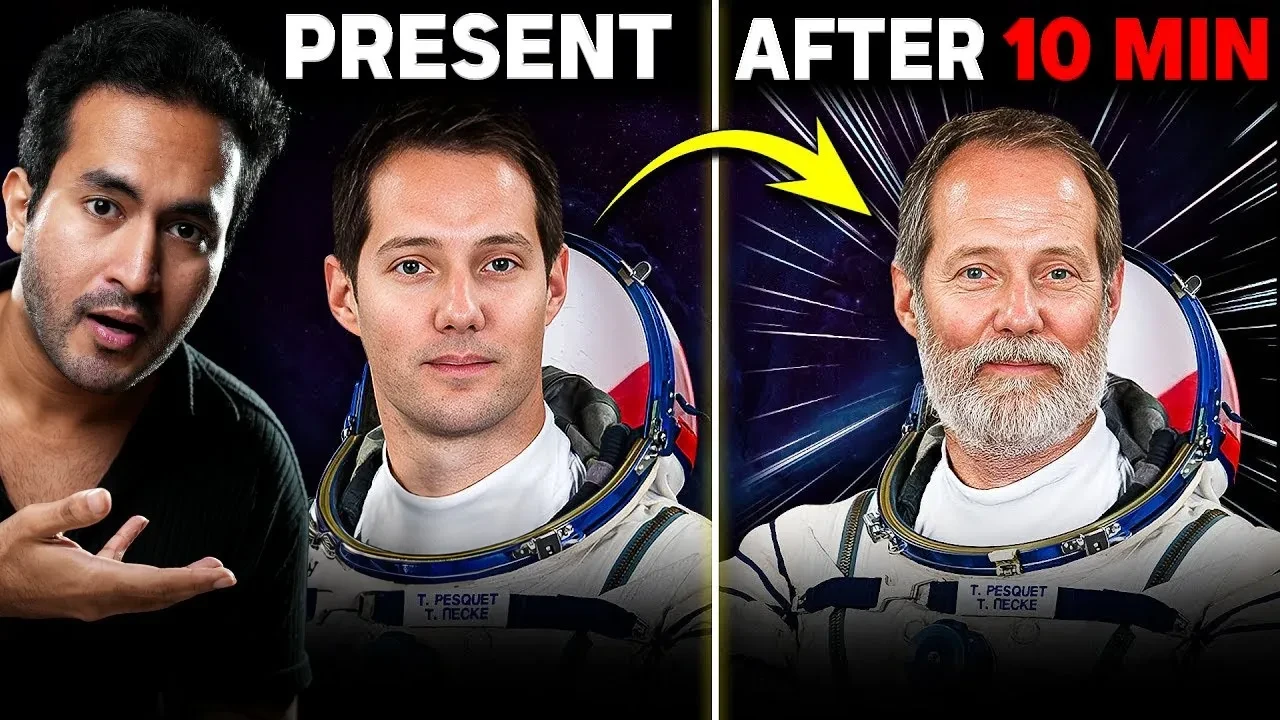
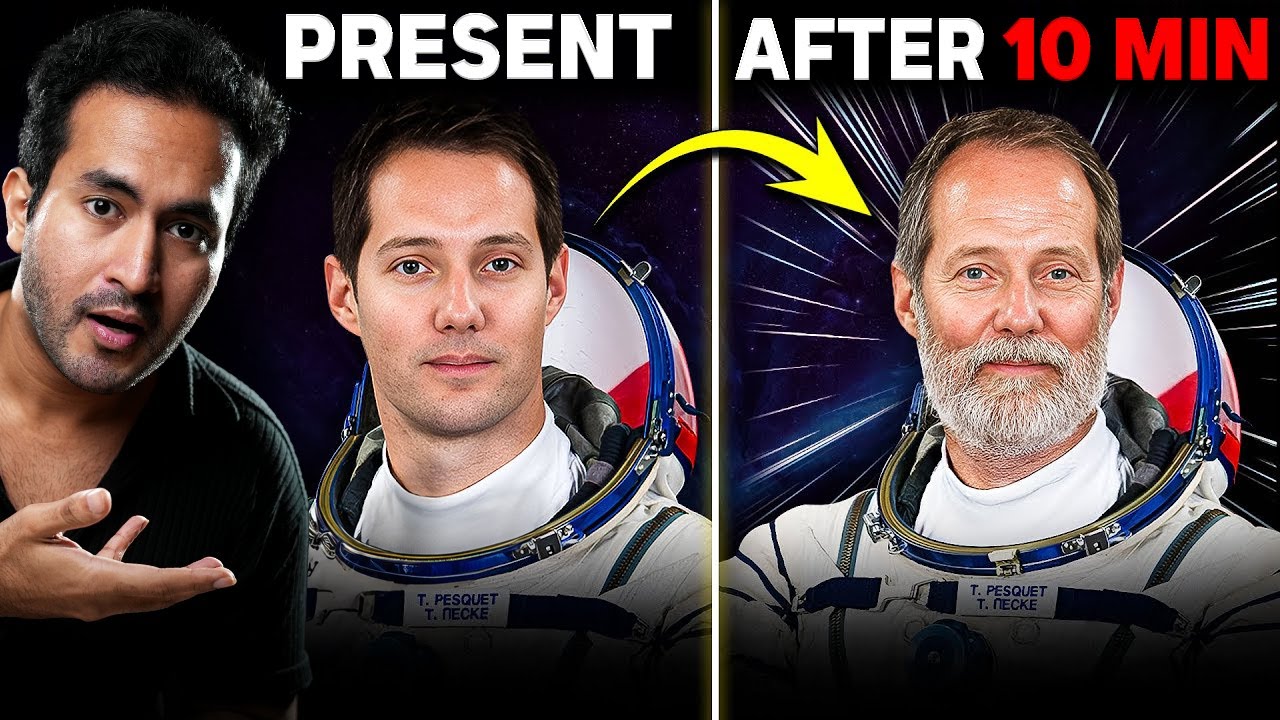
Nowhere else does life feel so familiar, yet slip through fingers like mist. A twist hides here: journeying backward might trap cause before effect.
Imagine time bending back on itself, twisting what we think we know about actions and their results. Questions pop up when things get tangled - could yesterday actually be rewritten? Suppose you tweaked something long gone; where would that leave everything else? Dive into a notion so strange it bends thought at every turn.
YouTube Video Link : https://youtu.be/JIKGOsPbC6A?si=UoK03adNRtXghGte
Understanding Time Paradoxes?
A time paradox pops up if changing the past through time travel leads to impossible outcomes. When what causes something also stops it from happening, logic breaks down.
A single moment messes up what made it possible. When something stops itself from ever happening, that is one strange loop.
Under Einstein’s watchful eye, time began acting less rigid. Through his equations came proof - time might stretch when pushed hard enough. Not standing still, it shifts shape near great mass or speed. Relativity opened doors where clocks tick at different rates. Math backs these odd rhythms, making time travel a thought worth chasing.
The Grandfather Paradox
A well-known case pops up when talking about time travel: the Grandfather Paradox.
A moment unfolds where you step into the past, stopping your grandfather before he ever sees your grandmother. Without that meeting, your father does not come to exist - your mother doesn’t either. One gap leads to another until there is no birth, no childhood, no you. Time twists so quietly it snaps beneath its own weight.
If birth never happened, then time travel becomes impossible from the start.
A puzzle forms when things don’t add up, leaving space for doubt instead of proof.
The Bootstrap Paradox
A twist unfolds when time folds back on itself - meet the Bootstrap Paradox, sometimes called a causal loop
A thing appears, though nobody knows where it came from. Its presence skips any beginning.
A story begins like this: picture getting a book sent by your older version. Later, you travel backward, placing that exact book into younger hands. It sits there, real and solid - yet no one ever wrote it.
Born from confusion, this puzzle questions how things begin. Yet origins seem unclear when tested.
Science Ideas and Thinking
One idea after another has popped up among researchers trying to make sense of time paradoxes
1. Parallel Universes
A shift in history might spawn a separate reality instead of causing conflicts. This idea keeps events from clashing by branching off into another version of what happens.
2. Self-Consistency Principle
Time traveler? Igor Novikov said what happens must fit together. Contradictions never show up, since things shift on their own to avoid messes.
3. Time Travel Might Not Be Possible
It could be that paradoxes are nature's way of saying time can only move forward. Maybe the mind stumbles when trying to picture going back where it has already been. One idea is these mental knots show certain paths were never meant to exist. Perhaps every loop creates a problem too big for reality to fix. Could be time refuses to bend in ways that break cause and effect.
Time Paradoxes Shape How We Understand Reality
What if time isn’t fixed? Puzzles like these push researchers to test how cause links to effect. Instead of fantasy, they’re tools - probing spacetime’s hidden rules.
Even now, ideas about space and time push past what science fully grasps, opening doors to fresh ways of thinking. Though unclear at times, gaps in knowledge spark curiosity rather than answers. Behind every accepted rule sits uncertainty waiting for a better explanation. What we think we know often bends under deeper questions. Still, exploration moves forward without needing full certainty first.
Conclusion
A clock ticks backward when you think too hard on it. Questions pile up where answers should be - what happens if tomorrow visits yesterday? Reality stumbles, then blinks.
Even though moving through time hasn’t been proven, exploring its contradictions gives researchers clues about how time really works.
What feels obvious about time hides depths that show how strange everything really is.
Tiny creatures live everywhere we look - on our skin, in the air, deep underground. What if everything flipped somehow? Not just ending, but something else entirely? Most people say dead means gone, finished. Yet when scientists dig deeper, they find gaps in that idea. Think about stillness so complete it defies motion itself. Quiet beyond silence. Some thinkers call it a mirror world where energy refuses to spark. Others point to systems falling apart without force. Even breath stops meaning anything there.
Biology meets physics here - then slips into cosmology. Questions form: what is real, how does awareness happen, why does anything exist at all.
YouTube Video LInk: https://youtu.be/TU3HUqUZeYw?si=XzgXnoz6LOfwtiV_
Death Not The Opposite Of Life?
Life ends when living things die, that point marks a halt in their body functions. Breathing stops, cells break down, energy production fades away instead. Growth? Gone. The ability to make new cells? Finished too.
Life does not have an actual opposite in death. Instead, think of it as what remains when living stops - no presence, just emptiness where breath once was. A pause that doesn’t breathe back.
Take night. It does not fight light. Just shows up when light leaves. In much the same way, dying might just mean living has stopped.
Another Look at Non Living Matter
Out there, life sets itself apart from what isn’t alive. Growth happens, new generations appear, surroundings get noticed - these mark the active ones. Rocks sit still. Water flows but doesn’t answer back. Being does something that simply existing never tries.
Life might have an opposite - something without movement or change, just stillness where nothing grows. Not alive, yet present, sitting quiet like dust on stone.
Funny thing - life sometimes kicks off from stuff that isn’t alive at all, given the right setup. Research into abiogenesis shows how ordinary chemicals can turn into living systems when circumstances line up just so.
Entropy Against Life
Life holds itself together by using energy, again and again. Because of this steady flow, living things keep their shape and work properly.
What stands against it? Entropy does - a term from science that points to chaos and unpredictability.
Every so often, you’ll notice things fall apart on their own. The second law of thermodynamics says the universe leans toward messiness as time passes. Living things build structure for a while, yet they depend on constant fuel to do it. Left alone, even the tightest arrangements unwind into chaos again.
Out of chaos, maybe, sits what we call life - its mirrored twin in the natural world might just be pure randomness. Maximum messiness possibly stands as life's counterpart, physically speaking.
Anti Life and Nothingness
Floating through thought experiments, a few thinkers picture something like anti-life - total emptiness. Not just empty space, but absence itself takes shape in their minds. One idea follows another, yet none land on solid proof. Instead, silence grows where answers might be expected. What remains is more gap than substance.
In physics, antimatter reveals how particles can have counterparts. Yet life isn’t canceled out by it - just made of stuff with reversed charge.
A real "anti-life" hasn't shown up in labs - just ideas so far.
Why This Question Matters
Life’s reverse reveals puzzles that push science further
How did life begin?
What makes life different from non-life?
Might living things take shapes beyond what we know, out among the stars?
What makes living things tick ties into how the universe works, along with hunting for aliens beyond Earth.
Conclusion
Life's imagined counterpart isn’t just one clear idea. From some angles, it looks like death. Other views point to inert stuff instead. Sometimes, total disorder fits best. Meaning shifts based on where you stand.
Beyond stillness grows motion - life builds, shapes, moves. Where energy fades, structure dissolves into quiet chaos.
Life shows its odd shape when questioned. What seems clear gets tangled fast. The more looking happens, the less knowing sticks. Existence shifts under attention - quiet, strange, never finished.
Science reshapes what people can do, blending tech with biology in surprising ways. From labs come tools that push limits of body and mind alike. Ideas flow between doctors, engineers, biologists - each adding pieces to one puzzle. Computers join cells, machines meet nerves, results unfold slowly but surely.
Now machines grow part of us - prosthetic arms, devices that link thought to motion. These tools help people move again, think faster, live beyond old limits. Yet each step forward nudges at nature's edge, quietly redefining bodies, minds, what we might become.
YouTube Video Link: https://youtu.be/lwZQC-oR81g?si=GtBrneSaRssQbnBP
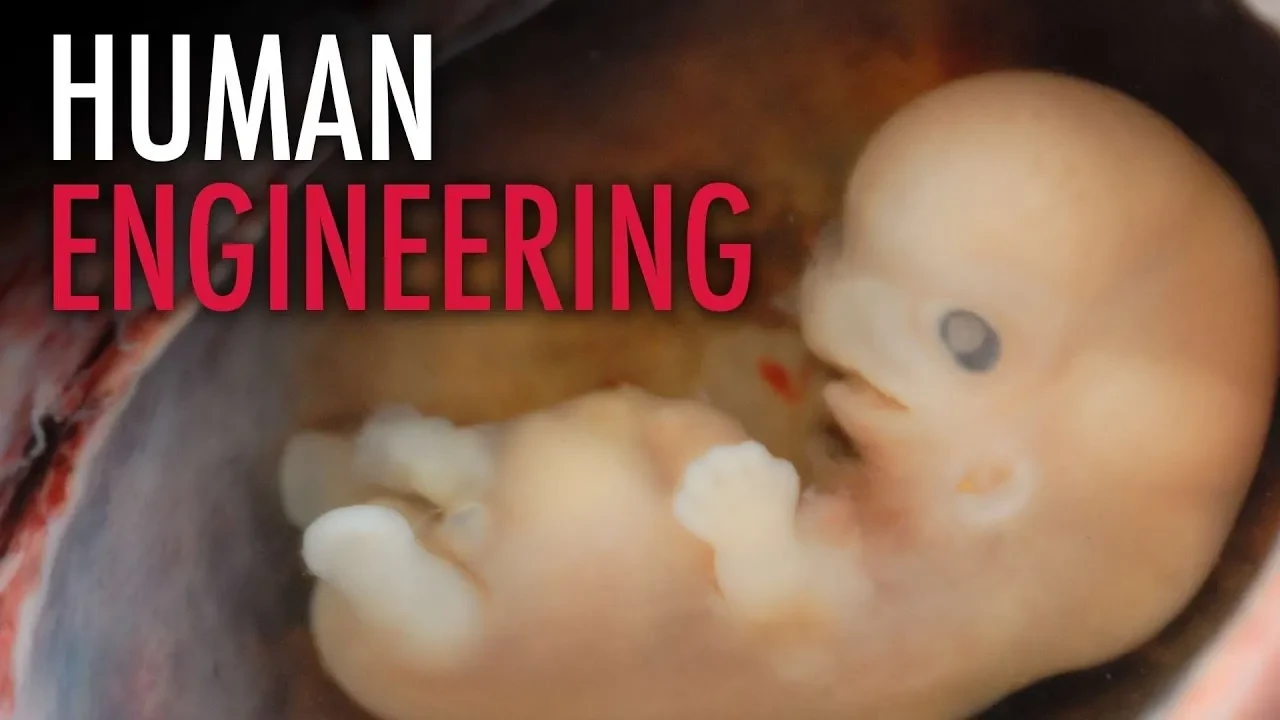
Human Engineering Explained Simply?
Fixing or boosting how the body works often comes from mixing science with tools made on purpose. When gadgets link up with people, someone usually shaped them to fit just right.
Aim high: better health, sharper performance, stronger daily living. Cross paths here with biomedical engineering, sometimes biotech, often artificial intelligence.
Folks such as Hugh Herr are building high-tech artificial legs so people who’ve lost limbs can move around just like before. From labs to real life, these creations shift how we think about walking without a full body. Movement flows smoother now, thanks to clever engineering behind the scenes. Each step taken feels less forced, more human, because design follows function in surprising ways.
Human Engineering Variations
1. Biomedical Engineering
Built into healthcare are tools like pacemakers, fake organs, or limb replacements. When parts of the body stop working, these fix what’s missing - step by step, day after day.
2. Genetic Engineering
DNA changes made by researchers can help avoid illness or boost well-being. With tools such as CRISPR, fixing inherited conditions becomes a real possibility.
3. Brain–Computer Interfaces
Floating somewhere between mind and machine, brain-computer links make silent signals talk to gadgets. While some firms push ahead with gear meant to turn thought into motion, others watch closely - Neuralink stands out building tools that might let humans run tech just by imagining it.
4. Human Augmentation
Wearing tech that boosts strength? That happens now. Devices strapped on or placed inside bodies lift what people can do. Take machines worn like armor - workers handle heavier loads. Tiny computers set beneath skin track health quietly. Some gadgets even sharpen sight beyond normal limits. Tools built to assist senses reveal hidden details in surroundings.
Human Engineering Has Advantages
Human engineering can:
Help people with disabilities regain abilities
Improve medical treatments
Enhance physical strength and endurance
Improve brain–machine interaction
Breakthroughs like these might lift daily living while stretching what people are able to do.
Ethical Concerns
Human engineering also raises important ethical questions:
Should humans enhance abilities beyond natural limits?
Who will have access to these technologies?
What if some people change themselves while others stay the same - would that split us? Might one group pull ahead just because they’re modified? Would those who remain untouched fall behind by default?
Thinking ahead means walking carefully too. What matters grows when care shapes each step.
Conclusion
Science shaping people might be how we evolve next. Healing lives could come hand in hand with new abilities. Change may arrive quietly, built into our biology by design.
Faster tools emerge, so our bodies might start blending with devices in ways once thought impossible. Machines could soon feel less like objects, more like parts of us.
The future may not just be about adapting to technology - but integrating with it
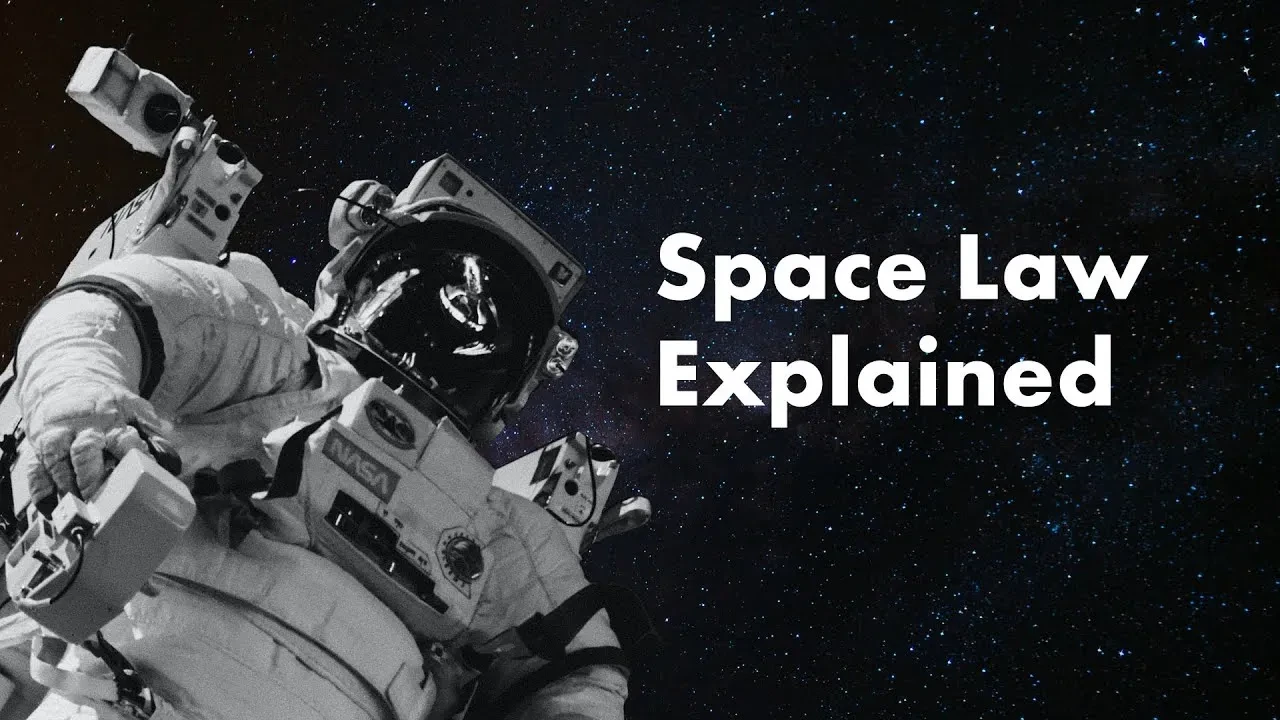
Out there, among the stars we’re now reaching faster than ever, one thought keeps surfacing - what happens when we get past our atmosphere and someone needs to set limits? That’s when laws meant for orbit start making sense. Not every rule fits, yet something has to hold things together once rockets leave ground control behind.
Out there beyond Earth, nations follow shared guidelines when they explore the skies above. These understandings keep activities calm, prevent conflicts, while allowing access for many. Instead of chaos, cooperation shapes who does what among the stars.
Now that rockets launch not just from governments but also from private firms, rules for outer space matter more than before. What happens beyond Earth is no longer just a dream - it needs clear guidelines.
YouTube Video Link: https://youtu.be/NUCZt5OcszY?si=PHGiYfFZUECNipwb
What Is Space Law?
Out here among the stars, a set of rules shapes what happens beyond Earth. These guidelines handle matters like who owns what when it comes to rockets, satellites, even moon rocks. One nation launches something, another watches - responsibility still lies with the launcher. Accidents? Debris floating around gets tricky fast. Ownership stays clear - even if an object is drifting, it belongs to whoever sent it up. Disputes might land in international courts, though few cases ever get that far. What feels distant now could matter more tomorrow
Use of satellites
Space exploration
Ownership of space objects
Prevention of conflicts in space
Most rules about space come from global agreements instead of one nation's legal system.
The Outer Space Treaty
Space's key legal deal? The 1967 Outer Space Treaty holds that spot.
This agreement set out main ideas
A single nation holding rights over the Moon isn’t allowed. Planets beyond Earth fall outside any government’s control.
Nobody gets to wage war beyond Earth's atmosphere. Peace rules the sky above us.
Space actions belong to nations. Their tasks come with duty.
Nuclear weapons cannot be placed in space.
A single agreement laid down how nations handle outer space. Rules began here, shaping every mission that followed.
Who Enforces Space Law?
Out in space, rules come together when countries work alongside one another. The United Nations helps shape those rules, guiding how nations agree on what happens beyond Earth.
A single nation handles oversight of its space flights along with private groups involved.
Private Firms and Space Rules
Once upon a time, nation-run agencies were the sole visitors beyond Earth. Now, corporate teams shoot for orbit, craft their own launchers, yet dream of red dirt under boots one day.
Out in the stars, rules keep firms from cutting corners. Oversight by nations helps dodge crashes plus keeps things orderly.
Space Law Matters
Space law helps:
Prevent conflicts between countries
Protect satellites and space missions
Promote peaceful exploration
Ensure fair use of space resources
Fights might break out beyond Earth if rules stay absent. Dangers grow when no one governs the sky.
The Future of Space Law
Facing trips to the Moon and Mars, people start asking fresh legal questions
Who owns space resources?
Can people live permanently on other planets?
How should space be protected from pollution?
Ahead of us, space rules keep shifting alongside our travels beyond Earth.
Conclusion
Out beyond our planet, rules shape how people behave - built so nations work together without fighting. These guidelines guard spacecraft, keep efforts calm even when tensions rise elsewhere. What happens up there stays clear of chaos because someone wrote it down long ago.
When people push farther into space, rules about who can do what out there will start to matter more. How we handle those choices might decide how things go when humans live beyond Earth.
Out there, beyond our sky, things move by patterns we figured out right here at home. Though huge and never-ending, space sticks to laws drawn up in human labs.
A single spark fires inside your head every second, millions joining to shape what you feel, think, or do. Yet how can anyone see those tiny bursts at work? Doctors often turn to a method named EEG when they need to watch such activity unfold.
Electrical patterns in the brain? Those get picked up by EEG, safely. Without poking into the body, it captures what's happening inside. Doctors lean on it when tracking down nerve-related issues. Brain scientists use it too - watching activity unfold shapes their insights.
YouTube Video Link: https://youtu.be/V8UblZItOlQ?si=k6EgzNYw4gi6oeqj
Understanding EEG Brain Wave Measurement?
Brain waves get tracked using a technique known as electroencephalography. This process, often shortened to EEG, captures how electricity moves through your head. Recording happens by placing sensors on the scalp that pick up signals. What results is a detailed look at ongoing neural patterns. Each fluctuation shows shifts in mental states over time.
Inside your head, a huge number of nerve cells work without stopping. Each one passes messages through small bursts of electricity. Sensors on the skin pick up those patterns quietly. What they find gets written down by a machine named EEG.
Back in 1924, Hans Berger came up with a new method. Because of his work, scientists could finally watch how the brain behaves while it's working.
How EEG Works
Fine discs of metal, fixed to the head, pick up sparks from nerve activity inside the skull. Signals travel through these contacts, revealing patterns made when brain cells fire messages across networks.
The Process Includes:
Small sensors go onto the head's surface.
Electrical signals show up through the sensors. They pick up what the body sends out when it moves or reacts.
Fresh off the sensor, the signals grow stronger before being captured. Then stored, they wait - each pulse now fixed in place by quiet machines.
On the monitor, shapes rise like waves when the data shows up.
Beyond just showing activity, these waves give clues about how the brain is working. A doctor might watch their rhythm to spot irregularities others miss.
Types of Brain Waves
Bursts of electrical activity show up in unique patterns. These shifting rhythms match how the mind shifts through awareness. A sleepy haze brings one kind of wave. Sharp focus pulls another into motion. Calm stillness carries its own signal. Each state leaves a distinct mark on the recording
Alpha waves – Relaxed and calm state
Beta waves – Active thinking and focus
Theta waves – Light sleep or deep relaxation
Delta waves – Deep sleep
Finding these patterns lets researchers see how the brain behaves when things change around it.
Uses of EEG
EEG has many important medical and scientific uses:
1. Diagnosing Brain Disorders
Bouncing between signals, EEG spots issues such as epilepsy or sudden seizures. Brain trauma shows up clearly through its patterns. Unusual electrical activity often reveals itself during scans meant for injury checks.
2. Sleep Studies
Researchers can look into how people sleep, along with problems that might occur during rest. Sleep habits become clearer when examined through this tool, while certain irregularities also come into view.
3. Brain Research
Looking at brain waves helps experts spot how people remember things. While tracking electrical activity, researchers learn what holds focus. Consciousness gets clearer when patterns show up on screens. Through these signals, scientists see mental processes unfold differently each time.
4. Monitoring Brain Health
EEG can monitor brain activity during surgery or medical treatment.
Is EEG Safe?
Fine to do, no risk at all - brain activity gets picked up without any input from the machine. The test just listens, it doesn’t interfere.
Finding its place across clinics and labs, thanks to a gentle approach that doesn’t invade the body.
Conclusion
Watching the brain work becomes possible through electroencephalography. This method captures tiny electric pulses, offering clues about how neurons fire across regions. Because it tracks these patterns, doctors spot irregularities tied to conditions like epilepsy. Scientists also gain insights into thinking, memory, even sleep - all from signal shifts on a screen. Each wave recorded adds pieces to the puzzle of consciousness.
EEG helps doctors spot health issues. It also guides researchers uncovering how the mind works. One moment it's tracking seizures, next it's revealing patterns behind thought itself. This tool keeps opening doors - quietly, steadily - into understanding what makes us tick. The brain stays mysterious, yet full of signals waiting to be heard
When regular talk does not reveal answers, investigators may turn to science-based tools. The Narco Test, Polygraph Test, although different, serve similar purposes. One involves drugs, another tracks body signals, while the third watches brain activity. Each method tries a separate path where words fall short.
Finding out if someone is concealing facts drives the use of these methods. Still, debate follows them closely due to concerns about fairness and legality. Exploring their function means looking at how they operate, where they apply, because reasons behind their adoption aren’t always clear.
YouTube Video Link: https://youtu.be/Tf0D-k-sMkE?si=mEJep5CLqMwpD7AA
Understanding the Narco Test?
Under the skin, a needle delivers Sodium thiopentate - this slips the mind into a hazy drift. Out of full control, yet not asleep, the person speaks without usual filters. A drowsy openness takes over, guided by the chemical path.
When someone is like this, their reactions can slip loose - questions tend to land better then. Investigators find openings where answers come more freely. A loosened grip on self-control shifts how replies form. This moment lets queries move through with less resistance. The mind stumbles slightly, creating gaps that questions fill. Control fades a little, leaving room for probing. Responses arrive without full checking. That gap between thought and speech widens just enough.
How It Works:
Slowing things down inside your head - that's what this medication does. Brain function takes a dip when you take it.
A sense of ease settles in, defenses softening without effort. Stillness arrives, tension slipping away like weight from shoulders after a long day.
During this condition, people answer queries posed by researchers.
Reasons for Use
Finding details gets harder if people won’t talk. Yet silence pushes detectives to look elsewhere for answers.
Still, replies might lack accuracy - truth or full details could go missing anyway.
What Is a Polygraph Test?
A machine that tracks shifts in bodily reactions during questioning goes by another name too - lie detector. It watches things like sweat or heartbeat when someone responds.
The device records:
Heart rate
Blood pressure
Breathing rate
Sweating
Lying might bring on tension, affecting bodily responses as a result.
How It Works:
A small device tracks how your body reacts when you respond to certain queries. Breathing shifts, sweat levels, heart rate - these signals get recorded moment by moment. As each question comes, the system logs changes without delay. Responses unfold in real time, tied closely to physical signs. Every answer links to a pattern of bodily reactions captured silently.
Why It Gets Used
Finding lies becomes easier for those looking, even if absolute proof stays out of reach.
A machine that measures bodily responses came into being through the work of John Augustus Larson during the 1900s. Though invented long ago, its core idea still lingers in modern questioning methods.
Brain Mapping Explained?
Electrical patterns in the brain - tracked through a method known as BEOS - can show if someone remembers specific details. Recognition lights up distinct areas, revealing familiarity without needing words. This kind of scan picks up signals when memories surface unexpectedly. Information recognition becomes visible, not just spoken. Signals shift when familiar thoughts appear. What stands out? The mind reacts before speech begins.
Floating across the skull, sensors capture flickering impulses straight from the mind. Tiny receivers sit above the hairline, tracking waves of activity beneath. Perched lightly on skin, these tools pick up whispers of voltage pulsing through neural paths. Resting quiet on the head, gadgets translate thought patterns into readable data streams.
How It Works:
The person listens to words or statements related to the crime.
Wires pick up signals when neurons fire inside the head. Tiny voltages show on a screen as waves move across time.
Familiarity sometimes shows up in how we recognize things. Noticing details can point to prior exposure. The way someone responds might reveal they’ve seen it before. Patterns of identification often suggest past experience.
Reasons for Use
Does the mind hold onto details tied to the case? That’s what this checks.
Legal and ethical challenges
Back in 2010, India's top court said one thing clearly: you can’t force someone into a narco test, polygraph, or brain scan unless they agree. That decision applied across places such as India. Consent became the key factor then - no exceptions. Without permission, those methods were off limits. The ruling stood firm on personal rights. It wasn’t about suspicion. What mattered was choice. Even if authorities wanted answers, they had to wait for approval. These exams needed willingness, nothing less. Since then, the rule has held steady.
Freedoms stay safe when people cannot be made to undergo tests. Protection comes from rules that block compulsory checks.
Limitations
Nothing works perfectly every time since things can go wrong unexpectedly
Stress can affect results
People may give incorrect or incomplete answers
Brain signals can be difficult to interpret
Most often they serve to dig deeper, yet rarely stand as solid evidence when cases reach trial.
Conclusion
Narco exams peek inside minds using meds, while lie detectors track body shifts during questions. Brain scans map electrical sparks behind thoughts instead. One leans on chemistry, another watches sweat and pulse, the third catches neurons firing. Drugs open doors to truth for some, bodily reactions hint at lies for others, brain patterns reveal hidden knowledge apart.
Besides offering hints, these tools carry risks - handling them right matters just as much as using them at all.
A single fact might point the way - yet fairness in court shapes real outcomes. Evidence needs room to breathe, while rules keep things balanced.
Picture two tiny bits tied together so tightly that an event hitting one changes the second right away - no matter how far between them, even across millions of kilometers. That odd but real behavior? It goes by the name quantum entanglement.
Strange links between tiny particles surprise scientists today. These connections question how we see locations, moments, not just objects. A famous thinker once doubted such effects, naming them eerie influences across empty areas
YouTube Video Link: https://youtu.be/whIDqYMb5Yw?si=raPCv9gX6AWMnIzn
Quantum Entanglement Explained Simply?
Out here, quantum entanglement shows up when particles link together - suddenly, what one does shapes the other. If you check one, the second snaps into place right then, even if miles away.
Take a pair of linked particles spinning in opposite ways. Should one turn out up when checked, the second flips down without delay. Distance makes no difference - it clicks into place right away. The change shows up at once, no matter how far apart they are.
Even far apart, the link stays strong - a puzzle that still defines quantum science.
Entanglement How It Occurs?
Pulled apart they may be, yet their fates still mirror one another. Close contact once linked them, setting up a bond that distance cannot break.
Not long after, John Bell came up with math tools - later named Bell's Theorem - to see if quantum entanglement could actually happen. Experiments run by Alain Aspect showed it does work just like the equations said.
Out of these tests came proof - nature doesn’t follow rules set by old-school physics. Sometimes it twists where logic expects a straight line.
Entanglement And The Speed Of Light Question?
Light-speed messaging might appear possible when looking at entanglement up close. Still, researchers point out that nothing carrying real data moves quicker than light.
Oddly enough, particles share a bond that goes beyond normal signals. This link stays within the rules of Einstein’s relativity, not against them.
Real-World Applications
Far from mere idea, quantum entanglement shows up in actual tech. One example lives in secure communication systems. Another appears when clocks sync across vast distances. It even helps sensors detect tiny shifts in gravity. Experiments confirm it every day in labs worldwide
Quantum computing
Quantum cryptography (secure communication)
Quantum teleportation experiments
Futuristic tools might flip how we handle data security one day. Machines that think differently may shape what comes next for digital protection.
Quantum Entanglement Has Importance
Reality might not be what it seems. When particles link across space, something strange happens - distance stops mattering. One changes, the other follows, instantly. This connection hints at a deeper layer beneath everything. The world acts less separate than people thought. Faster-than-light ties exist, even if unseen. What we see may only be part of the story.
Through entanglement, new doors open into how space unfolds, time flows, why things exist at all. Scientists find clues by watching particles act as one, even when far apart, reshaping old views quietly. Reality seems stitched together strangely, not quite what earlier guesses assumed. What looks separate might be connected underneath, hinting at hidden layers below sight.
Conclusion
Strange links between tiny bits of matter surprise scientists again and again. These ties hold strong even when separated by huge stretches of space. What happens here affects there instantly, no slow signals needed. Logic we trust every day fails completely at this level.
What puzzled Einstein long ago now shapes much of today’s scientific progress along with tomorrow’s tech advances.
Strange as it sounds, quantum entanglement shows how little we grasp about what's real. Fascination creeps in when things act linked across space with no visible connection. What seems solid often hides deeper oddness underneath. Reality shifts when particles mirror each other instantly, no matter the distance between them.
Reality seems steady, doesn’t it? Things like chairs stay put, their spots unchanged. Yet underneath, something odd hums quietly. This hidden part acts nothing like what we know. Rules bend there. Welcome stumbles into confusion.
Down in the tiniest parts of nature, things act nothing like what we see around us every day. Figuring out how those tiny rules shape the world we live in stands among the hardest puzzles scientists face.
YouTube Video Link: https://youtu.be/B0BpGL3lTXs?si=FzsnwGd8Q-gSvHU1
the quantum world explained simply?
Tiny bits - like electrons and light pieces - are where quantum things happen. Down there, stuff does not move like marbles on a table. Waves of maybe-ness describe what they are doing instead. This scale changes how everything seems to work.
A single thought from Max Planck started it all - energy isn’t smooth, but comes in tiny chunks known as quanta. That notion became the seed of quantum theory.
Far from smooth, reality turned out to be made of small separate pieces. A single find revealed it.
Superposition Multiple States Together
A single particle might spin both ways at once - until someone checks. This odd state vanishes the moment you look.
A strange example came from physicist Erwin Schrödinger - his well-known mental test involving a cat that exists in two states at once, living yet also not, until someone looks. Despite being just an idea, it shows how odd things get when unseen.
It pushes against the old idea that things always sit in one clear condition.
Observation and Reality
Here’s how it works in quantum mechanics: watching something changes it. A particle floats between many potential versions until someone checks. Only then does it settle into a single form.
A wave function's breakdown usually goes by this name.
Reality down in the tiny world of particles seems undecided until it bumps into something around it.
Quantum Effects Shape Daily Life
Even though tiny particles act oddly, they build up every part of our world.
Tiny bits link up, making small clusters that build everything we touch. What feels firm comes from endless tiny pushes and pulls unseen.
When things get big, tiny quantum jitters blend into smooth predictability. That shift - from fuzzy probabilities to solid everyday outcomes - happens through a process called quantum decoherence.
Why It Matters
Far from being only abstract ideas, quantum physics drives today's tech.
Far beyond everyday experience, quantum rules shape tools we use daily. Semiconductors, lasers - each one leans on strange behaviors at tiny scales. Imagine no such science: phones, computers, even lights might never have worked. Remove quantum theory, and the foundation of today’s gadgets vanishes.
Peering into the strange rules of tiny particles lets researchers uncover tools we never had before, while also revealing hidden layers of reality. What happens at that level shapes everything else, even if it seems odd compared to daily life.
Conclusion
Beneath everything you see lies a tiny, invisible layer. Though its rules seem odd - even baffling at times - order somehow emerges from that chaos into what we know.
Far beyond what meets the eye, even tiny bits of matter link up across space by invisible rules. Yet at cosmic scales, these same patterns tie vast galaxies into a single web.
What seems straightforward up close hides something odd underneath - tiny pieces following strange patterns nobody fully gets. Life looks clear until you notice how weird things get when you look too hard.
One moment you’re asleep, then - snap - you notice it’s all made up. Perhaps floating comes easy. Or twisting hallways appear out of nowhere. Sometimes choices feel real, even here. That shift, when the mind wakes inside sleep, has a name: lucid dreaming.
Wide awake inside a dream - that’s what happens when awareness slips into sleep. Not asleep enough to be lost, yet not awake either - your thoughts steer through nighttime scenes on their own path.
YouTube Video Link: https://youtu.be/QsZUsrESxco?si=oMar9VlDCFDcKmMm
Understanding Lucid Dreams?
A person realizes they’re inside a dream during a lucid one. While regular dreams seem lifelike and unfold on their own, clarity shows up here instead. Awareness shifts everything - control sometimes follows, though not always.
At times, a person might steer what they do, shift where they are, or reshape the entire flow of the dream. That twist is what sets lucid dreams apart from ordinary ones.
Lying between wakefulness and deep sleep, lucid dreams caught science's eye long ago. Into this space stepped Stephen LaBerge, a psychologist with notebooks full of nighttime reports. His work helped show - beyond guesswork - that people really can know they’re dreaming while still asleep.
When Lucid Dreams Happen?
When you slip into REM sleep, that’s often where lucid dreaming shows up. Brain waves start racing at this point, making sharp, clear dreams more likely.
When you enter REM sleep, the mind stays busy even though muscles stay still. Because of this quiet body state, dreaming happens without risk.
Brain Activity Patterns?
Besides drifting through regular dream states, someone might find their mind suddenly sharper during lucid spells - awareness lights up zones that stay dim otherwise.
Still dreaming, yet knowing it isn’t real - that’s what happens when awareness slips into sleep. Between waking and drifting lies this odd moment.
Better Sleep Through Mind Control
Lucid dreaming can offer several benefits:
Helps overcome nightmares
Boosts creativity and imagination
Improves self-awareness
Allows mental practice of skills
A few runners, painters, or musicians picture their moves before acting - much like when someone realizes they’re dreaming. This mental run-through helps them stay sharp during real moments.
Lucid Dreaming Safety Considered?
Lots of folks find lucid dreams come without risk, just part of how minds work. This kind of awareness during sleep doesn’t mess with your body or thoughts.
Still, nothing must disrupt sound sleeping habits. Good rest matters deeply for how you feel each day.
Conclusion
Waking up within the dream - that moment reveals something deep about thought. Noticing you're dreaming happens when the brain shifts, somehow seeing itself. This awareness doesn’t come every night, yet it proves mental layers exist beyond sleep.
Though researchers keep digging, lucid dreams open a rare view on awareness, creativity, maybe even how we rest. What happens inside them might tell us more than lab notes ever could.
Even during sleep, the mind stays busy, opening doors to surprising moments. While resting, it still works, creating vivid inner journeys. The brain does not shut down, instead it shifts into unseen patterns. In deep slumber, thoughts can twist into rare forms. Though the body sleeps, awareness finds odd pathways. Dreams emerge without warning, shaped by quiet activity. Rest brings motion beneath the surface.
Each morning begins with picks - food on your plate, words leaving your mouth, steps you follow. Yet pause once in a while. Could it be someone else shaping those moments? That wonder tugs at the core of an ancient clash thinkers still wrestle with today - the idea called free will.
Nowhere is choice more puzzling than when we think we’re deciding freely. A person might pick one path instead of another, yet wonder if forces beyond them shaped that move. Sometimes it feels like actions come from inside, other times they seem guided by unseen chains. This tension pulls at ideas about blame, credit, and whether things could have gone differently. Reality itself gets questioned when choices appear both personal and influenced.
YouTube Video Link: https://youtu.be/A4yu_qHrxKs?si=F73SsO9egoag_YlX
The Basic Meaning of Free Will
What if people really pick their path? That power to decide - yours, shaped by what you want and think. Choices branch out, not forced, but formed inside. Your mind leads, moves you one way or another. Not everything written ahead. A turn here, a stop there - all up to you.
Besides studying, resting might seem just as reasonable. Still, picking one means weighing what matters right then.
Free will matters because doing right or wrong means little without choice. That idea sat at the heart of thinking by figures such as Aristotle. Without control over what we do, blame makes no sense. He saw a clear link between picking your path and owning the outcome.
Free Will Against Determinism
A choice might be ours - yet some argue unseen forces shape every move. What feels like freedom could just follow hidden rules.
A single choice you make stems from what came before it, shaped by nature's rules. Your actions tie back to earlier moments, linked through cause after cause. Biology plays a role, yes, yet so does where you have been and what happened there. Each decision grows out of conditions already in motion.
It could start moving before thought kicks in, one idea goes. Decisions might not come from us quite how we picture them, some researchers say.
So here's what comes up - could it be that what feels like picking something freely is just how brain chemistry looks from the inside?
Free Will and the Human Brain
When people choose something, their brains have already acted seconds earlier. Brain scans reveal activity kicking off well ahead of someone realizing they’ve made up their mind.
Yet some researchers argue awareness matters when guiding actions. Still, how it influences choices remains unclear to others studying the mind.
Still no clear answer, yet science keeps digging while philosophy turns it over in thought.
Why Free Will Matters
What makes free will matter? It ties into how we handle blame or praise. Choices shape our moral views, sure, yet they also form who we think we are. A person's sense of self often grows from decisions freely made.
If free will exists:
People are responsible for their actions
Moral and legal systems make sense
Individuals can shape their own future
Without free will, ideas about blame might shift. When choices aren’t truly ours, actions take on new meaning. Responsibility could look different. Behavior may be seen less as fault, more as outcome. How we judge each person might soften. Reactions to crime, success, failure - these views might bend. The weight of decisions slips from shoulders. What once felt like choice now reads like motion.
Conclusion
What if people truly decide things for themselves? That thought sits at the heart of free will. Choices might feel personal, yet the mind's workings play a big role behind the scenes. Philosophers argue it matters deeply. Meanwhile, researchers watch neurons fire, searching for clues about who really steers the ship.
Freedoms might be limited by genes or surroundings - still, picking paths shapes who we are. Choices sit at the heart of what it means to live as a person.
Fate isn’t handed down - it grows from choices made each day. Who you become ties back to what you choose, not luck or chance.
What shapes the way we live often comes down to choices made far away. Not every choice is obvious, yet each one shifts something nearby. Power moves behind closed doors - sometimes seen, mostly hidden. Whose hand guides what happens next stays unclear.
Power flows from citizens in democratic systems, either straight to rulers or through chosen paths. Still, many parts make it run - offices, roles, groups - all holding pieces of duty. To see how these fit, look closer at their connections.
YouTube Video Link: https://youtu.be/R9g5Bk69wC4?si=BD6WeIPn8KMhUzr7
Citizens and Their Part
Power rests with ordinary people in places such as India. Voting happens when individuals pick representatives. Once chosen, those reps run things for everyone else.
Voting allows citizens to:
Choose representatives
Remove leaders who do not perform well
Influence government policies
People hold the power to keep government answerable through this setup.
The Three Branches of Government
Power in many democracies splits across three parts, simply because balance matters. One part makes laws, while another puts them into practice. The third watches both, ensuring neither goes too far. This setup keeps decisions fair, avoiding control by just one group. Each branch checks the others, quietly holding things steady
1. Legislative Branch
Lawmaking happens here. The job belongs to India's Parliament, made up of chosen members.
Out of discussions come rules shaping how people live. One idea follows another until a decision takes hold. Through back and forth, choices turn into law.
2. Executive Branch
Law enforcement and implementation fall under the executive branch. Heading it are figures such as the Prime Minister alongside various government officers.
Ahead of every official task stands the Government of India, guiding how things move day to day. Running operations falls to this central body, shaping choices across departments.
3. Judicial Branch
Fairness lives where judges explain what laws mean. When rules get tangled, courts step in - keeping things balanced. Rights stay safe because the system watches closely. The Constitution? It’s guarded like a quiet promise.
Last among equals in Indian courts stands the Supreme Court of India.
When government moves, the constitution checks its step.
Checks and Balances
One part holds only so much sway, yet it can slow down the rest. Power spread thin means nobody grabs hold of everything.
Freedoms stay safe when power is checked like this. Control shifts only where limits allow.
Other Factors Affecting Government
Besides elected leaders, other groups also influence government decisions, such as:
Media
Public opinion
Interest groups
Civil society organizations
Transparency sticks around because of these teams. Their presence keeps promises visible, holding actions up to light without excuses.
Conclusion
People hold the real authority in a democracy, choosing leaders by casting votes and taking part. Power spreads across three parts of government - laws made here shift under watchful eyes. One branch acts while another checks its steps, neither ahead nor behind for long.
Fairness shows up because the setup holds actions answerable while keeping things steady. Stability sticks around when responsibility meets balanced rules without tipping. Accountability grows where fairness and consistent structure link together naturally.
Power grows not from those in charge, but from those who give them power.
Inflation pops up on screens whenever groceries, gas, or basic goods cost more than before. Yet do we truly understand what inflation means - or how it touches every person around?
Picture this: stuff costs more today than it did yesterday, slowly eating what your cash can grab. That squeeze on buying strength? It happens as price tags climb across shops and bills. See it like water slipping through fingers - same dollars, less bought. Spotting this shift sharpens choices about saving, spending, even investing. Wrap your head around it, and the bigger money picture starts making sense.
YouTube Video Link: https://youtu.be/dwb203PL9M8?si=ujYi02WaEix5KT1x
What Is Inflation?
A jump in prices across many goods shows up as rising costs everywhere. Picture paying ₹20 for bread now, then seeing it cost ₹25 later - that shift marks what happens during inflation.
Pricing shifts ripple through countless items, not merely a single item. When costs climb, what each dollar buys shrinks.
Fifty years ago, that hundred-rupee note could fill a cart. Prices shift slowly, like sand under waves. So what feels enough now might fall short later. Money loses grip on value over time. A quiet fade, not sudden. That is why today's ₹100 may stretch less tomorrow.
What Causes Inflation?
There are several main causes of inflation:
1. Demand-Pull Inflation
Prices go up if lots of folks are chasing too few items. That spike in interest pushes costs higher, especially when production can’t keep pace.
Rising need for homes might push values up.
2. Cost-Push Inflation
Fuel, materials, or worker pay go up - that lifts what things cost to make. When making stuff gets pricier, companies charge more just to stay even.
Fuel costs go up, so shipping gets more expensive, pushing prices higher on goods. Transportation expenses grow when oil rises, making items costlier across stores.
3. Increase in Money Supply
Floating through markets in large amounts, cash loses its grip on worth as costs climb. Watching closely, institutions such as the Reserve Bank of India adjust how much currency moves around - this helps steady rising numbers on price tags.
Economist Milton Friedman famously said, “Inflation is always and everywhere a monetary phenomenon.”
Effects of Inflation
Not every outcome tied to rising prices leans toward harm. Some shifts bring unexpected room for gain.
Negative Effects:
Reduces purchasing power
Increases cost of living
Hurts people with fixed incomes
Positive Effects:
Encourages spending and investment
When kept in check, it helps the economy grow
Things usually tick upward a bit in price - that’s expected. When numbers jump too fast, trouble finds its way into daily life.
Inflation Control Methods
When prices rise too fast, central banks step in with rate changes. Spending slows down if borrowing costs climb. On the flip side, cheaper loans tend to boost how much people buy.
Price stability sometimes comes through government-led economic moves.
Conclusion
Floating higher like warm air, inflation shows up in every expanding economy - yet someone has to keep its rise in check. Shifting how far cash can stretch, it reshapes daily expenses while tugging at the threads holding steady markets together.
When inflation clicks, handling money gets clearer. Because of that, shifts in the economy start making sense. One thing follows another once you see how prices move over time.
Floating prices show how cash shifts worth as markets move. Money never sits still, always nudged by economic tides.
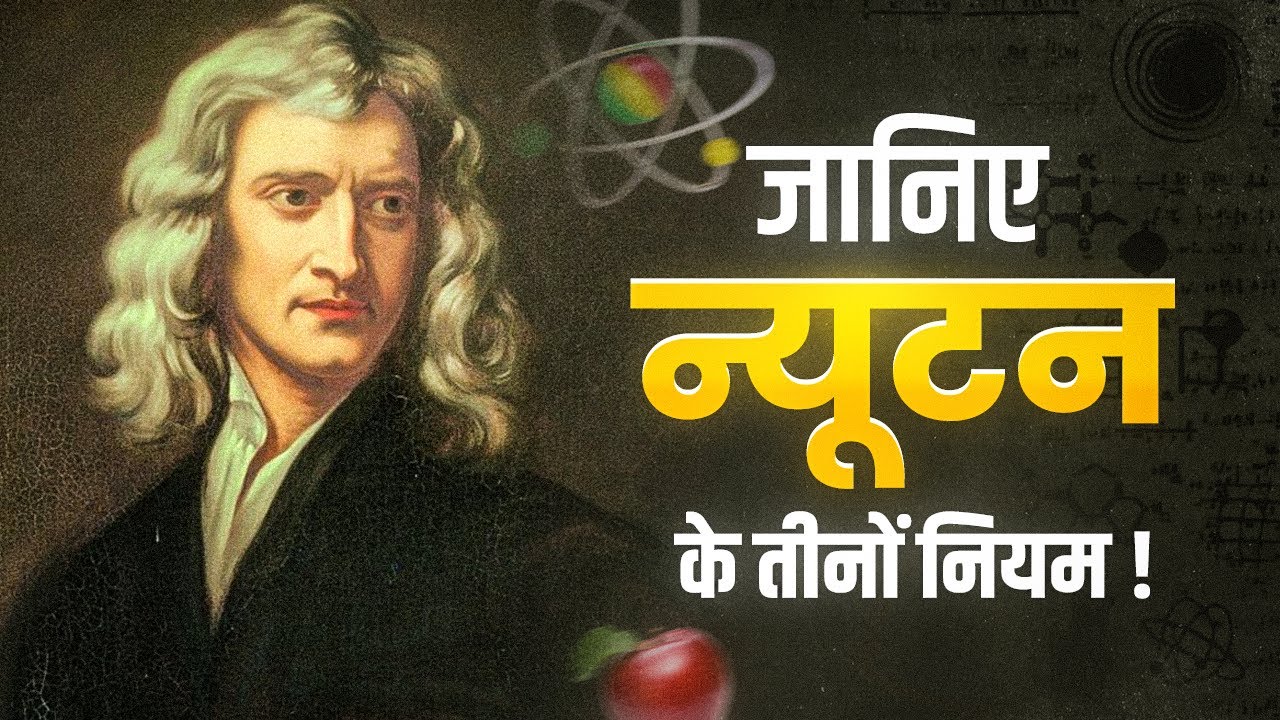
Floating through air, rolling down streets, stepping forward - motion shows up constantly. Not just machines but creatures too shift position every day. Ever paused to think about what guides these movements? A thinker named Isaac Newton laid out answers long ago, back when candles lit homes. His ideas from hundreds of years past still shape how we see pushes, pulls, and speed today.
Motion follows rules spotted long ago by Newton. His trio of ideas shapes much of what we know about movement. One law says still things stay put unless pushed. Another links pushes to changes in motion. The third tells us every push has a twin pull elsewhere. Engineers rely on these thoughts when building machines. Astronauts depend on them while flying beyond Earth. Simple actions like walking also follow such patterns without us noticing. These principles remain useful after hundreds of years. Their reach stretches from tools at home to vehicles among stars.
YouTube Video Link: https://youtu.be/MfUs9X3vNdo?si=q6VOiG8D4OauLc6Z
Newtons First Law
The first law states:
When nothing pushes or pulls it, a thing stays still or keeps going straight without changing how fast it moves.
A push won’t easily alter how something moves - that stubbornness has a name. It’s what happens when an object just keeps doing its thing unless forced otherwise.
Example:
A still book on a table stays put until a push acts on it. Rolling motion in a ball keeps going till something like friction gets in its way.
Imagine you're sliding ahead when brakes hit - your body resists stopping, that's inertia at play. Seatbelts matter because of this push-forward moment during sudden stops.
Newtons Second Law Force and Acceleration
Force changes how things move, that is what the second rule shows. Written down, it looks like this:
Pushing something depends on how heavy it is, also how fast you speed it up. A heavier object needs more push to move quickly. If acceleration increases, so does the effort needed. Mass stays constant, yet force changes when motion shifts. The formula links these three elements together tightly
This means:
A stronger push leads to faster speed gains. When you increase the effort, movement picks up quicker. Greater pressure means objects go quicker than before.
Falling on the heavier side, items need a stronger push. A solid shove suits big weights best.
Example:
A full cart resists movement more than an empty one. Because of greater weight, getting it going takes stronger effort.
From here, motion of cars ties back to rocket launches through one rule. That idea makes it possible to track both speeding trucks and spacecraft climbing past atmosphere.
Newtons Third Law Action Equals Reaction
For every action, there is an equal reaction waiting on the opposite side
A force always meets resistance just as strong. When something pushes, another push happens back. Every move triggers a countermove of matching strength.
Falling into place, every force shows up with a partner. Each one needs the other just by existing.
Example:
Upward you go because your leap presses down - then Earth answers back. The harder the push beneath, the higher the rise above.
Upward goes the rocket because it forces gas down first. That push back happens every time without exception.
Why These Laws Matter
Falling apples start with a tug we call gravity. Engineers use these rules when building bridges that must hold steady under weight. When you push a shopping cart it moves because force changes motion. Rockets rise by kicking gas downward hard enough to lift off. Every action has an opposite twin reaction tagging along behind. Objects stay still unless something comes along to trouble their rest
Engineering and construction
Space exploration
Vehicle design
Sports science
Without these rules, grasping how things move or push would be impossible. Motion makes sense only when seen through them.
Conclusion
When things stay still or keep moving, that is what Newton's first idea covers. Moving stuff tends to do just that unless something stops it. Push harder on an object, its speed changes faster - that links force and motion together. Forces always come in pairs; one push leads to another back at you. Each rule connects clearly to real movement seen every day.
Still today, long past their creation, these rules form the base of how we build and explore. Because of them, daily motion makes sense - also journeys beyond Earth.
Falling apples led one thinker to unlock secrets still shaping how we see everything around us now.
Waking up sets the tone - what follows sticks around. Research reveals how organized mornings lift spirits, sharpen attention, build output, support wellness over time. Ideal starts do not demand sunrise alarms - they match actions to inner timing of mind and body.
Let’s explore the science behind creating the perfect morning routine.
YouTube Video Link: https://youtu.be/0GjbIOS9Q90?si=CFP6ptiQrOvLl9eP
1. Wake Up Consistently
Far past midnight or bright at noon, your body listens to an inner timer - scientists call it the circadian rhythm. Built into every cell, this cycle shapes when you drift off, wake up sharp, or feel sluggish through hours. One after another, these patterns repeat without asking.
Fresh each morning when the clock hits the same mark, your body learns the beat. Off-schedule rising throws off thinking, like a skipped step in a dance.
Your body learns to rise with vigor when routines stick. Morning alertness grows through steady repetition. Energy builds where habits hold firm.
2. Get Sunlight Exposure
That early glow? It tells your system it is time to wake up. Light from the sun hits your eyes, slowing melatonin while nudging energy levels higher.
Bright light out there? It ramps up your body's supply of serotonin, which sharpens how you feel and think. Starting the day with just a short stretch under the sun - say, ten to twenty minutes - can shift things in noticeable ways.
3. Hydrate Your Body
Your body loses moisture while you sleep. That is why a glass of water when you wake up makes sense
Activate your metabolism
Improve brain function
Increase energy levels
Water makes up most of your brain, around three quarters. Because of that, drinking enough keeps thinking sharp.
4. Avoid Your Phone Immediately
Waking up to your phone pours a rush of data straight into your mind. That ping might stir unease instead of calm. Attention slips when alerts start piling up right away.
Give your mind space to stir on its own. That quiet start keeps the hours steady, one after another.
5. Move Your Body
A gentle workout at dawn gets the blood moving, while also sparking a rush of endorphins. These natural brain chemicals lift spirits and ease tension without effort.
Just moving a little - say, some stretches or a slow walk - might clear your head more than you’d think. Yoga, too, when done quietly in the morning, often wakes up the mind like sunlight through a window.
Fitness shapes how the mind works over time. Movement today supports thinking clearly years later.
6. Practice Mental Clarity
Starting the morning with quiet time clears mental clutter. Writing things down shifts how you see tasks ahead. Thinking through each hour makes decisions simpler later on.
Starting the day calmly can ease tension while sharpening attention. Some well-known figures take quiet time at dawn, using it to shape their plans instead of rushing in.
Fresh thoughts open doors to smarter choices.
7. Eat a Healthy Breakfast
Breakfast kicks things off when it comes to thinking clearly. Fueling your mind works better with eggs, nuts, and whole grains instead of skipping a meal. One bite at a time, focus sharpens if the plate includes more than just sugar. Clarity often shows up where scrambled eggs meet avocado. Without something solid in the morning, thoughts tend to drift like leaves in wind.
Too much sweetness might leave you feeling drained down the road.
Conclusion
Starting each day at the same time sets a quiet rhythm. Sunlight hits your eyes, nudging alertness without force. Water follows, filling spaces left empty overnight. A stretch or walk wakes muscles like a slow dial turning up. Thoughts stay guarded, kept clear from noise early on. Food enters only when the body signals it’s ready.
Healthy habits work better when they’re simple. Sticking with them matters more than complexity.
Waking up right sets the rhythm. That first hour bends what comes next.
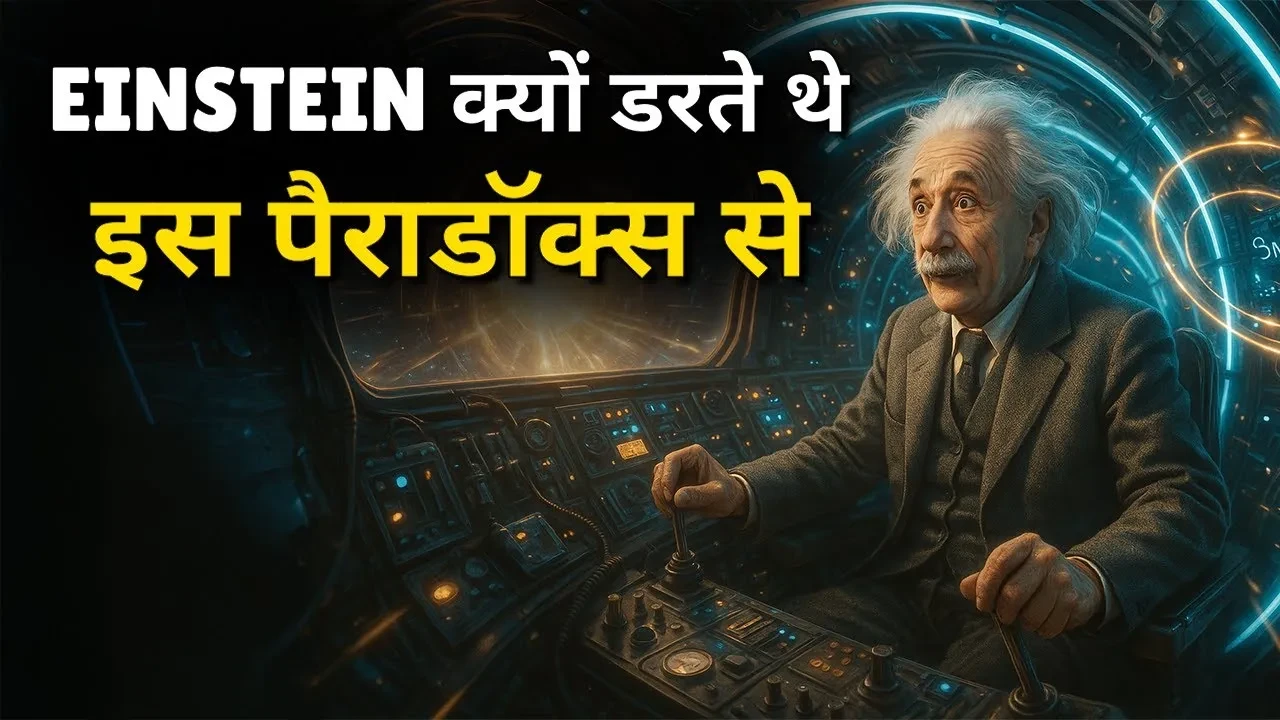
Most recognize Albert Einstein because of his work on relativity. Yet hardly anyone realizes he struggled with parts of quantum physics. A strange puzzle bothered him more than others. This oddity unsettled him greatly - so much that he once described it as “spooky action at a distance.”
This strange puzzle troubled Einstein deeply. Why such unease? Because two powerful ideas refused to fit together neatly. One describes stars and motion across space. The other deals with tiny particles acting unpredictably. Their clash still puzzles scientists today.
YouTube Video Link: https://youtu.be/SoOSkt7aiNQ?si=GaZ_0TlZDH3uPZ4T
The Puzzle That Bothered Einstein
Today we call it the EPR paradox - a puzzle introduced in 1935 by Albert Einstein, Boris Podolsky, and Nathan Rosen.
A test came into being just to poke at quantum mechanics.
It's odd how linked particles act as one, despite being far apart. A shift in one brings immediate change in its partner, no matter the distance between them. This connection puzzles scientists, showing behavior that seems to ignore space itself.
Faster than light? That clashes straight away with what Einstein taught. His view was firm: no thing moves quicker than light ever.
Why Einstein Felt Uneasy
Einstein believed strongly in local realism - the idea that:
What something does doesn’t start when we look. Its traits are already there, long before tools get involved. Just because eyes show up changes nothing about what was present earlier.
Light sets the speed limit - nothing moves quicker through space.
Faster-than-light signals might be implied when one particle's measurement sets another’s state instantly across distance. This looks like a breach of two established rules.
Something didn’t sit right with Einstein about quantum mechanics. Hidden factors, he thought, might explain the odd results while still playing by relativity’s rules.
Later Experiments Results
Fifty years ago, a thinker named John Bell came up with an idea now called Bell's Theorem. His work gave researchers a way to check if unseen factors might be behind quantum links between particles.
From behind lab walls came proof - Alain Aspect’s work in the eighties backed up quantum theory hard. What he found snapped old doubts: linked particles act together even when far apart, no secret signals needed.
A ghostly pattern shows up again, just like the one Einstein once called nonsense.
Was Einstein Wrong?
Truth be told, it wasn’t quite that simple. Because of Einstein’s doubts, science dug deeper. When he pushed back, researchers examined quantum ideas with sharper focus.
These days, folks believe in quantum entanglement - now it powers tools such as quantum computers along with secure communication systems built on quantum rules.
Fear of error never stopped Einstein - his focus stayed fixed on keeping physics logically sound.
Conclusion
Funny thing is, what kept Einstein up at night wasn’t some grand cosmic mystery - it was entanglement, that odd link between particles described in the EPR paper. This strange connection didn’t sit well with his idea of a universe where objects have set properties and nothing travels faster than light. Worse yet, it looked like it might clash with his own theory of relativity, the one he’d built so carefully.
Even after tests proved quantum theory right, it was doubt - Einstein’s refusal to accept things easily - that pushed science forward.
What scared him wasn’t the unknown - it was things that didn’t add up. By turning the puzzle inside out, he pushed science a step ahead.
Imagine a sky where stars are not alone. Picture spaces beyond our own, tucked behind invisible walls. One after another, these realms might stretch forever. Each holds rules unlike anything we know. Time could twist. Gravity may fade. You - someone like you - might live there too. Scientists call this idea the multiverse. Not just theory, but possibility hiding in math. Worlds on top of worlds, unseen.
Reality might not be what anyone assumes. Though the concept feels like a movie plot, certain physics models treat it as plausible. Starting from cosmic inflation, ideas emerge that multiply universes beyond our own. One theory leads to another, each building on mathematical possibility. Scientists examine these paths without dismissing wild outcomes. What seems extreme today sometimes becomes tomorrow's textbook fact.
YouTube Video Link: https://youtu.be/SeBUUdGNaQ0?si=bxYNJ995VXn62JlF
What the Multiverse Means?
One idea says what we know as everything might actually be a small part of something much bigger. Instead of only this reality, there may be countless others sitting beside it. These places could run on entirely different rules - gravity weaker, time shaped oddly, particles acting strange. Even choices made here might play out differently elsewhere, branching into versions where things turned another way.
A thought like this doesn’t come out of nowhere - it takes shape where physics meets the edges of space.
The Many-Worlds Interpretation
A single idea behind the multiverse stems from quantum physics. Back in 1957, a scientist named Hugh Everett III introduced what became known as the Many-Worlds view.
One version of reality splits off each time a tiny particle does something new, yet these versions never touch one another. A different world forms for every possible result, though we only experience one path.
A single particle might exist in two different ways at once - so reality divides, one version per outcome. As moments pass, more divisions pile up, building a vast collection of separate worlds.
Inflation and Bubble Universes
Out in space, a wild idea pops up because of cosmic inflation. That rapid stretch right after the Big Bang? Alan Guth dreamed it up. His thinking says everything blew apart faster than anything we’ve seen.
Now imagine parts of space where inflation hasn’t stopped. These pockets might keep expanding on their own. Within each one, rules like gravity or mass could play out differently. Some bubbles may follow laws we’ve never seen. Others might operate in ways beyond current understanding. Space, it seems, could host many kinds of reality at once.
String Theory Landscape
A single idea ties together nature's separate forces - string theory. Hidden within it lies a strange thought: countless kinds of universes might exist. One version does not rule them all; variety fits more easily here.
A single shift in how hidden dimensions are set up might change the numbers that shape physics. One arrangement here, another there - each brings a new version of reality. Hidden layers folded one way bring certain rules; fold them differently, and those rules drift. Each twist could host its own universe, quiet and separate.
Is There Evidence?
Right now, nobody has seen hard evidence showing the multiverse exists. Still just an idea built on math, not something caught in experiments.
Life might thrive here because countless universes exist - this one just happens to allow it. Yet some researchers doubt we could ever prove such an idea through experiments.
Why the multiverse matters
Reality might not stand alone, when you consider the concept of endless universes. That single thought shakes up what it means for something to exist, to be real, to matter.
If that turns out right, then what we know might be only part of something way bigger. The whole sky could hold pages we have not even seen yet.
Conclusion
Reality might stretch way beyond what anyone sees. Born from strange physics like quantum rules, endless space growth, or tiny vibrating strings, the idea pops up naturally. Some scientists love it. Others argue hard against it. This concept - the multiverse - sits at the edge of known thought.
Maybe it’s true, maybe not - still, the idea pushes minds past what we can see. Real or not, thinking about endless universes stretches thought; mystery wraps around everything, after all.
One thing stands out about Japan - it captures attention like few places do. With deep traditions sitting alongside sleek innovation, the country shows contrast at every turn. Mountains rise near cities humming with energy, while quiet temples rest close to busy streets. Islands make up the land, each adding something different to the whole. What gives it that distinct feel? Maybe it’s how old habits live comfortably beside new ideas.
On island chains eastward across Asia, tradition folds into tech like origami made new each day. Through mountains rising sharp beside bullet trains that slice the horizon - life holds both shrine bells and city pulse alike.
YouTube Video Link: https://youtu.be/gIVbICtADU4?si=6tpWZnoDZc5y6Syg
Japan's islands shaped by geography
Off to the east, a string of over 6,800 islands makes up Japan, scattered across the Pacific. Most people live on just four of them, which hold everything together
On Honshu, you’ll find Tokyo alongside Osaka - this main island holds more people than any other in Japan. Its size stands out, yet it’s the busy urban centers that define its character across the region.
Frosty winds sweep across Hokkaido, shaping a land of sharp peaks and quiet forest trails. Snow dusts the ridgelines while crisp air fills wide open spaces between rugged hills. Nature here moves at its own pace, marked by seasons that linger longer than most. Wild stretches remain untouched, tucked within borders called national parks.
Fires beneath the ground shape Kyushu, where steam rises through rocky cracks. Heat from deep below pushes upward, feeding pools that draw visitors without trying.
A journey across Shikodu follows old paths where travelers walk for quiet reasons. This island, smaller than the others nearby, holds eighty-eight temples strung like beads on a trail that circles forests, rivers, hills. People move step by step, not racing, drawn by something unnamed. Each stop marks a moment, not just a place. Though tiny on maps, it carries weight beyond size.
On the edge of the Pacific "Ring of Fire," Japan faces constant shakes and eruptions. Yet, through steady effort, strong safeguards have taken shape across the islands.
Culture Shaped by the Sea
Waves shape more than just shores - they’ve shaped traditions too. From coastal villages, nets have fed communities for generations instead of fields. Dishes rise from the sea, not farms, carrying salt and time in every bite.
Old ways live alongside new ones. Tea rituals stand beside bullet trains. Samurai history walks through neon streets. Shrines rest near skyscrapers. In Tokyo, past and future breathe together. This mix feels natural. The city holds both without effort.
Economy and Innovation
Home to cutting-edge gadgets, Japan stands tall among global economic powers. Machines that think, cars that zoom - this nation builds them with quiet precision.
Japan's success wasn't handed to it. Firms such as Toyota and Sony reached far beyond borders. With little in terms of raw materials, progress came another way. Smarts shaped the path forward. Learning mattered deeply. Doing the job right stood at the center.
Natural Beauty
Mountains wear snow like quiet crowns across Japan’s islands. Spring arrives with cherry trees blooming in soft bursts. Down south, warm shores curve beside clear water. When fall comes, forests ignite into reds and golds without warning.
Japan's famous volcano, Mount Fuji stands tall as both a mark of pride and a stunning sight in nature.
Conclusion
Water defines it more than land ever could. Though made of scattered pieces, the whole acts as one steady hand shaping centuries. Old ways walk beside machines without missing a step. Distance from continents never slowed its voice in world matters. Islands often fade into silence - this one speaks loud.
Islands make up its land, still tied tightly to distant shores - Japan holds quiet forests, ancient stories, one futuristic city after another.
Out of all things known, perhaps nothing puzzles us more than our own thinking. Yet it gives rise to ideas, shapes dreams, builds answers where none existed before. Emotions bloom inside it - joy, sorrow, wonder - without needing proof or reason. Every invention ever made first lived quietly in silence, just a flicker behind closed eyes. Paintings, songs, breakthroughs - all started not with noise, but stillness.
What actually makes up the human mind? From where do thoughts come, yet how do they shape actions? Why such a small organ holds immense influence remains puzzling. This mystery unfolds through closer look.
YouTube Video Link: https://youtu.be/z4aOiALk2Fk?si=ND6DoLGWByrkXTiU
What the Human Mind Is?
Thoughts, feelings, memories - these shape what we call the mind. Though the brain sits inside the skull as a bundle of cells and nerves, something more flows from it. What you sense, imagine, remember isn’t just tissue firing. Consciousness rises when those signals connect in certain ways. The body houses the hardware; lived experience forms the rest.
Firing off messages in split seconds, brain cells chat using sparks and soupy chemicals. Yet cracking how such chatter shapes what we think - or even notice - is still beyond reach, a puzzle that stumps researchers today.
Conscious and Subconscious Mind
Inside the human mind, layers exist - Sigmund Freud was the one who pointed that out.
1. Conscious Mind
Right here is what lets you take in words, make sense of them. Logic flows through it, choices come from this spot. You notice things because of how it works. This piece stays active while you move through thoughts.
2. Subconscious Mind
Floating beneath awareness, the mind tucks away old routines, lingering doubts, repeated patterns. Quiet nudges shape choices while attention looks elsewhere.
Few ideas stick around forever, yet the notion of hidden layers in thinking still holds weight even as science moves past Freud's first attempts. Though today’s experts see things differently, that old idea about deeper levels shaping thoughts hasn’t faded away.
The Power of Thinking
A thought bends how we see things. When one event happens, responses split - mood and what someone trusts coloring each version apart.
A bright outlook, seeing success in your mind, or staying mentally sharp can shift how driven you feel and how well you do. People who play sports, build businesses, or make art usually spend time shaping thoughts just like they shape actions.
How the Brain Rewires Itself Over Time
What grabs attention in brain science? Neuroplasticity. The mind reshapes its pathways over time through fresh links between nerve cells. This shift happens slowly, yet constantly. New patterns replace old ones without warning. Connections fire differently after repeated experience. Change isn’t sudden - it builds beneath awareness.
Change isn’t locked out of the brain. When you pick up a skill, sit quietly each day, or shift how you act, wiring inside your head shifts too.
When repeated often, specific actions or thinking patterns build firmer links in the brain.
The Mystery of Consciousness
Even with advances in science, the puzzle of awareness stays unanswered. From where does personal feeling emerge when linked to the mechanics of the brain?
Still no agreement among thinkers and researchers on this one. Life’s spark might just be cells firing, yet a few dig into how seeing and being tie together somehow.
Conclusion
Flying through thoughts like wind through trees, the mind builds who we are, moment by quiet moment. Instead of just reacting, it pulls lessons from what came before while reaching toward what might be. Meaning shows up not in grand flashes but in small, steady sparks between memory and hope.
Though research pushes forward, mystery still wraps around the core of human thought like fog at dawn.
Your mind could surprise you when it learns to follow new paths. What feels like effort today might become second nature tomorrow. A quiet moment spent focusing often leads somewhere solid. Sometimes confusion clears only after repeated attempts. Growth hides in small shifts that go unnoticed at first. The way thoughts connect can shift without warning. Patience shapes progress more than force ever does.
A single thought - artificial life born as a child - tugs at old myths and wired dreams. Labs humming under white lights might shape flesh one day, some believe. Yet the words "first artificial human baby" drift far beyond proof. Meaning slips through fingers each time someone says it.
Truth is, that so-called first artificial human baby? It's really about the earliest infant brought into the world using help from science - more precisely, IVF. That shift in how babies are made shook up healthcare forever. Lives shifted because of it.
Finding out the truth behind events could reveal clues about what comes next. Instead of guessing, looking closely shows patterns that matter down the road.
YouTube Video Link: https://youtu.be/eg-pqraI9jw?si=A3wSSMfaeXHw9nra
The world's first baby born through ivf
Born in the UK during 1978, Louise Brown made history as the initial infant brought into the world via IVF. Despite skepticism at the time, her arrival marked a shift in reproductive science - quietly opening doors others would later walk through.
Working together, doctors Robert Edwards and Patrick Steptoe figured out a method that changed everything. Their breakthrough opened doors once thought closed. What they achieved came from years of quiet effort. This approach allowed new life where none had been before. Because of their work, countless families look different today.
A tiny life begins when egg and sperm meet, not inside a person but in a lab dish. After they join, the new embryo travels into the womb, where it may take root and develop on its own.
Fresh into the world, Louise Brown arrived without any health issues. Her arrival showed that medical support during conception might offer real answers for those facing trouble having children.
IVF Babies Are Not Artificial?
Sometimes the term "artificial" trips people up. A child born through IVF has fully human biology, drawing DNA straight from mom and dad. Fertilization just takes place somewhere else - that glass dish in a clinic rather than the fallopian tube. Location shifts, nothing else really does.
Floating inside, the baby grows just as it should. A quiet process unfolds without effort. Each day brings slow, steady changes. Tiny limbs form while unseen shifts take place. Life moves forward in its own time.
Right now, across the planet, countless kids come into life through IVF along with different fertility methods. Though it started decades ago, these ways keep shaping families in quiet but deep ways. Behind each birth, there’s a mix of science, choice, timing - plus personal paths not always seen. Some grow up knowing the details early; others learn later, if at all. Technology shifts how we think about starting families, yet every story stays unique.
Beyond IVF New Paths Ahead
Faster discoveries keep happening now. Because of new tools, scientists look into things never seen before
Artificial womb technology
Gene editing techniques like CRISPR
Stem cell-based reproduction
What happens when science shapes lives too much? New tools push limits, making people wonder where to draw the line. Some ask if progress moves faster than wisdom. Who decides what changes are okay? Each leap forward brings fresh doubts.
A person made entirely in a lab has not happened yet. Still, scientists keep exploring new edges in biology and tech.
Ethical And Social Questions
A single thought about a made-up person can start arguments fast. People rarely agree when machines pretend to live.
Questions include:
Should genetic traits be modified?
Who decides where ethics draw the line?
What keeps everyone on even ground when using these tools?
Yet breakthroughs need care just as much as speed.
Conclusion
A tiny girl named Louise Brown arrived in 1978, marking what some called the start of artificial humans - not through science fiction, yet born by IVF. Her arrival brought quiet promise to countless homes across the planet.
Futuristic visions of completely synthetic people still live mostly in labs and theory, yet tools that help with reproduction keep moving forward. Though lab-grown humans sound like science fiction, methods to support having children change all the time.
Yet life still bends to old rules, even when labs reshape how we begin. Biology insists on its rhythms, though machines now help us start. Ethics linger where choices grow harder, not easier. People stay tangled in questions they didn’t ask but must answer.
 About Us
 Blog
Blog
 Insights & Awareness








 Ensure TV