Traveling at the Speed of Light: Understanding the Ultimate Cosmic Limit
Light moves quicker than anything else we know. Around our planet, it could zip over seven laps in a single tick of the clock, hitting nearly 300 thousand kilometers each second. Scientists find this breakneck pace deeply intriguing because nothing can outpace it. Puzzling through its role reveals how distances stretch across space, why time shifts, and what shapes the cosmos itself.
The speed of light plays a central role in modern Physics.
YouTube Video Link: https://youtu.be/FyHgKU1E5HM?si=kQxeXhxURbXA1UTC
Speed of Light Explained?
Light moves super quick in open space - that is what the phrase "speed of light" means. Right now, science says anything carrying weight can never match it, let alone go faster.
A beam of light moves at a staggering pace, yet distances in space stretch so far that starlight still needs ages to cross them. Take our Sun - its glow leaves the surface and only arrives here after roughly eight minutes.
What Happens When You Move Almost as Fast as Light
Close to light speed, things start behaving strangely. As per Einstein's theory, clocks tick slower when moving extremely fast. That slowing? It goes by the name of time dilation.
If someone moved close to light speed, time would pass slower for them than it does for folks back on Earth.
Energy and the Universal Speed Cap
When something speeds up, its weight grows, so pushing it further takes greater effort. Hitting light speed needs endless power, a barrier anything heavy can never cross.
Faster than a blink, light moves so quick that machines we build can’t keep up.
Speed of light matters
Light's pace shapes how researchers grasp the cosmos. Because of it, trips across space take time, messages crawl between planets, distances stretch oddly. Its role shows up when examining galaxies - or tiny particles. Understanding motion at extremes ties back to this steady beam.
Conclusion
Light moves faster than anything else known. Even though people can’t go that fast, learning about it shows how time and space connect. This pace shapes much of what researchers know about nature’s rules. Its steady value guides discovery in ways few numbers do. Few ideas stretch minds like this universal benchmark.
Long ago, someone asked what truly lasts beneath it all. Hidden under every thing we see might be one steady fact. Science pokes at it, minds debate it, quiet moments hint at it. Some call it the root - what stays when nothing else does.
Finding purpose often tangles with big ideas about life. What we look for ties back to how thinkers have questioned existence.
YouTube Video Link: https://youtu.be/pbsbauDvrw0?si=dXJFpKdkmkXiEup4
The Final Truth According to Philosophy
Philosophy sometimes points to a single, unchanging core beneath everything. What looks real might shift like sand, yet this deeper layer stays fixed. Experience comes and goes; what lasts isn’t shaped by time. Appearances fade - this truth does not move with them.
Some thinkers wonder about what truly exists. Reality - could it be made of matter, mind, or neither? Instead of assuming, they dig into why there is something rather than nothing. Their search targets the most basic form of truth. Not every answer fits neatly.
The Scientific Perspective
Truth comes into view when nature reveals its rules through careful watching. From stars to atoms, physics digs into why things move as they do. Instead of guessing, researchers track patterns hidden beneath space, time, and matter. Gravity pulls, particles jump - each clue shapes a bigger picture.
A few researchers think one big idea might cover every part of how nature works. Not separate rules - just a single framework tying it all together. This concept, occasionally named the “Theory of Everything,” aims to describe each force and particle under one roof. Instead of juggling many models, everything fits into one explanation. It's like finding a master key for physics. Some call it bold. Others say it's too far out. Either way, the search continues.
Still, what matters most to science is evidence you can see or measure - philosophical certainty takes a back seat.
The Role of Consciousness
A few minds wonder if the deepest answer ties back to awareness. From that place, reality shows up in full color. When awareness goes missing, so does any sense of being.
Perhaps seeing how awareness works could uncover what's truly real at the core. Reality might show itself differently when viewed through the lens of conscious experience.
Why the last truth is hard to reach
Hard to pin down the final truth since what we know has boundaries. Reality might slip through our fingers - seen only by senses, shaped by words, boxed in by instruments. Questions find answers, yet those answers whisper more questions.
Finding what's true never really ends.
Conclusion
Reality's core hides beyond what we see. Though minds probe with logic, experiments, ideas - still the final piece slips away. Chasing it shapes how we grasp everything around us. Perhaps that mystery itself matters more than any solution ever could.
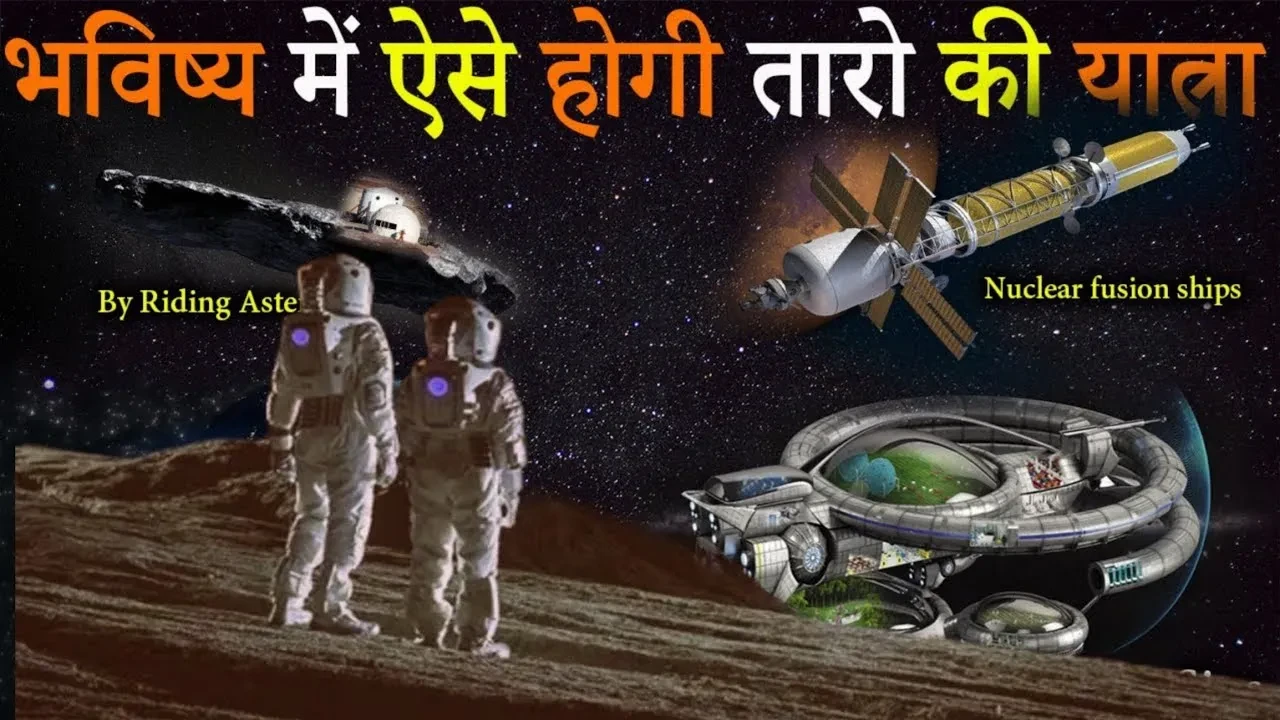
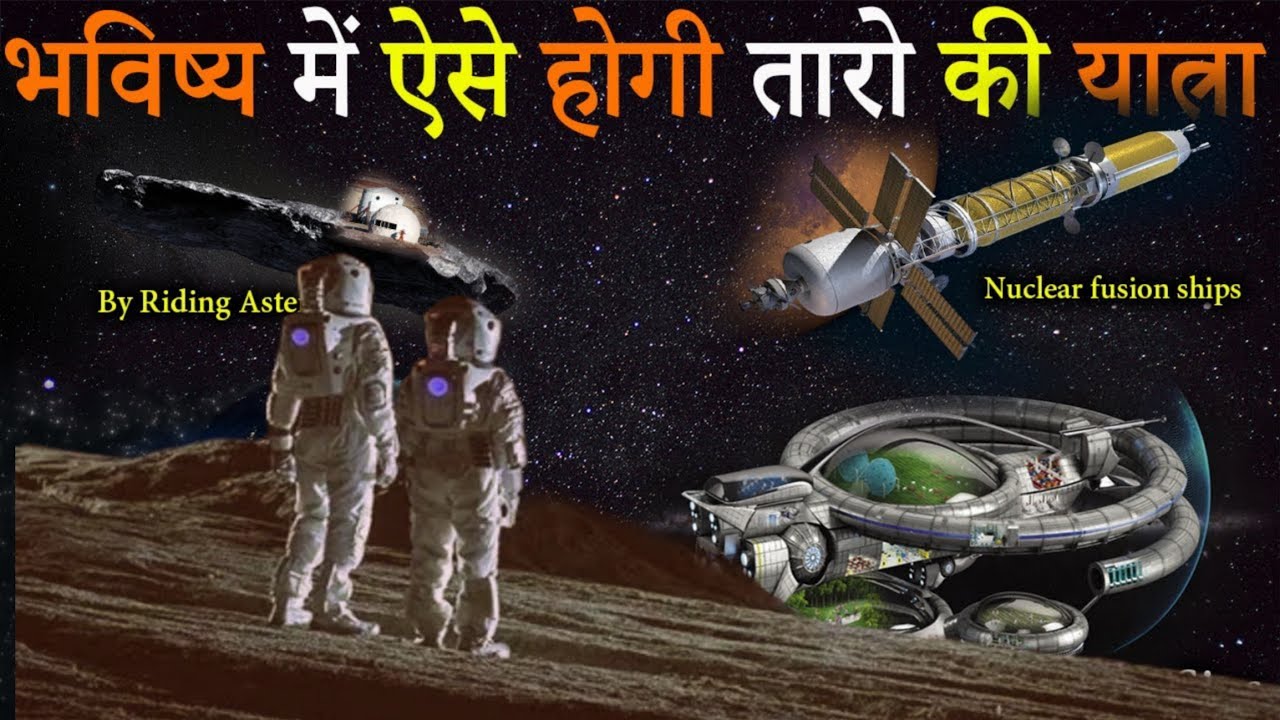
Journeys across space to faraway stars - beyond where Earth's family of planets ends - that’s what moving among suns means. We’ve stepped on the Moon, machines have visited outer worlds, yet touching another star feels out of reach right now. Stretching through emptiness between those distant points takes more time than today’s tools allow. Still, researchers explore bold methods, shaping ideas for how crossing deep gaps might happen later. Ideas grow even when speed falls short today.
Flying between stars matters a lot when thinking about what's next for studying space. A big piece of astrophysics digs into how we might reach faraway solar systems someday.
YouTube Video Link: https://youtu.be/4rnzCYWMNq8?si=grz6v9vZt1GVCufl
Chemical Rockets Today
Right now, most spacecraft depend on chemical rockets to get around in space. Fuel burns inside these engines, pushing the craft ahead through force. Even though they work well enough for trips across the solar system, such rockets just aren’t fast enough between stars. Take Proxima Centauri - the closest star to us - getting there would need many thousands of years using today’s engines.
A step forward might come only when engines evolve beyond today's limits.
Ion Propulsion Is More Efficient
Starting off quietly, ion propulsion moves through space using far less fuel than older methods. Not often seen but it's there - electric power pushes tiny charged bits forward, producing steady motion. Instead of burning up resources fast, these systems sip them slowly while running nonstop for ages. Thrust builds gently, yet keeps going much longer than usual.
Beyond its efficiency, ion propulsion might lag when crossing between stars.
Nuclear Propulsion As A Potential Long Term Energy Solution
A sudden leap in space tech? That idea ties back to nuclear propulsion. Power comes from atomic reactions - those create both energy and forward push. Speed jumps up when ships run on this system, while extra room opens for supplies on big trips.
Faster trips to close stars might happen, some researchers say, if we use nuclear propulsion.
Warp Drives and Wormholes Theoretical Approaches
A few concepts float around like warp drive and wormholes. Moving through bent space might let vessels cross vast distances fast, yet stay under light speed. Instead of long detours, a wormhole might punch straight through spacetime to link faraway spots.
Far from being tested, these notions remain unproven. Still floating in concept only, they lack real proof.
Conclusion
Floating among the stars still feels far out of reach, a dream stuck on Earth for now. Right now, rocket power crawls compared to what's needed across endless space. Ion engines spark interest because they sip fuel while pushing steadily forward. Nuclear options might pack more punch when speed matters most. Some imagine warping spacetime itself instead of crossing it step by step. Others look at shortcuts through folded dimensions - wormholes - if they can be found. Each idea grows stronger with time, tested bit by bit in labs and simulations. One quiet breakthrough after another could change everything someday. Reaching those far suns depends less on wishes than on persistence in science.
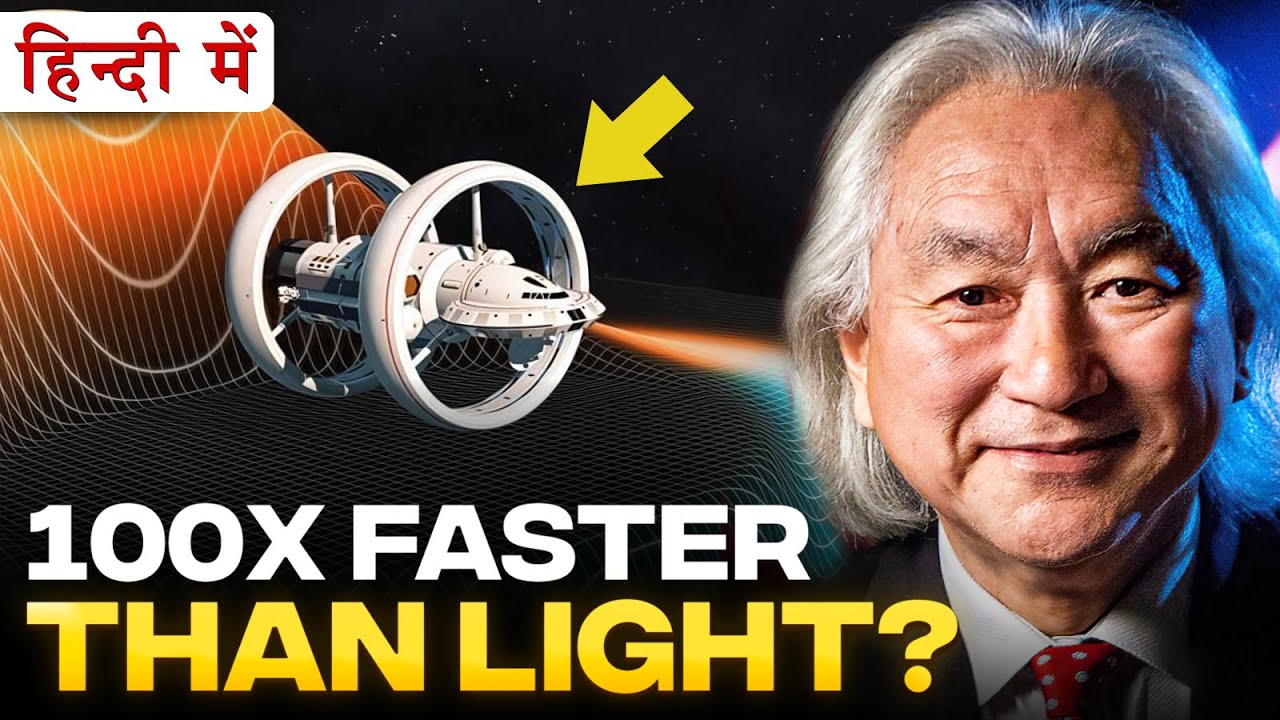
Zooming past light speed pops up often in both labs and stories. Reaching faraway star systems quickly becomes imaginable when you think like that. Around 299,792 kilometers every second - light moves fast, unmatched by anything else we know. Physics today says mass blocks any attempt to beat that pace. Still, researchers poke at edge-case ideas where breaking the limit might just work.
Faster than thought, this concept ties tightly to how light moves and what physics allows. Still, it bends only so far before breaking. Not everything flows together - some pieces resist. Even when linked by theory, gaps remain. Only motion stays constant.
YouTube Video Link: https://youtu.be/Wyk9aDbRvkE?si=ts7uyTdZnRla6JjN
Einstein's Theory and the Universal Speed Limit
Light speed sets the cosmic boundary, thanks to Einstein's ideas on relativity. When something speeds up, its weight grows, so pushing it further takes extra effort. Getting to light speed demands endless power - something that just cannot happen.
Faster than light travel stays out of reach for regular things and space vehicles alike.
The Idea of Bending Space
Space doesn’t always need to be crossed the hard way. A few researchers suggest sneaking past light-speed rules without actually breaking them. Take the idea of a warp drive, for instance. Rather than speeding up the object, it tightens the fabric of space ahead. Movement happens because the ground shifts beneath, not because the traveler runs faster.
A craft could cover vast stretches fast, yet still obey the rules built into space itself.
Wormholes and Space Shortcuts
A tunnel through space might link faraway spots. This path, called a wormhole, skips long distances. Rather than speeding past light limits, ships may slip through. Reaching far places takes less time that way.
Still, these tunnel-like shortcuts through space are only ideas on paper so far. Scientists haven’t found any real proof they’re out there.
Conclusion
Light-speed travel sits beyond reach today, thanks to current laws of science. Nothing beats the pace of light - it rules them all. Yet concepts such as warping space or tunneling through it reveal fresh thinking on cosmic distances. Even if breaking that barrier lives only in theory now, tomorrow’s breakthroughs might shift how we see limits across the stars.
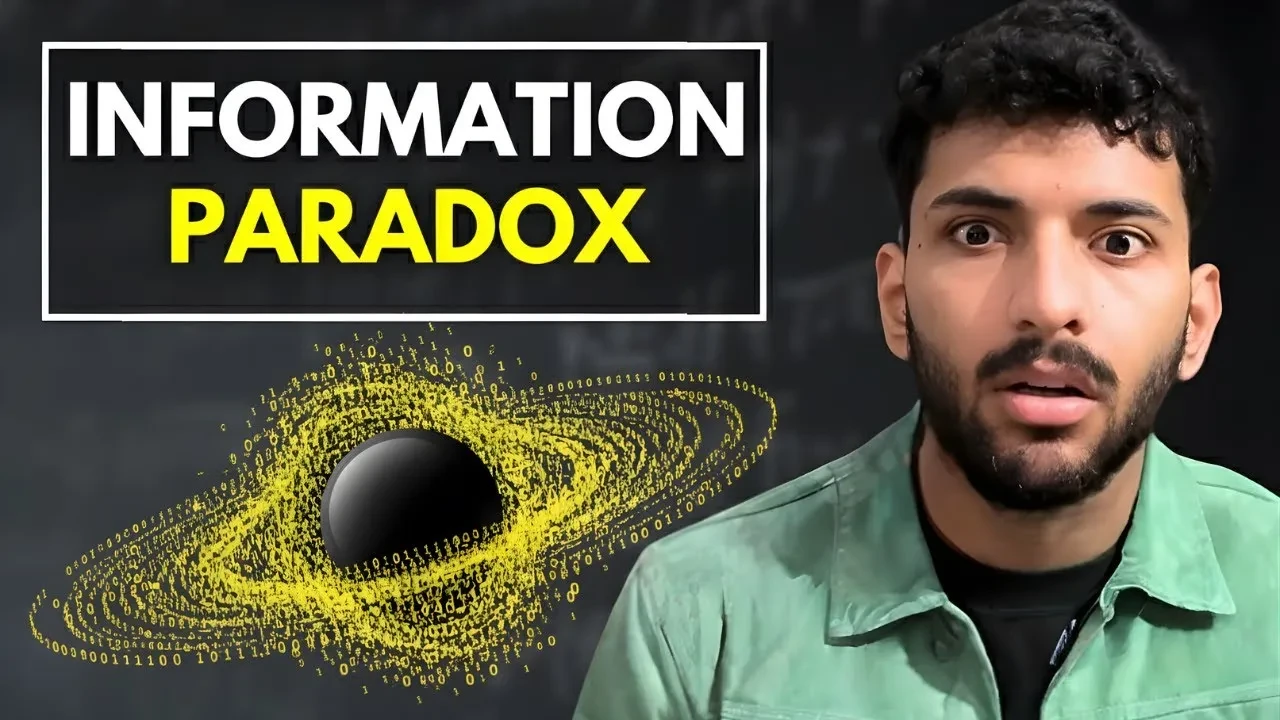
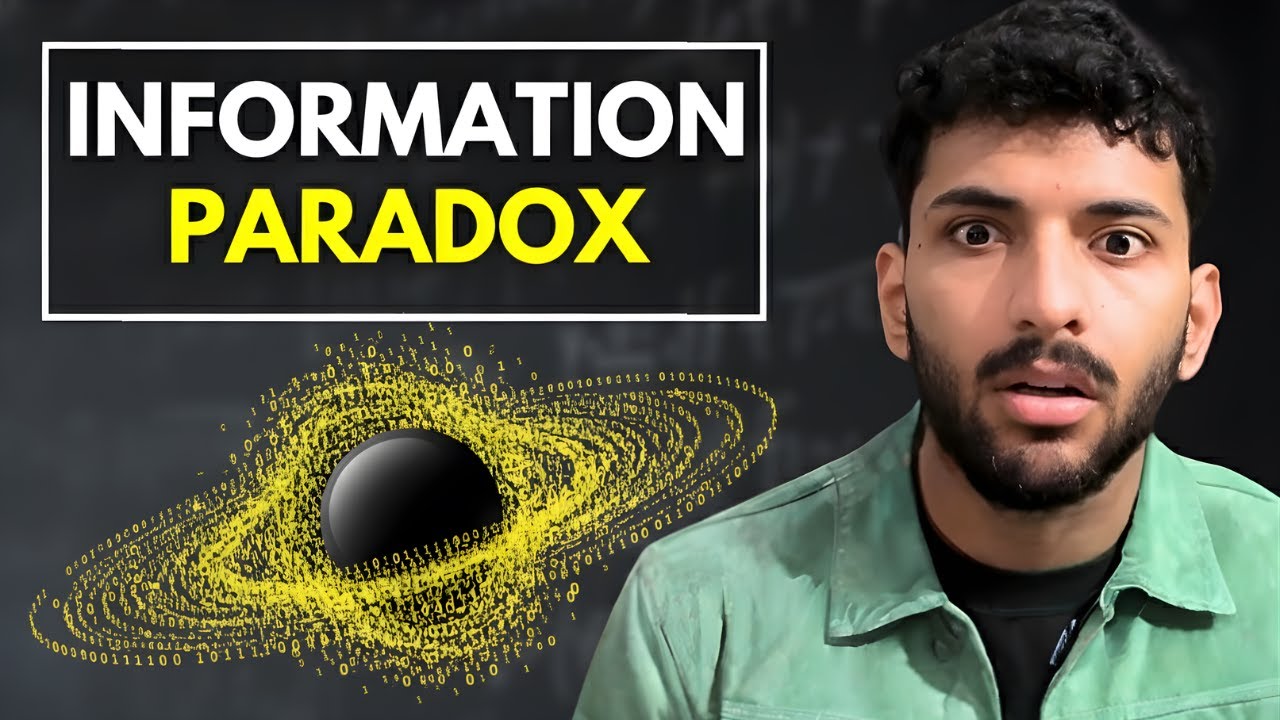
A puzzle lingers at the heart of today's physics - it’s called the information paradox. Tied tightly to black holes, it asks where data goes once swallowed by their pull. Physics insists that details about matter cannot vanish without a trace. Yet these massive space traps appear to wipe everything clean. That clash? It defies logic. For years, researchers have stared at this contradiction, unsure how to mend it.
Physics that lives only on paper ties into why data might vanish near black holes.
YouTube Video Link: https://youtu.be/G8qvGyFis5w?si=hoEMcbvVOVB84nrs
Black Holes Explained Simply?
Falling into one of these spots means crossing a point where getting out becomes impossible. Gravity grabs everything there, pulling harder than anywhere else we know.
Outside looking in, every detail about the object seems gone for good.
Hawking Radiation and the Paradox
Back in 1974, Stephen Hawking figured out something odd about black holes - they leak energy bit by bit through radiation. Scientists now call it Hawking Radiation. Bit by bit, this leakage chips away at the hole until nothing remains.
Here’s the issue. Hawking radiation seems empty of details about what dropped into the black hole. Should the black hole vanish while the data vanishes too, that breaks a core principle in quantum theory - information must always survive. Gone means broken rules.
Why This Matters
Every bit of data sticks around, no matter what. Losing everything just does not happen. But then come black holes - wiping out facts like they were never there. That messes up the balance between how tiny things behave and how heavy things pull. One rule says stay, the other lets vanish.
A puzzle like this goes by the name of the information paradox.
Possible Solutions
Not every scientist agrees on how to fix the paradox. One idea says data sticks to the outside skin of a black hole. A different view claims it leaks out bit by bit, hidden in what Hawking described as faint energy trails.
Even if there’s still no official conclusion, new studies hint that data might actually survive in the end.
Conclusion
One mystery stands out in physics - the puzzle of missing information. Black holes shake up what we thought we knew about quantum rules, reality itself. A fix might open doors to fresh insight on how everything ticks beneath the surface. This riddle runs deep, not just wide.
Out here, Quantum AI mixes quantum computing and artificial intelligence into one powerful tool. Speed becomes a whole different idea when tackling tough challenges compared to regular computers. Machines gain learning skills through artificial intelligence, while massive computation strength comes from quantum systems. Science, health care, and tech might look completely transformed because of this blend. That kind of shift doesn’t happen every day.
Far beyond today's machines, Quantum AI begins to reshape how computers learn and solve problems. A shift happens when quantum speed meets adaptive thinking - suddenly old limits fade.
YouTube Video Link: https://youtu.be/5ZYEq6-5RwI?si=XzFvOkN5hOxTFS_g
Understanding Quantum Computing Basics?
Tiny things follow strange rules, that’s where quantum computing begins. Regular machines count with switches stuck on zero or one. Qubits break that limit by being both at once, thanks to quantum quirks. Instead of just flipping between sides, they float in mixtures until measured.
A single setup lets quantum machines explore countless options at once, so they outperform regular ones on specific problems.
Understanding Artificial Intelligence?
Machines start learning once they get access to information, spotting trends along the way while choosing actions. When voices are picked up by software, when photos reveal objects, or vehicles move without drivers - each case runs on that same thinking tech.
Still, certain tough challenges need greater processing strength than traditional machines offer.
Quantum AI Processes Information Using Quantum Mechanics Principles
Out there, where bits blur into probabilities, a new kind of thinking takes shape. Instead of just ones and zeros, systems now ride on waves of possibility, speeding through oceans of information. Because of this shift, machines begin spotting patterns once too tangled to untangle. Tasks that used to crawl forward now leap ahead - silently cracking puzzles long thought out of reach.
A single case shows how Quantum AI might speed up finding new medicines, shape better forecasts in finance, or shift the way we project weather patterns.
Fueled by curiosity, Google alongside IBM dives into quantum AI exploration. While machines rethink learning, these giants shape what computation could become next.
Quantum Ai Changes How Machines Learn
Fast problem solving comes with using Quantum AI. Efficiency grows when handling massive data sets. Accuracy sees a boost through its methods. New medicine development might get easier because of it. Cybersecurity stands to become stronger. Industries could run better than before. Progress hides in these quiet advances.
Few areas might feel its impact more than medicine, how we move around, or the way studies unfold. Later on, labs could run experiments differently because of it.
Conclusion
Out there beyond today's tools, a shift grows quietly - quantum machines meeting smart algorithms. Not waiting on perfection, early steps already hint at deep change ahead. Instead of just faster answers, imagine entirely fresh paths through tangled challenges. While labs refine circuits and code, glimpses emerge of what might come next. Step by step, unseen forces reshape how minds reach further.
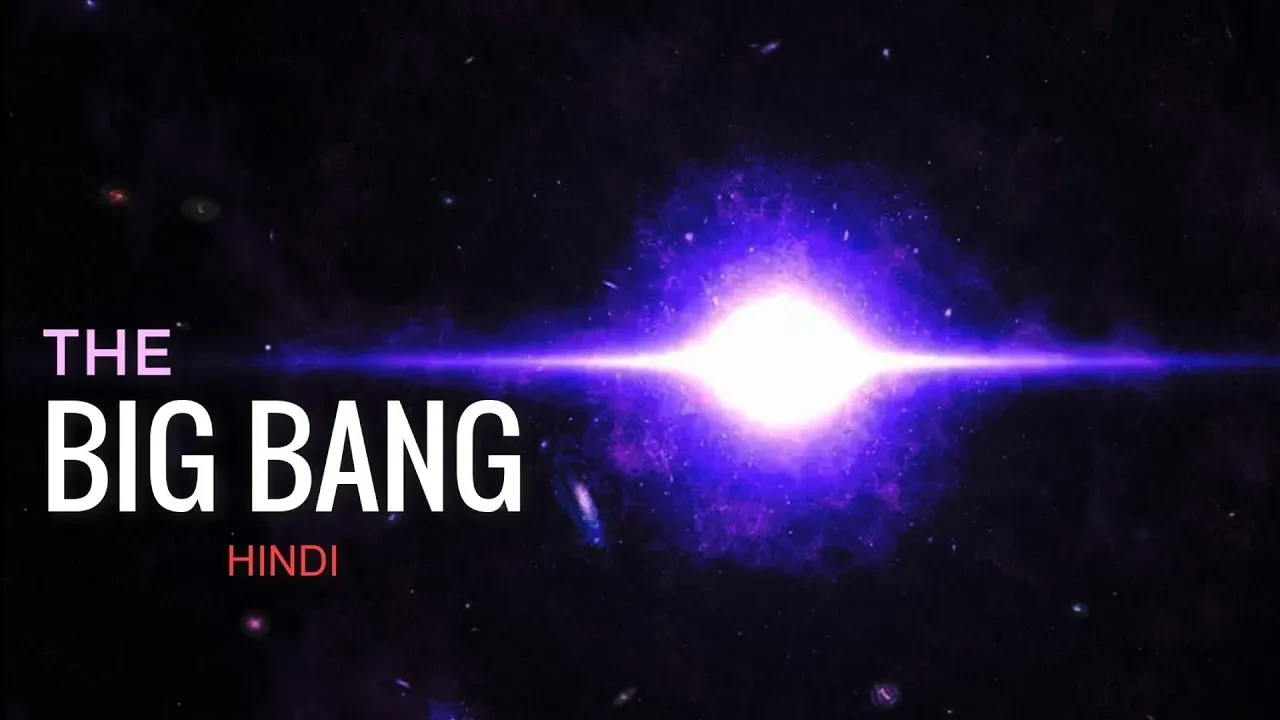
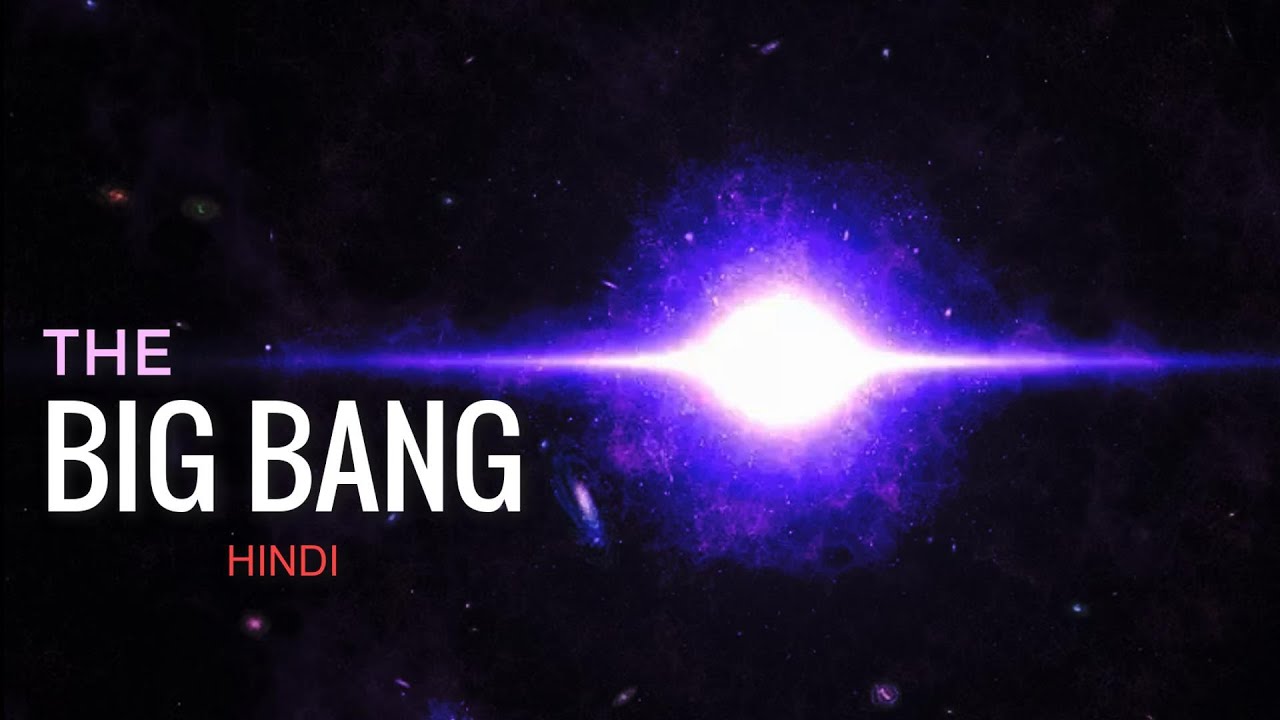
Out of nowhere, a tiny speck packed with intense heat kicked off everything roughly 13.8 billion years back. That moment sparked space, time, stuff, and power all at once. Since then, things have kept spreading out without pause. Scientists lean on this idea because it lines up with what they observe now. So much of today's cosmos makes more sense when traced to that initial burst.
A big idea in how we understand the universe starts here. Its roots run deep through the study of space and time.
YouTube Video Link: https://youtu.be/0O1SqJXXuHI?si=gZe-2M48DpfBGm8Z
What Occurred at the Start of Everything
Space did not see a blast during the Big Bang. What happened instead? A stretching of space took place. Everything - matter, energy - was once squeezed into one incredibly small spot. That point, known as a singularity, held it all. Then came a swift unfolding. Growth kicked off across what we now call the universe.
Cooling followed expansion in the early cosmos. After that, tiny pieces began to appear, linking up into larger units over time. These building blocks slowly gathered into suns, vast clusters, and worlds across space.
Evidence for the Big Bang
A fresh look at space gave clues about where everything began. Moving outward, galaxies reveal a pattern spotted long ago. What Hubble saw changed how people think about stars spreading wide. Distance grows between far points, hinting at an explosive start.
What stands out next is the faint glow known as Cosmic Microwave Background Radiation. Still measurable now, it traces back to warmth lingering from the universe’s earliest moments.
What Came Next After the Big Bang
Out of nothing burst space, stretching wider by the second while temperatures dropped fast. Pulling hard, gravity gathered clumps of stuff into glowing balls and vast island clusters. Given eons, intricate patterns took shape - spinning suns circled by rocky worlds appeared slowly.
Around 4.6 billion years back, our solar system began taking shape in a cosmos already stretching outward.
Big Bang Theory Matters
From nothing came everything - this idea shapes what we know. Starting small, it grew beyond measure through expansion over eons. Questions about stars, voids, and time find some clarity here. How things began ties closely to where they might end.
Conclusion
A single spark of space kicked everything off, say scientists. From that speck, hot and packed tight, came stretching, cooling, motion. Galaxies then emerged, followed by stars, later planets too. Observations back this idea again and again. Its power lies in clarity, showing where we fit among vast cosmic patterns.
What makes thoughts, feelings, and senses real to us? That’s consciousness at work. Pain registers because of it. Colors appear vivid through its presence. Scientists understand parts of brain activity well enough - yet they cannot pin down how inner life happens. Why does awareness arise from physical matter? The puzzle has a name: the Hard Problem of Consciousness. Big minds in science and philosophy keep circling back to it without answers.
In 1995, David Chalmers gave a name to the puzzle: why do physical workings of the brain bring forth awareness? While neurons fire and chemicals shift, something inside feels like something - it's that gap he aimed to highlight. Though science maps signals and synapses, it still stumbles on sensation itself. Because matter moves doesn’t explain why we’re aware of red, pain, music. Even when every circuit is charted, there remains a quiet hum behind sight, sound, thought. Not how brains work - but why any of it has inner texture at all.
YouTube Video Link: https://youtu.be/Yim3Jn_LUEQ?si=e5j0q8kZSZcCAH9c
Simple Issues and the Tough One
Working out some so-called "easy" puzzles about awareness has moved forward lately. Figuring out how the mind handles data, guides actions, while reacting to outside triggers is part of that list. They’re labeled easy since researchers can examine them using tests and watching closely.
What makes things tricky is this: why does any of the brain's work come with inner awareness? Take vision. Researchers know how eyes register wavelengths, yet still lack an answer to why seeing red feels like something real.
The Brain's Function
From within the folds of gray matter arises something alive - awareness. Because neurons fire, thoughts take shape. Where signals travel, seeing happens. Through study comes understanding: mind links tightly to tissue. Regions light up when attention grows.
Still, spotting active brain zones leaves out how matter turns into feeling. That missing piece - where biology meets inner life - is what makes it tough.
Different Scientific and Philosophical Views
One idea says the mind comes only from what brains do. Yet another view treats awareness like gravity - just there, built into existence. Right now, nobody agrees on one clear answer.
Some ideas today still dig into where awareness comes from, questioning if numbers and tests can truly capture it. While others wonder, the search rolls on without clear answers in sight.
Conclusion
What makes consciousness so tricky shows where today's science hits a wall. Even though researchers map brain activity, they still miss how feelings come to be. Figuring this out might shift how we see thought, the world, the very core of being alive. For now, that sense of awareness stays among science’s toughest riddles - strange, wide open, full of questions without answers.
Out there, unseen pushes and pulls shape every little thing - right down to stars spinning far away. For ages now, researchers have chased a lone framework tying those forces into one clear picture. They call this dream the Grand Unified Theory. Building just one formula to capture nature's core rhythm - that’s what it aims for. Find it, and mysteries deep inside matter might finally make sense.
YouTube Video Link: https://youtu.be/1wAeCPDD7qg?si=uJw3O5fQJlQQ9VSg
The Four Main Forces of Nature
Figuring out the Grand Unified Theory starts by getting clear on nature’s four main pushes and pulls. Think of them like this - gravity pulls things together, while electromagnetism handles light and electric fields. Then there’s the strong force, holding atomic nuclei tight. Another one, quite different, is the weak force, responsible for certain kinds of radioactive change. Each shapes how everything behaves across space and time
Gravity
Electromagnetism
Strong nuclear force
Weak nuclear force
Right now, gravity gets described through general relativity. Meanwhile, quantum mechanics handles the rest of the trio. One relies on spacetime curves; the others thrive on particle exchanges. Each framework stands apart, built for its own domain.
Still, the ideas don’t fit into a single picture. Each works fine on its own, yet researchers hope to link everything under one idea. A complete match hasn’t happened yet.
The Grand Unified Theory Explained?
A single idea in physics aims to link three major forces - strong, weak, electromagnetic - not as separate things but as parts of something whole. Right when time began, moments after the Big Bang, they likely acted like one unified push.
When space stretched out, temperatures dropped, then gravity split off first. After that came electromagnetism breaking away on its own. Later still, the strong force carved its path apart from the weak one. Each step happened once conditions changed enough.
Why It Matters?
A big theory that ties everything together might show where the universe began, how tiny pieces move, while linking every force into one picture. Strange puzzles such as invisible matter plus moments just after birth of space could finally make sense through its lens.
Finding a single explanation took lifetimes for minds such as Einstein’s - yet the puzzle stayed unfinished. Though driven by deep curiosity, even he couldn’t tie every loose thread together in time. One breakthrough never quite led to another in full measure.
The Future of Unified Physics
Now researchers still hunt that single master formula. With high-tech labs plus powerful machines, they check bold new models. Theories such as strings try tying every force together - gravity included.
Conclusion
One big dream in science? The Grand Unified Theory. A single formula might hold all answers about how everything works. Still missing, though hunters never quit looking. Should it turn up, our grasp on what's real may shift completely - cosmic mysteries suddenly clear.
A notion floats around - scientists snapping a picture of the soul. Now and then, clips or tales pop up showing something said to be the spirit exiting a person. What grabs people isn’t proof, but wonder: what happens when we die? Truth bends easily here, shaped more by hope than data. Clear thinking matters, especially when emotion runs high near such fragile ideas.
A different kind of knowing steps in when facts meet inner feeling. What experiments measure, belief often moves beyond.
YouTube Video Link: https://youtu.be/R6P4lDSQed0?si=w9DI78miMAylNJ8N
What Is the Soul?
A whisper lives inside, some say - a quiet sense that holds who you are, beyond bones and breath. This idea floats through old talks and temples more than labs or textbooks ever touch.
Beyond what tools can touch, the soul lives - untethered to weight or wave. Not built of stuff that meters catch, it slips through labs unseen. Where numbers fail, belief steps in, quiet and unproven. Without form that hands might trace, its presence stays a guess. Though science maps the body's spark, this part remains off-grid.
The Famous “21 Grams Experiment”
A test often mentioned happened long ago, back in 1907, led by Duncan MacDougall. Right when people passed away, he watched their weight closely. At that instant, a shift appeared - around 21 grams gone. That tiny loss, he thought, might carry what some call the soul.
Faulty data and too few test subjects weakened that trial's results. Today’s researchers see it as unproven science.
Science and the Question of the Soul?
Most of what we know comes from watching, testing, things we can weigh. In labs, researchers track thoughts, reactions, patterns in nerves - yet never spot a spirit sitting apart from tissue. What shows up under tools stays tied to biology.
Awareness comes from what the brain does, rather than being some detectable soul-like thing.
People Believe These Claims?
Curiosity around what happens when we die runs deep in most of us. Ghost photos or spirit clips often stir wonder - yet also confusion. Now and then, footage gets twisted in meaning, opening the door to wrong conclusions.
Fantasy shapes thoughts, yet feelings give them weight when myths move through crowds.
Conclusion
Nobody has ever seen proof that souls can be caught or weighed by researchers. Still, people talk about the soul like it lives outside facts and tests. Even though brains get scanned and studied hard every day, the idea of a soul stays out of reach for labs. Seeing where faith ends and data begins makes some mysteries clearer.
Born from ancient stargazing, astrology suggests celestial bodies shape who we are and what happens to us. Thousands of years have seen it guide self-reflection and forecasts across cultures. Though unsupported by science, plenty swear it captures their essence just right. Here lies the twist - deeply felt truth meets empty proof.
What lies behind this puzzle becomes clearer when peering into how minds work alongside what people sense.
YouTube Video Link: https://youtu.be/CfAbhZeUmok?si=8R_2_8VvJlMn3JjN
What Astrology Claims
Under the sky’s quiet pull, some think planets and stars shape how people act. Born under a certain date? That slot in the Zodiac might say something about you. Traits tied to each sign come alive through stories told over time.
A person’s zodiac sign might paint them as sensitive, bold, or inventive - take Pisces, known for deep feeling, paired with Aries, often seen charging ahead. Creativity could show up in a Leo’s flair, while quiet intensity marks a Scorpio. Each trait tied to the stars, yet shaped differently by who wears it.
Still, astrology skips the steps astronomers take - those rooted in watching, testing, what can be checked.
The Psychological Explanation
A funny thing happens inside the mind that makes horoscopes seem true. When vague phrases feel personal, it is often just a mental trick at work. People latch onto words they think match their life - when those words could fit almost anyone. It is less about stars, more about how we interpret what we hear.
People usually see themselves in astrology readings because the words tend to fit almost anyone. These descriptions sound nice, yet stay vague enough to feel personal.
Vivid moments stick when stars appear to align. Yet mismatches slip through memory, forgotten just as fast.
Why People Trust Astrology
Sometimes stars make life feel clearer. When things get shaky, they turn skyward for hints on what to do next. Because uncertainty rattles anyone, a daily forecast can act like a quiet friend whispering back. Patterns in horoscopes stick easily - neat boxes where chaos once lived. Meaning appears, even if it wasn’t there before. A question floats up: maybe fate leans closer than we thought. Comfort hides in structure, any structure. Even made-up signs carry weight when real ones fail.
Though science does not back it, people still turn to astrology - it fits how they feel, what they hold true. Sometimes comfort matters more than proof.
Conclusion
Strange how people trust star signs even when facts say otherwise. Science does not back horoscopes, yet they seem true because minds fill gaps - thanks to something called the Barnum Effect. Wondering about fate drives folks toward zodiacs, feeding a deep need to find meaning. Seeing that mix clearly helps separate what feels real from what is actually proven.
Breathe. We do it constantly, never pausing to notice. Yet staying alive depends on it completely. Oxygen enters when air flows into the lungs; at the same time, waste gas moves out. Inside tiny sacs, fresh oxygen passes into blood while used carbon dioxide leaves. Cells get power from this exchange, running everything needed to live. Stop breathing - just briefly - and systems fail fast.
Built into the body’s wiring, breathing happens without thought thanks to the brain's steady oversight. It stands central in how humans function, running beneath every moment.
YouTube Video Link: https://youtu.be/iZSiwttZpO4?si=ST2TYUf9G0da2fCV
How Breathing Works
Air moves through your nose or mouth when you breathe in, sliding into the lungs. Breathing relies on a team effort between the lungs, diaphragm, although many forget how vital the whole respiratory system is. Deep inside, little pockets named alveoli handle gas exchange - oxygen slips into the bloodstream while carbon dioxide gets pushed out.
Inside your body, breathing ties into how cells get power. Blood brings oxygen to every tiny cell so they can make energy. After that job, carbon dioxide shows up as leftover stuff. The blood picks it up again, moving it toward the lungs. Out goes the gas when you breathe out.
The Brain Controls Breathing
Breath happens thanks to the brain, mainly a part called the brainstem. This area checks how much oxygen and carbon dioxide are floating in your blood. When it notices more carbon dioxide, things shift - your breathing speeds up without you thinking about it.
Breathing adjusts itself without thinking, keeping oxygen levels steady through the night.
Why Breathing Matters
Breathe wrong, everything slows down. When oxygen flows well, cells make fuel, thoughts clear up, organs stay active. Slow breaths calm nerves, sharpen attention. Each inhale feeds quiet strength.
Breathing that is slow, deep, pulls tension away from the body. Nervous energy fades when each breath stretches longer than the last.
Things You Might Not Know About Breathing
Most grown-ups inhale and exhale between twelve and twenty times each minute. That adds up to over twenty thousand breaths daily. Body heat regulation? One thing breathing quietly manages. Balance inside the system stays steady, thanks in part to this constant rhythm.
Conclusion
Air moves in. That act fuels every part of you, nonstop. Oxygen slips into your system while old air gets pushed out. Your brain directs the rhythm, day and night. Lungs respond without asking. Each breath ties directly to survival. Simple? Yes. Weak? Not at all. This quiet cycle runs on precision. Life leans on it heavily. You might overlook it - until it falters.
Still waters run deep, especially when belief lives beneath the surface. Not flashy, never shouting - this kind of certainty moves in silence. While some seek nods from strangers, those who have it stay steady, untouched by applause. Knowing replaces needing; that shift changes everything. Strength isn’t borrowed here, nor handed out - it grows from within. Control over emotion shapes clarity, not charm. Self-knowledge becomes the foundation, not feedback.
Folks who feel good about who they are usually carry that weight in quiet ways. A steady mindset often grows where someone truly believes their worth matters.
YouTube Video Link: https://youtu.be/rLurivxDe_A?si=ZEZnuVMzj--twlSQ
Dark Confidence Stands Apart
Quiet strength isn’t loud pride. Pride shouts, needs eyes on it. This kind of confidence stays still, says little. Attention means nothing to it. When things get hard, that silence holds firm - no rush, no fear shaking it.
Strength shows up when they look inward. Praise from outside doesn’t shape how steady they stand.
Dark Confidence Psychological Traits
Strength inside comes from managing feelings well, tied closely to how we handle stress. This shows up clearly when looking at psychology's take on staying calm under pressure.
Some common traits include:
Staying calm under pressure
Not seeking constant approval
Being comfortable with silence
Making decisions independently
Maintaining strong emotional control
Strength shows through quiet actions, not loud words. Stability grows when reactions stay steady under pressure. Reliability forms slowly, built by repeated choices over time.
Dark Confidence Emerges
Out of tough moments comes a quiet kind of sureness. Hard times shape it, though not right away. What feels heavy today can later feel like proof - proof you handled what once seemed too much. Stumbles leave marks, but those marks often show where strength began. Growth sneaks in after loss, after effort that didn’t work at first. Slowly, looking back makes clear how far someone has really come.
A shift happens when someone sees what they’re good at, notices where things get tough, yet stays okay with who they are. What matters is not perfection, but awareness without judgment getting in the way.
Dark Confidence Advantages
Some folks carry a quiet kind of sureness that keeps them steady under pressure. When things get tense, they don’t rush - they pause, then move. A calm mind picks clearer paths instead of reacting fast. This steadiness blocks out loud opinions trying to shake their focus. Even when others doubt, these people keep walking their line. Outside noise fades because attention stays inward. Tough words land but do not stick. Their strength isn't shouted - it's held.
Folks who carry quiet certainty tend to rise as leaders, since they come across steady, composed, trustable. Their presence alone shifts how groups move.
Conclusion
Strength without noise - this kind of calm belief lives inside those who know themselves well. Not applause, nor praise, keeps it alive. Through moments lived fully and lessons learned quietly, it builds slowly. A steady mind forms when emotions are guided, not driven. Challenges feel less sharp when inner trust runs deep. Growing this presence changes how a person moves through difficulty.
Something deep inside reacts when fear shows up. This feeling guards people without them even noticing. Heights might trigger it, so can dark rooms or messing up later. When threats appear, safety kicks in through this reaction. Scientists look into what happens in minds and bodies when scared moments strike.
Something scary can actually help. When danger shows up, it speeds up choices that keep us safe. Life without that jolt? Far riskier than most think.
YouTube Video Link: https://youtu.be/xJA8A4SaF_E?si=vBIMCY2kgsHhF00V
How fear moves through the brain
A spark ignites deep inside your head when something feels off. That tiny area known as the amygdala jumps into motion without warning. It notices threats before you even realize they’re there. Signals race out from it like alarms spreading through wires. Your muscles tense up because of those messages. A survival mode kicks in - fast, automatic, wordless. Running or standing ground both become options in an instant.
Fear sets off a chain reaction inside the body, spilling chemicals including adrenaline into the bloodstream. A rush follows - pulse picks up speed, breath comes sharper, senses grow more tuned in. Ready mode kicks in, shaped by evolution: stand ground or move away fast.
Why People Experience Fear
Fear shows up because it keeps people alive. Back then, staying away from wild animals meant feeling afraid was useful. Nowadays, that same unease can steer someone clear of trouble.
Fear shows up through experience, too. Someone once bitten by a dog might start fearing them afterward. Danger gets stored in the mind like an old warning note. Protection kicks in next time one appears.
Fear doesn’t always come from danger. It can grow from what might happen, like failing or being pushed away. The mind often fixates on things it cannot predict.
When Fear Gets in the Way
It might help to feel afraid sometimes, yet that doesn’t mean more fear is better. When it builds up, tension follows close behind. Some folks get stuck on particular things they dread, even when there's no real danger around.
Most folks get scared now and then. Slowing down breath might quiet a racing mind. Talking things through with someone often untangles messy feelings. Shifting thoughts toward what feels safe sometimes helps too.
Conclusion
Fear shows up when things feel unsafe, doing its job without asking permission. The brain runs the show, gearing muscles and senses into high alert. When danger looms, this reaction keeps people alive - no applause needed. Instead of pushing it away, working with fear supports emotional balance over time. Learning what drives fear unlocks ways to handle tough moments more steadily.
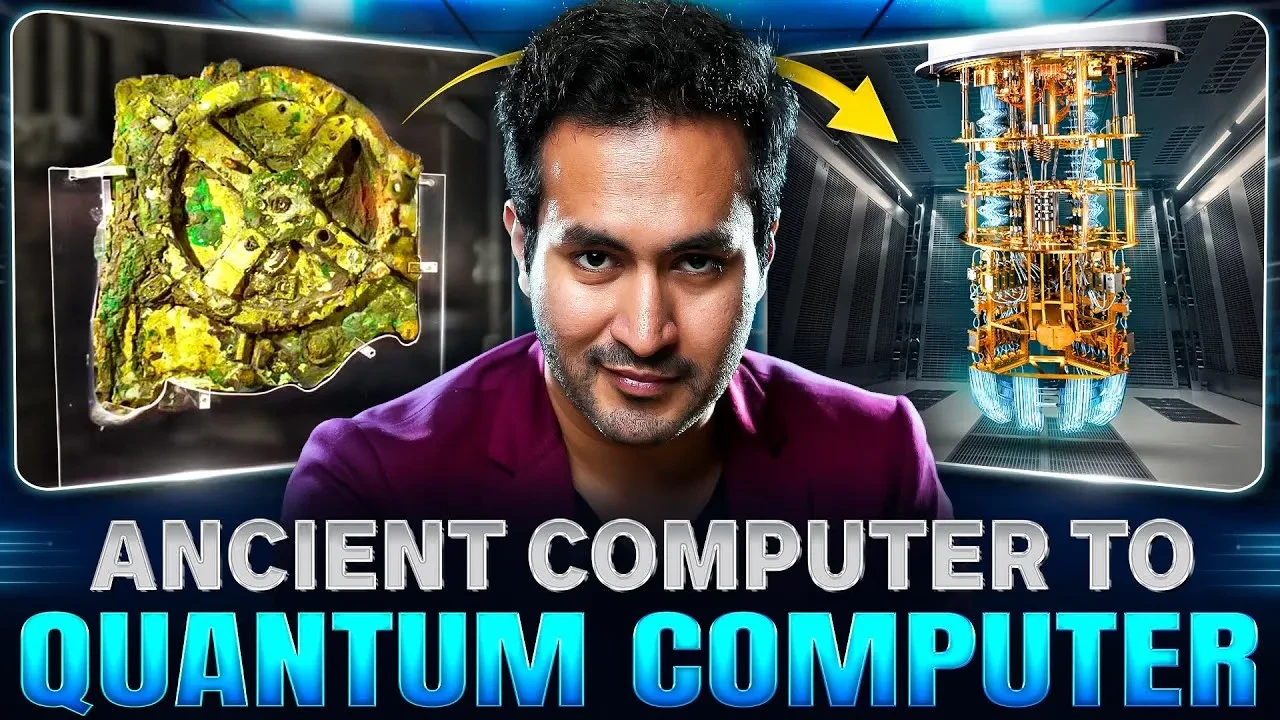
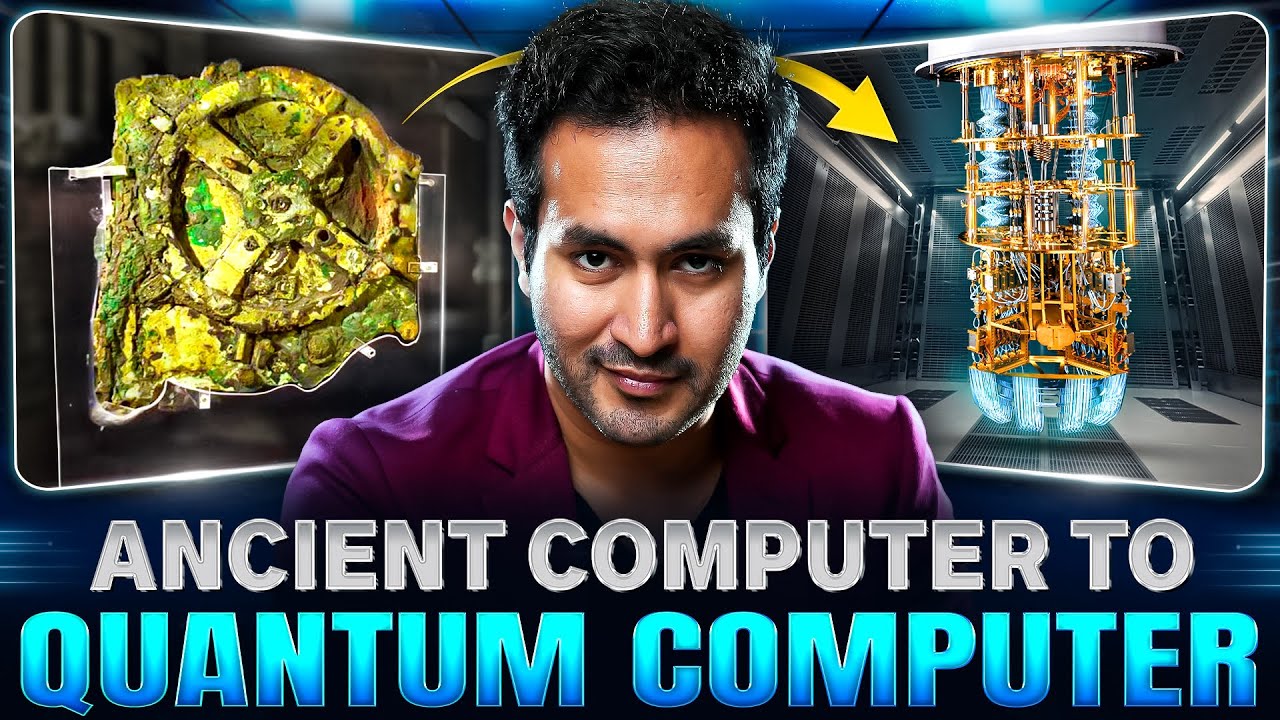
Once just basic counters, computers now tackle tough puzzles with ease. Look at how far things have gone - from old abacuses to today’s quantum systems. Improvements didn’t happen overnight; they built slowly through time. Speed got better because people kept rethinking what machines could do. Accuracy grew once designs moved past early limits. Handling data changed completely when new methods replaced older ones. Each breakthrough leaned on earlier attempts like stepping stones across history. Human curiosity pushed every change forward without needing permission. Machines evolved not by chance but through constant small fixes. The path wasn’t straight, yet it always headed toward more capability. Over centuries, effort piled up into what we see now. Even tiny advances played their part in the larger shift. Complex tasks that once seemed impossible are routine today. Ideas once thought too strange later became standard practice. Progress stuck around only if it actually worked well enough. Old models faded once newer versions proved stronger. Technology shifted shape again and again under pressure to improve. Every version left something behind while carrying forward key lessons. What began simply ended up reshaping nearly everything nearby. Breakthroughs often came from asking odd questions no one tried before. Now power fits in pockets where room-sized units once ruled.
YouTube Video Link: https://youtu.be/FmKe7MyPNx8?si=0DPqaa6z8T69SI8s
Ancient Computers How Calculation Began
Long before today’s machines, people started building gadgets just to count things. A very old example is the Abacus - showing up about three millennia back. To add or take away numbers easily, that device got regular use across early civilizations.
Out of the past comes a curious machine - the Antikythera Mechanism - crafted to map the stars’ movements ahead of time. Because of gadgets like this, people found quicker ways to work through numbers.
Mechanical and Early Electronic Computers
Back then, during the 1800s, Charles Babbage came up with the Analytical Engine - this thing we now see as the earliest version of a computer you could program. Even though nobody finished constructing it, its blueprint carried thoughts about storing data and doing calculations.
When machines first started thinking electronically, one named ENIAC led the way. Speed? It crushed older mechanical models by running thousands of sums each second.
modern computers and the digital shift
Speedy chips plus smart programs let today's machines handle vast numbers of operations every second. From phones to desktops to big backend machines - each runs on similar digital principles. Information moves through them as strings of zeroes and ones, forming a language all their own.
From classrooms to clinics, modern computers play a role nearly everywhere people work and learn. Life today runs differently because these machines help handle tasks once done by hand.
quantum computers changing how machines process information
Now here comes the new step in machines - quantum computers. Built on odd rules from physics, they handle data differently than old models. Instead of regular bits, these run on strange little pieces called qubits. Not like older types at all.
At times, qubits hold more than one state simultaneously. Because of this trait, quantum machines tackle specific tasks quicker than regular ones. IBM plus others dive into building these systems now. Google also pushes ahead with their own versions.
Conclusion
From counting beads on an old abacus to machines that tap into quantum physics - our knack for building smarter tools keeps growing. One breakthrough follows another, slowly expanding what we can compute and understand. Ahead lies a shift: machines running on strange rules of tiny particles might reshape how labs heal bodies, how data flows, even how materials are designed.
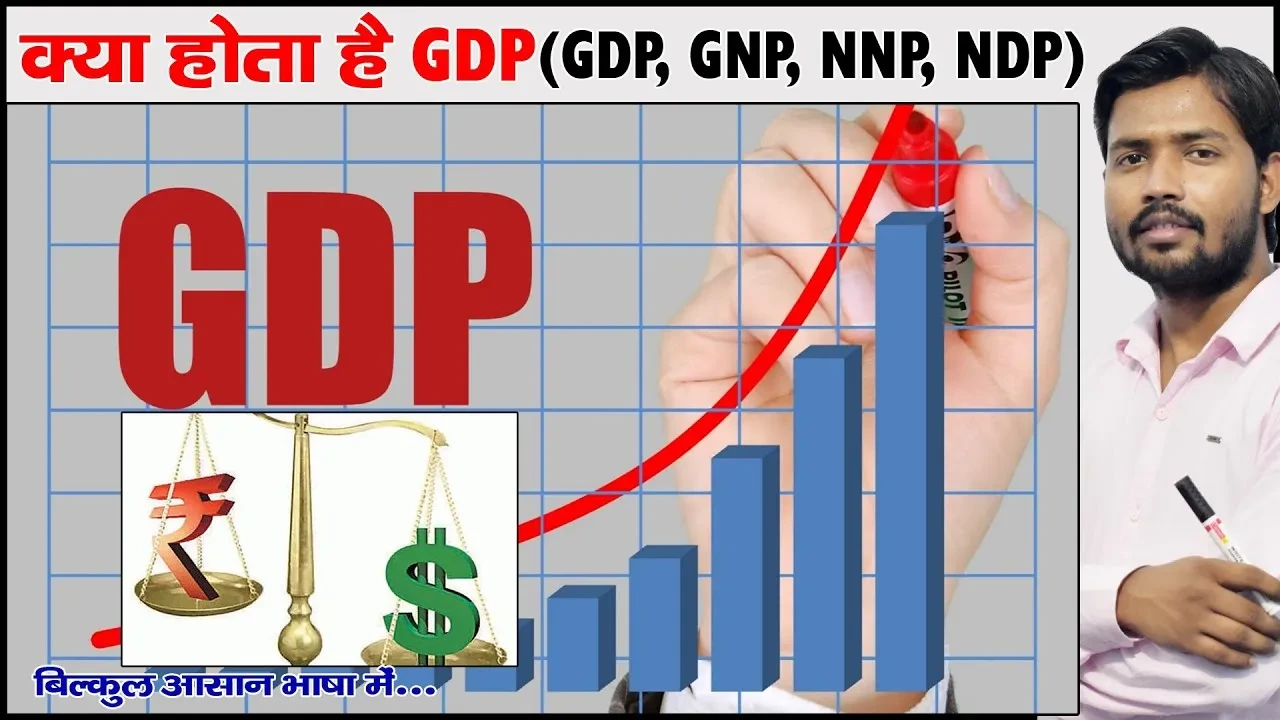
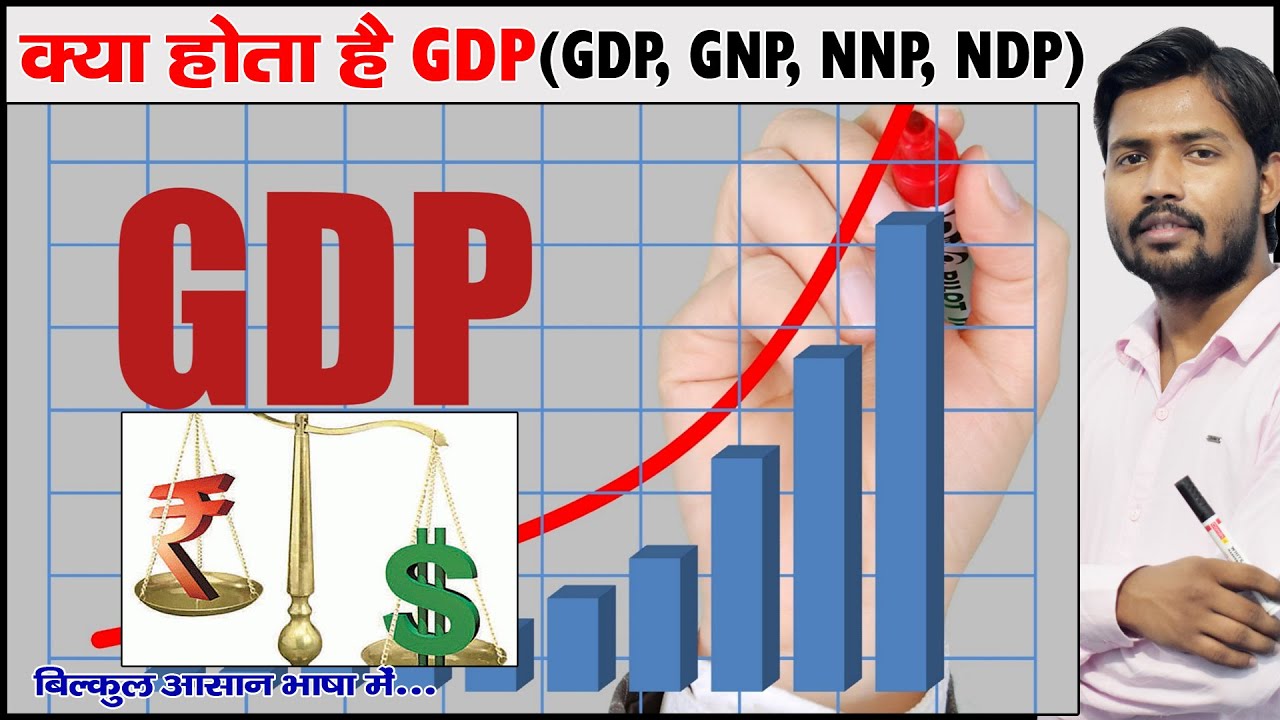
What folks call GDP - short for Gross Domestic Product - ranks high when checking how a nation's money machine runs. Inside that number sits everything made and done across borders, tallied up over twelve months most times. Leaders, thinkers in suits, plus companies lean on it to see if things are speeding up or dragging. When the figure climbs, chances are the financial pulse beats steady; when it drops, warning bells often follow.
YouTube Video Link: https://youtu.be/wmjvCvqNMOA?si=sbEjX53v608yZT5w
Definition of GDP
Inside any nation's borders, what gets made holds a combined price tag known as Gross Domestic Product. Things you can hold - vehicles, gadgets, meals - count toward it. So do things you cannot touch but still rely on: teaching, medical care, moving people around. Each piece adds up through separate paths.
What gets measured in GDP stops at the final version of things, skipping earlier stuff like raw ingredients. That way, nothing slips through twice by accident. Take a car rolling off the line - its full price shows up, while pieces it was made from stay out of the numbers.
Measuring Economic Output
GDP is calculated using four main components:
Consumption – Money spent by people on goods and services
A business puts cash into tools or construction projects sometimes. That spending counts as investment when it helps operations grow later. Equipment purchases show up on balance sheets that way. Buildings bought for work purposes fall under this category too. Cash moving here supports long-term goals instead of quick returns
Government Spending – Money spent by the government on public services
What leaves the country, subtract what comes in
Put them all side by side, you see how money moves across a nation.
GDP Matters Because It Reflects Economic Activity
One way to see how big an economy is - and whether it's growing - comes down to GDP. When that number climbs, companies often make more stuff while workers take home bigger paychecks. Better jobs might follow. Life for many could get a little easier.
A country's GDP gives leaders clues about economic health. When growth lags, officials might boost spending or cut taxes instead.
Big numbers from places like the World Bank rely on GDP when sizing up nations’ money systems. One country’s output gets measured next to another using this tool. The IMF leans on it just as much. Comparing wealth across borders often travels through this single metric.
Limitations of GDP
Even when numbers climb, life might not get better. Money moves do not tell who gains or loses. Trees falling, air thickening - none of that appears on spreadsheets. Joy, fairness, peace - they vanish in totals. Growth shouts while people whisper their struggles.
Conclusion
What a nation makes ties directly to its GDP. This number gives insight into output levels while also serving as a marker over time. Though missing some details, it still stands central when looking at global economies. Few indicators match its role in comparisons across countries.
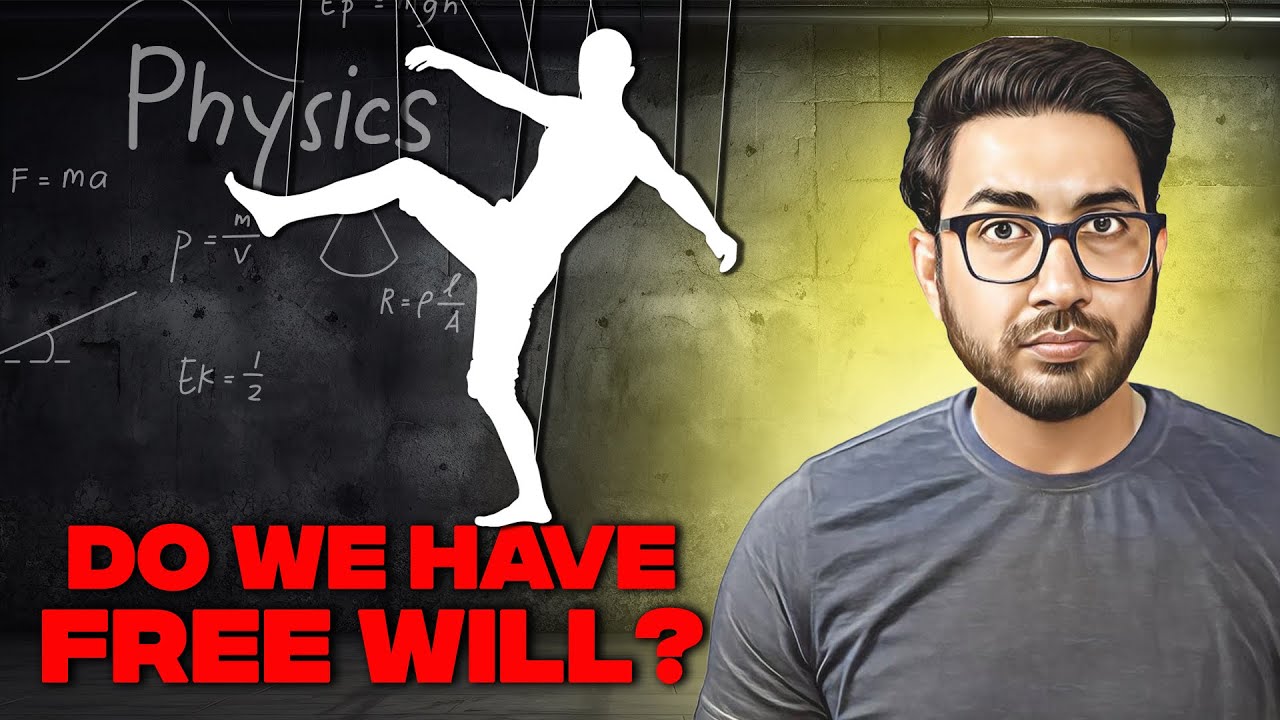
One moment you’re picking what to eat, next you’re wondering who really decides. For ages now, minds across disciplines keep circling back to a stubborn puzzle - can people actually choose, or is something else pulling the strings? The idea of free will means acting on your own, not pushed around by destiny, genes, or outside pressure. It seems obvious that each choice comes from within, yet underneath lies doubt: could real independence be an illusion instead?
YouTube Video Link: https://youtu.be/OtodEF5TqiU?si=5ajhPZeMaIHsFm8B
The Philosophical View
Nowhere does choice appear so tied to duty as in philosophy's take on free will. When people act freely, blame or credit might rightly follow. Though some thinkers claim reason guides human decisions, others stay skeptical. What matters often isn’t just picking, but whether the pick was truly yours.
Still, some people agree with determinism. This view says each happening - our choices included - comes from what came earlier plus unchanging rules of nature. Because one thing leads to another, what we pick might not come from total freedom.
The Scientific Perspective
Thoughts might not start when we think they do. Scientists watching brains notice activity before choices show up in awareness. Brains seem to act ahead of thought, nudging questions about who's really steering. Decisions could be moving through circuits long before "I decide" arrives. What feels like will might trail behind biology.
Yet some researchers insist people feel free to choose, despite biology shaping their actions.
Free Will Meets Physics
Nowhere in the noise of tiny particles does clear choice appear. Though quantum behavior surprises us with unpredictability, that jitter isn’t decision making. Instead of control, it offers chaos - no direction, just chance. Choices feel deliberate; random outcomes simply happen.
Conclusion
Still nobody knows if free will exists. From philosophy to brain studies to the laws of matter - each field sees it differently, yet no single view ties it all together. Even though research points to hidden forces shaping what we pick, day-to-day living feels full of real choices. Absolute freedom might be an illusion, maybe just a narrow margin of control - but either way, the puzzle sticks around, quietly central to being human.
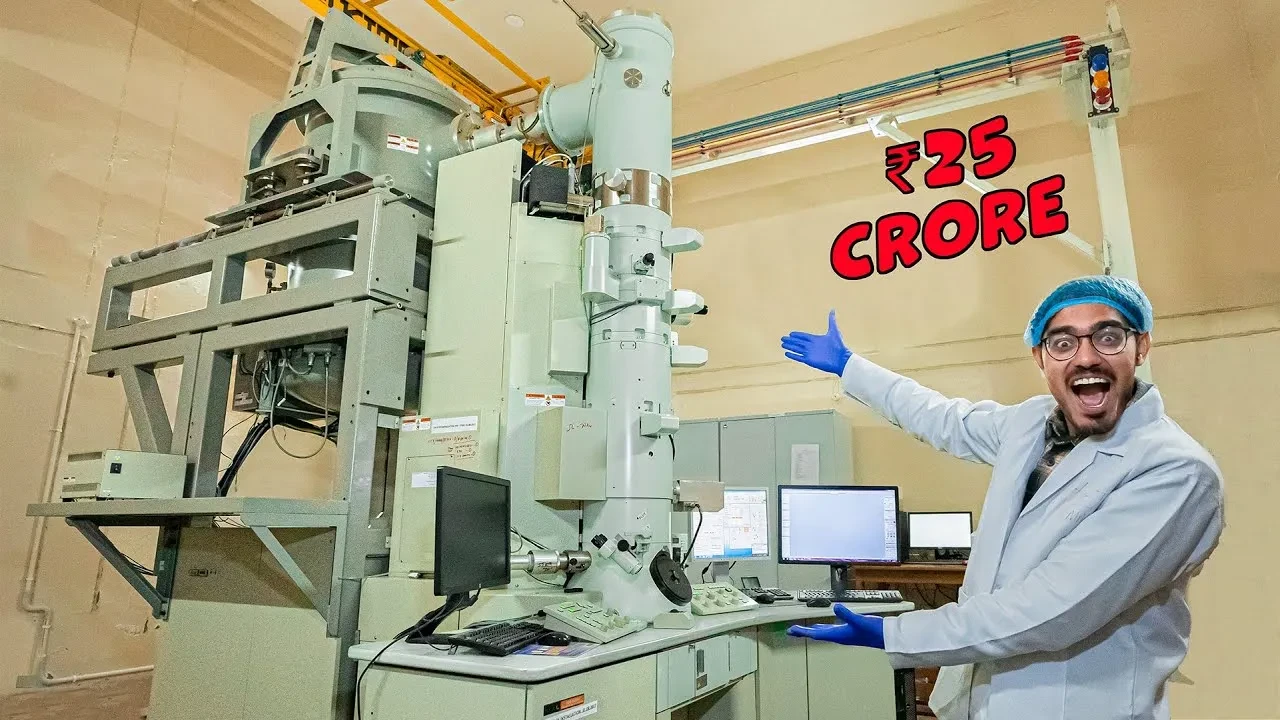
Tiny things like cells or atoms stay invisible without aid. Yet researchers rely on special instruments to view them up close. These devices grew stronger through decades of effort. Bigger versions now reveal what older models could never catch. Ordinary lens-based units differ greatly from today's giants. Huge setups take their place in cutting-edge labs. They target the tiniest pieces making up matter itself. A well-known case sits beneath French countryside soil. That machine pushes limits far beyond traditional designs.
YouTube Video Link: https://youtu.be/cTS5PZgpypw?si=X_gzhTOduamKdsoL
Why It Stands Out as the Largest Microscope?
Underground, near where Switzerland meets France, sits the Large Hadron Collider. This ring-shaped device stretches nearly 27 kilometers around. Instead of relying on light like regular microscopes do, it smashes particles together at extreme speeds. Through these crashes, scientists explore the tiniest building blocks of everything.
Close to light's pace, tiny bits get pushed forward until they crash. When those pieces meet, what comes out reveals atom guts, plus hints at unknowns hiding inside matter.
How It Works
Inside the machine, tiny bits fly fast before smashing apart. What comes out gets caught by sensors that watch every move. These pieces reveal things even tinier than whole atoms. Physics rules guide how everything behaves when it hits.
This approach works much like a microscope does, only swapping light for energetic particles that uncover what lies beneath. Hidden features come into view when those tiny bits collide just right, exposing structure through motion rather than brightness.
Major Discoveries
It started with a flash inside the LHC - the year was 2012 - when scientists spotted the Higgs boson. That tiny thing? It reveals why stuff has weight at the quantum level. Finding it changed everything we thought we knew about space, time, and matter.
Conclusion
Not your usual magnifying tool, the world's biggest microscope is actually a giant particle racetrack such as the Large Hadron Collider. Peering into tiniest pieces of stuff becomes possible because of this beast. Understanding where everything came from gets clearer when researchers examine these specks. Despite its size, the device turns attention toward almost invisible realms. While smashing tiny things together, people uncover clues about space, time, and what we’re made of.
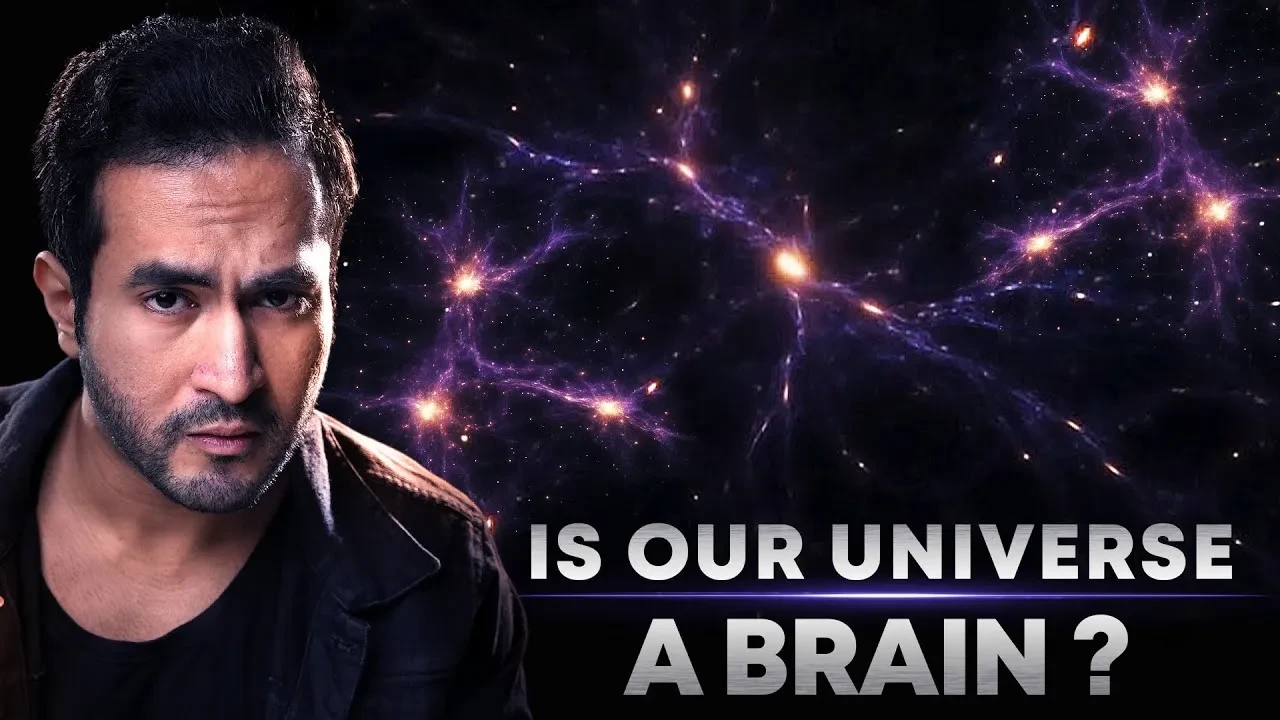
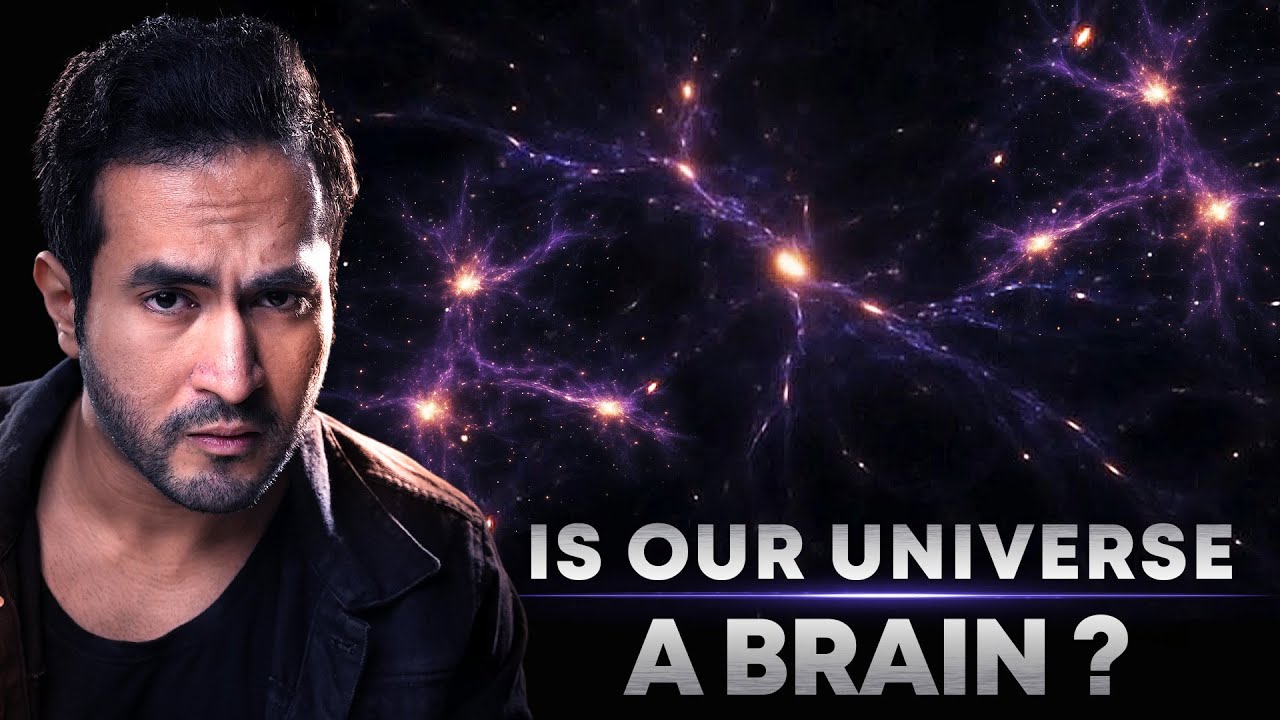
Out there, space stretches beyond what we can see - full of puzzles hiding in plain sight. Trying to map it all began ages ago, yet answers stay out of reach. Could something as wild as a mind exist inside the shape of galaxies? Not saying stars think, just that patterns might echo those wiring paths between neurons. Connections twist through disciplines: physics tugs at cosmos clues while brain experts trace signals across cells.
YouTube Video Link: https://youtu.be/RzRJmtZ1Ac8?si=46Pn0VjBFRkOh5-X
Universe and Brain Shared Patterns
Inside our heads, tiny nerve cells named neurons pack together by the billion. How these neurons link up feels almost like a tangled map, passing signals across vast networks. Out beyond Earth, space holds countless galaxies strung into patterns too. Like threads weaving through emptiness, something known as the Cosmic Web ties them. Dark matter joins with star-filled galaxies along thin bridges stretching far between clusters - echoes of how brain cells reach out.
Nowhere else is structure so quietly mirrored as in the web of neurons and galaxies. Information slips through one, while matter drifts across the other - both guided by branching paths. Connections form patterns without asking permission. One moves thoughts, the next shifts stars, yet their shapes whisper similar rules. Scale changes everything, except perhaps how links grow. Not identical, but strangely familiar, like echoes separated by size.
Information and Connections Across the Universe
Electrical pulses jump from one neuron to another, keeping the brain active. Through space, energy travels alongside data, guided by nature's rules. A few researchers think the cosmos might handle info much like a thinking mind - though that notion stays unproven. Behind stars and synapses, patterns echo, if only faintly.
Out there, space behaves according to rules scientists call cosmology - this shapes how galaxies come together, shift position, yet still link across distances. Strangely enough, those connections mirror the way nerve cells wire inside our heads.
Could the Universe Have Awareness?
Right now, nobody has found real data showing the universe thinks or feels like a mind does. Even though some shapes look alike, it doesn’t follow that stars and galaxies experience thoughts. Scientists usually see those likenesses as repeating forms you might spot in math or drawings. Looks alone aren’t enough to claim awareness.
Still, looking at these parallels gives researchers clearer insight into how brains work alongside cosmic structures.
Conclusion
Maybe the cosmos acts like a mind - hard to picture, yet oddly fitting. Though space does not actually think, its shape mirrors webs of neurons in ways nobody expected. Because patterns repeat across scales, researchers study these links to understand complexity better. Even if answers stay out of reach today, future findings might tie cosmic frameworks closer to awareness itself; right now though, it stands only as a curious guess among many.
Tiny bits of stuff follow odd rules nobody sees coming. What happens down there shapes everything seen and touched. Atoms, electrons, photons - they do things big things never try. Motion of planets means little when staring into that realm. Rules shift quietly once size drops past a point. Science took sharp turn after realizing those shifts exist. Everyday tech now runs on what was once pure theory. Understanding matter changed completely because of it. Old models could not explain the behavior spotted under strong lenses. Insights uncovered here opened doors no one knew were shut.
A fresh look at tiny things started long ago when smart people dug into how particles behave. One of them, Planck, kicked off a new way to see energy not as smooth but in chunks. Then came Einstein, adding his thoughts on light acting both like waves and separate bits. Together - though not working together - they shaped what would grow into quantum theory.
Down at the tiniest levels, things follow quantum rules instead of everyday ones. Sometimes they bounce around like tiny balls - other times ripple through space like sound through air. Scientists named this double nature wave–particle duality after spotting it again and again. Take light - it rolls forward in waves yet strikes in sharp little packets known as photons.
A single particle might sit in several conditions together - this idea goes by the name of superposition. Only when someone checks does it settle into one clear state.
Strange and unique quantum events
Particles can link up in strange ways regular objects never do. When separated by vast distances, altering one still shifts the other without delay, thanks to a quirk called Quantum Entanglement. This connection defies normal experience, showing how tiny things behave unlike anything seen around us.
Sometimes things stay unclear. At tiny scales, measuring where something is messes up how fast it moves. Knowing one part too well hides the other. This rule sticks no matter what method you try.
What happens at tiny scales surprises anyone who knows only everyday life. A flip of chance rules where certainty seems normal. Tiny pieces act like waves when they should be particles. Reality shifts based on how you look. Rules bend in ways big objects never do.
Everyday Uses of Quantum Physics
Computers owe some of their speed to strange rules that govern tiny particles. Lasers work because light behaves in ways classical ideas cannot explain. Medical scanners like MRIs depend on how atoms react when nudged by energy. Machines processing data through quantum states are already being tested today. Hidden inside these tools is a science once thought only math on paper.
Few today’s gadgets might work at all - were it not for the odd rules of tiny particles.
Conclusion
Tiny bits doing odd things reveal deep truths about everything around us. Because of their weird actions, scientists see reality differently now. Strange ideas once doubted are now tools that shape modern life. When experiments push further, new doors open without warning. Understanding grows slowly, yet changes what we know completely.
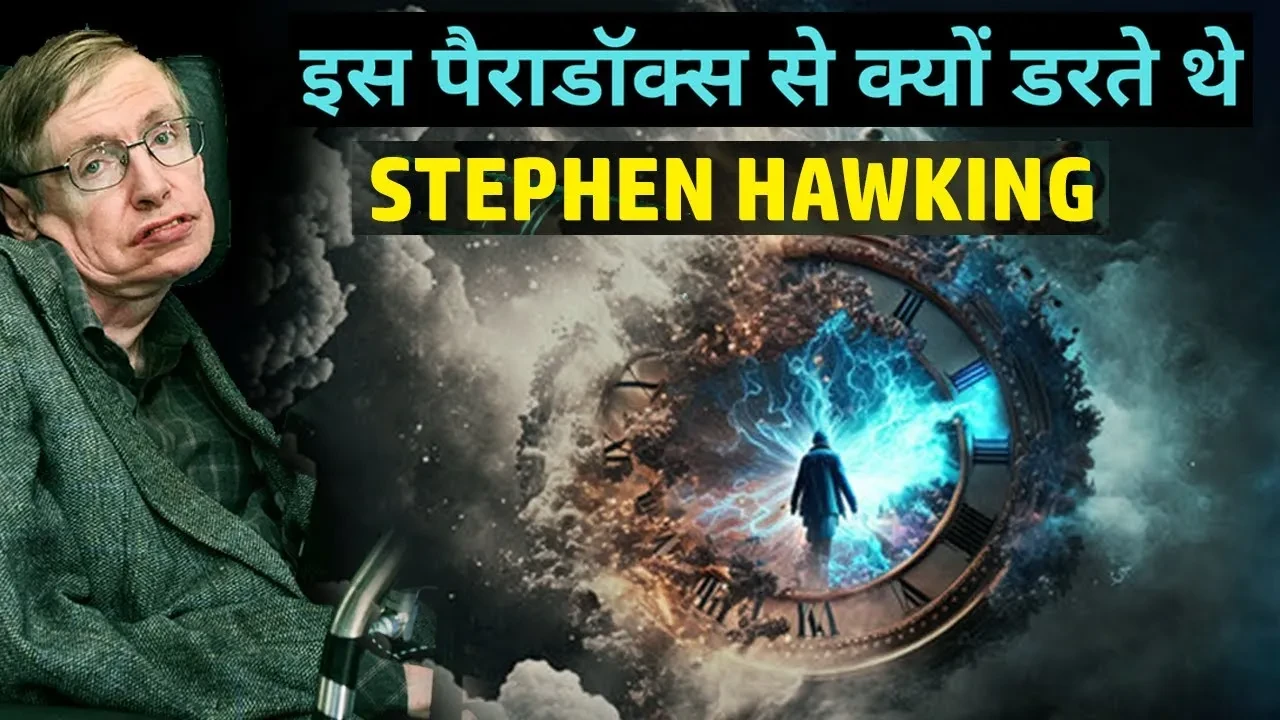
Wondering about moving through time grabs attention across labs and living rooms. Stories jump between yesterday and tomorrow - on screens, pages, deep in equations. Yet Stephen Hawking, known for sharp thinking, saw trouble hiding inside such journeys. Trouble shaped like contradictions no math could fix. Not scared by ghosts or explosions, he worried about broken logic more than broken machines.
YouTube Video Link: https://youtu.be/k2_Vi_5DS5M?si=4yZlifnNEhWMhbfh
Time Travel Paradox Explained?
A strange loop appears when moving backward through time messes with cause and effect. Picture the well-known case called the Grandfather Paradox. Suppose a person goes into the past, stopping their grandfather from ever finding their grandmother. Then - no family line forms. Without birth, there's no journey to interfere. Yet without that interference, the trip might have occurred after all.
A twist like this breaks the idea that moving back through time could ever work. What happens here makes the whole notion stumble on itself.
Hawking Suggests Time Travel Might Be Impossible
One way to look at it comes from Stephen Hawking’s Chronology Protection Conjecture. His thought was physics might block trips into earlier times. Instead of allowing messes like timeline clashes, rules built into reality could step in. Put another way, what feels natural may also act as a guard against impossible loops.
Time machines might work on paper, yet Hawking saw nature stepping in - some hidden rule of physics blocking anything messy from unfolding. Quantum quirks could quietly shut down trouble before it starts. What seems allowed by math may still be stopped by reality itself. A journey back might begin but never finish right. Laws deeper than we know may guard consistency without warning. Even possibility has its limits drawn in silence.
Hawking's experiment with a party for time travelers
That summer afternoon in 2009, Stephen Hawking hosted a small gathering he named the "Time Traveler Party." Invitations went out - but deliberately mailed afterward, once everything was over. The idea? To test whether someone from tomorrow could show up at yesterday's event. While friends didn’t arrive late, nobody appeared who shouldn’t have known about it. With a grin later, he said this silence hinted - just maybe - at why we never meet visitors from the future.
Conclusion
One thing about Stephen Hawking - he never worried much about hopping through time himself, yet he knew the mess it might cause in science. Because when you change past events, rules start breaking, like cause coming after effect. To stop chaos, maybe reality has built-in barriers; that idea is his Chronology Protection Conjecture. Though stories love time machines, actual researchers treat them like distant guesses without proof.
A tiny world hides inside everything - quantum theory tries to map its strange rules. Particles act differently when no one looks, shifting like whispers instead of solid things. Ideas about life after death sometimes borrow this science, hoping light might linger beyond the body. Yet real quantum findings rest on math, not myths, tested in labs more than dreams. What counts is evidence, because wonder without proof drifts into story.
Starting with tiny bits of stuff, quantum theory came together when thinkers such as Max Planck began noticing odd patterns. Instead of smooth changes, energy seemed to jump in chunks. Later on, Erwin Schrödinger added deeper layers through math that described particles acting strangely. Because regular rules failed at microscopic levels, a new framework took shape. This became what we now call quantum mechanics.
YouTube Video Link: https://youtu.be/5t6t3qf1bIQ?si=PyIza26SeB-MrAy9
Quantum Theory What It Actually Means
One moment, a tiny thing might spin left. The next, it could be spinning right without choosing - like floating between choices. Picture finding your keys on the table and also upstairs before you look. That odd pause vanishes once someone checks. Life doesn’t work that way when breath stops. Yet deep down, where atoms play by stranger rules, things stay blurry till watched.
Though quantum ideas help describe atoms, how energy moves, or how tiny particles act, they offer no proof about where mind goes when life ends.
The Many Worlds Theory and Living Forever in Some Universe
A single thought pops up from something called the Many-Worlds Interpretation, dreamt up by Hugh Everett. Each time a choice happens, reality splits into different versions. Because of this split, someone might live on in one of those branches. Life continuing elsewhere becomes a strange possibility when you follow that logic.
Still, nobody has tested whether this actually works. More like a thought experiment than something proven by science.
Quantum Ideas Meet Mind Questions
Nowhere in today’s studies does proof appear linking awareness to tiny particles inside the mind. Still, theories float around - yet none show how quantum events guide dying or shape conscious thought.
Body functions fade when life ends, most experts say. Though tiny particles behave oddly, cells still break down just the same.
Conclusion
Tiny pieces of everything follow rules scientists call quantum theory. Even though some folks talk about living forever through quantum tricks, nobody has shown it true. Strange thoughts - like endless copies of reality - stay guesses without proof. What really occurs when life ends stays unknown, even with quantum science. Ideas pop up, yet none confirm what lies beyond dying.
Even though quantum theory reveals deep cosmic puzzles, life's end makes more sense when viewed through living systems rather than subatomic rules. Though one explains tiny particles, the other deals with bodies shutting down.
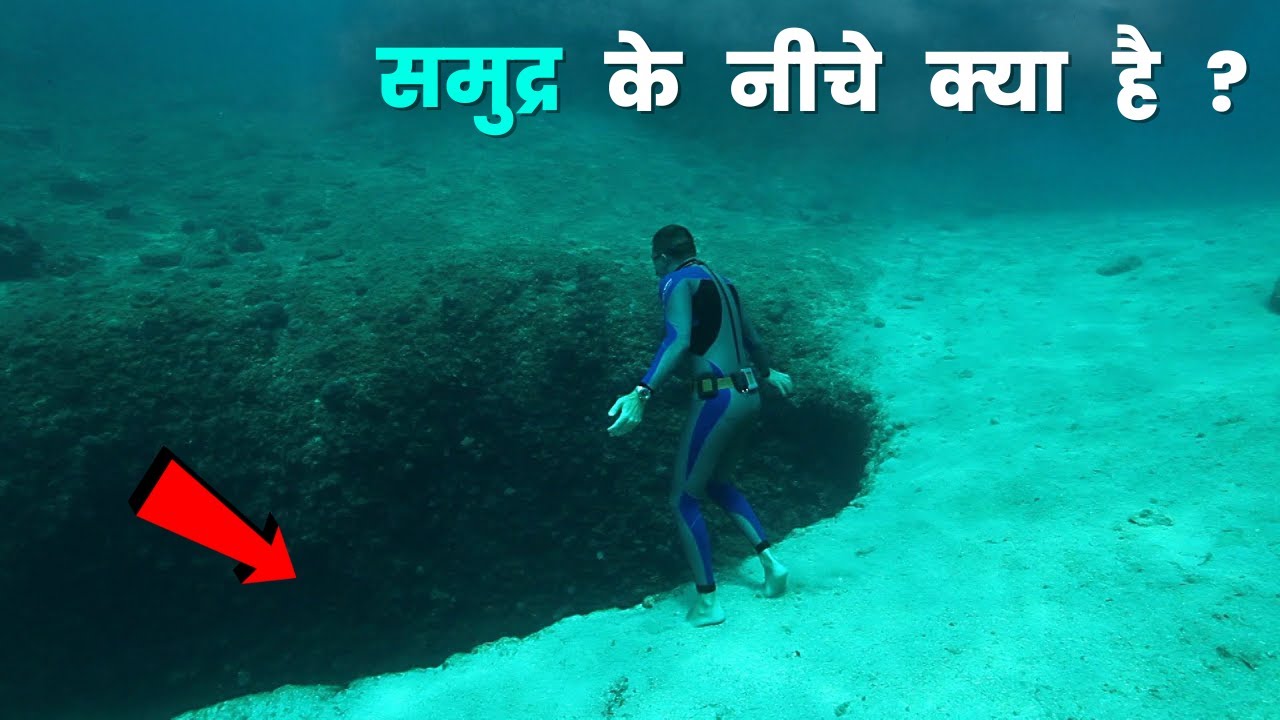
Down below, the water hides things we barely understand. More than seven out of ten parts of Earth are covered by saltwater, still almost none has been seen up close. From above, waves shimmer like glass, quiet and bare - underneath though? A sprawling maze pulses with odd shapes and silent movement. Strange animals glow near rocky towers taller than hills, tucked far beyond light. What lives down there gives researchers clues, slow pieces fitting into how oceans shape life and land.
YouTube Video Link: https://youtu.be/GWgwbReFIHs?si=GwTmdswVBIQ31npz
The Ocean Has Many Layers
Down below the sky's reach, water splits into sections shaped by how deep it goes and whether light slips through. Called the Sunlight Zone, the highest part lets rays dive without trouble. Life crowds in - fish, dolphins, turtles - not least because green things take root when light shows up.
Beneath lies a shadowed stretch few rays ever touch. Darker it gets, colder too, home to odd forms of life unseen above. Going further down enters a world sealed off from daylight entirely. Without any sun at all, beings here manage through changes shaped by endless night.
The Ocean Floor And Its Features
Down below the waves, Earth's surface twists and turns like crumpled paper. Ridges rise where molten rock pushes up, forming peaks higher than those we walk on. Hollows stretch wide, deeper in places than any forested valley above. Lava sometimes bursts through cracks, building fresh ground drop by slow drop. Land does not stay still beneath the sea.
Down below, where the sea floor drops sharply, lie long cuts known as trenches. Far beneath the surface they stretch, crushed by weight of water above. Only a small number of people have made it down that far. Reaching such places means facing conditions almost beyond imagining.
Strange Animals from the Ocean Depths
Floating through the blackness, some sea life makes its own light. Not all of it needs sunlight to thrive. Deep down where it's crushing and icy, certain beings still move. Creatures like giant squid drift among mysteries we haven’t named yet.
Conclusion
Below the waves, secrets hide in dark waters where light barely reaches. Strange creatures drift through places humans have never seen. Instead of sunlight, some rely on heat from cracks in the seafloor. Huge mountain ranges rise under the surface, stretching farther than those above ground. Despite modern tools, most of it stays untouched by people. Exploring these depths reveals parts of Earth that feel almost alien. Each discovery adds a small piece to a puzzle we are just beginning to solve.
These days, computers shape nearly every part of life - quietly working behind apps, gadgets, even rockets. While some assume it's just typing lines of code, the truth stretches wider. Problem-solving sits at the heart, guided by logic instead of guesswork. Machines follow instructions, yet understanding them means seeing beyond syntax. Thinking in steps matters more than memorizing languages. Efficiency isn’t automatic, it’s designed through careful choices. What looks like magic often begins with clear thinking and patience.
Put another way, computer science shows how machines handle data while guiding people to build programs that simplify daily tasks. Though it sounds complex, much of it comes down to logic, problem solving, one step at a time. Behind every app or tool lies design choices shaped by this field. From morning alarms to messages sent across time zones, its influence quietly runs beneath. What feels automatic often begins as careful code written with purpose. Learning it means seeing patterns where others see noise.
YouTube Video Link: https://youtu.be/nDDRliaoswg?si=bJ5EP_LyFebXoOFU
Understanding Computer Science
A machine thinks through steps, carefully arranged. Through these steps, problems get solved using logic built into systems. Information moves, changes form, then appears again differently. Some ideas stay abstract; others become real in circuits and code.
Computer science includes topics such as:
Programming and coding
Software development
Data structures and algorithms
Artificial intelligence
Cybersecurity
Databases
Networking
Computers work fast and right because of these spots. Not just speed, accuracy shows up where it matters most. Where things click, performance gets a quiet boost. Speed lives here, plus precision tags along. Right results appear when these zones do their job.
How Computer Science Works
Every task a machine handles begins with clear directions - those come as code. Written using tools like Python, Java, or C++, each line tells what to do next. Step one after another, the system moves forward without skipping. What results is work done, simply because it was told how.
Picture this: clicking a site loads data through hidden links between machines, guided by code that fetches content, shapes layout, then shows what you see. A quiet network dance begins the moment fingers tap. Behind glass, logic flips symbols into pages. Each request travels paths built long before launch. Screens wake with details pulled from afar, stitched together fast. What looks simple runs deep in layers few notice. That page? It arrives only because systems speak without words.
Finding quicker ways to fix issues sits at the heart of computer science. Efficiency shows up when tasks run fast, without wasting materials.
How Computer Science Is Used in Everyday Life
Computer science is used in almost every field today. Some common applications include:
From phones, WhatsApp works fast. Alongside it, Instagram shows pictures people share. Each one fits how folks chat today
Online banking and digital payments
Video games and entertainment
Futuristic machines that think like humans, along with mechanical helpers doing physical tasks
Medical technology and diagnostics
Space research and satellite systems
Frozen winters gave way to steam engines, yet none of it runs without code whispering beneath. A quiet pulse in every device, unseen but everywhere, born from logic shaped by curious minds long before screens lit up cities.
Computer Science Matters
From streamlining tasks to sparking new ideas, computer science shapes how things get done. Growth in companies often follows its tools, just as breakthroughs in labs depend on them. Communication across continents becomes possible because of it. Discovery happens faster now, mainly due to smart systems at work.
One path leads straight into jobs like building software or digging into data patterns. Think of hackers stopped by experts who know systems inside out - those roles are growing fast now. Machines that learn mean more work for engineers shaping how they think. With every new app or tool, someone trained in code becomes more valuable. Fields once quiet now buzz with openings needing sharp problem solvers. Growth doesn’t slow down - it pulls ahead, dragging old job ideas far behind.
Conclusion
Computers shape our lives more than most people notice. What happens inside them goes way beyond typing lines of code - it involves thinking through logic, systems, and solutions. Behind every app on your phone, a mind applied computing ideas to something practical. Even smart machines that learn trace back to core concepts born in computer science.
Starting down the path of computer science brings new ways to invent, imagine, then build what comes next. Because tech keeps shifting forward, this field stays strong, useful, full of chances years ahead.
 About Us
 Blog
Blog
 Insights & Awareness








 Ensure TV