Self-confidence sits at the core of doing well, feeling good, or moving forward. Believing in your own abilities helps you choose wisely, handle tough moments without breaking, while pushing past old boundaries. Lots wonder how they can build self-assurance - not because it's something you're born with - but since it acts like a muscle: train it, use it, watch it get stronger.
This guide breaks down confidence - showing what it really means, boosting how you see yourself, while tackling fear, quieting doubt, or shifting negative thoughts.
Self-confidence means knowing you can handle things well. That trust in your skills helps you act without worrying what others think. It's tied to valuing who you are, even when stuff goes wrong. Being confident doesn't mean never failing - instead, it's growing through errors. You get stronger by trying again tomorrow.
Most folks believe self-assurance comes only to some by chance. Yet in reality, building it’s possible for everyone - just needs the proper attitude along with daily practice.
Why Is Self Confidence Important?
Self-assurance shapes every action you take. When you feel sure of yourself, it changes how you move through life
Step into the unknown - give fresh ideas a shot
Communicate better
Handle failures positively
Attract opportunities
Build better relationships
Increase emotional strength
Create leadership qualities
Wondering how to boost self-confidence? It helps you move forward without worry.
How to Build Self Confidence?
Check out these real ways to grow self-assurance without force or fuss - step-by-step methods that just work; simple actions leading to steady gains over time
1. Know Your Strengths
Begin with spotting what you do well. Each person carries unique abilities - things they're naturally better at. Write them down. Keep reading that list every single day.
2. Set Small Goals
Big dreams matter - yet tiny ones get things moving. Hitting little milestones grows confidence while pushing you to do better.
3. Practice Positive Self-Talk
Quit telling yourself "I can't." Swap that phrase with "I'll give it a shot." What you keep thinking, your brain starts accepting. Say hopeful things to yourself every day.
4. Learn Something New
Each fresh ability boosts self-belief. Try reading, checking out clips, joining classes - or pick up tips from folks nearby.
5. Accept Failure
Failure teaches. All of us mess up now and then. Those who believe in themselves aren't scared of errors - instead, they figure things out from slip-ups, then give it another shot.
6. Improve Body Language
Stay upright, look people in the eyes, grin a little, then talk without mumbling. How you hold yourself shapes how you feel inside - tight link between stance and self-assurance.
7. Stay Consistent
Confidence comes slowly. Try every day, especially when things seem tough. Sticking with it helps you grow steadily.
Habits That Strengthen Confidence
Get up early so you can map out what’s next
Try meditation to clear your mind
Hang out with folks who lift your mood instead
Avoid negative comparisons
Celebrate your achievements
Exercise regularly
Your daily routines shape how you think. Build routines that help you move forward.
Biggest Enemies of Confidence
To learn How to Build Self Confidence? you must avoid:
Overthinking
Comparing yourself to others
Fear of judgment
Negative self-image
Toxic relationships
Lack of self-care
Breaking down these walls opens up your mind.
Conclusion
Confidence doesn't pop up overnight. It grows slowly through experience, effort, mistakes, yet progress. When you figure out How to Build Self Confidence? things start shifting your way. Trust what you can do, focus on where you shine, but don’t sit around needing approval to rise.
Picture yourself stepping into another era. Suppose a device let you walk through centuries. Imagine seeing dinosaurs one minute, then tomorrow’s cities the next. That kind of journey sparks curiosity in young minds. It opens doors to wild ideas and fresh ways of thinking. Time bends, yet lessons stay clear - history matters, so does now.
Floating backward through years sounds thrilling - seen in books, flicks, dreams - but people do not actually live that way. Reality stays put.
What A Time Machine Is?
A time machine is:
An imaginary machine
Used in science fiction stories
Thought to let folks move across moments in history
Looking into how time works keeps scientists busy, though nobody's built a working time machine so far.
Children Visiting the Past?
If kids could travel to the past, they could:
See dinosaurs
Step into rooms where crowns once sat, equations took shape, machines sparked to life
Learn how people lived long ago
Understand history better
Facing what came before opens eyes to truth. What happened long ago still shapes how things are now.
What if kids could go to the future?
If kids could travel to the future, they might:
See advanced technology
Meet robots and smart machines
Learn new ways of living
Watch the world shift right before your eyes
Big dreams often start with thoughts of tomorrow. Kids find energy in what might come next.
Can You Actually Travel Through Time?
Right now:
Time travel is only imagination
Scientists study time through physics
History offers lessons. Future plans take shape slowly. Right now shapes everything
A page turns, a moment shifts - knowledge carries you through years without moving at all.
What Kids Might Understand About Time Travel?
The idea of time travel teaches kids:
Importance of time
Value of history
Learning from mistakes
Planning for a better future
Fleeting moments slip away if ignored. Yet paying attention can make them count.
Living in the Present Matters
If time travel happened to work…
Today is the only real moment
Good habits today build a better future
Learning now creates success later
This moment holds more strength than any other. Power lives right here, not elsewhere.
How Kids Manage Time Like Real Time Travel
Kids can “time travel” by:
Reading history books (past)
Studying and practicing (future)
Using today wisely (present)
What matters most isn’t how much you do, but where you place your hours. Hidden power lives in quiet choices. Moments stack when spent on purpose. Energy follows attention like a trail. Most forget that stillness counts too.
Parents and Teachers
Parents and teachers help kids by:
Encouraging curiosity
Teaching history and science
Helping kids imagine and learn
Teaching value of time
Learning begins when direction shapes daydreams.
What Kids Should Keep in Mind
Time travel is fun to imagine
Time is very valuable
Learn from the past
Work hard today
Create a bright future
Conclusion
One moment can spark a child's imagination about moving through time. Though hopping between years stays pretend, lessons from what came before shape what comes next. A choice made now, like how to spend an afternoon, builds the life waiting ahead
Tomorrow can wait, but chances slip quietly. Putting things off shows up when little voices claim they will act later. That pattern has a name - putting off till after now keeps happening. Understanding its weight teaches young ones how showing up matters. Growth grows where duty lives. Confidence builds not in promises, but in doing. Success? It likes those who start before the light fades.
At times, pausing makes sense - yet repeating it might slowly shape an unhelpful pattern.
Why Do Kids Delay Tasks Until Tomorrow?
Kids Might Say This Because
Work feels difficult
Feeling sluggish or worn out
They want to go first
Fear grips them when errors might happen
Finding out why makes it easier for children to shift how they act.
Bad Habit Effects on Children?
Saying I'll do it tomorrow over and over
Increase stress
Create pressure later
Cause incomplete work
Reduce confidence
When tasks stack high, stress sneaks into a child's mind just before deadlines hit.
How This Habit Changes Learning
Children procrastinating tasks
Homework becomes rushed
Learning becomes weak
Mistakes increase
Fear Of Studies Increases
Fresh each morning, finishing tasks early turns study into something light. A clear mind by noon happens when duties move fast ahead of schedule.
Children Completing Tasks Promptly
Kids Who Finish Work on Time
Feel relaxed
Free up extra hours during the day
Learn better
They carry a quiet confidence after getting things done their way
A step taken soon teaches you to trust yourself, while shaping habits that stick. What matters grows when moments are used well.
Helping Children Move Past Procrastination
Kids Can Break This Habit
Starting work immediately
Break Tasks Into Smaller Parts
Making a Simple Timetable
Doing hard work first
Rewarding Themselves After Finishing
Small Steps Build Habits.
Parents and Teachers Roles
Parents and Teachers Can Help
Encouraging timely work
Appreciating effort
Planning everyday schedules
Teaching the Value of Time
Stronger Kids Through Support and Guidance.
Good Habits That Replace Procrastination
Tomorrow becomes when kids start saying
“I’ll start now”
“I’ll try my best”
“I can do this”
When good ideas take hold, actions start to shift. A different mindset often leads movement without force.
Things Children Should Keep in Mind
today might be good
Fix small things now to avoid bigger problems later
Time once gone is gone
Action brings success
Good habits simplify daily living
Conclusion
Tomorrow will sort it out - that thought feels light at first, yet heavy down the road. Children tackling tasks when due grow into steady, sure people. Right now holds what most chase in years ahead.
Falling water from clouds often feels pure, though certain conditions turn it sharp and damaging. Known as acidic rainfall, this version forms under specific circumstances. Learning what creates such wet drops opens young minds to wider ideas - like dirty air, safeguarding nature, reasons people must act differently. Each drop ties into larger choices made far above ground level.
Rain carrying damaging acids falls differently than usual drops. This kind of rainfall brings trouble instead of relief. Harmful substances mix into each drop before it lands. Not fit for plants, animals, or buildings, it changes everything it touches. Regular rain helps life grow - this version does the opposite
Damage plants and trees
Harm animals and fish
Spoil buildings and monuments
Fumes in the sky change rain into something sharp. That sour rainfall comes when smoke mixes above.
Acid Rain Formation Explained?
Acid rain forms when:
Fumes rise up, mixing with open skies. Smoke drifts outward, filling spaces above. Toxic vapours escape, spreading through breezes. Pollutants float free, moving where winds blow
Falling water pulls them into droplets. Air swirls carry traces through fog banks. Moisture traps the particles mid-descent. Cloud layers absorb what drifts upward. Raindrops deliver unseen bits to soil
Downpours carry sour chemicals inside them
The main gases that cause acid rain are:
Sulphur dioxide
Nitrogen dioxide
Fumes rise where people burn fuel carelessly. Smoke fills the air when factories run without filters.
Acid Rain Causes?
Fumes from cars often lead to acid rain. Factories send smoke into the air, which changes rainwater. Burning coal releases gases that mix with moisture. Power plants play a big role in this shift. Homes using oil can add to the problem too
1. Factories and Industries
Smoke rises from factories into the sky
Inside that cloud of smoke are dangerous fumes
Mixed into falling drops, these gases dissolve within rainwater
2. Vehicles
Fumes come out of cars, while buses add their share too. Trucks join in, pumping smoke into the air we breathe
Vehicle smoke adds harmful gases to the air
3. Burning Fuels
Smoke rises when coal, oil, or gas burns. Fumes enter the air each time those fuels heat up. Dirty particles spread after flames go out. What's left floats into skies far away
Power plants produce harmful smoke
Burning fuels adds smoke to the sky, which later falls as sour rain. Some human actions make the air dirtier, leading to harsh weather effects downwind.
Acid Rain and Its Effects on Natural Systems
Acid rain harms:
Frost harms greenery when it touches their leaves
Soil by removing nutrients
Fish die when rivers, lakes get polluted
Falling rain carries acids that slowly harm living things. Trees lose strength when wet air bites their leaves.
Acid Rain and Human Health
Acid rain can:
Break structures, wreck landmarks
Harm crops
Cause breathing problems due to polluted air
Even if acid rain won’t scald your hands, it damages forests where we get clean air. Trees weaken when soaked by acidic downpours. Lakes grow lifeless after years of sour rainfall. Wildlife stumbles through poisoned streams and thinning woods. What falls from smokestacks rises again in ruined soil.
Acid Rain and Children's Understanding
Kids should learn about acid rain because:
It teaches importance of clean air
It builds environmental responsibility
Looking ahead, it keeps the natural world safe. What happens now shapes what comes next. This matters more than most realize. Future generations gain when today’s choices respect Earth
Learning early helps kids become responsible citizens.
Ways to Cut Down on Acid Rain?
Kids and adults can help reduce acid rain by:
Saving electricity
Using public transport
Planting more trees
Avoiding burning waste
Using clean energy
A single step might change more than expected. What seems minor often shifts everything slowly.
Trees and Their Impact on Acid Rain Prevention
Trees help by:
Cleaning the air
Absorbing harmful gases
Reducing pollution
Trees take root, shielding nature from harm.
Things for Kids to Keep in Mind
Acid rain is caused by pollution
Smoke from cars along with fumes out of tall chimneys fills the air with stuff that hurts living things
Falling from polluted skies, acid rain damages forests while eating away at stone walls. Nature suffers when soils grow too sour; meanwhile city structures weaken under its slow drip
We must protect the Earth
Clean air means healthy life
Conclusion
Fumes from human activity mix into the sky, turning rain sour. This sharp rainfall eats at trees, creatures, lakes, even rooftops. When young minds grasp what fuels these downpours, they start seeing green choices matter. Choices made now shape skies their children will walk under
Learning goes beyond pages in a textbook or points on a test paper. It shows young minds ways to reason, act fairly, and find balance each day. When children grasp this deeper meaning of school, they slowly become caring, sure of themselves, tough when needed, shaped by choices that matter.
Living well is something kids begin to understand through true learning. What they do matters more than what they memorize.
Education Beyond Books and Tests?
True, textbooks matter. Yet school tests do not tell the whole story. Learning stretches beyond classroom walls. Life itself teaches lessons no syllabus covers. Skills grow through experience, not just lectures. Understanding comes from doing, from trying, failing, adjusting. Conversations shape thinking more than memorization ever could. Watching people, solving problems, making mistakes - these build wisdom. Education lives in questions, not answers
Moral values
Life skills
Discipline
Confidence
Problem-solving
A kid who learns properly picks up ways to act right inside classrooms, within family spaces, out among people. Real teaching shapes actions without loud rules. Behavior grows where knowledge takes root naturally.
Real Education Matters for Children?
Real education helps kids:
Become kind and honest
Learn responsibility
Listen to your mother when she speaks. Teachers deserve attention in class. Older people have lived longer, so their words matter too
Make good decisions
Face challenges bravely
Firmness of spirit grows here, more than mere smarts ever could.
Children Discover Life Skills via Genuine Learning
Through real education, kids learn:
Honesty and truthfulness
Sharing and caring
Time management
Teamwork
Self-confidence
Respect for others
Facing challenges early builds strength that shows up years later. What happens in class often shapes choices outside it.
The Role of School in Real Education
Schools help kids by:
Finding ways to share math, while guiding through science, then building skills in speaking and reading
Teaching discipline and punctuality
Encouraging teamwork and friendship
Developing communication skills
A good school focuses on both knowledge and values.
Parents and Teachers Roles
What kids learn often comes down to those who guide them every day. Adults at home, along with folks in classrooms, shape how understanding grows. One helps build habits, while the other introduces new ideas. Growth shows up when both pay attention. Learning sticks better when care is part of the process
Teach good manners
Encourage learning
Guide children during mistakes
Motivate children to do better
A kid watches what you do before they listen to what you say.
Real Education and Life Skills
Real education teaches life skills like:
Speaking politely
Helping others
Solving problems calmly
Controlling anger
Being confident
These skills help children become successful adults.
What Life Looks Like Without True Learning?
Without real education:
Knowledge becomes incomplete
Kids may lack discipline
Missing pieces sometimes include solid principles
Children may feel confused in life
Because of this, actual learning matters a great deal.
How Children Learn Through Everyday Activities
Kids can practice real education by:
Being honest
Respecting everyone
Helping at home
Using time wisely
Learning from mistakes
Small actions build strong character.
What Kids Should Remember
Learning goes beyond test scores
What you believe matters just as much as what you learn in school
Learning never stops
Be kind and respectful
Knowledge with values is true education
Conclusion
A child's true learning begins when lessons shape both mind and character. Through a blend of facts, morals, self-control, and everyday abilities, growth takes root. Once understanding clicks, young minds turn sharper, more thoughtful, tougher - able to step into life without fear
Right now might mean trouble needing fast help. Something like a crash, flames, danger, or sudden illness could cause it. When little ones understand who to reach during these moments, safety grows easier for them - plus those around.
When things go wrong, keeping a clear head matters most. Reach out to help using the right phone line if trouble strikes.
Emergency Contacts Every Child Should Know India
Emergency response unit – one hundred
Police 100 when:
Someone is in danger
There is theft or robbery
Someone is fighting or causing harm
You feel unsafe
Safety comes first when officers walk the streets. Keeping rules clear matters just as much as stopping trouble before it grows.
Fire Brigade 101
Call 101 when:
There is a fire
Smoke is coming from a building
Someone is trapped in fire
When flames rise, crews move fast to douse them, pulling folks to safety. Smoke clears, voices call, boots hit pavement - help arrives before fear settles deep.
🚑 Ambulance – 108
Call 108 when:
A person has suffered serious injuries
There is a medical emergency
Someone faints or is unconscious
A serious accident happens
Faster than most transport, ambulances move sick people straight to medical centers.
Emergency Help Number 112
112 is a single emergency number for:
Police
Fire
Ambulance
A number sticks better when it's short. That one? Simple to recall during tough moments.
👩⚕️ Women Helpline – 181 / 1091
Call when:
A woman is in danger
A hand reaches out when shadows grow too close. Protection shows up without asking first. Help arrives before it is spoken aloud
Child Helpline 1098
Call 1098 when:
A child has gone missing
A kid might be harmed or not safe
A child needs help
A child gets this number just for them. It works differently than others do.
Children's Actions in Emergencies
Kids should:
Stay calm
Dial the right digits
Speak clearly
Start off by sharing who they are along with where they’re based
Follow instructions
Stay calm. Someone arrives soon.
When Kids Should Not Use Emergency Numbers?
Kids should not call emergency numbers:
Just because it feels right. Sometimes laughter shows up without warning. Not everything needs a reason to begin with
Without any danger
To disturb others
When wrong alarms go off, real emergencies might wait too long. Help meant for urgent cases gets delayed because of mistakes made by others.
Knowing emergency numbers helps in urgent situations
Knowing emergency numbers helps kids:
Stay safe
Help family members
Act responsibly
Feel confident
Sure, being able to handle things on your own matters a lot when living day to day.
What Kids Should Remember
Emergency numbers save lives
Only when true risk appears
Stay calm and speak clearly
Memorize important numbers
Safety comes first
Conclusion
When trouble strikes, quick help matters. A kid who remembers 100 for police can act fast. The fire brigade arrives at 101 - good to know when smoke rises. If someone gets hurt, dialing 108 brings aid. Knowing whom to call builds confidence in young minds. Safety starts with a number saved in memory. Growing up means understanding how to respond when things go wrong.
Frozen in time, dinosaurs once walked the land - massive creatures full of strength and mystery. Long before people, they ruled forests and plains under a very different sky. Curious minds ask what happened to them, why their tracks vanished so completely. Through fossils and facts, young learners begin seeing how life changes, adapts, survives - or disappears when conditions shift too far.
Some big cold-blooded creatures from ancient times
Living things show up on solid ground, beneath the waves, above the clouds
Herbivores (plant eaters) and carnivores (meat eaters)
Living on Earth about 65 million years ago
Some popular dinosaurs are:
Tyrannosaurus Rex
Triceratops
Brachiosaurus
Stegosaurus
Flying high above ancient forests, they held sway across the planet for countless ages.
What Dinosaurs Got Lost Means?
Few realize how long it took for dinosaurs to fade away. Experts figure extinction happened like this:
Every single one of those dinosaurs vanished. Gone forever, they left no trace behind. Not a footprint remained after their time ended. The world moved on without them completely
Frozen in time, none of these ancient reptiles walk the Earth now
Facts about vanished creatures show children the way life shifts across ages.
Main Reasons Why Dinosaurs Disappeared
Footprints fade when rain washes the ground. Heat changes how bones stay buried over time. Plants grow where fossils once lay uncovered. Darkness hides clues during evening searches. Maps sometimes point to wrong spots by mistake
1. Asteroid Struck Earth
A long time back, a massive space rock smashed into our planet. Because of that impact, everything changed fast
Big fires
Dust covering the sky
Sunlight blockage
Famine struck when plants vanished; creatures starved without sustenance.
2. Climate Change
The Earths Climate Changed
Frigid air arrived without warning one morning. Temperature swings hit hard by afternoon. Nights turned sharp with a biting chill. Heat surged unexpectedly during daylight hours. Conditions shifted wildly between freezing and scorching
Plants could not grow
Dinosaurs could not survive
3. Food Shortage
When plants died:
Plant-eating dinosaurs had no food
Meat-eating dinosaurs lost prey
Few by few, the dinosaurs faded away because of this.
4. Volcano Eruptions
Big volcanoes erupted and:
Released harmful gases
Changed air and climate
Made Earth unsafe for dinosaurs
One thing after another piled up until dinosaurs could not survive.
Humans Evolved After Dinosaurs Went Extinct
Long after dinosaurs walked the Earth, people appeared. These ancient reptiles roamed the planet many millions of years prior. For this reason:
Humans never saw real dinosaurs
We learn about them through fossils
What Are Fossils?
Fossils are:
Hard remains of bones or footprints
Found underground
Help scientists study dinosaurs
Buried bones tell children stories of ancient life.
Lessons Children Gain Through Dinosaur Exploration
Dinosaurs teach children important lessons:
Nature can change anytime
Every living being depends on environment
Balance in nature is important
We must protect animals and Earth
Learning About Dinosaurs Matters for Children
Learning about dinosaurs helps kids:
Improve curiosity
Understand science and history
Develop imagination
Learn about extinction and survival
Fun comes alive when kids meet dinosaurs. Excitement grows through dino stories and games.
Ways Children Help Save Animals Now
Kids can help nature by:
Saving water
Protecting animals
Avoiding pollution
Planting trees
Respecting nature
Stopping harm now keeps species alive later.
What Children Should Keep In Mind
Dinosaurs lived long ago
Climate and nature changes affected them
Extinction teaches us to care for Earth
Humans must protect nature
Learning science is fun
Conclusion
Floods, fires, and shifting weather wiped out dinosaur worlds. Kids see how wild forces shape life when they hear about these ancient creatures. Hunger followed the chaos, leaving none behind. What happened long ago shows why living things depend on each other. Lessons from bones help young minds act with kindness toward forests, rivers, and beasts
What if machines could lend a hand around the house? These clever helpers move quickly, handle tough jobs, without getting tired. Children often light up when they see one in action - it sticks in their mind. Still, leaning too much on gadgets might pull us away from real moments. Staying grounded means knowing when to switch them off.
Using software makes it function. It runs because applications are involved. Programs inside allow operation. Through tools on screen, tasks get done. Functionality comes alive when digital helpers step in
Might handle jobs without needing a push each time
Does what others say without question
Faster ways of working come from machines that assist, even though they don’t reason like people. Still, their role changes how tasks get done.
Robots Assist With Everyday Tasks
Folks find machines handy across countless tasks. Machines take on work once done only by people. Where effort counts, automation steps in quietly. People lean on these tools every single day. Tasks get easier when circuits do the lifting
Cleaning houses (robot vacuum cleaners)
Helping doctors in hospitals
Assisting in factories and industries
Exploring space and oceans
Helping students learn through educational robots
Robots cut down effort while speeding things up.
Robots in Education
At schools and places where kids study:
Fun comes alive when robots help kids learn
They help kids learn coding and problem-solving
Filled by wonder, they spark inventive thinking. Curiosity grows where ideas are free to wander
They make science and technology interesting
Facing tomorrow's tech, kids get it through learning robots.
Robots Help Keep People Safe
Robots are used in dangerous places:
Firefighting
Disaster rescue
Bomb detection
Deep-sea and space missions
Facing danger head-on, these machines take on tasks too hazardous for people.
Robots Working Alongside People Instead of Taking Over
Few machines lend a hand these days, yet they stumble where humans tread without thinking
They do not have feelings
Making choices based on feelings isn’t something they’re able to do
Machines can’t run without people guiding their steps. One way or another, someone has to set the rules they follow. Without a hand at the start, none of it moves forward
Thinking helps people understand things deeply, while emotions guide their choices. Caring shapes how they treat others around them. What makes humans strong lies in this mix of mind and heart working together.
Understanding Technology Overuse?
Technology addiction happens when:
Kids spend too much time with robots, screens, or devices
Playing outdoors comes to a halt
Some stay quiet around loved ones. Others pull away without warning. A few just stop reaching out altogether
Mornings slip away without a trace. Homework piles up while clocks tick past noon. Schedules crumble like old paper. Focus fades into background noise. Days blur without clear purpose
Too much dependence on robots is unhealthy.
Children and Robot Overuse
Once children get hooked:
Exercise levels go down
Problems with vision tend to grow more common as health concerns pile up
Fewer chances to practice leaves social abilities growing thin
Creativity reduces
Machines work best when they serve people instead of ruling them.
Ways Children Interact With Robots Safely
Kids can enjoy robots by:
Using them only for learning and help
Limiting screen and robot time
Playing outdoor games daily
Talking and spending time with family
Balancing study, play, and technology
When kids use things in balance, their minds stay sharp and bodies feel good.
Parents and Teachers
Parents and teachers should:
Guide kids on proper robot use
Set time limits
Encourage physical activities
Teach values and discipline
When kids get clear direction, they tend to make smarter choices with tech.
What Children Should Keep In Mind
Few see machines that way - yet they just assist, never lead
Humans are more important than machines
What you gain from studying beats the trap of obsession every time
Balance is the secret to success
Use technology wisely
Conclusion
Sometimes machines help us get things done while sparking curiosity in young minds. Still, relying on them every single time can cause problems nobody wants. People need to guide how these devices are used at all times. Using tech with care while playing outside or reading books leads to stronger thinking skills alongside better moods and energy levels.
A man named Thomas Alva Edison shaped history without chasing fame. Kids learn grit just by hearing how he kept going when things got tough. Curiosity drove him more than any prize or praise ever could. Each mistake taught him something real - he saw progress where others saw dead ends. Success didn’t come fast; it arrived after countless tries and quiet mornings. He proved that stopping too soon wastes what almost worked. Young minds notice: effort counts far more than instant results.
February 11, 1847 - date of birth recorded. That day marked a beginning, quiet and ordinary at first glance
Famed once as the wizard who lit up a small New Jersey town
Who made several helpful inventions
Among the things he created were these well-known ones:
Electric bulb
Phonograph
Motion picture camera
Few saw it coming, yet his creations shifted how people live, simplifying daily tasks without fanfare.
Childhood of Thomas Alva Edison
As a child:
Edison was very curious
Finding answers excited him. Curiosity drove his days. Wonder filled each moment. Questions shaped how he saw things
Fiddling around in the lab always caught his interest
Bored by routine lessons, he paid little attention in class
Though school staff saw little promise, his mom stood by him, guiding lessons herself. That steady hand made space for Edison to develop.
Edison's Challenges and Setbacks
Failing over and again didn’t stop Edison. The lightbulb took shape through those stumbles
Failing over a thousand times marked his path
Yet he kept going
Edison said:
Learning includes setbacks, something children begin to understand here. A stumble isn’t the end - it’s how growth starts.
Thomas Edison Inspires Children
Edison inspires kids because:
He worked very hard
He never lost hope
Faith in his own abilities never wavered
Each time he failed, still he went back to start once more
What stands out is how patience shapes a person's path. Determination matters just as much when things take time. One thing leads to another when effort stays steady.
What Children Might Take From Thomas Edison
Children can learn many values from Edison’s life:
Never give up
Learn from mistakes
Start wondering. Think differently
Believe in yourself
Hard work brings success
Young ones gain strength through these sessions. Confidence builds quietly along the way.
Hard Work and Consistency Matter
Far from instant, Edison’s achievements grew slowly. Each day brought more effort, a steady rhythm he never broke. Children see this - how progress piles up when you keep going
Daily effort matters
Getting good comes from doing it again and again
Floating above it all takes patience. Waiting changes how things grow. Slow steps build tall thoughts
Slow effort every day builds big results. Sticking with it matters most.
Parents and Teachers
She taught him at home when school did not work out. A child might learn better with support that fits how they think
Encouraging curiosity
Supporting learning
Appreciating effort
Never calling a child weak
When kids feel backed, they start trusting themselves more.
Thomas Edison And The Shape Of Tomorrow
Kids Learning From Edison's Life
Faith in what they dream up matters most
Try new things
Fearless when things go wrong
Dream big
Fulled by curiosity, Edison shows children how persistence shapes impact. Belief matters when small steps grow into big shifts. Effort becomes a quiet force behind every breakthrough worth remembering.
Things Children Should Keep in Mind
Failure is not bad
Keep trying
Be curious
Believe in yourself
Hard work always pays
Conclusion
A young boy watches an old video about Thomas Alva Edison. Effort shapes results more than luck ever does. When nobody supports you, inner trust becomes fuel. His path showed that steady trying sparks big outcomes. One idea, built slowly, lit every home. Persistence doesn’t shout - it simply stays
Belief in one's own skills is what self-confidence really is. Kids who carry that belief often act without fear, smile more, take chances. They stand taller when they know their worth inside out. Facing hard moments becomes easier if a child trusts their voice. Growth happens naturally when young minds trust themselves first.
Self-confidence helps children feel secure and positive.
Self Confidence Matters for Children?
Self-confidence helps kids:
Speak without fear
Try new things
Handle failures calmly
Make good friends
Facing a future that feels right. Moving forward because it matters
When children believe in themselves, they dive into new lessons without fear. Tough tasks? They stick around instead of walking away.
Self Confidence Affects Learning
When kids are confident:
Questions come out without holding back
Some join discussions during lessons
They learn faster
Fearless when errors happen. Mistakes do not slow them down. Getting things wrong feels normal. They push forward anyway. Slipups? Just part of moving ahead. Trying again comes naturally
Mistakes begin to feel like steps forward when you believe in yourself.
Self Confidence Shapes Personal Strength
A confident child:
A person who holds their own worth in mind also sees value in people around them
Makes better decisions
Stays calm in difficult situations
Shows leadership qualities
A child who believes in themselves tends to act with care toward others. When kids trust their own worth, they make choices that show respect. Growing up feeling sure of yourself often leads to doing what's right without being told.
Self Confidence Moments in Everyday Situations
Kids show self-confidence when they:
Losing once doesn’t mean it’s over. Start fresh when the chance comes. A new round might go differently. Wait for the next turn to give it another shot
Speak honestly
Perform on stage
Share ideas
Say “I will try my best”
Quiet moments add up. Strength grows without fanfare. Tiny efforts shape resilience. Each step counts more than it seems.
Children Without Self Confidence May Struggle Emotionally And Socially?
Without self-confidence:
Kids feel scared or shy
Most stay clear of fresh tasks
Learning becomes stressful
They doubt themselves
Built early, confidence matters most for what comes next.
Building Confidence in Children
Kids can build confidence by:
Practicing regularly
Learning from mistakes
Talking positively about themselves
Setting small goals
Need support? Speak up. When stuck, reach out. Someone might have answers. Quiet struggle changes nothing. Words open doors. Silence keeps walls high
A single win, even a tiny one, makes belief grow stronger.
Parents and Teachers
Parents and teachers help build confidence by:
Encouraging effort
Appreciating progress
Avoiding comparisons
Listening patiently
Being supportive
Fresh praise helps kids believe they can do things well.
Self Confidence Linked to Future Success
Confident children:
Face challenges bravely
Communicate clearly
Trust what they can do
Become successful adults
Strength like self-confidence lasts a lifetime.
What Children Should Keep in Mind
Believe in yourself
Everyone makes mistakes
Keep trying
You are special
Confidence grows with practice
Conclusion
What if a child truly trusted what they could do? That belief changes how they meet each day - bold, curious, ready. Learning grows stronger when fear takes fewer seats at the table. Kind actions follow naturally from someone who feels steady inside. Mistakes stop feeling like endings but start looking like steps forward. Being sure of yourself does not mean never failing - it means expecting growth even so.
Doing something well every single time matters most when it seems dull or hard. What counts for children is seeing how steady choices shape who they become - sure of themselves, able to stick with tasks, and organized over time. Progress often comes not from sudden leaps but from tiny actions taken week after week without stopping. Success
later on usually has roots in those daily repeats.
Showing up matters more than getting it right every time. What counts is moving forward, no matter how small the step.
Why Consistency Matters for Children?
Consistency helps children:
Learn faster
Build confidence
Improve skills
Develop discipline
Achieve goals
Fresh each morning, a small routine builds mental muscle over time. Doing the right things again shapes how young minds grow. With every repetition, thinking sharpens on its own.
Consistency in Learning
Little by little, understanding grows. With daily practice, children build knowledge over time
They remember better
They feel less pressure before exams
Clear ideas come easily to them
They enjoy learning
A little each day beats one big session any time.
Consistent Actions Form Lasting Routines
Every day you stick to it, the stronger it gets. Like brushing your teeth each morning without thinking twice
Reading daily improves vocabulary
Playing daily improves physical strength
Practicing kindness makes kids respectful
Saving money regularly builds responsibility
Habits make life smoother once they stick. Success shows up more when routines take hold.
Consistency vs Talent
Some kids have natural ability. Yet showing up every day beats that hands down. One kid works each afternoon without fail. Another tries only now and then - results never match. Effort spread out over time lifts performance higher than quick flashes of skill ever could.
Consistency in Everyday Actions
Kids can be consistent by:
Waking up on time
Completing homework daily
Practicing hobbies regularly
Every single day, families find support right when they need it
Being honest always
Little things kids do every day build a sense of duty plus belief in themselves.
When Kids Lack Routine?
When children are not consistent:
Learning becomes difficult
Skills improve slowly
Confidence reduces
Goals feel impossible
Success over time comes down to showing up the same way, day after day. Stillness in your actions builds what chaos cannot touch.
How Kids Stay Consistent
Kids can build consistency by:
Making a simple routine
Setting small goals
Practicing daily
Not giving up after mistakes
Celebrating small wins
When kids try every day, grown-ups like moms or educators can step in. A nod or a few kind words go far. Effort that shows up again and again deserves notice. Seeing progress often starts with someone paying attention. Small moments of support add up without fanfare.
Parents and Teachers Roles
Parents and teachers help kids learn consistency by:
Creating daily routines
Appreciating effort, not just results
Being good role models
Encouraging patience and discipline
When kids feel backed up, sticking to routines feels less tough. A little encouragement helps them keep going without it seeming like a chore.
Consistency and Future Success
Children who learn consistency early:
Become disciplined adults
Achieve goals step by step
Handle challenges easily
Build strong character
When routines stick, children learn what comes next. Predictability builds confidence over time. Knowing what happens each day shapes their choices later on. Steady patterns today support stronger decisions tomorrow.
What Kids Should Keep in Mind
Small steps matter
Daily effort brings big success
Never give up
Practice makes progress
Showing up every time matters way more than how fast you go
Conclusion
Success shows up slowly, not fast. Each small step builds strength when kids keep going. Sticking with it each day brings growth you might not notice right away. Good choices add up when repeated often. Effort today shapes what feels possible tomorrow.
Each day, tiny actions stack up. Over time, they grow into major outcomes. Doing a bit every single day makes change happen. Small steps lead further than you think. Progress comes quietly, but it arrives
Now imagine a world where machines act a little more like people. These clever systems show up in phones, screens, even moving gadgets that roll across floors. Some young minds ask - could they ever run things instead of us? Or what makes their brains tick so fast? Seeing how these tools function, step by step, brings calm. It turns unknowns into knowledge, one small idea at a time.
Machines that learn? That is what artificial intelligence really does. Thinking on their own comes naturally after a while. Problem solving gets easier because understanding grows over time. Improvement happens when experiences shape responses slowly.
For kids, AI can be seen in:
Voice assistants
Educational apps
Robots
Smart games
Automatic machines
People build artificial intelligence so it can lend a hand now and then. Humans design these systems to take some weight off daily tasks.
Understanding AI Robot Functionality?
AI robots work by:
Collecting information through sensors
Learning from data
Doing what people tell them to do
Making decisions using programming
Not quite alive, robots follow directions without questioning them. A person writes every move inside a machine's code. Unlike us, they never come up with new ideas by themselves.
AI Taking Over the World?
Out there on screens, machines grab control of everything - yet actual artificial intelligence sits quiet without human touch. Without joy, anger, or nighttime thoughts, it simply waits. People must guide its next move
Create it
Control it
Improve it
Use it safely
A machine thinks only when people allow it. Control stays with us - never handed away.
How AI Supports Children
AI helps children in many positive ways:
Fun pops up when lessons turn playful. Interaction sneaks in through clever twists. Engagement grows without anyone noticing
Assisting in completing assignments while building skills through repetition
Supports children with special needs
Improves safety and health systems
Saves time and effort
Friendly when handled right, artificial intelligence supports without threatening.
AI Taking Over Human Roles?
Folks bring something machines just can’t match. Though smart software helps with tasks, people still hold the edge when it comes to real understanding. Machines follow patterns, yet humans adapt without even thinking about it
Emotions
Creativity
Kindness
Moral thinking
Floating through code, machines miss what hearts know. Because of this quiet gap, people still matter most.
Using AI with Care
Learning how to use tech without relying on it too much matters for kids. Relying heavily on devices can cause problems down the line. Balancing screen time with other activities makes a difference
Learning with books
Playing with friends
Using technology for good purposes
Life gets easier when AI is used well.
Parents and Teachers
Parents and teachers help children understand AI by:
Put into words that anyone can understand
Teaching safe technology use
Encouraging creativity beyond screens
Guiding kids about right and wrong use
When kids learn early, they handle online spaces better later on. Growing up with clear habits shapes how they act behind screens. Learning slowly builds choices that make sense when no one is watching. Good judgment comes from practice, not rules alone.
AI and children what comes next
Down the road, artificial intelligence is going to become more common. Kids getting familiar with it now might find themselves ahead later on
Understand technology better
Choose future careers wisely
Use machines responsibly
Become problem solvers
Grasping what AI does helps children get ready for tomorrow’s challenges.
What Kids Should Keep in Mind
AI is created by humans
Robots cannot think like humans
People guide machines, not the other way around. Tools assist without taking charge
People hold control at all times
Technology should be used wisely
Conclusion
What happens if artificial intelligence runs things? Kids feel less scared once they get it. Machines with AI inside act like helpers, never meant to swap places with people. Learning about these clever robots builds confidence in young minds. Curiosity grows when tech makes sense. Responsibility tags along with understanding.
Start them young by using AI to learn. Let curiosity guide how they grow with it. After all, thinking humans belong in charge of clever tech
A twist in routine can open doors nobody saw coming. School hallways, backyard games, even quiet moments at dinner - each holds a chance to stretch a little further. Some kids spot these openings fast; others need time to notice what’s right there. A moment ignored today might have changed tomorrow. Paying attention builds steady confidence over weeks, not overnight. Growth hides inside small eyes to big unknowns.
A moment opens when something useful shows up. Children might find these moments through trying a task they never did before
Participating in school activities
Learning a new subject or skill
Playing a new sport
Helping others
Starting over once more when things did not work out
When kids get a chance, they start to see what they’re good at. Moments like these show them where their skills lie.
Why Opportunity Matters for Children?
What kids gain matters most when chances come their way
Learn new things
Improve skills
Build confidence
Discover talents
Get ready for what comes next
When kids get why chances matter, they step into fresh experiences without backing away. Bravery grows where meaning is clear.
The Power Of Opportunity In Everyday Living
Each morning holds little chances to move forward. Studying before sunrise, lending a hand at home, repeating a task until better, even smiling at someone who feels lonely - these build strength over time. Kids begin making smarter choices once they see how tiny steps link to larger wins down the road.
Missed Chances And What They Teach
It happens more than we think - kids skip chances they could grab. Fear sits heavy. So does doubt. Or just waiting too long to move. Skipping something big? That sticks. Yet it never means falling short. It teaches instead. Each time changes what they know. Let them see that
It is okay to make mistakes
Fewer obstacles might show up. Chances could increase without warning. Opportunities may appear where least expected
Learning never stops
Trying again is important
This idea gives kids a way to keep feeling good about what lies ahead.
Children Making Good Choices with Chances They Get
Children can make the best use of opportunities by:
Being curious and eager to learn
Finding growth in moments you almost passed by
Practicing regularly
Listening to guidance from elders
Believing in themselves
Every day, kids get tougher when chances are used well.
Parents and Teachers Roles
Folks at home plus those who teach shape how youngsters notice chances. These adults might guide children toward spotting openings
Encourage children to try new things
Support their interests
When fear shows up, walk beside them. Sometimes just being there matters most
Appreciate effort, not just success
With grown-ups standing beside them, young ones find courage to reach for chances. A steady presence helps little minds believe they can try new things. When cared for, children step forward without fear holding back. Trust grows where attention is given daily. Confidence blooms under patient eyes watching close by.
Opportunity and Success
Most wins take time. They grow when chances are used bit by bit. Kids who see chance as something real know work matters. Waiting helps. Doing things again makes them easier. Each opening moves someone closer to what comes next.
What Kids Should Keep In Mind
Every chance we get pushes us forward
Worth every moment, each opening matters more than you think
Falling short beats never starting. Effort counts when results fall flat. What matters most shows up before the finish line. Sticking with it means something, even without a trophy
Learning comes from effort
Sure, chance matters - yet effort shapes outcomes more than luck ever does. Starting strong means nothing without daily motion pushing forward. Work that lasts through doubt builds what moments of ease never can
Conclusion
It starts with a moment - a child noticing something new. That spark, when guided well, builds confidence bit by bit. Instead of waiting, many begin trying, then grow through what they do. Learning to act on chances shapes how they face challenges later. Quiet moments often hold the biggest shifts. Results show up slowly, yet they last.
Start by showing kids how each moment matters. A single break might shift everything that follows. Respect grows when they see value in what appears ordinary. One tiny opening could reshape an entire future. Watch them learn, then carry it forward
Most people who reach their dreams begin by picking a target. That target? Something they hope to do later on. Big, tiny - doesn’t matter - like getting faster at reading, earning strong grades, or mastering a game. When grown-ups show kids how to choose aims and hit them, focus grows, confidence builds, motivation follows. Learning this habit early gives young ones tools that work inside classrooms and beyond.
A finish line you try to cross - that is what a goal means. Children might chase small joys, like building a tower of blocks before lunchtime
Finishing homework on time
Reading one book every week
Learning a new skill
Improving handwriting
Playing better in sports
A child moves forward when there is a target in sight. Purpose grows where aims are clear.
Setting Goals Matters?
Setting goals is important because it helps kids:
Stay focused
Build confidence
Learn discipline
Stay motivated
Track their progress
Pride shows up in children once a goal is reached.
Setting Goals for Children Step by Step
Kids can set goals easily by following these steps:
1. Focus on a Single Objective
Better start small - choose a single aim you can actually reach.
2. Make a Plan
Start by slicing the target into tiny pieces. Tiny pieces turn huge aims into something doable.
3. Limit the time
Picture the moment your aim becomes reality. Hold that image as you move forward.
4. Work Every Day
Each day, try doing just a small bit. Sticking with it makes the difference.
5. Don’t Give Up
Getting things wrong happens while you learn. Stay with it.
Steps to Reach a Goal
To achieve goals, kids should:
Stay positive
Practice regularly
Ask for help when needed
Learn from mistakes
Celebrate small success
A step forward, even a tiny one, moves children nearer to what they aim to reach.
How Parents and Teachers Contribute
Parents and teachers help children by:
Encouraging them
Helping plan goals
Appreciating effort
Giving positive feedback
Being supportive
When kids know someone has their back, courage shows up. A steady presence helps them trust themselves more.
How Goal Setting Helps Children Grow
Goal setting helps kids:
Improve self-confidence
Learn responsibility
Build discipline
Become independent
Achieve success step by step
Focusing on aims shows kids how working hard brings results.
What Kids Should Keep In Mind
Every goal starts with a plan
Small steps lead to big success
Practice makes improvement
Never give up
Believe in yourself
Conclusion
Figuring out ways to reach targets builds confidence in young minds. One step at a time, effort leads to focus and steady progress. Reaching small milestones shows what persistence can do. Over time, practice shapes habits that stick around. Success begins with knowing where to start. Moving forward becomes easier when steps are clear. Learning this early makes tough moments feel manageable later on.
Start by showing kids how big dreams begin. Goals matter when they come alive through steady steps. Effort shapes what seems impossible into something real
Starting early with simple routines shapes kids into capable grown ups later on. A key skill they need? Getting why saving cash matters - right from the start. When children grasp what money really means, effort feels more meaningful, decisions improve, tomorrow seems real.
Figuring out cash isn’t meant to take fun away from kids. It’s giving them clear eyes, sharper choices, a steady hand.
Stuff we trade for what we need - food, clothes, games, learning tools - is called money. Grownups get it by doing jobs, showing up, putting in hours. Seeing how work turns into cash helps kids value each coin differently. What seems endless at first becomes real when tied to effort.
Putting aside cash happens when a person holds back from using every dollar right away, saving part instead for what comes later.
Reasons Saving Money Matters?
Saving money is important because it teaches children:
Responsibility
Patience
Self-control
Planning for the future
Respect for hard work
Starting young with saving helps children later handle everyday challenges more smoothly. Life feels less overwhelming when money choices come naturally because they practiced early. Adults shaped by these small lessons often sidestep financial stress without second thought.
What Is the Value of Money?
Money matters when you see what it can do. Kids who get that tend to pause instead of spending fast. Wise choices show up once waste feels wrong. Thinking ahead kicks in around then too.
A single thoughtful purchase, rather than daily little ones, can shape better choices over time.
Ways Children Can Keep More of Their Allowance
Children can save money in very simple ways:
Using a piggy bank
Saving part of their pocket money
Avoiding unnecessary spending
Taking care of toys and books
Passing it along when someone else can make use of it
A single coin saved today might become a pile tomorrow. What feels tiny now could matter more than expected later. Time turns little choices into something larger. Patience shapes spare change into real results. How you handle pennies often hints at bigger outcomes ahead.
Desire something fun now? Maybe a new toy comes to mind. Sweets could catch your attention next.
A game console might pop into view later on
Seeing how these two ideas aren’t the same guides kids to make better choices with their cash. It also nudges them to hold back some for what truly matters later.
How Parents Shape Kids' Money Behaviors
Parents play a big role in teaching kids about money. They can:
Give pocket money with guidance
Encourage saving habits
Teach simple budgeting
Praise children when they save money
Lead simply through careful choices with money
Children learn best by watching adults.
Why Kids Should Save Money
Saving money helps children:
Walk tall when you know you've done right. Pride shows in how you carry yourself
Learn patience
Become independent
Avoid waste
Plan for future needs
Putting aside cash builds strength over years. A small step today shapes how tomorrow feels.
What Kids Should Remember
Money comes from hard work
Saving is a good habit
Focused choices beat rushed ones every time
Small savings are important
Respect money and resources
Conclusion
Starting young makes a difference when it comes to handling money well. Kids who grasp saving basics often grow into careful, steady thinkers. A small lesson today shapes choices years later. Learning to wait before spending brings quiet confidence. Wise decisions with cash begin long before adulthood. Habits formed early stick without force or fuss. Money handled right supports peace of mind down the road.
Teach kids to set aside cash now - future benefits grow quietly from small habits. A steady start builds what comes next without pressure or noise
Bullied too often, some children lose their spark. Safety matters - every child should expect it where they learn, live, play. Kindness grows when fear shrinks. Respect isn’t taught only by grown-ups; peers show it daily without words. Courage shows up quietly sometimes, like speaking up before anyone else does.
What Is Bullying?
Bullied? That’s what occurs when one person deliberately targets another again and again. Hurtful speech counts. So do shoving or silent treatments. Even cruel messages sent over phones or computers fit here.
Common types of bullying include:
Shouting at someone might be verbal bullying. Calling people names can hurt too. Teasing, when it's cruel, counts as abuse. Words thrown in anger often leave marks
Kicking, shoving, or striking someone on purpose counts as physical bullying
Left out on purpose. Rumors start, quietly at first. A group stops talking when you walk near. Silence speaks louder than words ever could. Someone laughs just a bit too long after a comment isn’t funny. Pretending you don’t exist becomes routine. Looks exchanged between others, never meant for your eyes
Cyberbullying – bullying through phones or the internet
Why Bullying Hurts People?
Bullying is wrong because it:
Hurts feelings
Breaks confidence
Fear grips kids when they feel left out. Alone, their world shrinks without notice. Silence weighs heavier than words ever could
Happiness shifts how we pick up new things. Learning changes the way joy shows up
Bullying is never okay, no matter who it happens to. Safety matters for each person, without exception.
Effects of Bullying on Children?
Bullying can make children:
Sadness might show up. Anger could follow close behind. Fear sometimes arrives without warning
Lose confidence
Stay clear of classrooms, maybe skip hanging out with pals
Feel lonely or upset
Seeing how actions play out makes children notice the need to prevent unkind behavior.
What Kids Can Do About Bullying
Kids can help stop bullying by following simple steps:
1. Speak Up
Shouting "Stop" might work when a person bullies you. Confidence matters more than words sometimes.
2. Walk Away
Stop talking. Move somewhere secure instead.
3. Tell Someone You Trust
School staff need to know when bullying happens. A teacher might step in if they hear about it. Counselors can help sort things out. Parents should be told so they understand what's going on.
4. Be Kind
Bullying often fades when someone chooses kindness instead. A small act helps a person feel like they belong.
5. Support Friends
When someone picks on your friend, step in. No need to throw punches - go find an adult instead.
Seeing someone bullied?
If you see bullying:
Stay out of it
Support the victim
Tell an adult
Be a friend
Kindness builds courage inside you. That quiet strength grows when giving matters more than taking.
Parents and Teachers Roles
It starts with adults paying attention - really hearing what kids say. Support shows up in small moments, steady and quiet. Safety grows when spaces feel predictable and kind. Lessons in respect stick better when modeled, not just taught. Communication skills emerge through daily practice, not lectures. A child who feels seen is less likely to target others. Bullying loses ground where empathy gets room to breathe.
Learning Through Videos
Pictures stick faster when kids see them inside a tale. A drawing with a plot helps memory grow stronger.
A young viewer can learn what bullying looks like through clear examples shown on screen. When someone acts unkind more than once, it might be more than just a fight. Scenes show kids speaking up without fear because they know help is nearby. Talking to a trusted adult becomes easier when you see others do it first. Feeling safe at school matters most, especially if words hurt as much as actions.
What Kids Should Keep In Mind
Bullying is never okay
Everyone deserves respect
Speaking up is brave
Kindness is powerful
Asking for help is smart
Conclusion
Bullying fades when kids know what to do. Standing strong changes the mood in classrooms. Kindness taught young shapes how students treat one another. Courage grows where empathy is part of daily talk. Safety blooms not from rules alone, but from choices children make.
Start with a smile. When kids see that small gestures matter, they begin to act differently. One word can shift someone's day. Choose patience instead of anger. A quiet moment helps more than loud voices. Watch how others respond when treated gently. Actions speak louder than rules written down. Kindness grows where it is shown often. Bullying fades when inclusion takes space. Every child notices who stands up, not just who speaks out. Light spreads easiest through steady examples
Few things shape a person like speaking true words. Telling what's real, especially when silence feels easier, builds quiet strength. Kids who grasp this early often walk through life with steady hearts and clear minds. Trust grows around them because people notice that their word holds weight.
What Is Honesty?
Lying less begins with small choices - like saying what really happened when a glass drops on the floor. A child might speak up after colouring on walls, even if scared. Owning up builds quiet trust over time. Returning a lost pencil shows it too, without needing praise. Mistakes become easier to face once words aren’t hidden. Truth grows best in plain moments, not grand speeches.
Freed by truth, a quiet joy follows when nothing needs concealing.
Why Honesty Matters for Children?
Teaching children why honesty matters is important because it:
Friendly connections grow when kids feel safe sharing thoughts. Trust grows quietly through small moments of listening well. When grown ups stay calm during tough talks, respect follows naturally
Makes children brave and confident
Helps develop good character
Calms the nerves without effort
Teaches responsibility
Truth from a child earns trust, builds quiet admiration among those who hear it.
Honesty vs Lying
Truth takes courage, yet it leaves you light. When stories twist, trouble follows close behind. Saying what’s real isn’t always comfortable, still peace comes after. False words stack up fast, weighing down each moment. Clear speech might stumble start, ends steady.
Finding out truth works best makes children pick what's correct.
Simple Example of Honesty
A kid skips homework. When lying creeps in, fear sticks around until afternoon. Telling what really happened? The teacher might just offer help instead of scolding. Truth opens quiet moments. Lessons slip through easier that way.
Teaching Children Daily Habits of Truthfulness
Children can practice honesty by:
Saying sorry when they make mistakes
Telling the truth even when afraid
Not blaming others
Returning lost items
Following rules honestly
A single truthful choice can build a kid's strength, also sharpen their mind. When kids do right by others, they grow tougher inside while learning more about how things really are.
How Parents and Teachers Contribute
Finding a quiet moment to talk helps kids open up without fear. A gentle word often leads to truth better than strict rules ever could. Safety grows trust, which makes telling the truth seem less risky. Calm reactions teach more than loud ones do. Honesty shows up when children know they won’t face harsh outcomes.
When grown-ups tell the truth, kids notice. Honesty starts at home, simply because children watch what adults do more than what they say. A parent's real-life choices speak louder each day. Truthful behavior builds trust slowly, without any speeches. People learn best through quiet observation of daily actions.
Honesty Builds Stronger Relationships
A child who tells the truth tends to stick closer to others. Around truthful kids, people feel more at ease. In homes and classrooms, openness feeds connection, builds faith between people, lets everyone truly listen.
Learning Through Videos
Stories help children understand more easily when pictures are part of the mix. What sticks in their minds often begins with a scene, not just words on a page.
A child might laugh while learning the truth here. Watch faces change when trust grows strong. Little voices start to speak what they see. Fun pictures carry big ideas gently.
Things Children Should Keep In Mind
Truth builds strength inside us
Lies bring fear
Truth brings peace
Truthful folks earn trust
Truth pushes a person forward. Growing comes when lies fall away. Real change starts by facing what is real
Conclusion
Lying feels heavy, truth feels light. Kids who speak true English learn to stand tall. Trust grows where words match actions. Courage shows up when secrets stay out. Choosing real today shapes real tomorrow.
Teaching kids to tell the truth matters - truthfulness tends to work out better in the long run
Every day, mobile phones fit into our routines without much thought. These devices open doors to learning while connecting people across distances through messages or calls. Imagine skipping dinner just to scroll - this shows how screen time sneaks up on real moments. When thumbs tap nonstop, school tasks start slipping and moods shift quietly. Children need clear eyes about this pull, seeing both brightness and shadows it brings close.
Understanding Cell Phone Overuse?
Stuck on screens? That buzzing in the hand might not let go easily. Trouble focusing, moods shifting when the device is away - signals add up. School work slips. Real world play fades. A quiet shift happens, one tap at a time.
Fine gadgets though phones may be, using them mindfully matters most. Their value shows only when screen hours stay balanced.
Phone Use and Children Health
Using a phone for too long can cause many problems for children, such as:
Weak eyesight
Headaches and tired eyes
Less physical activity
Poor sleep habits
Less interest in studies
Reduced communication with family
When children stare at screens for hours, their energy can dip without warning. Moods shift fast - frustration creeps in where calm used to sit. Boredom shows up quicker than before, like a shadow that won’t leave. Restlessness grows even when nothing seems wrong. Stillness feels harder each day. Emotions wobble under the glow of constant scrolling.
Phone Overuse and Its Impact on Everyday Living
When children use phones too much, they may:
Forget homework
Games outside come to a halt now
Eat meals while watching screens
Sleep late at night
Spending fewer words around mom and dad. Quiet moments stretch more often now with close ones too
It shapes how they grow, influencing joy along the way.
Cell Phone Addiction Signs in Children
People might notice changes like these
Using phone all the time
Getting angry when phone is taken away
Not listening to elders
Ignoring friends and family
Feeling bored without phone
Spotting these clues at first makes shifting a child's routine smoother. Easy wins start here.
Healthy Phone Habits for Kids
Kids can enjoy phones in a healthy way by following simple rules:
Sitting with a screen can wait. Take breaks every now then. Your eyes will thank you later
Watch educational videos
Sit back once in a while when staring at the display
Do homework first
Play outdoor games daily
Picking up a phone without overdoing it keeps young minds sharp and bodies strong.
Outdoor play family time matter
Running around outside keeps kids moving, healthy, stronger each day. When they chat with parents or siblings, their thoughts stretch further. Flipping through a storybook opens new worlds one page at a time. Picking up crayons lets feelings come out without words. Hanging out with classmates builds trust slowly over laughter. Screens often steal attention quietly for hours too long.
How Parents Can Help Kids Use Phones Less
Parents can help kids by:
Setting screen time limits
Encouraging outdoor play
Being good role models
Spending quality time together
Praising kids for good habits
Babies pick up calm ways when cared for gently by grown-ups around them.
Learning Through Videos
Seeing things helps kids understand more than words alone. A picture can do what long talks cannot.
Ever thought about what happens when screens take over? A closer look shows heavy phone time can hurt young minds. Instead of just swiping, children might try setting limits that work for them. When balance slips, small changes often bring back focus. Using devices with care shapes better habits down the road.
What Kids Should Keep in Mind
Using phones makes life easier, yet they ought not run our days
Too much screen time is harmful
Balance is important
Time slips away when games fill the hours. Learning takes space, not just moments squeezed between distractions. Quiet moments recharge what busy ones drain. Each day holds only so much of it
Healthy habits make us strong
Conclusion
Spending time on a device can be okay - yet too much of it brings problems. Figuring out why phones grab attention so strongly teaches young ones how to manage their choices. With room made for homework, games, and moments together at home, energy levels rise, moods lift, self-trust grows.
Finding joy outside digital displays matters more than we admit. Kids learn habits that stick, so guiding them gently makes sense. A world without constant notifications exists, one full of quiet moments. Screens often distract, pulling attention away from what's nearby. Happiness grows in conversation, movement, stillness - places devices can’t reach
Moments slip away fast. Gone, they do not return. So picking up smart timing early matters for young ones. Kids who get how to handle hours well tend to stay tidy, sure of themselves, strong in everyday tasks. Handling minutes wisely lets them mix school, fun, quiet, and home moments without strain.
How People Spend Their Time?
Wise choices with minutes shape each day when nothing slips through idle hands. Children find balance by completing school tasks promptly while mornings begin fresh and habits stick like quiet rhythms. When play arrives, it fits neatly between duties already done. Calm replaces hurry because space exists for breath within planned hours.
A clock ticks forward, never waiting. Children who grasp this early walk differently through their days.
How Time Choices Affect Children?
Starting early with time teaches children how it matters. What happens is they learn to choose what comes first. One thing leads to another when moments are used well. It shows them that waiting too long changes outcomes. When hours are respected, tasks feel lighter later. This kind of habit sticks beyond childhood years
Become punctual and disciplined
Complete tasks on time
Reduce stress and fear
Improve focus and concentration
Build good habits early
A child might smile more when hours flow without rush. Being ready tends to build steady trust in oneself. When minutes get space to breathe, tasks fit like pieces meant to belong.
Ways Children Manage Their Time
Playing games helps children learn when to take turns. Not rushing through chores teaches patience slowly over time. Using a clock with colors shows morning, afternoon, night differently. Waiting for their favorite show builds small moments of self-control. Putting toys away before dinner creates quiet order after play
Wake up on time every day
Follow a daily schedule
Playtime comes after homework gets done
Limit screen time
Keep time for rest and sleep
Little routines shape kids who take charge of their lives later on.
Every Moment Has Its Purpose
Later on, life gets easier when routines make sense. Study comes first sometimes, then games find their moment. Meals show up where they fit best. Sleep arrives without a fight because it has its place too. Kids start seeing how things work better when timing lines up just right. Success feels closer when moments are shared fairly between tasks. Joy shows up more often this way.
How Parents and Teachers Are Involved
From morning rituals to reading the clock, grown-ups guide kids through moments that shape habits. When a child learns what it means to wait or start on time, someone has already shown them how. Routines stick better when they come with quiet consistency rather than strict rules. A nod or kind word at the right moment teaches more than warnings ever could. Time slips by fast, yet small actions plant steady rhythms in young minds.
Watching grown-ups shapes how children behave. If adults value punctuality, young ones pick it up without being told.
Learning with Stories and Videos
Little ones find fun in lessons that come as tales or moving pictures.
Time matters more than kids think - here's why it feels like magic when you get it right. A clock ticks, but the story behind each second? That part is alive.
Using Time Well Has Advantages
More time for fun and hobbies
Better school performance
Less stress and worry
More confidence and self-control
A happy and balanced life
What Kids Should Keep in Mind
Time is valuable
Once gone, time does not return
Using time wisely makes life easier
Good habits start early
Right use of time leads to success
Conclusion
How kids learn to handle hours and minutes shapes who they become. A small person who knows when to act often acts with calm strength. Moments spent guiding them now echo far into what comes next. Early lessons in pacing days grow quiet roots under big dreams. Time well used turns ordinary afternoons into steady growth.
Start early when teaching kids how time matters. A moment well spent often leads to better results later on. Wise choices now shape what comes next. Respecting each hour builds strong habits over days. Success tends to follow those who treat minutes like promises kept
Every second counts more than we often realize. Gone in a flash, those moments slip away without warning. Because of this truth, grasping the worth of time early shapes kids into capable adults who act with purpose. Understanding timing teaches them to make thoughtful choices, find joy in effort, live with rhythm, carry routines like close friends through years. A child’s awareness today builds quiet strength tomorrow.
Valuing Time Explained?
Waking up when the sun hits the window sets the mood for what comes next. Getting school tasks done before play begins helps clear the mind. A schedule each day brings quiet order to chaos, slowly building habits that stick. Following through on small routines teaches kids how to handle bigger choices later. Finishing work ahead of deadlines leaves room for laughter without guilt. Learning timing is less about clocks, more about knowing what matters when.
A single moment slips away just as fast as a breath fades. Because of this, children who notice how hours behave can arrange their routines more easily - mixing homework with games, quiet moments, then shared ones around loved ones. Tick by tick, the hands push forward, never pausing even when no one's looking.
Time Matters for Children?
When children learn to respect time, life gets easier in different areas
This makes showing up on time easier for them
Focusing gets easier when distractions fade away. Concentration grows stronger without constant interruptions. A calm mind finds its rhythm more naturally
Focusing on daily routines shapes self-control while growing belief in your abilities
When things slow down, the rush fades away. Pressure slips through fingers like sand. Moments stretch out when tension lifts
Built on steady steps, it shapes what comes next. A quiet force behind tomorrow’s wins
A single minute counts when young minds begin seeing moments clearly. Ten each day, spent flipping pages or trying tasks, builds something steady through weeks.
Valuing Time Improves Everyday Choices
Kids who figure out how to handle time well at a young age tend to get through each day more easily. Because they start sorting tasks sooner, stress shows up less often around homework or chores. As routines take shape, free moments feel calmer instead of rushed. When planning clicks, even playtime gets better without last-minute scrambles. A steady rhythm builds confidence slowly throughout ordinary afternoons. Little by little, choices grow clearer when hours are used wisely
Wake up on time
Get ready for school without rushing
Complete homework properly
Enjoy playtime without guilt
Hit the bed when night comes - your body runs better that way. A steady clock helps everything inside work right
When children learn to honor moments, they see each activity fits a place - reading when quiet, games when lively, sleep when dark. A rhythm grows where nothing spills into the wrong hour.
Teaching Children Why Time Matters
From the start, grown-ups who care for kids shape how they see minutes and hours. One way is by showing steady routines every day instead of chaos. When a child sees lunch at noon each day, patterns make sense. Clocks on walls help too, not just phones that change fast. Talking about what comes next builds awareness without pressure. Instead of rushing, slow moments teach pacing naturally. Even games with timers give clues about limits gently. These small things add up far more than lectures ever do
Creating a daily routine
Using clocks and timers
Setting small goals
Appreciating children when they follow time
Teaching through stories and examples
Time respect shown by grown-ups? Kids pick it up without even trying.
Time Shapes Success
Time matters a lot to those who’ve made it. Kids gain steady routines - like sticking with tasks, waiting their turn, working without rushing - when they manage minutes well. Life beyond classroom walls gets easier because of these patterns.
When children learn time matters, they see achievement isn’t speed - it’s daily choices that count. How moments are spent shapes results more than effort alone ever could.
Fun Learning with Videos
When kids see pictures, they understand more. A story helps them remember what happens next. Watching a video shows how clocks move step by step. Time becomes clear when it moves like a character on screen.
See this short clip that shows how time feels different for children. A quick look might change how you think about their day. This one explains why minutes matter more when you are small. It moves through moments only young ones notice. Pay attention to what happens between seconds. Something shifts when the clock ticks slower for little minds
A clock ticks differently when kids are having fun. Because moments slip away quietly, noticing them matters. When stories meet giggles, lessons stick without force. Time feels lighter through playful eyes. What seems small today might shape tomorrow. Watching how seconds stretch in wonder helps everyone slow down.
Conclusion: Time Is Valuable
Now here's something real: time matters more than most realize, particularly for young ones. Helping youngsters see its worth shapes habits that lead to order, belief in self, strength through challenges. Once a child treats minutes like something meaningful, they start honoring their own space - along with people around them.
Right off the bat, seeing how time matters helps young ones grow steady roots for what comes next. Because of that, guiding them now shapes quieter confidence later
Beauty hides inside wild winds, roaring seas. Danger slips through when storms wake up. Quakes rumble deep below ground while water spills over river banks. Cyclones spin above oceans before crashing ashore. Fiery mountains explode without warning signs. Kids gain strength by knowing what could happen next. Calm minds handle fear better during rough moments. Preparation shows them how to move step by step. Young thoughts learn watchfulness, bravery, duty when taught early on.
Understanding Natural Disasters?
A storm hits. Nature decides when things break loose, bringing floods or quakes without warning. Life changes fast when winds tear through trees. Not every event rushes in - some creep slowly, building pressure beneath soil or sea. Damage shows up in cracked roads, lost shelters, stranded creatures. Humans do not build these moments; earth does. Timing differs - one strikes like lightning, another unfolds across weeks.
Fear often grips children when storms hit, yet understanding what happens builds calm. Knowing how floods rise gives steadier hearts during downpours.
Types of Natural Disasters
Thunderstorms might shake the sky at night. Heavy rains often flood streets after dark clouds gather. Snow can pile up so high it covers cars. Tornadoes spin fast through fields near towns. Wildfires burn forests when air turns too hot. Earthquakes rattle houses without warning. Tsunamis rush onto shores where kids play. Volcanoes sometimes wake up beneath villages
Earthquakes – When the ground shakes suddenly
Floods – When too much rain causes water to overflow
Spinning winds bring buckets of rain. These tempests roar across warm seas. Power surges through air and waves alike. Rain falls in sheets while gusts rip sideways. Water meets sky at the horizon's edge. Destructive force hides within their calm centers
Tsunamis – Giant sea waves caused by earthquakes
Lava bursts forth when volcanoes erupt. Heat builds below the surface, pushing molten rock upward. Pressure escapes through cracks in Earth's crust. Molten material flows outward, glowing red against the dark. The ground shifts as new layers form slowly. Steam rises where hot meets cold. Rock hardens into strange shapes over time
Parched earth stretches far when skies stay clear too long
When children learn about these events, they start to see why things unfold as they do nearby.
Teaching Children About Natural Disasters Matters?
Teaching kids about natural disasters is very important because:
When things go wrong, it keeps their minds steady
It teaches safety rules
Bold steps spark recognition, then trust grows. A quiet shift happens when people notice what stands out. Confidence slips in where attention lands first
Lending a hand grows stronger when someone sees it in action
Fear fades when calm takes hold instead
When kids know what disasters involve, they respond more calmly to directions during emergencies. Safety grows easier when young minds grasp the risks ahead of time.
Safety Guidelines for Natural Disasters
Kids should learn simple safety rules, such as:
Breathe slow when things get loud. Pay attention to what grown-ups say
Follow school and family safety plans
When told, go to safer spots instead
Avoid dangerous areas like floodwater
Lend a hand to little ones when you can
Staying safe starts when children learn what to do. Rules show them how actions affect friends around them. Knowing what matters keeps everyone out of harm's way.
Preparing for Natural Disasters?
Staying ready means staying safe. For children, getting set comes through practice when adults show them how. One step at a time works better than rushing ahead. Knowing what to do helps reduce fear during surprises. Adults guide by doing, not just explaining. Repeating steps builds confidence without pressure. Safety grows quietly through small actions done regularly
Knowing emergency numbers
Keeping a small emergency kit
Practicing safety drills at school
Learning evacuation routes
Staying informed through adults
Getting ready helps kids believe in themselves. What matters is knowing what comes next builds inner strength.
People Supporting One Another in Times of Crisis
When storms hit, people find ways to care for one another without waiting to be asked. Kids notice when grown-ups give shelter or pass around meals quietly. Growing up seeing that sort of quiet help shapes how they treat folks later on.
Learning Through Videos
Pictures tell kids what words sometimes cannot. Stories make sense of things eyes first see.
This video explains different natural disasters in a simple and child-friendly way.
What Kids Should Keep In Mind
Natural disasters are caused by nature
Beware of their risks, though they’re within control. Still, caution helps when handling them. Even so, staying alert makes a difference
Safety and preparation are important
Staying calm saves lives
Helping others makes us stronger
Conclusion
Kids who get why storms or quakes happen tend to feel less scared, more ready, stay calm. Confidence grows where facts replace panic. Lessons on floods, fires, or hurricanes show young ones how to act safe, work together, and take care. Seeing nature's power makes them value it deeply, and treat it gently.
Teach kids what storms and quakes can do, that way safety grows while understanding takes root. When young minds learn early, resilience follows without force
Honesty carries weight, even when it's hard. Kids pick up on this idea best when they see it in action. When a story shows truth winning, something sticks. It might take time, yet fairness finds its way through. Being real with others builds quiet strength over days. Respect grows where honesty lives. Peace follows those who do not hide what is true. Values form slowly, shaped by moments like these. Confidence rises when choices line up with what’s right. Growing into someone steady starts small. Lessons about truth stay longer than lectures ever could.
What Is Truth?
Saying what's real often begins with small choices - like owning up after messing up. A child might hand back a toy they found, knowing it isn’t theirs. When no one saw, doing the decent thing still counts. Being open with grown-ups, like mom or dad or someone at school, fits here too. Honesty lives in moments most people barely notice.
Lightness fills the heart when honesty shows up. A clear mind often follows close behind. Kids carry a quiet pride after saying what is real. Peace tags along without asking.
Victory of Truth Meaning?
Truth wins every time, even when it seems slow. Comfort from lies fades fast, replaced by worry and messes later on. Facing facts can sting early, yet opens doors to real regard, faith, and joy down the road. What stands solid in the end isn’t clever words - it’s honesty.
Truth matters most when children see it pays off over time. Fear fades once they realize lying never helps later. Honesty grows stronger each time it's picked instead. What sticks is knowing right words work better than hiding things. Kids notice how clean answers lead to trust building slowly. Real strength shows up in clear confessions without excuses. They begin seeing courage lives inside truthful replies.
Truth Matters for Children?
Teaching children the importance of truth helps them in many ways:
Friendly glances open doors. Trust grows when kids see consistency. Adults lean in when actions match words. Patience shows up over time. Quiet moments speak louder than promises
Makes children confident and fearless
Built tough through real moments. Strength grows when tested by life’s rough edges. A steady mind forms slowly, shaped by choices made under pressure
Finding calm comes easier when things feel steady. A quiet confidence grows when you know what to expect
Becoming dependable often begins when fear shows up. Facing it builds strength nobody can take away
A kid walking close to honesty gains quiet nods from those nearby. Truthful steps pull no tricks, yet earn steady trust without loud claims.
Truth Wins
A stone rolled into the story first - no warning. A vase cracked under clumsy hands one quiet afternoon. Fear curled around his chest like smoke. Instead of hiding, words came out straight and clear. What followed surprised even the air in the room. Praise landed softly from both sides. Forgiveness sat down beside them at the table. Pride didn’t shout; it just stayed.
Fear follows lies, yet peace grows where truth stands. This proves it.
Teaching Children to Live Honestly Every Day?
Kids can practice truth by:
Mistakes happen. Apologizing comes next. Owning it matters more than explaining. A simple "I was wrong" goes further than excuses ever do
Not blaming others
Returning lost items
Speaking honestly in school
Accepting consequences bravely
A single honest choice can build a kid's courage, while shaping their mind too. Stillness in truth teaches more than loud lessons ever could.
How Parents Shape Understanding of Truth
When kids speak honestly, grown-ups can respond with warmth rather than rules. A quiet nod or a steady look may matter more than rewards when building trust. Fear fades when moments are met gently. Truth grows where safety already lives.
Truth in grown-ups shows children how to act. That kind of behavior sticks without a word being said.
Learning Through Videos
Young minds grasp ideas more easily when pictures tell a story instead of just words. A child might understand a lesson faster if they see it happen through characters living it out.
A story unfolds on screen, showing why honesty matters. Little ones follow along through clear scenes that hold their attention. Truth becomes real without being heavy or dull. Moments build one after another, each making sense. What happens when someone lies? The effects show up fast. Kids see it plainly. No confusion, just clarity. Right choices get shown like they matter - because they do.
Moral of the Lesson
Truth always wins
Lies create fear
Honest children are brave children
Truth brings happiness and respect
Conclusion
A truth learned young carries weight far beyond childhood. Because honesty shapes how kids see themselves, their choices gain clarity. Where trust forms easily, respect tends to follow without force. With every small moment of courage, character quietly grows stronger. A world shaped by truthful hearts begins long before adulthood.
Truth takes time, yet it never fails - so we show kids its worth. A steady path beats a quick lie every single day
From the very start, grown-ups at home shape how young ones see the world. Their steady affection, daily effort, because of safety and comfort they provide - it all builds a foundation. Respect for them isn’t just habit, it’s learned through moments big and small. Once children notice what that respect means, behavior shifts quietly - thoughtfulness appears, thankfulness grows, choices become more aware.
Who Are Parents?
Parents are the people who:
Look after our needs
Help us learn what is fair instead of unfair
When our strength fades, stand guard over us
Stand by us when things get tough. Be there through thick and thin. Help keeps people going. When times are hard, presence matters most
Love us unconditionally
Right from birth, it is our parents who walk beside us, steady and kind. To honor them is to see the weight of their quiet efforts.
What Respect Means?
Listening matters when it comes to respect. Obedience plays a role too. Polite words make a difference. Saying thank you counts more than some think. Children show their parents respect in clear ways
Listening carefully
Following rules at home
Speaking politely
Helping with small tasks
Saying “thank you” and “sorry”
Kindness often hides in how we treat others. A nod, a pause, a listening ear - these speak louder than words ever could.
Respecting parents matters?
Teaching kids to respect their parents is important because it:
Builds strong family bonds
Learning builds self-control through consistent practice. Values grow when actions reflect care for others. Rules help shape choices every day
Helps children become responsible
Creates love and understanding at home
Makes children kind and caring
When kids honor their mothers and fathers, they tend to develop a clear sense of right and wrong. Still, it's not just about rules - it shapes how they see people, choices, life. What sticks is often learned early, shaped by quiet moments more than loud lessons. That foundation? It quietly guides them long after childhood ends.
Ways Children Can Honor Their Parents
Kids can respect their parents in many simple ways:
Listen without arguing
Follow daily routines
Parents need a hand sometimes when they are managing things around the house
Speak kindly and politely
Obey rules for safety and discipline
These small actions make parents feel loved and appreciated.
Respect Leads to Love and Happiness
Home turns calm when kids honor mom and dad. Pride shows on parents' faces while young ones find comfort nearby. Trust grows where respect lives, linking generations quietly. Understanding blooms without noise, just steady care.
Parents’ Love and Sacrifice
Sometimes late at night, a parent stays awake while everyone else sleeps. Their hands keep moving - cooking, cleaning, checking homework - even when tired. Because of kids’ needs, own wishes quietly disappear. A warm meal ready by six, shoes tied just right, advice given slow and calm - all done without asking for thanks. Gratitude shows in how you listen, really look, and remember small things they do.
Learning With Stories and Videos
A story sticks when pictures show what words say. Kids remember more when they see it unfold before their eyes.
A child might understand better when lessons come through stories. Watching this helps them see why listening to mom and dad matters. It uses everyday scenes that feel familiar. The tone stays gentle, never forceful. What stands out is how it shows care without preaching. Little moments on screen carry big ideas. Respect grows from seeing it in action.
What Children Need to Keep in Mind
Most of all, moms and dads care deeply about us
Good character comes through when people act with respect
Good manners bring joy to mom and dad
Fences hold back storms. Quiet steps avoid trouble
Respect builds strong families
Conclusion
When kids learn why it matters to honor their parents, they tend to act kinder, think before acting, because guidance shapes how they treat others. A steady sense of respect builds trust at home instead of distance over time. Lessons given young stick longer than those taught later since habits form quietly through daily moments.
Start by showing kids how good it feels to honor mom and dad. When they see kindness returned, bonds grow without force. Appreciation quietly builds trust at home. Strong families rise from small moments of care. Happiness follows when effort is mutual
What we do with minutes shapes our days more than almost anything else. Helping kids learn how to spend those minutes well gives them tools for handling schoolwork, chores, tasks - building habits that stick. Gone moments don’t come back, ever. That’s why starting early matters, really matters.
Once children grasp what time really means, they begin sorting out homework, games, sleep, chores. That understanding shifts how they handle each part of their day. Instead of rushing, there is space for everything that matters.
Time management means planning and using time properly. For kids, it includes:
Doing homework on time
Playing at the right time
Sleeping on time
Eating meals regularly
A child who knows when things happen usually breathes easier. Stuff just fits better when moments have names. When minutes make sense, hands stop fidgeting. Predictability sneaks in like quiet music. Routine isn’t rigid - it’s a shape that holds chaos at bay. Knowing what comes next? That’s where steady nerves grow.
How Kids Benefit From Using Time Well?
Using time wisely helps children:
Complete work without stress
Learn discipline and responsibility
Improve focus and concentration
Balance study and play
Build confidence
Starting each day on track helps everything feel lighter. A steady rhythm through hours lifts mood without force. When moments are used well, stress slips away quietly. Little by little, order grows where chaos once lived. Time treated with care returns the favor slowly.
Daily Activities and Time
Children have many activities in a day:
Studying
Playing
Eating
Sleeping
Helping at home
When children spend proper time on every task, they get to savor each moment slowly. Their days unfold smoothly, filled with calm instead of hurry.
Right Time for Study
Studying at a fixed time helps kids:
Understand lessons better
Complete homework easily
Avoid last-minute stress
A moment away from books now then a quick look back at notes keeps things light. What matters is stepping back sometimes yet flipping through pages often enough.
Time for Play and Rest
Running through fields does something quiet for your chest. Laughter shapes the air between people in ways nothing else can.
Playing refreshes the mind
Rest gives energy
Early bedtime supports physical well-being. Rest at night strengthens daily function. Body repairs itself when sleep comes regularly. Sticking to a schedule improves energy levels. Health thrives on consistent rest patterns
What matters most is balance?
Time to run around counts just like time spent reading. A break can teach as much as a textbook. Rest shapes young minds too. Learning happens when feet kick up dust, not only when pencils move across paper.
Avoiding Wasting Time
Children should learn to avoid:
Too much screen time
Laziness
Delaying tasks
What kids do with minutes adds up in surprising ways. A moment here, a choice there - progress grows quiet but steady.
Parents and Teachers Helping
Adults can guide kids by:
Making simple daily schedules
Encouraging punctuality
Praising good time habits
Leading by doing what you expect from others
Children learn best by watching adults.
Teaching Time Management with Simple Activities
Using colorful timetables
Setting small goals
Playing time-based games
Storytelling about time
When children enjoy school, their minds hold on to ideas without effort.
What Children Gain When They Manage Time Well
Discipline
Responsibility
Patience
Focus
Self-control
These values help children succeed in life.
Learning Time Management Young Has Advantages
Better academic performance
Less stress
Healthy routine
Balanced lifestyle
When kids learn to value minutes early, life tends to go smoother later on. Later years often reflect those small habits formed long before.
Conclusion
Start early with timing lessons - kids begin seeing order when routines make sense. Instead of rushing, they find calm by doing things at the right moment. A clear schedule lets them focus on schoolwork without stress piling up. After tasks finish, fun feels better because there are no unfinished chores waiting. Rest comes easier once goals for the day are met. Growing up knowing this rhythm shapes days that feel full but never too heavy. Little choices about minutes add up to years lived well.
Wise choices with minutes build returns later. Later, those moments pay back quietly.
What makes childhood sweet? Often it's a small hand offering half a sandwich without being asked. Moments like that stick. A story about lending crayons can show more than rules - it shows how someone else feels. Some children notice this fast. Others need chances to practice. Giving space to talk about sharing helps. It isn’t just about objects. Time matters too. Listening when another speaks, even if the game waits - that counts. Feelings spread easier when shared. One kid says "I'm sad," another replies "me too" - suddenly there’s less weight. These tiny exchanges shape who they become. Friendships deepen not through grand acts but quiet give-and-take. Growing kind doesn’t happen loud.
When kids give something away, their joy often grows too. What they pass on multiplies what they feel inside. A small act of giving widens their own smile just as much.
A piece of yours might go to someone else. That is how sharing works - offering something you hold. One example? Time. Or maybe food. Sometimes it's attention. What matters is the move outward, not keeping close. Someone gets included when you do this. Not everything stays tucked away. A portion moves from you to them. Simple. Human
Sharing toys with friends
Sharing food with classmates
Sharing time and help
Sharing love and kindness
Caring shows up when someone notices how another person feels. Sharing something gives proof of that attention.
How kids learn through sharing
Learning to share helps children:
Develop kindness and empathy
Build strong friendships
Reduce selfish behavior
Learn cooperation
Feel happy and proud
When kids give space to others, connections grow stronger around the house, classroom, or sandbox. Sometimes a small handoff of toys builds trust where people play together every day.
Awareness Tales Improve Children's Learning
A child learns best when a tale shows what giving looks like. Moments where someone shares something small stick longer than rules or lectures ever do
How sharing helps everyone
Why kindness matters
How small acts make big changes
Funny tales can show kids what matters - without making it feel like homework. A good yarn slips lessons into moments that stick. When characters face choices, little listeners start to think about right and wrong on their own.
Everyday Moments of Sharing
Every single day, kids notice people giving things to one another
Giving a toy to a friend
Sharing snacks at school
Helping a sibling
Taking turns while playing
Little things show what matters most.
Parents Teachers Share Lessons
Adults play an important role in teaching sharing. They can:
Show how it works when you share
Praise children when they share
Together, we listen to tales being told
Encourage group activities
A reward can slowly shape how someone acts each day. What follows is behavior that sticks without force.
Fun Activities to Teach Sharing
Storytelling and role-play
Group games
Drawing pictures about sharing
Sharing circles in class
Fun often shows up where clicking, dragging, doing take the place of just listening. When hands join minds, school stops feeling like waiting.
What Kids Understand Through Sharing
Kindness
Empathy
Cooperation
Respect
Patience
Living by these principles shapes kids into decent people. What sticks early often guides how they treat others later on.
Better Sharing Skills When Young
Improves social skills
Builds emotional intelligence
Reduces conflicts
Encourages generosity
Little ones taught to share tend to become kind later on.
Conclusion
When little ones hear tales about helping one another, it opens their eyes to how good it feels to give. Instead of just thinking of themselves, they begin to notice what others need. Each story becomes a quiet moment where generosity takes shape in young minds. Practicing each day shows them that small acts matter more than big gestures. Happiness grows when things are shared, even toys or time. Kindness sticks around long after the lesson ends - like a habit that quietly stays. Empathy blooms without anyone forcing it, simply through example and repetition. Friendships form stronger roots because of these gentle reminders.
When people give what they have, things somehow improve around them.
Together, kids pick up a vital skill simply by playing side by side. Learning how unity builds strength shows them that joining forces cuts effort, speeds things up, yet adds fun too. Cooperation teaches sharing thoughts while lifting others - this shapes self-assurance, warmth, deep respect in young minds. Confidence grows quietly when help flows both ways without fanfare.
When kids work as a group, strength grows beyond what one can do solo.
Together, people combine efforts to reach one shared aim. When part of a group:
Each person plays their part
Everyone helps each other
Everyone shares success
Families bring kids into shared efforts early - cooking dinner, cleaning up toys. Classrooms shape how they listen, wait turns, help peers without being told. Out on the blacktop, rules get made fast, roles shift by mood or skill. Projects with friends show who leads quietly, who follows with energy.
Teamwork Helps Kids Learn Cooperation
Learning teamwork helps children:
Build strong friendships
Improve communication skills
Finding calm takes time. Respect grows when you listen more than speak. Sometimes silence teaches best of all
Solve problems together
Believe in yourself. See your worth
Folks often notice how children start to value each person's role when tackling tasks together. Still waters run deep - yet here, motion teaches quiet lessons about shared goals.
Unity Is Strength Meaning Explained?
A single hand can only do so much, yet shared effort builds something bigger. What seems tough on your own often gets easier with someone beside you. Kids pick up how teamwork shapes better outcomes through small acts of care. One voice might whisper, but many voices create change without shouting.
Teamwork Examples in Everyday Situations
Youngsters notice people working together all around them
Playing games with friends
Cleaning the classroom together
Working together in teams on shared tasks
Helping family members at home
Sports and team games
Working together shows children what team effort feels like out there in the world.
Teamwork Shapes How Children Learn and Change
Teamwork helps children:
Learn leadership and listening skills
Respect different opinions
Share responsibilities
Accept success and failure together
What kids learn early shapes how they do later on. Their growth depends on small steps adding up over time.
Helping Children Learn Teamwork
Parents and teachers can encourage teamwork by:
Assigning group tasks
Encouraging sharing and cooperation
Appreciating team efforts
Teaching problem-solving together
When kids get a kind word, sharing feels less like work. A small boost makes group play feel natural.
Fun Ways to Practice Working Together
Group games and sports
Team art projects
Storytelling with teamwork lessons
Role-play activities
Playing games together turns practice into something real. What happens is kids start to get how groups work when they’re just trying to win.
How Kids Grow Through Working Together
Cooperation
Respect
Responsibility
Kindness
Leadership
Good habits build solid people, ones who act with care in their communities.
Learning Teamwork Young Has Advantages
Builds confidence
Improves social skills
Reduces conflicts
Encourages empathy
Little ones learning to work together often become kind grown-ups good at getting things done. What matters most shows up early, shaped through shared tasks and listening well.
Conclusion
Kids see how joining forces brings good results when they try teamwork. Working side by side, helping out, giving a hand - these things grow trust among young ones. Strong bonds form when sharing tasks feels normal, even fun. Facing challenges as a group shows each child their part matters. Being united doesn’t just feel right - it builds real abilities for what comes later.
Power keeps things running every single day. Lights stay on, machines work, screens glow - life moves because of it. When kids learn why saving power matters, they start seeing how precious it really is. Saving energy means lower bills, less harm to nature, plus a fair chance for others to use what's needed.
Folks who learn how power works tend to make smarter choices later on. Kids included. When they get what electricity really is, actions follow - like turning things off without being told. Responsibility sneaks in through curiosity. Care for the planet? That grows too. Awareness isn’t taught in a single lesson. It builds quietly. One switch at a time.
Electricity makes life easier and comfortable. We use it to:
Flickering lamps brighten doorsteps. Pathways glow under soft beams at dusk. Windows sparkle like scattered stars in the night
Power appliances and machines
Study and work
Cook food and store it safely
Communicate through gadgets
Life runs on power. Take it away, things slow down fast. Lights go out, machines stop. Communication breaks. Cooking gets harder. Nights feel longer. Work changes completely.
Why Saving Electricity Is Important
When we waste electricity:
Power plants overwork, leading to pollution
Fossil fuels are consumed faster
Electricity costs increase
Environment suffers
Turning off lights when not needed helps save resources while keeping power available for others. Nature stays healthier because less waste goes into rivers and air during energy production.
How Children Can Use Less Electricity
Children can help save electricity with simple actions:
Turn off lights when leaving a room
When you leave a room, power down what’s running. Unplug devices that aren’t needed. Turn off lights behind you. Machines draw energy even on standby. Shut them completely. A small habit saves more than expected
Use natural light during the day
Avoid keeping devices on standby
Tell adults if lights or devices are left on
A single step taken by a child can shift something quietly. What seems tiny at first might grow without noise.
Electricity at School and Home
Kids should practice energy-saving habits everywhere:
Use sunlight instead of lights for studying
After finishing, turn projectors off. Computers should power down once used. Equipment rests between tasks. Screens go dark when work ends. Unplug devices after the session closes. Machines pause until next time
Encourage friends and classmates to save electricity
Folks working together cut down on power waste faster. Electricity lasts longer when people join forces quietly.
Electricity and the Environment
Saving electricity helps the environment by:
Reducing air pollution
Conserving natural resources
Stopping the planet from warming so fast
When children see careful energy habits, they learn how to respect the natural world around them.
Parents and Teachers
Adults can guide kids by:
Leading by example
Explaining the importance of electricity
Encouraging kids to switch off unused appliances
Rewarding responsible behavior
A child watches. They copy what grown-ups do every day. Behavior sticks more than words ever could.
Simple Ways Kids Learn About Saving Electricity
Drawing posters on saving electricity
Role-playing games
Watching educational videos
Creating energy-saving charts
Fun comes through doing things together, which sticks in your mind longer.
Why Saving Electricity Matters
Saves money
Protects the environment
Teaches responsibility
Builds lifelong good habits
Saving power takes almost no extra time. Yet it changes more than you might guess.
Conclusion
Kids need to know why saving power matters. It shapes how they see the world around them. A light left on might seem small, yet it adds up over time. Turning things off when not needed makes a real difference. They begin to notice patterns at home, then question wasteful routines. Simple choices teach responsibility without lectures. Each habit builds quietly, like roots under soil. Their actions today shape what comes next - cleaner air, less strain on nature. Learning grows best through doing, not just hearing. Even one child paying attention can shift how others act.
Turn off lights when leaving a room - small choices shape how we live later. A switch flipped now helps keep energy steady down the road. Using less today means more available when it matters most.
Rain falls because clouds release what they hold. Kids grasp this better when shown why saving each drop matters. Staying alive means having something wet to sip now and then. Meals need a splash too - boiling grains, washing greens. Even scrubbing hands ties back to running liquid. Farms depend on steady streams to feed people later. Dry lands crack if none seeps into soil. Every creature stops moving without that clear flow nearby.
Starting young with saving water shapes kids who act thoughtfully later on. When habits begin early, care for resources grows naturally over time.
Every single thing people do tends to need water. Cleaning, cooking, drinking - each relies on it somehow
Drink and stay healthy
Cook food
Bathe and clean
Grow plants and crops
Help animals and people survive
Though it seems endless, pure drinking water isn’t so abundant after all.
Consequences of Wasting Water?
When we waste water:
Freshwater bodies vanish when rains stay away too long
Frozen ponds leave foxes hungry. Roots crack city sidewalks. Bees vanish from empty meadows. Storms knock nests from trees
People face water shortages
Farmers cannot grow enough food
It matters when kids see how tossing water aside brings trouble down the line. Later on, they might connect careless taps to tougher days ahead.
Children Learning to Conserve Water
Teaching water conservation to kids helps them:
Develop good habits early
Understand responsibility toward nature
Protect the environment
Help future generations
A child's tiny choice might shift something large. What seems slight at first could stretch further than expected.
Easy Water Saving Tips for Children
Children can easily save water by following simple habits:
Turn off the tap while brushing teeth
A splash saved here comes from filling a pail first. Water flows slower that way, but it covers what matters. One dip at a time does more than steam and spray ever could
Running water isn’t something to test your reflexes against
Water dripping? Let someone older know right away
Reuse water for plants when possible
Few simple moves each day add up to saving loads of water without even trying hard.
Saving Water at School and Home
Kids should practice water-saving habits everywhere:
Close taps properly after use
Use only required water in washrooms
Remind friends to save water
Keep water bottles filled properly
Every drop counts when people work together.
Water and Nature
Water helps:
Plants grow
Animals survive
Maintain balance in nature
When children save water, they also look after animals and green spaces. Saving a little today means forests stay lush tomorrow. A drop kept is a stream saved for birds and bugs later on.
Parents and Teachers
Adults can help children learn by:
Setting good examples
Teaching through stories and activities
Encouraging water-saving habits
Praising responsible behavior
A kid picks up how to act just by seeing what people do around them.
Teaching Kids How to Save Water with Games
Drawing posters on save water
Storytelling about water conservation
Role-play games
Watching educational videos
Fun slips into learning, sticks around longer.
Saving Water Helps Conserve Resources
Protects the environment
Keeps tomorrow's water safe by planning ahead today
Fur thrives where roots dig deep. Life stirs when leaves feed soil. Breath slows near green things growing
Builds responsible behavior
Water saved means lives protected.
Conclusion
It starts young - when kids grasp why saving water matters, they begin to care differently. Because understanding grows quietly, actions follow without force. One small choice at home might spark another out in the world. Protection of rivers, lakes, and rain doesn’t feel distant anymore. Instead, it lives in how they turn off taps or share stories at school. Value shows up in moments most forget. A single idea, once planted, moves through classrooms, homes, backyards. What seems tiny today may shape entire neighborhoods tomorrow.
Every drop you spare now shapes what comes next. Water saved is time bought for days ahead.
Every day, folks step up to make sure we stay safe, feel well, and live comfortably. Helping kids get what jobs like these mean gives them clarity on careers, builds appreciation, because it shows how everyone fits into daily life. These roles matter - they shape neighbourhoods where care grows, simply by showing up.
Little ones pick up ideas about sharing when they see people working together where they live. Helping others matters more once kids notice who fixes things, keeps places clean, or guides them safely each day. Doing your part feels right after watching someone else do theirs without complaint. Saying thanks comes naturally when you know how much effort goes into keeping life running smoothly around town.
Every now and then, someone steps in to keep things running smoothly around us. These folks show up where they’re needed most - keeping streets clear, lights on, places secure. Little ones notice them often: a wave here, a uniform there. Understanding what each one does? That part takes time. Who keeps the neighbourhood humming while staying quiet about it? Them.
When children learn who helps in their neighbourhood, they begin to notice what these people do every day. Some walk dogs after storms. Others fix broken signs before school starts. A few carry meals up dark stairways at dusk. Kids start seeing faces behind tasks they never questioned before. These moments add quiet respect where there was none.
Community Helpers Kids Should Know
Doctor
When we feel unwell, doctors know how to guide recovery. Their knowledge makes a real difference when sickness strikes.
Treat sickness and injuries
Give medicines
Make days brighter by lifting our spirits
From early mornings to late nights, medical workers help everyone stay strong. Their care builds safer neighborhoods every single day.
Nurse
From behind the scenes, nurses support medical teams while tending to those who are unwell. Quiet moments between tasks often reveal their steady presence beside hospital beds.
Take a look at how warm the body feels. Measure the force of blood against artery walls next
Give medicines
Be gentle now. Care grows here too. Kindness appears when you pause. Notice someone nearby instead
Hospitals rely on them heavily.
Police Officer
Staying out late, that is when patrols grow stronger. Quiet streets often mean quicker responses. Watching neighborhoods closely helps prevent trouble before it starts.
Maintain law and order
Help people in emergencies
Protect the community
Understanding that officers offer support can ease a child's worries. When youngsters see law enforcement as allies, trust grows naturally. Fear fades once they recognize these roles clearly. A calm mind sees help where others might misread signals. Knowing brings comfort, especially during uncertain moments.
Firefighter
Firefighters save lives.
Put out fires
Rescue people and animals
Help during emergencies
Bravery shows up in those who serve their neighbourhoods. Helping others defines what they do every day.
Teacher
Little by little, kids pick up skills because teachers guide them. Growth happens when lessons stick through patience.
Teach reading, writing, and numbers
Guide good behaviour
Shape the future
From the start, educators shape how kids see learning. They guide young minds through early challenges. What sticks from school often comes from their quiet effort. A single lesson might change someone's path without warning. Their presence matters more than tests can show.
Farmer
Crops come up from soil tended by hands that feed us all.
Grow fruits, vegetables, and grains
Work hard in fields
Feed the nation
Farmers grow what feeds everyone else.
Sanitation Worker
Every day, streets stay clear because of those who handle waste. Their work makes neighborhoods safer and healthier places.
Collect garbage
Clean streets
Keep the environment healthy
Fight off sickness before it starts.
Postman
Folks who carry mail make their rounds daily. Packages reach homes because of them.
Bring messages
Connect people
Deliver important documents
Strong communication gets a boost from them.
Learning About Community Helpers Matters for Children
Understanding community helpers helps kids:
Respect all professions
Develop gratitude
Learn social responsibility
Understand teamwork
What sticks? A quiet pull toward what comes next. Paths start looking different when you notice them.
Parents and Teachers Teaching This Topic
Use stories and picture books
Role play different helpers
Check out spots close by - maybe a hospital or two, even a fire station could be worth seeing
Watch educational videos together
Fun shows up most when learning pulls you in.
Activities for Kids
Put on clothes that show people who help others
Sketch folks who lend a hand
Match tools with helpers
Hum tunes that praise those who lend a hand
Finding things out sticks better when you do stuff. Doing it yourself makes ideas stay longer.
What Kids Understand Through Helping Others
Helping others
Discipline and responsibility
Respect and kindness
Teamwork
Good citizenship grows from these principles.
Conclusion
Kids start seeing how folks pitch in when you show them who keeps things running. Respect grows quietly through stories of mail carriers, nurses, teachers. Little ones notice effort, not just jobs. A firefighter isn’t just gear and sirens - there’s routine, care behind it. Learning happens without tests or grades, just talk, pictures, walks around town. Responsibility sneaks in when they realize someone brushes snow so school paths stay clear. Appreciation builds one story at a time. Service stops being abstract once the librarian waves from her desk every morning. Cooperation feels normal when the crossing guard smiles while holding traffic. Growing up knowing these roles matter changes what kids expect - for others, for themselves. The world seems less random when routines have faces. Knowing names like "paramedic" or "waste collector" makes help feel real, close. Lessons stick because they’re small, repeated, woven into days. Society hums quieter when its gears are familiar. Seeing helpers as neighbours shifts perspective slowly. Everyday actions gain weight. Trust forms where understanding lives. Value settles in without speeches. Quiet examples teach loudest.
It's the quiet ones who shift things. Each task holds weight because without one piece, the whole stumbles.
Young kids need to understand why it matters to honor those who are older. People such as moms, dads, grandmas, grandpas, instructors, or aunts carry wisdom from years lived. Listening to them shapes behavior in quiet but deep ways. It plants patience, care, in how voices are used, eyes meet, hands respond. Manners grow not from rules alone, but from seeing value in someone simply because they’ve walked longer paths.
Who Are Elders?
Older folks surround us - those whose years add up beyond our own. Think of them as the ones who walked life's path before we did
Parents
Grandparents
Teachers
Elder brothers and sisters
Senior family members
Older people show the way through life, sharing knowledge along the journey. When we honor them, it reflects thankfulness and who we are at our core.
What Respect Means?
Polite actions build respect. A gentle way of talking shows care. When grown-ups share thoughts, paying attention matters. Saying words like please or thank you helps too. Apologizing after a mistake counts just as much. Lending a hand when someone older needs help makes a difference. Good behavior grows from small choices each day.
Friendship grows where respect lives. Peace finds its home when people truly honor one another. Love thrives without force, simply because each person matters.
Respecting Elders Matters?
Teaching children to respect elders is important because it:
Builds good manners
Teaches discipline and values
Strengthens family bonds
Getting things wrong shows kids what works better next time
Makes society kind and peaceful
Respect from a child toward older people? That earns trust in return. People notice it, then respond with warmth of their own.
Ways Children Can Honor Older People
Kids can show respect in many simple ways:
Greet elders politely
Listen without interrupting
Follow their guidance
Help elders at home
Speak softly and kindly
A single step can shift everything. What seems minor often changes the whole picture.
Respect Leads to Love and Good Things
A child who listens to older people often finds kindness coming back their way. Older ones smile more when they are treated with honor, while kids grow up feeling steady and held. Where there is regard between ages, homes and classrooms tend to run without clash. The quiet strength of that respect holds things together.
Parents and Teachers Roles
Little eyes watch how grown-ups act. A kind word here, a patient pause there - those stick. Doing right without saying much teaches plenty. When someone acts politely, noticing it helps that habit grow. Actions always speak before words ever do.
Learning by Watching and Listening
When kids see pictures while hearing tales, their minds grab hold faster. A drawing here, a character there - these stick where words alone might slip away.
See this short film made for children about how to treat older people with care. It shows actions that help young ones understand kindness toward grown-ups who have lived longer
A young person watches an elder speak, attention held tight. Respect shows not just in words but how one listens. Moments like these teach more than rules ever could. Watching becomes learning when the heart stays open.
What Kids Should Keep In Mind
Elders have experience and wisdom
True worth shines through how people treat others
Polite words make people happy
Serving older folks builds quiet strength. Day by day, kindness grows stronger when time is spent there. A small act today may echo far beyond the moment it happens
Families grow sturdy when respect lives inside them
Conclusion
Kids learn kindness when they treat older people with care. Because of that, homes feel warmer, schools run smoother, others listen more. Growing up this way shapes who they become later. Actions today echo in how they handle friendships, rules, tasks. When respect comes naturally, so does patience, fairness, quiet strength. Lessons caught young sticks longer than lectures ever could.
Start by showing kids how kindness grows when they honor older people. That quiet moment of stepping back, letting someone go first - this matters more than words. Watching adults pause before speaking to grandparents teaches what actions say. A smile held longer than usual can pass on patience. When young ones listen without rushing, something settles in their bones. This steady rhythm builds days that feel lighter. Respect slips into habits like morning light through curtains. It shapes years without making noise. Living this way carries fewer sharp edges.
Every kid needs to know how feelings work. Helping young ones name what they’re going through - like joy, sorrow, frustration - builds self-awareness. Talking openly about moods leads to clearer words, calmer reactions. A child who shares inner experiences often stands taller, feels heard. Strength grows quietly when emotions get space.
Fine to feel anything - emotions show up without asking permission. What counts comes through when they do.
Fear, joy, surprise - these pass through a child fast. Sometimes words slip away when they need them most. When little ones find names for their inner weather, things shift quietly. A sigh might mean sadness once it's spoken. Quiet moments start to hold more than silence. Naming what stirs inside makes space for breath. It isn’t magic, just practice. Frustration loses some weight when said out loud. Faces soften when understood. Words become bridges built one sound at a time
Understand themselves better
Communicate clearly with others
Reduce anger and frustration
Build emotional intelligence
Develop healthy relationships
Felt fully, shared gently - this balance shapes inner calm. A quiet release today builds steady strength tomorrow.
Understanding Different Feelings
What comes before anything else is recognizing how kids feel inside. Feelings like anger, sadness, or excitement show up often
Happy
Joy sparks a lightness inside. Excitement hums beneath the skin, sudden and warm. Pride stands quiet, lifting the shoulders without warning
Bursts of joy show up during play, reaching targets, or sharing moments with people close to you
Sad
Feeling upset, lonely, or disappointed
When plans shift without warning, that’s what occurs
Angry
Feeling mad, frustrated, or irritated
It strikes whenever guidelines seem unjust or arrangements shift suddenly
Fear, joy, anger - each fits just fine. How you feel? It belongs.
Helping Children Share Joy
Children can express happiness by:
Smiling and laughing
Sharing good news
Saying “I feel happy because…”
When children share joyful experiences, their outlook grows brighter. Talking through good times helps them feel more sure of themselves.
Helping Kids Express Sad Feelings
Sad feelings? That is fine for children to experience. Show young ones how emotions can visit without causing harm
Say “I feel sad”
Talk to a trusted adult
Cry if needed
A child learns trust when someone listens but doesn’t jump to conclusions. Quiet attention builds comfort more than advice ever could.
Healthy Ways to Handle Anger
Furious feelings can feel huge, yet children require help finding safe ways to show them.
Teach children to:
Silence can speak louder than noise. Talking helps more than yelling ever could. Words calm things down where fists cannot reach. A voice works when anger fails. Speaking up breaks through what violence leaves stuck
Take deep breaths
Pause for a moment
Say “I feel angry because…”
A quiet face keeps things from getting messy. Stillness in your look can stop arguments before they start.
Parents and teachers helping
Adults play a key role in emotional learning. They can:
Name emotions for kids
Encourage open conversations
Validate feelings
Model healthy emotional expression
Children learn best by watching adults.
Teaching Feelings Through Play
Emotion cards and charts
Storytelling and role play
Drawing feelings
Emotion-based games
Playing games helps kids recognize feelings without pressure. Sometimes drawing faces shows moods better than words. Talking about stories lets them connect emotions to real moments. Moving their bodies during role-play makes ideas stick. Each moment builds understanding slowly, naturally.
Teaching Kids to Express Emotions Young Helps Them Understand Feelings
Better communication skills
Improved behavior
Stronger self-confidence
Emotional balance
Little ones who notice feelings tend to become grown-ups comfortable with their emotions.
Conclusion
Kids who talk about how they feel - like being happy, sad, or mad - are better at knowing emotions are just part of growing up. A child who shares what's inside often acts steadier, feels safer, and stands taller through tough moments. When grown-ups listen well now, those small voices carry joy further ahead.
Truthfulness stands near the top when it comes to lessons for young ones. Showing children how honesty brings its own return teaches them that owning up, speaking straight, and admitting slipups bring respect - far from punishment. Because here’s what happens: when sincerity gets noticed, kids start standing taller, acting fairer, trusting themselves more.
Truth shapes who you become, while shaping how others see you - day after day, room by room, street by street. What matters grows where trust is real, standing quietly behind every word that means something.
Mistakes get tucked away by young ones who worry about getting yelled at. When grown-ups show that truth matters without anger, children start to open up
Build trust with parents and teachers
Develop moral values
Facing what comes after choices matters most
Gain confidence to speak the truth
Truthfulness helps kids feel emotionally secure. When caregivers are open, young ones sense stability. A steady atmosphere grows where feelings matter. This space lets trust build naturally over time. Children learn their thoughts have value here.
Understanding Honesty?
Being honest means:
Telling the truth
Accepting mistakes
Saying sorry when wrong
Not blaming others
Mistakes happen - this much kids can learn. What counts? Owning up, straight away. Truthfulness after a slip shows real strength.
Reward for Honesty Why Appreciation Matters
A child who hears praise for telling the truth is more likely to keep doing it. Praise doesn’t have to come with presents. Sometimes a nod or kind word works just as well.
Kind words
Praise
Hugs
Stickers or stars
Extra playtime
When kids tell the truth, good things happen. That’s how they learn it matters.
Teaching Kids to Say Sorry
It takes courage to admit when you are wrong. Kids need to understand this truth early
Mistakes? Owning them matters most. Apologies mean you see what went wrong. That counts more than silence ever could
When someone says sorry, it can mend things between people
Falling short happens when you're figuring things out
A child who says sorry without being pushed deserves a nod. When young ones own their mistakes, grown-ups can show they notice. A quiet thank you works better than praise that feels forced. Truthful regret is rare enough to earn respect. Letting them see it matters builds something steady.
Helping Children Embrace Errors
Instead of punishment, guide children to:
Understand what went wrong
Figure out what went wrong first. Then try a different approach instead of repeating it. Fixing errors means seeing them clearly. Try stepping back before moving forward again
I’ll make it right moving forward
Facing challenges head-on grows inner strength while sharpening awareness of emotions.
Parents and Teachers Roles
When grown-ups act truthfully, kids notice. Their choices set examples without words. A moment of integrity speaks louder than lectures ever could. What they do quietly teaches what matters most. Trust grows where actions match speech
Set an example by being honest
Avoid harsh punishment for small mistakes
Encourage open communication
Praise truthfulness
Little ones tend to mirror actions around them.
Teaching Honesty Through Activities
Storytelling with moral lessons
Role-playing situations
Honest conversation time
Reward charts for good behavior
Fun ways exist to learn being honest. Engagement grows when truth feels like a game.
Teaching Honesty Early Builds Trust and Stronger Relationships Over Time
Builds strong character
Improves relationships
Reduces fear and anxiety
Encourages self-discipline
Trusting kids tend to become steady grown-ups.
Conclusion
Truth brings quiet strength when young ones learn it earns respect. Owning up to errors shows courage, not weakness. Apologizing matters just as much as speaking facts. Safety in being open builds trust slowly over time. Valued for their real words, children grow steady hearts. Mistakes taught gently shape thoughtful behavior later on.
Truth now grows faith that lasts. Starting fresh each day keeps promises real. What you show at once shapes what stays. Being clear early draws strong bonds later. Simple words today hold weight tomorrow.
A child's character often begins with basic courtesy. Starting young with how to say hello, please, thanks, or excuse me shapes the way kids connect with others. These small phrases open doors - confidence grows when respect is part of speaking. A simple "sorry" can fix moments that might otherwise stay broken. Manners aren’t just rules - they’re tools used every single day.
Kindness shows up in how we speak. Respect grows when words are chosen with care. Empathy lives in small phrases people use every day. Manners matter, yes - yet it goes deeper than that.
Every single day, kids talk to moms, dads, grown-ups at school, classmates, plus older people around them. Being respectful when they speak makes a difference
Build good social skills
Show respect to elders and peers
Improve confidence while speaking
Create a positive impression
Polite behavior shapes kids who treat others well while learning accountability along the way.
Simple Hello Words Kids Can Use
Hey there. That first hello? It sets the tone. Little ones need practice saying it right - simple, clear, every time. Not too loud. Never rushed. Just a steady "hi" when someone arrives. Works best when it feels natural. Makes others feel noticed. Builds small but real connections. Happens fast, yet matters more than most think
Hello / Hi – when meeting someone
Good Morning – in the morning
Later in the day, when the sun is high... that's afternoon
Good Evening – in the evening
Sleep well – when you’re ready to rest
A small grin can change how kids meet people. Starting with a smile helps moments feel kind. When young ones open up this way, connections grow softly around them.
Everyday Polite Words for Children
Kind phrases let kids talk nicely. Key ones are:
Wait a moment before you make your request
Thank You – when receiving help or gifts
Sorry – when making a mistake
Hold on a moment – used when stepping past someone or breaking into conversation
Appreciation follows a kind word. Gratitude gets returned with grace. A simple reply holds warmth without effort. Thanks meet their match in quiet acknowledgment. Politeness flows both ways, softly
Saying such things means you care about others. Politeness shines through small choices in speech. Respect grows when kindness leads the way.
Teaching Children Polite Speech
When kids watch others, that is how they pick up most of their skills. Grown-ups at home or in classrooms might show them the way
Use polite words regularly
Encourage children to repeat polite phrases
Praise good behavior
Correct mistakes gently
Pretending to be someone else sparks curiosity while sharing tales sticks lessons in memory.
Greetings At Home School And Public Places
Children should practice polite behavior everywhere:
Greet parents and elders at home
Hello to teachers when you see them in the morning
Thank friends for help
Speak politely in shops and public places
Every day, try speaking kindly - make it normal, not forced.
Body Language and Tone Matter
Politeness is not only about words but also about:
Speaking softly
Making eye contact
Smiling while greeting
Standing respectfully
Little things shift how people talk. A pause here, a word there - suddenly it flows easier.
How Polite Words Help Children
Builds self-confidence
Improves friendships
Creates respect and trust
Helps in school and social life
Good manners open doors to success.
Conclusion
Starting young with greetings shapes how kids connect every day. A small hello, said kindly, opens doors without force. Manners aren’t just rules - they’re quiet tools that help others feel seen. When respect becomes routine, confidence follows close behind. Behavior learned early tends to stick far beyond childhood. These tiny moments build homes, classrooms, communities where people treat each other like people.
A child who listens grows without making noise. Tomorrow bends gently where respect was taught.
A fresh start each day often begins with clean hands. When kids learn simple routines like washing up before meals, their bodies stay safer from invisible threats floating around them. Starting young makes these actions feel natural, almost automatic, by the time they grow older. Brushing teeth every morning wipes away more than food bits - it guards smiles for years. Showing little ones how to cover a sneeze can slow down sniffles spreading through classrooms. These small acts add up without needing grand effort. Staying well isn’t magic - it hides in choices made again and again.
Fun pops up when kids see how clean hands skip germs at playtime. A smile grows if a toothbrush dances each morning. Tiny steps stick better than long lectures ever do.
Each day, kids meet countless tiny invaders through playtime, schoolwork, or simply being around people. Staying clean makes a difference
Prevent infections and diseases
Keep the body clean and fresh
Improve confidence and self-esteem
Reduce sickness and school absences
A small choice each day shapes how you feel tomorrow. What you do now echoes later without drama or surprise.
1. Washing Hands – A Key Daily Practice
Washing hands ranks among the simplest moves that help keep illness away. Still, it works better than many expect.
Kids should wash hands:
Before and after eating
Washing hands comes next. Once done, water gets turned off. Towels are used last. That is how it ends
After playing outside
After coughing or sneezing
Start by using soap with clean water. Spend no less than twenty seconds scrubbing. Finish thoroughly, not quickly.
2. Brushing Teeth Daily
Brushing every day helps stop decay before it starts. Tiny habits protect your smile over time. A clean mouth fights off trouble quietly. Care today means fewer problems later.
Morning light hits. Teeth get cleaned then. Evening comes around. Brushing happens again before bed
Use a child-friendly toothbrush and toothpaste
After eating, clear your mouth with water. Begin by swishing it around gently. Finish by spitting it out completely
Flossing each day keeps gums strong while stopping decay before it starts.
3. Bathing Regularly
Splashing water on your skin wipes away grime, along with sticky moisture left behind by heat. Germs lose their grip when you rinse them off.
Bathing every day - or skipping a day now and then - keeps things clean. Some prefer rhythm, others go by feel. Water touches skin, dirt washes away. Routine changes, but the goal stays put
Rinse with fresh water when starting. A gentle soap works well after that step. Finish by wiping it down slowly
Dry your body properly after bathing
A fresh face blocks germs from taking hold. Bacteria struggle when dirt is gone.
4. Wearing Clean Clothes
Children should wear clean clothes every day.
Put on different garments once the game ends
Keep school uniforms clean
Use clean undergarments daily
Fresh outfits help children stay germ-free while feeling clean. Clothes that are washed often bring comfort through hygiene.
5. Keep nails clean and trimmed
Nails that are too long often trap dirt underneath. Germs thrive where cleanliness is ignored.
Cut nails regularly
Keep them clean
Avoid biting nails
Fingernails that are free of dirt block germs from entering the digestive system.
6. Covering Mouth When Coughing or Sneezing
Teach children to:
Cover mouth with elbow or tissue
Toss soiled tissues into the trash can
Wash hands after coughing or sneezing
Fewer bugs move around because of this.
7. Clean Eating Habits
Fresh choices begin with how we eat. What goes on our plate matters just as much as clean hands.
Eat clean and fresh food
Wash fruits and vegetables
Do not eat food fallen on the ground
A full belly works better when what's inside it stays fresh. Clean food keeps the stomach healthy.
8. Keeping Surroundings Clean
Children should learn to:
Use dustbins
Keep their room tidy
Not litter
Fresh air, clear water - these keep people strong.
Teaching Hygiene to Kids at Home and School
Lead by example
Stories open doors. Through song, rhythm finds meaning. Charts show patterns others miss
Make routines fun
Praise good habits
Watching comes first, then trying helps kids understand. What they see shapes how they do things next.
Conclusion
Starting young with handwashing sets a quiet pattern that lasts. Because kids notice everything, showing them how germs spread makes it real. A routine at bedtime or after play sticks without much talk. Tiny actions like covering coughs build care for others slowly. Confidence grows when they know what to do without being told. These steps guard their health along with siblings, friends, teachers. Simple choices today shape how they treat themselves tomorrow.
Starting fresh each day builds strength later. Little choices shape what comes next.
Start young, learn how streets work - safety grows from there. Signals show what to do: red means halt, yellow says slow down, green tells you move ahead. Fun ways stick better than lectures when sharing street wisdom with little ones. These moments build habits that last far beyond childhood years.
Folks on foot follow them too, not only those behind the wheel. Bicyclists stick to these guidelines just like others sharing the street. Each person moving through traffic has a part in how things flow. It matters less if you’re walking, riding, or driving - rules apply across the board.
Footsteps on pavement, small wheels rolling - kids move beside grown-ups every day. Rules of the road become quiet guides when paths meet streets
Stay safe on the road
Avoid accidents
Start slow when learning control. Wait without rushing every step. A steady mind handles delays better than speed ever could
Develop responsibility from a young age
Starting young with road rules helps people feel sure of themselves. Knowing what to watch for keeps minds sharp near traffic.
Understanding Traffic Signals?
A red, yellow, and green set of lights helps guide cars where streets meet. This setup manages movement using color patterns
Red
Yellow
Green
A shade means something different every time you see it. What one hue stands for might shift under new light.
Red Light Means Stop
When the light turns red, halt right there.
Vehicles must stop
Pedestrians should not cross the road
Patience isn’t optional - it’s what everyone ends up using, whether they like it or not
Stopping when things feel risky helps kids stay out of harm’s way. A red signal isn’t just a color - it’s a warning built into daily life.
Yellow Light Wait
Hold back when the signal turns yellow. A pale glow up ahead asks you to ease off the pace. Stop moving forward if the road shows that color. Hesitate before proceeding under a golden shine.
Slowing happens when cars reduce speed
Pedestrians should prepare to stop
Watch closely. Move with care. Stay sharp. Pay attention now. Think ahead each step. Notice what happens around you
Blinking into view, yellow means pause before moving ahead. This color shows up when it is time to prepare.
Green Light – Go
A signal showing green gives permission to move forward.
Vehicles can move
Folks on foot make it across without trouble
Stay sharp. Glance left, then right before stepping forward. Obey every sign posted along the path
Before stepping off the curb at a green light, kids need to look both ways. A quick glance can prevent accidents. Safety comes first every time they cross. Always watching helps them stay safe. Streets demand attention even when signals say go.
Traffic Rules for Pedestrians
Kids should follow these simple pedestrian rules:
Always use the footpath
Cross roads at zebra crossings
Hold an adult’s hand while crossing
Check to the right first. Then glance left after that. Take another peek to the right last
These habits help children stay safe.
Traffic Guidelines for Children Riding Bikes
Wear a helmet
Keep to the left when riding
Follow traffic signals
Whenever it's necessary, sound a bell or horn
Staying clear on a bike helps everyone share the road better.
Traffic Safety Around Schools and Houses
Children should practice traffic rules:
Near school gates
In school buses
In parking areas
In residential streets
Each day, going over the guidelines makes it easier for kids to keep them in mind without trying too hard.
Teaching Traffic Rules to Kids at Home and School
Start with a tune to catch attention. Rhyming lines help things stick around longer. A good story carries meaning without trying too hard
Actual traffic lights appear on screen
Use toys and role play
Watch educational videos together
Fun finds its way into learning once teaching starts talking back.
Conclusion
Every kid needs to learn what red, yellow, green mean on the street. Knowing these colors helps them move safely near cars. A simple lesson now might stop something bad later. Confidence grows when kids know how to act around roads.
Red means stop.
Yellow means wait.
Green means go.
First thing - stay safe, no matter what. Always put safety ahead of everything else.
What stands between a child and harm often comes down to guidance from adults. Early on, kids need to grasp the idea of being cautious around people they do not know. This kind of alertness shapes their ability to stay composed when faced with uncertain moments. Learning these boundaries gives them tools to respond wisely instead of panicking.
Knowing how to stay safe around unfamiliar people does not mean filling kids with fear - instead, it means helping them notice, think clearly, while feeling strong on their own.
A person someone small hasn’t met much before might seem unknown. That includes folks they haven’t spent time with:-
A person unknown to them until now.
A child's name comes to mind for this individual - trust does not. Someone familiar with the details, yet kept at a distance. Not close, even though they know what to call the kid. Knowledge sits there, separate from confidence. They carry the name, just not the weight of reliance.
Should not take part if a parent or guardian has not given approval.
It might surprise you how kind a person can seem yet still pose a risk. Safety isn’t about looks, it’s about behavior. Some adults who appear friendly may have bad intentions. A smiling face doesn’t guarantee trust. Danger often hides behind normal actions. Kids need to notice what people do, not just how they look. Awareness matters more than fear.
Stranger Danger Awareness Matters
Little ones tend to believe what they hear. Their eagerness to explore can lead them into risky situations. Because of that, showing children how to stay safe around unfamiliar people gives them better awareness
Recognize unsafe situations
Protect themselves
Ask someone for support if it gets tough
Feel confident instead of scared
Awareness saves lives.
1. Never Go Anywhere with a Stranger
Right off, kids need to understand - never leave with someone unknown. Even when it seems okay, stay put. Suppose the person offers candy; still, do not move. If they say your mom sent them, pause and think. When you feel unsure, walk away fast. A familiar car means nothing if the driver is new. Always wait for someone you trust. Safety comes first, every single time
The person offers gifts or chocolates
They mention that their mom and dad were the ones who sent them
Asks for help
Promises fun activities
A kid needs to talk to a grown-up they know before doing certain things.
2. Don't Accept Gifts Or Food
One thing kids learn in Beware of Strangers: stay clear of any treats, playthings, cash, or presents handed out by someone they do not know. Saying this idea again and again helps it stick like glue over time.
3. Stay at a Safe Distance
Stay close to people they do not know. Kids need space around those who aren’t familiar. A wide gap helps keep them out of harm’s way. Keeping away means fewer risks. Distance works best when it’s automatic. Never assume someone is friendly just because they smile. It matters less what the person says, more how near they get. Safe habits start young. Rules like these shape better judgment later on:-
Share personal information
Share where they live or the name of their school
Give phone numbers
What you share belongs to you. Only those allowed should see it.
4. Say No Run Tell
Should someone unfamiliar cause unease in a young one, that child ought to step away. Moving to a different spot can help. Telling an adult who is nearby comes next. Voices raised slightly might draw attention if needed. Staying where others are present usually works better. Trusting their own feelings matters most of all
Say NO loudly
Head toward safety without delay. Move quickly to somewhere secure. Get yourself away from danger right now
Tell a trusted adult immediately
Truth telling should never lead to punishment for a child.
5. Know Trusted Adults
Kids should clearly know who their trusted adults are, such as:
Parents
Teachers
School staff
Police officers
Close family members
Confidence grows when they reach out. Sometimes it's hard, yet speaking up makes a difference. They learn their voice matters, slowly but surely.
6. Stay Safe in Public Places
Teach children to:
Stay close to parents in crowded places
Never wander alone
If you cannot find your way, speak to someone wearing a uniform
Keeping children safe depends on clear public guidelines.
7. Stranger Danger At School And Online
It's not just strangers on the street who pose a risk - sometimes those close can too
Near school gates
On the internet
On social media and online games
A kid might tell a story to someone they do not know on the internet, yet giving out pictures or private facts? Not wise. Who really knows who is on the other screen - better keep things close.
Teaching Kids About Strangers
Use simple language
Repeat lessons regularly
Stories help people connect. A scene unfolding through pretend play can show ideas clearly. Moving pictures on screen deliver messages fast
Stay calm and positive
Encourage questions
When kids sense safety, their learning grows stronger. A calm space helps minds stretch further.
Conclusion
Start smart when it comes to kids learning about unfamiliar people. Knowing what feels off helps them act without fear. Talking openly builds their confidence over time. Trust grows best through honest chats every day. Staying safe begins with clear thoughts and steady guidance.
A kid who knows what to do stays safe when things go wrong.
Little ones thrive when they feel safe, seen, and respected. Right from the start, knowing about good touch versus bad touch matters deeply. That understanding lets them notice what belongs and what does not belong near their bodies. It gives them words when discomfort shows up without warning. Calm talks, clear ideas, and gentle ways make all the difference. Confidence grows alongside safety when messages fit how young minds see the world.
Touch that helps, versus touch that harms, teaches kids how to stay safe. This kind of learning builds clear thinking, not worry. It grows from knowing what feels right and who to rely on.
Comfort comes when a child feels love through gentle contact. Safety grows where hands are kind and calm. Warmth matters more than force in these moments.
Examples of good touch include:
A hug from parents or grandparents
A pat on the head
Holding hands for safety
A small hand rests on the exam table while the physician leans in. Beside them, a mother watches closely, arms folded. The stethoscope moves gently across the child's back under her gaze. Quiet breathing fills the space between questions. Each movement is slow, deliberate, without rush. Presence matters more than words in moments like these
A child notices when hands are gentle. Care shows up in small presses of skin. Protection lives in quiet holds. Moments of contact build safety slowly.
Understanding Bad Touch?
Uncomfortable feelings can come from certain touches. Scared might show up too. Confusion sometimes follows specific contact. Safety fades when someone crosses a line. A child knows it deep down when something feels wrong.
Bad touch can include:
Getting hands on areas usually covered by swimwear
Asking a child to touch someone else’s private parts
Hidden things feel heavy when pushed. Pressure makes contact uncomfortable. Secrets weigh on moments meant to connect. Forced closeness misses the point entirely
A child might sense discomfort when touched, especially if it comes from someone familiar. Not every contact feels right to them, regardless of who does it. Sometimes a gesture seems harmless but still causes unease. The feeling matters more than the intent behind the touch. Familiar faces do not always bring comfort during physical closeness
How they feel counts - each kid needs to know that. When something doesn’t sit right, then it isn’t right.
Teaching Children About Personal Body Areas
A kid needs to know certain body areas stay hidden under clothing. If someone tries to reach those spots, it’s off limits - unless cleanliness or medical care demands it. Even then, a grown-up they trust must be right there watching. Boundaries matter most when personal space is involved.
Knowing this lets kids guard their own space. Kids can keep themselves safe when they understand these limits. Their safety grows stronger through clear awareness of what belongs only to them.
The Value of Refusing
Sometimes a child needs to speak up when something feels wrong. Saying "no" can be the right thing to do. If a situation seems off, using words like "stop" helps set limits. It might surprise adults when kids say "don’t touch me," but that’s okay. Knowing how to protect personal space matters. Voices can be tools for safety. A quiet moment might call for a loud response. Trusting gut feelings often makes sense. Boundaries are allowed even at a young age. Comfort levels guide what feels acceptable.
Refusing something does not mean you're impolite.
One wrong move, they stay clear of it. Trouble avoids them just as much as they avoid trouble
What matters most is keeping them safe, not following orders without question
No Secrets Rule
Surprise presents? Those stay fun. But when a secret brings fear, it shifts fast into unsafe territory. Kids need to notice that change - quiet moments can turn heavy. A gift keeps lightness; worry drags down. Spotting the gap matters more than silence ever did.
If a person talks about touching and says it must stay hidden, kids need to speak up. A grown-up they trust is the right one to hear this. Secrets like that are never okay to hold on to.
Who Counts as a Trusted Adult?
Teach children to identify trusted adults such as:
Parents
Teachers
School counsellors
Close family members
Fearless conversation matters when kids open up to grown-ups. A child who feels safe speaking finds trust growing quietly between them.
Teaching kids about good touch bad touch helps them feel more confident
When children learn about good touch and bad touch:
They feel confident
They trust their instincts
Body safety makes sense to them
Speaking up becomes something they pick up along the way
Knowing this gives kids strength, stopping harm before it starts.
Teaching This Topic to Children
Use simple language
Stay calm and positive
Avoid fear-based explanations
Every now and then, go back through the material again
Encourage open communication
A child's comfort matters more than fear. Safety grows when worries fade. Calm replaces tension when trust builds slowly. Fear shrinks when warmth stays present. Protection shows in quiet moments, not loud promises.
Conclusion
Kids need to learn about safe and unsafe touches - it's something grown-ups must guide them through. This understanding lets them know what belongs to them, how to honor their own space, where boundaries begin. With kindness, clear words, because someone cares enough to explain slowly, it builds confidence alongside protection. What feels like a quiet talk today might shield them tomorrow.
A child who feels secure grows sure of themselves.
A child who knows what's around them stays safer. When kids understand their world, risks shrink. Awareness builds shields without anyone noticing. Clarity guards better than warnings ever could.
Overthinking messes up calmness and gets in the way of getting stuff done. Because your brain goes over old regrets or what might happen later, you feel tired and tense. Trying out a quick method to quiet those thoughts lets you take charge again while feeling more at ease.
Thinking too much won't fix anything - instead, it plants fresh worries where none existed before.
YouTube Link:
Why Overthinking Is Harmful
Too much thinking ramps up stress, messes with concentration, ruins rest, yet hampers choices. It locks your brain into made-up issues rather than actual fixes.
1. Shift Your Attention Immediately
The quickest fix for overthinking? Shift your brain’s attention somewhere else. Get on your feet, stretch a bit, grab a sip of water - or just scan the room and pick out five visible objects. That brings your thoughts right back to now.
2. Use Deep Breathing
Breathing slowly helps settle your nerves. Take a deep breath in through the nose, pause briefly, then let it out gently via the mouth. Do this five to seven times - it quiets thoughts fast.
3. Write It Down
Pick up a pen then jot down whatever pops into your head. Putting things on paper eases your mind while bringing focus. When ideas sit outside your head, they can't control you as much.
4. Ask Yourself One Question
Swap "What if things go south?" with "How about if stuff doesn't work out?"
“What can I control right now?”
This moves your attention away from worry - pushing you into doing something instead.
5. Limit Negative Thinking Time
Set aside ten minutes to let your mind wander. If ideas pop up earlier, tell yourself they’ll get attention later. That way, your head learns not to replay stuff nonstop.
6. Stay in the Present Moment
Overthinking gets stuck yesterday or tomorrow. But peace? It’s found only here, today. Pay attention to your steps instead - how they hit the ground, how air fills your lungs, what your hands do while busy, or how words sound when someone talks.
7. Accept, Don’t Fight
Fighting ideas just makes them stronger. Instead, notice they show up - then allow them to drift by like clouds. That way, they lose steam.
Conclusion
The quickest way to halt overthinking right now? Bring your mind back to what's happening around you. Shift where you're focusing, take slow breaths, jot down what’s on your mind, or start doing tiny tasks. It loses power once you stop giving it energy. Peace isn’t found - it’s built.
In today’s quick-moving life, interruptions pop up all around - phones buzzing, endless scrolling online, alerts pinging, along with nonstop background racket. That’s why plenty find it tough to stick with just one thing for more than a few minutes. Figuring out ways to sharpen your attention becomes key when chasing wins in school, jobs, side hustles, or private ambitions.
Folks often think focus comes naturally - but it doesn't. Instead, it's more like a muscle; use it right, build it up over time.
When concentration kicks in, the mind runs smooth. Tasks get done quicker while errors drop off - confidence grows right along. Without it, delays creep up; pressure builds, outcomes suffer.
1. Remove Distractions
Put your phone somewhere out of reach when you’re busy. Shut down alerts that aren’t essential - this clears mental clutter. Silence around you means fewer breaks in concentration.
2. Do One Task at a Time
Multitasking messes up your attention, so mistakes happen more often. Try finishing just one thing completely - don’t jump ahead until it’s done. Doing only one thing at a time helps you stay sharp and focused.
3. Use the Pomodoro Technique
Focus nonstop for 25 minutes, followed by a short 5-minute pause. Doing this helps your brain stay sharp while getting more done.
4. Take Care of Your Health
Rest, eating well, moving daily - these sharpen your attention. When you're drained, thinking clearly gets tough.
5. Practice Mindfulness and Meditation
Meditation helps your mind focus on now. Just 10 minutes daily boosts concentration, clear thinking, or calm emotions.
6. Set Clear Daily Goals
Begin each morning by jotting down three key things to do. Having a clean plan cuts out the noise while steering your attention toward what counts - no guesswork needed.
7. Take Short Breaks
Breaks help you feel new again. Try stretching, take a short walk, or just slow down your breathing. When you’re calm, it’s easier to pay attention.
Conclusion
To boost focus, train your brain every day - cut out distractions while building awareness through small habits. Stay in good shape yet tackle tasks with purpose each time. The link from action to results? That’s where true attention makes a difference. Get better at it so things feel smoother plus calmer overall
Most moms and dads hope their kids turn out joyful, sure of themselves, and tough inside. Yet right now, older ways of raising children usually care more about rules, obedience, or grades instead of feelings and inner health. That’s why this thing called Neuro Parenting shows up.
So the big question is - What if you could raise HAPPY kids with Neuro Parenting?
The key is figuring out how a kid's mind ticks - then guiding them with attention, care, or shared moments.
Neuro Parenting uses brain research to guide how adults care for kids. Rather than relying on threats or strict rules, it’s about getting where a kid is coming from - emotionally and mentally. This way, moms and dads can support real emotional growth. Kids end up feeling balanced, safe, and upbeat.
1. Understanding Your Child’s Brain
Kids' minds aren't fully grown yet. When things go wrong, it's not personal - their feelings just take over before thoughts can catch up. This approach shows moms and dads how to stay calm instead of blowing up.
2. Emotional Connection Comes First
Happy kids are calm when they know someone’s listening, also feeling like they matter. This kind of parenting cares mostly about feelings linking people together. Kids act nicer without pressure once that bond clicks, while leaning on Mom or Dad more easily.
3. Discipline Without Fear
Rather than yelling or penalties, Neuro Parenting leans on quiet talks along with steady direction. Kids pick up accountability free from dread, embarrassment, or regret. Training turns into learning - never harm.
4. Raising Emotionally Strong Kids
Neuro Parenting lets children recognize emotions rather than bottle them up. So they can talk about what they feel, deal with pressure, also face tough moments without falling apart.
5. Breaking Generational Patterns
Some moms and dads follow the way they were raised. But with Neuro Parenting, you can ditch harmful cycles - raising children through care, real connection, while building their emotional smarts.
6. Building Confidence and Self-Worth
Children who feel emotionally backed tend to build confidence. Fear of failing doesn't hold them back, nor do worries about what others think. Growing up joyful often leads to a strong sense of self later on.
7. Parenting With Awareness
Neuro Parenting helps moms and dads hit pause before they answer - using thought, not just feelings. If caregivers keep their cool, kids sense stability and settle easier.
Conclusion
So, what if you could raise HAPPY kids with Neuro Parenting?
You really can do this. When you get how brains grow, honor feelings, while creating deep emotional bonds, moms and dads help their children become joyful, sure of themselves, though resilient inside. This whole idea of Neuro Parenting isn’t about doing everything right - it’s more about showing up, staying calm, even tuning into emotions.
Content children thrive without flawless moms or dads.
Indian moms and dads care a lot about their kids, yet this caring often brings tough limits, high hopes, or heavy feelings. A lot of young people hear more about duties instead of dreams. While the heart behind it is kindness, reality shows some rough sides in how adults raise children there.
Knowing this stuff helps moms, dads, and kids form solid bonds through mutual regard, talking openly - also offering real emotional backup.
Parents tell kids “We love you,” yet that affection might depend on behavior. When children obey, score high grades, pick approved jobs, or behave a certain way, they sense approval. Otherwise, acceptance fades. Slowly, little ones link achievement with being loved - mistakes bring shame instead.
2. Comparison Is Normal
Most moms and dads in India believe pitting their kid against others pushes them forward. Yet, this habit often leads to self-doubt, envy, pressure, or fear inside. Each youngster is unique - still, side-by-side judging wipes out what makes them stand apart.
3. Career Is Chosen by Parents
Many moms and dads pick their kid’s path - like engineering or becoming a doctor, landing a govt role, business studies, stuff like that. They figure it’s secure, sure… yet overlook what the kid truly loves, what sparks them, what they imagine doing. While aiming for stability, they sideline joy, originality, even ambition.
4. Kids Don’t Get a Voice
In lots of homes, adults speak while kids stay quiet. Feelings, thoughts, or wants don't get shared by younger ones. When they try, grown-ups often call it rude behavior. That gap builds space between people rather than closeness.
5. Success Is Defined Only by Marks
Marks rule your life - get them, get respect, plus a shot at freedom. Yet grades don’t show how smart you really are. One kid might crush it in painting, another nails soccer or chats their way into any deal. Talent spreads wide: rhythm, hustle, teamwork, making things look easy.
6. Mental Health Is Ignored
If a kid mentions stress, worry, or sadness, lots of moms and dads reply:
“Nothing is wrong,”
“Focus on studies,”
“You are weak.”
Mental health often gets misunderstood. Issues get labeled as bad attitudes instead of real emotional pain.
7. Society Controls Decisions
Indian moms and dads worry what neighbors think - so decisions often hinge on gossip or rumors floating around town
“Log kya kahenge?”
Folks like buddies, family, or folks next door often care way less about what makes a kid happy. Instead, their expectations steer big choices - what job to pick, how to dress, who to marry, even daily habits.
8. Sacrifice Is Expected
Kids often give up their hopes because of duties to relatives, a partner, or brothers and sisters - yet even though duty matters, trading it for joy can bring sorrow down the road.
9. Emotional Blackmail Is Used as Love
Statements like:
“We did everything for you,”
“We sacrificed our life,”
“Don’t break our heart”
push kids into thinking they’re bad for chasing what they want. That won’t build closeness - just worry.
Conclusion
The real deal? Indian moms and dads care deep down - yet that caring often turns into strict rules, high demands, or guilt trips. Most want good things for their kids - but life's different now. Young ones require advice, not stress. They crave help, not side-by-side judgments with cousins or neighbors. Grown-ups must listen to what a kid truly wants, instead of pushing old hopes they never got.
The days ahead can improve if moms and dads start really hearing their kids - also letting them make picks without judgment. When grown-ups stop pushing their views, youngsters feel valued while sharing thoughts they actually mean.
Love shouldn't depend on anything.
Winning isn't something the world gets to decide for you.
The connection between kids and parents in India feels different from others. Families there often show deep affection, support each other tightly - yet plenty of youth think mom and dad go overboard. Instead of guiding, they tend to take charge - picking schools, approving pals, shaping jobs, arranging marriages, sometimes even dictating daily habits. That pressure? It leaves teens torn - wanting space but stuck in duty.
So, the real question is - Are Indian Parents Too Controlling?
To get it, check how folks grow up - what matters to them shapes what moms and dads believe. Their mindset comes from habits passed down, mixed with real-life pressures that guide choices. What feels right often links to old patterns, not just personal picks. Living day-to-day stuff builds views on parenting slowly over time.
In India, moms and dads often reckon they’ve got their kids’ lives figured out. Since they’re held accountable for what comes next, letting go feels risky - could end up messy. Sure, care’s behind it all, yet rules tend to pile on without notice.
1. Cultural Values
Indian households run on respect, old customs, besides loyalty. Parents choose paths that shield kids instead of limiting them. To them, keeping tabs means showing direction.
2. Fear of Society
Plenty of moms and dads in India stress over what others might think. Social expectations push them to steer their kids’ decisions - just to dodge judgment from neighbors or relatives.
3. Old Mindset in a New Generation
Back then, parents valued steady lives over chasing hopes. Nowadays, young folks care about making things, feeling excited, or living how they want. Because of that, their ways of thinking don’t match.
4. Career and Marriage Decisions
Parents hope their kids get stable work plus stay out of danger. Since they’ve lived more years, they figure they understand what’s best. Still, times aren’t like before - options today look nothing like those back then.
5. Lack of Communication
In lots of houses, kids keep emotions tucked away. Adults speak often, pay attention rarely. That builds gaps rather than connection.
6. The Emotional Reason
Indian moms and dads care a lot about their kids. Because they worry - like, what if things go wrong or someone gets harmed - that’s where strictness shows up. They mean well, yet it often seems overbearing. Still, behind the rules is affection.
7. Finding a Balance
The answer isn't defiance nor mindless following - it's talking. Kids should explain what they want, plainly. Adults need to hear them out, no criticism. Where there’s mutual grasp, space to grow meets steady support.
Conclusion
So, Are Indian Parents Too Controlling?
The answer's occasionally yes, though not from lack of concern - more like deep worry. We’ve got to use fresh ways without losing warmth. Kids deserve faith from parents, while grown-ups should get genuine regard back. Once mutual awareness kicks in, family bonds grow solid, never bossy.
Freedom without direction can get dangerous.
Advice without room to choose turns into pressure.
Getting better at focusing might be the best thing you pick up right now. With endless pings, scrolling, clutter, or sudden demands pulling you apart, keeping your mind on track seems tough. Yet those who figure out how to steer their thoughts - sticking to what matters - end up going further. Want stronger results in school, work, side projects, or daily routines? Then learning ways to sharpen concentration becomes your starting point.
Focus isn't something you're born with - it grows through routine effort plus smart planning each day.
When you pay attention, tasks get done quicker, learning feels easier, thoughts stay sharp - so choices turn out wiser. Losing concentration often brings delay, mental clutter, tension - not to mention shaky self-trust. Strengthening focus? That’s basically shaping a clearer path toward what you want from life.
1. Remove Digital Distractions
Phone alerts, online feeds, or constant pings mess with concentration. Switch off pop-ups when you're learning or busy. Try using silent settings instead. Set up a space where nothing pulls your attention away.
2. Practice Single-Tasking (Not Multitasking)
Multitasking slows you down. Instead, tackle one thing at a time. Finish it completely before starting another. Doing so boosts how much you get done while training your mind to stay sharp and focused.
3. Use the Pomodoro Technique
Focus nonstop for 25 minutes, then rest five. Once you’ve done that four times, grab a longer pause. Doing this helps your mind stay sharp during hard tasks. It builds stamina so fatigue doesn’t hit fast.
4. Improve Your Physical Health
Your brain uses fuel to stay on track. Get solid rest, choose snacks that help thinking, sip water all day, or move your body every morning. When you feel good physically, your head feels clearer.
5. Train Your Brain with Meditation
Meditation helps you pay attention better, feel steady emotionally, while bringing mental clearness. Just ten minutes each day might sharpen your focus - also lowering tension. Go for breath techniques instead of guided sessions now and then.
6. Remove Clutter from Your Environment
A cluttered room leads to a cluttered thought. Tidy up where you read or write. Hold on to just what’s necessary. Less stuff around means sharper attention.
7. Set Clear Goals for the Day
Begin each morning by picking three key things to finish. Since your aims are set, it’s easier to stay on track. Skip tackling all jobs at once - just handle what counts.
8. Take Breaks to Recharge
Rest matters just as much as effort. While chilling out, your brain recharges itself. Quick pauses let you stay sharp over time - otherwise exhaustion kicks in.
Conclusion
Start by learning focus - it shapes how fast you move ahead. It’s what turns wishes into real outcomes. Begin easy: cut noise around you, try quiet moments, rest fully at night, then dive into tasks without breaks. Keep going each day; strength builds slowly. Soon enough, everything from work to personal goals gets better. One step leads to another - momentum starts here.
Winning by 2025 means seeing things differently. Change is speeding up - those who thrive aren't just smart, they stay curious, shift fast, while staying mentally tough. No matter if you're studying, climbing a career ladder, starting ventures, or simply aiming higher, knowing what it takes to win soon helps shape how winners think. This mindset doesn’t guarantee luck - but it reshapes tomorrow.
Success isn't random - choice matters, doing things regularly counts, what you think shapes what you do.
2025 might bring chances - if you're prepared. Because of AI, online abilities, worldwide challenges, or emerging fields, things won't stay the same. With the right attitude, you can feel sure, keep going, stay steady when stuff gets tough.
1. Believe You Can Win
It starts with trust in yourself. Top performers aren't special - just their mindset is. Once you back your own aims, boldness and fresh ideas show up. Ditch the inner doubt. Say this instead: “I’ve got what it takes.”
2. Become Consistent
Success comes from doing things each day. Tiny actions, done regularly, lead to major changes. When growth feels small, sticking with it keeps you moving forward. People who win keep going - no matter what.
3. Learn Every Day
New tech shifts things each month. Those who pick it up quickly move ahead quicker. Grab books, join web classes, check out videos - boost your abilities this way. By 2025, knowing stuff gives you an edge.
4. Use AI & Smart Tools
AI isn't out to get you - it helps you win. Pick up skills to apply AI in jobs, school, projects, or ideas. Those using tools like this move ahead quicker than folks avoiding them.
5. Protect Your Mental and Physical Energy
Your vibe shapes how far you go. Get solid rest, choose real food, move daily - then breathe it in. A sharp brain runs on fit muscles. Feeling right means doing right.
6. Build a Powerful Network
Top performers rise alongside others who win. Hang out with folks who’re upbeat, driven, tough-skilled. Connecting leads to fresh chances - also sparks growth, teamwork you didn’t expect.
7. Take Responsibility
Quit pointing fingers at circumstances, fate, or others. But those who win step up and run their own lives. Because once you accept what you’ve chosen, suddenly you can shift anything.
8. Focus on Action, Not Excuses
Thinking’s easy - anyone can do it. But winners take action instead. Skip waiting for ideal conditions. Begin right now with your current stuff, your present spot. Just go ahead anyway.
Conclusion
If you’re looking to shift things up in 2025, start thinking boldly, staying focused, yet always asking questions. Stick to this daily - trust yourself, pick up new stuff, move forward, take care of your body, work smart with tools around you, keep showing up. What’s going on inside your head? That shapes where you end up.
Success isn't down to skill - it's shaped by mindset.
Good talk matters - no matter if you're studying, leading a team, or running your own thing. When you get better at sharing thoughts, it lifts your job path, connections, even how sure you feel day to day. Clear words mean fewer mix-ups. It’s not just about speaking - it's about being heard. Build trust by listening well and responding in ways that click. Every chat counts when you know how to move the moment forward.
Chatting isn't just talking - sometimes it's hearing others, getting their point, or sharing ideas that actually matter.
Talking changes who you are - opens doors. Improve how you share thoughts, then chances grow
Individuals believe in you a bit more
Your thoughts catch eyes
You do well when talking to interviewers
You lead teams confidently
You create solid connections using teamwork
You avoid misunderstandings
The clearer you speak, the more people notice you - so it’s worth getting right.
Tips to Boost Your Communication Skills
Here’s how to get better at talking with people + make your everyday chats stronger.
1. Listen Before You Speak
Good listening keeps talks alive. Because you pay attention, you get what people really mean. That way, you answer right - not just act on feelings.
Stop... reflect - then talk.
2. Improve Your Vocabulary
Better words let you share clearer ideas. Pick up a book, try fresh terms each day - jotting down how experts talk works well. Knowing more words makes you feel surer. When your word bank grows, so does self-belief.
3. Use Simple and Clear Language
Good talks are straightforward - never messy. Pick basic terms while skipping lengthy lines. Aim for clarity instead of showing off.
4. Maintain Eye Contact
Hold their gaze to seem sure and real. While talking, focus on them instead of the ground or roof. That builds faith plus a stronger bond.
5. Practice Speaking Daily
Practice helps you grow. Film your voice, chat facing a mirror, or hop into a conversation club. Each time you speak, you level up.
6. Improve Body Language
Your body shows more than what you say. So smile a bit, move hands naturally while talking, keep your back up, yet don't lock your arms across. Good stance actually builds self-trust.
7. Ask Questions
Curious folks tend to ask thoughtful things. This signals attention while boosting insight. Posing queries makes chats more lively too.
8. Avoid Overthinking
Some folks find it hard to talk since they think too much. Drop the need to be flawless. Pay attention to your point instead of worrying about reactions. Talking gets better when you trust yourself.
9. Watch and Learn from Experts
Check out top speakers by viewing TED Talks, clips of leaders speaking, or coaching videos online. Notice how they sound, stand, and express themselves - pick up small tricks from each one. Instead of copying, adapt bits that feel natural to your own way of talking.
10. Learn to Handle Feedback
Getting input helps you level up. Check in with people about your speaking style - see where you can tweak things. When someone shares thoughts, don’t shut it down; let it sink in instead. That’s how progress speeds up.
Communication Skills for Career Growth
If you use these tips to get better at talking with people, your job will grow on its own. Clearer conversations let you:
Get more opportunities
Impress clients
Collaborate smoothly with others in group settings
Negotiate better deals
Lead projects
Gain confidence from older folks by being reliable
Chatting well’s what helps folks win at work.
Final Thoughts
Here’s how to get better at talking with people. Keep in mind, it’s something you keep learning your whole life. Begin today by doing little things - pay attention when others talk, say what you mean without mumbling, try every day, or just read up on it.
Each day you talk to people - so try making it flow smoother.
In today's tough scene, a single choice might flip it all. Folks wonder - what actually locks in wins? Here’s the real deal: no instant fix exists - yet certain routines, ways of thinking, along with abilities keep your job safe, define who you are, also lay groundwork for what comes next.
This guide breaks down a single mental change that might just rescue your job plus shape what’s ahead. It also shows how to start using it right now - no waiting.
Be it school, work, or building your own path - this idea fits everyone. Use it, yet trust me, it’ll guard your job and shape what’s ahead - for good.
What Can Save Your Career and Future?
The solution’s straightforward - yet strong
Continuous Learning + Adaptability
The world’s moving quicker than before. Thanks to tech advances, artificial intelligence, shifts in how companies work - old ways just don’t cut it anymore. Skip growing your skills, even briefly - and the gap widens fast.
People who succeed are the ones who:
Keep learning
Accept change
Upgrade skills
Look past what’s holding you back
Take action
Once you start thinking this way, your job - and honestly, your life - gets safer. That’s how you stay ahead no matter what changes come around.
Why Continuous Learning Matters
Work’s different now - abilities from five years back might not cut it anymore.
AI backs sharp minds while swapping out slow ones - tools speed things up, yet just when you grasp how they work.
Life’s a race - everywhere you look, others are chasing what you’re after.
Folks with skills get more breaks - firms care about results instead of talk.
If you stick to picking up fresh abilities, sharpening how you reason, also staying current with what’s known - your job path won’t slow down.
How to Save Your Career & Your Future
1. Learn High-Value Skills
Spot what abilities people need right now
Communication
Leadership
Problem solving
Technology skills
AI tools
Digital marketing
Coding
Sales and negotiation
These abilities boost your worth right away - so you stand out without trying.
2. Build a Growth Mindset
A growth mindset means:
You grow through errors
You aren't scared of falling short
You experiment
You stay curious
You take responsibility
This way of thinking by itself protects jobs while shaping what’s ahead.
3. Take Action
Info doesn't help if you don’t use it. Folks sit around hoping for the right moment, clear thoughts, or bold feelings - but nothing shifts till you move.
Begin today, get better over time.
4. Build Professional Habits
Success grows bit by bit each day.
Wake up early
Read books
Practice skills
Connect with folks who inspire you
Improve communication
Learn online courses
Watch educational videos
These routines build up your job path, also shaping what’s ahead.
5. Use Technology Wisely
AI plus apps can give you a hand. Find out how they work.
If used right, tech can boost your work speed big-time - so you stay relevant while building a stronger tomorrow.
One Secret That Saves Your Future
Keep growing - be someone stronger than the person you were last night.
If you improve daily - even just a bit - in twelve months, you end up way stronger. This tiny shift makes all the difference down the road.
Conclusion
So now it’s clear why saying “This WILL SAVE Your CAREER & Your FUTURE” actually makes sense.
The answer isn't chance, quick fixes, or hype - it's steady practice, building abilities, moving forward, while adjusting along the way.
Mental toughness changes how you think, act, or reach goals. A lot of folks ask "how to become mentally strong?" since daily life brings pressure, hurdles, or sudden twists. Tough-minded individuals skip running from issues - instead, they tackle them calmly, with focus, yet steady emotions.
This guide breaks down mental strength - what it is, ways to build a solid mindset, or boost emotional power through daily habits.
👉 Watch this video to learn Mentally Strong Kaise Bane?
YouTube Link: https://youtu.be/your-link-here
(Insert your personal video URL here)
What Is Mental Strength?
Mental toughness lets you keep cool, focus on thoughts, or make smart choices when pressure hits. Not hiding feelings - but handling them matters more. When things get rough, resilient folks won’t collapse - instead, they adjust, pick up lessons, then move forward stronger.
Many think being tough comes easy, yet in reality, mental toughness grows through practice, knowing yourself, also sticking with it every day.
Why Is Mental Strength Important?
Mental toughness shapes who you are, also how you evolve
You cope with pressure more easily
You keep your cool when things get tough - yet somehow push through without losing focus
You end up choosing smarter options when you take your time
You aren't scared of messing up
You get how you're feeling
You guide people with a good attitude
You build long-term success
Knowing how to become mentally tough helps you push past challenges while shaping who you truly are.
Mentally Strong Kaise Bane?
Build mental toughness with these solid methods:
1. Control Your Thoughts
Your thoughts shape how you live. Quit focusing on bad stuff - swap it out with upbeat words instead
“I will get through this.”
“I am improving.”
“I will find a solution.”
The thoughts you have shape how tough you get.
2. Accept Challenges
Face issues head-on. Each obstacle strengthens your mind. See tough times as chances to grow - don’t point fingers at circumstances.
3. Stop Comparing
Comparing yourself stops you from growing. Everyone moves at their own pace. Stick to what you're improving, aim for your targets - keep eyes on your path rather than someone else’s steps.
4. Create Boundaries
Mentally tough folks understand when to refuse. Guard your hours and strength. Say no sometimes instead of giving in every time.
5. Develop Daily Habits
Growth comes from what you do every day
Read books
Learn new skills
Practice meditation
Exercise daily
Each good routine adds power.
6. Manage Emotions
Pause first. Reflect before saying anything. When anger hits, take slow breaths - hold back briefly - only answer after calming down.
7. Learn from Failure
Failing isn't game over - think of it like feedback. Tough-minded folks don't sweat errors. Instead, they check what went wrong, level up, then jump back in.
8. Stay Healthy
Your body affects your mind, so stay active while eating good food instead of junk. Skip late nights since rest shapes how you feel each day. When you treat yourself well, focus gets sharper plus mood stays steady.
9. Choose Positive People
Your surroundings shape how you think. Hang around folks that inspire you instead of ones who bring negativity or drain your energy.
Habits That Make You Mentally Strong
Wake up early
Meditate daily
Plan your day
Reduce overthinking
Keep clear of harmful folks
Practice gratitude
Believe in yourself
Little routines add up to major shifts down the road - slow but steady makes a real difference.
Enemies of Mental Strength
To learn Mentally Strong Kaise Bane?, avoid:
Overthinking
Negative self-talk
Fear of judgment
Laziness
Comparing with others
Giving up easily
Lack of discipline
Getting rid of these can set your mind free.
Conclusion
Becoming mentally tough doesn't happen overnight. It's more like moving forward bit by bit every single day. Once you get how to become mentally strong, you start running the show inside your head - instead of feelings calling the shots.
Each day, your choices run the show - whether tiny or huge. Picking a job, sticking close to certain folks - all these build what comes next. So getting good at picking wisely? It’s key if you want to grow as a person. Here, we break down how decisions really work, shift your thinking for the better, then guide you toward clearer, stronger moves forward.
Your choices shape what you gain, who you connect with, how you feel, also where you end up. Picking well now might pay off big later, yet choosing poorly could lead to inner tension or looking back sadly.
Figuring out how to make smart choices isn't just smarts - use your head, stay calm, learn from what's happened, or see things clearly.
Right decision-making includes:
Understanding the situation
Analyzing options
Trusting your intuition
Evaluating consequences
Taking confident action
The aim isn't simply picking an option - instead, it's about selecting the smartest path while staying aware.
What Affects Your Decision-Making?
Various inside and outside things affect how you make choices. Knowing these can help boost your way of deciding stuff.
1. Emotions
Fear, rage, thrill - or even sorrow - can twist how you decide. When you’re cool-headed, picks tend to work out way better than when you rush.
2. Overthinking
When your head’s stuck on tiny bits, confusion can creep in. Because ruminating so much messes with choices.
3. Lack of Information
When you don't know enough, choices can go wrong. Knowing more helps things make sense.
4. Peer Pressure
Sometimes we go along with what people think we should do instead of following our own gut. Figuring out what really matters to you makes a big difference.
5. Past Experiences
Your past results and memories shape your confidence in making new decisions.
How to Take Right Decisions? – Step-by-Step Strategy
Here is a practical and easy-to-follow process for taking better decisions:
1. Define Your Goal Clearly
Know exactly what you’re after. Question your thinking:
What problem am I solving?
What is the outcome I want?
A clear target shows your brain where to go.
2. Collect Relevant Information
Check sources, dig deeper, chat with pros - or just collect facts. The more you know, so the better your choices get.
3. List All Possible Options
Open up to more than just one thought. Try different options - maybe even weird ones.
4. Evaluate Pros and Cons
Look at each choice - check what’s good plus what’s not.
This method helps skip the mix-up.
5. Take a Break
If you're feeling squeezed, just stop for a sec. Wipe your head clean - try sitting quietly or moving around. New ideas come easier that way.
6. Trust Your Gut
Logic matters - yet gut feeling carries weight. Your inner sense? It's built from real-life moments.
7. Make the Decision with Confidence
When you pick a path, don't get stuck on details. Move forward with confidence because hesitation slows progress.
Tips to Improve Your Decision-Making Ability
Try meditating to think more clearly
Keep emotions balanced during decisions
Look back at errors you’ve made before
Reach out for guidance from someone experienced instead
Avoid rushing decisions
Use time wisely
Build self-confidence
Getting better at choices needs practice, patience, also real-life tries. As you make more calls, your confidence grows - slowly but surely.
Common Mistakes People Make
Smart folks occasionally choose poorly because of
Impulsive thinking
Picking something just to make people notice
Ignoring long-term consequences
Fear of failure
Lack of patience
Limited information
Picking up on these errors stops you from doing them again.
Conclusion
Figuring out how to pick the right path can flip your life around. Each move you make shapes what’s ahead - choose smart. Slip-ups? They’re not scary, they teach you stuff. Think things through, listen to that gut feeling, keep cool, or dig up info before jumping in.
Good choices aren't every time simple, yet when you're focused and trust yourself, picking the right way becomes possible. Though thinking clearly helps, staying confident makes a bigger difference in deciding what's next.
Begin now - notice how you think, figure out what matters most, then move forward without doubt.
Life moves quick these days - handling pressure matters more than ever. No matter if you're studying, working, running a business, or looking after home, stress shows up for all of us. It hits hard, often unseen, maybe even crushing at times; still, here's the upside - you can get better at managing it, dial down its effects, while shaping a calmer daily routine. We built this site to give real tips, clear advice from experienced folks, useful resources, helping you grow into a life that feels lighter and brighter.
Handling stress means knowing what it is, spotting what sets it off, also using smart ways to lower its impact on your mind and body. Pressure shows up when your brain senses danger or heavy demands, either from outside situations or inner thoughts.
Some stress - like excitement - sharpens focus. On the flip side, constant pressure zaps drive, sparking frustration. Handling it well turns tension into a tool that fuels action.
Most folks think stress vanishes forever - but reality’s not like that. Life always brings pressure - yet handling it well makes a big difference. Staying calm under strain isn’t magic - it’s about practice. Mental strength grows when you respond wisely - not avoid everything.
Why Stress Management Is Important
Stress messes with your head - but it also hits how well you rest, fight off sickness, get stuff done, connect with others, or feel in your body. If nobody handles their tension right, they could end up facing:
Common Effects of Stress
Anxiety and depression
Fatigue but also sluggishness
Sleeping problems
Lack of concentration
Headaches or migraines
Increased blood pressure
Emotional imbalance
Unhealthy eating habits
Finding ways to handle stress helps clear your mind, build stronger emotions, so you get more done each day. Stress isn’t only about feeling overwhelmed - it’s part of daily life, which means coping with it makes everyday moments easier.
Signs You Need Stress Management
You might want to try handling stress differently if you see things like:
You constantly feel overwhelmed
You feel sudden waves of emotion
You struggle to stick with what you're doing
You're driving yourself way past your limit
You begin steering clear of folks or duties - either that, life starts feeling heavier
You're annoyed outta nowhere
You dwell on tiny problems
You struggle with decision-making
Noticing these signals helps you start handling stress better - so it doesn’t pile up.
Major Causes of Stress
Figuring out what triggers stress helps you handle it better. Typical factors might be work pressure, money troubles, or lack of sleep - also tight deadlines, relationship issues, or feeling overwhelmed now and then
1. Work Pressure
Deadlines pile up. Too much work wears you down - especially when back-to-back meetings drain your focus. Hitting goals feels harder when you’re juggling tasks at once. Pressure builds without time to catch your breath.
2. Financial Problems
Money troubles often cause stress across every generation.
3. Relationship Issues
Clashes, confusion, poor talk between people, or uneven feelings mess with your mind.
4. Academic Stress
Students feel stressed because of tests, schoolwork - also friends pushing them - to do well plus what people expect from their future jobs.
5. Lack of Sleep
Bad sleep hurts thinking skills while raising tension in the body.
6. Unhealthy Lifestyle
Poor eating habits - along with skipping workouts - boost stress a lot. Smoking piles on pressure, while drinking too much makes it worse.
7. Social Pressure
Stress hits folks because of what society expects, particularly online where everyone’s watching.
Effective Stress Management Techniques
Trying simple tricks daily helps ease tension without meds. Doing them often keeps mood steady, boosts focus, or lifts energy now and then.
1. Deep Breathing Exercises
Breathing deeply tells your brain it’s time to calm down. Try methods like 4-7-8 rhythm or just taking slow breaths - either way, tension fades fast. While one trick uses counts, another relies on gentle pacing; both work quick.
2. Meditation and Mindfulness
Meditation lets your mind chill out, paying attention to right now instead of racing ahead. Being mindful means watching your thoughts pass by like clouds - no need to react or decide they’re good or bad - that way, feelings make more sense.
3. Physical Exercise
Going for a walk, jogging, doing yoga - or just moving around - triggers your body to release endorphins, which help ease tension and calm the mind.
4. Positive Thinking
Swapping bad thoughts for uplifting ones shifts how you see things. When you think positively, tackling problems feels peaceful rather than scary.
5. Time Management
Poor handling of time causes rush jobs later. Using tools like task lists or a calendar - along with setting doable goals - helps you stay calm.
6. Healthy Eating
A meal full of nutrients, good proteins, or natural elements helps your mind work better or keeps mood stable. Skip too much coffee or sweet snacks since these can boost tension.
7. Sound Sleep
Good rest clears your mind. When you get 7 to 8 hours each night, stress fades easier while attention gets sharper.
8. Social Support
Talking to loved ones lets you share what’s on your mind. When you open up, stress lifts while fresh views come in through conversation instead of staying stuck alone.
9. Reduce Digital Consumption
Frequent alerts from apps plus endless scrolling pile on tension. Stepping back for a tech break gives your thoughts space to settle.
10. Hobby Time
Painting or reading, maybe music - try what you enjoy. It clears your head without any hassle. Cooking sometimes helps, just like gardening does. Whatever clicks with you might ease the pressure quietly.
Stress Management for Students.
Students face big stress from tests, job plans, friends’ opinions, or family hopes. Learning how to handle it early helps them feel more sure of themselves. Try things like taking breaks, talking to someone, using calm breathing, or writing down thoughts
Learn by organizing things well
Rest a bit after you’ve been studying
Avoid measuring yourself against other people
Practice meditating for 10 minutes daily
Keep a solid bedtime pattern
Talk about school pressure with your teacher or a parent
Stress Management at Workplace
Many workers feel stressed because of tight schedules, high demands, peer rivalry, also time limits. Simple actions can help - like taking breaks, setting boundaries, using planners, or talking to someone you trust
Create a healthy work-life balance
Focus on one important job at a time instead of splitting attention
Pick what matters most by focusing on the few that make a big difference
Step away briefly while you're working
Communicate clearly with colleagues
Avoid over-commitment
Look at answers instead of troubles
Benefits of Stress Management
Once you start practicing stress management, you will experience several positive changes like:
Physical Benefits
Better immunity
Stable blood pressure
Improved digestion
Better sleep cycle
Mental Benefits
Higher concentration
Reduced anxiety
Clarity of thoughts
Increased confidence
Emotional Benefits
Better relationships
Positive thinking
Emotional stability
Self-awareness
Handling stress well makes life better - your body feels stronger, people around you get along easier, work goes smoother, also your mood lifts up.
Stress Management Tools
You can use modern tools to manage stress easily:
Guided meditation apps
Breathing timer apps
Fitness tracker watches
Time management tools
Online therapy platforms
Journal writing
These tools keep things steady while showing how far you’ve come.
Your Personalized Stress Management Plan
Each person gets stressed by different things - pick methods that fit how you live. Try this easy 7-part guide:
Step 1: Identify Stress Triggers
Think about what’s making you feel tense - could it be your job, connections with people, daily routines, or how you live day to day?
Step 2: Track Your Emotions
Whenever stress hits, jot down what’s going through your mind along with how your body responds.
Step 3: Use Breathing and Mindfulness
Sit quietly each day - about a quarter of an hour - to clear your mind.
Step 4: Exercise Regularly
A quick stroll does great things to ease tension.
Step 5: Eat Healthy
Eat healthy food - drink water often.
Step 6: Set Boundaries
Turn down requests if you're swamped - just say "no" without guilt.
Step 7: Get Support
If stress messes with your day-to-day stuff, reach out for support.
Inspirational Thought
“You can’t control everything in life, but you can control how you react to it. That’s where the power of Stress Management lies.”
Conclusion
Stress isn't out to get you. Instead, it's like an inner alert saying something’s off. Once you pick up ways to handle pressure, you start steering your mind, feelings, or behavior better. Use a fresh outlook along with practical tools - suddenly, tension flips into power.
This site’s made for digging into stress, seeing how it affects you, while picking up methods backed by science to handle it better. Jump in now - try out these tips right away, so you can see changes in how you feel emotionally and mentally.
What can you do about depression or anxiety? That's something more folks wonder these days. Loads of people go through mood swings, hidden struggles, but also daily stress. These aren't flaws - they're actual health issues needing awareness, help from others, maybe therapy.
This site helps you pick up practical methods for handling sadness or worry, while slowly cutting down mental pressure - also growing inner toughness over time.
Depression messes with how you feel, think, act, and handle everyday stuff. You might notice low moods, a sense of emptiness, no drive for usual hobbies, trouble focusing, or problems sleeping.
Anxiety means always feeling scared, uneasy, or stuck in your head - like your mind won’t slow down. Those struggling with it might notice their heart racing while thoughts spiral without pause. One moment everything’s quiet, yet tension builds out of nowhere. Worries pile up instead of fading away.
These two issues can show up at once - so figuring out ways to handle sadness plus worry matters a lot for feeling balanced inside. While one doesn’t cause the other, managing both helps keep your mind steady when things get tough.
Signs You May Need Support
Figuring out what's wrong helps you start feeling better.
Common signs include:
Lack of motivation
Constant sadness
Fear about what’s coming next
Overthinking
It’s weird - sometimes you’re around folks, yet still feel totally alone
Low self-esteem
Sleeping way more than needed or not enough at all
Loss of appetite
Avoiding social activities
If you see yourself in these signs, trying self-care methods - or reaching out for help - might make a difference.
How to Deal with Depression and Anxiety?
Getting past hurt feelings isn’t about one fix - it’s tiny moves that shift things. Try these real methods instead: while some skip details, others build slow wins; a few focus on breath, many track moods. One person walks daily - another writes at night. Some reset with music, others find calm in routine. Each tweak counts - not just big leaps
1. Talk About Your Feelings
Spilling your thoughts to someone you trust - like a pal, relative, or therapist - takes weight off your chest. Chatting things through brings focus while making you feel less alone.
2. Practice Daily Meditation
Meditation or slow breaths quiet the mind, easing worry. Just ten minutes daily might sharpen attention while lowering tension.
3. Create a Routine
Depression messes up your rhythm. Stick to a set bedtime, take a stroll each day, or do tiny useful things. Having a pattern gives you balance while cutting down gloomy thinking.
4. Stay Physically Active
Working out boosts endorphins - these lift your spirits and ease sadness. Try walking, doing yoga, some light stretching, or even dancing to feel better.
5. Limit Negative Content
Steer clear of things that spark stress - say, bad vibes around you, doomscrolling headlines, or sizing yourself up on apps. Go for stuff that calms your mind instead.
6. Practice Positive Self-Talk
Swap bad thoughts for better ones. Tell yourself this instead:
“I am strong,” “I can handle this,” “This phase will pass.”
7. Healthy Eating & Hydration
Your brain runs on fuel. Try fruits, veggies, nuts, or whole grains - don’t skip water either. Tiny tweaks in what you eat can help balance your mood.
8. Seek Professional Help
If things get worse, talk to a counselor, shrink, or mental health worker. Therapy sessions or advice from experts might help you heal. Reaching out shows courage.
Why Emotional Support Matters
You're not by yourself - plenty wrestle quietly with their mind’s ups and downs. When those close step in, it builds a space where you can breathe, believe, maybe even heal.
When you're dealing with sadness or worry, getting better doesn't happen fast. Cheer for tiny wins, let yourself feel what you feel, yet keep moving forward slowly.
Conclusion
Figuring out ways to handle sadness and worry matters - it’s a personal path. Feelings can hurt, yet recovery exists too. When help’s around, good routines stick, also advice from experts shows up, strength grows along with everyday joy.
 About Us
 Blog
Blog
 Insights & Awareness








 Ensure TV










 Understanding Time Travel?

 What Does “I’ll Do It Tomorrow” Mean?
 Acid Rain Explained?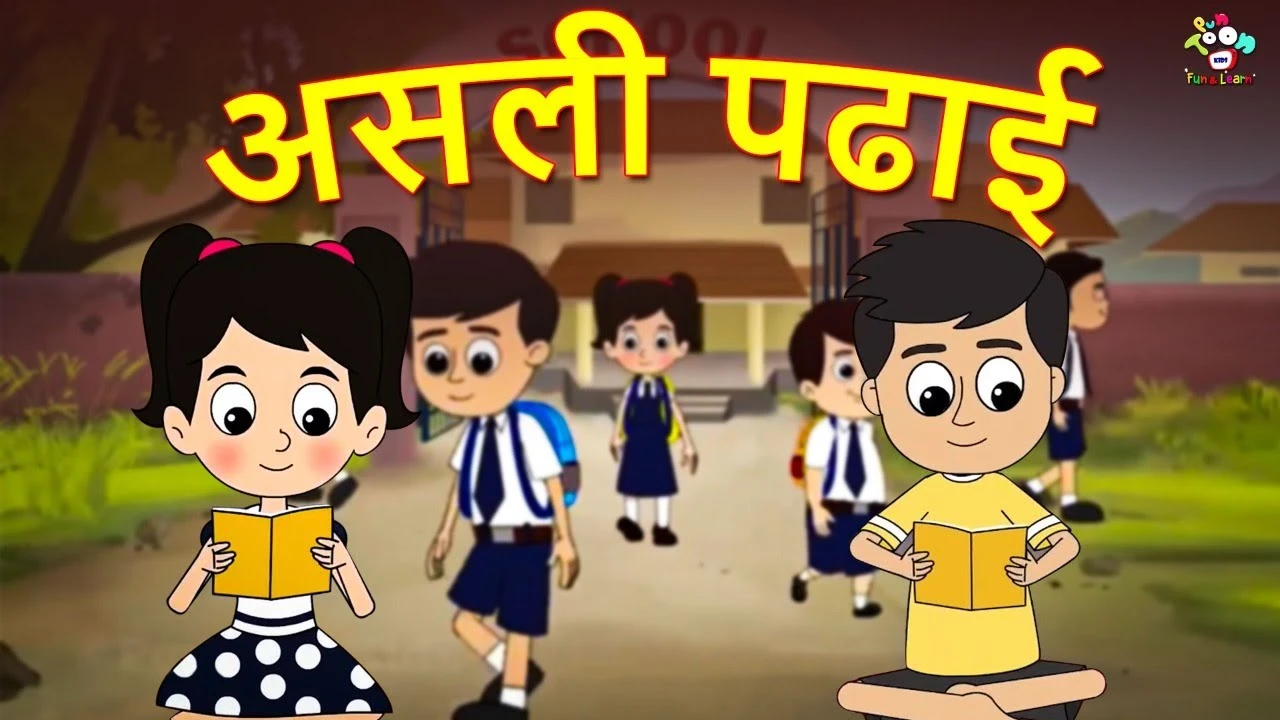
 What Is Real Education?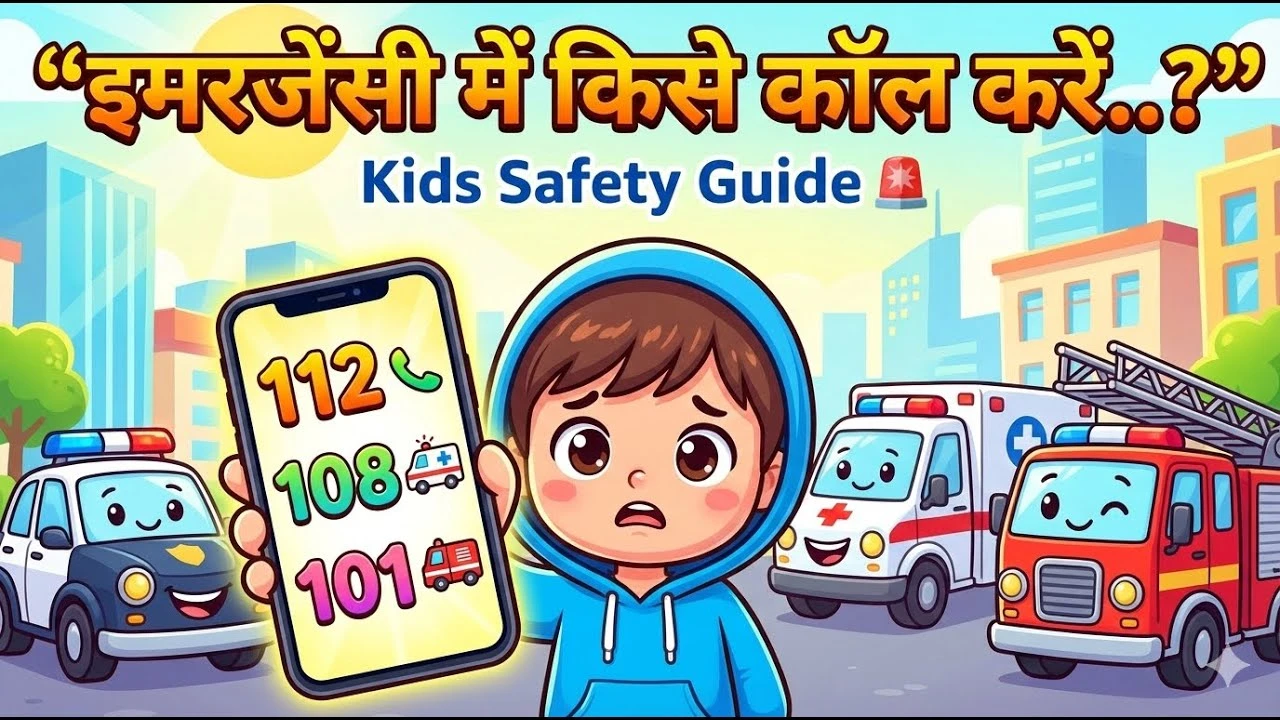
 Understanding Emergencies?
 Who Were Dinosaurs?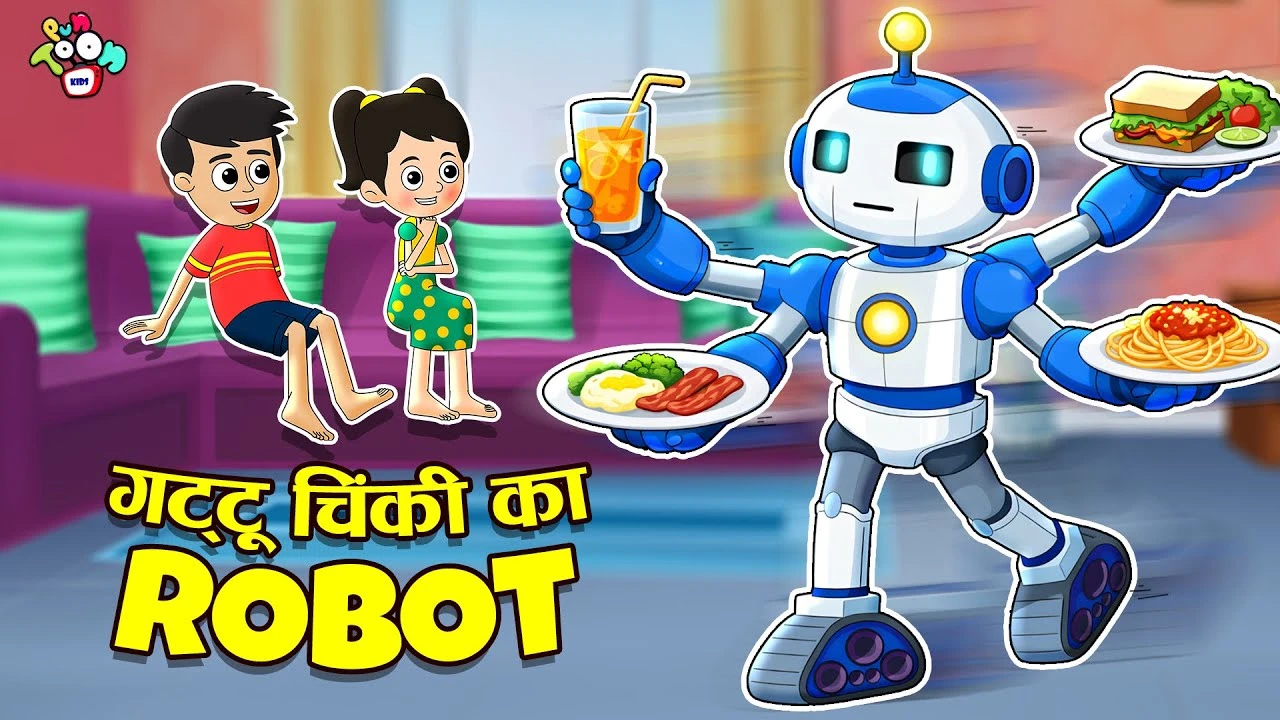
 What Is a Robot?
 Thomas Alva Edison Who He Was?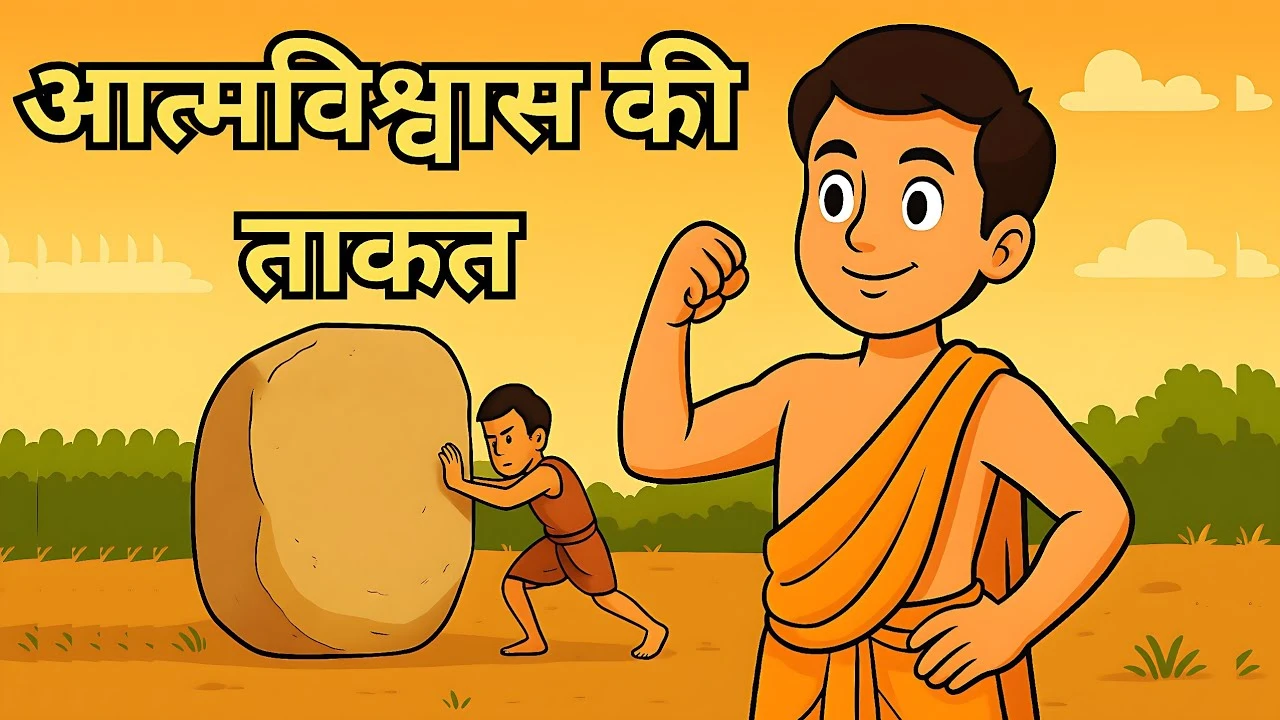
 What Is Self-Confidence?
 What Is Consistency?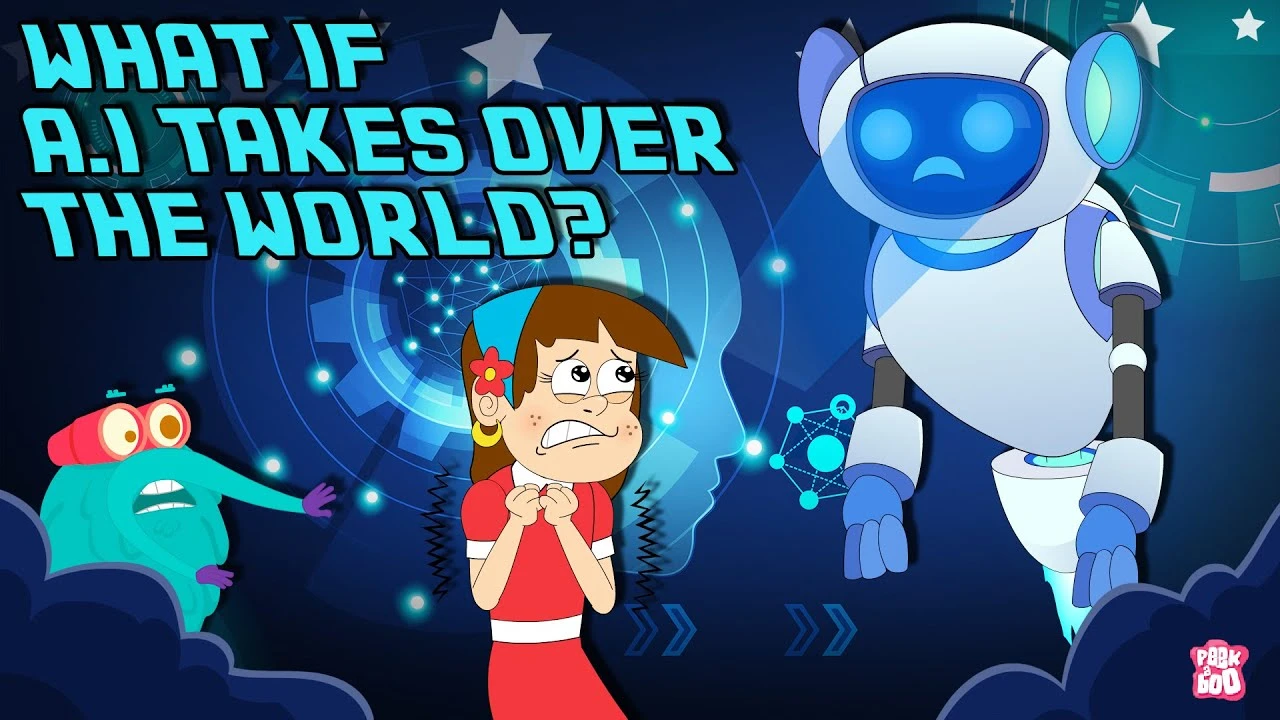
 What Artificial Intelligence Means?
 What Is an Opportunity?


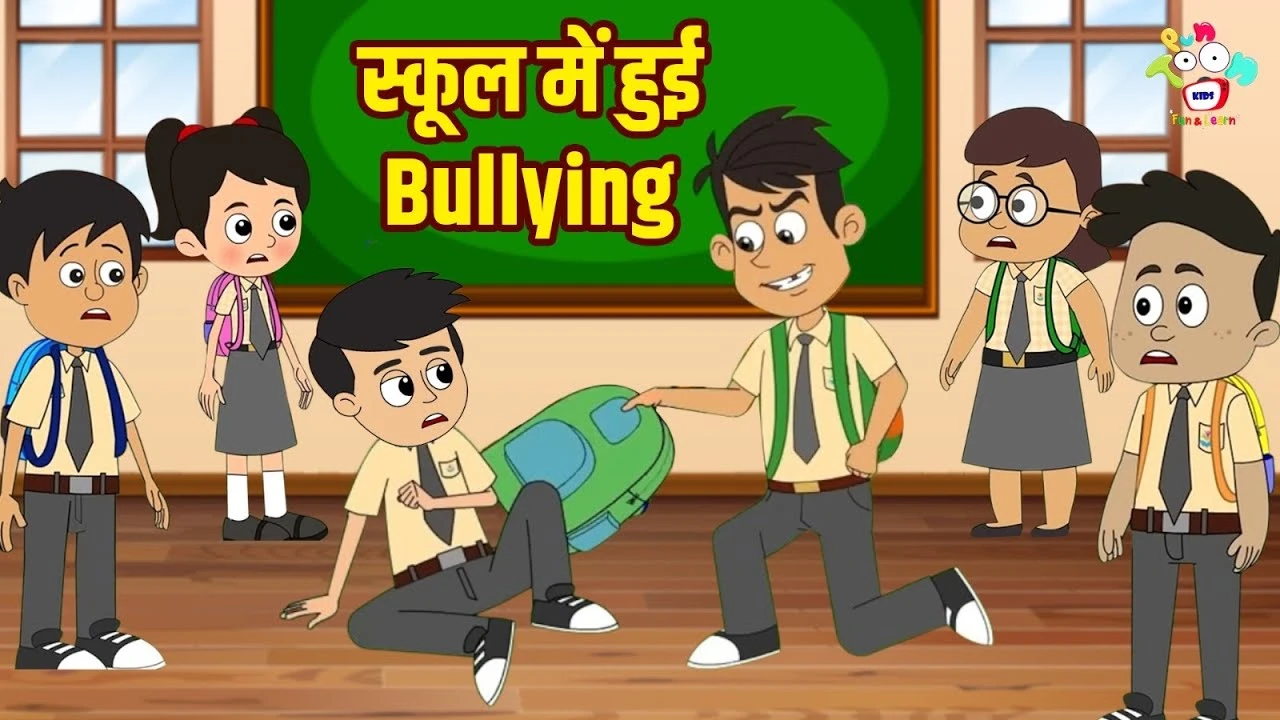
 Why Bullying Hurts People?
 Why Honesty Matters for Children?
 Phone Use and Children Health
 How Time Choices Affect Children?
 Time Matters for Children?
 Types of Natural Disasters
 Victory of Truth Meaning?
 What Respect Means?
 Understanding Time Management for Children?
 What Does Sharing Mean?
 What Is Teamwork?
 Electricity Powers Daily Life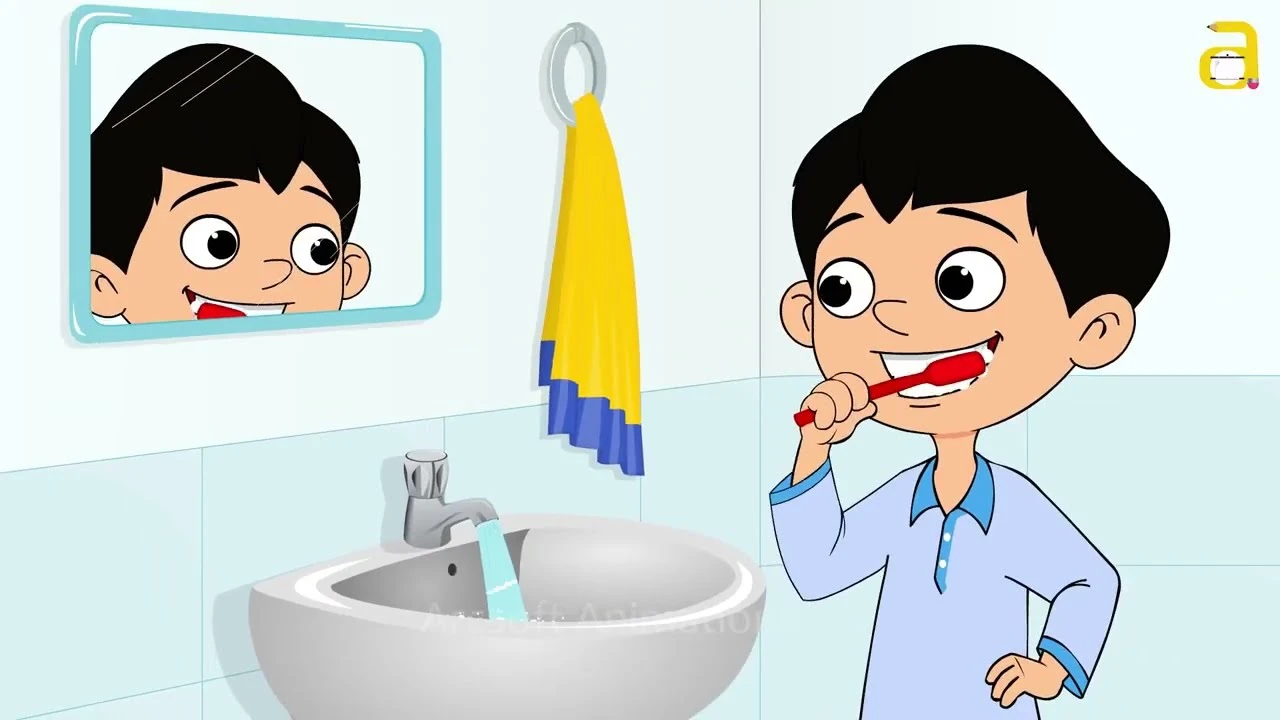
 Water Keeps Bodies Working?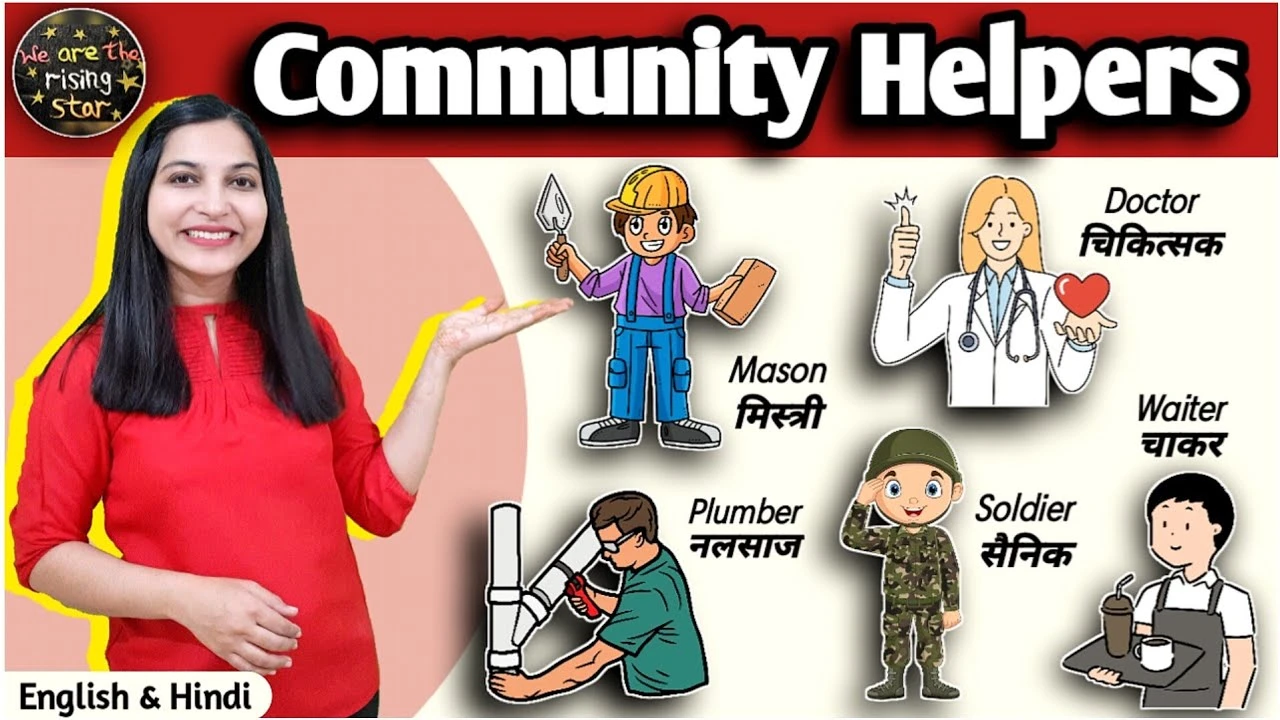
 Community Helpers Who They Are?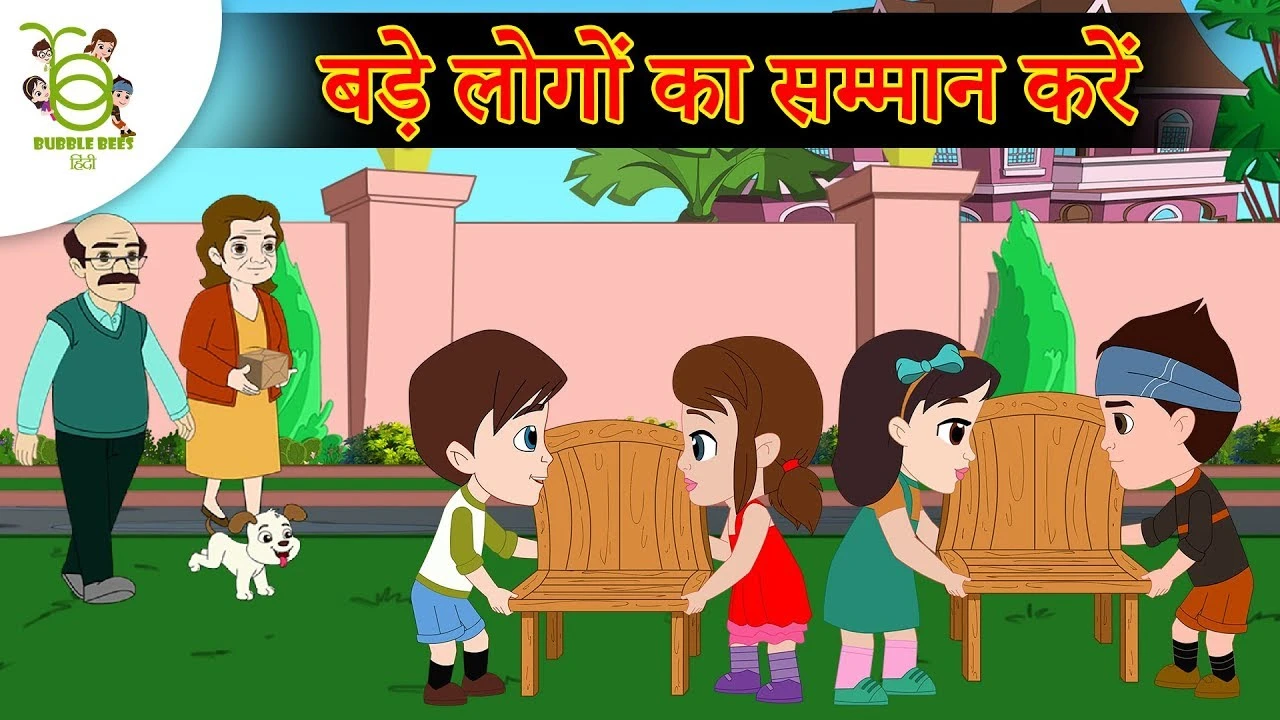
 Respecting Elders Matters?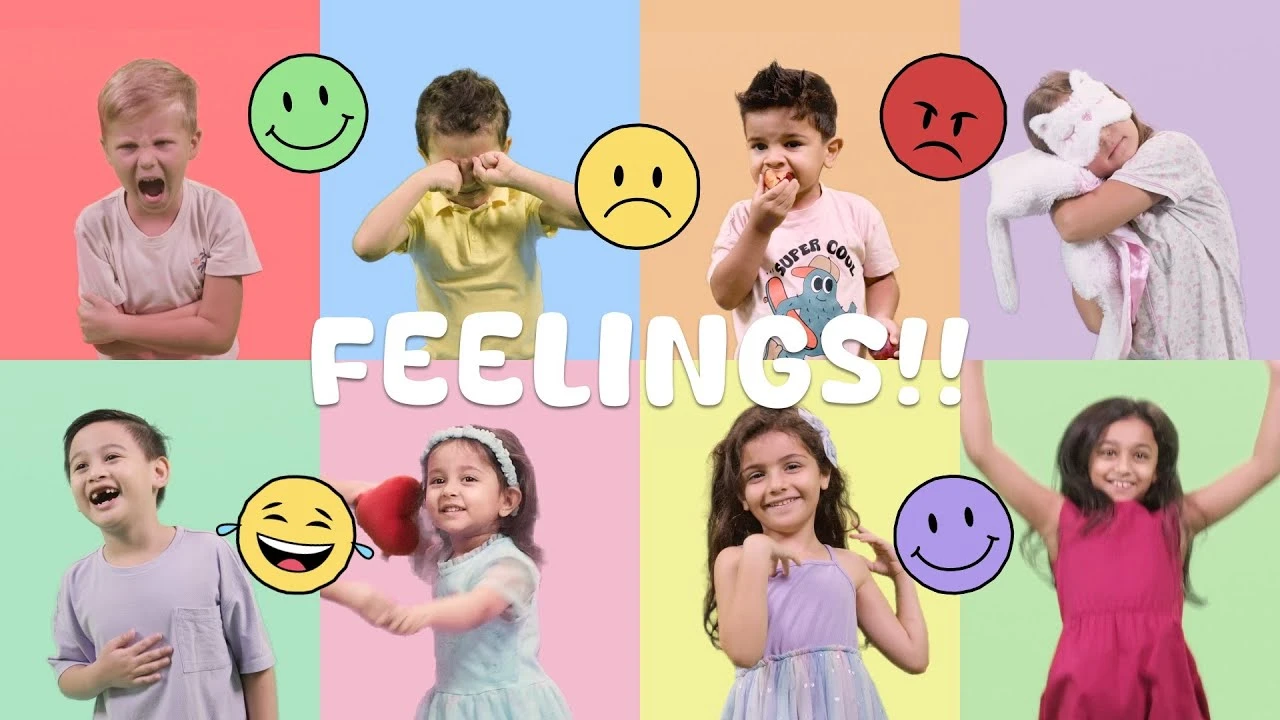
 Feelings Matter for Children