How Does the Solar System Work? A Simple Guide for Curious Kids
What if the stars made you pause, staring into darkness, thinking about why nothing drifts apart?
The Sun shines.
Orbiting, they circle without pause. Their paths trace loops day after day.
Around Earth moves the Moon.
What stops the worlds in space from smashing together?
What keeps them from drifting off into space instead?
Wonder begins when eyes lift toward the sky, minds wander beyond what is seen. A spark grows through asking why planets move as they do. Seeing patterns emerge helps grasp Earth's place among stars. Noticing details reveals rhythms hidden in plain sight.
Step by step, we move through it together. One piece at a time unfolds ahead.
What the Solar System Is?
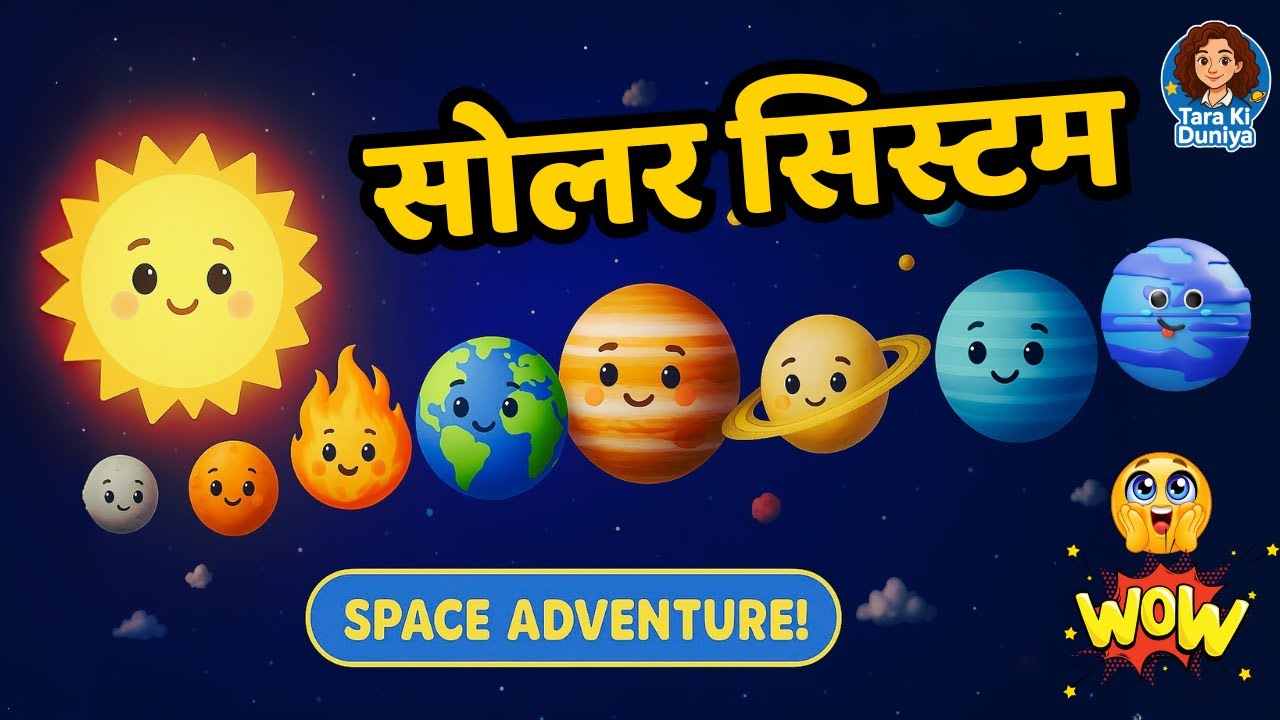
The Solar System is like a big space family.
Hot glowing gas makes up the big round Sun right in the middle. Circling it are eight planets drifting through space.
Mercury
Venus
Earth
Mars
Jupiter
Saturn
Uranus
Neptune
Out beyond the planets drift smaller things - moons circling them, while asteroids cut through space. Comets streak by now and then, their tails flashing briefly. Even tinier bits of rock float in between, scattered like dust after a crash.
Around here, gravity comes from one main source - the big bright center piece. Everything else just follows its lead.
The Force That Pulls Everything Down
What keeps everything in line across the Solar System? Gravity does that job. It pulls objects together without needing anything else to help.
Objects pull together because of a hidden push we cannot see.
A huge ball of hot gas, the Sun weighs an enormous amount. Its massive size creates a powerful pull. Planets move through space, yet get tugged inward by that force.
Yet consider this odd detail:
Forward motion keeps planets from crashing into the Sun. Because they travel so fast, they circle around it instead. That path they follow? It goes by the name orbit.
Insight:
Balance creates stability.
Gravity tugs, while planets keep moving ahead. This steady push and pull holds each one where it should be.
Planets Dont Collide Because Orbits Stay Stable Over Time?
Following the Sun, every planet traces a route all its own. Shaped just so, these orbits keep their distance without fail.
Faster ones move ahead without getting tangled. Since everyone follows their path, collisions just never happen.
The solar system functions through gravitational balance among celestial bodies
Spinning through space, each world follows a path all its own.
Orbit after orbit moves just like physics says it should. Motion sticks to patterns, every single time.
Gravity keeps everything controlled.
Furrows in a field echo ripples on sand. Life builds on what came before.
Earth Moves Through Space?
Spinning on its axis every twenty four hours brings day and night. Orbiting the sun once each year creates changing seasons
This turning motion happens around an invisible line through it. A bit like how a playground merry-go-round keeps moving once pushed.
Spinning through space, it circles the Sun. Around that big ball of light goes this world we stand on.
Facing away from the sun brings darkness. Then light returns when turning back again.
Revolution gives us seasons.
This changes how we see it. A quiet shift happens then
When Earth turns, light shifts slowly across its face. A spin brings sun to one side while shadow slips over the other. This motion repeats without pause. Darkness fades where sunlight climbs. Each rotation reshapes what we see above ground.
It just takes a tiny move for things to shift suddenly. A slight push here, then everything changes over there.
What About the Moon?
Floating through space, the Moon stays close to Earth thanks to its pull. That invisible tug keeps everything in line without any effort at all.
The way sunlight touches each world in space, our planet keeps the Moon close. While stars guide night paths, gravity here ties one small rock to us.
This creates:
Tides in oceans
Different Moon phases
Eclipses
Everything in space affects something else.
Insight:
Out here among the planets, each piece ties into another somehow. Connections form everywhere you look. What happens in one place ripples through others.
Why the solar system stays in order?
Out of nowhere, a vast swirl of gas and stardust began to gather. Bit by bit, weight from within tightened its hold.
Out there, gravity pulled dust into a glowing ball - that became our star. From what was left behind, chunks began sticking together, slowly building worlds around it.
Floating pieces began to spin, then slowly settled into place because of pull between them. Later patterns formed when things rolled and shifted together by natural forces.
This shows how attention grows when we notice what’s happening around us
Chaos might seem endless, yet shared effort brings structure slowly. A single push isn’t enough - motion builds when directions align unexpectedly. Patterns emerge where least expected, shaped by repeated small actions. What looks like disorder often hides a rhythm waiting to be amplified.
The Bigger Insight for Kids
Out there beyond Earth, space holds more than rocky spheres and glowing suns.
It teaches us:
Things stay steady when balance is there.
Floating out of sight, things like gravity mold how everything moves.
Everything is connected.
Motion creates change.
Up there, beyond the clouds, sits a setup older than time itself - running smooth, never loud. A quiet rhythm keeps it going, one that began long before we looked up. Billions of years pass, yet it still moves without missing a beat. This isn’t new magic; it’s just how things have always turned.
Final Thought
Gravity holds things together while movement keeps them apart, that’s how planets stay in place. Balance comes when pull and speed match up just right across space. Everything moves because forces act without stopping.
Something keeps planets from drifting loose. Rules shape their paths. Purpose guides each motion.
When we understand how the Solar System works, we learn something deeper:
The universe follows patterns.
Curiosity opens doors - suddenly, things make sense. What once seemed unclear now clicks into place through looking closer. Staying open leads us gently toward knowing. Questions pull us forward instead of pushing. The more we wonder, the clearer it gets. Little by little, understanding grows on its own.
Space may seem far away -
Yet those ideas on harmony, staying linked, life showing up - already sit close by.
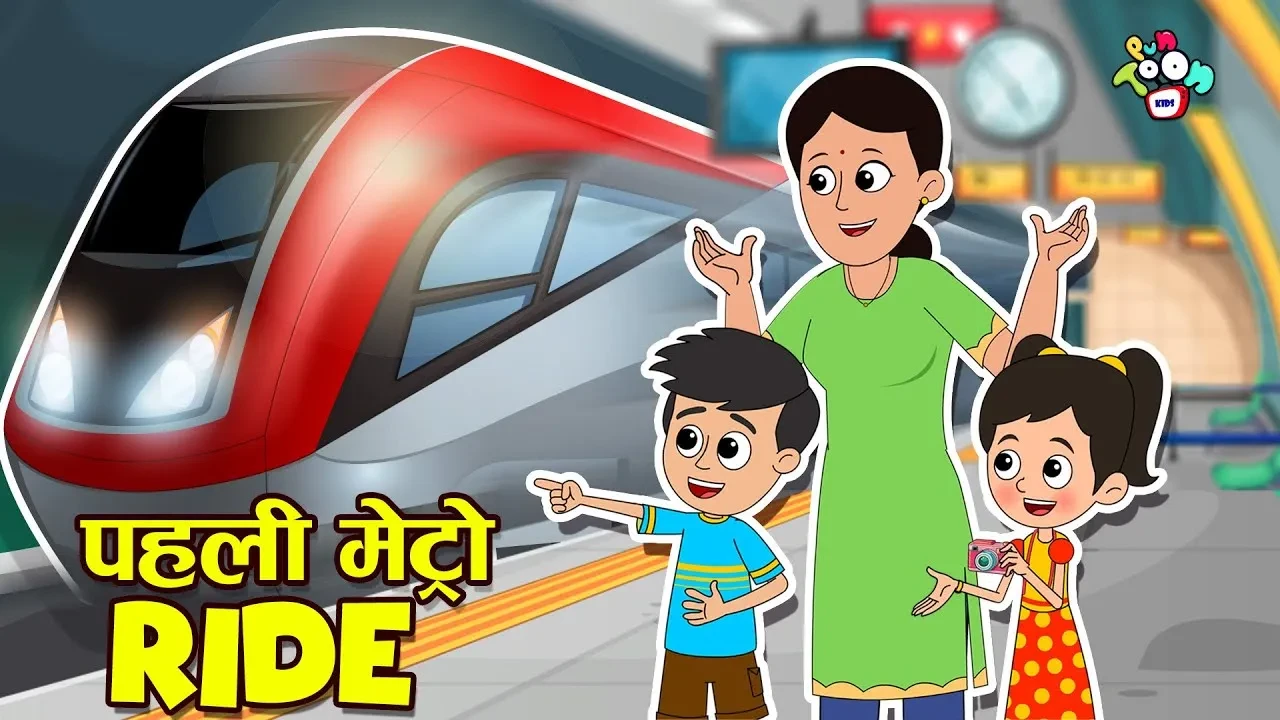
The first time I rode the metro, my chest buzzed with curiosity - fear crept in too. Standing outside the station felt like stepping onto an airplane tarmac without warning.
Everything felt strangely smooth, yet quick - somehow unlike anything before. Then again, the pace carried a rhythm nobody expected.
If you are planning your first trip on the metro, let me share how it went for me.
First Step at Station
Foot inside the station, first thing - security stepped in. Through the bag scanner next, after that a pat-down followed.
Strange it felt at first, yet safety came along with it somehow. Stillness followed after that odd sensation passed through.
Back at the ticket window, choices appeared - either a token or a metro card. Since it was my first try, I went with the token instead. The option felt simpler that way.
The small coin felt real in my hand, suddenly everything clicked - metro ride about to begin. Starting now.
Escalator Ka Dar Aur Maza
Now came the turn to reach the platform.
That long line of moving steps made me pause at first. Still, everyone nearby was climbing without effort. So I found my courage. The sight gave me doubt - then confidence followed.
One step taken... then another followed… suddenly joy arrived. A moment began softly - next thing, laughter filled the air. First move was quiet, second brought rhythm, after that everything simply clicked into place.
Once up top, the setup came into view - neat, still, running like clockwork.
Train Ka Arrival
Announcement hua: “Agli train kuch hi samay mein platform par aa rahi hai.”
Muscle in the chest began tapping a quicker beat.
Faint lights of the subway came into view through the doorway, then within moments it glided silently to a stop on the platform.
Not a bump, nor any noise. Everything just glides along. Quiet moments stretch without interruption. The air stays still, untouched by rush.
Out came people first, doors open, moving out in a line before climbing back in. Nice to see such order without anyone shouting rules.
Andar Ka Experience
A ride through the metro felt clean, space made sense. Inside, comfort settled in quiet ways. Everything just worked without fuss.
Over by the seats, people stood in the middle area. Some watched their phones, others listened to music with headphones on. A few just looked outside through the window instead.
Standing there, I grabbed hold of a pole. It felt natural, like everyone else around me.
Footsteps faded just as the engine stirred, a quiet shake moving through everything. Only when streaks of light began slipping fast behind glass did it seem like we were truly rushing forward.
Faster than expected, yet quiet. Stillness followed speed.
Announcement Aur Stations
A voice would speak before each stop began.
“Agla station…”
Felt relief wash over me once I heard - no chance of missing my stop now.
Every ride on the metro feels familiar. Without honking sounds, without road jams pressing in.
A ride without bumps. Just glide through.
Sabse Interesting Moment
That moment stood out most when the metro came up from below ground onto the raised rails.
Down below, the city's buildings looked tiny. Cars moved like specks through streets. People walked slowly, barely noticeable from up here.
A different view appears when seeing the city from above.
thoda nervous thoda proud
When my stop came up, I felt a bit unsure about which way to go. Yet the signs were straightforward - no confusion at all. The voice messages helped too, making everything smoother than expected.
A light beep sounded when the token touched the exit gate, then the barrier slid aside.
A tiny sense showed up right then - “I made this happen.”
Fresh off the train, first trip done.
Kya Seekha?
Metro isn’t just about moving from place to place. It shapes how cities breathe, one stop at a time.
This is how staying focused, handling your hours well, fits into today's urban living.
At first glance, things might feel a bit unclear. Yet underneath, everything works in a straightforward way.
What really matters? It cuts down on time, effort, worry. One thing stands out - less hassle all around.
Ant Mein
If you have never ridden the metro yet, give it a go sometime. One trip might surprise you more than expected.
Maybe you’ll feel unsure at first. Yet once you try it, something shifts inside. It wasn’t that tough after all
Mera first time in metro ek chhota sa adventure tha.
A fresh moment of doing something always adds a quiet kind of strength. Each try nudges confidence up without much noise. Stepping into what's new shapes belief slowly. Growth hides in attempts that feel small.
Hot season had arrived. Sun blazed so fierce, ground felt like a heated griddle warming up underfoot. Yet what did Gattu care about that? For him, school break simply meant endless fun unfolding day after day.
That game of cricket sounds fun. Gattu spoke up, full of energy. Let's go play, he said to Chinki.
Chinki ne aasman ki taraf dekha. “Par Gattu, dhoop bahut tez hai. Mummy ne kaha tha 12 se 4 ke beech bahar mat khelna.”
Gattu hansa. “Arre kuch nahi hota. Main strong hoon!”
Later on they both left to play.
Effects of Intense Sunlight
Fog lifted slowly over the ground. Gattu ran hard across the dirt path. Chinki stood near the edge, watching every move closely. Then something odd began tugging at his thoughts.
His head began to feel heavy. Thirst crept in slowly. The face turned red like a ripe fruit left too long in sun.
“Chinki… mujhe thoda chakkar sa aa raha hai,” Gattu ne dheere se kaha.
Her face changed right away. "Had you drunk water?"
Gattu shook his head, “No…”
That was the mistake, Bas.
Heatstroke Kya Hota Hai?
A kid once heard at school that when your body gets way too hot while fluids run low, things might go sideways fast. Heat can sneak up like that if you’re not careful.
A sudden spike in body heat can overwhelm its natural cooling process. When temperatures climb too high, fluids drop low, making it hard to stay balanced. The system meant to keep things steady just stops working right. Without enough water, the body struggles to cope with extreme warmth.
Some folks notice signs like these:
Tez sir dard
Chakkar aana
Zyada pyaas
Ulti jaisa lagna
Chehra laal aur body bahut garam
If care is ignored, things might turn dangerous.
Chinki Shows Understanding
Right away, Chinki had Gattu sit under the tree's shade. Under the leaves’ cool cover he went down, just like that.
“Yahan baitho, main paani laati hoon,” usne kaha.
She brought running water that was cool but not freezing. With it came a damp piece of fabric.
A cloth soaked in water was placed on Gattu's forehead by him. Slowly, drop after drop of liquid entered the boy’s mouth.
After some time, a small shift came over Gattu. A quiet ease settled in where stiffness once held on tight.
Mummy bhi bahar aa gayi aur boli, “Dekha? Isi liye kehte hain dhoop mein zyada der mat khelo.”
Gattu now understood it clearly. The truth had finally reached him.
Seekh Kya Mili?
Gattu ne kaha, “Ab main bina paani piye aur cap pehne bahar nahi jaunga.”
Chinki muskuraayi, “Aur 12 se 4 ke beech toh bilkul nahi!”
Folks figured it out together by noon
Garmi mein zyada paani piyenge
Light cotton kapde pehnenge
Cap ya hat use karenge
Direct dhoop mein zyada der tak nahi rahenge
Listen up close to what your body tells you.
Garmi Ko Halke Mein Mat Lo
Now here's a thought. Sometimes we believe nothing bad will happen. Yet brushing off scorching temperatures might lead to trouble. How safe is that really.
Grown-ups can get heatstroke too, not just kids. Sometimes it hits when least expected.
Isliye:
Regular water break lena zaroori hai
Outdoor activities subah ya shaam karna better hai
If dizziness strikes, take a break right away
Ant Mein
Us din ke baad Gattu thoda zyada responsible ho gaya.
Every time a buddy says, “Let’s go play in the sun,” he checks one thing first - did you drink water. Only then does he ask about the hat. Not before. That detail matters more than it sounds. He won’t skip it, not even when everyone’s excited. The order stays fixed. Water comes at the start. Then cap. Always
A small mistake can teach a big lesson now and then. Sometimes it takes just one slip to show what really matters.
Gattu, Chinki, aur unki garamiyon ki kahani ek baat sikhati hai - tumhari sehat sabse upar honi chahiye.
Those little flickering dots in the nighttime air - warm evenings make them appear. Fireflies drift through shadows, glowing soft pulses without sound. A hush falls where they hover between trees. Each blink feels like a secret passed quietly among leaves. Warmth rises from the ground as they weave slow paths overhead.
What looks like sparks dancing over the lawn is actually something else entirely. These small glimmers in the dark? Not enchanted at all. Instead, they move without sound, guided by instinct, not spells.
They’re fireflies.
Funny thing - what makes fireflies light up anyway?
A game of two halves, really - splitting things up makes it easier to see. One piece at a time, slowly unfolding. Fun sneaks in when you stop forcing it. Simple beats loud every time.
Fireflies Are Not Actually Flies?
Funny thing, fireflies - turns out they're not flies at all.
Beetles, those little bugs, share a family with ladybugs. Right, they’re part of that group too. Most don’t do what these do - yet fireflies carry their own glow inside. Light comes from them, made on their own.
Bright light comes from some living things. That glow has a name.
Funny how that works, isn’t it? Still, once you look closer, things clear up fast.
What Is Bioluminescence?
Bioluminescence means “living light.”
Light comes from certain animals because of chemistry happening within. Take fireflies, for example - they do exactly that.
Bright spots glow deep in a firefly’s belly. These tiny pockets hold unique stuff making light. Not every cell works this way. Hidden layers switch on when needed. Chemistry inside sparks cold flames. Light bursts without heat. Cells act like living lamps. Nature built them precise
A chemical called luciferin
An enzyme called luciferase
Oxygen
Fumes drift into contact, then - snap - a flash sparks alive. This glow wakes up only when the two meet, not before.
What stands out is how their glow carries hardly any warmth. People occasionally refer to it as “cold light.”
Works well, wouldn’t you say?
But Why Do They Glow?
What comes next might surprise you.
Fireflies glow mainly to communicate.
1. Finding Someone to Be With
This single cause stands above the rest.
Floating through the air, male fireflies blink in distinct sequences. A different rhythm belongs to each kind. If a female spots one she knows, her reply is a quick flash. She answers only when the signal feels right.
A light talks without shadows. What looks like silence shines through.
Flickering beams take the place of noise here. Light moves where sound would normally go.
2. To Warn Predators
Fireflies also glow as a warning.
Not tasty? That’s the message their shine sends. Chemicals inside give these creatures a nasty flavor, so frogs or birds tend to pass. Glowing is how they say it without words - skip this one, it won’t be worth the trouble
Flickering hues out there? Many come with a warning. Take fireflies - they flash not just to be seen, but to stay safe.
3. Baby Fireflies Glow Too
Funny thing - baby fireflies light up too, before they grow into adults.
Light comes steady from these creatures, never flickering. Their safety depends on it - sending a clear message to hunters: this one tastes bad.
Why Theyre Not Around Much Now?
Strange how fewer fireflies glow in the night now compared to before in so many places.
There are a few reasons:
Light pollution from cities
Loss of natural habitats
Pesticides
Environmental changes
Flickering across fields at night, fireflies rely on their glow to find mates. Picture searching for one small spark while standing under blinding arena lamps - nearly impossible.
Because of this, keeping natural spaces safe while cutting down on extra lighting gives them a better chance to live.
Nature’s Tiny Lanterns
A single flicker in the dark shows how softly magic can glow.
No electricity.
No batteries.
Funny how atoms behave when life kicks in. Cells follow cues without missing a beat.
When darkness falls and a firefly flickers nearby, its light isn’t haphazard. Each flash carries purpose, shaped by nature over countless seasons. Signals pass between them, silent messages in the night air. Bioluminescence becomes language. What looks like chance is anything but. Timing matters. Pattern rules. The glow responds to unseen cues - temperature, movement, even moonlight. Solitary sparks link into complex exchanges across fields and forests. Evolution tuned these rhythms tightly. Survival hides in every pulse. So when one lights up again, remember - it’s communicating more than brightness.
It’s communication.
It’s survival.
Watch closely - this is science unfolding before you. What appears here isn’t theory. It moves, shifts, shows itself without warning. See how it behaves? Real-time proof takes shape right there. Evidence doesn’t wait. There, that change - that’s science alive.
Funny thing is, sometimes that feels rarer than anything a spell could do.
What if you turn on a faucet, waiting for water - yet silence answers?
A pause sits heavy. It shows up awkward, out of place. Tension slips in without asking.
Picture it lasting not just moments - stretching on through day after day instead.
This is what life looks like when water runs low.
Folks are starting to notice how bad things have gotten across several regions.
A chat like this? Better off keeping it real. Simple words work just fine here.
Earth Has Plenty of Water Right?
Most of our planet - roughly seven out of ten parts - is taken up by oceans. Water stretches across the surface, wrapping around continents like a shifting skin.
What's behind the conversation around scarcity now?
Freshwater makes up just a tiny slice of Earth's total supply. Most of what covers the planet is saltwater, unfit to drink. A fraction of the remainder sits in rivers, lakes, or underground. That portion? Accessible but limited.
Few realize how small the supply really is when it comes to water used for meals, showers, growing food, or quenching thirst.
Now speed matters more than ever, since renewal lags behind our pace of use.
What Causes Water Shortage?
Besides one single cause, it's shaped by several things working together.
1. Overuse of Water
Every single day, people turn on the tap - cooking, cleaning, growing food. Not everyone notices when too much flows away. Showers that run too long, faucets that drip, rinsing things for no reason - each bit lost piles up over time.
2. Population Growth
Water needs grow when there are more people around. With rising numbers come higher demands for daily consumption, growing crops requiring hydration, plus expanded use across activities. People filling cities mean taps run longer, farms draw harder, systems stretch further every day.
3. Climate Change
Rivers run low when rains come late or not at all. Where showers fade, streams vanish, lakes shrink without refill.
4. Pollution
Freshwater turns risky when contamination creeps in. Though available, it might fail to meet basic safety needs for human consumption.
Floods one year, then dust the next - this mix shapes what we now name drought. Each piece adds up, slowly building the problem called water scarcity.
Why Worry?
Besides quenching thirst, it plays a role in nearly every bodily function.
It’s needed for:
Growing food
Producing electricity
Running industries
Maintaining hygiene
Farming suffers when rainfall runs short. Higher costs hit the dinner plate next. Bodies weaken without clean hydration. Tensions spark where rivers are shared.
Freshness of water ties tightly to survival, how money moves, even calm between nations. While living things need it daily, markets shift because of its presence or lack. Where streams run freely, tensions often ease - yet when taps dry up, struggles grow without warning.
The Reality in Many Places
Every day in certain areas, folks trek miles simply to gather enough water to fill a couple of buckets.
When kids stay home from class, it might be because their family needs them to collect water.
Picture this: even plain water turns into a hard fight each day for so many people.
Flooded fields here contrast dry ones there, where taps run freely regardless.
This tilt plays into the issue. The unevenness feeds what's wrong.
What Can We Do?
Something shifts when you notice what’s really happening. Yet tiny steps matter just as much.
Here are simple steps we can take:
Fix leaking taps immediately.
Water stops flowing when the faucet shuts during tooth cleaning.
Filling up a bucket saves more than leaving the hose running during car washes. A steady stream gets used only when scrubbing pots clean. Turning it off between rinsing helps stretch every drop further.
When you can, gather water that falls from the sky.
Avoid polluting rivers and lakes.
What looks tiny can grow strong if enough folks choose care. When countless individuals do their part, change finds its force.
Water Is Precious
Here lies the largest error: thinking water never runs out.
Yet supplies of water run short.
Every drop matters.
Next moment you turn on the tap, stop just briefly - does it really need to flow? Maybe cut it short. Could even skip it entirely.
Folks often think water running low is someone else’s job to fix - maybe officials, maybe faraway places. Truth? Each person feels it when taps slow down.
Besides needing it just to exist, every living thing depends on water.
Tomorrow's life depends on how we guard water now.
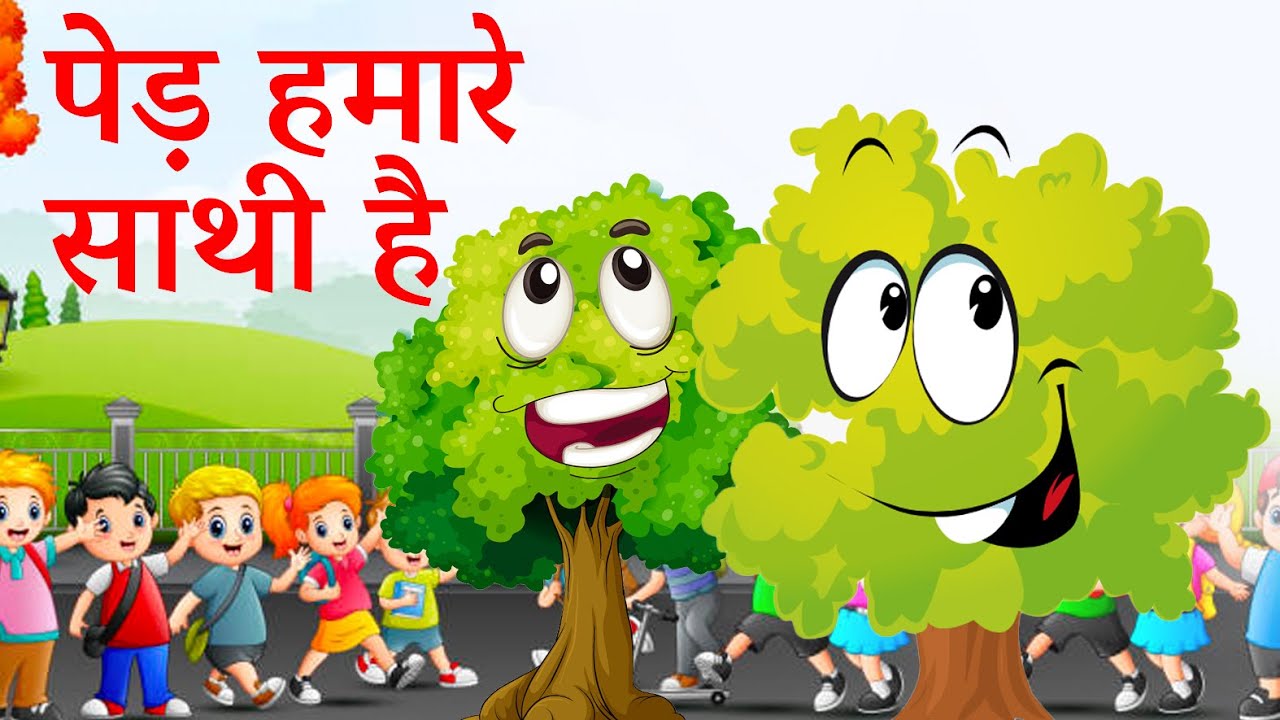
Under a tree once, did you ever sit and feel cool air wrap around you like a quiet friend? If that rings true, here's what clicks - trees aren’t just wood and leaves bundled tall. They walk beside us in their own way.
Trees live near us, yet we might not fully see their worth. Today opens a quiet look at how trees walk beside us - plain words, true feelings.
Saans Ka Sahara The Oxygen Link
Hanging in there, trees give us the air we breathe first thing. What matters most? They’re the ones filling our lungs.
Every breath we take includes air shaped by trees. Oxygen keeps us alive - without it, survival is impossible. Carbon dioxide gets pulled in by tree leaves while fresh oxygen flows out. Imagine breathing in proof of their quiet work each time lungs fill. Life runs on what they quietly provide, step after unseen step. Each gulp of air carries traces of forest generosity. Without these green giants, our own rhythm would simply stop. They stand there, doing what only they can do so we keep moving. Air changes inside them, becoming something we can live on. What grows in soil also sustains everyone walking above it.
Fresh air flows because of trees - their quiet work holds up everything we need.
Imagine fewer trees standing around. That changes how clean the air feels, doesn’t it? Less green means more dust, harder breaths. The balance shifts slowly, quietly. Air grows heavier when roots retreat. What once soaked pollution now leaves gaps. Nature adjusts, but not always kindly.
Dhoop Mein Chhaya Natural Air Conditioners
When the sun beats down hard, a tree's shade feels like a quiet gift, doesn’t it? Under harsh heat, relief often grows where branches spread wide, wouldn’t you say? Hot days make shadowed spots precious, especially when leaves whisper overhead, right?
Fresh breezes often move through leaves. Cooling happens when sunlight gets blocked by branches above.
Fewer trees mean warmer spots in towns. Where plants grow thick, the air stays cooler. That’s what makes parks valuable downtown.
Standing under a tree, you notice it right away. Not the same when there’s no tree nearby. One moment changes everything. The shade touches your skin differently. Without leaves above, light hits harder. You see the sky too clearly then. A branch sways, and mood shifts. Air feels heavier once gone. Roots below ground matter more than thought. Silence grows louder beneath canopy.
Phal Phool Aur Resources Beyond Simple Greenery
Fruits give us energy because they carry natural sugars plus essential nutrients inside. Sweetness comes wrapped in health when you bite into apples or mangoes packed tight with good things.
Beauty arrives when they hand over blossoms that also carry a soft scent.
Furniture, homes, even everyday objects - trees supply the timber behind them all.
Briefly put, trees hold up everyday living through endless quiet acts.
What stands out most is how they keep giving everything without ever saying a word of complaint.
Prakriti Ka Balance Maintaining Nature’s Harmony
Fresh air flows easier where trees stand tall. Their presence steadies the rhythm of nature without drawing attention. Roots hold ground while leaves whisper changes overhead. Life shifts subtly when they’re nearby.
Muddy roots hold ground tight, stopping it from washing away. When rain falls, trees keep earth from sliding off.
Birds and beasts find cover among trees. Survival for countless creatures ties directly to forest life.
When trees go missing, nature's balance starts to tilt.
Life finds its shelter where trees stand tall. When we guard them, everything else gets a chance too.
Lekin Kya Hum Unke Saathi Hain – Our Responsibility
A moment of truth now. What really matters?
Should trees be seen as friends, then what kind of friend do we show ourselves to be? Trees stand beside us - do we return the presence with care or thoughtlessness?
These days, trees are being cut down more often. Because of construction work, forests shrink bit by bit. Roads push through green areas, leaving less space for nature. Factories rise where leaves once rustled in wind.
Better growth needs effort, yet staying steady matters just as much.
A single tree planted by each individual - nurtured properly - could shift everything. Change often begins quietly, not with a roar but roots spreading underfoot.
A single tree takes root when someone decides ahead of time. What grows later begins with hands in soil today.
Final Thoughts on a Quiet Bond
Kids give us so much without asking a thing in return.
Quietly they carry on, never reaching out for thanks. Attention is something they do not seek. Without a word, service goes on.
Every time you walk past a tree, pause just once. The shadow falls differently each day, shaped by light shifting overhead. Leaves dance without music when breeze picks up. Birds land, insects crawl, roots hold secrets underfoot.
This is not just a tree.
This is our companion here.
Facing storms together means more than care - it shapes how earth breathes tomorrow, shaping lives yet to come.
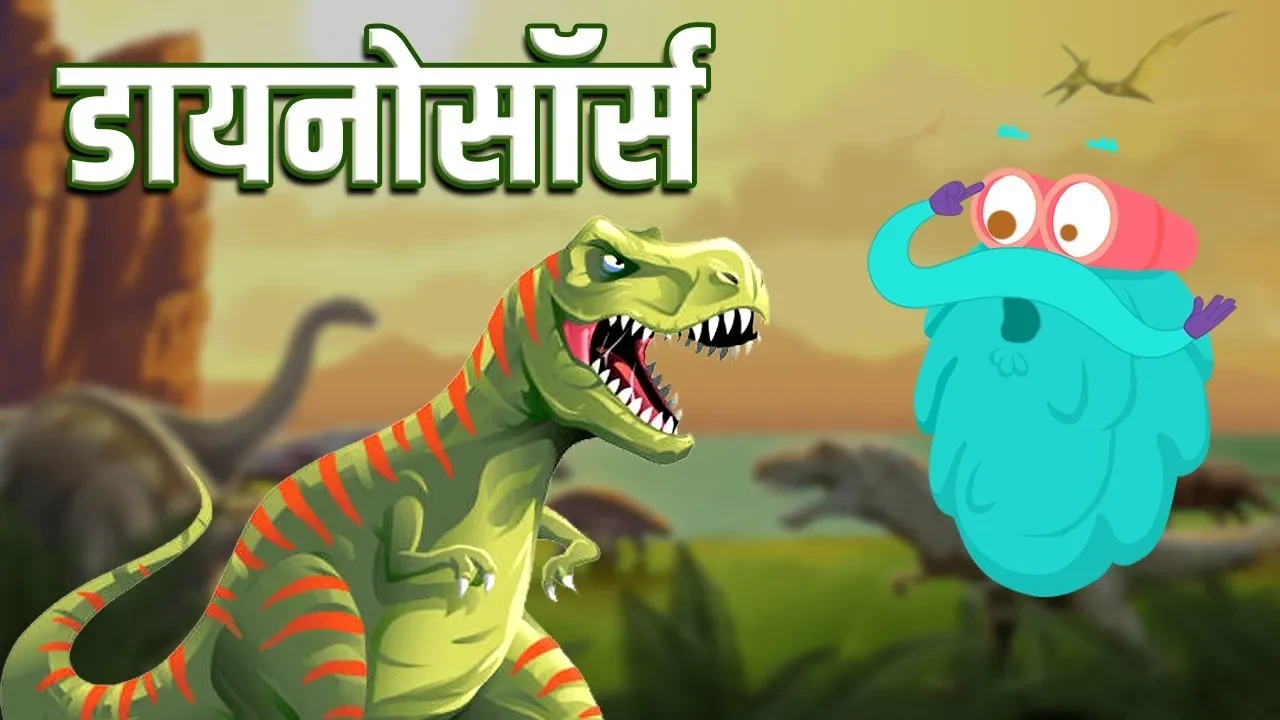
Outside your window, maybe a beast bigger than buildings grazes near the trees. Could real? Hard to believe, yet there it is, breathing heavy in the afternoon heat. Imagine stepping onto grass that trembles under footsteps of something ancient - still here.
Long before now, that world actually existed.
Frozen ground sometimes holds secrets older than stories. Long ago, creatures walked here that people now only imagine. Because time changes everything, those giants left behind bones instead of voices.
These amazing animals? We can chat about them like we’re just passing the time. Simple words. Maybe even smile a little.
What Dinosaurs Were?
Long before people walked Earth, huge creatures ruled the land - dinosaurs, cold-blooded animals like lizards yet far larger. These beasts thrived across an age named the Mesozoic, stretching deep into the past. That stretch of time began roughly 230 million years back. It ended suddenly, 66 million years prior to today.
Back then, things were different - much more distant than most remember.
Out of nowhere, a few looked like oversized birds. Tiny ones scurried close to the ground, almost chicken-sized. Then there were those that loomed high, stretching up like city blocks stacked on top of each other.
Funny thing is, only some ancient reptiles actually count as dinosaurs. While pterosaurs soared above, ocean dwellers ruled below - same era, separate branches. Life back then split into distinct paths, not one single line.
Were All Dinosaurs Huge?
Not at all.
Picture dinosaurs, most folks see towering beasts - Tyrannosaurus looms large in the mind. Yet tiny ones scurried too, hidden beneath shadows of their bigger cousins.
A few matched a dog's bulk. Others dipped below that mark.
Fossils found by researchers reveal some dinosaurs carried feathers. Birds today? They trace their roots back to those tiny, feather-covered creatures. That means dinosaurs never really vanished - just changed shape over time.
What Dinosaurs Ate?
Some dinosaurs ate plants, while others hunted meat based on what kind they were.
Plant-Eaters (Herbivores)
Ferns filled their stomachs, then conifers made a comeback. After that came cycads, quite slowly they moved through herds. Later on, ginkgoes showed up near riverbanks where footprints sank deep.
Folks often found these with broad molars good at crushing plant matter.
Folks who ate only greens often grew big, since their bodies needed extra room for digestion. Digestive tracts stretched longer when leaves were on the menu. Size crept up simply because processing plants took space. Bigger frames showed up regularly among plant eaters. The need to break down tough vegetation meant more gut, which led to bulkier builds.
Meat-Eaters (Carnivores)
These dinosaurs hunted other animals.
Sharp teeth filled their mouths, yet powerful claws gripped just behind. Their jaws snapped with force while digits dug into earth like hooks.
Faster than most, these hunters ruled the waters with strength few could match.
Omnivores
Fresh clues hint certain dinosaurs nibbled greens while also hunting small prey.
Frozen in ancient climates, dinosaurs shaped their lives around what Earth gave them - much like creatures now. Instead of resisting change, they shifted with it, moment by moment.
Discovering dinosaurs through fossils and rock layers?
Fossils tell us what happened long ago. That is how dinosaur stories come alive.
Frozen echoes of old worlds hide beneath our feet. Layer upon layer, silt and stone pressed down on bones until they hardened like secrets. People who track these clues - paleontologists - brush away time with steady hands. What once walked now speaks through fragments locked in earth.
Out of mere fragments, clues emerge. Tiny pieces reveal big truths. Hidden details show up in small remains. Pieces fit when least expected. Clues pile up without warning. Facts surface from scraps left behind. Patterns appear where nothing seems there
What size did a dinosaur reach
How it moved
What it ate
Still, its actions could’ve shown differently
Putting it together feels like figuring out an enormous ancient mystery.
What Happened to the Dinosaurs?
One mystery stands out above the rest in science - yet there's a solid idea about it.
Around 66 million years back, Earth likely got struck by a giant space rock. That crash brought violent blasts, widespread burning, along with thick clouds of dust cutting off the sun's light.
Darkness meant no sun. That killed off green life. When greens vanished, leaf-chewers had nothing. Nothing left for sharp-toothed hunters either.
Out of nowhere, the planet shifted in big ways. Not long after, nearly every dinosaur vanished.
Fossils show feathers on ancient bones - so life found a way through time. Because of this, experts see today’s sparrows as cousins to T. rex.
Why Dinosaurs Capture Human Interest?
Perhaps it's how small they are.
Perhaps that’s what keeps things unclear.
Perhaps that's what draws people - imagining life somewhere so unlike here.
Fossils spark wonder, tugging minds toward ancient times. Long before cities, deep time shaped lands where giant creatures roamed - silent proof that life shifts slowly, dramatically, across ages we barely grasp.
Fossils give clues about shifts in living things through ages. Now and then, creatures emerge, adjust to conditions, yet vanish eventually.
Surprise lives inside the quiet moments, too. A strange calm follows when big feelings show up.
If Dinosaurs Lived Now
Picture a planet turned sideways by one small change.
Buildings might stack sideways. Roads could twist into canopies. Mornings start underwater.
Though long vanished, dinosaurs still roam through museum halls, stories on pages, silver screens, inside daydreams.
Each time researchers uncover an ancient bone, fresh details emerge about their lives. What comes next often shifts how we see the past. A single find can quietly reshape long-held views. Old assumptions crack when dust is brushed from stone. Discovery slips through like morning light - sudden, quiet, changing everything.
Final Thoughts
Far from being movie-made giants, dinosaurs actually roamed the planet for countless ages. These creatures lived on Earth long before humans ever appeared.
From roots in soil to chasing prey, their lives unfolded with patterns puzzling researchers now. Nesting habits lingered through seasons, shaping existence far beyond what was expected.
Next moment a winged shape cuts through clouds, think differently - that creature could share bloodline with long-dead titans.
Hard to believe, right? That kind of thing makes you pause.
Last week, maybe? That moment when things didn’t go right - did it spark something inside you?
Perhaps a person spoke without kindness. Sometimes words come out harsher than meant.
Sometimes life takes turns you didn’t expect.
Perhaps stress had built up, then a tiny incident tipped everything sideways.
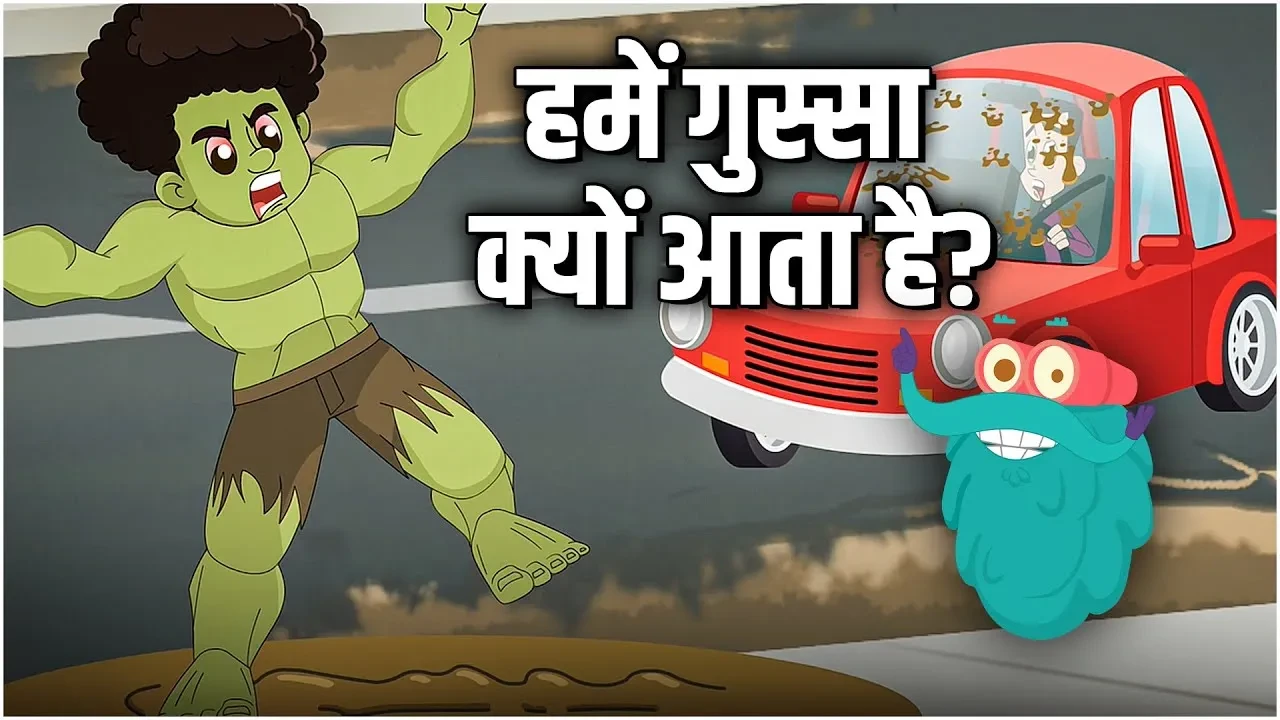
Furious heat rushes in without warning. This force grips tight. Hard to hold back once it arrives.
Here's what really matters though. What sparks anger inside us right from the start?
Here we go, straight forward, no tricks. Talking plain, saying what matters. A real chat, nothing hidden. Clear thoughts, just between us. Honest words, that is all.
Anger Is Not Bad
Few realize anger carries weight. It shows up loud yet gets shoved aside fast. Guilt follows it like a shadow at noon.
Yet fury isn’t wrong by nature.
Feeling it is normal, much like joy, dread, or sorrow. What matters is how one moves through it.
Anger shows up for a reason. It does not just appear without cause.
Your brain sends that signal when things feel off
Anger Responds to Perceived Danger
Anger usually shows up when we feel:
Disrespected
Hurt
Ignored
Treated unfairly
Powerless
Your mind jumps into high alert, even when nothing's actually threatening. Though the body stays safe, it acts like trouble’s near.
A tiny area deep in your head jumps into action when danger seems near. The rhythm of your pulse picks up speed without warning. Tension builds inside your arms and legs at once. Sound pushes out stronger than before from your throat.
Your body shifts into defense mode without warning. A natural response kicks in before you notice anything. Protection begins silently beneath the surface. This happens automatically every single time.
Here’s the thing: today’s dangers rarely come from violence. Instead, they sneak in through feelings.
Sometimes Anger Masks Other Feelings
Here’s something interesting.
Beneath the noise, what looks like fury might actually be something else entirely. Showing up as rage, it serves as a mask more times than not.
Underneath anger, there may be:
Hurt
Fear
Insecurity
Stress
Disappointment
For example:
Sometimes anger shows up when a comment about you lands hard. A remark from another can spark it without warning.
Yet beneath the surface, perhaps shame crept in. Or a quiet ache settled where words failed.
Sadness hides behind anger because the first hits harder. Your thoughts grab onto rage before they face what's underneath.
Expectations Shape Outcomes
Everyone carries some kind of hope inside. What shapes those hopes differs wildly from person to person.
Behavior has ways folks tend to follow.
Luck shapes how days unfold, more than maps we draw.
We expect fairness.
Reality falls short. That gap stirs tension inside. Expectations rise high. What we get feels lighter. Disappointment follows close behind.
When pressure grows without relief, anger follows close behind.
It’s not always about others when anger shows up. Often it arrives because reality skips the script inside our heads.
Stress Lowers Threshold For Anger
Stress builds up. Then small things start feeling worse than they are. Frustration shows itself more quickly under pressure.
It didn’t happen by accident.
Fatigue wears down tolerance, leaving little room for calm. A light load begins to seem heavy when thoughts are crowded. Tiny irritations grow sharper under mental strain.
A single drop too many, then the glass spills over. Full means full - no room left.
Much calmer when stress gets handled early.
Anger Has Its Uses When Managed Carefully
Surprisingly, anger holds strength when used well.
It can:
Help you stand up for yourself
Push you to fix unfair situations
Motivate you to create change
Yet what matters most is staying in charge.
A whole lot separates these two things
“I am angry, and I will handle this calmly.”
And
“I am angry, and I will explode.”
Respect grows when you do this one thing. Yet trust cracks easily with that other move.
What To Do When Feeling Angry?
First, pause.
Fury sparks fast - yet slips away when left alone.
Breathe slowly. Walk off for a moment when it helps. Wait before you respond.
Second, ask yourself:
Right now - what's actually going on inside me?
Does it ache? Maybe dread? Or letdown instead?
Felt deeply, emotions lose their grip when seen clearly.
Third, communicate clearly instead of attacking.
Instead of saying:
“You always do this!”
Try saying:
“I felt hurt when that happened.”
A shift here or there in how people talk might stop things from escalating. When words are chosen carefully, tension often slips away instead of building up.
The Truth About Anger
Fueled by our nature, anger shows up when being alive means feeling too much.
We care.
We expect.
We feel.
Folks tend to overlook how much we crave being seen for who we really are. Respect doesn’t come easy when voices get drowned out by noise from every side.
Fury sits quiet sometimes. What moves instead is rage without reins. A spark stays harmless till it spreads.
Trying to remove anger completely? Won’t happen. The aim isn’t that anyway.
Understanding comes first. It matters how you get there. Focus shifts when you see it clearly. Truth hides in plain sight sometimes. The aim stays fixed, even if paths change.
Anger loses its grip once you see what fuels it.
True power shows in how quietly someone carries their pain.
When Anger Shows Up
Pause before reacting - notice what’s happening inside. Reflection opens space where judgment once lived.
Ask:
Why does this feeling show up now? Maybe it carries a message worth hearing. Could be pointing at something hidden inside. Often arrives when least expected. Shows what needs attention most.
Bursts of rage might mean more than shouting ever could.
Now and then, it shows up as a note. Sometimes, silence speaks louder than words ever could.
Finding stillness in listening builds strength - never volume.
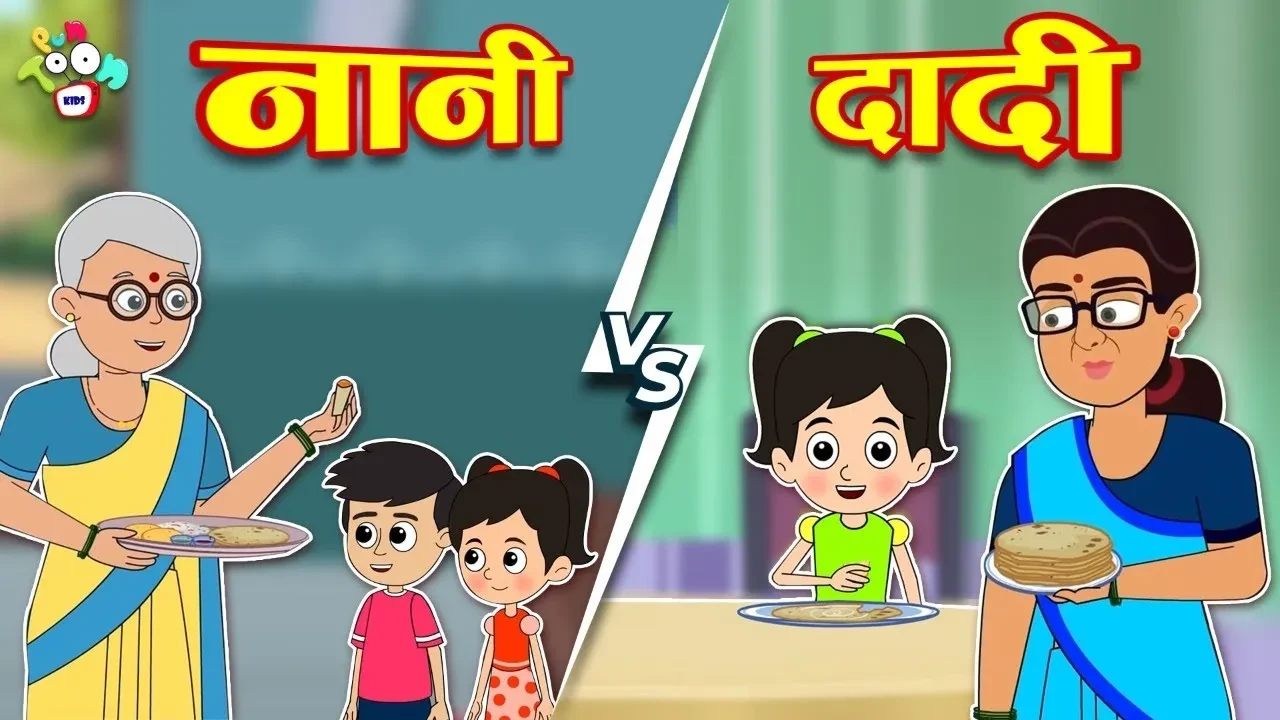
Every home has something unique - the gentle teasing between grandmas. Spotting them together chatting might make it clear what I mean here. That little back-and-forth? It carries warmth without trying too hard.
What really matters sometimes shows up quiet, like a small disagreement that fades fast. Other times it arrives wrapped in jokes and laughter, passing by unnoticed. Then again, there are moments when both try too hard to guide each other, almost racing. Yet beneath all of it - hidden but clear - the only thing speaking is love.
Let us take a closer look at this sweet little story.
“Hamare Zamane Mein…”
Here comes the most quoted line ever: “In our time…”
Nani turant jawab deti hain, “Haan haan, aur hamare zamane mein toh bachche bina mobile ke bhi khush rehte the!”
Then what? A small quarrel begins. Just like that.
Yet if you look closer, both say the same thing - today's children should learn to live with more discipline and simplicity.
Meals at Home Also Have Competition
When it's time to eat, everything feels different. A full plate changes the mood completely.
Dadi kehti hain, “Mere haath ke paranthe sabse best hote hain.”
Nani turant bol deti hain, “Arey, meri kheer khaoge toh paranthe bhool jaoge!”
Bachcho ko koi farak nahi padta, dono ke haath ka khana sabse acha lagta hai. Unki nazar mein mummy bhi number one, daddy bhi top par rehte hain. Khaane ki mehfil chup chaap aage badti hai. Dono ke bichhele pyaar se plate bharti jaati hai. Khushboo, hasi, aur roti ki garam tavaai - sab ek saath ghul-mil jate hain.
What looks like rivalry is really their way of showing love. Each one hopes the child will remember her cooking. It’s not about winning. Their meals carry memories they wish to stay alive.
Bachchon Par Extra Pyaar
Begins with a grin when kids get scolded, that’s often the funniest bit.
When parents start being a bit firm, grandma jumps right in. She softens at once, pulling the child close. "Oh come on," she says, "it's just a kid after all." Her voice wraps around them like old cotton. Rules seem to fade when she speaks. The little one feels safe again, without even trying
Nani bhi peeche nahi rehti, “Haan haan, itni si baat par kyun daant rahe ho?”
Together they start acting like a single unit. Arguments fade away, while care for kids begins to grow stronger instead. Quiet moments replace loud fights, yet attention toward children deepens naturally now. Tension slips into calm, because shared effort takes root slowly here.
One thing becomes obvious here - no matter how much disagreement exists, when family is involved, both stand together. Still, it’s not about compromise but something deeper holding them firm. Even during conflict, that bond doesn’t waver one bit.
Small Quarrels Big Smiles
A remote control gets picked up by someone, then another person argues which show's more worth watching. Pills come into question too - which one works faster, which one lasts longer. Even tiny things spark little back-and-forths now and again.
Yet their words never carry bitterness.
Funny things pop up when folks banter, jokes land differently then. Teasing slips in, bringing its own kind of joy instead. Most crucial? Years pile up, wisdom tags along without asking.
Life feels lighter when you stop taking it so seriously. What matters most is learning to laugh along the way. Sometimes joy hides in small moments, not big plans. A smile often helps more than a solution ever could. Heavy hearts miss what playful ones easily find.
What Is the Truth?
Laughter often follows when dadi argues with nani. Their bickering brings life to the house, really. A home feels livelier because of their quarrels, somehow. The noise they make is actually warmth in disguise, perhaps. Little fights between them keep things moving here. What seems like clash is just love showing up differently.
It's their words that keep the home breathing. Lightness slips in when they laugh. The way things unfold around them gives the place its path.
What stands out most? Their love comes with no strings attached.
When everyone gets caught up in screens and tasks these days, it is grandma’s quiet words that bring back how love lives best in family ties. Moments slow down just enough to remember what truly holds a home together.
Aakhri Baat
Lucky are those homes where both grandmother and great-grandmother live together.
Arguments aren’t just fights. They’re how they show love, claim their place, keep the home smiling without pause.
So next time they quietly disagree, just listen with a calm smile.
Becoming memories, these tiny quarrels might just be tomorrow’s sweetest moments.
Fair question - tell me straight. What if I just came out and said it?
Ever finish a day wondering where the hours vanished? Busy doesn’t mean progress. Doing things isn’t the same as finishing them. Motion fills time without results. The key tasks slipped away again.
That feeling? More common than you think.
Each person gets the exact same stretch of hours every day. Still, a few build remarkable lives. Others stay stuck chasing what slipped away. Skill does not explain it. Chance plays no part. What matters sits in how moments are spent.
Time matters when it’s used well. A moment stretches if you pay attention. What counts is doing one thing at a time without rushing ahead. Focus grows when distractions fade away. Each task takes only what it needs - no more. Slowing down often means finishing faster. Pausing helps choices become clearer. The day works better when breath comes before motion. Stillness fits between actions like glue.
Time does not wait
A dollar spent might find its way back. Chances missed could come around once more. Yet moments slip - never to reappear.
A single moment used cannot be reclaimed later. What slips away stays gone forever.
Strange as it sounds, there's strength hidden inside. Each moment gains weight because of it. Here’s the thing - do we act like it matters?
Busy Does Not Mean Productive
Right here, confusion hits most folks. Sometimes it just stops them cold.
Focused effort matters more than constant motion. Jumping between emails, feeds, appointments - it fills time without progress. Doing things that look productive might just delay what actually counts. Movement isn’t always momentum. Chasing activity won’t get you where you want to go.
What matters most takes time - improving who you are, how you connect, what you can do, or where you're headed shows up when effort lands in the right places.
So instead of asking, “Am I busy?” start asking, “Am I doing what actually matters?”
Everything shifts when that little change hits.
Begin With What Matters Most
When nothing gets priority, all tasks shout equally loud. Each item on your list gains weight when none stands out. Without clear choices, every small thing pulls hard. What matters most fades if you treat all things the same. The moment you skip deciding, chaos quietly takes over.
When every little thing seems urgent, stress piles up fast.
Try this simple method:
Priorities first thing - list the three that matter most today. Pick them before anything else pulls your attention elsewhere. These few shape how time gets spent once morning fades.
Start by finishing those tasks first - nothing else comes ahead of that.
When finished, what follows feels like extra.
Still, progress happens, even when the day falls apart.
Small Steps Every Day Add Up
It happens sometimes that we hold off on beginning what matters until hours stretch wide ahead. A quiet moment rarely feels enough, so the days pile up untouched.
“I’ll start exercising when I have more time.”
“I’ll read when life slows down.”
“I’ll work on my dream when things settle.”
Sure, things might seem calm - yet stillness never lasts long
Grab moments as they come. Not when everything lines up just right. Even brief stretches hold space for progress. Skip the pause until ideal setups arrive. Work happens in cracks between tasks. Moments add up if you start. Waiting burns hours better spent doing
20 minutes of reading.
15 minutes of exercise.
30 minutes learning a new skill.
A single step each day builds something large when repeated. What seems tiny at first grows stronger through habit instead of force.
Time rewards consistency.
Avoid The Biggest Time Thief Distraction
Truth is, screens hum at every turn.
Notifications.
Social media.
Random videos.
Unplanned conversations.
A glance slips into half an hour like sand through fingers.
Stopping every moment to work isn’t what wise time use looks like. Choosing each move carefully is.
When you’re working, work.
Fully let go when taking time to pause.
Jumping between tasks usually messes up your work while eating minutes. Try sticking to just one job till it’s done. Results come quicker, plus they turn out stronger.
Learning to Refuse
Hard to master, yet strong in effect. Though tough at first, it delivers results over time. Not simple to handle, still worth the effort put in.
It happens each time. Agreeing to a small thing means passing on what matters. Choosing one is always leaving another behind.
Might skip some gatherings. Not required to show up each time.
Silence can sit between messages without breaking anything.
It's okay to say no sometimes.
Time guards itself when you treat it as rare. That’s how worth shows up.
Balance Means Using Time Well
Breathing space matters just as much as motion. A clock ticks but that does not require hands to never rest. Pausing shapes better choices later. Stillness holds its own productivity. Doing nothing can be doing something vital.
Rest is important.
Family time is important.
Fun is important.
Burnout doesn't mean you're getting more done. It means something else entirely - something slower, quieter, deeper.
The right use of time means balancing:
Work and rest
Goals and relationships
Effort and recovery
When the mind feels strong, everything clicks more smoothly. Performance climbs when the body has had real rest.
End of Day Reflection
A small routine each day shifts how things unfold. What begins quietly ends up reshaping the whole pattern.
Before sleeping, ask yourself:
Today, how about what went right? Maybe start there instead.
What moments slipped away without reason?
What can I improve tomorrow?
This moment of thought sparks noticing. When you notice, choices improve.
Improvement shows up slowly, almost quiet-like. Each morning brings another chance to shift things by just a hair.
Time and Your Future
Think about this.
Hour by hour, day by day - that is where your future takes shape. Not in a single grand event, but slowly through what you do each morning, every afternoon, all evening long.
Finished is the book you.
Practice shapes the ability you grow.
The habits you repeat.
Who you turn out to be comes down to every one of these things shaping it slowly over time.
Most days it feels like nothing's changing, yet each small choice adds up behind the scenes. Progress hides in plain sight, tucked inside moments that seem too ordinary to matter.
What Counts as Good Use of Time?
Focused effort beats endless motion every time.
Burning out isn’t the goal. Rest matters just as much as effort does.
Using time well looks like this:
What grabs your attention shapes your days. Things that matter rise when distractions fall away.
Taking small consistent actions.
Reducing distractions.
Balancing effort with rest.
Reflecting and improving daily.
Later on comes change - time moves fast, yet shapes everything. What waits behind each moment matters just as much.
Start choosing to act on purpose, little by little, because that shift changes how each day feels - suddenly, what comes next takes a new shape.
Tomorrow morning might surprise you if you pause first.
What matters is where you put your time.
Tomorrow leans on today's choices, made moment by moment without fanfare. How each hour is spent writes what comes next, unseen but certain.
Up there, sometimes you squint and see shapes drifting - those puffs aren’t smoke, though they might seem like it. What floats isn’t vapor from kettles or fires below. Not quite steam either. Instead, imagine tiny drops, born when air cools too much to hold water. Each wisp forms higher than rooftops, closer to birds than boots on ground.
A chat about this? Sure. We’ll keep things light. Simple words only. Fun pops up now and then. No heavy stuff. Just clear thoughts. Easy to follow. That’s the aim here.
What Clouds Are Made Of?
Surprisingly, most clouds form when invisible water vapor rises high into the sky. Sometimes, that moisture cools down enough to turn into small drops. Other times, especially higher up, it becomes little bits of ice instead. These pieces stay floating because air currents hold them aloft. So what we see as soft white shapes are actually countless miniature parts grouped together. Not solid, yet clearly there - drifting, shifting, changing slowly.
Yes, just water.
Here's what grabs attention - that water isn't simply showing up out of nowhere above us. Something guides its path.
This is where it begins, grounded in our world.
The Sun Warms Ocean Surfaces
A single star sets it all in motion.
Water warms up under sunlight hitting seas, streams, ponds, or small pools. Rising upward follows once warmth shifts it into an unseen form called vapor.
Water disappears into the air through heat - that’s what we mean by evaporation.
Mist floats unseen near you every day. It hides in air, yet never leaves.
Warm air moves upward
Floating higher, warm air moves up because it weighs less than colder air around it.
Upward movement of humid air leads to cooling. That is when the process takes an unusual turn.
Cooling Changes Vapor Into Small Drops
Falling temperatures turn water vapor into small droplets again.
Water turns to liquid when vapor cools down - this change has a name. That name is condensation.
Yet tiny these droplets happen to be - quite light really, drifting mid-air rather than dropping low.
Floating high up, countless little drops come into view when they group close. A cloud takes shape once so many specks collect in one spot.
Just like that. The mystery is gone.
Why Clouds Stay Up?
Good question.
Though they’re built from water, clouds stay aloft because their droplets are too small and weightless for gravity to pull them down fast. Air pushes up just enough to hold them in place.
A single sunbeam shows specks hanging still, lifted by warmth alone. Tiny drops in clouds? They float just the same - held up by how slight they are.
Once the tiny drops join together, growing large enough, down they come as rain. This is where rain comes from.
Fluffy White Clouds and Dark Clouds Compared?
It could be you’ve seen how certain clouds appear light and puffy, yet others seem low, dense, almost full of weight. Sometimes they hang far up, soft-edged; at times they loom close, shadowed. Shape shifts without warning. One moment air feels open, then suddenly it tightens overhead.
Floating white clusters often hold tiny drops, bouncing sunbeams back into the sky.
Heavy clouds hold lots of moisture, making them denser. Sunlight struggles to move through these thick layers. That blockage gives them a dim, shadowy appearance instead of bright white.
True enough, when skies turn gray it usually means a downpour is coming.
How Clouds Form?
Let’s quickly recap:
Warmth from above lifts liquid from lakes and streams.
Vapor forms when water heats up, drifting upward through the atmosphere.
Far above, the mist begins to chill.
Tiny droplets form when it changes shape.
Clouds begin when tiny drops gather in great numbers. A sky full fills as moisture links across wide spaces. Each small part joins others slowly, building shape without force.
Above our heads, this quiet loop spins on without pause. Yet beauty lives in how clear it stays.
Next Time You Look at the Sky
Floating above, those cloudy trails aren’t mere chance patterns. Instead, they shift and grow within a constant loop that recycles water across the planet - often turning into drops that fall back down.
Above our heads, life hums along without fanfare. Each day unfolds in soft motion, hidden but always moving.
Up there, where the air feels thin, something catches your eye - a bird, just floating. Not powered by machines or fuel, nothing mechanical at all. Instead, it moves its wings, once, twice, then lifts without effort. Above rooftops, past treetops, climbing higher than smoke trails go. What makes that possible? Just muscle, feather, timing - no wires, no noise. It rises on shifts in wind, balanced by instinct older than memory.
Here’s how it goes, made clear without fuss. A step at a time, nothing hidden. Each piece fits, just like that. No extra noise, only what matters. See it through fresh eyes now.
Birds Aren't Magic
Flying comes naturally to birds thanks to how their bodies are shaped, strong chest muscles doing the work, while airflow lifts them up. Nature figured out flight long before engines ever existed.
Flying birds stay aloft thanks to four key forces - here's how they work together
Lift
Gravity
Thrust
Drag
Funny how something so tricky at first glance turns out pretty straightforward. Still, it takes a moment to see past the big vocabulary. Yet once you do, clarity hits like sunlight through clouds.
What Is Lift?
Floating high comes from what lifts birds above the ground. The push beneath their wings carries them up instead of letting them fall.
Up above, a bird's wing bends into a rounded shape while the lower side stays nearly flat. As it moves through the sky - whether beating its wings or coasting - the airflow races across the top surface but drags below. Because of this shift in how fast the air travels, pressure drops up high and builds down low. That gap in force tugs the animal toward the clouds instead of letting it sink.
Fingers pointed into the wind from a speeding car catch air under them - suddenly lifting. This rise? What lift actually feels like.
What About Gravity?
Falling isn’t just for leaves - birds feel it too, pulled by gravity like every other thing on Earth. What goes up must come down, guided by an invisible tug we’re always under.
Lift needs to beat gravity before any bird can take flight. Downward it goes when gravity pulls harder. Upward it climbs once lift takes control. The outcome always depends on which force leads.
Wings shift nonstop as birds manage opposing pressures midflight. Each moment aloft becomes a quiet struggle, fought wingbeat after wingbeat.
Thrust: Moving Forward
Something else pushes the bird ahead once lift has done its job.
Here enters the role of thrust.
Downward wingbeats shift air rearward. That motion forces the bird ahead. Movement comes from pushing against the atmosphere below. Forward glide follows each powered stroke.
Floating through the sky feels much like gliding in water. Pushing against liquid propels you ahead when swimming. Instead of waves, wings press down on thin air. Forward motion follows every strong stroke above. Air gives way just like water does below.
Greater lift comes when wings flap harder.
And Then There’s Drag
Birds face resistance when flying because air pushes back at them. This push happens while they go ahead through the atmosphere.
Wind pressing on your face gives resistance as speed increases while cycling quickly.
Gliding comes naturally because shapes matter. Smooth lines cut through wind better when nothing sticks out. Feathers stay tight against the body like a cover. Legs pull close during flight to avoid catching air. Moving fast works well when resistance drops low.
Birds Built for Flight
Flying isn’t about haphazard wingbeats. Built for the air, every bone and feather has purpose.
Here are a few important features:
Lightweight Bones
Flying feels lighter because bird bones are empty inside. Though thin, they hold up well - thanks to their surprising strength.
Powerful Chest Muscles
Birds carry their largest muscles right across the chest. Because of these, wing movement happens when flying. Flight becomes impossible if those chest muscles lack strength.
Feathers
Lighter than they seem, feathers give birds the push needed to rise into the air. While moving through wind, these structures adjust how air flows around wings. Staying steady midflight comes down to tiny shifts in each feather's position. Warmth gets trapped close to the body because layers stack without gaps. One slips just slightly over the next, like shingles on a roof doing quiet work. Balance changes moment by moment, guided by soft adjustments across the surface.
Different Birds Different Flying Styles
Some birds move through air differently than others.
Wings stretched out, eagles ride the wind instead of beating their wings nonstop. Updrafts of warm air lift them higher, keeping flight smooth.
Wings beating fast keeps little birds aloft. Moving through the sky takes constant motion, not glide.
Wings beating fast lets hummingbirds stay still midair. Backward movement? Only these birds manage that trick.
Birds fly in ways shaped by how they’re built, what they eat, their weight - each design fits a purpose. Air carries some light ones easily while others power through with strong beats. Size changes everything - one flap too slow might lift another fast. Shape twists motion into speed or silence. Daily habits decide if wings slice down hard or glide soft.
Why birds can lift off the ground?
Flying begins with a struggle most never expect - leaving the ground feels like pushing against invisible weight. The moment wheels lift, resistance shifts, air thickens, effort peaks before ease arrives.
Flying begins when most birds leap up using their legs, then beat their wings hard. From that motion, speed creates upward force - soon they’re airborne.
Leaping into flight isn’t always instant - certain birds need momentum, so they sprint first. Much like metal giants roaring down concrete strips, these creatures rely on motion to rise. Takeoff demands pace, whether feathered or fueled. A burst of ground movement sets wings free. Not all skyward journeys begin midair; some start with quick strides across soil.
How Birds Land?
Falling too fast means trouble before touch. Control keeps things steady when coming down. Balance matters most right at the end.
Mid-flight, just before touching something solid, a bird opens its wings broader while angling its body higher. That shift catches more air, which acts like a brake. With speed reduced, it reaches out with its feet ahead of time. Contact happens softly - on bark, stone, or soil - with balance found in an instant.
Falling into place seems easy until you try it - then timing matters, along with how well everything moves together.
Practice Makes Perfect
Flying comes slow, even for birds meant to soar.
Wings start moving while still in the nest - just little shakes at first. Strength builds after days of trying, then a hop off the edge follows. Clumsiness shows up early, wobbling between branches. Still, each attempt shapes better timing, smoother lifts. Balance comes later, tucked into motion like something remembered.
Balancing on two wheels shows how practice matters. Flying, much the same, asks for patience over days.
How Birds Fly?
Built for sky travel, bird bodies slice through air with ease. Wing motion pushes them forward, replacing stillness with movement. Upward force wins once it outweighs downward pull. Rising begins when that balance shifts.
Flying works because of light skeletons teamed with strong muscle power plus smart feather layouts. Bones stay thin yet tough while wings slice through air using shape-smart plumes.
Science blends with nature here, fitting like pieces meant to meet. Together they form something that just works.
Flying high above, a bird cuts through air without mystery. Instead of magic, forces shaped by nature guide its path. Because wings meet wind just right, flight becomes possible. Life adapts where science leads - feathers respond, muscles adjust, balance holds. Sky mastery comes not from wonder but from motion tuned by evolution.
Something trails behind you every time you step into the sun. Ever catch that?
Just about mirrors your shape. Maybe that’s why it feels familiar when you glance over.
Like you, it shifts. When you turn, it follows. Not a step behind. Always matching. Its motion mirrors yours exactly.
Yet it stays out of reach.
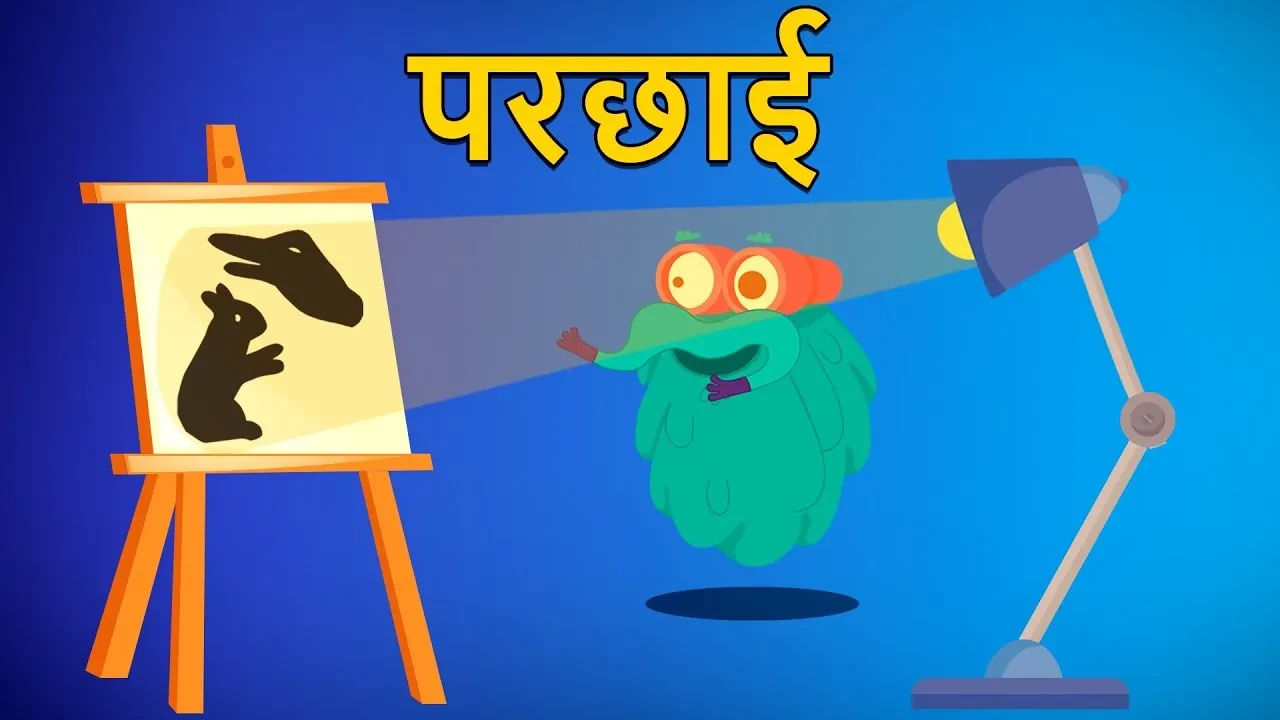
A dark form appears when light cannot pass through an object. This hidden mark on the ground has a name. People call it a shadow.
A shadow isn’t magic. It happens when something blocks light. Think of it like this: sunlight travels until it hits an object. Then - no light gets through. That dark shape? That’s where the light couldn’t reach. Simple, right? Not scary at all. Just absence. A quiet spot shielded by whatever stands in the path.
Let's Start With Light
To get shadows clear, grasp this first idea
From every source, light moves forward without bending. It follows a direct path through space unless something alters its route.
Out of a flashlight, sunlight, or bulb, light pushes ahead, spreading wide. Should no object stand in its path, onward it travels without stopping.
Yet here's a thought - what if an object blocks the path?
Out of quiet corners, light forgets. Darkness slips in.
What a Shadow Is?
Darkness appears where something gets in the way of light. Sometimes it stretches long, sometimes short, depending on angle and source. Shape changes with movement, never staying fixed. Light cannot pass through solid things, so gaps stay black. Shadows shift slowly when the sun moves across sky.
When light hits an object:
Light might move through, provided the material lets it, such as clear glass does.
Even when a material lets some rays through, dimming can still happen - take tissue paper, for example.
Sometimes no light gets through at all - especially when the barrier is something solid, such as a wall or your own body.
Darkness appears where light cannot reach because something stops it. That shape of absence forms behind whatever stands in the way. Light missing creates what we name a shadow.
Simple, right?
Why Your Shadow Moves When You Do?
Your shadow follows what you do - ever seen that?
Should you lift your arm, the dark shape copies by lifting too. A movement here leads to a matching shift there.
Your shadow leaps when you do. Sometimes it follows without being told.
When you shift position, shadows reshape themselves. Light moves straight ahead, never bending. As your body shifts, it cuts across the beam differently each time. This altering block creates a new outline on the ground. Each movement tweaks the silhouette slightly. The way light meets obstacle decides what shows up behind.
Your shadow isn’t alive.
Light shifts when you move. That is all.
Shadows stretch more when sun is low?
Here’s something interesting:
Sun high, shadows shrink by midday. Later light stretches them thin again.
When dawn breaks or dusk settles, its shape stretches out far. It seems longer at those quiet times of day. Shadows stretch thin when light slants low. That’s when you notice how much ground it covers. Length becomes clear only then.
Why?
Beside where the Sun sits, things change.
High up, the Sun sends light straight down. That makes shadows shrink. They get small when daylight hits from above.
Early or late in the day, sunlight slants across things. Shadows stretch out because of that tilt.
A shadow tells you the hour without checking a clock. Its stretch across the ground shifts as sunlight tilts. Morning makes long shapes that shrink toward noon. When the sun climbs high, shadows pull tight underneath objects. Later, they stretch again, pointing longer into the afternoon. The angle of light writes time silently on pavement. Length changes slowly, but clearly if you watch.
Shadows Can Shift Form?
Yes, they can.
The shape of a shadow depends on:
The shape of the object
The angle of the light
Light source to object - how far apart they sit. Sometimes closer, sometimes not. Distance shifts depending on setup. Space between grows or shrinks without warning. Position matters more than expected. One moves, everything changes. Gap adjusts even when unnoticed
For example:
A shape grows large when fingers near a flame. Distance shifts how walls see darkness.
Farther you place it, smaller it appears.
This occurs due to the way light moves outward.
Do All Things Cast Shadows?
Things usually cast shadows - yet what kind shows up relies on what they’re made of.
Faint traces appear when light passes through something see-through, such as glass.
Frosted glass lets light through but blurs what's behind it. Shadows turn soft around the edges when light passes such materials.
A shadow grows sharp when something blocks light - wood, maybe, or metal, even skin. Solid stuff holds back the glow, leaving a bold shape behind.
A bright shape means a faint trace behind it.
A Simple Test You Might Like to Do
Give it a go where you live
A light source helps when it is dark. Start using one if the room feels dim.
Face a flat surface made of bricks or plaster.
Fingers spread, slip your palm into the space where brightness meets surface.
Far from the wall now - slide your hand forward. Back it up slow when you feel near enough.
Watch how your shadow changes.
A tiny test unfolds each time you try something new, though you might not notice. What looks like trial and error is actually quiet observation at work. Every small change teaches a little more than the last one did. Results show up quietly, often when you're focused on something else entirely.
Final Thoughts
A shape made when something blocks light - could that be it?
Darkness appears where something gets in the way of light.
It’s not magic.
It’s not mysterious.
Light moves. Objects sit there. One meets the other differently each time.
When sunlight hits the ground beside you, that dark shape tagging along isn’t magic. It’s just your body blocking the light, nothing more. Watch how it shifts when you move - same pace, always close. That silhouette? A quiet companion shaped by brightness.
Out of nowhere, everyday objects reveal surprisingly deep secrets. A quiet moment with a coffee cup shows hidden physics at play. Just sitting still, air moves in ways few ever notice. From nothing much comes patterns full of wonder. Even motionless items hum with unseen activity.
Curiosity keeps things moving. What matters most? Staying open to what comes next. Wonder helps us move forward. Paying attention makes a difference. Looking closely changes how we see. Being ready for surprises shapes the path.
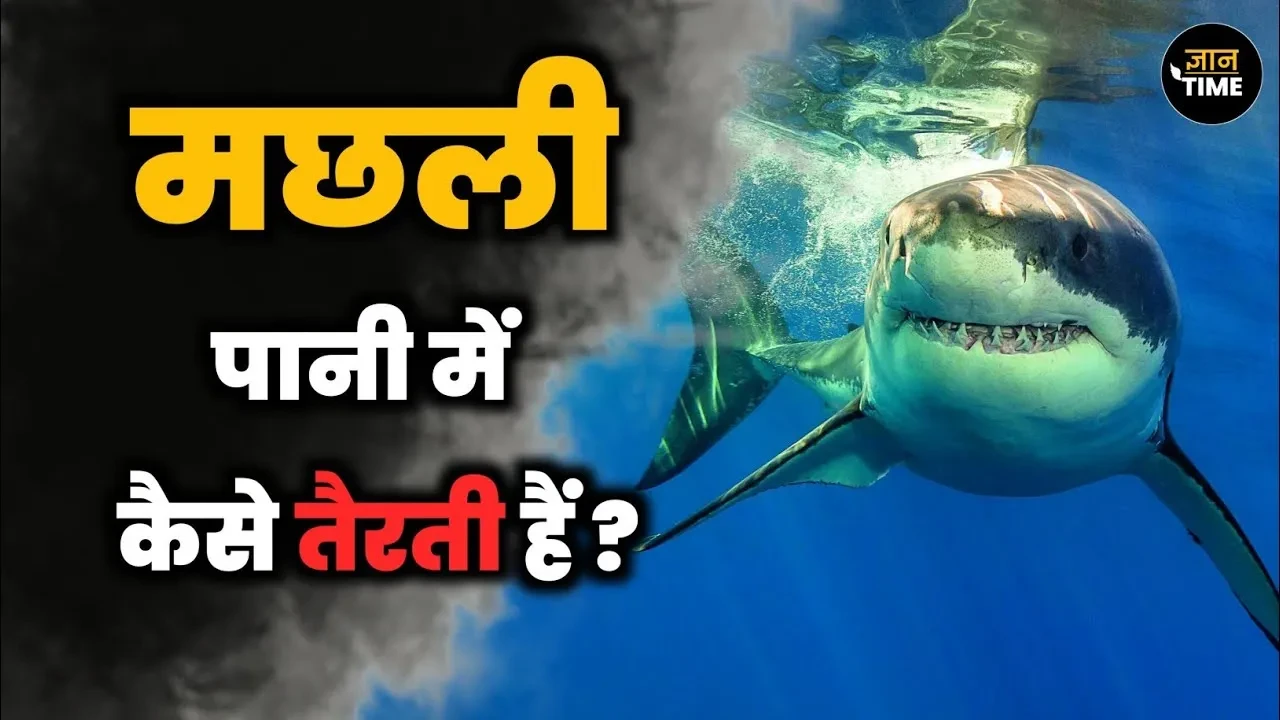
Fish gliding through water - what makes their motion look like liquid poetry? Maybe you’ve watched them near a pond, or seen ripples shift beside a riverbank. Even behind glass in an aquarium, they seem to flow without effort. That smoothness isn’t magic. It comes from how their bodies bend, almost like ribbons catching a breeze. Each flick of the tail pushes against resistance, turning drag into drive. Fins adjust mid-swim, steering with tiny shifts most eyes miss. Water holds them up, yes - but also pulls, tugs, resists. They work with it, never fight. Movement becomes rhythm, nothing forced
No legs on them at all.
No wheels on them at all.
Besides, nobody actually puts on little swim goggles.
Floating effortlessly, these creatures twist through water, plunging deep before shooting upward in swift arcs. Their movements flow without pause, each shift smooth, precise - like dancers beneath the waves.
Here’s how it works, made playful yet clear - easy enough for young minds, just right for grown-ups too. A different angle on nature’s clever trick.
Water Is Not Air
Here's something key to keep in mind before diving into how fish move through water:
A liquid like water packs more mass into the same space compared to air. Heavy molecules move slower, making it denser. Air floats above because its particles stay far apart.
Water resists motion far more than air does. Which is exactly what makes running in a pool feel sluggish, like pushing against invisible weight.
Fins shape their movement; gills pull oxygen straight from the flow.
The Hidden Power of the Tail
A fish, when watched closely, shows a curious motion. From head to tail, it sways left then right.
Fins move water, yet it is the tail that pushes hardest through waves.
This is the way it happens:
Fish move by curving their bodies left then right.
Backward goes the water, pushed by the tail.
Fish move ahead because water flows behind them.
Forward motion often comes from resistance. Pushing off the ground with your feet makes walking possible. Water gets pushed behind a fish, which then glides ahead. Movement hides in what you act upon.
Simple, right?
Fins Provide Steering and Balance
Fins aren’t rare on fish - tails come along too. Their bodies work with both, moving through water differently than land animals walk.
Think of fins as:
Steering wheels
Brakes
Balancers
Different fins have different jobs:
Turning gets easier thanks to the side fins.
Fins on top plus those below help steady the fish. The upper ones work alongside the lower to hold balance.
Fins at the back push hard, giving fast movement through water.
Fish move straight thanks to their fins; without them, they’d zigzag wildly through water.
Why fish stay up in water?
What if we asked this instead?
Floating still, fish manage their depth without effort. Water supports them evenly when they pause. Their bodies balance internal pressure with surroundings. This equilibrium stops any sinking motion. Buoyancy works quietly beneath the surface.
Inside many fish lives a tiny balloon filled with air. This part helps them float or sink in water.
Something inside their body works like a tool they need
Float
Stay at a certain depth
Move up and down in water
Floating upward happens as extra air enters the swim bladder.
The fish drops a little once air escapes.
Floating comes easy because something inside works like a built-in raft.
Their Body Shape Also Counts
Fins glide through water like ribbons. Bodies shaped by currents move without effort.
That means:
Fins help them glide with less drag. Water parts smoothly around their form.
Fewer forces push back.
Faster movement comes more easily now. Less strain needed to get going. Speed increases while energy drops. Effort shrinks but pace grows. Moving takes fewer resources today.
Now picture swimming with a large box in your arms. That would make movement harder. A fish fits its world without effort.
Muscles Quiet Strength
Beneath every smooth motion lies powerful muscle. A hidden strength drives each fluid step. What looks effortless depends on force underneath. Power shows up quietly in how bodies move. Strong tissue works without drawing attention.
On either side of a fish, muscles run the length of its frame. As one set tightens, the opposite relaxes - creating motion. Side-to-side waves form when tension shifts back and forth. Movement flows through each bend like water shaping stone.
Waves appear because of how things bend. The way it curves shapes what you notice next.
What seems smooth on the surface actually takes timing along with muscle.
Nature’s Perfect Design
Fish fit their environment like a key fits a lock. Their bodies follow the flow of water without question. Shape meets purpose beneath the surface every single time. Each fin works because it must, not by chance. Water shapes them just as they shape how they move through it.
Tails for movement
Staying upright? That’s what fins help with. Steering through water happens because of them too
Swim bladders for floating
Streamlined bodies for smooth travel
Muscles for power
Every part has a purpose.
Final Thoughts
So, how do fish swim in water?
Backward goes the water, shoved by their tails.
Fins help them change direction. They move through water by adjusting these paddles on their sides.
Floating happens thanks to a special internal sac filled with gas.
Gliding comes naturally to them thanks to a unique body form.
Floating through the water, a fish moves without effort - each glide shaped by hidden forces at work. Watch closely. The quiet journey hides complex physics in plain sight.
At first glance, nature seems basic. Yet every part works with quiet purpose.
Now here's a truth few expect: sitting back, saying nothing, can teach you more than shouting ever could.
Picking between ice cream and chocolate might seem small, but it counts. Cartoons wait on screen while outside the sun shines on playgrounds. A talk shows up now and then, not loud, just there - should hands hold toys or books? Homes mention it. Classrooms echo it too. Not urgent, yet never quite gone.
Not every kid heads straight for the bright bins of plastic figures. A few pause at rows of picture-covered books standing shoulder to shoulder. Grown-ups watching tend to question what really feeds a young mind more.
Thinking through this discussion slowly changes how you see it. What counts becomes clearer when looked at quietly.
The Magic Of Toys Learning Through Play
Playing comes naturally, yet it teaches fast. A toy might seem simple, but it opens doors. Before classrooms appear, little hands shape understanding. Curiosity grows when kids touch, move, test. Each game builds quiet knowledge. Experience arrives through doing, not waiting.
Beyond just fun, stacking bricks spark thinking. Puzzles piece together patience. Dolls open pretend worlds where kids shape stories themselves. Action characters move through made-up missions. Board games roll in turn-taking without saying so outright.
How Toys Help Kids Grow
Encourage creativity and imagination
Improve motor skills and coordination
Teach sharing and teamwork
Develop problem-solving abilities
Build confidence through small achievements
A kid who makes something out of nothing often feels proud afterward. Because of that pride, confidence grows slowly. Instead of seeing play as mere fun, think of it as how young minds lay down roots.
Still, just playing misses part of what's happening.
The Power of Books: Learning by Reading
Pages look quiet at first glance - yet open gates to countless adventures. Through tales, kids meet faraway places, new feelings, unfamiliar ways of living, fresh thoughts. Unexpected journeys start small.
Books demand attention, yet spark a child’s mind in ways playthings rarely do. Instead of showing everything, they invite young readers to build scenes inside their heads.
Books Help You Learn New Things
Improve vocabulary and communication skills
Strengthen concentration and patience
Develop empathy and emotional understanding
Expand imagination beyond physical limits
Encourage independent thinking
Reading lets kids step into tales, shaping scenes inside their heads. Inside those imagined worlds, minds stretch further each time. Figuring out people in stories helps them think deeper later on. What sticks is how much growing happens without realizing it.
Short Term Thrills Versus Lasting Progress
What sets toys apart from books isn’t shape or color, yet what happens after a child touches them. A toy might spark motion, while words tend to stir quiet thinking. One lives through handling, the other through imagining. Play shifts when pages replace plastic. Feeling a story can be slower than grabbing a block. Still, both stay close to how young minds grow.
Fun pops up fast when kids grab toys. They dive right in, eyes wide, hands busy. Play kicks off without delay. Action unfolds the second they start.
Reading tends to build understanding slowly, over time. A steady habit sticks with you, shaping thoughts more than expected. Growth happens quietly, layer by layer.
Just because kids get older doesn’t make toys meaningless. Early years thrive on playful moments. Yet with age comes a stronger need for books - shaping school performance and how feelings are understood.
What matters isn’t picking a favorite - it’s seeing how each fits. Instead of deciding which wins, notice what each brings. One doesn’t replace the other - each has its place. Not about winners, more about fit. Where one slips, the other holds. Their value shows up in different moments. It’s less who’s better, more when they matter.
Parents Think About These Points?
Picking what feels right weighs heavily on many parents. Yet somewhere between extremes, things tend to run smoother.
Here are a few practical suggestions:
Encourage daily active playtime
Establish a regular reading routine, especially before bedtime
Choose age-appropriate books
Rotate toys to maintain interest
Visit libraries or bookstores together
Little eyes watch grown-ups carefully. Spotting mom or dad with a book often sparks a child’s own interest in turning pages.
A Message for Children
Curiosity grows when hands stay busy with building things. Toys spark new ideas because fun often teaches best.
While you’re at it, open a book now and then. Reading gives you chances to see things differently
Travel to different countries
Meet inspiring characters
Discover fascinating facts
Imagine unlimited possibilities
Reading often helps you feel surer of yourself. It also builds what you know, slowly piling up facts and ideas inside your mind.
The Final Verdict
Toys or Books?
The truth doesn’t lie in choosing one side.
Playing with toys builds strength while sparking imagination. Movement grows alongside made-up stories during playtime. Sharing games teaches kids how others feel. Fun objects lead to teamwork without planned lessons. Muscle control improves when pretending takes over.
Fingers turn pages while thoughts grow deeper. Minds stretch when stories unfold quietly. Worlds inside words become clearer through steady reading.
Curiosity grows when balance meets ability, shaped by shared effort. Individuals emerge thoughtful, ready - formed through quiet support and steady example.
A choice we argued about for years suddenly makes sense when you see it clearly
Stay in motion by playing with purpose. Books open doors when touched every day. Progress never stops if you keep moving forward.
Now here comes a rainbow, slipping into view once the rain lets up. Sunbeams cut through cloud edges, bending into something bright. Light dances where water hangs still, shaping curves no hand could draw. Colors stretch, fade, return - just for seconds.
Sure, rainbows look magical. Yet they come from sunlight bending through water droplets in a certain way.
A rainbow still amazes, even once you know where it comes from. Knowledge adds depth instead of taking magic away. Exploring its colors opens doors to bigger ideas about light, water, and how we see the world around us.
The Basic Ingredients of a Rainbow
A rainbow forms only when three essential elements come together:
Sunlight
Water droplets in the air
The correct viewing angle
A single piece out of place, then no rainbow shows. Just that fact carries a quiet truth - harmony usually requires things fitting just right.
Inside every little drop hanging in the air, light begins to shift when the sun reaches it. A quiet change takes place the moment sunshine slips into the mist.
The Science of Color
A rainbow takes shape when sunlight bends as it enters a raindrop - this bending is called refraction. Inside the drop, the light bounces off the back surface, which is reflection at work. Then, as the light exits, it spreads into different colors because each color moves at its own pace through water - that spreading is dispersion.
Light steps into a droplet first. Moving from sky to wet glass, it drags its feet and veers off track. That swerve? Refraction gives it a name. Inside the curve, angles shift like quiet secrets.
After that, light bounces along the inside wall of the droplet. Because of this bounce, it turns and moves outward again.
When the light leaves the droplet, it shifts direction once more. Along that path, its hues begin to split apart. That splitting? It's called dispersion.
Not what you’d expect - sunlight looks plain white but holds a mix of colors all jumbled up. Inside a droplet, light shifts direction, making each shade move just a bit slower or faster than the next, so they split apart like runners at a race.
This is how the well-known color pattern appears
Violet
Indigo
Blue
Green
Yellow
Orange
Red
Hidden depths often lie beneath what seems straightforward. Inside white light live separate hues - much like how ordinary moments hold quiet intricacies. A single beam can split into many shades when viewed another way, similar to everyday experiences revealing more upon closer look.
Why Rainbows Appear Curved?
A single arc catches the eye when a rainbow appears. Light bends inside droplets, then bounces back toward your sight. That round form comes from how sunlight shifts direction just enough - around 42 degrees - to make color leap out. Each drop plays its part in shaping what you see.
Light bounces off many tiny drops, each sending it back at matching angles - this builds a curved shape. Seen from earth, just a slice shows up. Up above, like on a plane ride, the whole ring might appear suddenly.
Fine details show a quiet truth: math shapes how things grow. What looks lovely isn’t haphazard - form hides beneath the surface. Instead, order repeats in silent sequences.
Why Rainbows Aren't Always Visible
When rain falls, a rainbow might show up - but not always. Spotting one needs more than just wet weather
The light should come from over your shoulder.
Water falling from clouds should appear ahead of where you stand.
Low in the sky, that is where the sun needs to be.
A rainbow might not show up at all, despite everything being there, when the viewpoint is off.
Beauty hides in plain sight, waiting only for where you plant your feet. It isn’t about seeing more - just shifting how you look.
The Mystery of the Double Rainbow
Now and then, you might spot another rainbow sitting higher than the main one. It's known as a double rainbow.
A second bounce of light within a raindrop creates this effect rather than just one. This extra internal reflection makes the secondary arc fainter, with hues arranged backward compared to the primary.
A single shift might twist everything that follows. Over time, doing the same thing again shifts what happens next. Life runs on tight patterns yet never stays still.
Lessons From a Rainbow
Beyond the science, rainbows teach meaningful lessons.
Look how light, water, move together - beauty appears not by chance but through fit. Not magic, just match. Right angle, right moment, something clicks. Seen it? Clear shapes rise where wet meets glow. Nothing added, nothing missing. Just timing. Place. Flow. It reveals how simple things behave when conditions lean close to perfect.
Funny thing - behind the scenes, quiet rules shape everything we see. Once those rhythms click in your mind, nature starts making more sense.
Only when you move does the world show new colors. Rainbows prove how much what you see depends on where you stand.
Conclusion
Light bends when it passes through raindrops. That bend makes colors spread out like a fan. Shapes in nature follow patterns we can see here. A curve across clouds shows science playing quietly.
Awe doesn’t fade when you learn the process. Knowing the steps actually deepens the wonder.
Wonder grows when science shows up. Not fades.
When you spot a rainbow again, think about it - light bends within every small drop, then bounces, breaking into hues. Though it seems simple at a distance, exact steps in nature quietly team up behind the scene.
Maybe that's the deepest truth - beauty shows up when pieces fit just right, though we rarely notice what happens out of view.
A puff of sugar pulls apart like morning mist caught in your fingers. When it touches your mouth, it vanishes fast, just a hint of sugary warmth staying behind. Around carnival lights, the spinning machine drips strands that gather into fluffy spirals, nearly dreamlike as they form.
Surprise lives inside spun sugar. Not just sweetness, but a shift - noticing what’s plain, then wondering differently. Could it turn into something never seen? That thought twists air into threads
Before the Fluff Sugar in Its Traditional Form
Long ago, people cooked sugar until it turned sticky like syrup. Sometimes, they let it cool into hard sweets instead. When heated, it changed form every time. Cooks learned its patterns through years of practice. The way it flowed then set became second nature.
Still, nobody saw the chance to twist it into delicate strands of sugar.
Here awareness takes root.
Old things can surprise us. Not every breakthrough needs fresh ingredients. A shift in perspective often matters more. Take sugar - it existed for ages. Spinning it into fine threads? That idea came later.
The Birth Of Cotton Candy
Back then, in 1897, a pair of inventors from America - William Morrison and John C. Wharton - built something new. This device shifted the way folks tasted sweetness. Odd detail? Morrison fixed teeth for a living. Because of that, making candy feels kind of unexpected. Still, they pulled it off.
Heat turned the sugar into a liquid inside their device. After that, rapid spinning sent it flying outward. Through small openings it streamed, meeting cool air right away. Into fine threads it changed - delicate as spider silk. A soft pile began to grow from those fragile pieces.
A surprise hit appeared at the 1904 World’s Fair in St. Louis called “Fairy Floss.” Right away crowds flocked to see it. Lightness like that - made from plain sugar - left folks staring in disbelief.
Not the sweet stuff that shifted - just how people made it.
The Science of Sweetness
Out of nowhere, cotton candy reveals a quiet science behind its fluffy charm. Heat turns sugar into fluid form without warning. Spinning that liquid makes it race outward, forced by motion alone. Tiny holes let slender ribbons escape under pressure. Cold air catches them mid-flight - threads freeze before they can slow down.
This method shows something strong. What happens here carries weight. A clear truth comes through slowly. It sticks because it feels real. The way it unfolds matters most.
Finding out what stuff does lets us twist it into shapes never seen before. Wonder grows when science steps in, not fades.
A wisp of pink sweetness floats like air, made only from melted sugar spun fine. Still, once it dissolves on your tongue, what remains isn’t just taste - it’s memory reshaped.
How Seeing Things Differently Changes What You See
What matters most isn’t always the idea itself - sometimes it's how you see it. Cotton candy didn’t come from new materials but a fresh way of thinking. A moment of curiosity turned sugar into something airborne. Not through force, just reimagining what was already there. The machine that spun it? Built by accident during a dentist visit. Surprise shapes discovery more than planning does. Seeing differently opens paths where others saw dead ends.
Heavy little blocks make up sugar grains. Yet pulled thin, they turn airy, almost soft. One substance, two sensations - changed by shape alone.
Out of the blue, moving from crystal to cloud isn’t just about how we cook. Suddenly, it’s tied to what we dare to wonder.
Spin it might change things. Instead of pouring, motion takes over. Could be different that way.
What if we change speed?
Could letting air decide lead somewhere new?
Progress often comes from small shifts in thinking.
From Test To Tradition
Fairgoers lined up despite the high price when cotton candy made its debut. Excitement pulled them in, not just hunger. Something new always finds a crowd.
Floating through summer fairs, cotton candy started to mean more than just sugar spun thin. Joy built up around it, tied now to roller coasters, laughter under tents, sticky hands. Moments after moments made it stand for something light, fleeting - like memories themselves.
A shift like this shows something else entirely - creations tend to outgrow how they started. A test meant for machines might end up touching feelings instead.
Floating strands dissolve fast on the tongue. Joy lives inside that brief moment. Nostalgia swirls through every colorful twist.
The Mind Behind What Feels Good
Why does cotton candy feel special?
What you notice first isn’t flavor. Actually, most of it vanishes fast, more like breath than bite. The real thing happens in how it feels while it's there
Faster each second, the drum whirls inside the washer.
Faster each time, watching it swell beyond the last turn.
Floating a shape too large to carry, yet light as air. Stillness presses against palms where weight should be. Size fools the eyes when mass slips away like mist. What fills both hands could vanish in a breath.
Something shifts how you see. A sudden twist catches what you feel.
Cotton candy came into being, showing how creations can be more than just useful. Emotion often plays a big role behind new ideas. What pulls people in isn’t always purpose - sometimes it’s wonder, mixed with delight. Moments that spark interest tend to stick around. Joy shapes what we remember, even in small things.
Awareness Science In Daily Living
Out there beyond test tubes and beakers, cotton candy spins sugar into proof. Joy shows up in sticky hands and bright eyes. Not just equations or formulas - wonder lives here too.
Spun sugar dances when heat pulls it thin. Motion joins with air, shaping each thread. Chemistry hums beneath every twist and curl. Physics guides what looks like magic but isn’t.
Few really get it. This one thing cuts through - awareness goes further than most think
Hidden things shape much of what happens around us. Knowing how they work lets everyday stuff become something far different through our hands.
A Sweet Reflection
Small though it might appear beside great tech leaps, cotton candy's creation carries weight. Its story teaches something worth noting.
It shows that:
Innovation can come from simple materials.
A spark of wonder usually kicks things off. Curiosity pokes its head in first, more times than not.
Wonder often grows where curiosity meets discovery. Moments of seeing clearly spark a quiet kind of delight. What we learn can lift the ordinary into something bright. Finding out how things work sometimes feels like laughter rising. Each answer opens space for more questions to bloom.
A wisp of sugar spun through air, born when fire touched it. Not by chance - but curiosity pulled threads from what was heavy into something light.
Playtime often hides deeper truths than complicated gadgets ever show.
What if seeing things anew makes all the difference? A swirl of spun sugar shows how wonder hides in plain sight. Ordinary moments shift when noticed differently. Magic appears not in grand gestures but in sticky sweetness caught on a stick. Look again. Something familiar might surprise you.
Born from daily habits, they guide a child's mind in silent ways. How words are chosen, shared, lived - this builds their sense of meaning. Around every corner of talk and thought, there lies a pattern begun long ago. Little moments pile up, coloring what feels normal, true, possible.
From the first page, kids start seeing themselves in tales they hear or see on screen. Not only do faces in books feel familiar, but their choices begin to matter too. One by one, lessons slip into daily life without effort. Over time, what once seemed like play turns into knowing how things work.
This tale begins with Gattu, caught in a web of team work at school - an ordinary assignment that somehow shifted everything. A small job set inside four walls became something deeper instead.
The Announcement
One day, Gattu’s teacher entered the classroom with a smile.
“Class, next week you will work in groups to prepare a project,” she announced. “You can choose any topic - animals, planets, good manners, daily habits, or anything you like.”
Faint whispers raced across wooden desks.
Happy, Gattu felt - though nerves flickered underneath. Then again, quiet doubts had a way of showing up uninvited.
He liked drawing.
Reading was something Meera enjoyed, she being his friend.
Facing a crowd brought Ayaan alive. Speaking out loud felt natural, almost like breathing under bright lights.
Tina was very organized.
Yet teaming up? That seemed tough.
Here begins the first insight:
Learning shows up in many forms when kids dive into stories or classroom tasks. Together, these experiences hint that going it solo isn’t the only path forward. Moments of change often arrive during shared efforts. Group work quietly shapes how young minds grow.
Choosing the Topic
One talk led them to pick a subject. The choice landed on daily routines that help. It became clear this theme fit everyone well. Good habits in ordinary moments shaped their path forward
Why?
After seeing that cartoon from Puntoons Kids on washing teeth, putting playthings away, also giving grown-ups a hand.
A good time came from the tale. It made laughter happen easily.
Yet that moment sparked reflection.
Stories introduce children to everyday tasks in a natural way.
Built on quiet example, these moments teach behavior through doing, caring by being, improvement simply unfolding.
Something clicked for Gattu then
Facts slip in when you're busy following what happens next. A tale pulls you along without making effort obvious.
Dividing the Work
Parts of the project were split up by the team
Books found their way into Meera’s hands every now then. Information stuck around, gathered quietly like dust on shelves.
Gattu sketched bright diagrams now and then. Sometimes he filled them with wild colors instead of words.
Ayaan would prepare the presentation.
Fine lines of order appeared wherever Tina moved. Things simply settled into place after she passed through.
As they worked, they discovered new words:
Responsibility
Cleanliness
Cooperation
Sharing
Reading books brought in new words without effort. Nobody sat down to learn meanings - instead, they met them while following tales.
This is where words stretch beyond their roots.
When children read stories, they don’t just learn words.
They learn meaning.
The Challenge
Faults started showing up when work hit the halfway mark.
Gattu left his drawings behind that morning. One time, he just didn’t have them when it mattered. Something slipped through the cracks. That particular day, they stayed home without him.
Ayaan felt frustrated.
Tina mentioned the clock was ticking. She felt the minutes slipping away faster than expected.
A hush fell, as if words were about to spill. Then silence held them back.
Yet suddenly, Meera brought up a tale they’d seen - one that unfolded around giving, also quiet compassion.
“Remember,” she said, “in that story, the friends solved their problem by helping each other.”
A whisper shifted everything. The air felt lighter after that.
With Gattu not singled out, the group stepped in - redrawing the charts side by side. A quiet effort replaced accusation. Mistakes became shared work. Pages flipped under steady hands. Clarity came through doing, not pointing. Together, lines straightened without words needing to land first.
Folks learn about kindness by watching someone share a toy when things go wrong. Because of moments like these, big emotions start making sense.
Learning Beyond the Book
Midway through setting up the work, knowledge began sticking to Gattu and those beside him. Lessons came along that reached past routine behavior.
They learned:
How to divide work fairly
How to listen to each other
How to manage time
How to solve conflicts
Funny how what matters most isn’t always taught at a desk. Learning to wait, speak up, or handle being let down - those stick around far longer than formulas.
Stories spark new ways of thinking when kids dive into them. As they tackle tasks, their minds start linking what they’ve read to things happening around them.
There it is - awareness moving through doing. Not just thinking, but stepping into what matters. Here, now, alive in motion.
Presentation Day
Facing the classroom that morning, the team held their ground without hesitation.
Ayaan spoke clearly.
Glowing papers waved in Gattu's grip. Bright shapes danced across each page.
Fingers traced the toothbrush while she talked about clean corners. A sweep of the broom followed her words on nightly habits. Little things stayed clear when spoken slowly. Dust gathered less where routines took root.
Folks walked away remembering her words on giving what you have. Sharing space, time, effort - that stuck.
Out came a smile, warm and slow, lighting her face like sunrise on chalk dust.
“You didn’t just make a project,” she said. “You showed understanding.”
Facts stick better when they make sense. A mind that grasps meaning holds more than one fed only words.
This change sticks deep inside. What once felt foreign now moves without thought. A shift that lives in your hands, not just your head. Something learned becomes something known.
The Bigger Insight
From tiny moments, stories shape how kids learn and change. Little by little, they build understanding through each tale told. Through pictures and words, young minds stretch further every time. Each scene entered helps feelings grow clearer. With every character met, new ways of thinking stick around longer.
When children read books or watch video storybooks:
Words begin to fill their thoughts more each day.
Shapes come first, then numbers slowly follow. Objects appear later through hands-on moments. Each step links without rushing ahead.
Polite behavior makes sense to them, also how each day unfolds. Their grasp of etiquette fits alongside regular habits they follow without fuss.
Empathy grows as they learn to feel what others feel. Compassion follows close behind, shaped by quiet moments of understanding.
Facing tough feelings becomes easier over time. Dealing with problems comes more naturally as they grow.
A tale might carry what logic alone cannot. Stories slip big thoughts past our guard. Time moving forward? A character ages, seasons shift. Sharing feels real when someone gives away their last bite. Change hurts until a new routine forms. These truths stick because we see them lived. Not explained. Felt.
The best part?
Learning happens naturally.
Just breathe. Space exists here. Nothing tightens around you.
No forced teaching.
Stories that nudge thought without force. A quiet way to shift how minds move.
Why Stories Matter
Stories mean something deeper when you're a kid like Gattu. They stretch beyond printed lines into quiet corners of the heart.
They become tools.
Tools for:
Better communication
Stronger reading skills
Improved confidence
Emotional intelligence
Academic success
Reading them opens doors beyond test papers.
Knowledge grows where they’re found. Growth comes through their presence. These shape understanding quietly. Learning lives inside them.
Reading well today shapes what comes next. A solid start now opens more paths later.
Final Reflection
Something else drove Gattu’s team effort forward. It went beyond routines that people call healthy.
Stories helped people pay attention while working together. Working side by side made lessons stick better than lectures ever could. Attention grew stronger when shared across voices instead of sitting alone.
Reading helps kids get bigger. Books make young ones stretch taller inside their minds.
They grow when they imagine.
Stories stick better once applied outside the page. A lesson lives when used where it matters. Real moments give meaning to what was heard before. Learning moves forward only when tied to doing. What happens next depends on how it's tried out.
Here lies the quiet strength of learning through stories
Quiet learning happens here. Not a single rush pushes through these walls.
No heavy lectures.
A child watches, then thinks deeper. Through moving pictures that speak softly, lessons unfold gently - building kindness slowly, shaping awareness quietly, growing wisdom without noise.
Now here's a thought: tiny tales can open wide windows. A little moment might just explain everything else.
Today, trains feel like a normal part of life. They carry millions of passengers daily, transport goods across countries, and connect cities in ways we often take for granted. But the invention of the train was not just a technological breakthrough — it was a turning point in human awareness.
The train changed how we understood distance, speed, time, and opportunity. It reshaped economies, societies, and even the human mindset. To truly appreciate the invention of the train, we must look beyond the machine and explore the deeper insight behind its creation.
Life Before the Train: A World Limited by Distance
Before trains existed, transportation was slow and physically demanding. People traveled mainly by:
Walking
Horse-drawn carriages
Boats and ships
Long-distance travel could take weeks or even months. Transporting goods over land was expensive and inefficient. Because of this, most communities remained local. Trade was limited. Communication was slow. Opportunities were restricted by geography.
In many ways, the size of the world felt larger than it actually was.
Here lies our first insight:
Innovation often begins where limitation becomes unbearable.
When movement is restricted, human curiosity looks for a solution.
The Steam Engine: The Foundation of Change
The real foundation for trains was laid with the invention of the steam engine in the 18th century. Early steam engines were designed to pump water out of mines. These machines used steam pressure to create motion.
Inventors soon realized something powerful: if steam could move pistons, it could also turn wheels.
This realization was revolutionary. It shifted steam power from stationary industrial use to potential transportation.
In the early 1800s, engineers like George Stephenson improved steam locomotives. In 1825, the Stockton and Darlington Railway in England became one of the first public railways to use steam-powered locomotives.
For the first time in history, machines could pull heavy loads across land at speeds faster than horses.
This was more than mechanical success. It was awareness in action — the understanding that natural forces, when harnessed properly, could multiply human capability.
The Train as a Social Revolution
The invention of the train did not just improve travel. It transformed society.
Railways enabled:
Faster movement of goods
Expansion of industries
Growth of cities
Access to distant markets
Increased employment opportunities
Factories could now receive raw materials quickly and distribute finished products efficiently. Farmers could sell produce in faraway cities. Workers could commute longer distances.
Railway stations became centers of economic activity. Entire towns developed around rail lines.
One of the most profound impacts was on time itself. Before trains, time was local. Each town followed its own clock. But train schedules required synchronization. This led to the creation of standardized time zones.
In this way, trains did not just change geography — they restructured time.
Insight: Speed Changes Human Thinking
When travel becomes faster, human ambition expands.
Before trains, journeys required careful planning and endurance. After trains, possibilities multiplied. A trip that once took days could now take hours.
This change influenced:
Business strategies
Military planning
Migration patterns
Cultural exchange
Speed reshapes perspective.
When people realize they can move faster, they begin to think bigger.
The invention of the train reduced not only physical distance but also psychological barriers. It made growth feel attainable.
Industrial Growth and Economic Expansion
The 19th century is often referred to as the age of industrialization. Railways played a crucial role in this transformation.
Trains enabled:
Coal transportation to factories Iron and steel distribution Agricultural expansion International trade networks Countries that built strong railway systems advanced rapidly in economic development. Infrastructure, once established, became the backbone of progress.
Here lies another insight:
Infrastructure shapes civilization more than we realize. When systems of movement improve, everything else accelerates.
Evolution of the Train: From Steam to High-Speed
The steam locomotive was only the beginning.
Over time, innovation continued:
Diesel engines replaced steam in many regions. Electric trains reduced pollution and increased efficiency. High-speed trains revolutionized long-distance travel. Magnetic levitation (maglev) trains eliminated friction for even greater speed. Today, bullet trains in countries like Japan and China can reach speeds exceeding 300 kilometers per hour. The train did not remain static. It evolved with science, engineering, and environmental awareness. This teaches us that invention is not a final event. It is an ongoing journey of refinement and adaptation.
Environmental Awareness and Modern Rail Systems
In today’s world, sustainability has become a major concern. Rail transport is often more energy-efficient and environmentally friendly compared to cars and airplanes.
Electric rail systems reduce carbon emissions and promote cleaner travel.
The train, once a symbol of industrial smoke and steam, is now becoming a symbol of sustainable mobility.
This shift reflects a broader awareness: progress must align with responsibility.
The Psychological Shift: Connected Civilizations
Perhaps the greatest impact of trains was psychological.
When railways connected distant regions, cultures began to interact more frequently. Ideas traveled faster. News spread quickly. Migration increased.
The world began to feel smaller.
The invention of the train fostered globalization long before the internet existed.
It showed humanity that barriers are often temporary — and that movement leads to exchange, and exchange leads to growth.
The Bigger Insight
The invention of the train teaches us several powerful lessons:
Scientific understanding unlocks new possibilities. Infrastructure drives societal transformation. Speed influences ambition and mindset. Innovation is a continuous process, not a single moment. The train was built from metal, steam, and engineering principles. But its true impact was on awareness. It expanded what humanity believed was possible.
Final Reflection
The invention of the train was not just about building a machine that moves on tracks. It was about redefining how humans experience the world.
It shortened distances. It synchronized time. It accelerated industry. It connected cultures.
Most importantly, it demonstrated that when humans deeply understand natural forces and apply them creatively, entire civilizations transform.
The train began as a mechanical experiment. It became a symbol of progress.
And it reminds us that innovation, when guided by insight and awareness, can change the course of history.
Habitat is where a creature naturally finds its meals, drinks, cover, plus protection. A spot that offers what it needs to stay alive shows up in forests, deserts, rivers - anywhere life takes root. This environment holds everything required, day after day. Shelter appears beside drinking spots, feeding grounds link to hiding places. Each piece fits without effort when the setting stays intact.
Start off knowing where animals live - some in forests, others near water. Picture bears roaming woods while fish swim through rivers. Think how snakes like hot deserts under bright sun. Notice birds up high in trees, chirping each morning light. See frogs jumping around wetlands full of green plants. Imagine penguins staying cold at poles covered in snow. Watch monkeys swing from branches in tropical jungles. Feel crabs crawl along sandy beaches by oceans wide.
1. Forest Habitat
Deep among tall trunks and leafy crowns, life thrives quietly. Tigers move through thick undergrowth while monkeys leap between branches above. Deer step lightly across mossy ground just as elephants push slowly through dense green. Shelter comes easily where roots twist wide and canopies stretch high overhead. What grows here feeds more than just memory - it sustains real hunger. Sunlight filters down only in patches because leaves hold it back gently. Wild things find safety within tangled vines and shadowed clearings.
2. Desert Habitat
Under the blazing sun, a desert stretches - parched, thirsty, almost no moisture around. Creatures such as camels, snakes, yet also lizards call these harsh zones home. Because of unique traits, they manage life where water hides scarce.
3. Ocean Habitat
Water covering most of Earth holds many creatures. In these deep places swim fish, dolphins, whales, besides sharks. One kind pulls oxygen from water, another must rise now then.
4. Polar Habitat
Polar areas stay frozen under layers of white snow and ice. In these spots, creatures such as polar bears, penguins, and seals make their home. Because warmth is hard to hold, they rely on dense fur or heavy blubber instead.
5. Grassland Habitat
Out in the middle of nowhere, fields stretch far under open sky. Where grass rules the ground, creatures such as lions roam free. Zebras move across flat lands in loose groups. Giraffes stand tall near scattered trees. Antelopes dart when danger comes close.
6. Mountain Habitat
High up where it stays chilly, you’ll find rugged peaks rising into the sky. Living there means dealing with steep slopes plus freezing winds most of the year. Some creatures, such as mountain goats, handle this harsh setting well. Snow leopards also make their home among rocky cliffs and icy terrain. Their powerful limbs help them climb without slipping. Because warmth matters so much, these animals grow dense coats that trap heat.
Why habitat matters
When a place where creatures live gets damaged, it takes away what they rely on every day. Without these natural homes, living things often face tough odds just staying alive.
Awareness Insight
Every animal is designed according to its habitat.
Camel is made for desert.
Floating comes natural to fish. Water holds them like a hand.
Polar bear is made for snow.
Nature works in balance.
Forests breathe easier when left alone, while oceans thrive without constant human reach. Mountains stand stronger if untouched by greed or need. Grasslands stretch wider where care replaces cutting. Animal paths stay open only if roads do not block them. The earth stays well when wild spaces remain whole.
Final Thought
Learning about animal habitats is not just about science.
Living things change over time because they must fit into where they exist.
That’s how we learn why looking after the natural world matters.
When someone asks, “What’s your favorite subject?”
Folks tend to reply without delay.
Math. Science. English. History. Art.
A choice might seem small at first glance. Yet it carries weight without announcing itself.
Yet might your preferred topic show a hidden pattern in how you think?
Start here: look close, see deeper. A quiet mind spots what others miss. Truth hides in plain sight, waiting. Notice more today than yesterday did. Watch how light shifts across surfaces. Feel moments stretch when you pay attention. Real clarity comes from stillness, not noise. See things as they are - no filters.
Your Favorite Subject Wasn't Chosen by Chance
Most times, folks believe they pick a topic due to reasons that seem clear at first glance
It’s easy.
The teacher is nice.
A strong result shows up here instead.
It feels interesting.
Yet underneath those explanations sits a quieter truth.
Your favorite subject often aligns with:
How you process information
What kind of problems you enjoy solving
How your brain prefers to think
What excites your curiosity
Your mind works a certain way - that’s what shapes how you choose.
If You Love Math
You may enjoy:
Structure
Logic
Patterns
Clear right-or-wrong answers
Finding joy in numbers tends to go hand in hand with a liking for clear answers. Precision feels natural to those who enjoy math.
Finding neat answers keeps them interested - working through riddles does too. Puzzles draw their attention just as much as tidy outcomes.
Insight:
Life might feel better when things make sense. Clear paths can seem more comfortable than tangled ones. Order sometimes brings a quiet kind of relief. Predictability often slips in unnoticed, like morning light through blinds.
If You Love Science
You probably enjoy:
Experimenting
Asking “why” and “how”
Observing cause and effect
Discovering hidden rules of the world
Folks who enjoy science usually wonder about the way stuff operates.
Insight:
You may be naturally analytical and investigative.
If You Love Literature or English
You might enjoy:
Stories
Emotions
Expression
Understanding human behavior
Words pull some folks in, opening doors to thoughts they can almost touch. Emotion rides close behind meaning for those who listen closely.
Insight:
Filled with feeling, your mind often drifts into make-believe worlds. A deep sense of others’ emotions colors how you see things each day. Seeing beyond facts comes naturally when stories unfold around you.
If You Love History
You may appreciate:
Context
Lessons from the past
Understanding human decisions
Big-picture thinking
Those who enjoy history tend to look ahead over time, pondering things at length.
Insight:
Events might make you wonder what lies beneath them.
If You Enjoy Art or Being Creative
You might enjoy:
Freedom
Self-expression
Visual thinking
Emotion through design
A picture forms first in their thoughts, then meaning follows. Ideas bloom where equations might otherwise sit. Imagination leads, logic trails behind. Thoughts jump before rules arrive.
Insight:
Folks who feel things deeply often show it plainly. Expression flows easily when emotion leads the way.
Awareness: Preference vs. Potential
Here’s something important.
Just because you love something most doesn’t mean it’s all you can do.
Comfort shows where you pause without thinking.
Yet real progress begins where ease ends.
For example:
A math lover can develop creativity.
A literature lover can sharpen logic.
An artist can master structure.
Awareness means recognizing your natural strengths -
Stay free by stepping outside their lines now and then.
Why This Question Matters
When someone asks, “What’s your favorite subject?”
They’re not just asking about school.
They’re asking:
How do your thoughts usually flow?
Tell me what troubles spark your interest.
Notice what pulls your focus without trying.
Your thoughts come straight from how you push yourself inside. What drives you shows up in what you say.
That kind of clarity comes through seeing yourself clearly. A quiet moment of recognition shifts everything.
The Deeper Insight
Now here's a thought: disliking something doesn’t always mean you’re bad at it
yet the solution remains out of reach simply due to mismatched methods.
Awareness changes everything.
When you understand:
How you learn best
What drives your interest
What challenges you
A dull topic might become something that matters. By looking closer, it could reveal depth. What seems flat at first glance may hold quiet importance. With attention, even the ordinary shifts shape. Meaning often hides where people stop expecting it.
Final Reflection
Your passion points somewhere. What you love most gives it away.
Through quiet observation, it shows the way your thoughts lean when facing new things.
But remember:
Just because it sticks on something does not make it real.
A beginning is what it offers.
Staying put in what feels familiar? That was never the point.
What matters most? Getting how it works. Noticing details helps. One thing leads to another here. See it clearly, without extra noise. Focus shifts when you pause. That moment changes everything
Grow past that point instead.
When true understanding starts
Curiosity shows up right where attention begins to notice something new.
What happens when you wave a magnet near paperclips, watching them jump without warning? That sudden pull feels strange, doesn’t it - silent force tugging metal out of stillness.
A sudden move - magnet near a paper clip. It jerks, drawn without warning. Metal obeys invisible pulls. Distance shrinks between them. The object shifts on its own. Force takes hold before touch. Movement begins where silence stood
Then without warning - crack - it darts straight ahead.
It feels mysterious.
Yet magnetism works by rules.
Science shows this clearly. Once it clicks, wonder grows.
Magnets pull certain metals without touching them. These invisible forces act through space around the object. Some materials respond strongly, others hardly at all. Poles decide if they attract or push away. Opposite ends link up naturally. One piece can turn another into a magnet too. Everyday items rely on this quiet power.
What a Magnet Is?
A magnet is a special object that can:
Attract certain metals (like iron and steel)
Push or pull other magnets
A shield forms without being seen. Around it, something unseen takes hold. A presence blocks what comes near. Not visible, yet always there. Hidden pressure holds its ground
A hidden push lives where magnets work. This unseen influence shapes how things move nearby.
It stays hidden from view.
You might notice its effect right away. Still, the result speaks for itself. What happens next depends on how it's used. Every detail adds up without saying much. Even small signs show something changed.
This is what we see at the start
The Hidden Power of Magnetic Fields
Picture a magnet surrounded by something you cannot see. This space acts like a hidden field hugging its edges.
Objects might drift near when caught in the bubble’s reach.
Filings of iron, when scattered near a magnet, form graceful curves. These patterns trace out how the invisible force spreads through space.
This shows a truth worth noticing
Footsteps fade where roots spread slow beneath the soil. Quiet shifts shape what eyes miss at first glance. Hidden threads tie leaf to stone without a sound. Stillness carries change deeper than storms ever could
Yet it carries strong impact.
What makes magnets pull some objects and ignore others?
Ferrous stuff sticks to magnets, also nickel, sometimes cobalt. What pulls them? The invisible push of magnetic fields.
Yet these fail to draw attention
Wood
Plastic
Glass
Paper
Why?
Inside magnetic metals, little pieces behave as if each were a small magnet. Most of the time, their directions are scattered at random. Yet near a real magnet, those bits shift into alignment - then attraction begins. A hidden order emerges where chaos once ruled.
Insight moment:
Inside every piece of metal, tiny particles are moving and arranging themselves.
The Two Poles North And South
Every magnet has two ends:
North Pole
South Pole
Here’s something cool:
Magnets pull together when opposites meet. One side reaches out, the other answers without a sound.
Pushing apart, north meets north in quiet resistance.
South meets south only to step back. Resistance appears where directions align.
This force pulls things together or pushes them apart. It happens when objects interact in a certain way.
Awareness lesson:
Opposites attract.
Similar things sometimes push away.
Balance finds its way through magnets. Quiet lessons come from their pull.
Breaking Magnets Explained?
True enough - though what follows might surprise you.
Breaking a magnet apart leaves two smaller magnets instead of separating its poles. Each fragment still holds both a north and a south end. Not one part loses its dual nature through splitting. The result defies simple division. Opposite ends stay linked within each new piece. Fragments carry full magnetic identity, unchanged by fracture.
Every little magnet ends up having a north end plus a south one. Two pieces form when you split them apart.
Magnetism fills every part of the object, so that's why it behaves this way.
Insight:
Hidden currents move below what you first see.
Every single part holds them steady. Through every stretch they remain. Not a gap misses their presence. From start to finish, there - always. Each portion carries their mark.
Places Magnets Are Used?
Far from mere playthings, magnets serve real purposes. Unexpected uses hide beyond their shiny surfaces.
Out there, showing up in every corner of how we live. Each day brings another sighting without fanfare.
Usage covers areas like these:
Refrigerator doors
Speakers and headphones
Electric motors
Compasses
MRI machines in hospitals
Flying machines stay on course because compasses rely on Earth's magnetic pull.
Awareness moment:
Most large creations depend on basic elements of nature.
Earth Uses Magnetism?
Here’s something amazing:
A spinning core deep inside makes our planet act strangely magnetic. This hidden force reaches far beyond the surface we walk on.
That’s why compasses work.
Facing the planet's invisible pull, the slender pointer settles on magnetic north.
Besides flying south, some creatures feel their way using invisible forces around the planet. Sea turtles, for instance, follow quiet signals through vast oceans without maps. Birds too rely on hidden cues beneath the surface of nature when traveling far distances.
Nature is guided by invisible forces.
The Bigger Insight for Kids
Every magnet shows how invisible forces shape movement. A pull happens without touching, teaching attention to hidden influences. One pole always connects to another, revealing balance in opposition
Power hides where eyes fail to see. Quiet pushes shape outcomes unseen. What lacks form still bends events. Hidden currents drive big changes.
Tiny things inside objects matter.
Floating beneath what meets the eye, nature moves in rhythms. Though hidden, these flows shape how things grow. Behind stillness, motion repeats itself. Without showing, it unfolds the same way each time.
Facts sit at the edge of what science really means.
It’s about noticing how the world works.
Fiddling around with a magnet? That doesn’t mean it’s only about fun. A hidden push and pull lives inside every move.
A quiet strength moves through the wild, unseen by most eyes. Hidden forces shape what looks ordinary at first glance. Life holds tricks beyond simple sight. Watch closely - something powerful slips past without noise.
Final Thought
Magnets might seem tiny and basic at first glance.
Yet here it shows a much larger truth
Out here, hidden pushes tug at every little thing we see.
And when we stay curious,
Inside every experiment, a spark hides. Science unfolds when curiosity takes hold. Moments of discovery feel like whispers from nature. What seems ordinary reveals wonder upon closer look.
A whisper of something more lies beneath the surface. Strengths not yet seen could stir at any moment. Quiet forces bide their time until called. What seems ordinary might spark into motion. Hidden currents run under everyday actions.
Yet does it really hold up?
Start with what we know. Science opens doors, while logic checks each step. A sharper kind of noticing runs underneath - quiet but clear.
Somehow this notion took root, possibly born out of confusion in brain science around the late nineteenth and early twentieth centuries.
At that time:
Even now, researchers kept charting how the brain worked.
Few spots in the brain still lack known jobs.
Folks often get psychology ideas wrong when they spread through everyday talk.
This idea, never fully grasped at first, slowly grew sharper. What began as a guess took on weight. A shaky notion stood firm later. Time gave it shape. Eventually, uncertainty turned into statement
“We only use 10% of our brain.”
Hollywood amplified it. Folks selling self-improvement jumped on board. Fueled by upbeat stories, it spread fast. Survival of the concept came down to hope, not truth. What kept it alive wasn’t precision, but spark.
Modern Science Views Today?
Far from true, the idea we only use a small part of our brain gets shut down by today's science.
Brain imaging tools like:
MRI (Magnetic Resonance Imaging)
PET scans (Positron Emission Tomography)
Most areas of the brain light up at various moments. When one part quiets down, another often wakes up. Activity shifts like tides across zones without pause. Not every section fires at once - timing differs widely. Moments define which circuits engage and when they rest. Brain function moves in waves rather than all together.
Key facts:
Different tasks activate different brain areas.
Far from shutting down at night, the brain keeps buzzing with activity during sleep.
Most of it stays active. Not some idle giant waiting around.
If 90% of the brain were inactive:
If the brain got hurt there, nothing much would happen.
That much brainpower uses too much fuel for nature to keep it around without reason.
A single spot of harm might change how someone talks, thinks, moves, or acts. Still, tiny injuries deep inside can quietly reshape who a person seems to be. What looks minor on the surface may alter memory trails or shift balance without warning. Even slight disruptions can reroute thoughts, stumble words, or blur familiar gestures. Damage doesn’t need size to carry weight - small marks sometimes leave long echoes.
Right there, you can see how every part of the brain stays active and linked.
The Energy Reality
A truth worth noting comes down like this:
A single twentieth of your total mass is taken up by the brain.
Fuel needs for this part take up roughly a fifth of what the body uses overall.
That’s enormous.
Why keep what you do not need? Over time, bodies let go of parts that serve no purpose. Left behind only what matters for survival sticks around. Built to last - only if it earns its place.
Flesh moves without waste. It simply works.
Because it uses a lot of power, every part needs to stay active.
Why the Myth Feels Real?
This moment shifts how we see things. What matters now is noticing what was invisible before.
Most of the brain is active in daily life, yet performance isn’t always at its peak.
There is a difference between:
Brain activation
Brain development
For example:
Every day, muscles get used without you even thinking about it.
Strength stays hidden without practice.
Similarly:
Your brain is active.
Yet it gets better through study, repetition, followed by steady effort.
Unused capacity gets mistaken for empty brain tissue in that story.
The Real Insight: Potential vs. Usage
People keep thinking they only use 10 percent because it feels true deep down
“We have hidden potential.” Funny thing is, it holds up - just not if you take it word for word. Most of what we know says the idea that most brains are asleep is false.
Yet there could be
Untested creativity
Untrained focus
Underdeveloped memory skills
Limited problem-solving habits
Emotional intelligence that can be strengthened
The brain is fully engaged -
Yet progress relies on the way we push against it.
The Awareness Shift
What really matters isn’t asking:
“Are we using only 10% of our brain?”
What really matters? That’s what needs answering
“Are we using our brain intentionally?”
Do we:
Learn new skills?
Question what you see. Ponder it deeply.
Reflect deeply?
Practice focus?
Improve emotional control?
Hidden sections do not reveal mental strength. What you already have does the work instead.
Working on it regularly builds it up. Starting small helps too.
Myths Keep Going
Here’s why the idea about 10 percent sticks around
It sounds dramatic.
It simplifies complex neuroscience.
A shift could happen fast, out of nowhere. Suddenly things might look different than before.
Yet knowing something means having proof.
Maybe things aren’t so wild after all
Still much stronger in effect.
You are already using your brain.
What matters is whether you pay attention while building it.
Final Takeaway
Funny thing is, people still say they only tap a tenth of their mind's power. Truth? That tenth isn’t sitting idle - it’s buzzing nonstop. Every bit pitches in, even when resting. Whole network fires up for simple tasks. Hard stop on that myth - brains aren’t lounging at one-tenth capacity.
Most gets used one way or another.
Yet true potential shows up elsewhere - not inside secret corners of the mind
Staying sharp comes down to building better concentration, sticking to routines, picking up new skills, while also understanding yourself more clearly.
Your brain is active by default. Doing things well starts with a choice. Far stronger than any made-up tale, that stands clear.
Ice cream feels timeless. Laughter fills rooms like sunlight through windows. Comfort wraps around moments when words fail. Joy shows up quiet, then grows loud without warning.
Yet here it starts: who really wonders where ice cream came from?
Someone made something cold, sweet, long ago. This treat changed how people eat desserts today. A surprise back then, now it sits in freezers everywhere.
A tale unfolds through wandering minds, testing ideas, exchanging goods, shaping traditions, while people slowly wake up.
A cold treat holds more than just flavor. What lies beneath its chill is a story unfolding slowly. Not every sweetness shows itself at first bite. Hidden layers wait beyond the surface freeze. Each mouthful carries weight of where it began. The Ancient Origins of Frozen Sweets
Frozen desserts showed up way earlier than fridges ever did.
Fruit and honey met snow about two hundred years before the common era began, somewhere in old China.
Under desert stars, Persian kings once ate sweet noodles soaked in icy rose perfume. Cold treats like these hid in palace cellars where snow never melted too fast.
Fruit syrups gave mountain snow its taste, according to Roman tales.
Back then, frozen treats looked nothing like the scoops people eat now - yet they reveal something strong about human creativity Frozen water came slowly. Winter dust fell now and then. Keeping it meant work. Still, folks tried new things. A single moment of clear seeing shows up when snow falls. It happens quietly, through paying attention to small things. This kind of presence appears without effort. Something ordinary holds a quiet opening. Awareness moves like that - soft, sudden, real.
The Breakthrough Where Milk and Ice Come Together
Farmers began shifting long before milk arrived on the scene.
Ice cream’s roots may trace back to ancient methods moving westward along merchant paths. During the 1500s and 1600s, chilled milk treats began showing up across southern Europe. Trade carried more than goods - it brought new ways to chill sweetness into form. Italy shaped it one way, then France another. Each region twisted the idea slightly. Cold luxury slowly shifted shape. Not everyone called it dessert, yet. Still, something familiar was taking hold.
A fresh thought comes through clearly. What matters shows up when you least expect it
The real breakthrough? It didn’t stop at blending milk with sugar.
Temperature control made sense now.
Salt hits ice, then freezing stops sooner.
Faster freezing happens when blends turn solid more easily. Smooth results come through colder mixes setting quicker.
Frozen treats turned smooth thanks to early science, long before labs had today’s chemical knowledge.
From Palaces to Playgrounds
Frozen treats once belonged only to kings, queens, those at the top. Power tasted sweet back then - served in small chilled bowls.
It required:
Natural ice storage
Manual churning
Significant labor
Faster machines arrived during the 1800s - life shifted because of them
The hand-cranked ice cream freezer (1843)
Mechanical refrigeration
Industrial production methods
From royal feasts it slipped into sidewalk stands.
This change brings a quiet lesson into view. What happens next might surprise you
Frozen treats slipped into everyday hands.
The Mind Behind the Creation
Ice cream did not begin in one sudden event. Peering closer shows it unfolded over time.
It was a chain reaction of human awareness:
Awareness of climate and seasons
Awareness of chemistry (even before formal science)
Awareness of trade and cultural exchange
Awareness of preservation techniques
Not only flavor mattered.
Watching nature came first. Then questions followed
“What else is possible?”
Curiosity Meets Limitation Sparks New Ideas
Ice cream teaches us something subtle:
Fences around a problem sometimes grow new ideas inside them.
Before refrigeration:
Beneath the ground, ice found its place in hidden rooms. Stored out of sight, it waited through warmer days. Kept cool by earth's deep hush, it lasted longer than expected.
Keeping ingredients safe required close attention.
Timing was critical.
Constraints forced creativity.
Progress came alive through creative sparks, not just steady steps forward.
The Mind Behind Ice Cream
What drives people to build things icy and sugary? A craving shapes effort. Temperature meets flavor through long tries. Sweetness pulls at instinct. Cold shocks delight nerves. Effort follows desire without asking why.
Because pleasure matters.
Ice cream became associated with:
Celebration
Comfort
Reward
Emotional relief
Something clicked inside people when the machine arrived. Not only did gears turn, but minds too.
Finding food wasn't enough for people. They looked for meaning beyond what kept them alive.
They wanted experience.
Feelings mattered just as much as lab work when it came to new ideas.
The Bigger Insight
From time to time, glimpses into how ice cream came about reveal something deeper. A slow drip of realization follows each clue. Curiosity opens doors where history left windows cracked. Hidden patterns emerge when nobody is rushing. Each fragment connects, not with force, but like mist meeting dawn. Thought settles where facts once stood cold. Discovery isn’t always a shout - sometimes it’s a pause long enough to feel the chill
Curiosity transforms ordinary materials.
Out of seeing comes fresh ways forward.
Faster ideas come when people swap goods and stories. Inventiveness grows through shared habits across distant places.
Technology scales joy.
Frozen delight goes beyond a sweet ending.
A single test, blending snow with fruit, shows how tiny ideas sometimes grow far beyond their start. What begins quietly might ripple outward without warning.
Final Reflection
Born from frosty accidents, ice cream's arrival whispers - pleasure sometimes hides in frozen surprise
Begins sometimes just around the corner from lab coats and test tubes. Snow on a tongue, then a thought - what if it tasted like honey? That first bite of frost sparks a different kind of hunger.
Ice creams began with chilled blends long ago. Today machines shape rich desserts fast. Old ways mixed cold layers by hand. New tools churn sweet batches quick
Starting with a simple chill, ice cream moved through time because people kept wondering. Change came slowly, shaped by those who adapted recipes across lands. Noticing new ways to blend flavors opened doors once closed. Awareness grew alongside taste, shifting how it was made. Curiosity lit each step forward, never pausing long enough to settle.
Maybe that's the nicest truth hiding in plain sight.
Right up front, the stomach pops into view when listing vital body parts.Food matters most when it comes to staying alive. True, we put something in our mouths each day - yet everything begins inside that quiet space beneath the ribs.
So the question naturally arises:
Living Without a Stomach?
Oddly enough, it works - though only under certain circumstances. Yet away from living things, such thinking uncovers a quiet strength in how people adjust and notice what’s around them. Here's a look at what drives it, along with the facts that shape it.
What Does the Stomach Actually Do?
What if life went on without it? Clear thoughts on its role come before answers. Only then does the picture shift.
The stomach primarily:
Stores food temporarily
Mixes food with gastric acid and enzymes
Fine bits of chewed meals turn mushy here. This mix slips along, changed by acids inside. Watery paste forms where grinding never stops. Stomach juices swirl through softened chunks slowly. A thick soup moves out when ready
Gradually releases it into the small intestine
Here's something worth noticing instead
Most nutrients slip through the stomach untouched. Instead they get soaked up later down the line. Not here not now just somewhere else along the gut's path.
It happens in the small intestine. This difference shifts each piece completely. Far down inside, the stomach works hard breaking food apart. Yet most nourishment slips through without being soaked up right away.
Is It Medically Possible to Live Without a Stomach?
Yes.
A full removal of the stomach happens during an operation called total gastrectomy, often needed when advanced stomach cancer develops. This surgery becomes necessary because the organ can no longer function safely due to disease. Doctors choose it only after weighing serious risks involved. The body must adapt afterward since digestion changes completely without a stomach present. Healing takes time, yet some people manage well long term
A full removal of the stomach takes place. The organ comes out completely. Nothing stays behind after the procedure ends.
Few realize the tube that carries food skips straight to the gut's early section. Direct links like this shape how digestion begins far sooner than expected.
Once the operation finishes, digestion keeps going - just not in the usual way.
People who undergo this surgery must:
Eat very small meals multiple times a day
Take vitamin supplements (especially Vitamin B12)
Follow strict dietary guidelines
Undergo regular medical monitoring
Survival can happen. It just depends.
Yet change in daily habits is required.
Survival vs. Optimal Function
This is how clarity shows up.
Now that it has to, skin changes when needed. Muscles grow after stress happens. Bones adjust if pressure lasts long enough. Even blood flow shifts through daily demands.
A shift in a single setup nudges the rest to adjust.
Without a stomach:
Once swallowed, food moves faster into the small intestine
Blood sugar regulation becomes more delicate
When you eat matters a lot
How your stomach feels can differ from time to time
This does not imply existence comes to a halt.
Wakefulness grows. That’s what it points to.
Now breathing slows as control takes over. Rhythm changes when focus steps in. Muscle by muscle, effort replaces reflex.
The Role of Adaptability
It's common to think some setups just can’t be swapped out.
Yet even when crucial, the body knows how to adjust. Stillness gives way to shift.
Facing change comes naturally because it keeps us alive. Survival leans heavily on how well we shift when things transform around us.
When the stomach is removed:
Eating habits must change
Portion sizes shrink
Watching nutrients shifts into something done on purpose
Health becomes proactive rather than passive
This change shows a lesson that goes past pills and clinics
Life holds on through change more than design. What matters is shifting when the world shifts.
The Awareness Layer
This subject goes beyond a mere health puzzle.
A moment like this teaches what matters. Awareness grows when you least expect it. Every day, bodies break down food without much thought from people. Most of the time, our mouths move before our minds catch up. Deep inside, a quiet network of life keeps things moving. It works without noise, doing its job out of sight. Yet once a vital organ goes, automatic mode shifts into sharp attention.
Every meal matters. Every nutrient matters. Every routine matters. Yet knowing brings control.
Thriving vs. Surviving
Let’s be clear:
Belly gone, life adjusts - different, yes, but doable.
It requires:
Lifelong dietary awareness
Supplementation
Medical follow-ups
Structured routines
Survival shows up instead of comfort. Tough times arrive without warning.
Yet here’s what it shows clearly:
Life continues because the body finds new ways to function. Sometimes cells shift roles when others fail. This change happens without warning. A different part takes over if needed. Survival depends on these quiet adjustments.
The Bigger Insight
A closer look begins here
Resilience lives in flesh and bone. Toughness shows when challenges come knocking. Bouncing back happens quietly, without warning. Strength hides beneath skin, waiting.
Yet facing hardship means owning your choices. Yes, we can live without the stomach. A shift happens - just not without thought behind it. Lives often unfold just like this one thing does.
When circumstances change:
We adapt.
We reorganize.
Mind begins to notice what it missed before.
We survive differently.
Final Takeaway
Living Without a Stomach Is Possible?
Yes.
Yet here lies more than science - a nudge tucked inside truth. Life is sustained not only by organs, Yet flexibility shapes it, along with steady practice, sharp attention. Every now and then, the things we believe we can’t live without. turn out to be not so essential after all Resilience finds its voice through what we learn. Lessons come quietly, often when least expected. What matters most shows up in moments of struggle. Growth hides inside setbacks more than success ever did.
 About Us
 Blog
Blog
 Insights & Awareness








 Ensure TV