Not just trees but creatures too shape the heart of these studies - how they live, thrive, disappear. As temperatures rise and species vanish, more jobs open across India for those who know how to protect wild spaces. Forests breathe under pressure now, stressed by heat, choked by change. People skilled in balancing nature’s needs become harder to find yet more needed each year.
Starting with life science basics, these programs layer in nature-focused learning alongside hands-on outdoor practice. One path leads through habitat preservation methods while linking them to real-world forest oversight roles. Another thread builds skills for tracking animal welfare, often tied to broader ecosystem analysis. Training stretches into responsible land-use planning, shaped by direct experience in natural settings. Each course set shapes readiness for jobs that balance wild spaces with human needs.
Forestry and Wildlife Course Goals
The main objectives of forestry and wildlife courses are to:
- Promote conservation of forests and wildlife
- Manage forest resources sustainably
- Protect endangered species and ecosystems
- Develop skills in wildlife research and monitoring
- Support environmental policies and forest governance
- Encourage ecological awareness and biodiversity protection
Forestry and Wildlife Course Topics
The curriculum includes both theoretical and practical learning:
- Introduction to forestry and wildlife science
- Forest ecology and biodiversity
- Wildlife biology and behaviour
- Forest management and silviculture
- Conservation biology
- Wildlife habitat management
- Forest laws and environmental policies
- Remote sensing and GIS in forestry
- Human–wildlife conflict management
- Climate change and ecosystem conservation
Lions and Other Key Areas in Forest and Animal Work
Students can specialize in areas such as:
- Forest Resource Management
- Wildlife Conservation and Management
- Silviculture and Agroforestry
- Biodiversity and Ecosystem Studies
- Wildlife Forensics
- Environmental Impact Assessment
- Ecotourism and Wildlife Management
- Forest Protection and Law Enforcement
Forestry and Wildlife Courses in India Types
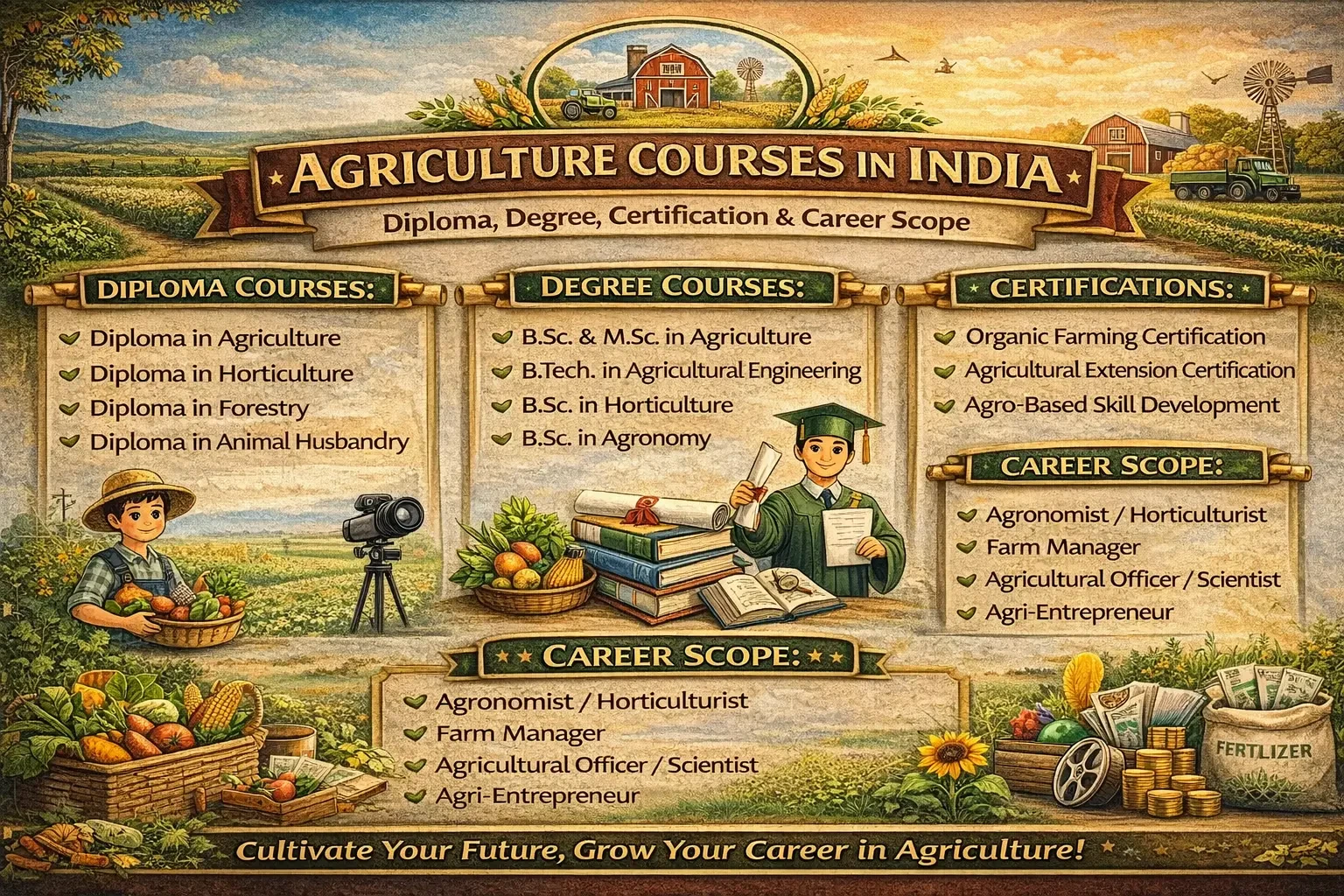
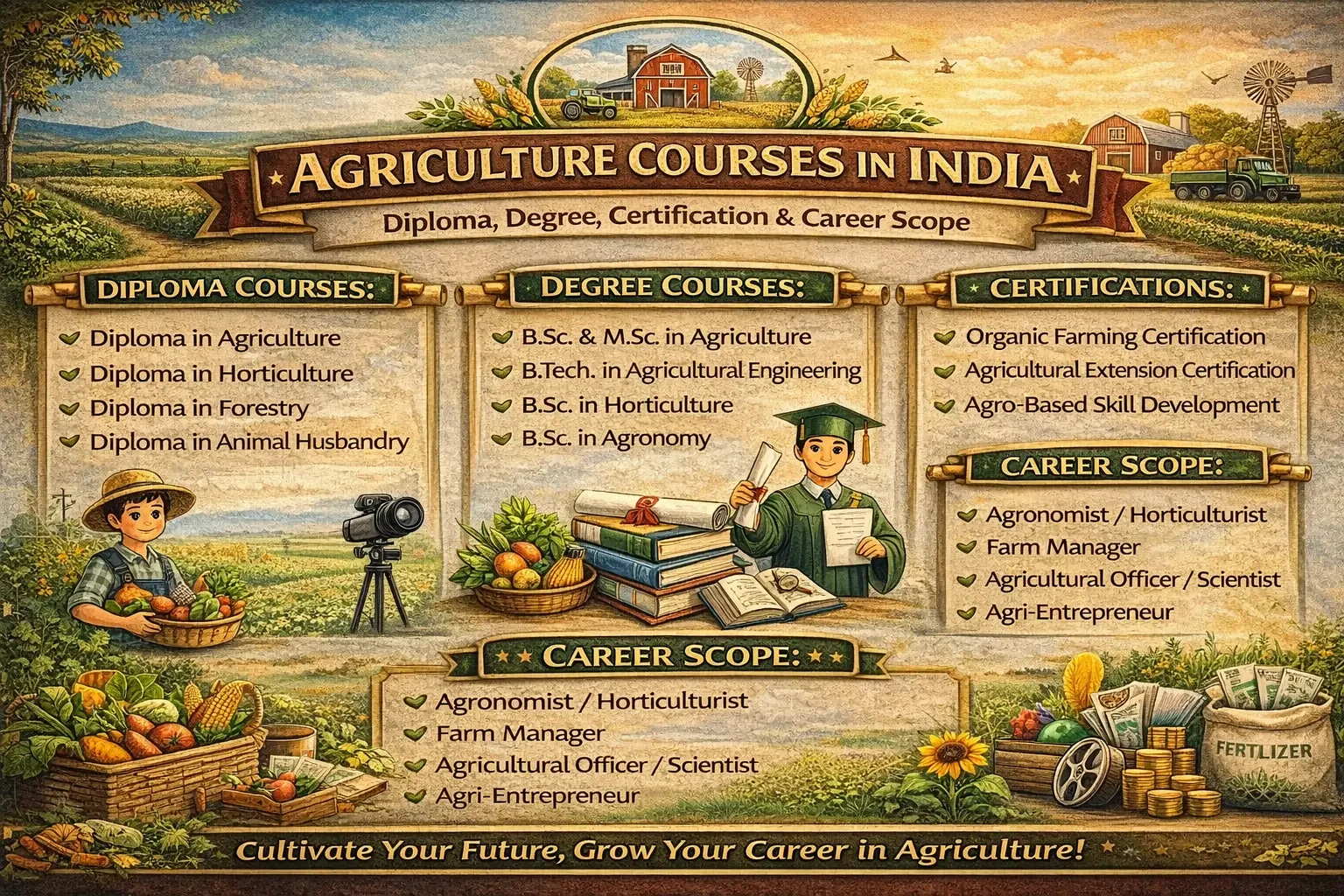
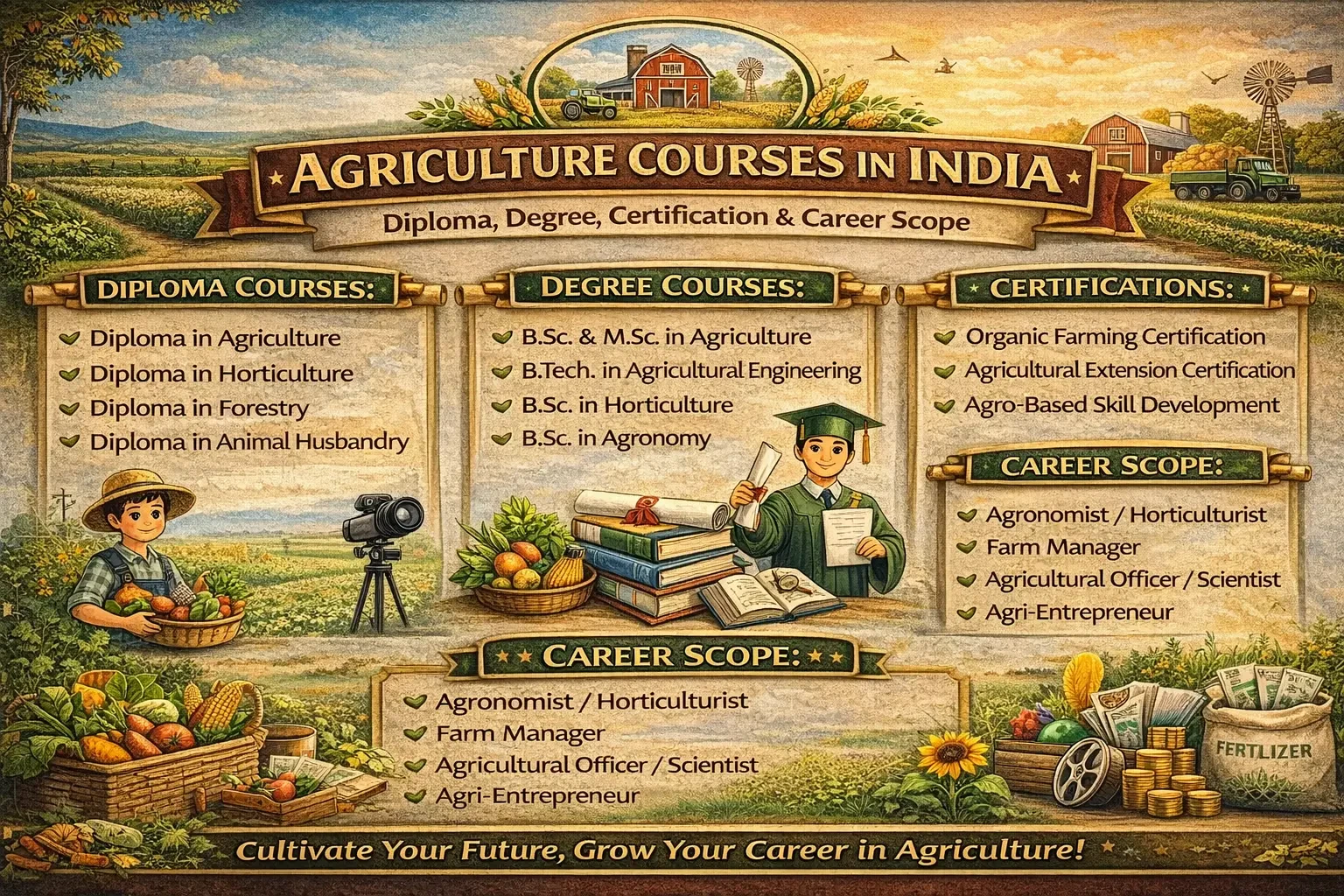
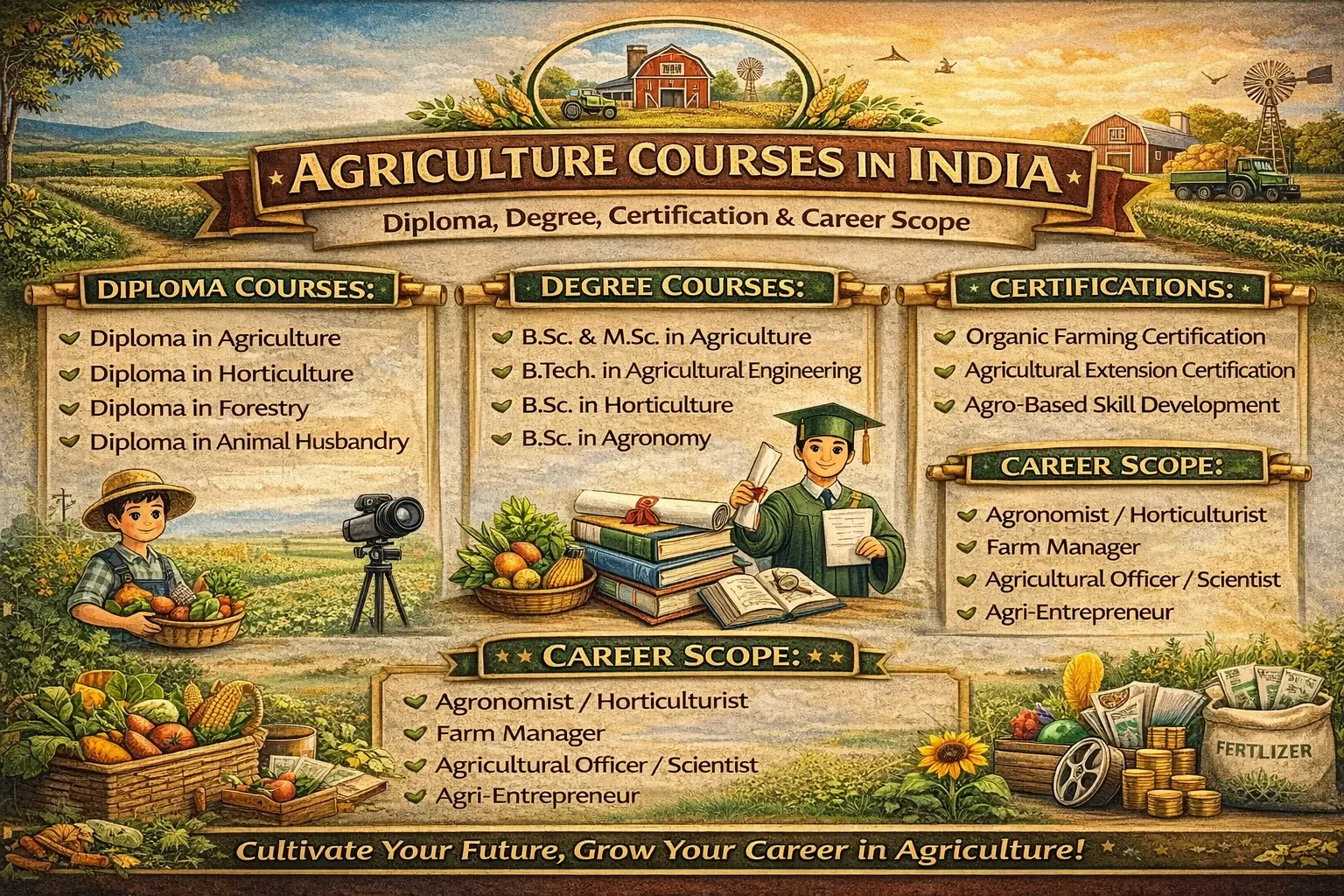
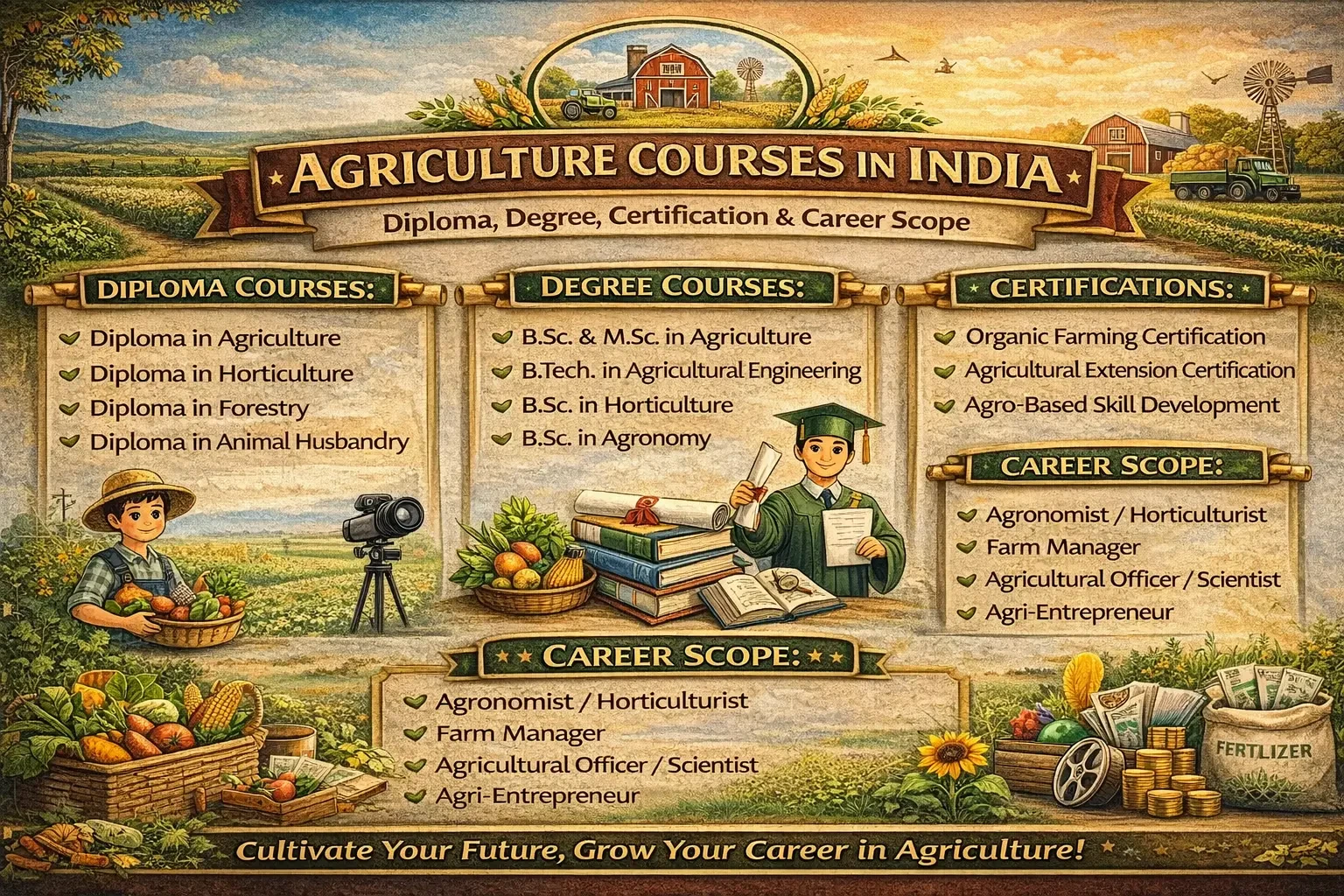
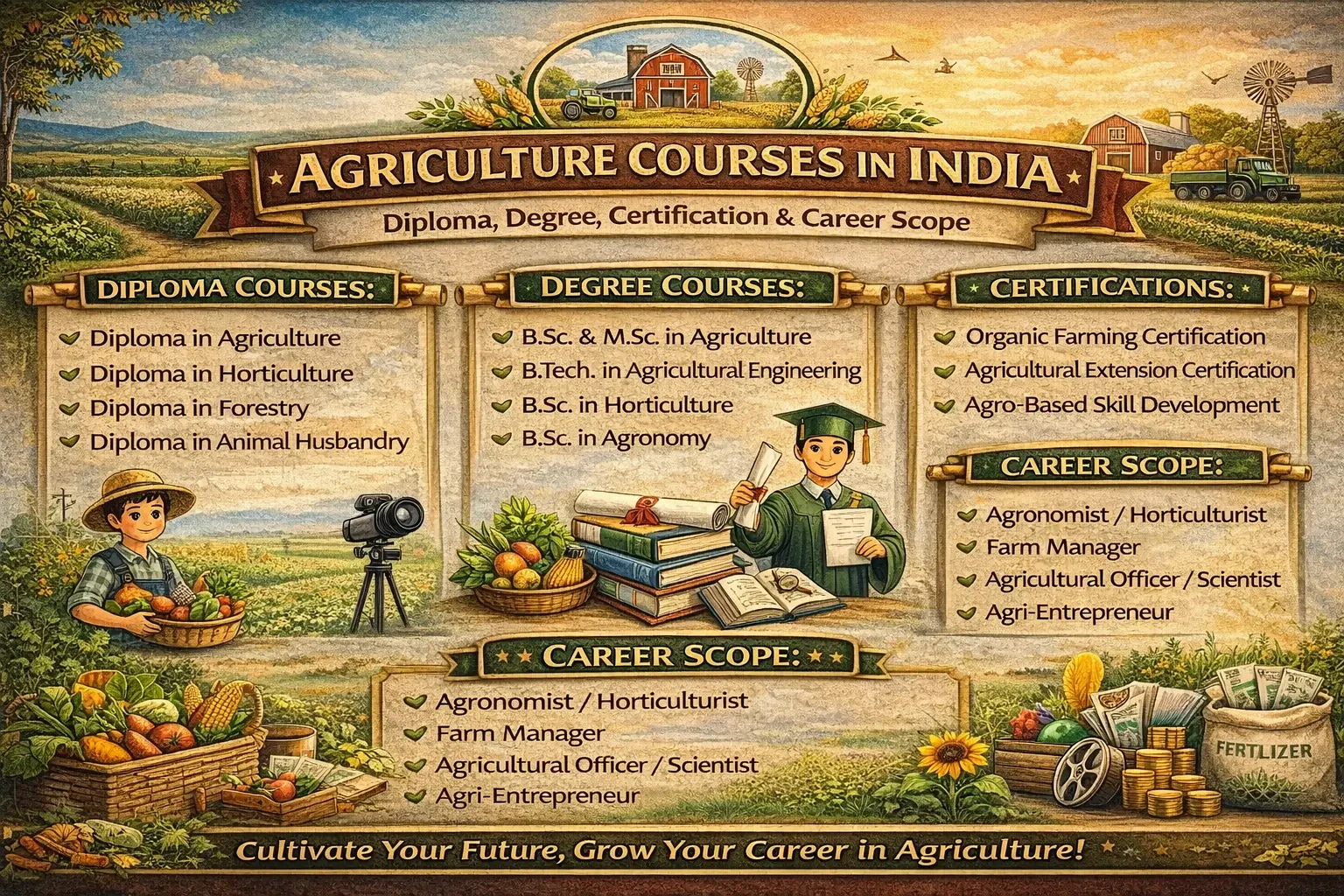
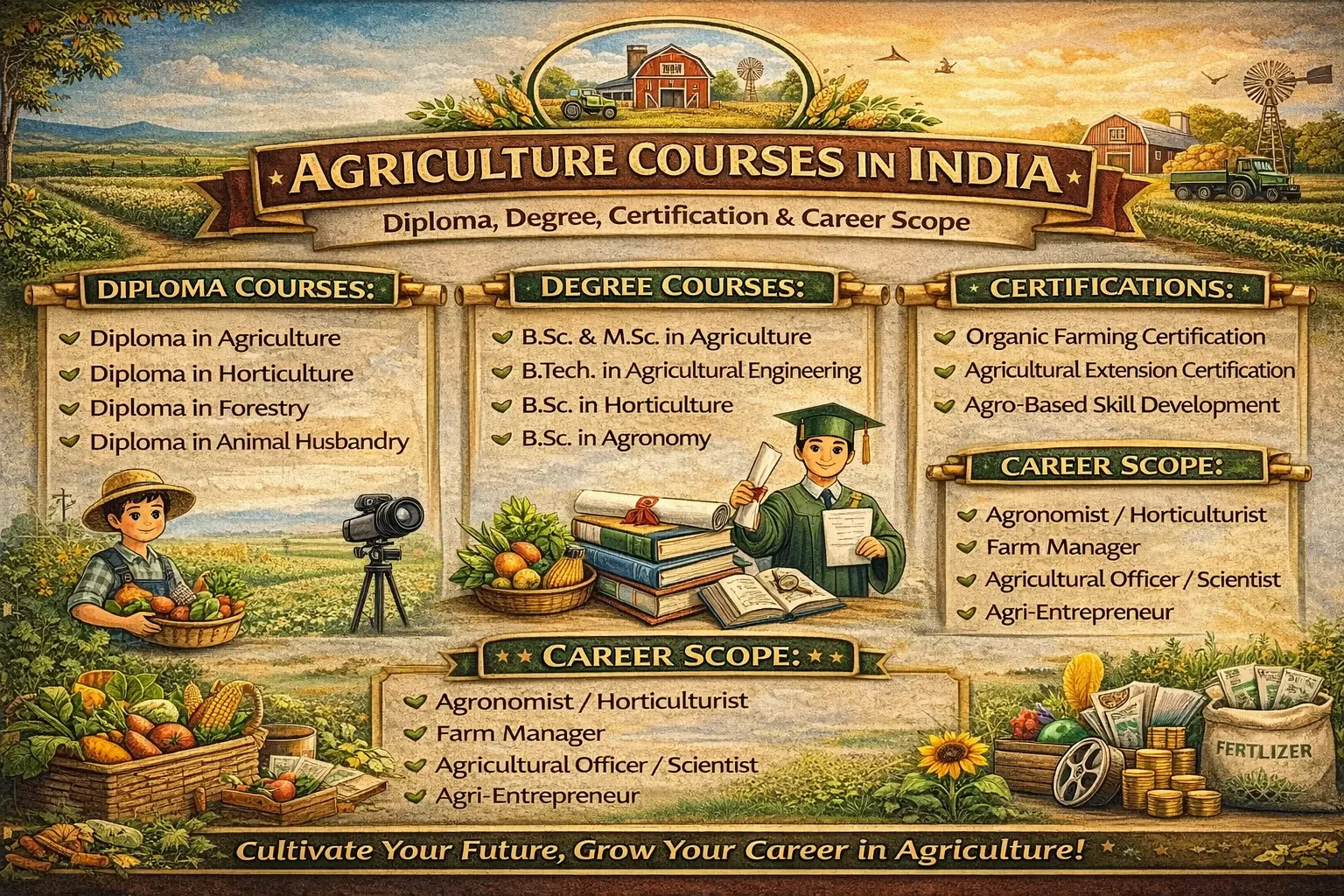
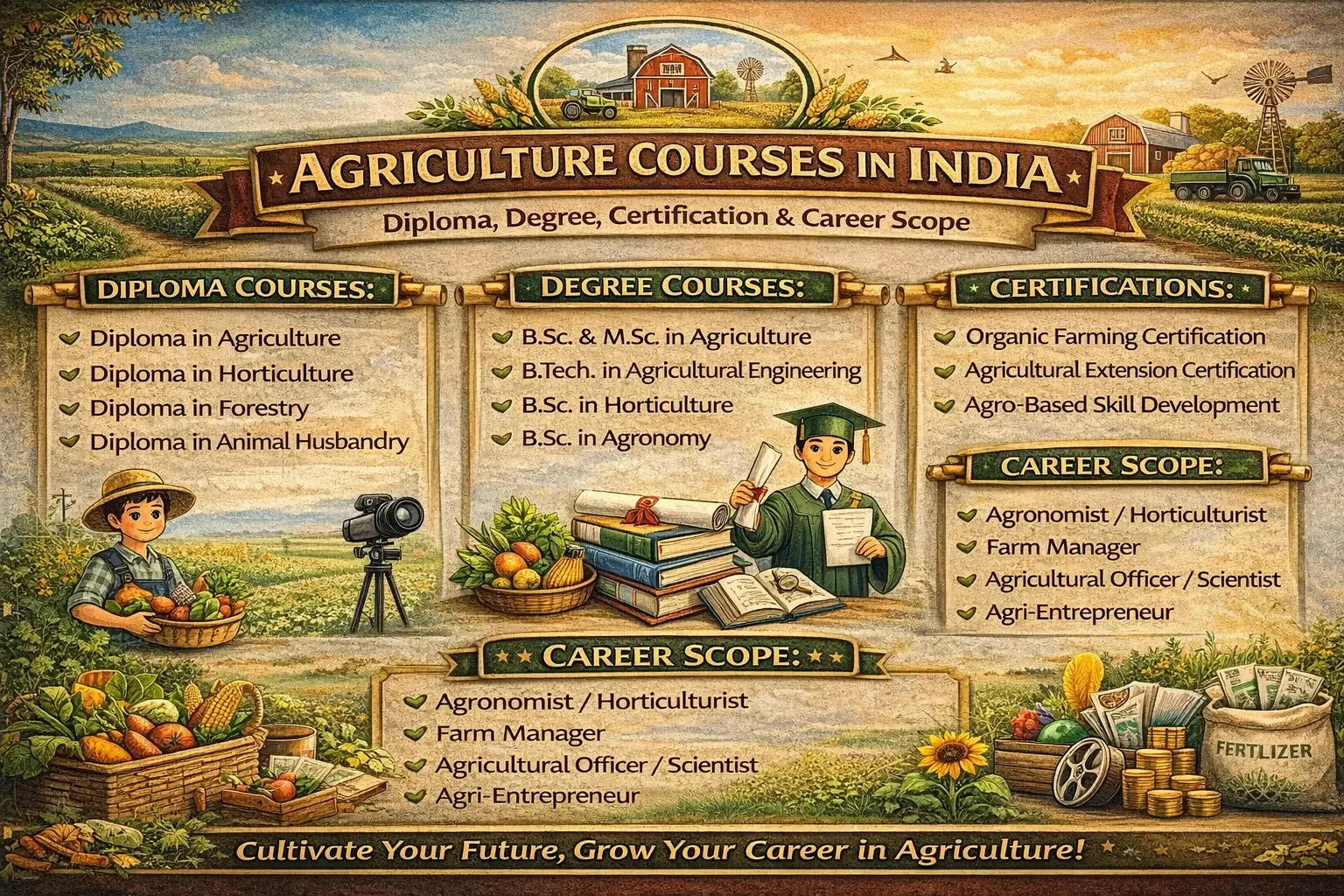
Diploma Courses in Forestry and Wildlife
Diploma programs focus on practical field skills.
- Duration: 1–2 years
- Anyone who finished tenth grade qualifies. Those past twelfth grade can apply too
- Finding footing among trees comes naturally to some. Others thrive where tasks stretch beyond walls. Both belong out there, where work blends with woods. Where duties shift like shadows under branches
Degree Courses in Forestry and Wildlife
Advanced learning comes through degree courses. These build deep knowledge using research methods. Studying at this level sharpens thinking over time. Programs like these shape how people explore ideas carefully. Learning goes further than basics here.
- BSc in Forestry
- Wildlife Science taught at university level for both bachelor's and master's degrees
- MSc in Forestry
- Some take three to four years right after school. Others spend two years later on
Certification Courses in Forestry and Wildlife
Short-term courses for skill development.
- Duration: Few weeks to 6 months
- Focus on conservation techniques and field methods
- Folks who study, love the outdoors, or work demanding jobs often find this useful. Sometimes it fits teachers. Other times hikers reach for it. Even office workers give it a try now and then
Forestry and Wildlife Courses Types
- Diploma programs
- Undergraduate degree courses
- Postgraduate degree courses
- Certification and skill-based courses
- Research and doctoral programs
Forestry and Wildlife Courses in India Basic Requirements
Most learners aiming for forestry or wildlife programs usually require:
- Finish school up to grade ten or twelve - science classes help. Some subjects matter more than others when picking candidates. The science background stands out on paper. Grades count but so does subject choice. Picking science might give an edge later
- Biology subject for degree programs
- Interest in nature, wildlife, and outdoor work
- Physical fitness for fieldwork
Some major forestry and wildlife institutes in India
- Forest Research Institute (FRI), Dehradun
- Wildlife Institute of India (WII), Dehradun
- Indira Gandhi National Forest Academy (IGNFA)
- State Agricultural Universities (Forestry Departments)
- Indian Institute of Forest Management (IIFM), Bhopal
Personality Traits Needed for Jobs in Forestry and Wildlife
Successful professionals often have:
- Passion for nature and wildlife
- Observation and research skills
- Endurance comes from steady breath, not force. A calm mind lasts longer than effort alone
- Problem-solving ability
- Environmental awareness
- Teamwork and leadership skills
Job Outlook for Forestry and Wildlife Careers
Jobs can be found across these fields
- Few trees stand guarded by state hands. Central oversight ties into local forest care teams. Officials from different levels share duties across green stretches
- Wildlife conservation organizations
- National parks and sanctuaries
- Environmental NGOs
- Research and academic institutions
- Ecotourism and forest management projects
Parks and Forests Jobs with Animals
- Forest reserves and protected areas
- Wildlife sanctuaries and national parks
- Research centres and laboratories
- Environmental consulting firms
- Government agencies
- NGOs and international conservation bodies
Farming and Nature Jobs
- Forest Officer
- Wildlife Biologist
- Conservation Scientist
- Range Officer
- Wildlife Researcher
- Forest Ranger
- Environmental Consultant
- Ecotourism Manager
Remuneration (Salary)
Paid amounts shift depending on position, also how long someone has worked. Different jobs bring different pay, shaped by time spent doing them
- Entry-level: ₹3–5 LPA
- Mid-level professionals: ₹6–10 LPA
- Top-level managers along with researchers earn more than 12 lakh rupees per year
Stability shows up in pay checks, perks come along too. Growth sticks around longer than expected. Benefits arrive without surprise, yet they matter just the same.
Why Forestry and Wildlife Work Appeals?
- Opportunity to protect nature and wildlife
- Contribution to environmental sustainability
- Diverse career options in government and NGOs
- Field-based and adventurous work
- Growing importance due to climate change
Conclusion
Starting a journey through forests and wild spaces might lead some toward studies rooted in nature’s balance. Because Earth faces deeper challenges, those drawn to wildlife often find their place in classrooms across India. Growth shows up quietly - through steady chances, real work, not grand promises. Protection of living things becomes a daily task, not just an idea. When attention turns to saving what remains, education stands ready, waiting for minds that listen closely.
 About Us
 Blog
Blog
 Insights & Awareness








 Ensure TV