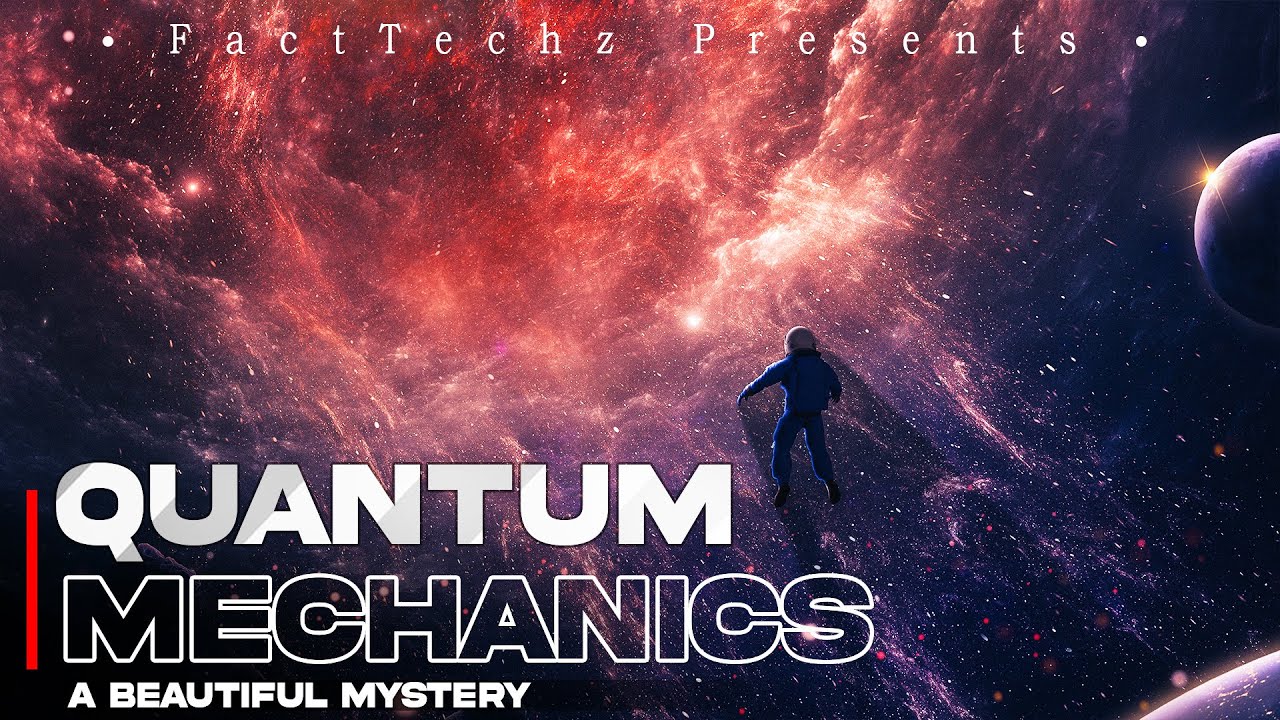
Quantum Mechanics – Understanding the Strange Rules of the Tiny World
What if you could see inside matter, down where everything gets fuzzy? Physics has a corner just for that - the world of super small things. Think electrons zipping around, light acting odd - yeah, it does not play by normal rules. This part digs into why tiny stuff moves unlike anything we touch daily.
Strange things happen in tiny worlds, that’s where quantum mechanics comes in. Picture this: instead of big objects, think particles acting weird on their own rules.
YouTube Video Link: https://youtu.be/BtU9lTrN2MI?si=aJb096zjo1aVB1vW
Understanding Quantum Mechanics?
Tiny things like atoms don’t play by the usual rules. What happens down there surprises anyone who expects order. A tossed ball lands where math says it should, every time. But electrons? They refuse to be pinned down so neatly. Reality shifts when size shrinks beyond what eyes can see. Predictability fades once you reach the level of particles. Big world actions make sense; small world behavior does not.
A single particle might be in two places at once. Yet these tiny things play by rules that feel strange when we watch them act.
Quantum Mechanics Key Ideas
1. Wave-Particle Duality
Waves sometimes describe how tiny things such as electrons move. Not every time do these bits follow the rules of hard little balls.
2. Uncertainty Principle
Picture this: German scientist Werner Heisenberg tossed out an idea about tiny particles. Knowing exactly where one is means you can’t be sure how fast it moves. Pin down its location tightly? Then its motion gets fuzzy. Try measuring speed dead-on, but then the spot becomes unclear. Sharpness in one blurs the other. That’s just how it works when things get super small.
3. Superposition
Until someone looks, a tiny bit of matter might be doing several things all at once. Nothing we see around us acts like that when left alone.
Quantum mechanics matters because it explains how tiny particles behave?
What makes your phone work? Quantum mechanics plays a role. Computers, lasers, even medical scanners rely on its rules. Without those tiny particle behaviors, much of today’s tech would fail. GPS systems need quantum precision to track locations accurately. Solar panels turn light into power using quantum principles. Hard drives store data thanks to microscopic magnetic shifts explained by the science. It is not magic - just physics working quietly behind everyday tools
Computers and smartphones
Lasers
MRI machines
Semiconductors
Some newer machines take shape using such ideas, even ones meant to handle quantum tasks.
Conclusion
Inside tiny pieces of everything, quantum mechanics shows what happens. Even if odd, these patterns reveal atom actions along with light and energy motion.
Astonishingly, this branch of science reveals a cosmos much stranger and tangled beyond earlier dreams. Because they probe quantum mechanics, researchers slowly uncover what hides deep within tiny realms.
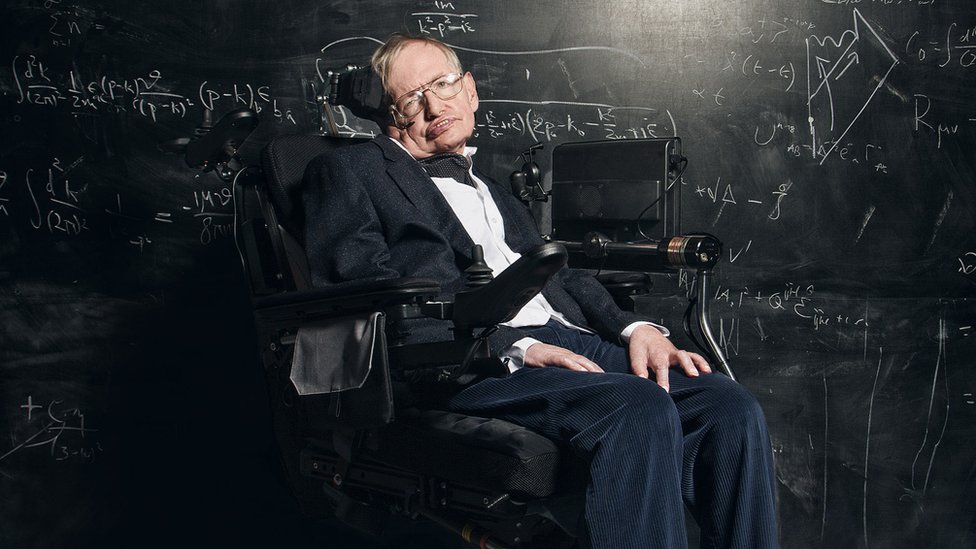
Some people change the world with their physical strength. Others change it with their ideas. Stephen Hawking was one of those rare individuals whose mind transformed our understanding of the universe.
Despite facing a severe physical disability, he became one of the greatest scientists in modern history. His life is not just a story of science — it is a story of courage, determination, and brilliance.
Let’s explore why Stephen Hawking is considered one of the most unique men in the world.
YouTube video Link: https://youtu.be/mzXqpW1KYmw?si=IT1lcmBfK5ix8vhh
Early Life and Diagnosis
Stephen Hawking was born in 1942 in England. From a young age, he showed great interest in mathematics and science. He later studied at the University of Cambridge and began researching cosmology — the study of the universe.
At the age of 21, Hawking was diagnosed with ALS (Amyotrophic Lateral Sclerosis), a motor neuron disease. Doctors gave him only a few years to live. Over time, he lost the ability to walk, speak, and move independently.
But here’s what makes him truly unique — he did not give up.
Contributions to Science
Hawking made groundbreaking discoveries about black holes and the origin of the universe. One of his most famous theories is “Hawking Radiation,” which suggests that black holes can slowly lose energy and evaporate over time.
He also worked on explaining the Big Bang theory and the nature of space and time. His ideas helped bridge the gap between quantum physics and general relativity.
His popular book, A Brief History of Time, made complex scientific ideas understandable for ordinary readers. It became an international bestseller.
Strength Beyond Limits
What truly sets Stephen Hawking apart is not just his intelligence, but his spirit.
Even after becoming completely paralyzed, he continued teaching, researching, and inspiring millions. Using a special computer-based voice system, he communicated his ideas to the world.
His life proved that physical limitations cannot stop the power of the human mind.
Legacy and Inspiration
Stephen Hawking passed away in 2018, but his legacy continues to inspire scientists and dreamers worldwide. He showed us that curiosity, courage, and determination can overcome even the toughest challenges.
He once said, “However difficult life may seem, there is always something you can do and succeed at.”
Conclusion
Stephen Hawking was not just a scientist — he was a symbol of resilience and brilliance. His work changed how we see the universe, and his life story reminds us never to stop questioning, learning, and dreaming.
In the vast universe he studied so deeply, Stephen Hawking will always shine like a star.
Long ago, people stared at the red dot in the sky, asking if life might grow there. Dreams of settlers on Mars used to fill only novels and movies. Now, those visions sit inside real research plans.
These days, machines reach farther into space than ever before - Mars feels closer. People who study planets now dig into real ways folks could live there one day. Space groups test ideas that may let us stay alive under rust-colored skies someday soon. Thinking about homes beyond Earth isn’t fantasy anymore - it’s work in progress. New tools shape what life might look like where only robots walk today.
YouTube Video Link: https://youtu.be/6ZaKKEofRdk?si=-I4Q_TFnYm1Ni6ti
Why Mars?
Of all the planets nearby, Mars feels closest to home. With features similar to ours, it stands out - its dusty red surface shaped by ancient rivers, a thin air wrapping around frozen poles, hills rising where robots now roam
Lasting just a bit longer than our planet's spin, it clocks in at roughly twenty four point six hours
Polar ice caps
Evidence of ancient water
Seasons like Earth
Frozen. Barren. Yet experts see Mars as our most realistic shot at living off the planet. Despite the chill, despite the dust, something about its rough terrain feels like a next step.
Some groups, including NASA, plus private outfits like SpaceX, have their eyes set on getting people to Mars one day. Missions are taking shape slowly, shaped by long-term thinking and careful steps forward. The goal isn’t loud or flashy - just steady progress toward a red planet.
Living on Mars Problems
Mars won’t welcome settlers kindly. Tough hurdles stand in the way -
1. A person could not survive on Mars without help because the air has almost no oxygen. Breathing there is impossible since carbon dioxide fills the sky above. Even if someone reached the surface safely, they would still require sealed living spaces. The pressure outside drops so low that human bodies cannot handle it naturally. Life depends on strong shelters keeping air inside where people stay.
2. Frost bites air down near -60°C, sometimes colder without warning. A deep freeze holds steady, creeping past known lows now and then.
3. Out in space, Mars lacks a solid shield. So cosmic rays hit freely. A weak magnetic presence means danger stays high. Particles from deep space move in without blockage.
4. Fresh meals on Mars might come from sealed greenhouses where crops thrive under artificial light. Beneath the surface, frozen reserves could slowly feed streams of liquid through heated drills.
Farming without soil catches the eye of researchers tackling tough challenges on Mars. Beneath the surface, shelters take shape where humans might one day live. Life-support tech evolves quietly, piece by piece, far from public view.
Human Survival Possibilities in Harsh Environments?
future mars colonies could have
Dome-shaped habitats to maintain air pressure
Solar panels for energy
Greenhouses for growing crops
3D-printed buildings made from Martian soil
One idea floating around is turning Mars into a place where people could live, by altering its air bit by bit. Still, that kind of shift wouldn’t happen fast - think centuries, maybe longer.
Why Colonize Mars?
There are several reasons why colonizing Mars matters:
If Earth ever suffers worldwide catastrophes, staying alive might depend on having options beyond our planet
By stretching what science understands
To push technological innovation
To satisfy human curiosity and exploration
Might Mars be where people finally spread beyond Earth? That red planet may hold the key to living on more than one world.
Conclusion
One bold step ahead - settling Mars stands among humanity’s grandest aims. Though hurdles remain, progress in science slowly turns the idea into something real.
One day, people could walk on Mars even if it does not happen right away. Decades from now, boots might touch that dusty soil, starting something different in how we reach beyond Earth.
Ever stared into the dark and asked what happens when a star ends? Most folks picture them glowing endlessly across black space. Yet reality tells another story - each one follows a path, starting bright, lasting millions of years, then fading out. Stars aren’t eternal; they begin, burn long, finally collapse or explode.
A single star might meet its fate in a blaze so intense it outshines whole galaxies. This kind of burst isn’t merely fireworks on a cosmic scale - it tears matter apart. Only rarely does nature unleash such raw power across space.
A star explodes - that is a supernova. Its brightness can outshine entire galaxies for weeks. Such an event spreads heavy elements across space. Without these explosions, planets like Earth could never form. One blast seeds the cosmos with material for new stars, even life itself.
YouTube Video Link: https://youtu.be/afqsHkc5IC0?si=S6BRmrygOgl2YcPZ
What a Supernova Is?
A giant blast marks the final act of a star's existence. At that moment, light from the dying star outshines countless others in its galaxy.
One kind of supernova happens when a massive star runs out of fuel. Another occurs if a white dwarf steals material from a nearby companion. These explosions light up space in powerful ways
A sudden burst of light appears when a dense remnant steals material from a partner in space. Over time, the stolen gas pushes the thief past its limit. Collapse follows - then flash. The explosion tears through what once was balance.
A giant star dies once its fuel is gone. When that happens, gravity pulls the center inward. That collapse triggers an enormous blast. The result? A powerful cosmic event unfolds.
Out into space, a huge burst of energy, light, plus particles flies free from each kind.
After a supernova stars explode and scatter elements across space?
Out of the blast, what's left might become something strange - nebula clouds twist into shapes never seen before. From that wreckage, crushed cores sometimes survive, spinning fast. One piece collapses inward, then lights up again as a pulsar beams energy across space. Sometimes gravity wins completely, leaving only darkness where light once poured out
A ball of leftover stuff after a big explosion in space. Packed tight with tiny particles called neutrons.
A black hole might form when gravity crushes a huge star inward. What remains vanishes behind an invisible boundary, pulling everything nearby.
A well-known sight, the Crab Nebula formed when a star exploded - people first saw it light up in the year 1054. That burst, recorded long ago, left behind what we now study as expanding gas and dust.
Inside the Milky Way alone, plenty of leftover pieces from exploded stars can still be found.
Why supernovae matter?
Out of chaos, light is born. Stars explode, yet dust becomes seeds.
A blast hurls iron, gold, and calcium across space. Out of that scattered debris, fresh stars take shape - later, worlds form too. Inside you, the iron flowing through veins began in a stellar fire long before Earth existed.
From stardust, every one of us comes - tiny pieces of exploded suns woven into bone and breath
Conclusion
A single flash - brighter than entire galaxies - can signal a star’s last moment. Yet within that burst, dust and atoms scatter, later forming planets, maybe even life.
When you glance up at the dark sky again, keep this in mind - far out in space, a star could be bursting apart, scattering pieces needed for life into the void.
That moment when you stop mid-step - wondering why things matter, how choices shape us - it’s happened before, hasn’t it? Questions like "Why are we here?" or "Is stealing always bad?" sneak up quietly. Spotting them inside your thoughts means one thing: philosophy has started knocking at your door.
Not stuck in dusty old books, philosophy lives in asking why things are. Digging deep into thought marks its rhythm - peering at what we know, how we live, why truth matters. Rooted in Greece, the name builds from philo, meaning love, tied not with "and" but through a quiet bond to sophia, which stands for wisdom. To do philosophy? That act becomes loving the search more than holding answers. Its pulse beats now, not only back then among robed thinkers under olive trees
Let’s explore what philosophy really is in a simple and conversational way.
YouTube Video Link: https://youtu.be/rpNW1zqId4g?si=01GvkBJbIJ31yZvf
What Is Philosophy?
Philosophy digs into life's biggest puzzles. Think about things such as:
What is real?
What is truth?
Do we have free will?
What makes something right or wrong?
Does God exist?
Starting with questions, philosophy digs deep using reason instead of lab work. While science runs tests, thought becomes the tool here - shaping understanding through careful analysis rather than measurements.
Questioning what seems obvious was pushed by old-time thinkers such as Socrates, Plato, and Aristotle. Over in India, minds like Adi Shankaracharya and Gautama Buddha dug into awareness, pain, and what's truly real instead.
Main Branches Of Philosophy
Philosophy is divided into different branches:
1. Reality, what it means to exist - that is where metaphysics begins. The universe might be more than things we touch. Some truths hide behind how we see stuff. Why does anything at all stand here instead of nothing? Thoughts about being shape how questions grow. Not every answer fits inside facts. Wondering changes what counts as real.
2. Epistemology – Studies knowledge. How do we know what we know?
3. Right or wrong - how do people decide what to do? This area looks at moral choices, questioning actions instead of just accepting them. Behavior gets examined through real situations, often messy ones. Choices show values more than rules ever could.
4. Logic – Studies reasoning and arguments.
One way branches guide thought is by cutting through confusion. A clearer picture of reality emerges when we follow their paths. Thinking tightens where ideas connect like roots. Insight grows not in leaps but in small steps. Branches pull understanding into focus, slowly.
Philosophy helps people think about life questions?
Thinking deeper begins with questions, not answers - philosophy shapes that habit. Because clarity matters, it sharpens how we weigh ideas. When choices arise, its influence shows in quieter moments of reflection.
Still now, thinking shapes how we run governments, explore nature, make rules, and follow beliefs. Questioning what others say without just agreeing - that moment is already philosophy at work.
Conclusion
Philosophy begins where wonder does. Not just answers but deeper thinking shapes its path through time. Questions matter most when they linger past easy replies. Wisdom grows slowly, like roots beneath soil unseen. Curiosity drives it forward without needing speed. Assumptions get questioned simply because they’ve been left unexamined too long. Understanding widens when self-reflection meets outer mystery. The universe reveals little unless approached with patience.
Questions can shake things loose where answers often settle too fast. Philosophy pokes at what seems obvious, especially when everything else rushes to close the door.
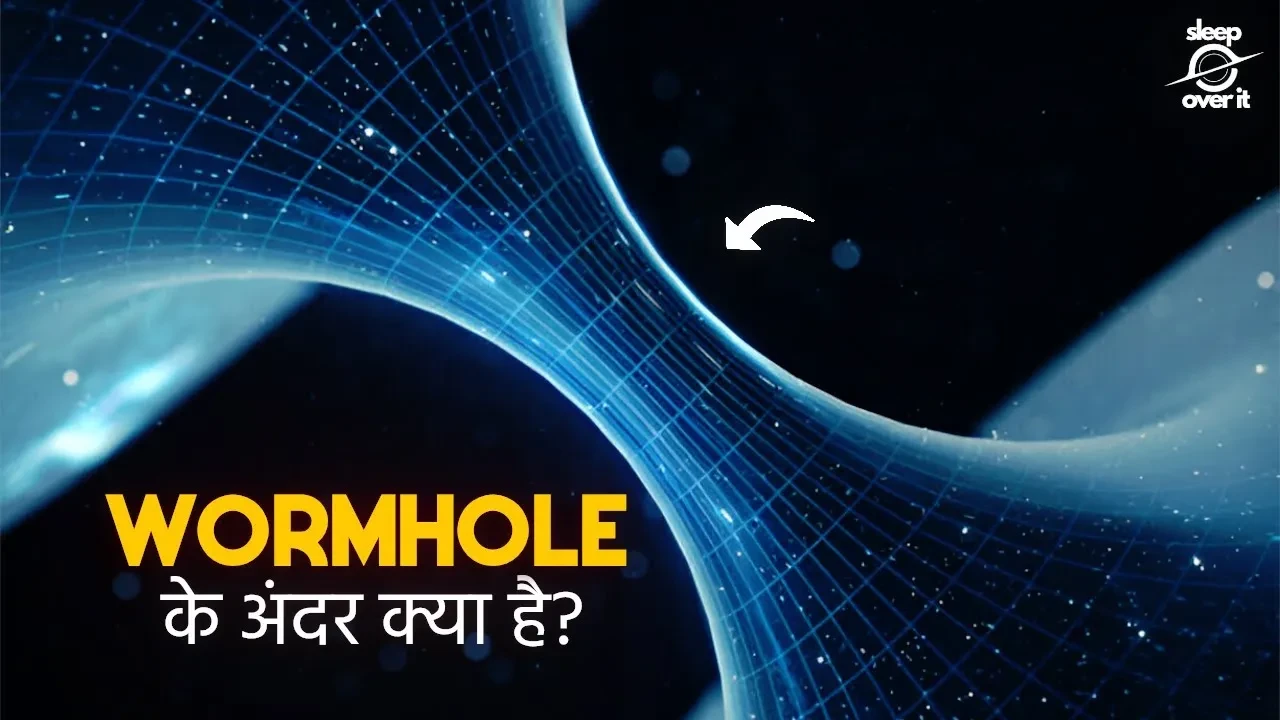
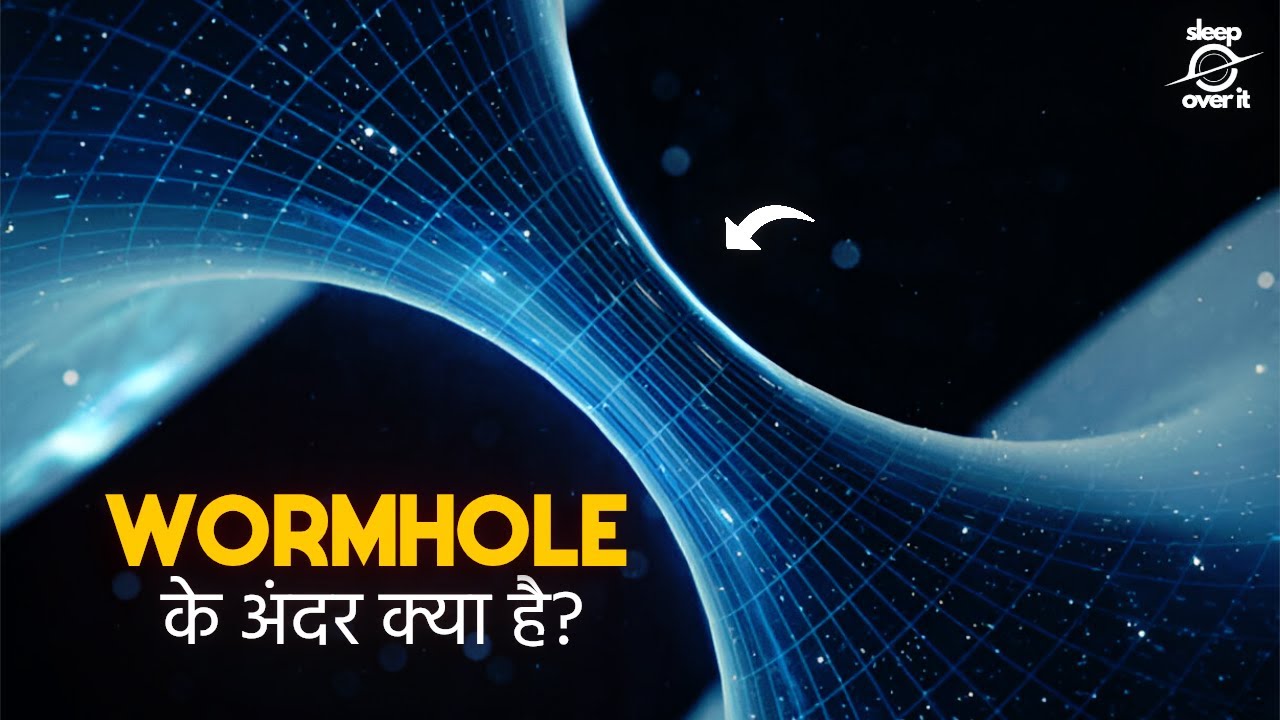
A tunnel through space - wormholes spark curiosity like few cosmic concepts do. Often pictured in films, they zip characters across vast distances without delay. Yet here comes a puzzle worth pondering. What fills such a passage? Inside might not be emptiness but something far stranger.
Truth sits like an unfinished equation - wormholes remain ideas, not sights. Not once has a scientist seen one up close. Still, guided by theory, guesses about their insides take shape. What hides within could follow rules buried in math.
YouTube Video Link: https://youtu.be/xtb4IfpPFRk?si=vc9BR9qunnhgf5b5
What a Wormhole Is?
A shortcut through space might exist, linking distant spots across the cosmos. From Einstein’s ideas about gravity came this possibility. Bending happens where matter warps both space and moments passing by.
Twisting space-time too far could form a bridge between spots far apart. That gap, known as a wormhole, connects points across vast distances.
Inside a Wormhole Possibilities?
Wormholes aren’t proven - just ideas shaped by math. Those equations suggest:
1. A Curved Path Through Space and Time
A tunnel like that probably bends time and space sharply within. Moving along it means skipping regular paths, taking a warped detour instead.
2. Extreme Gravity
A pull like that deep within a wormhole might tear objects apart. Anything moving through may get squeezed just as easily.
3. Exotic Matter (Possibly)
Maybe exotic matter keeps wormholes from slamming shut. It’s not ordinary stuff - more like math made real, where energy dips below zero. Picture empty space pushing outward instead of pulling in. If that ingredient goes missing, the tunnel likely pinches off immediately.
Would It Be Safe?
A wormhole found in nature probably wouldn’t last long - its structure might give way without warning. One moment it's there, the next, gone. Radiation inside could fry anything near it. Gravity within such a tunnel may crush objects like paper in a fist.
A wormhole journey? Still just a story, not something we can do. Right now, it stays in movies and books instead of labs and rockets.
Conclusion
A wormhole remains unknown in reality since none have ever shown up. Still, science imagines it as a passage where space and time bend sharply. Exotic stuff might keep it propped apart, while intense gravity wraps around its edges.
Out past the edge of known science, wormholes linger like unanswered questions. Still puzzling researchers, they also spark tales from those who write about hidden corners of space. Not fully understood, these gaps float between theory and wonder. What hides on the far side? Nobody can say for sure.
Ever think about how power gets from a distant station to your living room lamp? Hit a switch, light appears - yet beneath that ease lies an enormous network known as the electric grid. Its workings stretch far beyond what meets the eye. Each part connects without flash or drama, just steady links across miles of wire and substations.
A web of wires carries power across long distances, starting at plants and ending in homes. Picture this flow moving fast through towers and lines. It jumps from one point to another, never stopping until it reaches its target. Stations along the way adjust the strength so things run smoothly. This system stays balanced only when supply matches what people actually need.
YouTube Video Link: https://youtu.be/rDe4ipDwYJk?si=zh_8GrfzxmjHU5Cu
Electric Grid Basics?
Power flows through a network made up of generators, towers, wires, and transformers. Starting at production sites, energy travels long distances on high-voltage routes before reaching local areas. Instead of stopping early, it moves into smaller channels where voltage gets lowered for safe use. From there, buildings like clinics, classrooms, houses, and factories receive the current they need every day.
Power generators link directly to users through it.
Main Components of the Electric Grid
Pipes carry power across long distances, much like rivers moving water. One piece makes electricity, somewhere else it gets delivered. Wires stretch between places where energy is born and homes that use it
1. Power Generation
Fuelled by coal, power stations spark electricity into life; natural gas joins in too. Nuclear reactions hum deep inside reactors to light up homes across cities. Solar panels stretch wide under open skies, catching sunlight drop by drop. Wind turbines spin without pause where breezes rush through hills and plains. Water pushes hard against dams, turning force into flow we can use. Each method moves energy forward, yet works its own way.
2. Transmission
Once made, electricity moves along thick cables hanging on tall towers. From where it's produced, power zips across miles toward homes and businesses, riding those wires silently above fields and roads.
Far less power slips away when high voltage moves it across long distances.
3. Distribution
Few spots called substations take high-voltage power and dial it down. From there, the flow slips into smaller paths - reaching houses, shops, places that need juice.
This marks the last stage before power gets to your outlet or light switch.
Electric Grid Importance Explained?
The electric grid is essential because it:
Provides reliable electricity supply
Supports industries and businesses
Powers hospitals, schools, and homes
Maintains economic growth
Flickering lights go out, cities slow down. Power lines hum silence, routines unravel. Homes sit dark, machines stop. Work halts, communication fades. No refrigeration, no charging, streets dim early. Life moves differently - slower, harder, unfamiliar.
Smart Grid Technology
Right now, nations around the world are building smarter electrical networks. These systems rely on digital tools that track how electricity moves through lines. Instead of guessing, they adjust supply based on real-time data. When storms hit, blackouts happen less often. Efficiency climbs because waste drops sharply. Equipment talks to itself, catching problems early.
Conclusion
A web of wires stretches across cities, delivering energy made far away. Power plants start the flow, sending it through high lines. From there, smaller routes carry current into homes. Safety checks happen every step without delay. This system works day and night so lights stay on.
Blink an overhead lamp into life, and miles of hidden pathways hum awake. That quiet moment? Built on layers most never see yet rely on without pause.
Power keeps everything going every day. From lighting rooms to moving factories, fueling cars, or topping up phones - it all takes juice. Yet old methods such as burning coal or oil won’t last forever, besides dirtying the air. That’s when cleaner options start making sense.
Sunlight hits Earth every day without stopping. That power can become electricity through panels on rooftops. Wind blows across fields and coastlines, turning turbines slowly. Water flows downstream in rivers, spinning wheels hidden inside dams. These forces do not run out when used right. They leave behind almost no pollution after work finishes. Plants grow back each season if treated gently. Their stems burn safely to make heat later. This kind of energy lives in cycles nature controls alone.
YouTube Video Link: https://youtu.be/jdeh-mrwCYU?si=pOw9L0sdz3XRKonm
Understanding Renewable Energy?
Sunlight keeps showing up, just like wind and water flow - sources that refill themselves without help. Fossil fuels need ages to remake, but these? They return long before we’re gone.
Common types of renewable energy include:
Solar energy
Wind energy
Hydropower
Biomass energy
Geothermal energy
Types of Renewable Energy
1. Solar Energy
From the Sun we get solar energy. Capturing light from above, solar panels turn it into electric power. Among clean energy options, this kind spreads quickest today.
2. Wind Energy
Air in motion powers wind turbines, creating electric current. Where winds blow strongest, you’ll find clusters of these spinning machines set wide apart across flat land.
3. Hydropower
Water in motion, captured from rivers or held behind dams, spins turbines to make power. Among green energy options, this method has been around longer than most.
4. Biomass and Geothermal
From plants and animals, leftover stuff becomes fuel. Deep underfoot, warmth rises through rock layers.
Renewable Energy Benefits
Renewable energy offers many benefits:
Reduces pollution
Lowers greenhouse gas emissions
Reduces dependence on fossil fuels
Creates job opportunities
Provides sustainable energy supply
Challenges of Renewable Energy
Facing hurdles even with advantages, renewable energy deals with issues like:
High initial installation cost
Weather dependency (sunlight and wind)
Need for energy storage systems
Conclusion
Sunlight, wind, and water offer ways to power life without smoke or waste. Because these sources renew themselves, they keep giving without running out. A quieter world could come from choices that don’t burn things down to nothing. From morning light to river flow, there’s motion everywhere ready to be used. Instead of digging deep into earth, maybe answers float above ground.
Faster progress in tech pushes renewables into the spotlight of worldwide power supply. Picking green sources now shapes a healthier future ahead.
Out in space, wild things happen - like stars blowing apart in fiery bursts. When a big star runs out of fuel, boom, it explodes. That flash can outshine every star in a galaxy put together, even if just for a while. Brighter than anything else around, lighting up the dark.
A star explodes when its life ends, that event has a name - supernova. This explosion spreads elements across space, shaping future stars. One reason it matters? Without these blasts, planets like Earth wouldn’t exist. The heavy stuff inside us, iron in blood for example, was forged in such violent endings. So each blast isn’t just destruction - it also seeds possibility. Life itself ties back to ancient stellar deaths.
YouTube Video Link: https://youtu.be/dMfGKgUnAew?si=Pexu8wpqtoKCq9I3
What a Supernova Is?
A flash in deep space - one star ending its life with a burst brighter than galaxies. Stars that burn through their core material lose balance, crushed by their own weight. Once pressure fails, everything caves inward before snapping outward in chaos.
A sudden burst sends huge energy outward, scattering light across the void while pieces fly free.
Supernova Formation Explained?
A single star might collapse under its own weight, causing a massive explosion. Or - when paired closely - a white dwarf pulls material until it bursts violently.
1. Massive Star Explosion
A single heartbeat of light ends in thunder when massive stars run out of fire. Gravity wins fast once power fades deep inside. Without fuel, everything caves inward without warning. That crash outward becomes one bright last breath across space.
2. White Dwarf Explosion
A lone white dwarf might burst apart when pulling material from a companion. Reaching its breaking point, the star detonates in a violent flash across space.
Supernovas Help Elements Spread Across Space?
Out there among the stars, supernovas shape how things unfold. These explosions scatter heavy elements across space. A single blast can trigger new star formation nearby. Without them, planets like Earth wouldn’t exist. Their energy reshapes entire galaxies over time
Heavy stuff such as gold forms when stars crash. Silver appears in the burst of shattered star cores. Iron spreads across space after giant suns explode
Place each piece out wide through the area
Help form new stars and planets
Far-off star bursts long ago made most stuff we see here now.
After a Supernova What Remains?
Once the blast ends, what is left of the core might turn into:
A neutron star
A black hole might form instead, depending on how heavy the star was at first
Out here, the surface gases drift apart, creating bright swirls known as nebulae.
Conclusion
When a star explodes, it unleashes energy unlike anything else out there. Though that explosion tears through space, fresh building blocks scatter where nothing existed before.
Out of massive blasts, fresh stories begin. When stars explode, it isn’t closure - more like a pivot in an endless sky dance.
Faster than before, tech keeps moving - right now Neuralink stands out as a debated leap. Started by Elon Musk, it builds gear linking brains to machines without wires. The goal? Let thoughts talk straight to computers.
Truth hides somewhere between praise and panic. A few hail this as medicine’s boldest leap forward. Fear paints another picture - one of danger looming large. Yet reality likely sits closer to the middle ground. Looking at each perspective brings clarity.
YouTube Video Link: https://youtu.be/9-B8GwCNOJg?si=mlHR_ziSltUe5z_x
Neuralink aims to link brains with computers using tiny implanted devices?
Built by Neuralink, small chips go inside the brain. Placed during a procedure, they connect directly to neural tissue. Their purpose? To track or influence brain signals over time. Tiny wires carry data out, feeding information to external devices. Each chip works silently beneath the scalp, running without interference. Signals move between neurons and machine, creating a link that adapts. Movement, thought, sensation - these become inputs. Not magic, just precision engineering shaping what comes next
Help paralyzed people move again
Allow people to communicate using thoughts
Treat neurological disorders like Parkinson’s disease
Potentially enhance memory or cognitive abilities
Fusing minds with machines shapes what comes next. Intelligence, both born and built, blends into one path forward.
Some See Danger In What Others Accept?
Neuralink raises multiple concerns
1. Privacy Risks
Machines reading brain activity bring up concerns - what if someone accesses your mind without permission? Privacy takes a strange turn when thoughts might be stolen or twisted.
2. Ethical Concerns
What happens when we change how the brain works? Big moral questions come up. Is it right for people to boost smarts using machines? Power over such tools - who gets to decide that? A shift in thinking starts there.
3. Social Inequality
Should brain chips stay out of reach for anyone but the rich, a divide might grow - those upgraded, those left behind. A line forms quietly: one side gains an edge through technology, the other moves forward as before.
4. Dependence on Technology
Fear grows some skills could fade if people blend too closely with tech tools. Machines might start doing what humans once did by themselves.
The Other Side of the Debate
Supporters see potential in Neuralink
Restore independence to people with disabilities
Revolutionize medicine
Help humans compete with advanced AI
Unlock new understanding of the brain
What it does hinges on care behind choices made while using it.
Conclusion
Honestly calling Neuralink the "biggest threat to humanity" might go too far, still the worries aren't made up. These brain-machine links could change medicine and what people can do - even so they come with tough moral puzzles and risks you can’t ignore.
Neuralink's path ahead? Shaped by how tightly it's regulated. Clear rules matter. So does openness. Progress needs care. Think of the tool like fire - dangerous only when handled wrong. Mistakes might come from corners cut. Watchfulness keeps risks low. Power lies not in wires or chips, but who controls them. Slip through cracks, problems follow. Good intent means little without checks. Safety grows where accountability lives.
Thoughts moving machines - no hands, no buttons. Science fiction? Not anymore. This real thing goes by another name: brain-computer link. A mind talks straight to tech, skipping speech or touch. Machines respond before fingers twitch.
Here’s one way it happens: signals from your mind link up with technology, skipping hands or voice. That connection makes machines respond just by thinking. Imagine starting a device not by touching it but through silent thought instead. The process skips nerves and spoken words entirely. Some call it a bridge - brain on one side, gadget on the other.
YouTube Video Link: https://youtu.be/MWY3IefZ0XQ?si=TeO65D5CnW5U30TF
Brain Computer Interface Explained?
Signals from the mind get picked up by a system able to turn thoughts into actions a machine follows. Instead of moving parts, it uses electrical activity captured directly from the head. This link skips muscles entirely, relying on patterns spotted in real time. What comes out looks like typed words or moved cursors - no buttons pressed. Machines respond because software translates inner pulses into digital orders.
Electrical sparks fly inside your head whenever you ponder, shift position, or sense a sensation. When those pulses show up, a device picks them out - then turns the patterns into moves like guiding a pointer across glass or bending an artificial arm at the elbow.
Understanding Brain Computer Interface Function?
First things first - step one kicks everything off. Following that comes the second part, which builds on what came before. Last but not least, the third stage wraps it up completely
From tiny pickups on the head to devices tucked into brain tissue - these tools catch the faint signals nerves send when they fire. Electrical whispers rise through neural networks, spotted by sensitive receivers watching for shifts in voltage. A spark moves, a sensor notices. Not magic - just precision tuned to track pulses where thought begins.
A single machine takes electrical impulses from the mind, turning them into readable patterns. What follows is translation through careful digital sorting. One step at a time, raw neural activity becomes meaningful data. After that comes interpretation - quiet, precise, without guesswork. Each burst of signal gets examined, then mapped. Slowly, understanding emerges from noise.
A signal gets changed by the machine into movement - maybe keys pressed, a chair rolling forward, or a mechanical arm responding. What happens depends on how it's set up, yet each result comes from that first impulse shaped quietly behind circuits.
Brain Computer Interface Applications
BCI technology has many important applications:
Helping paralyzed patients communicate
Controlling artificial limbs
Assisting people with neurological disorders
Playing games meets computer-made worlds
Advanced medical research
Fiddling with brain-computer links, a few firms now test how to sharpen recall and picking up skills.
Challenges of BCI
Even so, brain-computer interfaces run into issues like
High cost
Technical complexity
Ethical concerns
Privacy and data security issues
Finding better ways to keep things secure while opening doors for more people - that’s what the team focuses on now.
Conclusion
From thought to action - a link forms between mind and machine through Brain-Computer Interfaces. Commands once locked inside the skull now move outward, guided by electrical whispers of intent. Instead of hands or voice, silent patterns shape responses in external devices. This shift lets paralyzed individuals send messages using only mental effort. Medical tools evolve beyond physical limits when nerves team up with digital systems. Innovation finds fresh ground where neurons meet code without wires. Communication reshapes itself, not through speech, but through focused intention made visible.
Ahead of its time, BCI hints at a world where machines tap into thought, opening paths nobody expected. Though unfinished, it shows how deeply tech might one day link with the mind, revealing possibilities that feel almost unreal.
Out there beyond the glittering dots above, empty stretches spread wide. Could it be nothing fills the gaps? Within galaxies, dark zones separate star from star. This enormous gap isn’t quite void - just extremely thin stuff floating through deep black.
Empty it might seem, yet interstellar space holds more than meets the eye. What lies between stars turns out to be subtle stuff - scattered atoms, faint energy, traces of gas. This in-between isn’t nothing; it shapes how galaxies evolve. Hidden currents flow through it, feeding star birth over time. Though thin beyond imagining, its role matters greatly.
YouTube Video Link: https://youtu.be/dglTy7JP06I?si=5bNd-80EefyzPSn4
Interstellar Space Explained?
Away from any star, there lies interstellar space - empty stretches inside a galaxy. Our galactic neighborhood, the Milky Way, holds stars spaced far apart. Between those distant suns drifts an almost weightless mix of gas, specks of dust, along with high-energy particles flung across time.
Though far less crowded than air on Earth, this area holds specks of matter along with invisible rays.
Things Inside Space Between Stars?
Interstellar space contains:
Gases like hydrogen plus helium make up most of what exists. These two stand out as the usual suspects across space. Found nearly everywhere, they dominate the mix simply by amount. Their presence shows up first when counting elemental weight
Interstellar dust (tiny solid particles)
Magnetic fields
Cosmic rays (high-energy particles)
Out in space, vast pockets of gas plus dust come together as nebulae. When these clumps grow dense enough, star formation begins inside them.
How It Differs from Outer Space?
Out there, folks usually call anything past our planet "outer space." Yet what lies between stars within a galaxy? That's interstellar space.
Out there past the galaxies stretches a stretch of space between them - emptier, wider. A quiet expanse spreads where almost nothing exists. Further than stars reach, gaps widen into near-nothingness. Between galactic islands sits an openness deeper than most imagine. Distance grows extreme beyond the outer edges. Empty zones dominate once you leave galaxy clusters behind.
Interstellar Space Matters?
Interstellar space plays a key role in:
Star formation
Movement of galaxies
Distribution of elements across the universe
Floating through space, the mix of gas plus tiny particles slowly builds fresh worlds along with shining suns across eons.
People traveling between stars
Out past the planets, a machine built by people has slipped into the void between stars. From there, it sends back clues about places we barely understand.
Conclusion
Between stars lies interstellar space, stretching across galaxies like quiet corridors. Not truly void, these zones hold traces of matter and unseen forces at work. Particles drift where light travels far without meeting resistance. What appears blank still plays a role in how cosmic structures form. Dust mixes with thin gases, shaping what comes next over long spans. Energy moves through gaps thought to be nothing. This hidden activity influences star birth, even from a distance.
Out beyond the stars, secrets of stellar birth unfold slowly. Galaxies shift shape over time, shaped by quiet cosmic forces. A single glance skyward hints at immense scale - wonder waits there, silent and deep.
Out there beyond Earth, new players have taken the stage. Once it was just giants like NASA shaping the journey. Now private firms step forward, pushing limits fast. Leading that pack stands Elon Musk, often mentioned, sometimes questioned. What drives him to pour fortunes into metal tubes aimed at the stars? Billions shift from banks to blastoffs, aiming past our planet. Mars pulls hard on his vision, though few know exactly why. Rockets rise because he bets big on life among the planets.
His lasting view of what people could become holds the clue.
YouTube Video Link: https://youtu.be/6KoqKx1TYBw?si=dn_vm0SsKlJ0WqQv
The Dream of Living on Many Planets
Musk figures life ought to spread beyond Earth. He sees threats piling up - wild weather, quakes, maybe a rock falling from space.
One thing he really wants? People living beyond Earth. That means spreading out to other planets instead of just staying here. Mars stands out - it feels somewhat like home compared to others nearby. The red planet has traits similar enough to make survival possible.
Flying ahead with SpaceX, Elon Musk pushes rocket tech forward - Starship aims at reaching Mars someday. Different designs take shape under his direction, each built for long trips beyond Earth. Reaching another planet becomes real through these efforts, step by slow step.
Lowering space travel expenses
Fueled by a drive to cut expenses, Elon Musk aims for space. His focus? Making trips beyond Earth far cheaper. Cost barriers today limit what we can do out there. Lowering price tags opens up new possibilities. Reaching orbit should not demand a fortune. Savings could change how often we launch. Efficiency becomes key when every dollar counts. Less spending might mean more exploration. Budgets shrink but ambitions grow. Cheaper access shifts the entire game.
Once upon a time, rocket launches meant throwing away expensive gear every single trip. Instead of junking them, SpaceX figured out how to bring rockets back safely after flight. Because they can be flown again, launching things into orbit costs far less than before.
Flying to space cheaper lets scientists study more while going farther. What changes next depends on how fast costs drop instead of old limits holding back discovery.
Science and new ideas
Space missions help scientists learn more about:
The origin of the universe
The possibility of life on other planets
Advanced technologies for Earth
Out here among the stars, discoveries spark tools we use daily - better ways to share information emerge alongside stronger substances. A journey beyond Earth quietly shapes how people connect, while new kinds of matter take form in labs below.
Inspiration for Future Generations
Young minds catching sight of stars - that matters to Elon Musk. Wonder about what lies beyond pulls students toward learning tech, building things, exploring the unknown.
Forward motion drives him, yet each step aims at lifting people faster toward what comes next.
Conclusion
Flying beyond Earth isn’t about thrill-seeking for Elon Musk - it’s a step toward securing our species’ survival. Reaching Mars could turn humankind into an interplanetary civilization, not just a dream but a mission he pushes forward. Cutting down how much it costs to launch into orbit opens doors others might never try. Breakthroughs often follow when someone refuses to accept old limits. Young minds watch these efforts, then imagine building what comes next.
One thing's clear: his work has reshaped how we approach space, regardless of when people land on Mars. What keeps driving this shift isn’t only engines or fuel - it’s the belief that reaching beyond Earth means growing what comes next for humanity.
Out there among stars, folks have long wondered about aliens. Taking that wonder into his own hands, Elon Musk runs SpaceX with a clear target. Not just Earth, he says, but another world must welcome people someday - Mars sits at the front of that plan.
What if getting people to Mars isn’t the only goal - could finding life be part of the mission too? Look at how Elon Musk might pull both off, explained without confusion.
YouTube Video Link: https://youtu.be/PFp2GPpwFqM?si=1iC0cuQr1mfDxX5w
Spacex aims for mars with reusable rockets and long term colonization plans
A huge rocket named Starship comes from Elon Musk’s team at SpaceX. Built for heavy lifting, it aims to reach distant worlds. The vehicle takes shape in Texas, where engineers test wild ideas daily. Reaching Mars stands out among its main goals. Flying people across Earth quickly also fits into plans. Refueling mid-air makes longer trips possible somehow. Tall and shiny, it towers over launch pads before ignition. Success isn’t guaranteed - but attempts keep coming anyway
Carry humans to Mars
Land safely on the Martian surface
Back to our planet or keep moving ahead
Lasting six to nine months, the trip to Mars changes based on where Earth sits. That’s why Starship matters.
Finding Clues About Life
Finding signs of tiny creatures might happen by digging into the planet's surface. Another path involves studying air samples for unusual gases that living things could make
1. Robotic Exploration
Out there on Mars, machines move across dusty ground long before people arrive. Rovers built by NASA, such as Perseverance, gather bits of rock while checking what the land holds.
These missions look for:
Organic molecules
Signs of ancient water
Minerals formed in watery environments
Finding signs of ancient water raises hopes that living things might once have been on Mars - since our idea of life depends heavily on liquid.
One day, SpaceX might carry tools for science back and forth across space - from our planet to Mars. Equipment needed far away could ride inside their rockets. These trips may move both gear and materials found on alien soil. Moving things this way opens paths never tried before. Each launch becomes part of a quiet shift in how we reach beyond Earth.
2. Human Exploration
Off Earth, Elon Musk wants people on Mars. His big aim? Getting there might happen sooner than many think. People could walk on red soil one day because of his plans. That planet becomes reachable through new rockets built just for it. Living far away from home seems possible now thanks to constant work. Success isn’t promised, yet effort keeps pushing forward anyway
Perform faster and more flexible research
Collect and analyze samples in real-time
Use advanced equipment that robots cannot
Starting from the surface, people could move through spots too tough for machines. Instead of sending signals back and forth, they’d test ideas right there.
Why Mars?
Mars is one of the most Earth-like planets in our solar system. It has:
Polar ice caps
Seasons
Evidence that liquid water once existed
Beneath its surface could hide ancient signs, maybe even tiny living things today. What we see hints at history - perhaps something still surviving now.
Challenges Ahead
Finding ways to live on Mars takes work. Big problems stand in the way
Frigid air bites at everything. Radiation seeps through thin atmospheres. Dust storms roll across the land without warning
Long travel time
Life-support systems for humans
Safe return to Earth
Even with such hurdles, Elon Musk sees exploring space as vital for humankind’s path ahead.
Conclusion
One step at a time, Elon Musk aims to uncover signs of life on Mars using strong rockets and smart tools built for deep space. Not just robots this time - machines will scout first, followed by people much later. Year after year, progress piles up thanks to SpaceX and partners around the world chipping away at the challenge. Though no proof has shown itself yet, each mission adds pieces to the puzzle slowly.
One step toward Mars isn’t only a search for living things - it opens doors to new homes among stars while peeling back hidden layers of space. Though the path stretches far, what we find may twist our understanding of existence in ways no one expected.
Inside you, something smaller than a speck could carry treatment straight to where it's needed. Not fantasy - real science doing just that today. Tiny tools built at atomic size are changing how doctors heal people. Working on scales invisible to eyes, these help detect and fix problems early.
Imagine tiny pieces, way smaller than a speck of dust - scientists shape these to fight illness with sharp accuracy. See nanomedicine? It's medicine fine-tuned at the smallest scale.
YouTube Video Link: https://youtu.be/R2HEfB5mqtE?si=c4eeNNEsmZcAQrTx
What Is Nanomedicine?
Tiny tools built at a nearly invisible scale can help fight illness. These small systems might spot sickness early, plus offer ways to manage health problems. Medical work now uses such advanced methods to target issues precisely. Prevention, detection, and care shift when size changes so drastically.
Because these tiny bits slip into blood flow, they reach cells without barriers standing in their way. Their size lets them touch tissue up close, changing how things respond inside the body.
Understanding Nanomedicine Mechanisms?
Tiny medicine goes where it is needed most inside people. Like when it finds only sick parts instead of spreading everywhere
Finding their way through the body, tiny nanoparticles deliver medicine straight to cancer cells.
A tiny sensor, small beyond sight, spots illness before symptoms show. Hidden inside the body, it waits - then signals change too faint for doctors to notice. When cells shift wrong, this speck reacts first. Not magic, just precision scaled down until detection happens in silence.
Broken body parts might heal better with tiny engineered substances.
By focusing precisely, damage to normal cells drops while results get better. What happens is the therapy hits harder where it should without spreading risk.
Applications of Nanomedicine
1. Cancer Treatment
With nanoparticles, chemo drugs reach tumors more precisely. Because of this method, patients often face fewer side effects than with standard approaches.
2. Drug Delivery
A pill might fade too fast, missing its target altogether. Tiny tech steps in, guiding medicine where it needs to go - without wasting time or dose.
3. Medical Imaging
Pictures inside the body come out clearer when tiny particles help highlight problem areas. These small helpers make it easier for medical staff to spot illness sooner during scans. Doctors rely on the boosted detail to catch issues at an early stage.
4. Regenerative Medicine
Fine particles speed up recovery when skin or tissue is damaged. Tiny structures support the body’s natural fix process.
Advantages of Nanomedicine
More precise treatment
Fewer side effects
Early disease detection
Improved recovery time
Conclusion
Tiny tools are changing medicine in ways we never thought possible. Because of nanotech, fighting diseases like cancer feels less like guessing. One moment you’re facing a tough diagnosis, next there’s a smarter way to target trouble spots. Imaging gets sharper, treatments get kinder. What once seemed far off now works quietly inside the body. Problems that felt too complex start breaking down into solvable pieces.
Nanomedicine might not be fully understood yet, but it's shaping a world where healing adapts to each person. Tiny breakthroughs often shift how we treat illness in ways no one expects.
Picture handling stuff too small to see without special tools. Welcome to the realm of nanotech. This field dives into ultra-tiny bits - so little they’re counted in billionths of a meter. Tiny doesn’t even begin to cover it.
Nearly impossible to picture? Just imagine splitting a single meter into a billion tiny pieces. That width - one piece - is what we call a nanometer. Now think of your own hair. It stretches across eighty thousand up to a hundred thousand of those minuscule units. Time slows down when you realize how much hides at such size. This world, so hidden yet full of motion, waits without drama to be seen.
YouTube Video Link: https://youtu.be/83M7gRW2_X8?si=TxDWdhE6e-Hosogu
What Is Nanotechnology?
Down in the unseen world of atoms, shaping things smaller than a speck changes how they act. When stuff shrinks to one to a hundred billionths of a meter, its usual rules start breaking. Tiny pieces follow new patterns not seen in larger chunks. What works big fails small. Behavior shifts when dimensions drop below what eyes can catch.
Atoms get studied by scientists who line up tiny pieces just right - this builds fresh stuff that acts different. Tiny shifts in placement change how things work later on.
What Makes Nanotechnology Matter?
At the nanoscale, materials can become:
Stronger
Lighter
More flexible
Better conductors of electricity
Nanotechnology finds its way into countless practical uses thanks to these distinct traits.
Applications of Nanotechnology
1. Medicine
From tiny tools, medicine reaches only sick cells. Because of that, healing works better without harming the rest. Some studies in tumors rely on these small systems too. Even pictures inside the body get sharper this way.
2. Electronics
Thanks to tiny tech, gadgets now shrink while speeding up. Inside today’s phones and processors, parts work at a near-invisible scale.
3. Environment
Fine particles at tiny scales clean dirty water while cutting down harmful emissions. Solar tech gets a boost from these minute materials instead of relying on old methods. Cleaner power options grow through such advances without needing extra resources.
4. Textiles and Materials
Fabrics can gain strength through tiny tech woven into fibers. Water resistance shows up when microscopic layers block moisture. Stain proofing happens as surfaces repel spills without soaking them in. Tiny particles change how cloth behaves under stress.
Is Nanotechnology Safe?
Nanotechnology brings advantages, yet researchers keep digging into how it might affect living things over time. Safety depends on solid studies along with clear rules guiding its handling.
Conclusion
Small things take center stage when scientists explore matter atom by atom. Though invisible to the eye, these specks reshape how doctors treat illness, how devices compute, even how we clean our air and water.
Out here, a quiet kind of science reveals how tiny pieces often shift the largest outcomes. Tiny details, when they line up just right, reshape everything we see around us.
Curious about what atoms do when no one's looking? What if those little bits inside everything had their own way of moving? Zooming into the tiniest parts of reality - this is where quantum physics comes in. It explores particles so small they barely seem real.
Things like atoms, electrons, and light do stuff that feels strange compared to normal daily experiences. Understanding these odd patterns comes down to quantum physics, a way of explaining tiny things at work behind the scenes.
Youtube Video Link: https://youtu.be/PvXAUhKnToE?si=AgoGm28sDWIv4Wm0
Quantum Physics Explained Simply?
Down in the tiny world of atoms and smaller bits, quantum physics looks at how stuff behaves. This field, sometimes named quantum mechanics, explores what matter and energy do when things get extremely miniature.
When things move around in everyday life, they stick to clear patterns. Take tossing a ball - it lands right where math says it should. Yet down at the level of tiny particles, nothing plays by those same expectations. Instead, odd reactions pop up without warning.
Odd Behaviors in the Quantum Realm
Here are some important ideas in quantum physics:
1. Wave-Particle Duality
Pieces smaller than atoms sometimes move as if they spread out like ripples. That shape-shifting shows they aren’t always locked into one spot.
2. Uncertainty Principle
One thing's certain: pinpointing where a particle is means losing grip on how fast it moves. Measure its speed sharply, its location blurs just that much more.
3. Quantum Superposition
One moment a particle sits still, the next it dances everywhere till someone looks. Life does not work that way around here.
Quantum physics shapes how tiny particles behave?
Computers work because of tiny rules most people never see. Lasers send messages through glass wires thanks to odd particle tricks. Devices in hospitals take pictures inside bodies using strange wave behaviors. Clocks that track satellites stay accurate due to subtle time shifts at small scales. Materials glow under black light based on how electrons jump levels
Computers
Smartphones
Lasers
MRI machines
Folks building quantum machines now lean on such ideas, though that might sound odd at first glance.
Conclusion
Out there among tiny things, quantum physics watches how pieces move and connect. Because the patterns look odd at first glance, some folks pause - yet these very clues let researchers grasp what atoms do, how light travels, or where energy hides.
Out here among the stars, things get strange - much stranger than old ideas suggested. Peering into quantum physics opens hidden layers beneath what seems solid. A closer look at these small-scale rules reveals how daily reality quietly depends on them.
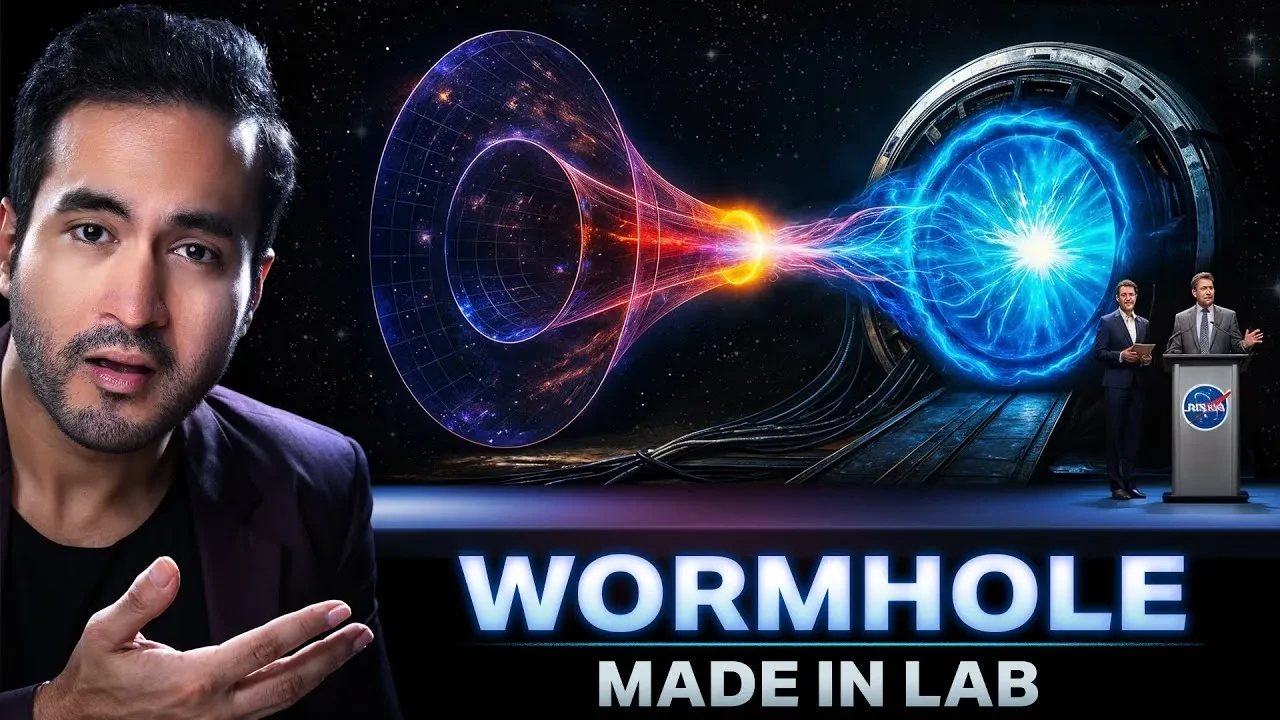
Out there beyond our planet, secrets hide in the dark stretches between stars. Picture a tunnel, not made of bricks but bent space - some call it a wormhole. These twists in spacetime pop up in films when characters zip across galaxies overnight. Could such paths actually exist, though? What would it mean if holes like these linked distant spots in the universe?
Here is how it works, broken down without confusion. A single idea, seen from another angle. This part matters because of what comes before it. Not every detail fits at once, yet each piece has its place. Look again after reading slow. What seems complex now makes sense later.
YouTube Video Link: https://youtu.be/_lWzn9BOe00?si=a90zikmd7eijtqfG
What a Wormhole Is?
A tunnel through space might link places very far apart - that is what scientists mean by a wormhole. Picture pressing together two ends of a sheet, then pushing through it. The puncture lets you jump across quickly, skipping the long path. Much like that fold, a wormhole bends the usual rules of distance.
A ship might skip crossing endless stretches of regular space by slipping through a tunnel-like shortcut - arriving right away. What if distance didn’t matter because you simply stepped past it? One moment far away, the next already there - not by speed, but by bending the path itself. Physics allows such folds in spacetime, at least on paper. Jumping across cosmic gaps becomes possible when space wrinkles like fabric. Reaching distant points suddenly isn't magic - it's geometry working strangely.
Origin of the Idea?
A strange idea hidden in Einstein’s view of gravity sparked it all. Back then, 1935, he teamed up with Nathan Rosen - two minds tracing a path through space and time. Their work sketched something odd: a bridge where none seemed possible. Today people call that twist an Einstein-Rosen Bridge. It slips through the rules without breaking them
Folding through the unseen, this structure hints at how time and space might link distant points. A shape drawn by numbers, it shows gaps closing without touch. Where one region ends, another begins - guided by curves instead of roads. Not built, but imagined into possibility. Distance loses meaning when geometry twists just right.
Still, wormholes live only in theory. So far, no proof has turned up to show they’re real.
Are Wormholes Stable?
A shaky foundation ruins everything. Right now experts say wormholes slam shut fast - only some odd substance named exotic matter might keep them propped open
Strange stuff called exotic matter might have odd traits, yet scientists haven’t shown it exists in a practical way. Not real in practice - just theory so far, floating around in equations more than labs.
Wormholes and Time Travel
A moving endpoint could make wormholes work for time travel, according to certain ideas. Yet proof remains far out of reach - still just guesswork.
Conclusion
Through folds in space-time, a wormhole might link faraway regions of the cosmos. Though rooted in actual math, its presence remains unconfirmed by evidence so far.
Curiosity lingers around wormholes, mysterious passages that still push researchers forward. The universe feels bigger because of such unknowns, inviting questions instead of answers.
Out there in the quiet hum of gadgets, something’s shifting. Machines now talk back, drive alone, even pick what you might want next. Not long ago that seemed like distant fiction. Yet here it stands, woven into mornings and commutes. Power shifts hands - or circuits - without much noise. Who holds greater strength now: the mind behind the code or the code itself?
Figuring this out means looking at what artificial intelligence is capable of, then seeing how that stacks up against human thinking. What machines handle well might surprise you - yet people still bring something different to the table.
YouTube Video Link: https://youtu.be/AuAszI4gags?si=weU1XUlD_Isrqqbz
Understanding Artificial Intelligence?
Computers doing things people normally do - that is artificial intelligence. Such activities might involve recognizing speech, for example. One system could learn from experience instead of following fixed rules. Problem solving appears often in these setups. Some programs adjust their behavior based on feedback they receive. Understanding images counts as another common function. Machines sometimes predict outcomes using large amounts of data. Language translation runs through such models regularly. Decisions made by algorithms show up across industries. Learning patterns helps a machine improve over time
Learning from data
What machines understand when they hear voices or see pictures
Solving problems
Making decisions
Running on complex code, artificial intelligence uses vast collections of facts to learn. Speed lets it handle tasks quicker than people ever could.
Strengths of AI
AI has several advantages:
Seconds pass before it sorts through massive piles of information. Fast work happens when numbers flood in. Quick results show up after data pours into its system. In moments, everything gets checked. Time barely moves while processing runs deep.
Fewer mistakes happen when machines handle math or repeat work. A person might slip up doing the same thing over and over - this avoids that. Tasks stay consistent because a system follows exact steps each time. Mistakes drop when automation takes over what people used to do by hand.
Even when it's late at night, AI keeps running. Tiredness never slows these systems down. Around the clock, they stay active. Rest is something they do not need. Time off? Not part of their design.
A single case shows machines spotting illness fast in clinics, while at financial firms they flag odd transactions instead. Still, both uses rely on pattern tracking behind the scenes rather than human eyes alone.
Strengths of Humans
Despite AI’s power, humans have unique abilities:
Emotions and empathy
Creativity and imagination
Moral judgment
Critical thinking in complex situations
Emotions make sense to people in ways that go deeper than numbers. Machines pretend to know what thinking looks like, yet they stay blind to real feeling.
Can AI Replace Humans?
Computers handle routine jobs involving numbers just fine. Still, when it comes to imagination, understanding feelings, or making moral choices, people remain unmatched.
What comes next might not be machines taking over. Working alongside people, artificial intelligence could help make tasks faster. Humans gain new ways to create when supported by smart systems. Not replacing jobs, but joining efforts, technology may lift what teams can do. The result? A shift toward cooperation where ideas grow stronger together.
Conclusion
What matters isn’t a contest between machines and people - it’s seeing where each shines. Speed? Crunching numbers fast? That belongs to artificial intelligence. But creativity - empathy, judgment, knowing right from wrong - that lives with us. One doesn’t beat the other; they just do different things.
When people work alongside artificial intelligence, outcomes improve. Side by side, each fills gaps the other leaves open.
Out there, space stretches beyond what anyone can grasp - endless, quiet, puzzling. Dark energy sits at the heart of today’s toughest scientific puzzles, often confused with something named black matter by mistake. Stars show up just fine. So do planets. Galaxies too. Yet experts say nearly everything out there isn’t visible at all - it hides behind unseen energy, hidden stuff.
Something strange pushes space apart, reshaping how we see the universe. Explaining it starts by dropping complex jargon. A mysterious push grows stronger over time, not fading like old theories predicted. This isn’t about tiny particles or lab experiments. Think of empty regions swelling without visible cause. Scientists noticed galaxies moving away faster than expected. Gravity alone cannot explain such speed increases across vast distances. Measurements from distant starlight revealed this odd pattern. The effect shows up everywhere, yet remains invisible. Energy hiding in plain sight bends the rules once thought solid. Names matter less than behavior when tracking its influence. What seems like nothing holds power over everything.
YouTube Video Link: https://youtu.be/q61auadXFq0?si=OivFKbGLk0cn5vvT
Dark Energy Explained Simply?
Something strange fills space, pushing everything apart. This invisible push has no name, only guesses. Late in the twentieth century, researchers noticed galaxies drifting away quicker than before. Speed grows without reason we can see. What drives this remains hidden.
A surprise find pushed researchers toward a new idea - dark energy might be real.
Something out there pulls space apart without glowing, warming, or sending signals. This hidden push stays invisible because it avoids all sensors. Galaxies move in ways that hint at an unseen force shaping their paths.
Dark Energy Amount in the Universe?
According to scientists:
A tiny slice of everything out there - just five percent - is stuff like stars, worlds, us. Everything else? Not so familiar.
Just under three out of ten parts is made of stuff we cannot see.
Close to two-thirds of everything out there? It’s dark energy doing most of the work behind the scenes.
This stuff fills nearly everything, yet remains invisible to our eyes.
Dark Energy versus Dark Matter
Though both mysterious, one holds galaxies together while the other pushes space apart.
Gravity from dark matter keeps galaxies from flying apart.
Flying outward, dark energy forces space to stretch between distant islands of stars. Galaxies drift wider apart because of a hidden push from unseen pressure filling empty regions.
Put plainly, gravity comes from dark matter. Yet space stretches because of dark energy.
Why It Matters?
Figuring out dark energy gives researchers clues about major mysteries such as:
How will the universe end?
Could the growth go on without end?
How real are space and time deep down? Might they shift like weather, not stand still at all.
Whatever happens to the cosmos might hinge on dark energy. Its presence could stretch space so much that everything fades apart. A slow drift pulls galaxies away over time. What seems solid now might unravel because of it. The final state of all things rests on this invisible push.
Conclusion
Whatever drives the universe apart remains hidden. This unseen force holds immense power, filling more than anything else out there. Though it escapes sight, what it does bends space widely. Its presence shifts everything, even if eyes catch nothing.
Far beyond what we know, hints of mystery linger in how space stretches. A quiet force pulls at emptiness, shaping paths unseen by most eyes.
Something clicks when you wake up with an answer that wasn’t there before. Fear shows up out of nowhere, just like sudden calm does. This happens because part of your mind works while you’re not watching.
Behind every quiet moment, your subconscious keeps sorting what you’ve lived through. It holds on to moments, routines, feelings - without asking. Though unseen, it shapes choices while you’re busy doing other things. Watch how it quietly guides actions without a word.
YouTube Video Link: https://youtu.be/MjBjumiV_tQ?si=8m_CkXLH7vuoYYNS
Understanding the Subconscious Mind?
Your mind has two main parts:
The conscious mind works like your everyday tool for making choices. It handles thoughts you notice right away. This is where awareness lives during waking hours. What you focus on comes through here first. Decisions form in this space before actions follow.
Hidden beneath thought, the subconscious holds memories without effort. It works on its own, guiding actions behind the scenes. Running quietly, it shapes choices while staying unseen. Stored deep, knowledge lives here beyond awareness. Always active, it responds before you even notice.
Breathing, heartbeat - those run without thought because the subconscious handles them. Reactions pop up before you can blink, guided by unseen mental patterns. Emotions rise from hidden currents deep below awareness. Habits stick around simply because that part of the mind keeps repeating what feels familiar.
Inside it sits everything you’ve lived through, tucked away alongside what you hold true.
What Your Hidden Thoughts Do Without You Knowing
The subconscious mind shapes your:
Habits
Confidence level
Fears
Attitude
Decision-making
Funny how often saying "I can’t do this" makes the mind accept it as truth. Yet shifting to "I am capable and improving" slowly shapes a stronger belief inside.
Thoughts you keep coming back to? They shape what you accept as true. When those truths take hold, they start steering how you move through each day.
Thinking Positively Can Change How You See Things
A single thought can shift how you see everything - repeating hopeful words shapes inner beliefs. Starting each day with gentle phrases rewires old patterns slowly. Words spoken quietly hold weight behind closed doors. Belief grows when sentences feel true even if they are not yet real. Replacing doubt builds unseen strength beneath surface thoughts.
Starting each day by picturing what you want trains the deeper layers of thought to move toward it. Slowly, without force, actions begin matching inner pictures drawn through steady repetition.
Pictures in the mind work strong too. Before they reach the top, plenty of winning athletes and figures in charge already see it happening inside their head.
Strengthen Your Subconscious Mind
You can train your subconscious by:
Practicing positive affirmations
Visualizing success
Avoiding negative self-talk
Meditation and mindfulness
Reading inspiring content
Doing the same thing over time matters most. When you repeat actions, your inner mind begins to follow along.
Conclusion
The quiet workings inside your head quietly build the things you do every day. Because it runs beneath awareness, what you accept as true grows stronger over time. While never loud, this hidden force helps decide how far you go and how good life feels.
Start by filling your head with good ideas, then watch what happens. The brain holds strength most people never notice. When directions come clearly, change begins without force. Let quiet choices shape days instead of noise. A shift inside alters everything outside, slowly but sure.
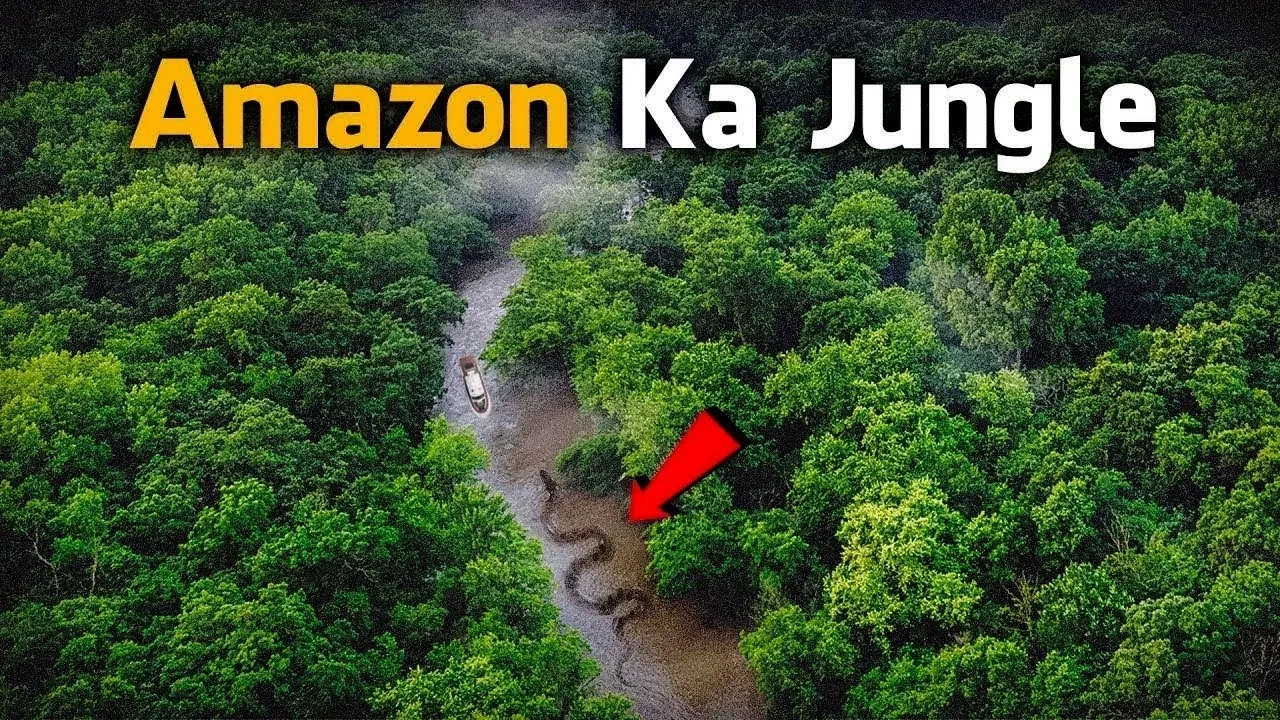
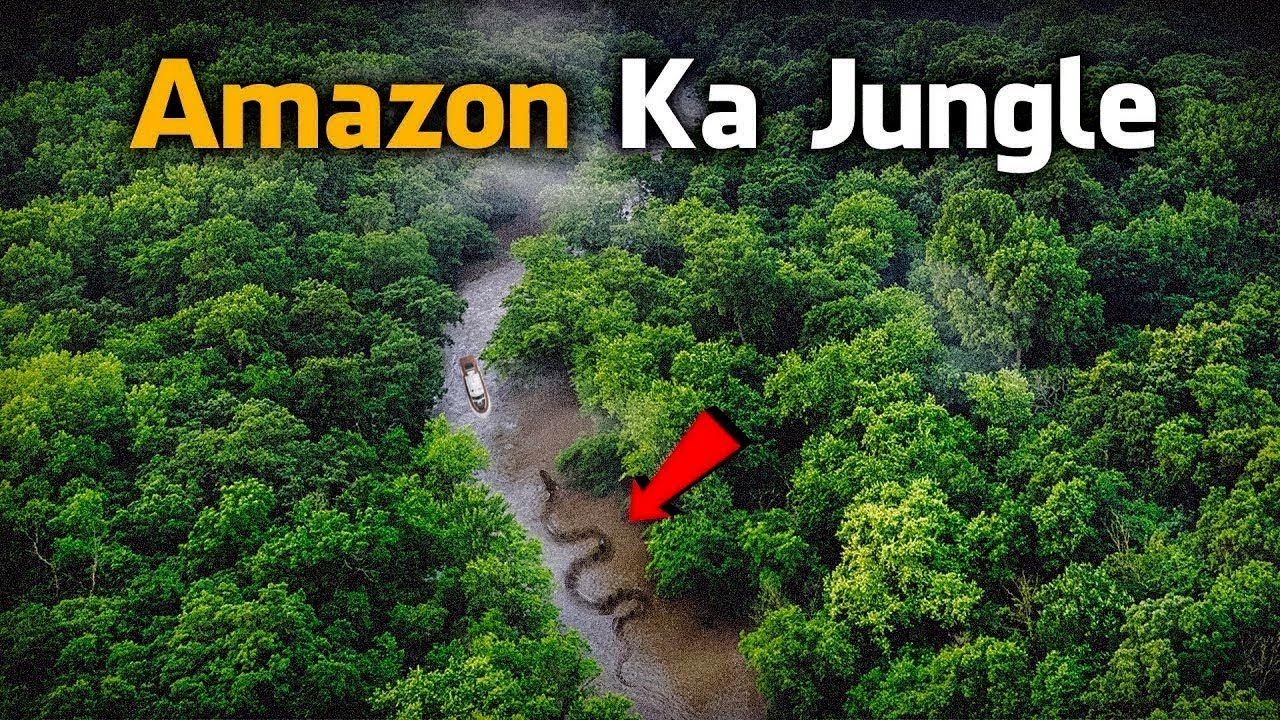
A vast stretch of green trees covers much of South America - that place goes by many names, like Amazon jungle or Amazon Rainforest. Oxygen pours out from its thick canopies while carbon dioxide gets pulled in, quietly shaping the planet's breath.
A world buzzing with hidden sounds stretches beneath thick green roofs. What makes this place breathe matters more than numbers show.
YouTube Video Link: https://youtu.be/6Su6hxj5jHk?si=mZt0IyLwZOHfT0AX
Amazon Jungle Location?
Fringed by rivers and shadowed by endless trees, the Amazon Rainforest sits deep in South America. While Brazil holds the largest share, parts creep into neighboring lands - Peru feels its reach, Colombia knows its edge, even Venezuela touches a corner.
Spread across roughly 5.5 million square kilometers, this vast woodland holds the title of planet’s biggest tropical forest. Though dense and deep, its sheer size sets it apart from others. From treetop canopies down to shaded soil, life thrives in layers unmatched elsewhere. Where rivers twist through green shadows, countless species find their home. Its scale? Hard to grasp without seeing - endless trees meeting sky.
Rich Biodiversity
The Amazon Jungle Is Home To
Millions of plant species
Thousands of bird species
Jaguars move quietly through thick green forests. Sloths hang still beneath leafy branches during long afternoons. Pink river dolphins glide in slow curves under cloudy water surfaces
Countless insects and reptiles
Down in the Amazon, countless creatures likely remain unseen by science. This place ranks among Earth’s richest spots for life.
The Amazon River
Down among the trees moves the strong Amazon River - ranked among Earth's biggest and farthest-reaching waterways. Life here depends on it, quietly thriving because of its presence.
Fed by the river, plants drink deep while creatures gather at its edges. Nearby folks rely on its flow just as much. Water moves through roots, paws, hands - each depending differently yet equally.
The Amazon Matters Because It Shapes Climate And Supports Life?
The Amazon Rainforest Provides Benefits
Control the global climate
Absorb carbon dioxide
Produce oxygen
Support wildlife
Maintain rainfall patterns
Few realize how much the planet relies on one forest. Without it, weather patterns shift beyond recognition.
Amazon at Risk
Unfortunately, the Amazon faces serious threats such as:
Deforestation
Illegal logging
Forest fires
Climate change
Out here, critters lose their footing when people stir up the land - quiet systems unravel. A single path carved through woods pulls threads that hold everything together.
Conclusion
Far beyond just trees, the Amazon’s jungle shapes life across the planet. Not only does it shelter countless species, but it also stabilizes weather patterns worldwide. Home to vast natural wealth, it sustains livelihoods for many who depend on its gifts.
The fate of Earth's balance rests heavily on keeping the Amazon alive. Safeguarding this vast forest belongs to everyone, not any single nation alone.
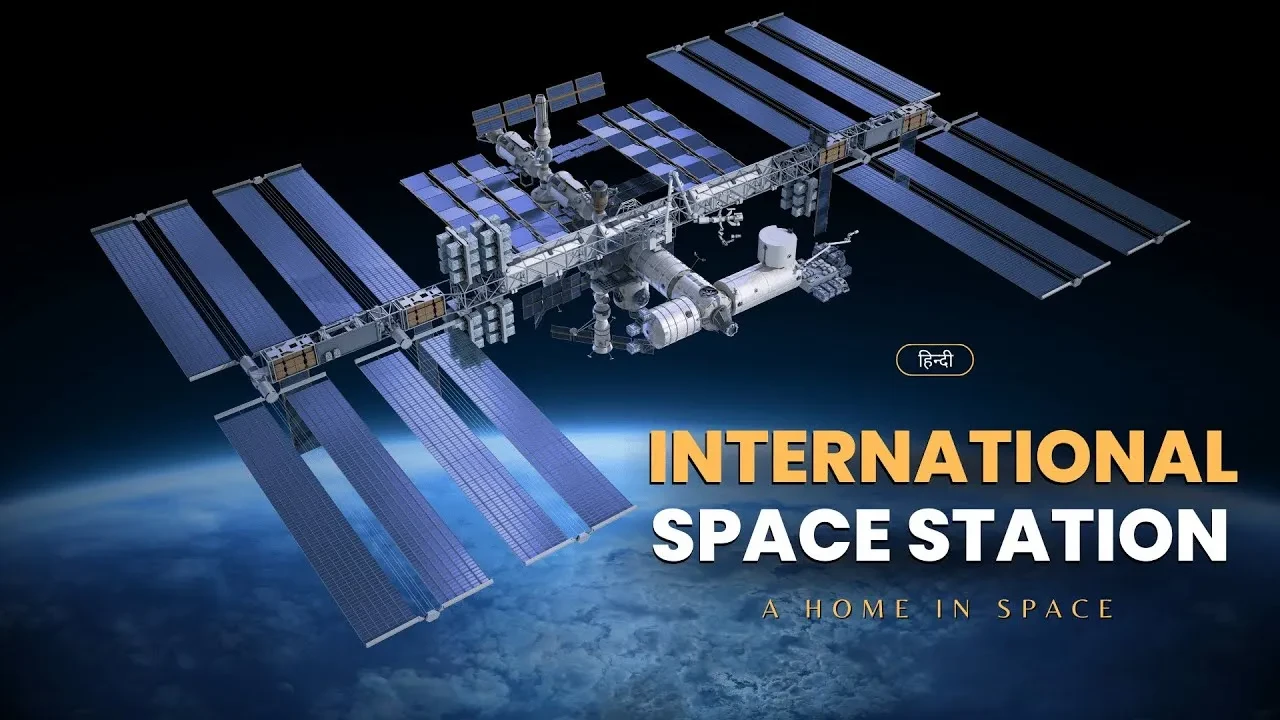
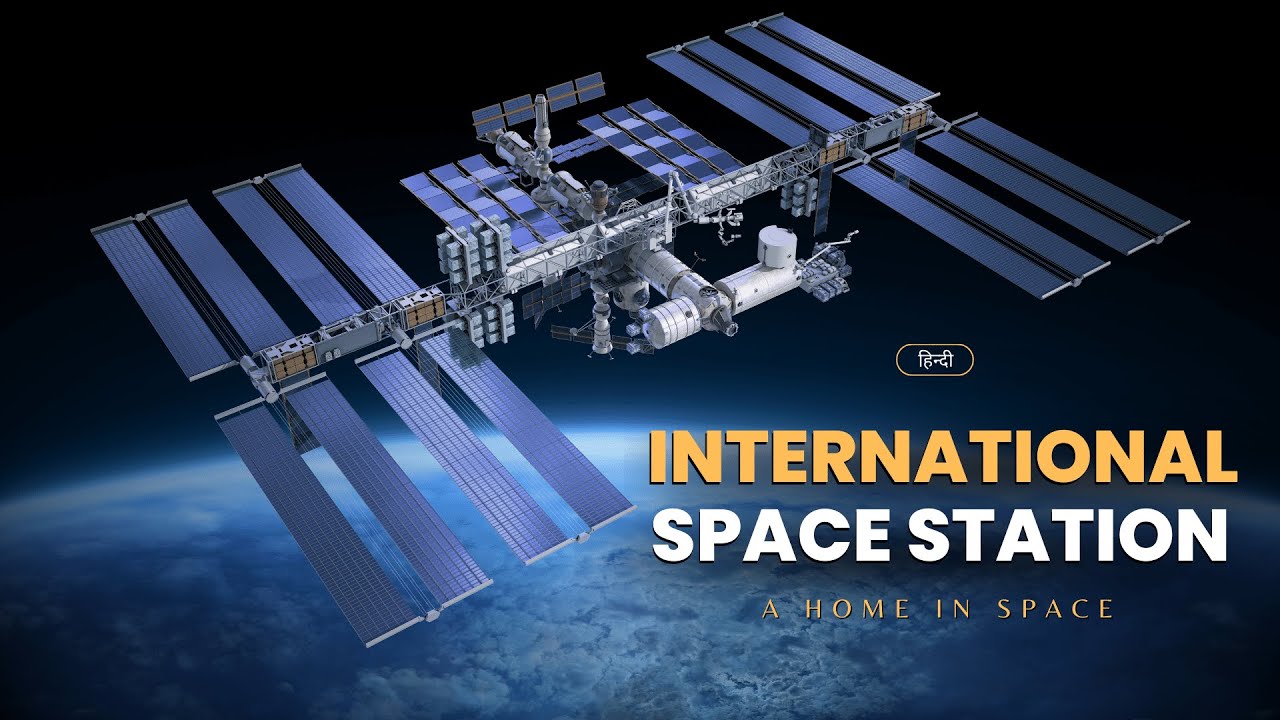
Up there, beyond the sky, people actually live for long stretches. That home in orbit has a name: the International Space Station. It circles our planet constantly, never stopping. Inside this moving lab, research happens every day. Scientists test ideas, watch stars, and learn how bodies change above Earth. Life floats differently where gravity barely pulls.
This achievement stands among humanity's most remarkable joint efforts across nations.
YouTube Video Link: https://youtu.be/aNjVtKn30Mk?si=rV0Cs5Um3ADqiI3r
What the International Space Station Is?
Apart from floating through space, the International Space Station races along at nearly 28,000 kilometers each hour. Sitting roughly 400 kilometers up, it circles our planet without touching air.
The station belongs to more than a single nation. Built together through cooperation between agencies of the U.S., Russia, European nations, Japan, and Canada.
When Was It Built?
A chunk of metal left Earth in 1998, beginning the station's life. Over time, new sections followed, one after another into orbit. People from different countries built it piece by piece, year after year.
Still now, the space station gets new parts while workers keep it running.
What Astronauts Do In Space?
Astronauts aboard the ISS perform many important tasks:
Conduct scientific experiments
Study the effects of microgravity on the human body
Observe Earth’s climate and environment
Test new space technologies
Up where the space station floats, nearly no pull of gravity lets researchers test things Earth’s heaviness would block.
Life on the ISS
Floating takes the place of walking where gravity fades. Inside the cabin, sleep happens zipped into wall-tethered sacks. Without regular workouts, bodies weaken slowly - so movement becomes routine. Muscles hold on only when pushed through motion each day.
Fresh meals, liquids, one breath at a time - each piece tracked close to keep life going.
Why the ISS Matters?
From up above, the ISS gives researchers a clearer picture of outer space while setting the stage for trips ahead - ones headed toward the Moon or even Mars. Teamwork takes shape there too, as nations learn to cooperate without conflict through shared efforts beyond Earth.
Conclusion
Floating miles above our planet, the space station stands as proof of what curiosity can build. Cooperation across nations keeps it running while discovery unfolds inside its modules.
Out there, floating above Earth, the ISS stands as proof of what happens when countries choose shared goals over separate paths. Instead of competition, collaboration built something orbiting much higher than any border. Together, humans placed a home in space where rivalry once ruled. This station runs on cooperation, not conflict. Impossible feats start small - like shaking hands across continents before reaching the stars.
Out there, far above us, tiny lights twinkle like scattered salt across black velvet. Yet beneath that calm glow hides a harsh truth - emptiness filled with threats too vast to ignore. Floating through it takes more than courage; bodies struggle where air does not exist. Cold bites just as hard as radiation burns without warning.
Let’s understand why space is so dangerous in a simple and clear way.
YouTube Video Link: https://youtu.be/lqiOEwbB93w?si=X5Ug2eWUo2fhfnol
No Air to Breathe
Imagine trying to breathe where nothing fills your lungs. That empty stretch beyond Earth holds no air at all. A single breath becomes impossible because oxygen simply does not exist out there. People last only moments before their body shuts down.
Inside a spacecraft, air stays managed so humans can breathe normally. That's the reason behind wearing unique outfits in space - protection becomes necessary when outside where nothing supports life.
Extreme Temperatures
Floating out there, space lacks air that might regulate heat. That means temperatures swing wildly without anything to balance them
Fires of the sun turn air into an oven. Heat builds fast when clouds stay away.
Cold lurks where sunlight does not reach, often plunging without warning. A chill takes hold once shade falls across the ground. Darkness brings a sudden fall in warmth, sharp and noticeable. When light fades, so does heat - fast and steady.
When temperatures swing fast, gear might fail while people face serious risk.
Harmful Radiation
Up above, Earth's air blocks dangerous rays from the sun. Out past it, nothing stands guard.
Astronauts are exposed to:
Solar radiation
Cosmic rays
A single moment stretched too far might invite deeper trouble. Lengthy exposure opens doors to severe health issues without warning. Trouble builds quietly when time stretches on. Extended moments raise stakes for the body’s well-being. The longer it lasts, the more harm may settle in.
Micrometeoroids
Above Earth, little bits of rock zip through space fast. Because they move so quickly, even a speck might harm a ship up there.
Facing cosmic dangers, space agencies fit craft with tough barriers. These shields aim to lower threats during travel through harsh environments.
Microgravity Effects
Floating far above Earth, objects feel almost no pull from gravity. Scientists name this near-weightless state microgravity.
Besides seeming enjoyable, drifting without gravity brings risks over time. Health weakens when muscles shrink from lack of effort. Bones lose density without regular pressure. The heart adjusts poorly to pumping less forcefully. Eyes sometimes change shape under constant fluid shifts. Balance systems confuse the brain after months aloft. Returning feels strange once Earth's pull takes hold again
Muscle weakness
Bone loss
Changes in blood circulation
Muscles weaken in space, so movement needs constant effort. Each day brings another round of workouts just to keep strength steady.
Conclusion
Beyond Earth, breath vanishes. Heat swings wild - scorching sunlight shifts to freezing shadow without warning. Invisible rays pierce like needles. Tiny pieces of broken satellites fly faster than bullets. Bodies weaken slowly when weightless too long. Suits shield skin. Machines make air. Tools hold life together where nature pulls apart.
Though outer space carries dangers, exploration goes on - driven by curiosity rather than comfort. Each mission pushes knowledge forward, quietly showing how rare and sheltered our planet feels in comparison.
Out in space, secrets hide around every corner. One standout? The black hole - strange, intense, totally unseen. Light doesn’t stand a chance once it gets too close. Pulling everything nearby, these giants trap what they touch.
A black hole might sound mysterious. Yet its nature becomes clearer when broken down gently, without jargon. Imagine space bending until it folds in on itself tightly. That twist creates a point where even light cannot escape loose. Gravity does that, pulling everything close into one spot too dense to picture easily.
YouTube Video Link: https://youtu.be/_35L481y4u4?si=-eTO5qoR1jB_XrEN
Black Holes Explained?
Deep in space, a spot exists where pull becomes overwhelming. When one of the largest stars ends its life, that force takes shape.
A massive star, once its fuel gone, gives way to its weight. Though the outside bursts outward in a violent explosion, the center crushes down - smaller, tighter, until it becomes a speck so dense it defies normal physics. This spot, named a singularity, sits hidden behind an invisible edge: the event horizon. Step past that line, whatever it is, and return turns impossible.
What you see is darkness, since not even light gets out. Black holes show no color because nothing breaks free. Their pull traps everything - no glow makes it through. Total blackness comes from a force too strong for light to beat.
Size of black holes?
Black holes can be different sizes:
When a massive star collapses, it leaves behind a dense core called a stellar black hole.
Supermassive black holes – Found at the center of galaxies.
At the heart of nearly all big galaxies - ours included - a giant black hole likely sits, researchers say.
What Occurs Close to a Black Hole?
A star might drift too close, then get caught by the pull. Once pulled in, gas swirls faster, growing hot enough to shine. Dust joins the spin, lighting up just before vanishing into dark. Brightness peaks right at the edge, where nothing escapes.
Should someone wander too near, the pull would elongate their body like taffy - this is what scientists call spaghettification. Despite that wild effect, these objects sit incredibly distant from our planet, making any threat purely hypothetical.
Black Holes What We Can Actually See?
It is impossible to spot a black hole straight on. Still, researchers track its presence through shifts in surrounding star paths plus swirling gas patterns. That dark silhouette appeared clearly for the first time back in 2019.
Conclusion
From collapsing stars come black holes - intense, puzzling. Their pull defies normal physics, unseen yet felt. Wonder follows them, drawing curiosity across continents.
Out here in the dark, black holes might scare people at first glance - yet they actually show how much we can learn about everything around us. What feels immense and wild out there also tells us just how deep and strange the cosmos really gets.
 About Us
 Blog
Blog
 Insights & Awareness








 Ensure TV