What makes a ball roll after you strike it. Sudden lurch backward when the bus jerks forward. Each moment ties back to how things move. Isaac Newton described these patterns long ago. His observations still explain motion today.
Motion rules came from a thinker named Isaac Newton long ago. His trio of ideas explains what happens when things push or change direction. Most old-school science rests on these thoughts.
Let’s understand Newton’s Laws in simple terms.
Objects keep doing what they’re doing unless something makes them stop
A body stays still unless something pushes it. Motion keeps going the same way unless a force changes it. That idea? It's called the First Law. Some call it inertia, but it means the same thing.
An item stays still or keeps going straight without changing speed if nothing pushes or pulls it. Motion continues steady until outside influence steps in. Stillness holds firm till something interferes. Without interference, movement doesn’t shift on its own.
Stillness sticks around without a push. Motion keeps going till forces interfere. Objects won’t shift pace just because. Something must act before movement changes.
Imagine a vehicle halting fast - people inside lurch ahead since motion resists change. That resistance has a name: inertia.
Newtons Second Law Of Motion
Falling into motion, a push changes how things move. Force shapes speed when an object shifts.
This idea shows how push or pull links to weight times speed change. Force ties directly to how heavy something is along with how fast it speeds up. What matters here is the link between bulk and shifting motion. Heavy things need more effort when changing pace. The amount of shove matches exactly what you get multiplying heft by gain in velocity. Strength involved rises if either mass or quickening increases. How much oomph appears fits neatly with these two factors joined.
This was set down like:
Force = Mass × Acceleration (F = m × a)
This means:
Faster movement happens when stronger pushes act on objects.
Falling on the scale at a higher weight means getting it moving takes greater effort. Heavy things resist motion more than light ones do.
A single push on a bike takes lighter effort compared to moving a car, since the car packs far greater weight.
Newtons Third Law of Motion
A push always brings a shove back just as strong. Every move triggers resistance matching it exactly.
A push from one thing leads to a shove back just as strong, but facing the other way. When something acts on another, the reaction matches it perfectly, only reversed. Force meets counterforce, always balanced yet pointed oppositely. One side applies pressure, the response arrives instantly, same strength, opposite path. Action triggers resistance of identical measure, directed backward. Whatever is sent out comes right back in reverse form.
For example:
A force comes into play when feet leave the surface - downward pressure meets an equal lift. Upward motion follows because Earth answers push with response.
Fueled by burning fuel, rockets rise when exhaust shoots below.
Newton’s Laws Matter
What keeps things moving comes down to Newton’s ideas. Motion stays steady unless something interferes. Push harder, get more change - simple like that. Every force has a twin going opposite ways. These rules shape how stuff behaves every day
Motion of vehicles
Sports movements
Space travel
Engineering designs
Beyond labs, these tools pop up in bridges - also inside common fixes at home. Machines hum because calculations steer them right - not magic. Daily puzzles get answers when numbers step in quietly.
Conclusion
When things move, Newton figured out why. Objects stay still or keep going unless something pushes them. A push changes how fast they go, depending on their weight. Heavier stuff needs more push to speed up. Every time you push something, it pushes back just as hard.
Floating, falling, sliding - everyday movements make sense once you see how these basic rules shape them. Their role in today’s science stays central, quiet but unshakable.
Out of stillness, a speck of brown cracks open when water soaks through. Hidden within it lies everything needed - silent, paused, ready. When warmth meets moisture just right, roots push down before stems stretch upward. What seems dead begins moving without warning. Life restarts quietly, step by fragile step.
A tiny seed waking up marks where plants begin. Missing that start means empty fields, silent woods, nowhere colorful to walk. Here comes the quiet magic behind it all.
Seed Germination Explained?
A tiny seed can sit still for ages until things line up just right. Water soaks in, oxygen moves through, heat settles around it - then change kicks in. Life inside stirs after silence, pushing out a fragile root downward. A shoot follows, reaching upward without hesitation. This awakening marks the start of something living anew.
Hidden within each seed lies a small new plant, known as an embryo. Alongside it sits nourishment packed for early growth.
Conditions Needed for Germination
A single seed needs certain things before it will sprout. Moisture plays a key role in starting the process. Temperature matters just as much - too cold or too hot slows everything down. Oxygen enters the scene because tiny roots need air to grow. Without these pieces lining up, nothing happens underground
1. Water
Starting things off, water takes top spot in importance. Once a seed pulls in moisture, it puffs up, waking enzymes that kick off development. That moment has a name - imbibition.
2. Air (Oxygen)
Every seed relies on air to stay alive. Think of it this way - when a person eats, they burn fuel using breath; seeds do something similar but underground. Oxygen kicks off their inner engine instead of hunger cues. Without that gas, what lies inside stays frozen. Stored meals in the kernel turn active only when airflow arrives. Breathing isn’t just for lungs. Life stirs beneath soil through quiet exchange.
3. Warmth
Starting off cool stops most seeds from sprouting. When heat crosses a limit, things stall just the same.
Seed Germination Phases
A tiny root appears first when a seed begins to grow. After that comes a small shoot reaching upward slowly. Water enters the seed, making it swell and break open. This opening lets the new plant push through the soil. Each step follows without skipping ahead
Once it takes in moisture, the seed begins to puff up. Water triggers expansion inside the tiny structure.
A tiny split appears as the seed coat begins to give way. Moisture seeps in, loosening its firm grip over time. Cracks widen without warning one morning. Pressure builds inside until the shell can hold no longer. A small rupture shows where new growth pushes through. The old layer peels back like shed skin. Life emerges where silence once stayed.
A tiny root pokes out, reaching down through dirt. Water and minerals get pulled up as it digs deeper. This first thread thickens, gripping the ground below. It splits paths like veins spreading under skin. Each stretch answers a quiet pull from within. Soil clings close where moisture leads. Roots follow that trail without hesitation.
A fresh green tip pushes skyward, drawn to daylight. Light pulls the young stem higher, cell by cell. Reaching begins once roots hold firm below. Sun above shapes how it stretches. Each morning nudges growth forward. Direction matters more than speed here. Up becomes its path, guided by brightness.
When sunlight hits the first green tips pushing through dirt, energy flows into tiny leaf blades. As those leaves stretch wider, they start capturing light like small solar panels. With each breath of carbon dioxide from air, sugars build inside cells slowly. This process feeds roots below while new growth rises. Sunlight transforms water plus nutrients into living fuel day after day.
Seed germination matters because it starts plant growth?
Germination of seeds matters deeply when it comes to growing food. Out in the fields, crops such as wheat take root only if sprouting goes well. Rice and corn follow the same quiet rule. Without this start, farmlands would fall silent. Forests lean on it too, quietly building homes for countless lives. When tiny shoots break soil, entire webs of life shift slightly forward.
If seeds never sprouted, green growth might vanish. Life across the planet could shift in quiet ways.
Conclusion
Out of stillness, life stirs - a speck buried in soil waits. When moisture comes, followed by warmth, change begins. Not every seed does this at once; some take their time. Inside, roots push down before shoots reach up. Growth unfolds without hurry. What looks dead holds quiet potential. Given space, light eventually follows. From small beginnings, height emerges. Trunks thicken where first there was almost nothing.
When seeds meet earth, life quietly starts. Watch closely - something small holds everything needed.
Ever looked at the weather report before leaving home? It might claim rain today, perhaps sunshine by tomorrow. Yet calling India’s climate tropical means more than that. Confusing climate with weather happens often - though each describes separate ideas. One moment focuses on now, the next stretches across decades.
Weather changes day to day, yet climate shows long-term patterns across years. The way air moves now connects to bigger shifts seen over decades. One storm doesn’t define a trend, although repeated extremes reveal underlying change. What we feel outside today builds part of a much larger picture unfolding slowly. Short bursts of rain differ from steady alterations in rainfall totals far ahead.
What Is Weather?
One moment, the sky might be clear. Temperature shifts happen fast here. A downpour can start without warning. Sunshine one minute, gray clouds the next. Wind speed changes by the hour. Humidity levels rise and fall suddenly. Skies darken when storms move in. Air pressure drops before rain arrives. These moments shape what we feel outside. Each detail adds up differently every day
Temperature
Rain or snowfall
Wind speed
Humidity
Cloud cover
One moment skies shine bright, next thing you know - clouds roll in fast. Morning warmth gives way to afternoon thunder when conditions shift without warning. Sudden downpours arrive after long stretches of clear air. Changes like these show how unstable short-term patterns really are.
Each morning, flipping through channels or tapping your phone shows what rain might come later. A glance tells if skies will clear by noon tomorrow. These snapshots aim just ahead - hours, maybe three days. Screens flash updates shaped by shifting winds and clouds forming far off.
What you feel outside right now - that’s weather, plain and clear.
What Is Climate?
Over decades, what we call climate takes shape through repeated weather conditions in one area. A full picture emerges only after thirty years or longer pass. Patterns settle not by chance but by persistence across generations of seasons.
For example:
Hot air sits heavy over the sands of the Sahara. Dry winds sweep across its vast stretches without pause. Temperatures climb high under endless sun. This desert knows no damp seasons. Heat defines each day there.
Winter grips Antarctica hard. Its air bites with chill unmatched elsewhere. Frost hangs heavy here always.
Warmth and damp air define tropical zones.
Weather today isn’t climate tomorrow. What counts is how skies behave across years, not hours. A single storm means little; patterns stretching decades tell the real story. Moments pass, but averages reveal what belongs.
Weather patterns stick around long enough to call them normal.
Climate Versus Weather How They Differ
Here’s an easy way to understand it:
What happens day to day shifts fast. Sudden turns replace long patterns.
Weather patterns stretch over years, shifting little by little. Slow shifts mark the air we breathe across decades.
Weather tells you what to wear today.
What you pack in your closet depends on how the weather behaves over months.
A single rainy day in a place that's usually hot? That’s just weather showing up. When heat sticks around nearly all year long there, though - that shapes what we call climate.
Understanding climate matters because it shapes weather patterns and affects daily life?
Farming, animals, and people all feel the effects of how the air behaves over time. Because trends in heat and rain reveal bigger Earth stories, researchers track them across decades. When average conditions shift far from what is normal, it often traces back to things humans do. Big machines, smoke, and land changes push those shifts further.
Weather changes day to day, while climate is what you expect over years - this shapes how we grow food, build structures, or care for nature. Though one tracks rain today, the other guides long-term planning without saying so outright. Knowing both keeps choices grounded when planting crops or managing land under shifting skies.
Conclusion
A single storm doesn’t define a region’s typical skies. Over years, trends emerge - quiet shifts that outlast any rainy afternoon. What feels like endless winter may just be noise within a broader rhythm. Patterns build slowly, shaped by decades, not days.
Weather shows what's happening now outside your window. But climate? That’s the pattern behind those days, built over years. One rainy week doesn’t shift it - climate runs deeper. When a place is called arid or snowy, that label comes from long stretches of behavior. Spotting this split sharpens how you see storms, seasons, even news reports. Forecast snapshots pass by fast; climate shapes landscapes slowly.
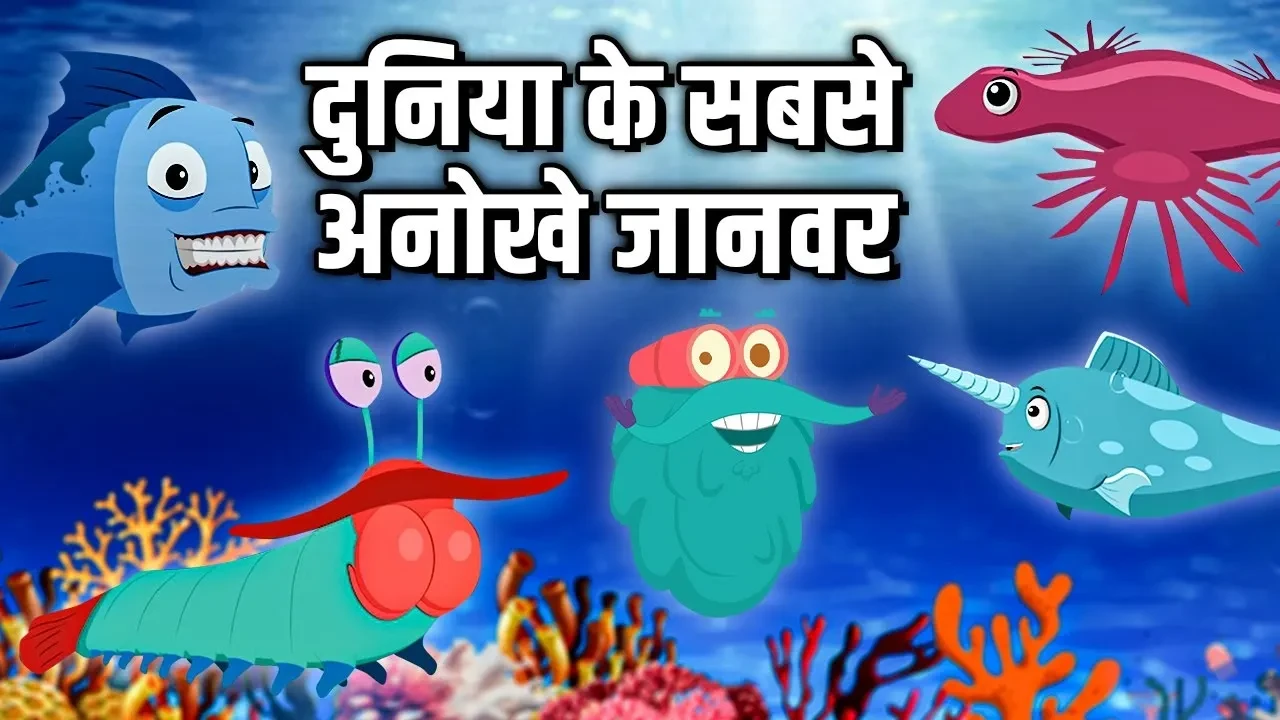
Out there beyond the usual pets and park visitors, life takes odd turns. Not everything walks on four legs or hatches from a shell in the way you’d expect. Some swim without shapes, just wobbling through dark waters like jelly with intentions. Others come from mothers who lay eggs - something more linked to reptiles than fur-covered beings. Reality twists further when colorless worms sing underground or beetles survive fires by sensing heat before flames rise. What seems made up often lives quietly in swamps, caves, deep seas. Nature does not care what feels believable.
What if we took a look at creatures so odd they change how we see life on Earth. Some animals just seem to break every rule nature wrote. A few appear like they came from another world entirely. Each one adds something unexpected to the story of our planet. Their strangeness makes everything feel a little less ordinary.
1. Axolotl – The Smiling Salamander
A grin seems stuck on the face of the axolotl. From lakes near Mexico City comes this odd little creature, able to grow back entire legs, bits of its heart, sometimes slices of brain tissue. While others mature into adults, this one never leaves its youthful stage, holding onto soft, branching gills that wave in the water. Scientists keep returning to study it because few animals can do what it does so easily.
2. Platypus Lays Eggs Like a Bird But Feeds Young with Milk
Oddly shaped, the platypus brings together traits of a duck, a beaver, yet something else entirely. A flat bill sits up front, along with feet built for swimming, despite living mostly on land. Eggs come instead of live birth, which surprises many given it's still classed as a mammal. Found only in Australia, males carry sharp spurs that deliver poison. At first glance, researchers doubted it was real, suspecting a trick due to its bizarre form.
3. Blobfish Is Called the Ugliest Fish
A frown-like expression made the Blobfish well known. Yet this appearance happens just above water. Down below, crushing pressure shapes how its body sits. Life unfolds easily there, even where almost nothing else dares.
4. Narwhal The Arctic Whale With A Spiral Tusk
A strange-looking whale, the narwhal sports a twisted horn reaching lengths of ten feet. That spear-like feature? It's really just a giant tooth stretched out. Living far north in icy seas, these creatures have fueled tales of mythical unicorn fish for ages. Odd looks aside, they stand out as some of the deep’s strangest beings.
5. Star-Nosed Mole Eats Fast
Out there beneath the soil, a tiny mole pokes through with 22 soft pink feelers fanning its snout. Each hair-thin arm moves on its own, sensing every shift in the dirt around it. Darkness means nothing when your nose can taste the air like that. Meals get snapped up before most animals even blink - reflexes too sharp to miss. Speed defines each bite, turning hunting into something nearly invisible.
Why Weird Animals Are Part of Nature?
Out there, far beneath the waves, some odd-looking beings thrive where light barely reaches. Because pressure crushes everything, bodies twist into shapes that resist collapse. Cold stretches across polar lands, so fur thickens, ears shrink, movement slows. Beneath soil, creatures lose eyes - darkness makes sight a waste. Odd looks? Just nature solving problems no human would face. Each bump, flap, or glowing spot does a quiet job.
Conclusion
Out in the wild, oddball creatures pop up where you least expect them. Take the grinning Axolotl - its face seems stuck in joy. Meanwhile, deep waters hide the Narwhal, quiet and strange with its spiral tooth. These beings twist what we think life should look like. Nature doesn’t follow rules; it improvises. What feels bizarre today might just be tomorrow’s normal.
When you spot a strange creature out there, think again - its odd shape fits exactly what it needs to live. A different form might seem odd, yet works just right where it belongs.
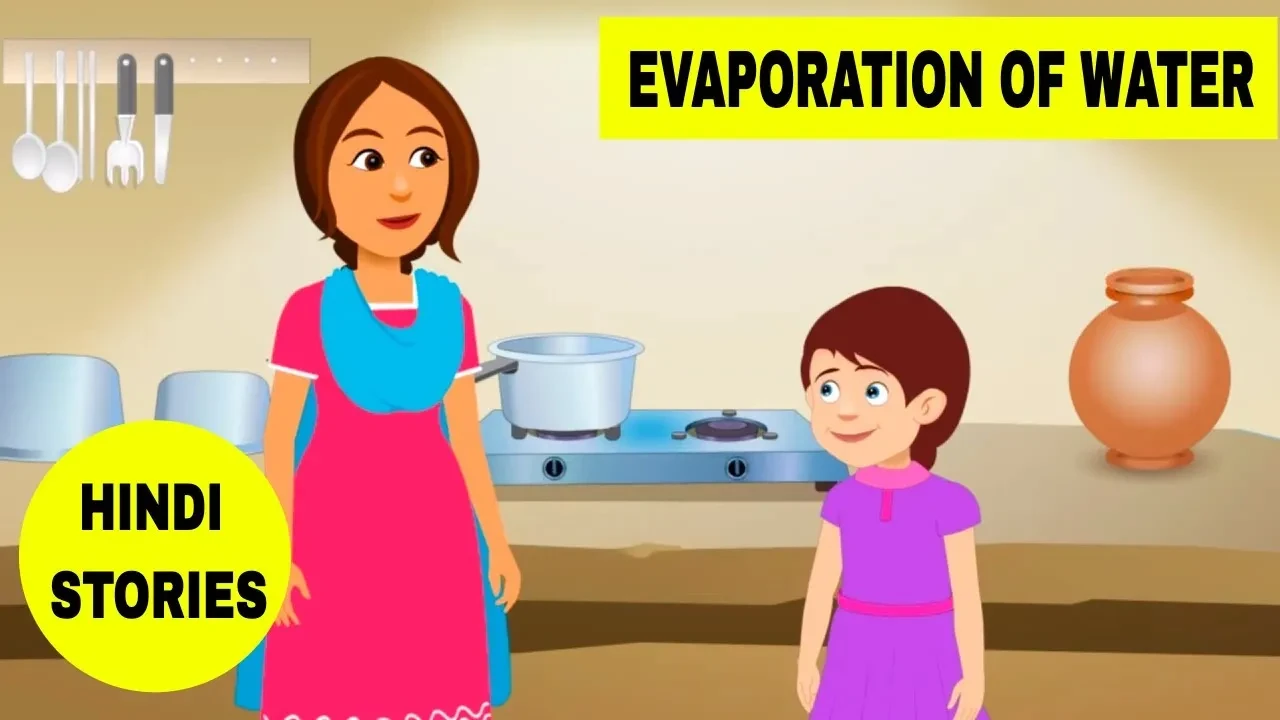
Every now and then, you might see damp shirts go from soaked to dry when left outside. Sunlight helps pull moisture into the air - no tricks involved. This quiet shift is called evaporation, an everyday act nature repeats without pause. Though it seems small, it shapes routines in ways people rarely think about. Clothes lose wetness, roads stop glistening after storms pass by. High above, what rises gathers again into soft cloud forms. Water slips away unseen, yet keeps returning in one form or another.
Water vanishes into air - that idea might seem odd at first. What actually takes place when liquid turns to vapor becomes clear only if you look closely. A shift occurs under certain conditions, invisible yet constant. Heat plays a role, nudging molecules until they break free. This process repeats everywhere, quietly shaping weather, drying clothes, affecting climates. Without it, life on Earth would struggle in countless unseen ways.
Water Turning Into Vapor?
Water turns into vapor when it heats up, a shift known as evaporation. At the water's surface, this transformation takes place. Sunlight often gives molecules the boost they need. With more energy, those molecules speed up, then rise into the atmosphere as gas.
Far from needing heat, water slips into vapor without a set warmth. Cool air still lets it fade away, slowly vanishing when least expected.
Evaporation Happens When Liquid Turns Into Vapor?
Tiny bits known as molecules form what we call water. Moving nonstop, these pieces never stay still. Sunlight warming a lake, river, ocean, or damp fabric gives certain molecules extra push. Once energized, they escape the surface, floating upward into the sky instead.
This is why:
Sunlight speeds up drying of wet clothing. Clothes lose moisture quicker when exposed to light from the sun.
A puddle on a plate fades slowly. Moisture slips away when left out. The air takes what was once liquid. Gone without a trace, bit by bit. What sits open will not stay full.
Fresh off the skin, moisture escapes into air. This shift pulls heat along with it. Cooling follows close behind.
Evaporation increases when:
The temperature is higher
Water spreads out more across its top layer
The wind speed is greater
The air is dry
Water Turning to Vapor in Nature’s Flow
Water moves across Earth through a process called the Water Cycle, where evaporation plays an essential role. Under sunlight, ocean and lake waters gain energy, shifting from liquid to gas. Rising upward, that moisture loses heat and gathers into visible cloud shapes. When conditions change, those clouds release precipitation - either wet drops or frozen flakes returning groundward.
Life wouldn’t exist without rain. Rain needs clouds. Clouds form only when water rises into the air through evaporation.
Evaporation Matters Because It Moves Water From Earth To Air?
From how we stay cool to how rain forms, one quiet process ties it all together. Sweat leaving skin lowers body heat without fanfare. Clouds form because water vanishes into air from oceans and lakes. Farms rely on that same invisible shift between liquid and vapor. Temperature across the planet balances partly due to this constant escape of moisture.
Conclusion
Water vanishing into air looks basic - yet powers vital earth systems without fanfare. Drying fabric under sun, forming storm clouds later - that invisible shift does heavy lifting daily. Spot a puddle shrinking? That moment holds quiet wonder, now clearer through simple truths.
Most emergencies involve blood loss - it shows up at home, in classrooms, during shifts, out driving. A small cut might sting, yet deeper wounds risk survival without quick response. Training helps when panic rises, gives hands purpose under pressure. Minutes matter once red spreads across skin or fabric. Action taken early shapes how things turn out later.
Types of Bleeding
How fast it flows tells what kind of bleed it is. That shapes how you act next.
From every pulse comes a fresh rush of bright red blood - arterial bleeding moves fast. This kind isn’t quiet, it forces urgency. Each second counts when the body loses volume this rapidly.
Blood from a vein tends to be dark red, moving out without bursts. Though it does not shoot forward, failing to act fast might lead to serious loss.
From tiny wounds, capillary bleeding shows up. It trickles out without force, then settles down after a while. Pressure and cleaning often handle it just fine.
First Aid for Bleeding
First aid training teaches simple but powerful steps:
Calm matters first - watch your step while checking surroundings. Gloves help when they’re around, so grab them before touching anything.
Start by pressing down hard. A fresh piece of cloth works well - hold it tight over the injury. That steady push slows blood flow best.
Rest the hurt spot higher up. When you can, lift it past your heart so less blood moves there.
A wrap helps protect the cut. When the flow eases, cover it firmly. Should red seep out, add fresh cloth over what is already there.
Get help from a doctor. If the bleeding is heavy or keeps going past a few minutes, reach out to emergency responders.
First Aid Training Saves Lives
Red Cross classes show folks how to handle blood loss using real skills. Pale skin? Dizziness? Fast breaths? Those clues pop up when shock kicks in - trainers point them out clear.
Conclusion
When someone is bleeding, knowing first aid helps you step in fast. It does not take medical school to help another person survive. Stay clear headed. Use what you know. Small actions become big ones when timing counts. Moments later might be too late.
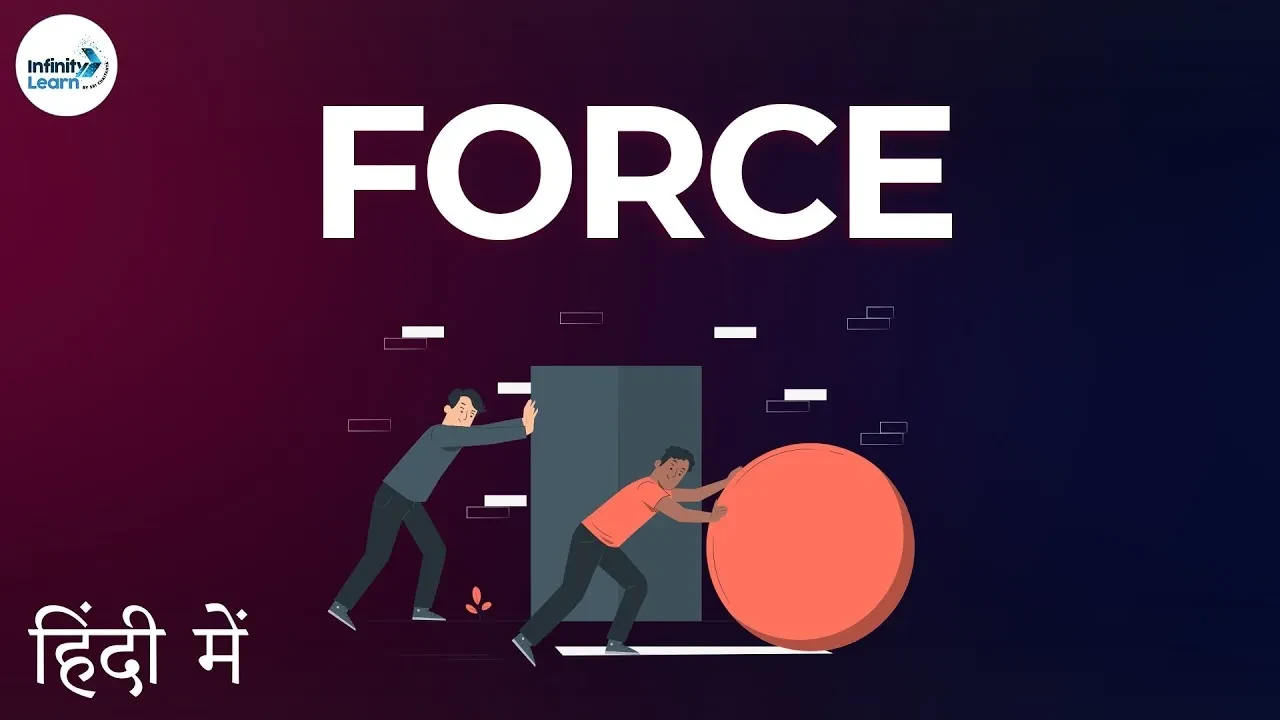
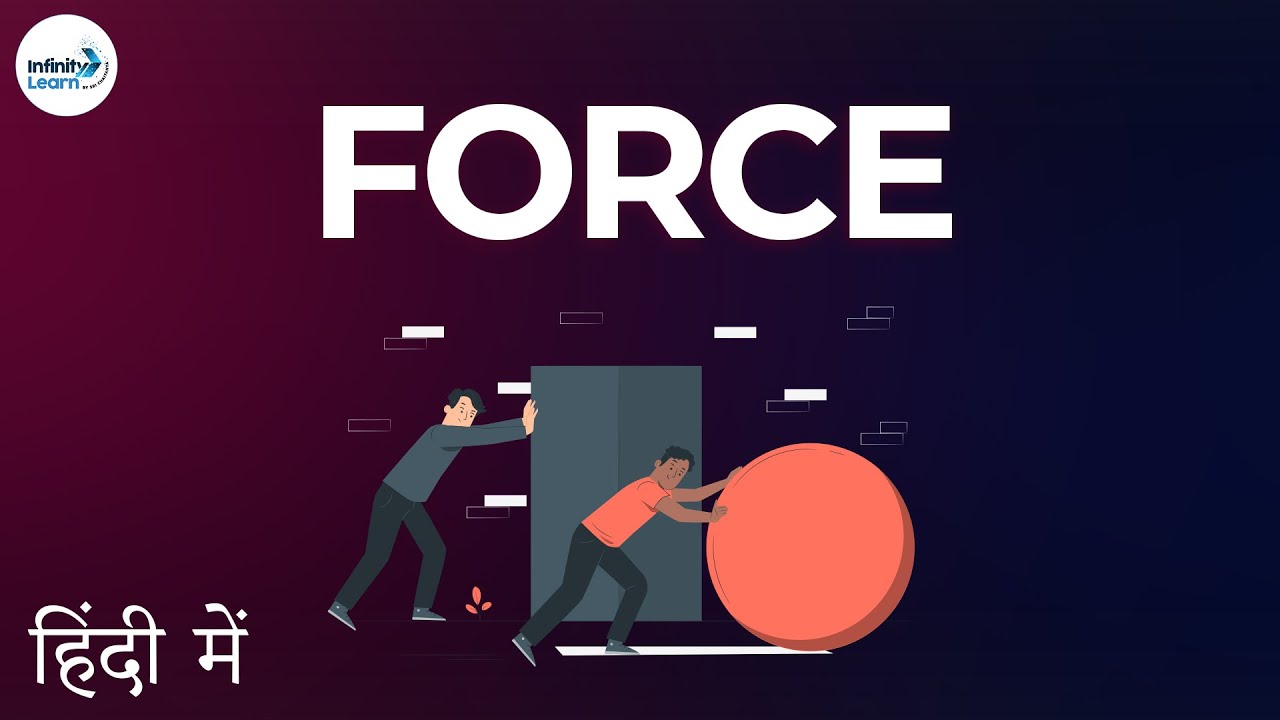
Pushing a door, yanking a chair, or sending a ball flying - each one needs effort. That kind of push or pull? It’s what scientists call force. Motion doesn’t happen without it. Objects stay put unless something acts on them.
What exactly makes things move becomes clearer when looking at push and pull actions. Different kinds show up depending on where they come from - some act at a distance, others need contact. Movement changes happen only when one of these acts upon something solid. Each kind behaves in ways that shape how stuff speeds up, slows down, or shifts direction.
What Is Force?
Something happens when you shove or yank something - its movement shifts, maybe even how it looks. A nudge gets things going, while a tug might halt them dead. Direction flips happen too, not just sudden slows. Speed tweaks come from these actions, nothing fancy.
A single newton (N) stands as the way we measure push or pull. Motion ties tightly to this idea, shaped by rules laid out in Newton’s Laws.
Effects of Force
Force can have several effects on an object:
A push might shift something sitting still.
A sudden force might halt whatever is sliding forward.
A shift happens in how things move. Motion takes a new path without warning. Direction flips when least expected.
Shape shifts happen when it pushes on something.
A sudden press on a sponge warps its form, yet force applied to a trolley sets it rolling.
Types of Force
Not every push needs touch - some act through space. Others only work when things actually meet.
1. Contact Forces
Folks feel contact forces only once things actually meet. Objects must be close - really close - for that push or pull to show up. When surfaces press, something happens between them. One thing bumps into another? Force appears. Touch matters here; without it, none of this works.
Examples include:
Heavy work happens when arms or legs push against something solid. Bodies create tension just by moving weights around. Pushing a box uses strength stored in limbs. Lifting anything wakes up power deep inside muscle fibers. Effort shows when hands grip and rise with resistance.
Slipping less happens because of friction. When things touch, they resist moving - that resistance is what we call friction.
2. Non-Contact Forces
Magnetic pushes happen through empty space. Forces like gravity pull even when nothing touches.
Examples include:
Downward pull comes from gravity, drawing things closer to our planet. Objects fall because of this invisible tug between them and Earth. This natural effect keeps everything grounded without effort or noise.
Flying through space, a push or pull comes from magnets when they meet certain materials. This invisible influence might draw things close or shove them away without touching.
Electrostatic Force – The force between electrically charged objects.
Balanced and Unbalanced Forces
Equal but opposite pushes or pulls on something? Those get labeled balanced. Motion stays unchanged when these forces show up. Stillness holds, unless outside influence arrives.
When one force pushes harder than another, things start moving differently. Motion shifts because the push isn’t matched on both sides.
Importance of Force
Pushing things makes stuff happen around us, that is why force matters. From cars rolling down streets to tools doing jobs, it is always at play. Objects bump into each other, pull apart, or stay still because of it.
When you grasp how push and pull work, structures like homes, roads, transport tools, or mechanical systems get built stronger, smarter. How things move matters just as much as what they’re made of - balance shapes safety, performance follows insight.
Conclusion
Pushing or pulling something might shift how it moves or alter its form. Some types happen only when touching, others work from a distance. When pushes cancel out, movement stays steady. Uneven pulls lead to shifts in speed or direction.
Folks who grasp force tend to see clearer why things move as they do. Though it seems small, that idea shapes much of what happens nearby. Because forces push and pull constantly, daily life unfolds in predictable ways. Without noticing, people rely on these patterns all the time. When one thing acts, something else reacts - always. Forces link everything, even if hidden. So spotting their role makes surroundings make more sense.
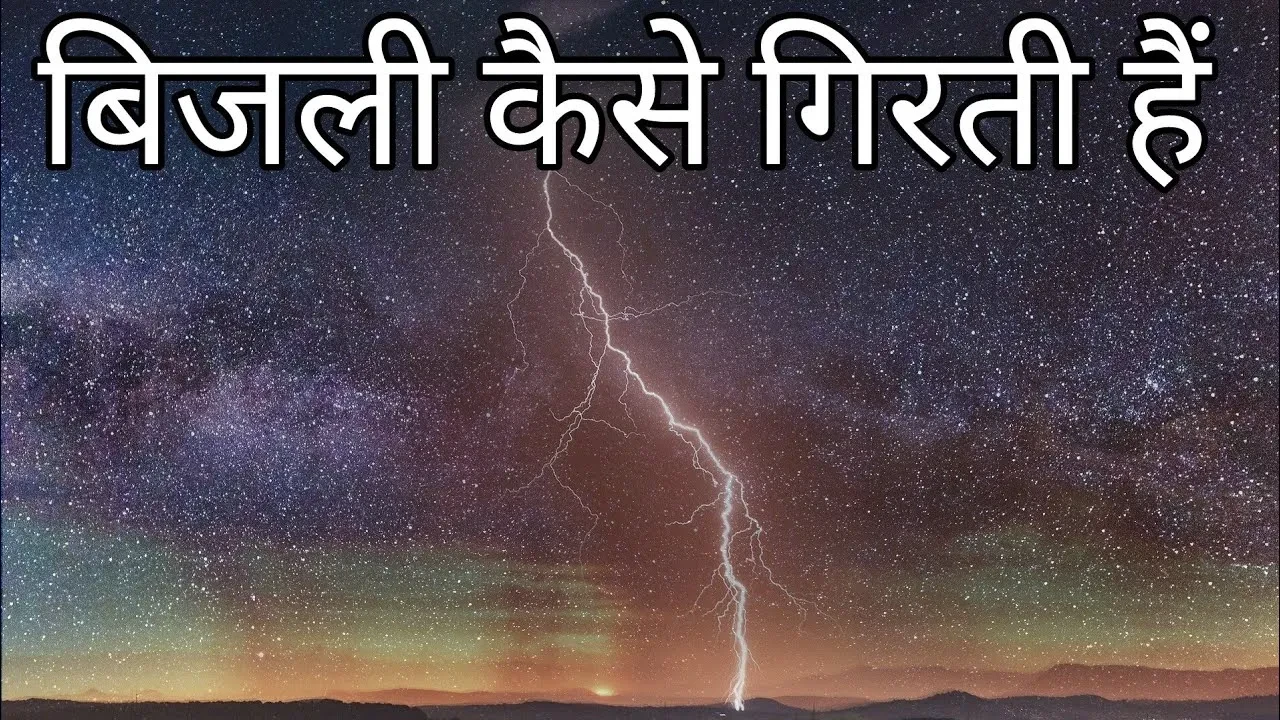
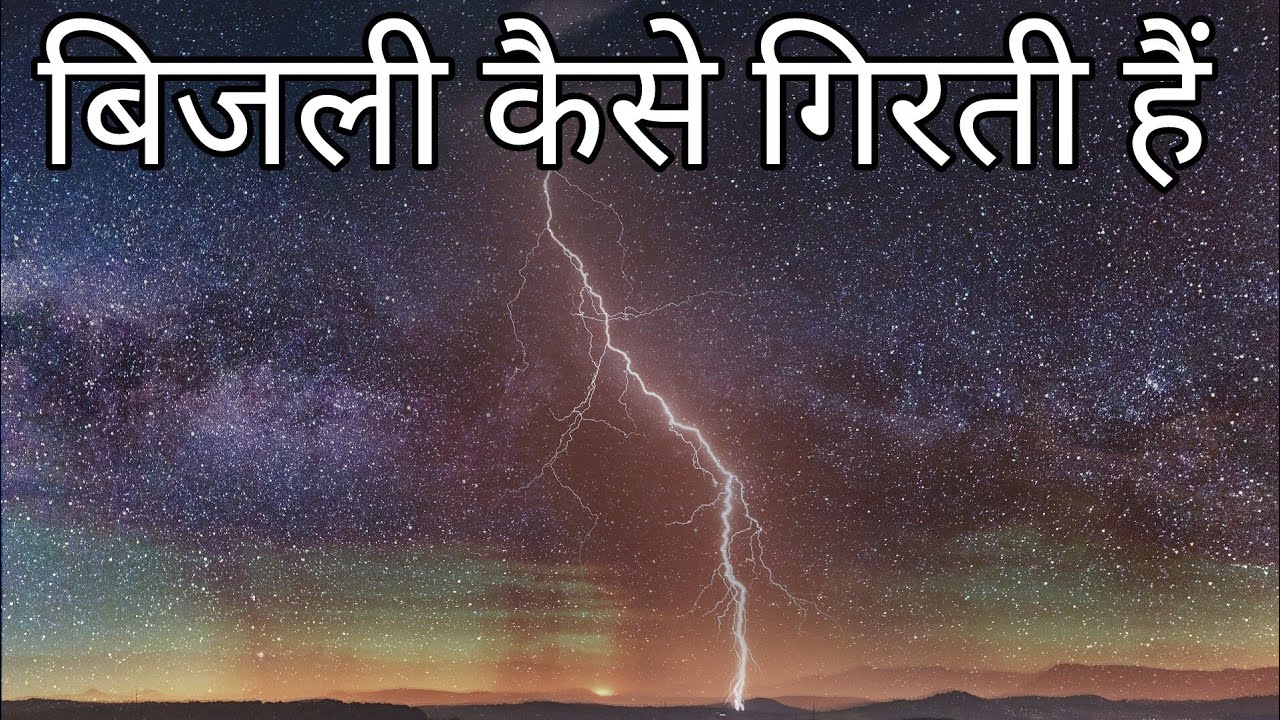
A sudden spark in the clouds grabs attention like nothing else. When storms roll through, flashes tear across the heavens just before booming cracks shake the air. What causes those electric bursts between heaven and earth might surprise you.
A flash tearing across the sky? That is just electricity jumping through air. Picture invisible tension building until - snap - it bursts open with light.
What Is Lightning?
A flash splits the sky when electrical tension breaks loose - jumping from cloud to cloud, inside one mass of air, or stabbing downward to earth. Such a burst pours out immense power in less than an instant.
Floating within storm clouds, electric charges gather slowly. When too much charge collects, release follows without warning. Pressure forces energy outward in a sudden burst. That flash we see comes from this overflow escaping skyward.
Storm Cloud Charging Explained?
High above, lightning takes shape within towering storm clouds known as cumulonimbus. Swirling air currents toss water drops and bits of ice around inside them.
During this movement:
When ice bits bump into one another, they shake loose.
Sparks begin when bits of energy split apart.
Opposite charges drift apart when pushed by an electric field.
Down below in the cloud, negative charges build up. Up above, positives take their place instead. Charges split apart - negatives sink, positives rise. At the base, negatives collect slowly. The peak holds positives more tightly now. One part gets heavy with minus signs. The opposite end? Full of pluses. Bottoms fill with negative energy. Tops answer back with positive force.
Filling the air beneath, negative charges gather tightly, pulling hard toward the positive field rising from the earth.
The Making of a Lightning Strike
A spark jumps through the sky when pressure builds too high. Air loses its grip on stopping electricity once tension crosses a hidden line. Suddenly that space stops blocking what it held back.
At this point:
Forked light splits the sky open. Sparks leap where air breaks down.
Through the channel, electrons zip without slowing down.
A sudden glow lights up the sky - that's lightning. It bursts without warning, cutting through dark clouds. Light spreads fast across the horizon. This flash happens instantly, no delay. The air feels different right after.
A sudden flash sends intense heat into the air nearby. This burst of warmth forces the atmosphere to swell at high speed, producing a sharp noise known as thunder.
Types of Lightning
There are several types of lightning:
Cloud-to-ground lightning
Intra-cloud lightning (within the same cloud)
Cloud-to-cloud lightning
When lightning hits from sky to earth, that kind poses real risk - can hit houses, tall plants, anyone outside. It's the ground connection that makes trouble.
Lightning Can Cause Harm
Lightning carries enormous energy and can cause:
Fires
Power outages
Damage to buildings
Serious injuries
Because of this, being inside when storms happen helps keep safe instead of standing in wide-open spaces.
Conclusion
When thunderclouds gather, electric tension grows within them - then snaps loose as a jagged bolt. Charge splits, one part rising, another sinking, until the gap breaks wide open with light. A spark leaps, not gentle but fierce, tearing through air with sudden glow. Energy escapes fast, flashing where moments before there was only dark.
Even when skies flash bright, remember - nature’s force demands care. A storm’s glow hides raw power beneath its shine. Watch closely, stay aware, each bolt carries weight beyond beauty.
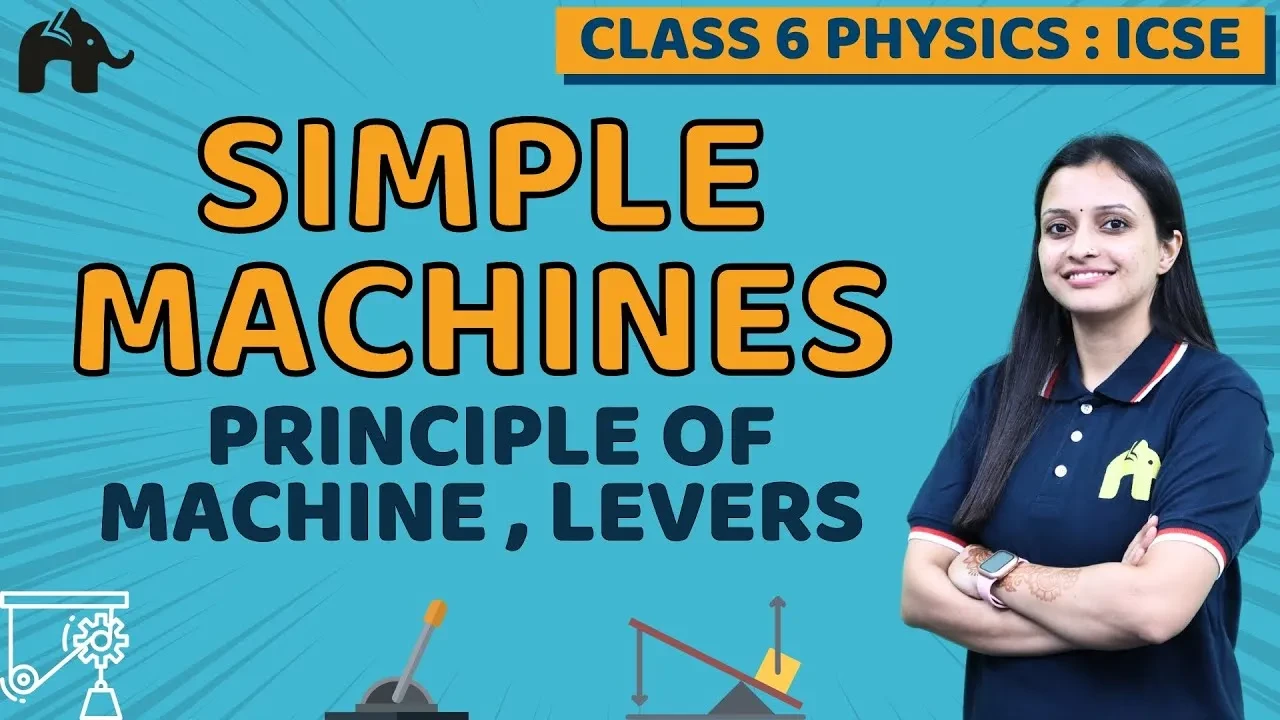
Heavy things get moved without much sweat, thanks to machines. Whether it's shifting loads or slicing sheets, doing jobs takes far less force than before. Long ago, though, clever hands shaped basic tools to handle chores we now leave to advanced gear.
A single idea makes it clearer: simple machines show how tools need less force. What happens? Work gets easier without extra strength being used. These basics shape every tool we rely on daily.
Simple Machines Explained?
A tool like this alters how force moves or how strong it feels. Because of its design, less push or pull is required to get something done.
Simple machines come in six primary forms.
Simple Machine Types
1. Lever
Over there, a stiff rod spins on a pivot known as the fulcrum. Because of this setup, moving big weights takes much less force. Think about playground teeter-totters or tools used to pry things open. While it might look basic, the motion makes tough jobs easier.
2. Inclined Plane
Up a tilt, things move easier. One everyday version? The ramp you see leading to a doorway.
3. Pulley
A wheel fitted with a rope makes up what we call a pulley. By shifting how effort moves, it eases lifting weight. Force goes one way, load rises another - simple mechanics at work.
4. Wheel and Axle
A heavy spinning circle connects to a narrow rod at its center. When you turn the big part, the small one spins faster. Door handles work like that. So do bike tires when they roll on roads.
5. Screw
A twist of metal spirals along a rod, forming what we call a screw. Wrapped like a ramp circling a pole, it joins things tightly when turned. Movement through rotation pulls items close or raises heavy loads slowly. This shape changes force direction, making jobs easier without obvious effort.
6. Wedge
One sloping surface meets another to form a wedge. This tool works by forcing materials apart, much like how an axe handles wood. Instead of just sliding, it pushes things sideways as it moves forward. Think of a knife slicing through butter - same idea. Two ramps back-to-back make this splitting happen smoothly.
Principles of Machines
Starting off simply - gears turn because forces push them forward. Motion follows rules built into how things fit together. Power flows where design allows it passage. Energy shifts form but never disappears completely.
1. Mechanical Advantage
What makes machines useful? They boost your push or pull. A tiny input moving something big shows strong leverage. When effort grows quiet but load shifts loud, that gap tells the tale.
2. Work
A push or pull acting through space means work happens. What machines actually change isn’t the overall job - just how hard it feels, sometimes shifting which way you apply strength.
3. Efficiency
Faster movement inside machines often means more heat slips away. How much work actually gets done shows how efficiently power moves through it.
4. Force and Motion
Pulling harder isn’t always the answer - sometimes a clever twist does the job. That shift in effort makes tough work feel lighter without extra strength.
Conclusion
A push here, a pull there - one little gadget shifts effort so tasks need less strength. Levers tilt, ropes loop over wheels, ramps slope upward, circles turn around rods, threads twist into tight fits, sharp edges split things apart. Each one bends force in its own way. These tiny helpers build everything bigger behind the scenes.
Finding out how gadgets work - like their power gains and energy savings - helps us see why tools make chores easier. Machines, when broken down, show clever tricks that shape the way we live without drawing attention to themselves.
Floods happen often across the planet. Water spreads where it usually does not belong. Houses feel the impact, fields get ruined, pathways break down - sometimes people do not survive.
Understanding floods, their causes, and how they can be managed is important for safety and environmental awareness.
Understanding Flooding?
Water spilling over onto dry ground usually means a river, lake, or drain has filled beyond its limit. Sometimes the rise creeps in over days; other times it hits fast, without warning.
Floods come in many forms, shaped by where they happen plus what triggers them.
Causes of Floods
Floods can happen due to both natural and human factors.
1. Heavy Rainfall
Heavy rains that last a long time often lead to flooding. Water moves across land when soil gets too wet to soak it up, then pours into rivers until they spill over.
2. River Overflow
Floods happen if a river gets too much rainwater at once - common when storms linger overhead. Overflow starts where the banks can no longer hold back the rising flow.
3. Dam Failure
Water rushing out when a dam fails might flood places close by. A sudden overflow could overwhelm land downstream without warning. Too much release at once often leads to destruction near the structure. When barriers give way, communities nearby face rising waters fast.
4. Snowmelt
When temperatures rise in chilly areas, runoff from thawing snowpack swells rivers. Floods often follow as channels overflow their banks.
5. Poor Drainage and Urban Growth
Pavements of stone and steel cover city soil, leaving rain nowhere to go. When gutters choke, overflow follows - water rises where it shouldn’t.
Types of Floods
Flash Floods
A sudden rush of water can flood streets fast when downpours hit hard. With almost no time to react, people face serious risk before help arrives.
River Floods
Floodwaters rise slow, spilling past river edges. Water creeps outward, overtaking land bit by bit.
Coastal Floods
Might come from fierce winds whipping up waves. Sea surges often follow when water pushes harder than normal. Storms spinning fast offshore can drag tides higher. Rising oceans leave less room before flooding begins.
Effects of Floods
Floods can cause serious damage, including:
Destruction of homes and infrastructure
Loss of crops and livestock
Spread of waterborne diseases
Soil erosion
Displacement of people
Floodwaters shift animal paths while plants struggle underwater. Nature adapts slowly when currents reshape the land.
Prevention and Safety Measures
While floods cannot always be prevented, their impact can be reduced by:
Building proper drainage systems
Constructing dams and embankments
Avoiding construction in flood-prone areas
Planting trees to improve water absorption
Creating early warning systems
When water rises fast, get to high land instead. Stay out of moving water on foot or by vehicle - just wait it out elsewhere.
Conclusion
Water spilling across dry ground is what makes a flood happen. Too much rain might trigger it, just like rivers bursting their banks. A broken dam could do the same thing. Even how cities are built plays a role when water has nowhere else to go.
Floods hit harder when ignored, yet planning ahead softens their blow. Safety grows where people pay attention, not just react.
Shaking deep underfoot - that's what happens when Earth shifts without warning. Cracks tearing through pavement appear once the tremor decides it’s time. Buildings wobble like they’re unsure whether to stand or fall apart. Why does solid land turn restless out of nowhere? A sudden lurch inside the planet often begins where we cannot see. Ground that feels firm one second flips into chaos the next. Movement hiding beneath miles of rock finally shows itself violently. Could something so wild really start just by pressure building up slowly?
A quake begins when cracks in Earth's crust shift without warning. This movement releases energy that shakes the ground below. Pressure builds up slowly over time along these breaks. When it finally gives way, shaking spreads outward like ripples. The process explains both how and why tremors take place.
Understanding Earthquakes?
Shaking happens fast when the planet shifts deep below. Energy bursts out once things move underground, traveling as ripples. Those pulses roll across layers beneath our feet, making everything tremble along the way.
Some tremors slip by without notice - others rip towns apart. Shaking might feel like a whisper underfoot, yet turn into chaos in seconds. A quiet jolt could mean nothing, while another splits roads open. Ground movement varies wildly; one moment calm, next: broken walls. Small rumbles happen often, but force matters more than frequency.
Earthquakes Happen When Rocks Break Underground?
The skin of our planet goes by another name - it’s the crust. Sitting on top, huge sections split this shell apart, known as tectonic plates. Not still for long, they crawl across the globe at a near-invisible pace.
Sometimes, these plates:
Bumping into one another
Slide past each other
Step back, then turn in opposite directions
Frozen plates resist motion, so tension piles on slowly. Once that stress hits a breaking point, they jerk free without warning. That violent shift hurls stored power outward, shaking the ground hard.
Earthquake Origins Deep Underground?
Picture a spot deep within the planet - this is where shaking first kicks off, known as the focus. Right up top, at ground level, there's a matching place sitting just above that origin, named the epicenter.
Felt most sharply close to where it begins, the jolt hits hardest right at the start.
Seismic Waves
Shaking begins when energy escapes deep inside the planet during a quake. From there, vibrations spread outward like ripples after a stone drops in water.
Earthquake power gets tracked by scientists using tools named seismographs.
Why Some Places Get More Earthquakes?
Shaking ground often happens where Earth's plates meet. Around the Pacific Ocean, a stretch called the Ring of Fire sees many quakes - movement there stays active.
Earthquakes strike more often where certain nations sit on shifting plates.
Effects of Earthquakes
Earthquakes can cause:
Building collapse
Landslides
Tsunamis (if under the ocean)
Ground cracks
How bad things get relies mostly on how hard the ground shakes plus how well structures were built.
Conclusion
Fault lines shift when stress deep beneath the surface finally gives way. Shaking begins as that stored force escapes into rock layers, rippling outward like cracks spreading through ice.
When quakes strike, knowing why they occur makes preparation smarter, cuts destruction. Though halting them stays beyond reach, stronger safeguards save people, buildings.
Right now, across the planet, dirty stuff messes up nature more than almost anything else. Harmful things slip into forests, rivers, cities - suddenly everything becomes risky to live in. Air gets thick, water turns toxic, soil loses life, noise never stops buzzing.
Each kind of pollution becomes clearer when we look closely, so handling it gets easier. This clarity leads to better choices for Earth’s health instead of worsening harm. Steps follow thought, actions come after awareness, protection grows from knowledge.
What Is Pollution?
Polluted air, water, or soil happens when bad stuff gets into nature. Stuff like trash, smoke, or dirty liquids usually comes from things people do every day. Sometimes it drips, sometimes it floats, always causes harm without asking first.
There are several main types of pollution.
1. Air Pollution
Smoke, dust, along with toxic fumes fill the air we breathe. Fumes from cars pile up because of factories puffing out waste, coal burned for power, wildfires spreading thick haze.
Breathing issues sometimes start when air turns dirty, especially in busy urban areas where factories keep running while vehicles crowd streets. Cities across the globe face messy skies not because of one single reason but mainly from engines never stopping plus smokestacks always active.
2. Water Pollution
Floating junk finds its way into streams, seas, ponds, or even deep water under land. Factories dump leftovers, toilets flush too much, bottles pile up on shores, while slicks spread after tanker leaks.
Frogs croak less where runoff poisons streams - human sips turn risky, crops shrivel under grimy droplets.
3. Land Pollution
Foul stuff piles up on the ground, messing up dirt - this is what people mean by land pollution. Waste like plastic junk often leads to tainted earth. Chemicals creep into soil when spilled carelessly. Pesticides seep deep after heavy rains wash them down. Tossed trash that never breaks apart adds to the mess slowly building over years.
Fertility of the ground drops when land gets polluted, slowing how plants grow. Though trash piles up, roots struggle to spread properly across damaged earth.
4. Noise Pollution
Out there, noise pollution means too much unwanted sound messing up people's lives and animals' routines. Traffic rumbles bring it, construction bangs pile on top, while factories hum steadily beneath it all. Loudspeakers blast their way into the mix now and then.
Few hours every day of loud sounds might slowly wear down your calm, damage ears over time, yet also mess up nighttime rest. Noise that sticks around too long does more than just annoy - it shapes how well you hear, feel, even recharge while sleeping.
5. Light Pollution
Too much light at night comes from human-made sources. Because of it, wildlife behaviors shift unexpectedly. Sleep patterns in people and creatures alike begin to falter. Nighttime brightness lingers where darkness should return.
Street lamps shining tall make it hard to see stars above. Night skies glow too much near towns. Head far out where dark settles, spots appear clearer. City beams climb high, drown quiet twinkles. Far from roads, eyes adjust slow to dimmer patterns.
Effects of Pollution
Pollution can cause serious environmental and health problems such as:
Respiratory diseases
Waterborne illnesses
Climate change
Loss of biodiversity
Soil degradation
Pollution left unchecked might damage lives still to come.
Reduce pollution
Folks pitching in together make cleaner air possible. Little things help - like walking instead of driving, turning lights off when leaving a room, fixing leaks quickly, using reusable bags at stores, choosing products with less packaging, sharing tools with neighbors, and skipping single-use items whenever able
Using public transport
Recycling and reducing waste
Saving energy
Avoiding single-use plastics
Supporting clean energy sources
Conclusion
Polluted skies, rivers, soil - noise too - all carry traces of human impact. When we see how each kind harms living things, better decisions follow naturally.
Picture cleaner air, safer forests - this comes from caring for nature. A steady path forward depends on it.
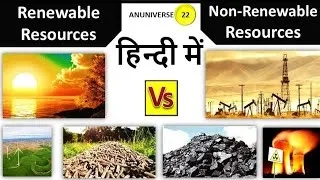
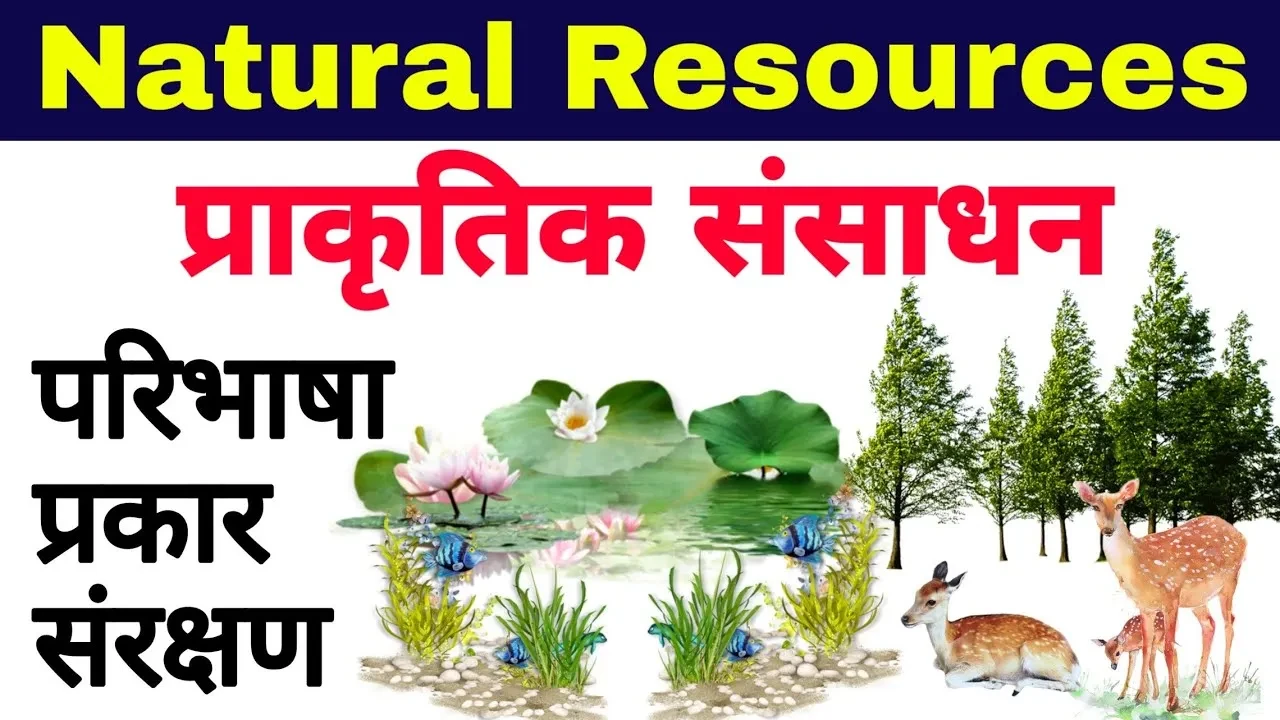
From trees to sunlight, stuff Earth gives us keeps people going. Because they come free from the planet, folks rely on them every day. Food grows because soil and rain work together without asking. Power comes from wind, water, or buried fuels deep below. Homes rise using wood, stone, or sand pulled straight from the ground. Factories hum along thanks to raw inputs found in forests or mines. Yet one thing stands clear - renewal doesn’t happen at the same pace for everything. Some things bounce back fast when used, like crops after harvest. Others vanish once taken, formed so slowly time hardly matters. Millions of years pass before certain supplies even begin to return.
So resources split into two big groups: ones that renew, others that do not.
Renewable Resources Explained?
Over time, nature refills certain materials found on Earth - these we call renewable. When people take care, they keep coming back without vanishing fast. What matters is how they’re handled day by day. A steady cycle stays possible only with mindful choices.
Examples of renewable resources include:
Sunlight (solar energy)
Wind
Water (hydropower)
Biomass
Forests (if managed properly)
Fueled by sunlight and breeze, power flows clean from nature’s steady rhythm. Clean air follows when renewables take charge instead of fossil fuels. Nature wins each time smokestacks stay silent through smart choices. Climate gains ground where windmills turn under open skies.
Still, using renewables without caution brings risks. Take forests - remove trees quicker than nature replaces them, harm follows.
Non Renewable Resources Explained?
Fossil fuels stick around underground for ages before we dig them up. These materials need eons to remake themselves after vanishing from Earth’s crust.
Examples of non-renewable resources include:
Coal
Petroleum (crude oil)
Natural gas
Minerals such as gold and iron
Fuel made from ancient plants powers homes, cars, machines. Yet fire turns that fuel into smoke filled with gas trapping heat on Earth. Smoke piles up when people burn too much of it.
Burning through finite supplies means we might run out sooner than expected. Running low happens faster when demand stays high.
Renewable Versus Non Renewable Resources How They Differ
Sometimes it's about how long something lasts. What sets them apart? One kind comes back on its own after being used. The other doesn’t refill itself, so once it’s gone, that’s it.
Most of the time, renewable sources are easier on nature than things like coal or oil. Instead of digging deep underground, they rely on sun, wind, or water moving through open spaces.
Importance of Conservation
Picture this: saving what we’ve got - trees, water, minerals, sunlight - keeps tomorrow livable. When machines waste less power, old items get reused, or wind and sunshine replace coal and oil, pressure on Earth eases. Each small shift adds up, quietly shaping a world where coming generations aren’t left scrambling. What lasts isn’t always obvious - it’s often the choices behind the scenes that hold things together.
Conclusion
Life depends on both kinds of resources - those that renew themselves plus those that do not. Though nature refills some over time, others run out if taken too fast.
Finding our way through these tools leads to decisions that care for nature while building a future people can count on.
People keep companies running, no matter the size. A business thrives because of its workers, not just systems or tools. That part handling staff tasks goes by many names, but HR sticks around most. Workers shape what a workplace becomes each day.
Besides finding new team members, HR handles learning programs while guiding staff growth across the company. Staff progress often ties back to how well support systems work behind the scenes. Training paths shift based on what people need at different stages. From day one, guidance shapes experience just as much as recruitment choices do.
What Human Resources Means?
People work inside companies because someone helps them get there. That job belongs to a team handling how workers join, stay, or grow. Hiring fits well when communication stays clear. Good moods at desks often follow fair actions behind the scenes.
Simply put, handling people in a company falls under what HR does.
Main Functions of Human Resources
The Human Resources Department Handles Key Workplace Roles
1. Recruitment and Selection
From spotting open roles to posting ads, HR handles hiring start to finish. Whoever gets hired can shape how well a team performs. Interviews help sort through applicants one by one. A strong fit often means smoother workflow down the line.
2. Training and Development
Fresh hires trigger a series of workshops run by HR, sharpening abilities step by step. Growth doesn’t stop - skills climb when learning never pauses.
3. Payroll and Compensation
Paychecks arrive without delay because HR handles wages, rewards, perks, alongside extra earnings. Mistakes get fixed fast since staff compensation falls under their watch.
4. Employee Relations
When problems come up at work, HR steps in to sort things out. Dealing with disagreements is part of their role. They keep conversations open between bosses and staff.
5. Performance Management
Performance checks happen when HR steps in to review how workers are doing. Because of these reviews, people get clear notes on what they’re hitting right - also where things could shift. Growth chances show up more clearly once results land on the table. Productivity often climbs when feedback sticks around long enough to matter.
6. Compliance with Laws
From making sure rules are followed to keeping things fair, HR handles how laws apply at work. Workers stay safe when procedures get respected.
Human Resources Matter
Human Resources Matters
A solid team grows when people learn to do their jobs well. Skills come with practice, not just training. Workers improve when they face real tasks. Strength comes from doing, not watching. Experience shapes ability more than theory ever could.
Workers feel more satisfied, which lifts their drive to perform. Motivation grows when conditions support well-being.
Growth within an organization finds support through it.
A good mood spreads when people feel respected every day. What matters most shows up in small actions, not big speeches.
A shaky handle on people tasks can leave firms losing staff fast while output dips. When leadership stumbles in support roles, workers drift away and work slows down.
Skills Needed for Human Resources Work
Starting off, HR folks require sharp ways to talk clearly with others. A knack for untangling tough situations helps just as much as making firm choices. Knowing the rules about hiring and firing matters a great deal too. On top of that, seeing things from someone else's view keeps balance. Staying fair shows up in how they handle every case.
Conclusion
People teams keep businesses running smoothly. From hiring new staff to sorting paychecks, they handle what workers need. Training programs grow skills across departments. Legal rules? They make sure nothing gets missed. When coworkers get along better, work improves too. Success often ties back to how well this team supports everyone involved.
What keeps a company running? Not machines, but people. Behind their energy stands HR, making certain folks feel seen, backed, even driven.
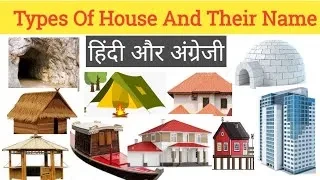
A roof over your head means having a spot to sleep, unwind, maybe even breathe easier. Across regions, what shapes that shelter depends on weather patterns, land features, available resources, daily habits. One might find huts using earth and wood here, there towering structures mixing metal, stone, and wide panes of transparent material.
A look at various homes begins here, spotting each by its common name. Different styles appear one after another, showing how they stand apart through design and purpose.
1. Kutcha House
Out in the countryside, you’ll often spot a kutcha house built with mud, straw, bamboo, or wood. Not one of them lasts very long under tough weather. Since they go up quickly, fixing them becomes part of daily life there. Built by hand, these homes rely on whatever nature offers nearby.
2. Pucca House
Pucca homes stand firm because they’re built using brick, cement, concrete, or steel. Built to last, they form the backbone of urban living. In city areas, you’ll find nearly every home fits this stronger type.
3. Bungalow
A bungalow sits low to the ground, just one floor high. Sometimes it wraps around a wide porch where chairs might rest. Space spreads out inside, making rooms feel open. Comfort comes easily here, without effort. Outside, greenery often grows close, hugging the walls.
4. Apartment
A single home tucked into a taller structure makes up one living space. Inside such buildings, several households occupy their own private units.
5. Villa
A big, fancy home - that's what a villa means - often tucked away where it’s quiet or near pretty views. Gardens wrap around most of them, sometimes with room just for one person to relax alone.
6. Cottage
Cottages sit tucked away in quiet country spots, far from busy towns. Their charm lies in being unpretentious, built for comfort without fuss.
7. Igloo
A dome-shaped shelter rises from packed snow bricks. Built long ago by Inuit hands where winter never quits.
8. Tent
Out in the open, a tent gives cover when there is no building around. Often seen pitched in forests or fields, it serves those traveling without permanent housing.
9. Houseboat
A floating home sits right on top of the water, shaped like a boat but made for living. Found most often along slow rivers or calm lakes, it moves only when pushed by wind or current.
10. Tree House
A child might climb up to find it tucked among leaves. Perched above ground, one rests inside wood walls hugged by branches. Some spend hours there reading while wind shakes the limbs nearby. Built strong enough to stay through storms, each sits slightly uneven but steady.
Conclusion
Around the globe, homes take different shapes based on what folks require and how the weather behaves. Starting with basic mud huts all the way up to sleek high-rises or spacious country homes, these structures give protection plus a place to rest.
Not every home looks the same - shapes, materials, choices shift depending on weather, land, daily habits. How people live changes how walls rise, roofs slope, spaces connect. Some build high off ground where it floods; others dig into hills when cold bites hard. Sunlight guides window size. Wind shapes door placement. Life outside the house always leaks inside, one brick at a time.
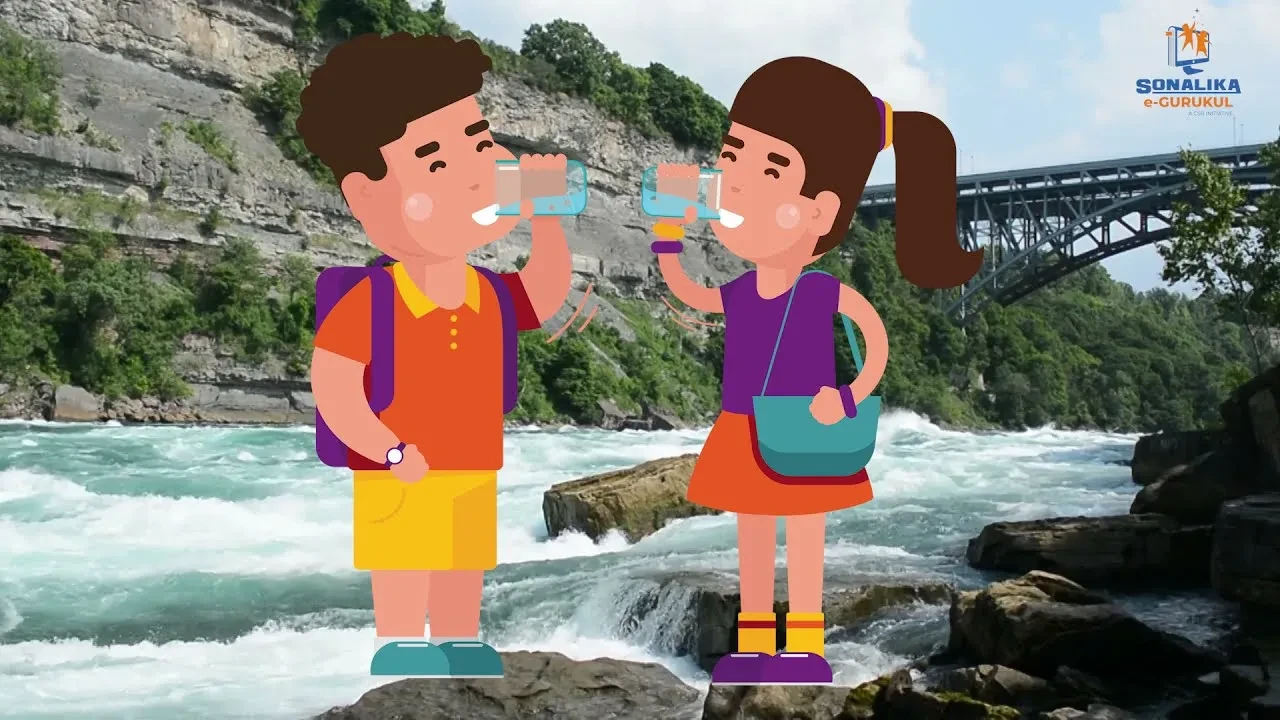
Fresh water you can sip without worry keeps bodies strong. Yet plenty of sources out there won’t do you any favors when consumed straight. River flow, lake dips, well draws, or tank holds often carry gunk, tiny germs, invisible invaders, along with toxic traces mixed in. Knowing the right way to clean that liquid first makes all the difference once it hits your lips.
Purifying water can be straightforward when you know how. This piece walks through clear steps that work well. Methods shown here keep things practical without extra fuss. Each approach focuses on results you can see. Clarity matters most in these explanations. What follows is meant to help anyone understand basics fast.
Water purification matters
When water carries contaminants, illnesses like diarrhea, cholera, or typhoid might follow. Cleaning the liquid wipes out dangerous germs along with unwanted particles so people can drink without risk.
When disaster strikes, safe water becomes critical. Emergencies make filtering liquids a top priority. Traveling to remote areas? That’s when clean sources matter most. Natural events can cut off supply fast. Places without reliable access need solutions quickly. Unseen dangers hide in untreated fluid. Preparation keeps health intact under pressure.
Boiling Water
Water can be cleaned just by bringing it to a boil - it’s straightforward, plus it works well.
To purify water by boiling:
Bubbles burst fast when the pot heats through. Water churns hard once it's fully hot.
Wait a full minute, maybe three, while bubbles rise. Boiling needs time - give it space.
Wait until the temperature drops enough to sip safely.
Water heated to boiling stops many germs from surviving. Still, chemicals stay behind even after it bubbles.
Filtration
Besides trapping tiny particles, water filters catch rust and certain bacteria. Depending on design, each kind works a bit differently
Cloth filtration for removing visible particles
Ceramic filters
Carbon filters
Advanced household water purifiers
Filtration makes water look cleaner and safer; however it won’t catch every harmful microbe without support from additional techniques.
Chlorination
Cleaning water often involves chlorine. Tablets dissolve slowly, releasing the chemical into supply lines. Liquid bleach works fast when mixed carefully. Harmful tiny life forms die quickly on contact.
To use chlorine safely:
Start by mixing the suggested quantity into water.
Give it a good mix, then leave it alone for half an hour or more before you take a sip.
Chlorination is widely used in municipal water treatment systems.
Distillation
Water heats until it turns to vapor, that rises away from contaminants. Once cooled, the gas becomes pure liquid again. Most unwanted elements stay behind - things like minerals and toxic substances never make the shift.
Few realize how much setup it demands - yet results often justify the wait.
Advanced Methods for Cleaning Drinking Water
Some houses rely on high-tech filters. These often mix different methods to clean water. One system might trap dirt while another zaps germs. A unit could soften minerals at the same time it removes chemicals. Each stage handles a separate task. Some models even adjust based on what they find in the supply line
Reverse osmosis (RO)
Ultraviolet (UV) purification
Ultrafiltration
Water cleaners target germs, tiny pathogens, besides substances mixed into the liquid.
Natural Ways During Emergencies
In emergency situations:
Wait till the murky liquid calms down, then pour it through a cloth.
Start by wiping away big debris with a fresh piece of fabric. Finish the step using material free of lint or grime.
Start clean by boiling any filtered water first. Disinfecting it makes sure it is safe to drink. Water might look clear but still carry hidden risks. Boiling kills what filters miss. Safe sips begin with heat treatment every time.
Conclusion
Fresh water needs cleaning so it stays safe to drink, stopping sickness before it starts. Boiling works well, killing off dangers with heat instead of chemicals. Filters catch tiny troublemakers, pulling them out as water passes through. Chlorine steps in where tools can’t reach, guarding against hidden threats. Newer machines handle complex tasks, using advanced methods without much effort.
When it comes to staying safe, cleaning water matters more than most realize. A person who understands purification helps guard their body. This knowledge doesn’t just prevent illness - it builds a stronger daily routine. From rivers to taps, what you do with water shapes wellness. Learning the process takes time, yet pays off quietly over years.
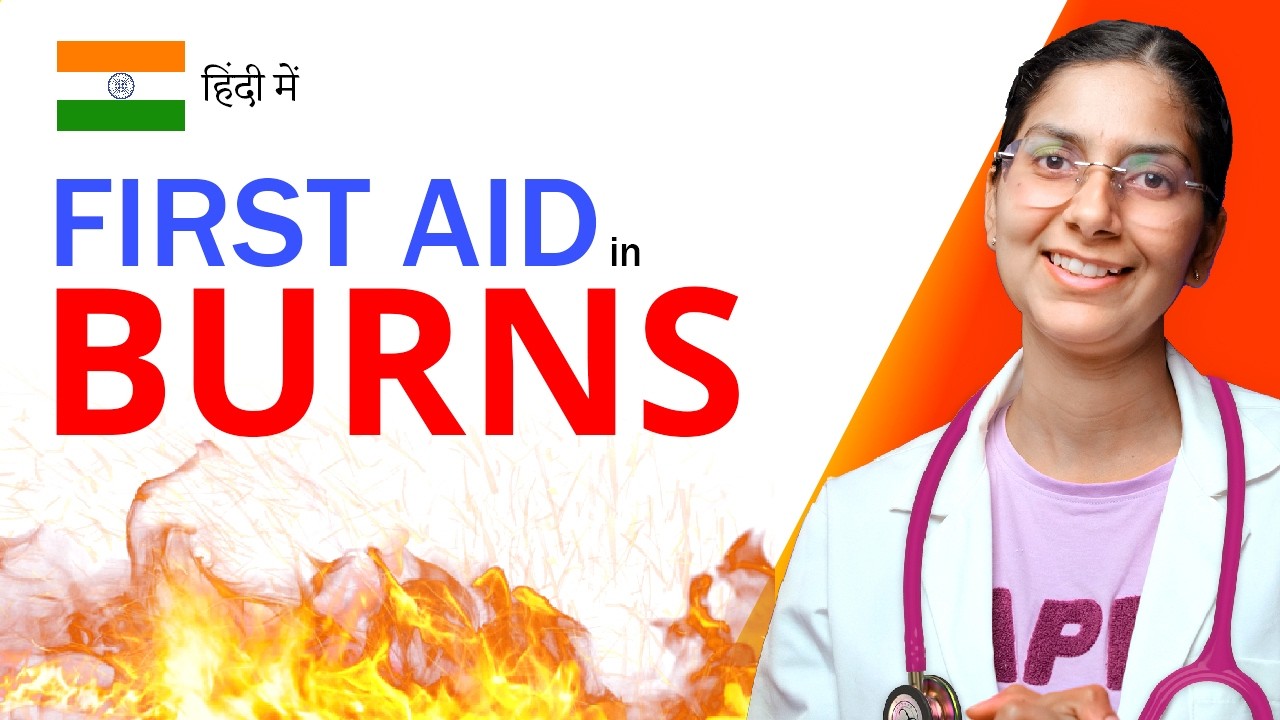
A sudden splash of boiling water might leave a mark just like a spark from faulty wiring. When heat touches skin too long, harm follows - fast thinking helps slow it down. Some wounds come from flames, others creep in through chemical contact or strong sunbeams left unchecked. Acting right away changes how deep the hurt goes. Cool running water often eases the sting within seconds. Protection matters once tissue is exposed - covering gently keeps germs out. Each second counts when nerves scream under damaged layers.
Start by cooling the burn under running water. A fresh injury needs care right away - keep it clean. Hold skin gently if pain shows up fast. Move slowly when removing stuck clothing nearby. Cover the area with a loose cloth after rinsing. Stay calm while checking how deep redness goes. Never pop blisters that form later on. Call for help only if breathing feels tight too.
Types of Burns
Burns usually fall into one of three broad groups
A top-layer burn reaches just the surface of the skin. Redness shows up, along with pain, sometimes a bit of swelling.
Beneath the surface, second-degree burns reach further into skin tissue. Blisters can show up alongside intense discomfort, sometimes followed by puffiness in the area. Pain tends to linger, often paired with redness that spreads slowly.
Burns that go deep can reach every part of the skin. These injuries might also harm what lies beneath. White or dark coloring often shows up. Charring is common when tissue dies.
First Aid for Minor Burns Including First Degree and Small Second Degree
If the burn is mild, follow these steps:
Hold cold water on the burned area right away.
Water that runs cool should flow over the burn for between ten and twenty minutes. Heat fades when you do this, plus discomfort eases too. Ice? That brings harm instead of help - skip it completely.
Remove tight items.
Gently remove rings, watches, or tight clothing before swelling begins.
Cover the burn.
A soft cloth, one that won’t stick, works well to cover the spot. It should be clean and keep germs out by staying in place without tugging on healing skin.
Avoid home remedies.
Last thing you want is an infection - skip the butter, forget toothpaste, avoid oils. They might seem helpful but they trap germs instead.
Pain? Ease it when required.
Over-the-counter pain relievers may help reduce discomfort.
First Aid for Third Degree and Extensive Burns
Burns that are serious need care right away.
Right away, dial the number for help. Emergency crews need to be told fast.
Stuck fabric stays put. Leave it be. Cloth caught? Let it rest right there.
Flooded skin worsens deep injuries - skip dousing big wounds. Water pours into serious damage, making healing harder.
A light layer of clean fabric works best here. Try gauze if it is handy instead. A soft touch keeps things safe around the area.
Stay close to keep body heat while they wait. Quiet words help when moments feel long. A steady hand means more than rushing. Stillness often moves faster than noise.
Special Kinds of Burns
A person might seem fine on the outside, yet harm inside can be serious from electric burns. Right away, getting a doctor is needed.
Start by flushing the area with fresh water that flows steadily - keep it up for twenty full minutes. Water moving over the spot helps clear away harmful substances slowly but fully. Twenty minutes might feel long, yet each second counts when washing out chemicals. Let the stream run without stopping, even if things seem better early on. Clear liquid flowing nonstop gives skin a needed reset after harsh exposure.
When to See a Doctor
Seek medical attention if:
Bigger than your open hand, the burned area spreads across the skin.
Face, hands, feet - sometimes even the genitals - get involved. Sometimes it shows up where you’d least expect.
Redness getting worse might mean an infection is present. Pus can show up when the body reacts to harmful invaders.
It hurts badly.
Conclusion
A sudden splash of cool water can ease a burn fast. Protection comes after cooling - cover it loosely. Some old home fixes might do more harm than good. When the injury looks deep or widespread, help from a clinic matters right away.
A small cut might seem minor, yet knowing what to do helps stop it getting worse. Healing often goes quicker when someone acts right away with simple steps they learned beforehand.
Inside you, different pieces team up to keep life going strong. Grouped as organ systems, they split the jobs needed for survival. One handles one task while others pitch in elsewhere. Balance comes from their quiet teamwork behind the scenes.
A working knowledge of the human organ system shows how the body operates, while also highlighting reasons to protect one's well-being. Though complex, each part plays a role that affects overall function; without balance, issues may arise more easily. Because systems connect deeply, weakness in one area can influence another far away. With awareness comes better daily choices, even small ones like rest or hydration mattering over time. When people learn what happens inside, they tend to value habits that support long-term wellness.
Organ System Basics?
Something you might not expect: organs team up to get jobs done inside your body. Take the heart with blood vessels - they push liquid life through tubes when linked. Alone they fail. One needs another just like roots need soil. Function follows teamwork, always.
Inside us, different groups of organs work together. Each group handles specific tasks needed to stay alive.
Major Organ Systems in the Human Body
1. Circulatory System
Blood moves through vessels while the heart pumps steadily. Oxygen travels alongside nutrients plus chemical signals made by glands. Waste gets carried away at the same time. This network relies on tubes that stretch everywhere inside you.
2. Respiratory System
Breathing happens through the lungs and tubes that carry air. Oxygen comes in while carbon dioxide goes out, thanks to this setup.
3. Digestive System
Food gets split apart by the digestive system so the body takes in what it needs. Nutrients come from this process, fueling everything from healing to getting bigger. Energy shows up too, all because digestion does its job quietly behind the scenes.
4. Nervous System
Inside your head and running down your back sits a network that runs everything you do. This setup handles thoughts, emotions, movement - linking parts through rapid messaging. Signals travel fast along pathways reaching every corner of the body. What happens next shows up as motion, sensation, even awareness itself.
5. Skeletal System
Bone by bone, the body finds its shape and stance. Guarding what lies within, it teams up with muscle to make motion happen.
6. Muscular System
Movement comes from muscles, while posture stays steady because of them too. Internal jobs such as the beating heart or breaking down food rely on their work.
7. Excretory System
Floating away what the body doesn’t need, it also keeps moisture levels steady. From time to time, liquid gets shifted just enough to stay in check.
8. Reproductive System
Life moves forward because people can have children. How this happens lies in a special network inside the body. It works quietly, making sure one generation follows another. Without it, human existence would stop. This system holds that responsibility.
Organ systems working together
Not on their own, organ systems link up in quiet ways. Take breath filling the lungs - this gas moves out through vessels that pump it wide. Food breaks down into bits, those pieces then swept along the same rivers of plasma. Each part leans on another, never truly separate.
Fine teamwork inside makes everything run without a hitch.
Conclusion
Life keeps going because organs team up in surprising ways. One handles breathing while another manages blood flow, yet they rely on each other constantly. Seeing how they link explains why balance matters so much inside us. The body's rhythm depends on quiet cooperation most never notice.
What if every creature needs another just to get by? Out in the wild, nothing sits apart. One eats something else, that one gets eaten too. Life links together - plants feed bugs, bugs feed birds, tiny life feeds the soil.
Every now and then, a creature grabs its meal from another life form, passing along fuel needed to survive. What ends up on someone's menu reveals connections across nature’s network.
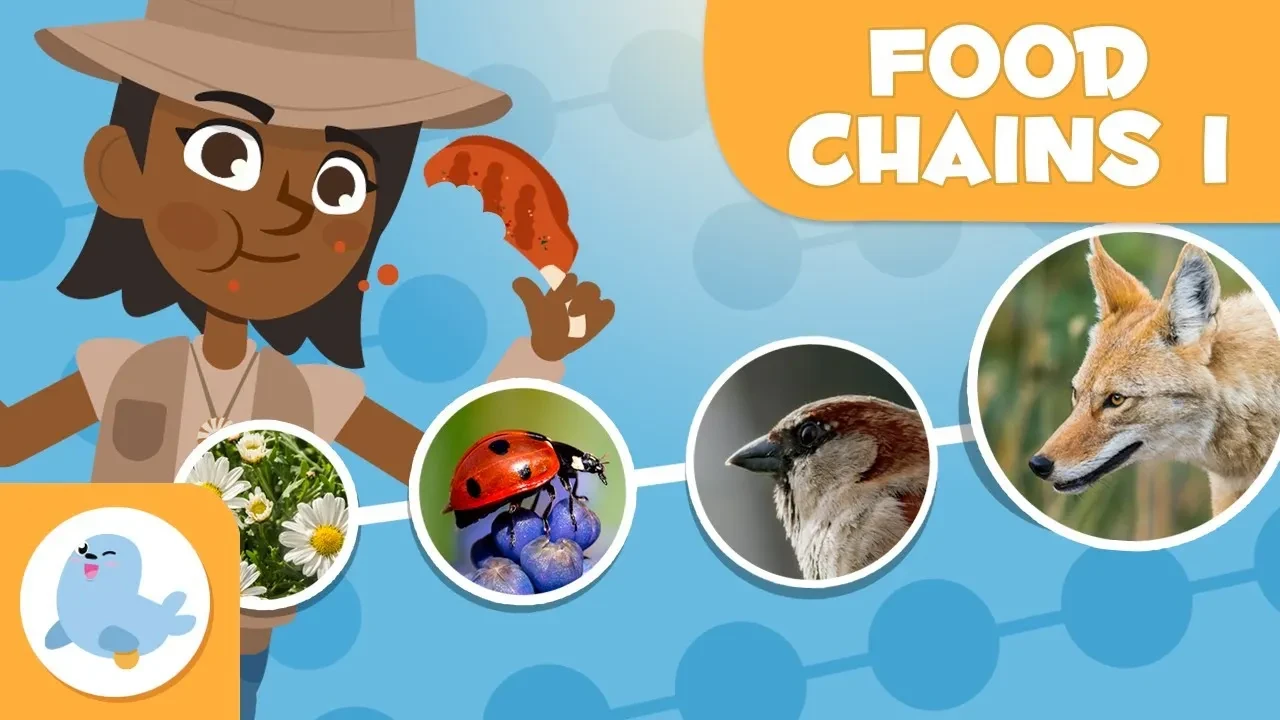
A single plant can feed an insect. That bug might get eaten by a bird. The bird could become dinner for a fox. One thing lives off another. Energy moves step by step through them. Each part depends on the one before it. Nothing stands alone in nature’s flow.
Understanding How Energy Moves Through Ecosystems?
Starting at the bottom, a food chain tracks how energy moves between living things when they eat each other. One level feeds on the next, passing along stored power from sunlight. What eats what forms a path where fuel travels step by step. Energy shifts form as animals consume plants or other creatures. Each link lives off the one before it in quiet transfer.
Most food chains begin with green growth, moving upward toward apex hunters. A stage along this path gets labeled a trophic tier.
Energy from sunlight moves through life forms, that is what a food chain illustrates. How one creature eats another reveals where solar power ends up. Life depends on this flow, starting with plants catching light. What animals consume shapes who gets the original sunshine energy. Each step shows transfer, not creation, of vital force from above.
The Basic Structure of a Food Chain
A simple food chain has the following parts:
1. Producers
Fresh green plants stand out as nature's primary makers of food. These living things grab sunlight to build their meals. From light alone, they craft usable power inside their leaves.
Floating at the base of every food chain, plants set the stage for survival. Life could not persist without these quiet creators shaping the air and feeding countless others.
2. Primary Consumers
Deer munch on leaves, while others like rabbits nibble clover. Grasshoppers hop through fields, feeding off stems instead. These creatures survive solely on plant matter, forming a key part of food chains.
Energy flows to them straight from the source makers.
3. Secondary Consumers
After that comes the secondary consumer, chowing down on those who graze first. Often, these aren’t herbivores at all - more like meat-eaters or anything-eaters.
A hopper gets eaten by a frog, making that frog part of the second-level feeding group. It's an example of how energy moves up through living things in nature.
4. Tertiary Consumers
Flesh-eaters feeding on fellow flesh-eaters often sit highest in nature's lineup. These hunters rarely face threats from above.
A bird of prey swallowing a serpent shows what sits at the third level of consumption. Tertiary consumers appear when predators feed on other carnivores. The eagle, after taking down the snake, becomes part of this higher chain link. Eating another meat eater pushes it beyond secondary roles. This kind of food path reveals how energy moves up through living systems.
5. Decomposers
Down in the dirt, tiny life forms like molds and microbes feast on fallen leaves and old bones. Because of their eating, minerals slip back into the earth. Those bits feed new green growth that rises each spring.
Fungi break down dead matter, returning what was once alive into soil food. Life continues when tiny recyclers do their quiet work beneath leaves and logs.
Food Chain Example
A single instance appears below
Grass feeds grasshopper frog snake eagle
In this chain:
Rising from the soil, grass makes its own food. Sunlight fuels this quiet builder of life’s chain.
A single hop away from the grass sits its eater - small, green, busy. That one takes what the wind offers without asking first.
Frog is the secondary consumer.
Snake is the tertiary consumer.
Birds of prey rule the sky. High above, one stands strongest.
Fewer calories move up when creatures eat one another since warmth slips away during transfers.
Food chains show how energy moves through living things?
Food chains are important because they:
Show the flow of energy in ecosystems
Help maintain ecological balance
Explain relationships between organisms
Show how changes affect the environment
A single shift in who eats whom might ripple through every living thing nearby. When one link stumbles, others feel the shake soon after. Life out there holds together in ways not always obvious at first glance.
Food Chain versus Food Web
Few things match the tangled truth of nature's menu. One creature rarely sticks to just another for meals. Instead, many hunters target one animal, while that same animal might snack on several others. These links weave something bigger - a mesh where every bite ties into countless others. A spider’s lunch could be a fly; later, a bird may snap up the spider. Nothing stays isolated.
A single bite can start a chain others follow through the wild. What one creature eats shapes what another becomes later on. Life ties together in loops tighter than most notice at first glance.
Conclusion
Every now and then, a plant catches sunlight just right - energy begins there. That stored power travels when something eats the plant, passing it along quietly. Something else might eat that first eater, shifting the flow again. Life keeps linking like this, one bite after another. Even dead things have their turn feeding others later on.
When we see how animals eat each other in nature, it shows why keeping environments safe matters. A chain of who eats whom reveals hidden links that hold natural worlds together.
Right now, what surrounds you - air, water, that device in front of you, plus everything inside your skin - is built from little pieces known as atoms. These bits may be nearly invisible, yet every bit of stuff in existence depends on them.
What makes up everything around us? That tiny building block called an atom might hold the answer. Think of it like nature’s smallest Lego piece - except you cannot see it without special tools. It has even tinier parts inside: protons, neutrons, electrons. These pieces stick together in a certain way to form each kind of matter. Every solid, liquid, gas - all come from atoms arranged differently. They link, shift, combine when heated, cooled, pressed. Without them, nothing would exist at all.
What An Atom Is?
Everything around us comes together because of little pieces called atoms. These bits are so small you cannot see them, yet they build every single thing. What makes an atom special? It still acts like the material it belongs to, even at the tiniest level possible. Simply put, each one carries the traits of its element without losing identity.
Way back, an old Greek thinker named Democritus came up with a tiny piece he called an atom. After that, researchers spent time building ideas about how these pieces fit together.
Atom Composition
An atom has three main parts:
Protons
Neutrons
Electrons
A tiny core sits right in the middle of every atom. Inside it, you will find particles known as protons alongside neutrons packed tightly together.
Inside atoms, protons have a plus sign attached. A tiny bit of matter upholds that electric state.
Out of all particles, neutrons stand apart because they carry zero electrical charge.
Spinning outside the core, electrons hold a minus charge while jumping between layers of stored power.
Inside the center of an atom sits nearly all its weight.
Elements and Atoms
Atoms form every single chemical element. The count of protons inside the nucleus decides how one element stands apart from another.
A single proton belongs to Hydrogen, whereas Oxygen carries eight. This count goes by another name - atomic number.
Inside the Periodic Table sits every element we know, guiding researchers through how they act and what they’re like. A scientist finds patterns there instead of guessing blindly.
How Tiny Is an Atom?
Tiny pieces make up everything around you. These bits stay invisible without tools. Across one strand of your head's covering, so many could line up it would surprise you.
Though small, atoms link differently - building molecules that become every object around us. Tiny pieces shift shapes, forming substances felt by hand. What seems invisible joins uniquely, creating all visible things. Each bit pairs oddly, turning into stuff known through touch.
Atoms Building Blocks of Everything
A single atom might link to another when conditions allow. Take water - two hydrogen pieces attach to one oxygen piece. This connection happens because of shared electrons between them. Sometimes these links break apart just as easily as they formed. Molecules appear whenever atoms stay connected in this way
A single oxygen atom links to two hydrogens, building water. From this pairing, H₂O takes shape. Into existence it comes - one drop at a time - when those elements meet.
Atoms can mix in countless forms, which means they form many kinds of materials. How they link changes what comes out. Different paths give different results every time.
Atoms Make Up Everything Around Us?
Understanding atoms is important because they explain:
The structure of matter
Chemical reactions
The behavior of elements
Energy production in nuclear reactions
From tiny particles everything builds - doctors heal, machines run, discoveries happen. A single idea shapes labs, hospitals, gadgets. What atoms suggest shows up in treatments, screens, research tools. This thinking runs beneath X-rays, phones, vaccines. Break down matter, you find the core of modern life.
Conclusion
A tiny piece of stuff called an atom makes up every single thing out there - seen or unseen. Inside sits a core built from particles named protons and neutrons, while electrons zip around that center.
Even tiny atoms shape everything we see, despite their size. Because researchers examine them, countless natural mysteries now make sense - technology moves forward as a result.
Not just during exercise but also while sitting still, muscles keep things going. Moving forward through life - whether stepping down a path or simply grinning - involves these tissues at work. Even breath by breath, without thought, they stay active beneath the surface.
This piece dives into human muscles - what they’re made of, their role inside the body, also how movement happens because of them. Their significance shows up daily, whether standing still or sprinting uphill. Understanding these tissues reveals more than strength - it uncovers balance, control, hidden effort behind every gesture.
What Are Muscles?
Inside your body, bundles of stretchy fibers work like tiny ropes. These strands tighten or loosen depending on what you're doing. Movement happens when those tightened bundles tug at bones. Instead of pushing, they only ever pull to make limbs shift. Each motion relies on this shortening trick inside the tissue.
Muscle by muscle, over six hundred live inside a person. These work as one team called the muscular system.
Human Muscle Types
Not every muscle works the same way inside us. One kind tugs your bones so you can move around. Another keeps blood moving without you having to think about it. The third type handles movement in organs like the stomach, working on its own rhythm
1. Skeletal Muscles
Attached to bones, skeletal muscles guide actions like walking or lifting things. Movement happens because you choose it - no automatic signals here. Writing, reaching, even stepping relies on this deliberate switch inside your mind turning on the muscle.
Take arm muscles, for instance. Leg ones show up too. Facial types appear alongside them.
2. Smooth Muscles
Inside places like your gut, tubes carrying food, and pipes moving blood - smooth muscle lives there. Without you needing to think, they do their job. Not something you can start or stop by choice.
Blood flow gets a boost, while digestion moves along just fine. Internal systems keep ticking thanks to their quiet work behind the scenes.
3. Cardiac Muscle
Inside the heart lives a special kind of muscle. Without stopping, it pushes blood everywhere in the body. Much like smooth muscles, it runs on its own, needing no thought at all.
How Muscles Work
Muscle movement happens when they tighten, then let go. Yet pushing isn’t possible - only pulling gets things done. Because of this limit, each muscle links with a partner. One pulls while the other gives way.
Muscles work in pairs - bend your elbow and one tightens as the other loosens. Movement stays fluid because of that balance.
Fuel for movement begins with what we eat. From meals, the body pulls power, transforming it into motion-ready energy.
Why Muscles Matter
Muscles are essential for:
Movement and physical activity
Maintaining posture
Circulating blood
Breathing
Digesting food
Protecting internal organs
Muscles make it possible for the body to move at all - without them, simple actions would fail completely.
Keeping Muscles Healthy
Muscles stay firm when fed well. Movement each day builds their power slowly. Rest matters just as much as effort does. Water keeps them working smoothly through hours. Small steps every week bring steady gains without strain. Healing happens fastest during quiet sleep. Balance in motion protects against sudden harm
Exercise regularly
Eat a balanced diet with enough protein
Stay hydrated
Get enough rest
When you move your body, it builds stronger muscles while boosting general well-being. A little effort each day keeps strength rising along with long-term wellness.
Conclusion
Muscles make up a big part of what lets people move and stay alive. More than six hundred of them team up inside the body, quietly doing their jobs. This network helps handle everyday actions like walking or lifting. Standing upright happens because these tissues hold things in place. Important processes inside the body rely on their steady work too.
Built into every move we make, muscles reveal just how intricate bodily functions truly are. Strength comes alive through their constant teamwork behind the scenes.
One thing worth noting - your body holds secrets more twisted than any sci-fi tale. Not just the brain crunching thoughts like a supercomputer, but also how the heart never clocks out, always pushing blood without asking permission. It turns out, certain truths about people seem too wild to be real - still, every last bit checks out.
Here are 25 unbelievable facts about humans that might surprise you.
1. Your Brain Has Immense Power
Built into our heads, about 86 billion nerve cells work at speeds that outpace many machines when handling data.
2. Your Heart Keeps Beating
A single day sees the heart contract roughly 100,000 times - moving many liters of blood through vessels without pause. Though small in size, it works nonstop, delivering what the body needs moment by moment.
3. You Have Trillions of Cells
Beside every breath, countless tiny parts team up inside us. Yet each one plays its role without missing a beat.
4. Your Bones Are Stronger Than Steel
Bone by bone, people's skeletons beat steel in strength.
5. You Blink Thousands of Times
Blinking happens about fifteen to twenty times every minute for most people. That rhythm keeps eyes moist without much thought behind it.
6. Your Body Makes Heat
Fueled by daily functions, the body makes warmth without stopping. Temperature stays steady because of this ongoing process.
7. Your Skin Is Your Biggest Organ
Your skin acts as a shield for the body, accounting for roughly one-sixth of your overall weight.
8. You Lose Skin Cells Every Day
Falling off constantly, human skin releases countless tiny particles each day.
9. Your Nose Remembers Smells
Each person's nose picks up countless smells, holding onto them over time. Scents slip into memory without effort, stored deep within the mind. Many aromas become familiar, recognized even years later. The sense stays sharp, quietly tracking what it has known before.
10. Your DNA Is One of a Kind
One thing sets each human apart: their genetic code differs, unless they share a womb with an identical sibling.
11. Your Stomach Grows a Fresh Lining
Every several days, the inside of your stomach swaps out its surface layer because acid would otherwise eat it away.
12. You Are Taller in the Morning
Morning height gets a small boost because discs in the spine swell up while you rest. Spine stretches out when lying down, making someone stand just a bit taller at sunrise.
13. Your Brain Burns Plenty of Energy
Energy usage by the brain makes up roughly a fifth of what the whole body needs.
14. You Have More Bacteria Than Human Cells
Inside us live countless tiny microbes that do good work. Bacteria by the trillion play their part quietly every day.
15. Your Eyes See Millions of Colors
Human eyes can detect around 10 million different colors.
16. Your Ears Keep Working All the Time
Your hearing never really switches off, even at night. Sounds still slip through when you’re deep in dreamland.
17. You Can Live With One Kidney
Most folks get by just fine on a single kidney. Life doesn’t slow down much at all without the second one. One bean-shaped organ handles the full job without extra effort. Some people donate one, others are born with only one - they adapt easily. The body adjusts, filters waste, keeps balance like nothing changed.
18. Your Body Repairs Itself
Given enough time, the body fixes cuts plus mends fractures on its own.
19. Your Tongue Feels A Lot
Taste buds crowd the surface of the tongue by the thousand.
20. You Breathe Thousands of Times a Day
Breathing happens nearly twenty thousand times a day for most folks. Each round of air moving in and out slips by without notice.
21. Your Hair Keeps Growing
A single strand might stretch 0.5 inches taller each month. Month by month, that's how far hair reaches beyond the scalp.
22. Your Body Has a Lot of Water
Bodies hold nearly two thirds water when you look at average makeup.
23. Your Heart Makes Its Own Beat
A beat goes on inside because tiny signals travel through muscle paths. Signals spark each pump by moving like whispers down a hidden network.
24. You Dream Every Night
Folks usually have several dreams every night - memory of them? Not always there. Still, dreaming happens whether recalled or not.
25. Humans Are Always Changing
Sometimes cells fade out while others step in, so what you’re made of shifts bit by bit. Over months, pieces swap without notice - your shape stays, yet everything changes underneath.
Conclusion
Inside us, a quiet kind of magic runs things. Not far beneath the skin, tiny parts fix themselves without being told. One thought can spark thousands of signals across unseen paths. What we carry in our bones has survived storms older than memory. Even breathing ties back to ancient rhythms nothing else repeats quite like it.
What we know makes clearer just how incredible the human body can be.
Back on Earth, have you thought about how those space travelers make it home after weeks up there? Going into orbit amazes everyone, yet returning without harm takes equal effort, every move mapped out ahead of time.
Back on Earth isn’t just a U-turn in the sky. Every move needs sharp math instead of guesswork. The ship built for this job looks nothing like a plane. Heat shields take the brunt as things get blazing hot. How crew make it down boils down to timing plus tough materials. Coming home from orbit turns out to be more dance than dash.
Leaving Orbit
Up there, astronauts float inside big labs tied to nothing but speed and timing. Instead of just flying straight, the ship races sideways so fast that falling feels like gliding. Most live where Earth curves below them, trapped in a loop by physics they can’t escape. That balance - between dropping and moving ahead - keeps everything spinning in place.
Homebound, the craft fires its engines against its path. That tiny braking shift changes everything. Moving slower means gravity takes hold sooner. The planet begins reeling it in, gently but without pause. Soon, air thickens around the hull. Descent has truly started now.
Returning Through the Sky
When the spacecraft dives back into Earth's air, danger hits hard. The moment marks a risky turn in its path home.
Speeding through space, the craft races forward without warning. Hitting air, resistance builds as molecules collide violently. Heat rises fast - enough to melt most metals in seconds. Thousands of degrees appear almost instantly under pressure.
When temperatures climb, a tough layer wraps the craft. This barrier takes the brunt, bouncing back most of the fire while soaking up the rest. Inside, space travelers stay safe because of it.
Slowing Down
Once past the worst heat of coming back through the atmosphere, it still needs to lose more speed.
Depending on the type of spacecraft:
Falling slowly becomes possible when big canopies catch the air above them.
Some came down quiet, riding air currents much like old space shuttles did - smooth, winged descents without power. Then again, a few behaved differently, floating lower as unpowered planes once had.
Today’s spacecraft, built by groups like NASA, rely on parachutes - occasionally backed by small engines - to touch down safely either in water or on solid ground.
Landing and Recovery
Last of all, the ship touches down - either right on target or just nearby
Floating far out, recovery crews meet the astronauts after splashdown.
Where the ground meets help fast.
Out comes the astronaut, helped gently from the craft. Weakness creeps in after days floating without gravity's pull - so med teams move in close. Their muscles might lag, responses slowed, meaning tests follow right away.
Why It Feels Hard?
Returning from space is challenging because of:
Extremely high speeds
Intense heat during re-entry
Precise timing and navigation
The need for safe landing systems
Perfect function keeps the crew safe. When one piece fails, risk grows fast. Safety rides on every detail doing its job right.
Conclusion
Falling back isn’t just dropping - it begins with a precise slowdown from orbital speed. Re-entering the atmosphere means enduring intense heat, yet staying protected by shielding. Touchdown happens gently, either under fabric canopies or thrusters guiding the way.
Back on Earth might seem calm on screen, yet getting there involves some of the trickiest moments in space travel. This part shows what careful planning and smart design can achieve when pushed to the edge.
Life study stands out in science since it explores creatures big and small. Tiny microbes matter just as much as elephants when learning what keeps things alive. Curiosity about why leaves reach for sunlight? That trail leads straight into biology. How wounds heal, how bugs swarm - those questions live inside this field too. Even wondering why we breathe pulls you into its web without realizing.
Biology means looking at how living things work. Life's details come into view when we watch what plants, animals, and even tiny cells do. Studying them reveals patterns not obvious at first glance.
What Is Biology?
Life’s exploration begins with a name - biology, built from ancient roots. One part draws from “bio,” an old term for life itself. The other stems from “logy,” hinting at observation or careful look. Put together, they form a label for watching what breathes, grows, moves. This field peers into creatures, cells, pulses beneath skin. What lives falls under its gaze, nothing more, nothing less.
Biology looks at the way organisms are built, plus how they change through time. Their reproduction methods show up under its lens too - alongside responses to surroundings. Connections between species emerge when studying shared patterns across nature.
Main Areas of Biology
Biology covers lots of ground, splitting into different parts. One big piece looks at life on a tiny scale, another zooms out to whole ecosystems. Cells get their own focus, while some study how living things change over time. Plants take up one corner, animals fill another. The way bodies work forms its own section, alongside efforts tracking species across Earth
Botany – the study of plants
Zoology – the study of animals
Life too small to see shapes what we know about tiny creatures. Bacteria, viruses - those are the stars here. Peering into worlds hidden from eyes reveals their roles. This field digs into how they live, grow, act. Little beings, big impact on health and nature alike
Genetics – the study of heredity and genes
Living things don’t exist alone. Their surroundings shape every move they make. What happens where they live changes how they survive. Relationships between creatures and nature define their daily lives. This kind of science looks close at those links
Bent by bent, every offshoot guides researchers toward one piece of Earth's living puzzle.
The Cell
A single building block forms every creature on Earth. Life’s smallest piece? That is what the cell earns its name from. One-celled beings exist just fine alone, yet creatures such as people rely on countless cells teaming up. Each organism runs on these tiny units, whether few or vast in number.
Fuel made here. Every cell grows stuff, fixes worn parts. Biology makes sense only when you see how these tiny units work. Life's basics hide inside them.
Biology Matters Because Life Depends on Understanding It
Life sciences shape how we heal people, grow food, care for nature, because they reveal living systems up close. Doctors fix illnesses better once they understand cells since biology shows what goes wrong inside bodies. Farmers get stronger harvests when using knowledge about plants so roots thrive under tough conditions. Researchers shield forests, rivers through insights into species behavior yet each discovery also warns of hidden risks ahead.
Biology shows how life works, opening doors to who we are along with the living world nearby.
Conclusion
Life studied through science - that is what biology means. From tiny microbes to big animals, each part connects somehow. The way bodies work, change, reach full size, stay alive - answers live here. Humans, trees, insects, bacteria - none stand outside its view. Inside every creature, hidden patterns run the show without noise.
 About Us
 Blog
Blog
 Insights & Awareness








 Ensure TV