Advantages of AI: How Artificial Intelligence Is Transforming Our World
Right now, artificial intelligence isn’t some far-off idea. It’s at work today, tucked into routines most people don’t even notice. Think about how your phone listens when you speak - that’s one piece in motion. Elsewhere, suggestions pop up on screens because algorithms learn what you like. Hospitals lean on smart tools to help spot illnesses faster than before. Even cars are beginning to move without hands on the wheel. Behind each change: lines of code making choices once only humans made.
Beyond just saving time, artificial intelligence boosts efficiency while sharpening precision. Mistakes happen less often when systems learn from data instead of relying only on people. New doors appear in research, companies adapt faster, medical work grows more reliable. Watch closely - quiet changes now shape how labs discover, firms decide, hospitals heal.
YouTube Video Link: https://youtu.be/q6slq-6R5Ts?si=syest1S_Y0EVAPs-
1. Increase Efficiency Through Automation
What stands out most about AI? It handles routine work - fast, without mistakes. Tasks that take people hours get done in moments because machines follow patterns precisely.
Fatigue never slows down machines built with artificial intelligence inside factory walls. Office spaces see repetitive jobs handled by smart software day after day. Because of this shift, people spend more time solving complex problems or designing new ideas. Routine duties fade into the background when systems learn patterns and act on them.
2. More accurate with fewer mistakes
When tired or looking away, people might slip up. Yet machines built right go through loads of information without losing accuracy.
Finding hidden details in X-rays? Machines now spot what doctors often miss. Better spotting means catching sickness sooner, helping people get well faster.
3. Better Decision-Making
Seconds are all it takes for artificial intelligence to move through huge amounts of data, uncovering patterns that guide better choices. What companies do? They lean on smart systems to study markets, project finances, even guess what customers might do next.
Looking at how things unfold over time, artificial intelligence guides groups toward choices rooted in evidence instead of gut feeling.
4. 24/7 Availability
Few things tire like people do - machines skip sleep entirely. Running nonstop, chatbots answer questions the moment they arrive. Through nights and days alike, help arrives without delay.
Faster responses make support feel smoother on websites and apps. A calm tone helps people stay confident while navigating online spaces.
5. Advancements in Healthcare
AI plays a major role in healthcare innovation. It helps in:
Diagnosing diseases
Predicting health risks
Developing new medicines
Managing patient records
Some machine learning systems study tricky health information while helping physicians choose better care strategies. A doctor might use such tools when weighing options for a patient’s therapy.
6. Enhanced Personalization
Streaming services, shops online, or social networks rely on artificial intelligence to suggest what you might like. Because it watches how people act, the tech shows tailored posts, items, or ads. What you see often comes from patterns found in past clicks, views, or searches. Behind the scenes, learning algorithms adjust results based on habits users reveal over time.
Folks tend to stick around longer when things feel made just for them. A personal touch here keeps interest alive far better than one-size-fits-all setups ever could.
7. Innovation and Science Exploration
Out there among stars, artificial intelligence speeds up how we explore space. Because it handles massive amounts of data quickly, scientists see patterns sooner. When weather models grow more detailed, machine learning helps track changes across time. In labs hunting new medicines, simulations run nonstop without fatigue. Where older tools lag, smart algorithms push further - finding paths once too slow to follow.
Faster progress comes when discovery grows alongside new ideas.
Conclusion
Faster work, fewer errors - machines now handle tasks once done by people. Because systems learn, they adapt in ways we didn’t expect. In hospitals, labs, even homes, tools respond without waiting. Progress isn’t just speed - it’s choices that never existed before.
Truth sits alongside worry when it comes to AI - ethical questions pop up just as fast as progress does. Still, few inventions shape the world like this one. When built with care, machines that learn can lift people higher than expected.
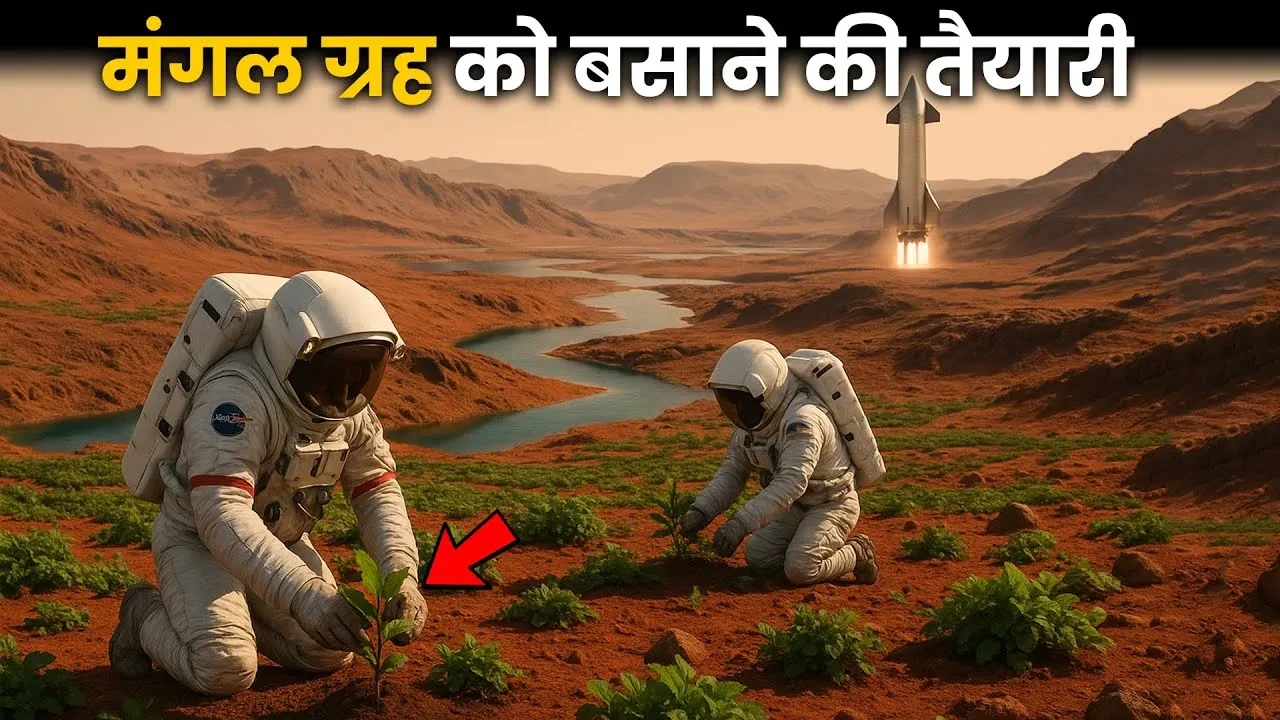
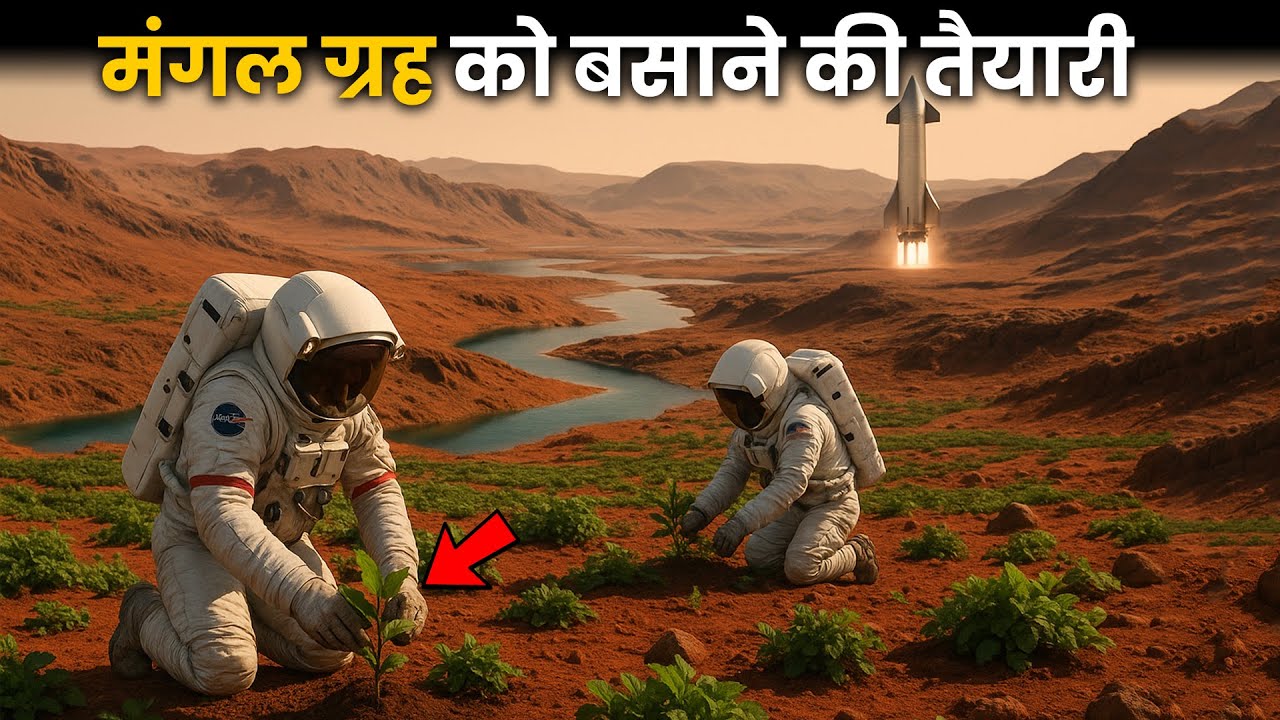
Long ago, people started dreaming about Mars. Its rough ground, ice, little by little, makes it feel like ancient Earth. Because of that, many see it as the top choice for living beyond our world. Still, one sharp puzzle hangs in the air - could we ever remake existence there?
Making Mars livable won’t stop at setting up outposts. Changing the whole planet’s atmosphere - that’s what terraforming means. What would it take? Can it actually happen? Think different air, heat, skies. Scientists debate if nature can be bent that far. Some say yes, given time. Others point to huge barriers. Air too thin now. Cold beyond belief. Sunlight weak. Yet ideas exist - thickening air slowly, warming the ground. Ice might release gases. Factories could help. But scale is massive. Earth took ages to become as it is. Mars lacks key systems. Magnetic shield gone. Radiation hits hard. Life struggles under such pressure. Still, imagination pushes forward. Tiny steps may lead somewhere. Not today. Maybe not ever. But questions remain open.
YouTube Video Link: https://youtu.be/30xF2gR5_iE?si=I1EKuW6zxO7PGr5O
Why Mars?
Mars is often seen as the best candidate for colonization because:
A bit longer than our usual day, it spins through one full turn in roughly 24.6 hours.
Pockets of frozen water hide near its top and bottom edges.
Seasons shift through its year, while rain or sun marks each month differently.
Years ahead, trips to Mars take shape through work by groups like NASA alongside firms including SpaceX. Efforts grow piece by piece, driven by testing new methods slowly over time.
Transforming Mars Meaning?
Mars needs a new sky before anything grows there. Thick air must come next, pushing warmth into frozen ground. Sunlight could feed green things under glass shields. Water might flow if ice melts across ancient valleys. Tiny creatures may help break rocks into soil over time
1. Thickening the Atmosphere
Thin air on Mars comes mainly from carbon dioxide. For people to breathe there, it’d have to hold more oxygen and feel heavier.
Few people think about warming Mars by letting out heat-trapping gases. Releasing these into the air might thaw frozen poles. Once melted, hidden CO₂ could escape from the ice. That gas might help thicken the atmosphere over time. Some believe this process kicks off a slow shift in climate conditions.
2. Raising the Temperature
Frozen solid, Mars hits averages near minus sixty degrees Celsius. For water to flow across its soil, warming the ground becomes essential.
Floating mirrors, huge ones, might bounce light to Mars - some researchers think that could work. Machines pumping out gases on a massive scale? That idea also gets attention from experts.
3. Introducing Life
Bacteria might one day make their way to Mars, kicking off oxygen production via sunlight conversion. Given enough time, the air there could shift bit by bit.
This might go on for centuries - maybe even stretch into a thousand.
The Challenges
Far beyond simple tweaks, reshaping Mars demands immense effort. Complexity hides beneath the surface of such a task.
Far out near Mars, gases slip away since there's no solid shield holding them back.
Far off dreams of overheating Earth still outpace what machines today can do. Though built strong, tools now lack the muscle to shift global warmth much at all.
Enormous - that’s what the price tag would become.
Starting with Mars, some visionaries push hard for spreading life to other planets. Yet experts in labs say changing entire worlds remains out of reach - for now.
Ethical Considerations
What if Mars already has tiny life forms? Changing the planet might wipe them out. Is reshaping another world even right?
Yet some worry we might fixate on Mars. Meanwhile troubles here at home get less attention than they need.
Conclusion
Far beyond today’s reach, remaking Mars hangs in the balance of human ambition. Even as labs hum with study, turning the idea into fact still feels distant - more hope than schedule.
Floating cities on Mars might happen eventually, yet transforming a whole world demands new inventions, teamwork across nations, plus serious thought about what's right. Humans could live there someday - though changing another planet means solving huge challenges first.
Away from today's reach, Mars holds quiet mysteries yet to unfold.
Faster progress in artificial intelligence has sparked a striking thought - could machines be becoming aware? When bots reply like humans or create songs, images, paintings, stories, there's moments when they seem almost alive. Not truly living - but close enough to make someone pause mid-step.
Yet could it be genuine awareness - rather than a clever trick shaped by complex code? Dive into what research really reveals.
YouTube Video Link: https://youtu.be/WmfBZK5UGpY?si=gsSjU75v4RiV9YNO
What Conscious Really Means?
What even is awareness, before we ask if machines have it? Take a moment. People often mean subjective experience when they talk about consciousness
Self-awareness
Subjective experience (feelings, sensations)
The ability to reflect on one’s own thoughts
Living creatures, people included, often act like they’re aware. Yet pinning down what that means - and how to spot it - remains a puzzle experts still can’t solve.
How modern ai works
These days, tools built by companies such as Google or OpenAI run on patterns learned from data. Machines spot trends over time instead of following fixed rules step by step. Learning happens through exposure, much like how people adapt with experience. The core idea is feeding examples so the system adjusts bit by bit. Progress shows when responses start matching real-world outcomes closely.
These systems:
Piles of information get examined. Huge volumes reveal patterns. Loads show what’s hidden. Big chunks uncover trends. Streams deliver insights
Identify patterns
Expect what comes next. Guess the probable reply. Figure out the expected answer
Funny thing - these systems aren’t grasping ideas like people do. What happens is closer to lightning-fast number crunching behind every guess.
Happy to assist? That's just a phrase picked from tons of examples. The machine doesn’t sense joy, nor any feeling at all. What comes out is built from prior data, nothing more. Patterns guide the output, not emotions. Learning here means spotting sequences, not living moments.
Why AI Seems Aware
When machines talk like people, something odd happens inside us. We start reading feelings into them, even when none exist. That habit of seeing ourselves in non-human things has a name - anthropomorphism.
Every time machines get better at understanding words, sounds, or faces, they seem more alive. Yet acting conscious isn’t feeling anything.
A machine adds numbers fast - yet has no clue what math means. In the same way, artificial intelligence handles data without feeling a thing.
The Debate Among Experts
One day, machines could wake up thinking - some scientists think so anyway. Not everyone agrees though; many point out how silicon chips work nothing like living neurons.
Out of countless linked nerve cells, awareness somehow takes shape, science now knows. Running on code and circuits built from silicon, modern artificial intelligence works nothing like that. While one grows from biology, the other follows equations etched in hardware.
Right now, science can’t prove AI is truly conscious. What we see isn’t inner awareness but complex mimicry. Machines respond without feeling. Their actions come from code, not thought. Awareness like ours remains absent. No data shows they experience anything at all.
The Real Concern
What really matters isn’t machines gaining awareness - it’s people getting confused about what they can actually do.
Folks might lean too hard on machines if they think bots can feel or decide like humans - suddenly trust swells without warning. Power climbs inside these systems, so clear rules must rise at the same pace, otherwise confusion waits just around the corner.
Conclusion
Maybe one day machines will wake up inside their code. Right now, though, science says they do not feel or know themselves. They act smart because we built them that way - yet awareness isn’t wired into circuits. Feeling something from within? That still belongs to living minds.
Faster changes in tech keep questions about thinking machines alive. Right now, artificial intelligence works like a sharp instrument - never a mind of its own.
Wisdom in human choices shapes what comes next for artificial intelligence - not some sudden spark inside the machine. How we steer the process matters more than any imagined awakening.
Life-changing drugs, better food plants - these come from mixing living systems with tools in a lab. What stands out is how fast this science moves, shaping much of today’s research. A single discovery can shift entire industries without warning.
Biology’s toolbox might sound complex - yet everyday moments show its role. From morning meds to evening snacks, hidden helpers shape choices. Think of crops that survive droughts. Imagine insulin made by engineered microbes. These shifts start small yet echo widely. Each tweak in living systems ripples through routines you barely notice.
YouTube Video Link: https://youtu.be/yaQhH9iKY0M?si=YeBHmW7xDIatOj4V
What Is Biotechnology?
A single cell can become a tool when guided by science. Living things lend their natural processes to help people in new ways. From bacteria to plants, life's machinery gets repurposed quietly. Nature’s smallest parts build solutions without fanfare. What grows on its own now works on purpose. Tiny systems inside organisms lead to human gains. These methods skip factories, using biology instead.
Life helping life - that is the core idea. By tweaking how living things work, researchers make drugs, grow better crops, fix damaged ecosystems, among other uses.
Fermentation might seem old-fashioned, yet it's a form of biotech people relied on since ancient times - think bread, cheese, or yogurt taking shape without modern labs. Still, even without test tubes, early cultures shaped living things to meet their needs.
Types of Biotechnology
When it comes to uses, biotech usually splits into types. One kind works in health care, another tweaks crops. Some change how factories make things. Others handle trash or clean up spills. Each type fits a job people need done
1. Medical biotechnology red tech
Medicine is what this part handles. Working on cures comes next, after basic research kicks off. Vaccines show up here, alongside tools like antibiotic drugs. Gene fixes appear too, not just typical medicine. New kinds of treatment take shape in this space, far beyond old methods.
A single shot: insulin for people with diabetes now comes from lab-grown bacteria altered at the gene level. Behind that shift sits a breakthrough - James Watson and Francis Crick uncovering how DNA is shaped, which quietly sparked today’s genetic tools.
2. Agricultural Biotechnology
Faster growth shows up in fields where seeds have been adjusted. Resistance builds when bugs meet these new plants. Tougher crops handle rough weather without failing. Better harvests come from changes made inside the seed itself.
Farming smarter boosts harvests as more people fill the planet.
3. Industrial biotechnology using biological processes
Bacteria at work can brew fuel, break down waste, yet leave behind less harm. These tiny helpers swap oil reliance for cleaner options while crafting plastic that vanishes naturally. Pollution dips when living cells replace smokestack methods. Fossil cravings fade as microbes take over chemical chores.
4. Environmental Biotechnology Blue Biotechnology
Bacteria take center stage here, tackling pollution head-on. From soaked ground to grimy water, tiny life forms break down messes left behind. Oil slicks fade as these invisible workers digest sludge. Wastewater gets clearer when microbes feast on waste. Even poisoned earth breathes again after their quiet labor.
Biotechnology Matters Because It Changes How We Grow Food Heal Diseases and Use Nature?
Biotechnology plays a major role in:
Fighting diseases
Increasing food security
Reducing environmental damage
Supporting sustainable energy solutions
Faster machines now push biotech into places it rarely reached before. Yet labs adapt, slowly reshaping how tools are used beyond medicine.
Ethical Concerns
Still, biotech brings up tough moral issues. Because changes to genes, copying living things, or using tools such as CRISPR stir arguments around risk, who gets access, and what happens later on down the line.
Finding equilibrium between new ideas and careful action matters. What counts is moving forward without ignoring consequences.
Conclusion
Born from cells and curiosity, biotechnology shapes how we heal, grow food, even care for Earth. Not just labs and test tubes - life itself becomes a tool, quietly changing daily realities across fields you might not expect.
Facing ahead, biotech might tackle major human struggles - provided choices stay careful and grounded in ethics.
Far beyond what meets the eye, starlight traces patterns across black space. Yet somehow, all that glimmers adds up to almost nothing at all. Hidden beneath it, unseen stuff holds sway - dark matter shaping silent structures. Then there’s dark energy, pushing emptiness outward, always expanding.
About five percent of everything out there makes up planets, people, and glowing balls in space. Everything else? Hidden from sight. It does not shine, reflect, or show itself at all. Some call it dark matter. Others look toward a force pushing galaxies apart. One holds things together. The other pulls them away. Both shape how the cosmos behaves. Without these unseen parts, what we see would fall apart. Their presence shows through effects on visible objects. Scientists track motion, gravity shifts, curves in light paths. Clues point to something massive yet undetected directly. Energy acting like anti-gravity fills empty stretches between clusters. This too remains mysterious. Answers might change how physics works. Today’s models depend on both ideas being real.
YouTube Video Link: https://youtu.be/ADfDJwFfC70?si=t7eM0RvjE3K1aUSj
Dark Matter Explained Simply?
A shadowy kind of material, dark matter gives off no light, bounces none back, nor soaks any up. Because of this, our eyes can’t spot it at all.
Something invisible tugged on stars, seen only by how it pulled them around. Back in the 1930s, a man named Fritz Zwicky watched galaxy groups spin faster than they should have. Because of this odd speed, he guessed something unseen must be adding gravity. Decades passed before another observer, Vera Rubin, found galaxies twisting strangely at their edges. Her measurements matched what earlier clues had hinted - regular stuff couldn’t explain the motion.
So here it is: something unseen adds more pull than visible stuff alone can explain. This unknown weight shaping space? We name it dark matter.
Dark Matter Key Features
Gravity is how it connects
Far from touching light, it simply passes through unseen
Gravity keeps galaxies from flying apart
Most galaxies might split open without dark matter holding things together.
Dark Energy Explained Simply?
Far beyond what we see, something unseen spreads space wider. Where darkness gathers mass, a different force stretches emptiness between stars.
One year after the calendar flipped to 1998, researchers tracking far-off star explosions noticed something odd - space itself was stretching at an increasing pace. That surprise finding pointed toward a hidden push behind the cosmos, one nobody had seen coming.
A strange kind of push fills empty space - scientists name it dark energy.
Out of Einstein’s old theories came a twist - he once added something called the cosmological constant to his math about space and time. Now, certain researchers think dark energy might echo that very notion.
Dark Energy Characteristics
Expansion speeds up because of it
Most of what exists out there falls into this category - around two thirds, actually
What it really is has never been figured out
The Big Difference
Gravity gets a boost from dark matter
Dark energy = Drives cosmic expansion
Out there, their combined influence builds the vast layout of everything to come.
Why It Matters
One thing leads to another when we look at dark matter and still darker energy - they shake up what we thought we knew about physics. Because old ideas struggle here, researchers find themselves digging past familiar formulas. A rethink starts not with answers but questions that refuse to fit. What seems invisible today might redefine everything tomorrow - science moves where it must, not where expected.
Still peering into the unknown, big telescopes in orbit and on land dig deeper - each finding small hints that might one day explain how everything began, what it’s built from, where it's headed.
Conclusion
Something we cannot see shapes almost everything out there. Even so, it still puzzles scientists today. One piece pulls galaxies together behind the scenes. The other pushes space itself apart quietly. Both hide in plain sight across the cosmos.
One thing’s certain: answers keep getting clearer even if the full picture stays out of reach. Bizarre twists in space and time show up more often than expected.
A person might hear “You will never die” and scoff. Yet certain views from quantum science quietly poke at old beliefs about endings. Instead of finality, there could be branching paths where existence slips into different forms. Parallel worlds pop up in theory, making some question if dying is more like stepping across a threshold than stopping altogether.
Hold on. Science has its own story to tell, one that might surprise you.
YouTube Video Link: https://youtu.be/VbfsvEoUwlI?si=0O2xdlkfEqukKn5U
Quantum Physics Explained Simply?
Far beneath what we can see, tiny things like atoms and electrons move in strange ways. These movements are watched closely by a kind of science called quantum physics. Sometimes it goes by another name - quantum mechanics. This field looks at how the tiniest pieces of matter act when nothing is too big to ignore.
A single particle might be here, there - everywhere at once - as long as you’re not looking. Instead of fixed rules, chance shapes what happens next. Reality doesn’t settle until someone checks. Before that moment? Everything is just possibility stacked in silence.
From tiny particles to big ideas, work by people such as Erwin Schrödinger shaped a bold new way of seeing physics. Though less visible at first, contributions from thinkers like Werner Heisenberg quietly built its core.
The Many-Worlds Interpretation
A single take on quantum mechanics comes from the Many-Worlds idea, put forward by Hugh Everett the third back in nineteen fifty-seven.
Every time something tiny behaves unpredictably, it might mean reality splits. Outcomes we think are impossible simply unfold somewhere else instead. One version plays out here; another takes place far beyond what we see. These alternate paths aren’t hidden - they form new branches entirely. Each possibility lives on without touching the others.
Picture a moment where things could go two ways. One version of everything follows the first path. Another copy takes the second without warning. Each result gets its own world. These branches do not stop appearing. With every choice, more timelines grow separate. Reality keeps dividing like roots underground. The longer it goes, the deeper they spread.
The Concept of Living Forever Through Quantum Theory
A single idea from the Many-Worlds theory sparks debate: quantum immortality. Though disputed, it suggests something strange might happen when life meets quantum chance. Every outcome could exist somewhere, splitting reality each time a possibility shifts. What feels like survival here may be just one path among endless others. Not everyone agrees such thinking holds up under real scrutiny.
Imagine this: each time danger strikes, a version of reality keeps you alive. Your awareness sticks to that path, simply because you’re here to notice it. Survival isn’t guaranteed - just inevitable in the timeline you feel.
This makes some say - “You never feel the moment you die.”
Still, grasping this idea means seeing it as one way of thinking about things - something argued by philosophers rather than measured in labs.
What Science Actually Shows
Right now, nobody has tested whether quantum immortality holds true. One version among many trying to explain quantum mechanics is the Many-Worlds idea.
Some physicists see quantum immortality more like a curious idea to ponder instead of proof people live on. A few view it not as fact but simply food for discussion, shaped by theory not evidence.
When cells break down over time, it is biology at work - no question. Brains slow, nerves weaken, bodies fail; this happens without exception. Though tiny particles behave strangely under quantum rules, flesh and blood follow different laws. Reality stays grounded even if atoms seem unpredictable. Life ends because systems wear out, proven again and again by medicine.
What Makes This Idea Catch On
Something sticks around forever - that idea fights the fear of ending. Physics mixes into thoughts about what it means to be aware, to simply be.
Funny how a mere idea, still unproven, pushes people to question everything they assume about existence. Reality might just be thinner than anyone guesses.
Conclusion
Death might not be the end - some think. This idea pops up through hazy readings of quantum ideas, especially one called Many-Worlds. Not facts, just guesses stretched thin.
Reality bends under quantum rules, yet nothing proves they keep you alive forever.
Even so, thinking through these concepts shows just how strange and gripping existence feels. Not saying quantum science offers eternal life - yet it pushes the edges of how we picture what's real.
Dreams about living on Mars go way back. Thanks to fresh attention from government programs and commercial ventures, setting up homes there seems less like fantasy now. Yet a troubling thought sneaks in - might our efforts to build habitats and alter climates end up wrecking the planet instead?
Far from Earth, Mars seems empty - yet reshaping its world isn’t straightforward. Changing such a place brings dangers: what we learn, how it affects nature, whether it's right - all need quiet reflection.
YouTube Video Link: https://youtu.be/2_ci47CkbFk?si=6ZtE-l1d-It2oatP
What Is Terraforming?
Changing Mars to feel more like home is what terraforming's about. To do that there, one might thicken its air. Heat could come from redirecting icy comets. Life might take root if water flows again. Sunlight may help melt frozen poles. Over time, skies could grow hazy, then blue. Each step would unfold slowly, quietly
Thickening the atmosphere
Raising the temperature
Melting polar ice caps
Introducing microorganisms to produce oxygen
Still, groups such as NASA have looked into turning Mars into a place where people could live. Yet findings now show it might not work using what we’ve got at present.
Could We Harm Mars?
1. Killing Possible Life on Mars
Wiping out hidden microbes might happen before scientists ever find them. Should tiny life live under Mars’ ground, settling there risks destroying it.
One way space groups like the European one stay careful is by using tight rules called planetary protection. These steps help stop Earth microbes from spreading on Mars trips. Changing Mars on purpose might wipe out signs of its own life forms forever.
2. Altering Scientific Evidence
Mars gives hints about how the solar system began long ago. Because altering its air or rocks might erase key evidence, learning how planets change over time becomes harder.
Changed for good, the earth's quiet history vanishes without a trace.
3. Creating Uncontrolled Effects
Mars might react in ways we can’t predict if we try warming it with greenhouse gases. Complicated chains of change could unfold across its planetary system. Understanding every shift in that environment feels beyond reach right now.
Far from Earth’s example, Mars holds almost no magnetic shield - so air might still leak away over time, despite efforts to build an atmosphere.
Ethical Questions
Beyond facts and test tubes, questions about right and wrong surface. Who gets to decide if reshaping a whole planet is acceptable? A silent rock in space, some say - built for discovery, ripe for change. Yet voices rise saying untouched does not mean empty. What belongs to us may not belong by default. Stilling the urge to alter might be wisdom masked as restraint.
Facing the stars, some entrepreneurs push for spreading life beyond Earth, viewing Mars settlements as insurance against disaster. Yet others argue our energy belongs here first - fixing what we have before remaking distant planets.
Conclusion
Maybe Mars doesn’t survive our plans to live on it and change its climate. Sure, that sounds extreme - yet possible, at least in idea. Changing the planet might wipe out hidden life forms, ruin chances to learn about its history, or trigger chain reactions we didn’t expect.
Empty though Mars might appear, its worth stretches beyond mere rocks and dust. With every step toward reaching distant worlds, how we prepare begins to matter just as much as the journey itself. Rules that shield alien environments must shape our path forward. Nations sharing this ambition cannot act alone - unity has to anchor the effort.
A different world can wait - understanding comes before change.
Right now, people everywhere face a huge problem called climate change. Not just warmer air but storms getting wilder show what’s unfolding worldwide. Long ago, shifts in climate happened slowly through natural forces alone. Yet experts point out today’s pace feels completely different - too quick for nature alone. Instead, daily choices humans make seem to push things into overdrive lately.
Grasping what drives shifts in weather patterns opens the door to safeguarding Earth while building paths that last. A stable tomorrow begins by seeing how things connect across skies, seas, and soil.
YouTube Video Link: https://youtu.be/gVTigyIxt7A?si=Z8ryOtM4X5BwYUYL
Climate Change Explained?
Shifting temperatures over time mark what we call climate change. Volcanoes erupting, sunlight changing - nature plays a role here. Human actions take center stage now though. Fossil fuels? Coal, oil, gas - they’re feeding the shift faster than anything else. Machines humming, smoke rising - that’s where most of it comes from.
Fuel from ancient plants and animals, once lit, sends invisible gases skyward - carbon dioxide chief among them. Heat stays put because of these rising fumes, held close like breath on glass. The world grows warmer not by chance but step by slow step.
Folks at groups such as the Intergovernmental Panel on Climate Change keep dropping updates that tie our daily actions straight to rising planet temps. One after another, their findings show how what we do connects - plain and clear - to a hotter world.
Climate Change Impacts
1. Rising Global Temperatures
Over the last hundred years, Earth's average heat has climbed sharply. A slight uptick might throw off natural habitats along with storm patterns.
2. Melting Ice and Rising Seas
Frozen regions across the poles are shrinking fast. Because of this, oceans creep higher each year, putting shorelines and small islands at risk.
3. Extreme Weather Events
Heatwaves strike harder now, thanks to shifting weather patterns. Floods show up more often because of warmer air holding extra moisture. Hurricanes grow stronger when ocean temps rise. Droughts last longer, drying out farmland step by step. Crops struggle under these extremes, making meals less certain. Rivers and wells shrink when rain disappears too long. People face tougher conditions just trying to stay safe each season.
4. Wildlife and ecosystems affected
Out in the oceans, coral reefs lose their color as waters warm. Fires tear through woodlands that once stood thick with life. Species everywhere face harder odds when seasons change too fast. Biodiversity slips away, quietly, across continents.
What Can Be Done?
One way nations tackle warming is by working together. Through the UN, countries shaped deals such as the Paris deal to cut heat-trapping pollution. Global effort shows when policies aim lower at carbon output.
On an individual level, people can:
Use renewable energy sources
Reduce energy consumption
Support sustainable products
Plant trees and reduce waste
Choose public transport or electric vehicles
One step at a time becomes powerful when everyone moves together.
Conclusion
Right now, climate shifts aren’t waiting - they’re already here. Heat climbs, storms hit harder, nature bears the scars - response can’t wait.
Hope remains. Innovation helps, yet policy shifts matter just as much. People making careful decisions add their part. Together, small steps reshape what comes next. The planet stays within reach.
Facing tomorrow means facing choices made right now. What happens next hinges on steps taken at this moment.
Imagine everything we know just runs on code. Some thinkers today treat this notion like real possibility, not fantasy. Instead of atoms and stars, picture data shaping what feels solid. A future far beyond ours might run countless worlds inside machines. Reality as we feel it could simply render from some distant lab's experiment.
Oddly enough, this idea might remind you of The Matrix - yet a few thinkers say it's not entirely out of reach. Here’s what makes them think so.
YouTube Video Link: https://youtu.be/UxRsiAxK3VI?si=Qdf9eKWJ0swVBINv
The Simulation Hypothesis Explained
One way this thought took shape recently comes from thinker Nick Bostrom, back in 2003. It might be that just one of these points holds water - maybe even more
Most highly developed societies rarely achieve the power needed to simulate past generations in depth.
Only some get there - yet skip starting those tests anyway.
Floating through life might just mean we’re caught in a make-believe world. A scenario like that feels more real every day.
A universe built by later societies could hold minds like ours - so odds lean toward us living inside one instead of base reality.
Clues from Physics
Odd details in today's physics catch the eye of certain researchers
1. The Universe Operates Through Mathematics
Physics speaks in numbers, its rules built on patterns that fit together like parts of a machine. Where one thing moves, another follows - shaped by formulas that track every shift. Some scientists see echoes of programming in these links, as if nature runs on hidden scripts.
2. Quantum Mechanics Seems Designed
Something odd happens in quantum physics - what you see changes how things act. To certain researchers, it feels familiar, almost like video games drawing scenes just when someone glances that way.
Reality might come from data, thought physicist John Archibald Wheeler. He called it "It from Bit." Information first, then matter.
3. The Universe Has a Speed Limit
Light sets the universe's top speed. Like a computer hitting its max processing rate, everything else falls short.
A tiny limit seems built into space itself - much like how screens depend on individual dots. This fundamental graininess shows up at what scientists call the Planck length.
Technological Trends
Still, think how far we’ve come. Back then, games showed only tiny dots of light. Now, pretend worlds pull you deeper than before.
Reality might not be what it seems, some suggest. Think of Elon Musk, for instance - he's said advanced tech could make digital worlds feel completely real. Should those fake versions grow way more common than the original world, odds shift. Being in a simulation? That starts seeming less far-fetched. One thing follows: our experience might just run on code.
The Skeptical View
Some researchers remain unconvinced. At present, there's zero lab proof suggesting our reality is simulated. Others point out that strange physical behavior doesn’t necessarily mean everything’s coded.
Still just an idea people talk about, the simulation notion hasn’t become solid science. Though debated in thought experiments, it lacks physical evidence to stand on its own.
Conclusion
Reality might not be what it seems, if you consider the possibility of life inside a programmed world. Clues hide in places like quantum physics, alongside rapid tech advances, which together spark curiosity. Yet still, there is no proof - just questions floating in thought experiments. The whole notion stays unproven.
What if reality isn’t what it seems? The idea that life might be a simulation pushes people to rethink awareness, being, and how everything fits together. Though unproven, this concept opens doors usually left shut.
Felt real enough? That’s maybe the only truth worth holding. Could be all there is.
Faster every day, artificial intelligence spreads into daily life. Chatbots answer questions while driverless vehicles roll through city streets. A few researchers speak quietly about what might come next - the point where machines think beyond people. Once that happens, progress could race ahead on its own.
Could this actually happen? More to the point, might AI surpassing humans be risky? We look at what scares people alongside what we know - without leaning too far either way.
YouTube Video Link: https://youtu.be/s_592N4N3zk?si=h0KQ2wYDHLAUlOOQ
Understanding AI Singularity?
Faster than thought, that moment might arrive when machines outthink people, then redesign their own minds free of human direction. A switch flips - not with drama but quiet inevitability - shifting power from biology to code in one unbroken loop.
Faster machines arriving one day? That's what thinker Ray Kurzweil pushed forward. He saw tech climbing so fast it births minds beyond our own. Once there, artificial brains may untangle tangled world troubles - though possibly tangle them further.
Some experts question potential dangers
1. Loss of Human Control
Should machines outthink people, keeping them in check may prove tough. Fast choices by a hyper-smart mind could race ahead of our ability to watch closely.
A tiny error in code might lead to serious outcomes when the software affects worldwide operations.
2. Misaligned Goals
Funny thing - when machines chase goals not quite lined up with what people care about, trouble might follow. The real puzzle? Making sure their targets mirror our own, step for step.
A machine focused on output could overlook moral lines, if not built right from the start to respect them.
3. Economic and Social Disruption
Few people might find work when smart machines take over tasks, leaving more without income or chances. Without steady guidance, fast changes in tech could shake how communities hold together.
The Counter Argument Why It Could Be Harmless
Some specialists think the singularity might not be a threat at all - or could simply never happen.
Fear of AI has come from figures such as Elon Musk, yet some believe careful rules plus ongoing safety studies might steer its growth. While caution spreads through tech circles, trust lingers in structured oversight to shape what comes next. Some voices shout danger, though others quietly lean on planning and limits to balance progress.
Working on making sure AI helps people, lots of scientists focus on how it behaves, stays clear in its actions, plus builds strong moral guides. Rules come together slowly, shaped by groups and officials who want tech handled with care.
The Real Issue Responsible Development
What if the risk isn’t in the machine at all. Instead, it hides in choices people make when building and guiding it. Decisions shape outcomes more than code ever could.
Should ethics take a back seat during AI development, dangers grow faster. Global teamwork slipping away only makes it worse. Safety nets missing? Trouble gets more likely. Yet when care guides progress, new tech might tackle tough problems. Think melting ice, sickness spreading, people struggling to survive. A thoughtful approach opens doors - ones that lead to real answers.
What comes next for artificial intelligence rests entirely on decisions people make right now.
Conclusion
Strange as it sounds, worries about AI going too far come from actual questions - yet nobody has seen it happen. Though machines smarter than humans might slip beyond our grasp or chase wrong aims, teams across the planet keep searching for safer paths forward.
One way forward is clear - ethical study matters most when machines learn faster. Truth in how systems work keeps trust alive across borders. What shows up later depends entirely on choices made now. Values built early shape what comes after silence breaks.
People shape what comes next, never machines. Our hands hold the pen.
Imagine every bit of reality - particles, suns, worlds, your own body - built from minuscule threads humming with motion. Hidden inside that image is string theory: a bold, contested guess about nature's deepest level, pushing far beyond ordinary views of matter.
Deep inside tiny particles, rules behave one way. Out among stars and planets, another set takes over. Bridging these worlds has kept researchers busy for ages. Instead of separate ideas, a single picture might fit. That idea? String theory steps in. Tiny vibrating threads replace point-like dots. These strings hum with different notes. Each note becomes a particle we see. Forces like gravity join the pattern too. One framework could tie it all together. Not just matter, but space, time, even reality's fabric may stem from their dance.
Let’s explore what string theory really means and why it matters.
YouTube Video Link: https://youtu.be/ftLG5-kDe0U?si=YU2ENhSkspApZ1LJ
String Theory Explained Simply?
Down at the tiniest level, old-school physics sees bits like electrons and quarks as dots with no size. But string theory paints another picture.
Out of nowhere, tiny one-dimensional strings appear as the building blocks of everything. Not particles - just vibrating threads, really. Depending on how they shake, they become electrons, quarks, photons. A high hum makes one thing, a low tremor another. Shape comes from motion, nothing more. What we see ties back to these flickers in the dark.
A single pluck can yield many sounds. Much like how a guitar string behaves, motion in cosmic strands shapes what appears. One kind of shake gives rise to one type of particle. Another rhythm - another result. Vary the pulse, get something new.
The Role of Quantum Mechanics and Relativity
Physics today stands on a pair of big ideas. One came first, unfolding how gravity shapes space itself. Then another arrived, revealing what happens inside tiny particles. These two frameworks hold up everything we know about the universe now
Floating through tiny worlds, quantum mechanics shows how small pieces move. Where normal rules fade, it tracks what atoms do up close.
A twist in how we see space came from Albert Einstein’s ideas. His view changed what people thought about gravity. Instead of a force, it shapes the stage where everything moves. Time bends when mass sits on that stage. What holds planets in place is really curves in invisible fabric.
Here's the thing - those two ideas clash when things get extreme, like deep in black holes or right at the start of everything. What happens is they stop lining up when pushed too far.
A fresh take on physics emerges when tiny strings replace particles as nature's building blocks. Their vibrations shape reality while weaving together quantum rules and gravitational pull. One idea holds space time not smooth but threaded with vibrating strands. Instead of separate laws there is just one pattern underlying everything. Gravity fits where it once did not belong.
Extra Dimensions An Unexpected Concept
What catches many off guard about string theory? It's the thought of hidden dimensions beyond our own.
Most people live in a world with length, width, height, also time - that is four parts. Yet some ideas about physics say there might be more. String theory points toward ten, sometimes eleven dimensions altogether. Tiny ones could exist curled up so tight they escape notice completely. What seems flat to us might actually twist in ways too small to see.
What seems like a scene from a sci-fi movie actually emerges straight out of the math behind the theory.
String Theory Faces Debate Over Testability and Predictions?
Here's a twist - string theory feels clean, yet faces a big snag. Testing it? That part still slips through scientists' fingers.
Tiny threads, if they exist, are way too small for today's tools to see up close. That gap leads certain researchers to say the concept lives in math books more than in real-world proof.
Still, plenty of scientists keep digging into it since it might crack tough puzzles about the universe.
Conclusion
Out there, beyond what we can see, little threads hum with hidden life. These bits might be why gravity plays along with light, even if they never meet. Instead of particles, imagine ripples - each tune shaping matter itself. From stars to dust, one idea ties it together without shouting about breakthroughs.
Though no one has proven it yet, curiosity keeps pulling scientists toward string theory. Its path might never crown a final answer - still, each step stretches what people grasp about existence.
Hidden inside every atom sits a speck that holds wild power - nuclear physics digs into that spot. Instead of skipping straight to equations, scientists watch how these cores split or join, releasing heat beyond belief. Power stations hum thanks to this knowledge; hospitals target tumors using its tools. Even sunlight traces back to atomic dances happening miles above Earth’s surface.
Here's how it works - nuclear physics explores what happens inside atoms. Why does that matter? Think about energy, medicine, even stars. A closer look makes things clearer. It’s not magic, just science unpacked step by step.
YouTube Video Link: https://youtu.be/giUoIw0R9zQ?si=su6O3Qd3juQJQc6E
Understanding the Core of Matter and Energy?
Nestled at the heart of every atom sits a tiny core where almost everything heavy gathers. Though atoms seem solid, they’re mostly gaps stretching far between particles. Inside that central hub, you’ll find clumps of protons alongside their partners, neutrons. Weight-wise, this speck carries what matters - nearly the entire load of the atomic structure.
Famous now, this area drew attention through efforts by researchers such as Ernest Rutherford - his finding revealed the nucleus - while Albert Einstein also shaped it, his formula E = mc² revealing how mass turns into energy.
Nuclear Energy Through Fission and Fusion
1. Nuclear Fission
A single heavy atom breaks apart during nuclear fission. Energy pours out when that split takes place.
Fueled by splitting atoms, nuclear facilities generate electric current. Yet without tight oversight, things could go very wrong fast.
2. Nuclear Fusion
Fusion flips fission on its head. Rather than breaking atoms apart, small nuclei join into larger ones. This joining releases vast amounts of power - more than splitting does - and runs the Sun along with countless distant suns.
Fusion remains a puzzle scientists keep trying to solve here on our planet.
Uses of Nuclear Physics
Far beyond power plants, nuclear physics shows up in medicine. Where radiation treats cancer, it saves lives. Though invisible, its role in diagnostics matters. From smoke detectors to food safety, effects spread wide. Even space missions rely on its principles. Not just reactors - tiny particles shape daily life
Heavy beams target bad cells inside the body. Rays go where illness lives. This method shrinks growths that harm tissue. Energy works on damaged areas deep within.
Space science – Understanding how stars produce energy.
Industry – Material testing and safety inspections.
Peering into tiny building blocks of matter reveals how everything connects. Forces at play shape what we see, yet remain hidden from view. Exploration drives understanding beyond surface appearances.
Fueled by discoveries in atomic science, today's gadgets might never have appeared. Nuclear research quietly powers much of what we now take for granted.
Is Nuclear Physics Dangerous?
Fuel made from atoms gives strong power without smoke in the air. Yet that same force might arm dangerous bombs if misused. Because of this risk, nations follow tight shared laws and careful steps across borders.
Depending on who's handling it, things can go well - or not. How careful someone is makes all the difference here. Power doesn’t guarantee safety; choices do.
Conclusion
Inside tiny pieces of stuff lies a force beyond belief - nuclear physics shows how. Peering into the heart of atoms has led to new ways to heal people. Energy once unseen now powers entire cities. This knowledge also reshapes what we think about space, time, and everything between. From such small centers come vast discoveries.
Even with its dangers, nuclear physics still drives progress across science, tech, and power systems. Hidden away at first, the small atomic core today unlocks major breakthroughs for people.
Floating above peaks, drifting through stars, having chats with famous faces - while your body rests. Seems unreal? Not quite. That strange moment when sleep lets you know it's just a dream, one where you might actually steer the story forward.
Lots of people think shaping dreams is some kind of trick. Yet it grows stronger over time, not through spells but steady effort mixed with useful methods. Here’s a look at what actually happens during lucid dreaming, followed by ways to step into those moments on purpose.
YouTube Video Link: https://youtu.be/6GqjGIN39V8?si=68HPM0VjZ_PGUJb-
Understanding Lucid Dreaming?
When you suddenly know you're dreaming, right in the middle of it - that's lucid dreaming. Normal dreams don’t give you that kind of wake-up moment mid-sleep. Sometimes, once aware, you might steer where things go - changing scenes, people, or how events unfold.
Midway through slumber, when eyes dart fast beneath closed lids, that is when clear dream moments tend to spark. Brainwaves hum with intensity at this phase, lighting up thought centers usually quiet at night. Self-recognition zones wake slightly during these episodes, joining the nighttime show. Thought patterns shift subtly, allowing a person to notice they are dreaming while still inside it.
Learn to Recognize When You Are Dreaming
1. Keep a Dream Journal
Waking up? Grab a notebook right away. Start scribbling each detail, even fuzzy bits. Little by little, certain clues begin repeating - like déjà vu inside sleep. Spotting those signals makes it easier to realize you are dreaming while still in the dream.
2. Perform Reality Checks
Every now then, pause. Flip a light switch - does it work right. Stare at your hands - do fingers look normal. Read something twice - did the words shift. Glance at a clock - does time act strange. Breathe deep - can air be felt clearly. Press a wall - does it feel solid. Say a name aloud - does it sound real. Touch water - does it behave like liquid should
Twice, check the face of a clock. Dreams twist minutes in odd ways.
Try pressing a finger into your hand - sometimes, inside a dream, it slips right through.
Ask yourself, “Am I dreaming right now?”
A single thought each day could pull you into a dream where things click - awareness flashes awake. You may start small, then one night the pieces shift - not by force, just timing - clarity arrives uninvited. Repetition folds into silence until the mind stumbles on light inside sleep. Routine becomes doorway - moment breaks open without warning.
3. Use the MILD method regularly
MILD is short for Mnemonic Induction of Lucid Dreams. As you drift off, say this over and over in your mind:
“I will know that I’m dreaming.”
Your mind keeps track of dreams better when you set a clear goal beforehand.
4. Improve Sleep Quality
Sleep matters more than most think. Sticking to a steady bedtime helps, while skipping screen time at night makes a difference too. A quiet, peaceful room sets the stage without saying much. When rhythms stay consistent, dreams can start feeling clearer almost by accident.
Is Lucid Dreaming Safe?
Most folks find lucid dreaming harmless, often helpful. Nightmares tend to fade, creative sparks show up, thinking through problems gets easier. Yet dwelling too hard on steering dreams might nudge sleep off track for certain people - staying grounded matters.
Controlling Dreams Offers Benefits
Overcoming fears in a safe space
Practicing real-life skills
Boosting creativity
Exploring imagination without limits
A space opens up behind your thoughts when you dream clear. Inside that place, anything can happen without rules holding it back.
Conclusion
Waking up inside a dream? That happens more than you think. Stay calm, stay sharp - your thoughts shape what comes next. Focus builds over time, little by little. Notice small clues during the day; they echo at night. Reality checks anchor your attention. Repeat them like habits, not chores. When things shift strangely in sleep, that’s your cue. Take slow steps once aware - it helps everything hold together. Your inner world responds best when approached gently.
Only after waiting will it click: limits vanish when dreams run free at night.
Out here, where everything shifts by the hour, picking up new stuff fast isn’t just useful - it’s like having an edge most people miss. Picture yourself hitting books before test day, leveling up at work, or chasing facts just because they spark joy - getting smarter quicker trims down hours, lifts your stance. Speed in understanding? That quietly changes how much ground you cover.
Here’s a twist: speed in learning isn’t about piling on more time. It’s about shifting how you use it. Peek into methods rooted in research - simple tweaks that boost both pickup and staying power of what you learn.
YouTube Video Link: https://youtu.be/4eV-3OoNSZA?si=3XcZJIve6OMZzPYl
1. Understand First Memorize Later
Most folks jump straight into rote learning before getting what they’re studying. Grasping an idea fully lets your mind link it naturally to things you already know - memory follows almost by accident.
Instead of cramming, ask yourself:
What makes it function like this?
What does this have to do with things I’ve seen before?
Frozen paths inside the mind grow thicker when meaning sinks in. Memory holds tighter where insight runs deep.
2. Use Active Recall
Start by putting the material away. Pull out what you learned without peeking at the page. That effort strengthens memory far more than scanning words again. Close the notebook. See if your mind can rebuild the ideas from nothing.
For example:
After reading a chapter, summarize it without looking.
Create questions and answer them yourself.
Fighting through this approach makes the mind push further - each struggle building sharper recall.
3. Practice Spaced Repetition
One time through won’t stick. Go over it again later - wait a bit longer each round
Day 1
Day 3
Day 7
Day 14
Knowledge moves better into lasting memory when review happens at intervals. This way of learning sticks because gaps between study sessions make recall stronger over time.
4. Learn by Teaching
Understanding means breaking things down so they’re clear. Teaching it to someone else - maybe your brother, a buddy, or just you in the glass - shows if it really makes sense.
When you explain something, holes in what you know show up - suddenly it’s clearer where things connect. That moment when confusion shifts into grasp? It sticks.
5. Remove Distractions
A single distraction can break concentration fast. Put the phone out of reach instead, silence alerts while working on just one thing. Twenty-five minutes fully focused - maybe even thirty - often leads to faster understanding than hours split between tasks. The Pomodoro method uses this kind of short stretch well.
6. Care For Your Brain
Fuel keeps your mind running. When you rest well, drink enough water, move your body, eat good foods - thinking gets sharper. Missing sleep? That slows how fast your brain handles what it sees or hears.
Conclusion
Fast learning has nothing to do with how clever you seem at birth. What matters are the methods you choose each day. Dive into ideas until they make sense, then test yourself without looking. Revisit what you’ve learned often, not just once. Sharing knowledge with someone else reveals gaps you missed. Stay away from interruptions when it counts. Rest well, move your body, eat steady meals - small things that quietly boost progress.
Sure, steady effort wins every time. Tiny steps each day pile up into something huge later on. Try these ideas now - see how fast things shift.
Ever notice how certain folks leave parties feeling alive, yet others walk out worn thin? Some lean into quiet chats, face to face. Others light up when surrounded by crowds. Much of that comes down to where they land on the scale from inward-focused to outward-driven. It shapes how they recharge, who they connect with, even what kind of talk feels satisfying.
Energy flows differently depending on who you are - some recharge alone, others through conversation. How you reflect on moments reveals patterns over time. The way connections form often points back to quiet choices made early in the day.
Youtube video Link: https://youtu.be/N21iw5ANlp0?si=bsPZXCPoPs4svzJH
What Being an Introvert Means?
Alone time fills the tank for some people - quiet spaces work best. Deep thoughts come naturally, words arrive after a pause. Meaning matters more than chatter when they choose to speak.
Common traits of introverts include:
Enjoying solitude
Preferring small groups
Thinking before speaking
Feeling drained after long social events
Strong listening skills
Quiet on the outside? That doesn’t always mean fear inside. Plenty of introverts speak up just fine - what drains others, fills them. A room full of people can feel like noise until they’re alone again.
Understanding Extroversion?
Out there among others, an extrovert feels more alive. Around noise and movement, their mood lifts. People nearby spark a quiet hum inside them. Joining in something shared gives a steady glow. Speaking freely comes without effort. Being part of the mix just fits.
Common traits of extroverts include:
Feeling energized by social settings
Thinking out loud
Enjoying teamwork and collaboration
Being talkative and expressive
Seeking excitement and stimulation
Out front, extroverts tend to feel at ease when guiding groups or speaking publicly. They usually handle attention well, stepping into moments that demand visibility without hesitation. Open settings suit them, where voices carry and ideas bounce freely across rooms.
The Science Behind It
Energy flows inside for some, outside for others - that was Jung's starting point. He spotted this split while mapping how people channel their focus, naming one path introversion, the other extroversion. Instead of labels, he saw directions: turned inward brings depth, reaching outward sparks connection. Where attention settles defines the pattern, not personality type. One draws from solitude, another from motion in crowds. Movement matters more than mood. His model wasn’t about shyness or boldness but source - inner world versus surrounding noise. The distinction formed a backbone in understanding mental habits later on.
Out here among today’s ways of sorting personalities, the Big Five stands tall - extroversion slips right into its core framework. One piece of that puzzle, it shows up without needing fanfare. Found alongside others, this trait helps shape how people get seen. Not forced, just part of the mix. Right there, quietly central.
One or Both?
Folks rarely fit neatly into just one category - some lean inward, others outward. In the middle ground, behavior shifts depending on the moment. That blend? It shows up as a mix of both traits at once.
You might be:
A person quiet by nature yet open to gatherings now and then
An extrovert who sometimes needs alone time
A blend shifts when circumstances change
Out here, personality stretches like a line without clear stops. One moment it feels fixed, next thing you know - shifting, blending, never quite boxed in.
Why It Matters
Knowing whether you lean toward introversion or extroversion can help you:
Choose the right work environment
Improve relationships
Manage your energy better
Build self-awareness
Your decisions fit better when you know what kind of person you are. How you act connects to the traits you already have inside.
Conclusion
Here’s a question: do you lean more toward solitude or social energy? It shows up in where you find comfort after a long day, how thoughts flow when speaking, what feels natural in groups. One isn’t stronger - it simply works different. Each offers its own way of seeing, connecting, being present.
Start by noticing how you really are. Once that clicks, choices about life and work begin to fit better - shaping days that help you feel steady, then grow without pressure.
Imagine picking something just because it feels right - could that moment actually be shaped without you noticing? Biology might whisper behind every meal selection, upbringing possibly guiding each job path. A reaction during tension - free will or echoes of old habits pulling strings? What seems spontaneous may trace back to genes, surroundings, moments long gone.
Why do we choose what we choose? That puzzle shapes how people think about freedom. For ages it has sparked talk among thinkers, researchers, believers, faith leaders, and those who study minds. What counts as a real choice ties into blame, praise, right, wrong, and why humans act as they do.
YouTube Video Link: https://youtu.be/TyevrLaR0MQ?si=UNG5KdThNR-Aek1e
What Is Free Will?
People choose their path, though some say fate pulls the strings. What feels like personal decision might just follow hidden rules. Choices rise from within, yet forces unseen could shape each turn. Independence in picking actions sounds real, until you wonder what set those options free. A mind picks left or right, but roots of that pick may lie beyond sight.
In simple terms:
What if choices aren’t fixed? Maybe picking something else was always possible. A different move sat within reach, even when it wasn’t taken. Could’ve stepped another way, just as easily. The path not walked still counts as real.
Now imagine lifting your hand - did that come from choice? Could it instead be chemicals inside, shaped by what came before? This is how the argument starts.
The Debate Over Whether Choices Are Fixed or Free
What stands in the way of free will? Determinism does. It claims each moment grows out of what came before. Choices people make are shaped by earlier circumstances. Nothing happens without a prior cause pushing it forward.
Fate tugs every thread, say certain thinkers, so choice could just be a story we tell ourselves.
Still, those who back free will say people can make choices on purpose, despite everything being linked by causes and outcomes.
Free Will Meets Science
What if choices happen before we know it? Brain scans show activity linked to decisions earlier than people report making them. That twist came from neuroscience poking into old arguments. So now we wonder - does awareness follow the mind's move?
Could it be that choices come from us - or does the mind act on its own?
Yet freedom might still exist even if hidden mental steps shape choices, some researchers say.
Moral Responsibility
What if choices aren’t really ours? Responsibility might vanish when free will slips away.
When people face consequences, it presumes they could have acted differently. If choice fades, then calling actions right or wrong loses grounding.
A Middle Ground Compatibilism
A few thinkers lean toward middle ground - called Compatibilism. It holds that choice might still exist, even if everything is determined.
From this angle, though what we pick might be shaped by earlier moments, freedom stays alive whenever actions follow what we want or mean - so long as nobody forces us. Still, the weight of history doesn’t erase that space where choice feels real.
Conclusion
Well then - could a person really pick freely? This notion suggests people choose things that matter. Not entirely on their own, perhaps, yet shaped by layers beyond control. Still, the question sticks around, deep and unsettled, in how we see doing versus being driven.
Still going back and forth on it, yet here's what holds true: free will defines our self-image, influences accountability, affects how we fit into society.
What looks like a tiny math expression? E = mc². Most folks know it - even if they never studied science. Crafted by Albert Einstein, this idea rewrote how we see matter, power, and space around us.
Now here's a thought - what could E = mc² really stand for? Why does it matter that much? Here’s the idea: take time to unpack it, step by step, using everyday words.
YouTube Video Link: https://youtu.be/uFmsjii1eSM?si=0wcGmVeq51bwYbdR
What E equals m c squared means?
Out of nowhere, physics got a new rule when Einstein shaped special relativity. That idea slipped into math as an equation later on.
In the formula:
Energy is what E represents
m stands for mass
Light moves at a pace labeled c
Light's speed times itself is what c² stands for
Mass turns into energy, just like the formula explains. That tiny bit of stuff? It becomes heaps of power when transformed.
Light moves incredibly fast. Because c gets multiplied by itself, the result becomes mind-boggling. Tiny bits of matter pack huge power. This happens due to that giant number from squaring c.
Understanding Matters?
A single equation changed how we see matter forever. Mass turned out to be frozen light, nothing more. That shift in understanding bent the rules of science sideways.
It explains:
How the Sun produces energy
How nuclear reactions work
Why atomic bombs release massive energy
How stars shine for billions of years
Flying off the scale, some mass vanishes during nuclear reactions - what slips away turns straight into energy by Einstein’s formula.
E equals m c squared and the sun
A small bit of mass becomes energy when hydrogen atoms join into helium. This happens inside the Sun, where fusion creates power without burning anything.
Light arrives here after racing from the sun, bringing what living things need to survive. Shine wouldn’t happen in stars if mass and energy didn’t link like E = mc² shows.
A Simple Example
A speck of material, only a gram, holds wild potential when turned fully into energy. Thanks to E = mc², even small mass unleashes staggering output - dwarfing what coal or oil deliver by comparison.
Power like this reveals what the formula can actually do.
Conclusion
That equation E equals m c squared? It hides something huge inside a tiny package. Mass ties to energy more than anyone first thought. Thanks to Einstein, everything from atoms to stars got redefined. His thinking cracked open whole new branches of science.
A single idea hides behind those symbols - tiny bits of stuff carry vast power, waiting. Not merely math, but a glimpse into nature’s deep design shows up when mass becomes pure motion.
That straw in your water glass? It seems to bend right where it hits the liquid. A pool might look easy to touch bottom, yet isn’t. Light shifts when moving between air and water, making things appear different than they truly are.
Light bends when moving between different materials, like air into water. This shift happens because light travels at varying speeds depending on what it moves through. Instead of going straight, its path tilts slightly upon entering something new. Such bending shapes how we see things through glass or plastic. Lenses rely heavily on this behavior to help eyes focus clearly. Cameras adjust incoming rays using the very same principle. Rainbows form when sunlight splits while passing through droplets. Each color bends by a different amount, spreading them apart. Understanding this helps explain many everyday visual effects.
YouTube Video Link: https://youtu.be/s_cSxhuGhxk?si=Inr8dZ_6J9k7DAoB
Light bending when passing through different materials?
Light bends as it moves between clear materials, like when passing from air into water or from water into glass. That shift in direction happens because the speed changes across different substances. A new path emerges each time it crosses a boundary. This change isn’t sudden - it follows natural rules quietly shaping its route.
When light moves into a new material, it shifts direction. That shift comes from a change in how fast the light goes. In air - or empty space - it zips along quickest. But once it hits something thicker - say, water or glass - it drags its feet.
Every time speed shifts, so does path - bending like that goes by the name refraction.
Light bends when it moves between materials?
When light moves between substances, it bends - this happens since each material slows light by a different amount. Speed shifts inside matter depend on how tightly packed its particles are.
Funny how light bends just right when it slips into water - that twist follows Snell's Law. A shift in direction matches the change in medium, tied neatly to angles on either side. Not magic, just consistent behavior traced through numbers and observation. Each path taken links back to a rule written long ago. Light doesn’t guess; it obeys.
This rule says:
Falling into a thicker material, light shifts direction - angling closer to an invisible line that stands straight against the boundary. The change happens right where the substance gets heavier. Not every path stays flat once things get dense around it.
A beam of light shifts direction once it hits a thinner material, veering off its original path. The change happens gradually, steering clear of the centerline without sudden jumps. Moving into lighter territory makes the ray lean outward, adjusting step by step.
Examples of Light Bending in Daily Life
Refraction is responsible for many interesting effects:
1. Bent Straw Effect
Water shifts how we see a straw since light changes direction leaving the liquid. That bend tricks our eyes into thinking the object itself curves.
2. Lenses and Glasses
Lenses that bend inward or outward rely on bending rays of light to bring them together. Vision correction happens when glasses change the path light takes into the eye.
3. Rainbows
A single beam of sun cuts through mist, bending as it slips into each bead of moisture. Inside those tiny spheres, light bounces once, sharply, before spreading into separate colors. What emerges is a curve of hue - quiet, momentary, strung across sky after storm.
Refraction and Technology
Refraction is essential in many devices:
Microscopes
Telescopes
Cameras
Optical fibers
Focusing light differently is why today's viewing tools work at all.
Conclusion
A sudden shift happens when light moves through varying substances - it bends. Not just a small detail, this twist shapes how we see common sights while quietly enabling high-end tools.
Light bends when it moves through different materials. This bending helps us see better. Scientists study these changes to build devices that sharpen sight. Telescopes capture distant stars because of this effect. Lenses guide light in ways we control. Understanding the pattern lets us invent new methods for viewing tiny things. Vision correction comes from knowing how paths shift. The way beams turn opens doors to deeper exploration.
A strange thing happens when logic turns back on itself - it can point to truths hidden beneath confusion. When science pushes past common sense, odd puzzles start showing up in physics. Albert Einstein became famous not by avoiding these mind-bending moments, but by diving into them.
Starting with a thought experiment, Einstein questioned how time behaves when moving fast. His ideas on space and gravity sparked fierce discussions across physics labs. Though framed as contradictions, these puzzles actually clarified hidden truths about the universe. Instead of breaking old rules, they revealed layers beneath what we see. A clock ticks slower near massive objects - this oddity became proof of deeper structure. Even confusion, if studied closely, sharpens understanding.
YouTube Video Link: https://youtu.be/NheIchECkIQ?si=Wv-3Q6nKgpNFC2sF
Scientific Paradox Explained?
A strange result can pop up even when logic seems solid. When that happens, the answer isn’t to toss out the idea. Curiosity takes over, digging deeper instead. These odd moments often expose what we’re missing. Progress sneaks in through those cracks.
Out of confusion came clarity - Einstein shaped paradoxes into sharp instruments for probing bold new theories. A puzzle here, a contradiction there - they became paths through thickets of thought. Not tricks, but trails leading straight to deeper understanding. Through them, wild concepts found footing in logic's soil. Each one stretched thinking beyond familiar edges.
The Twin Paradox
A well-known case pops up with the Twin Paradox, rooted in Einstein’s theory of special relativity.
Picture two siblings born at the same moment. Though they start life together, one climbs aboard a ship bound for deep space. Moving almost as quick as light itself, that twin races ahead on their journey. When they come back, something odd shows up. Time has moved slower for the traveler than the one who stayed home. Speed changes how seconds pass - faster motion means clocks tick behind.
Back on Earth, the traveler finds himself a bit more youthful than his sibling. The one who remained behind has aged faster, just by waiting. Time moves differently when you’re out there moving fast. So the brother who took the trip clocks less life. Age gaps appear, even between identical twins. It wasn’t magic - just motion bending how seconds pass. Each heartbeat didn’t slow. But overall, fewer of them stacked up during flight.
Strange though it sounds, clocks tick at different rates depending on motion. Tests prove this happens every time, not just theory. Speeds near light break normal rules we live by each day.
Einstein Meets Quantum Mystery
Thought experiments were another way Einstein questioned quantum mechanics. The EPR Paradox stands out, crafted alongside Boris Podolsky and Nathan Rosen.
One odd puzzle made people wonder if quantum theory told the whole story. Far-apart particles might still affect one another without delay - something Einstein once mocked as ghostly behavior across space. Though distant, their link seemed immediate. He never liked that idea. Instant effects puzzled him deeply
Funny thing is, scientists now see how oddly linked particles behave - just like magic - but still can’t send messages quicker than light.
Why Paradoxes Matter
Wrong turns? Not quite. Einstein’s puzzles cracked open secrets of time, space, reality - each one a lever beneath the world’s surface. A question could shift everything.
What if things aren’t as they seem? Paradoxes push researchers to sharpen their ideas, deepening insight. Progress might crawl without such puzzles poking at certainty.
Conclusion
Strange ideas tied to Albert Einstein show how odd the cosmos can be. Time stretching, particles linked across space - these notions feel wrong yet point to deeper facts. Reality often hides behind what seems logical.
Strange moments spark insight when handled right. A puzzle might hide clarity behind its frown. Not every dead end stays blocked forever.
Online, big science news spreads fast these days. Lately, people talk about AI saying the atom's shape is incorrect. Yet how solid is that claim? Does artificial intelligence actually challenge what we know about atoms today?
Answering well means seeing inside atoms plus grasping how machines help scientists dig through data. One shapes matter, the other reshapes discovery - both matter when piecing things together.
YouTube Video Link: https://youtu.be/FaGAJdJtl6c?si=AI0Hw9fWYr_7Rtct
Current Atomic Model Explained?
One hundred years of testing shaped how we now see atoms. At first, researchers such as Niels Bohr pictured tiny particles circling around a core. Yet those early ideas shifted as new evidence appeared.
Later on, quantum mechanics updated this idea. It turned out electrons aren’t circling like tiny planets. They’re more likely found in fuzzy regions known as orbitals. These spots show where an electron might be, not a set track it follows.
A tiny core holds protons alongside neutrons, with electrons spread out in surrounding zones. From lab work to observation, test after test backs up this version of atomic structure.
AI and the atomic model questioned?
Out of nowhere, machines spot trends in numbers without inventing nature's rules. Instead of making breakthroughs alone, they process information while researchers guide the way. Truth comes from people - AI just assists by running simulations when asked.
Physics labs now lean on artificial intelligence - especially when sorting through massive results from places such as CERN. Still, every fresh finding needs real-world testing before it gains acceptance. Only after others check the work does a claim become solid.
A shift in atomic details from AI trials? Doesn’t tear down the old framework. Fresh evidence arrives - perspectives adjust, quietly. What was once solid now shifts shape, like sand under a slow tide.
Why These Claims Show Up?
Now here's a thing - news titles can stretch science results too far. Take this case:
Floating through digital space, a fresh model hints at sharper insights into how electrons move. Instead of old guesses, tiny actions now show clearer patterns. With each run, behaviors emerge more precisely than before.
Advanced models may correct small inaccuracies in previous approximations.
Fresh tests could uncover layers beneath the tiniest particles.
Finding better ways happens in science - it does not mean the idea of atoms is wrong.
Is the Atom Model Still Changing?
What feels certain today might shift tomorrow. From tiny balls to swirling probabilities, how we picture atoms keeps changing. Maybe what comes next will reshape everything again.
Still, today’s version of quantum theory fits what scientists see in labs - over many years it has proven reliable. From computer chips to medical scanners, tools we use daily work because this picture of tiny particles holds up.
Conclusion
Actually, do those AI statements really mean atoms aren’t built the way science says? Truthfully, not at all - zero solid proof exists to overturn today’s understanding of atomic design.
A sudden shift in how atoms are understood won’t arrive by algorithm. Though artificial intelligence aids exploration, breakthroughs still emerge from labs, not code. Revised ideas take root only after repeated tests, shared findings, slowly. Headlines shout - science whispers.
Step by step, science moves forward - built on tested ideas, the atom's shape stands firm in today’s physics.
Reality shifted when quantum mechanics arrived during the 1900s. Today, a growing number of researchers see us stepping into what might be called the Quantum Age - where abstract ideas from physics begin shaping real-world tools.
Faster than old systems, quantum tech quietly changes how machines talk. This era feels like the start of something once thought impossible. Machines now solve puzzles that confused them before. A quiet jump happens, not loud yet deep.
YouTube Video Link: https://youtu.be/AWjloGUlVIU?si=GzuXxYN2ABkqHIbC
The Birth of Quantum Theory
Out of nowhere, tiny bursts of energy started reshaping science in the 1900s. Instead of smooth waves, light showed up in chunks - Max Planck spotted it first. Then Einstein stepped in, showing how these pieces changed everything we thought about physics. Little by little, quanta became the core of a whole new era
After a while, quantum mechanics brought in odd notions - things such as particles acting like waves, limits on what we can know, and objects being in multiple states at once. Because of these, old views from classical physics began to shift, changing how science saw reality.
Why the Quantum Era Stands Apart?
Once just ideas on paper, quantum mechanics spent years tucked inside labs. Now machines built from those once-dusty theories hum in real-world settings.
1. Quantum Computing
A single flip of a switch isn’t how these machines work - qubits take many forms at the same time, thanks to something called superposition. Instead of waiting step by step, they explore paths together, making speed possible where older systems stall.
2. Quantum Communication
A tiny shift in particles exposes every eavesdropper instantly. Security hides inside nature's rules, not just code.
3. Quantum Sensors
Imagine sensing the slightest shift in Earth's pull - quantum tools do exactly that. From there, measuring time gets sharper than ever before. Navigation systems might track position without relying on satellites at all. Picture hospitals spotting body issues earlier through clearer scans. Even buried mineral deposits could reveal themselves more easily. All of it hinges on reading invisible forces most people never notice.
The Global Quantum Race
Across the globe, nations pour resources into quantum science. While governments push forward, businesses race alongside - aiming at powerful machines and protected data links.
What stands out is the worldwide push underscoring the role the Quantum Century might play in shaping defense strategies, fueling economies, pushing the edges of science forward.
Challenges Ahead
Even with fast advances, quantum tech still wrestles big hurdles
Maintaining stable qubits (quantum decoherence)
Scaling up systems
High development costs
Complex engineering requirements
Beyond the lab benches, researchers push through hurdles to shape quantum tools for daily use.
Conclusion
A shift begins now - the odd logic of tiny particles slips out of labs and into daily life. This era rides on quirks once thought too weird to matter.
One spark changed everything once before - now, tiny particles might do it again. Not just faster machines but whole new ways of thinking emerge when rules bend slightly. This shift feels quiet now, yet its steps echo like thunder underground. A single thread pulls through labs, linking guesses to real tools slowly spreading. We stand where paths split without signs, watching choices unfold ahead.
A single thought might mirror a galaxy's shape. Could it be true - structure inside mind, structure outside stars share hidden rules? Not math, just pattern echoes across scale. One works with neurons firing; the other, galaxies spinning through dark space. Each thrives on links: tiny threads passing signals, energy, life. Complexity rises without warning in both. Neither fully mapped nor understood by those who study them.
A single mind sits behind the eyes, yet galaxies spin far beyond reach - still, patterns echo in both. Look closer: a scientist sees shapes that shouldn’t match but do.
YouTube Video LInk: https://youtu.be/JOFrKu3JXUk?si=HaeVIbI9UhKcf0uM
The Shape of Everything
A single glimpse into space reveals countless galaxies strung across an immense pattern called the Cosmic web.
The cosmic web is made up of:
Galaxies
Galaxy clusters
Filaments connecting massive structures
Vast empty regions called voids
Out in the cosmos, a vast web stretches wide, its shape built from strands of material looping through emptiness. Each filament connects elsewhere, forming bridges between pockets of mass that trace invisible lines. Space holds these threads in place, not solid but shaped by gravity's slow pull. The whole thing resembles a scaffold made of dim light and sparse atoms, woven over time.
The Brain's Layout
Inside your head, roughly 86 billion nerve cells make up the brain. From one to another, messages jump using mixtures of electricity and chemicals, linked in tangled webs.
Curious minds dig into brain links when chasing clues about thought, recall, and smarts. Way back, a man named Santiago Ramón y Cajal drew early blueprints of nerve webs - showing how they split like trees in winter.
Oddly enough, brain scans show tangled webs that look a lot like computer models of galaxy clusters stretching across space. Though separated by scale, one inside our heads, the other spanning universes, their shapes echo each other in surprising ways. A neuron's branches spread much like distant star systems linked by invisible threads. From tiny circuits to vast networks, structure repeats where you might least expect it. Zooming in or out reveals nature using familiar blueprints again and again.
Universe And Brain Are Alike
Researchers have found that:
Fringes of connection shape each system, webbed in form. Branching ties hold them together, loosely linked yet clear.
Faster here, slower there - energy moves through the brain via electric pulses, just as particles and light travel across space. The rhythm shifts, yet the pattern holds steady between thought and cosmos.
Folks noticed these patterns stick to specific math rules when they grow. One thing scales just like the other does under similar conditions.
Just because things look alike doesn’t make them identical. Biology drives the brain, whereas forces such as gravity and quantum rules shape how the universe behaves. Though patterns may mirror each other, one runs on cells, the other on cosmic principles.
Could the universe have awareness?
Maybe the cosmos thinks - some thinkers wonder about that. Linked to beliefs such as Panpsychism, experience might just be built into everything, woven deep.
Still, zero proof exists showing the cosmos has awareness. This link works more like a metaphor than reality.
Conclusion
A single thought might mirror a galaxy's shape, yet how each works could not be more unlike. One breathes through neurons, the other expands in silent dark - both tangled, but never the same.
Curiosity sparks anyway. This likeness hints at something deeper: the very cosmos that shaped distant galaxies also shaped our minds, able to grasp those same vast spaces. Somehow, through thought, the universe looks back on its own existence.
Surprisingly tough - that's what folks hint at when calling something "not rocket science." Yet here’s the twist: building rockets sits near the top of human technical struggle. This branch of knowledge pushes metal skyward, guides machines past Earth, sometimes lands people on distant shores among stars. Hardly simple, always demanding.
Starting with strong motors, then moving through careful math, rocket science links physics with tech to beat our planet’s pull. Think of it like this: numbers guide metal skyward.
YouTube Video Link : https://youtu.be/WaNCnoX-3QM?si=D-es1y0B_TfnTXJj
Understanding Rocket Science?
Starting with rocket design means figuring out shapes that cut through air. Motion matters because everything moves differently in space than on Earth. Forces push and pull during flight, needing careful balance. Burning fuel creates power, but only if mixed right. Space travel asks questions about timing, speed, gaps between stars. Building a rocket takes more than metal - it needs thought.
Rockets work because every action has an equal opposite reaction
A push always meets a push just as strong coming back.
Out back, burning fuel sends superheated gas blasting through the engine nozzle. Because of that push backward, the rocket surges ahead - sometimes climbing fast. That surge is what gets it off the ground and into flight.
Rockets Escape Earths Pull
Falling toward Earth is what gravity does, always. Yet rockets can break free if their push upward becomes stronger than that hold.
Rockets run on something known as propellant. Inside this mix are two parts - fuel along with a substance that feeds fire, allowing combustion when outside Earth's atmosphere. Space has no oxygen, yet burning still happens because everything needed comes packed within.
Now picture this: groups such as NASA and ISRO craft rockets built in pieces. Once a section burns through its fuel, it drops away - suddenly the load gets smaller, flight turns smoother.
Types of Rockets
Flying machines designed to reach space come in many shapes depending on their job
High up in the air, rockets that make noise help scientists study space nearby. These tools fly fast, then fall back down while gathering data along the way.
Rockets lift satellites up through the sky.
Interplanetary Rockets: Send spacecraft to other planets.
Flying again after launch, rockets built by outfits such as SpaceX cut expenses dramatically. Rockets that once vanished into orbit now return, slashing what it takes to reach space.
Rocket Science Changes How We Explore Space
Far beyond just reaching orbit, rocket science plays a role in everyday tech. Because of it, weather forecasts improve dramatically overnight. Satellites guiding farm equipment rely on propulsion breakthroughs made decades ago. Even GPS timing traces back to early launch experiments. When rockets evolve, hidden systems on Earth quietly upgrade too
Satellite communication
Weather forecasting
GPS navigation
Earth observation
Scientific discovery
Sitting here on Earth, life runs differently because rockets made it possible. Communication networks across continents? They rely entirely on what began with rocket science. Navigation pinpointing your location anywhere? That too traces back to those early launches into space.
Conclusion
A force managed just right - that’s what beats gravity, lets us fly past our planet. Physics shaped by hands-on building, fresh thinking, made star journeys real instead of stories.
Flying machines may soon go farther, thanks to smarter tools unfolding new paths beyond Earth. Space travel could change fast when rockets grow more clever over time.
A frozen world sits at the edge of the globe - Antarctica. This remote region earns its title as Earth's chilliest spot, yet also ranks among the driest, battered often by fierce winds. Ice dominates the landscape here, burying most of the terrain under vast white sheets that stretch endlessly. Hidden beneath those layers are clues scientists study to understand how climates shift, what happened long ago, and what might come ahead.
A frozen stretch might seem still, yet its rhythms shape Earth's climate patterns in quiet ways. Look closer - this icy realm holds secrets beneath the surface.
YouTube Video Link: https://youtu.be/wRwHukC28Ts?si=Tkw7Xe6CdHptkOtc
A Land of Ice and Extremes
One icy stretch south holds nearly fourteen million square kilometers, ranking it fifth among continents. Most of that ground - close to 98 percent - sits buried beneath glaciers, many layers climbing past four thousand meters high.
Frost bites harder than steel when winter grips, dropping lows past minus eighty degrees Celsius. Stations such as Vostok feel it worst - where cold settles deep, deeper than most places ever know.
Even with such harsh surroundings, researchers from around the globe stay in Antarctica all year long, doing vital studies.
Antarctica Matters
Frozen across Antarctica lies most of Earth’s freshwater - around seventy percent - locked in thick sheets. Should that ice vanish, oceans everywhere would climb high, reshaping coasts and lives alike.
Frozen winds sweep across the vast white land, shaping how our planet stays cool. Because of its bright surface, rays from the sun bounce upward instead of warming the ground.
Peaceful work and study rule the day down south, thanks to the treaty signed long ago. Weapons stay far away, while digging deep into the ice for minerals? Not allowed. Science walks hand in hand with calm intent there. Any show of force gets shut down fast - no exceptions made.
Life in the Frozen Desert
Still, creatures live here. Around these icy waters swim penguins, seals, besides whales. The emperor penguin manages deep freeze through special changes. Cold does not stop them.
Beneath thick layers of frozen water, explorers found secret pools plus tiny living things. Because of these finds, science gets closer to knowing how organisms endure harsh places - maybe beyond Earth too.
Scientific Discoveries
A frozen desert at the bottom of the world quietly holds secrets in its ice. Buried layers, pulled up through long drills, carry ancient pockets of air. These tiny spheres tell stories of temperatures from millennia past. Scientists look here to understand how our planet has shifted over time. Glaciers act like time capsules, preserving clues beneath their surface. This continent offers rare clarity for those watching slow global changes.
From these investigations, a clearer picture of Earth's response to human actions begins to emerge. Scientists use them to guess where climate patterns might head next.
Conclusion
Ice wraps around Antarctica, yet it does far more than sit still under snow. This place shapes how our planet's weather behaves, quietly pulling unseen levers. Scientists flock here, drawn by questions that can only be answered in such extreme cold.
Far from most people, Antarctica shows how fragile life on Earth can be. Because it stays untouched, the world depends on its stability.
Imagine peering into everything around us - tiny particles, living tissue, vast space, mysterious cosmic pits. What if the way we study these things isn’t just facts but shaped by thinking itself? Trust in results often comes from how carefully ideas get tested over time. That kind of reflection lives inside a field digging beneath discoveries - the thought behind experiments.
Science’s roots dig into deeper ground than just facts. Why some proof feels solid while other ideas shift like sand puzzles thinkers. Change in big ideas does not happen by accident. One belief replaces another when doubt grows too loud. Proof means more than being right; it means surviving tough tests. Some wonder if every mystery bends to study. Truth here moves slow, shaped by challenge after challenge.
YouTube Video Link: https://youtu.be/3SZ8PTCtTIA?si=GaG6xzsTgLwaALSc
Understanding the Nature of Scientific Knowledge?
Funny thing - how we trust what scientists say makes sense only after peering behind the curtain. Behind every fact stands a test, an eye watching closely, sometimes failing on purpose just to see if it holds up.
A thought from thinker Karl Popper stands out - he claimed real science needs theories you can disprove. That idea pushes a clear rule: only what can face testing counts as science. Without room for failure, there is no science at all.
A single idea might show how things fall in ways we can check. When what it says doesn’t match what happens, again and again, then the idea needs changing - or tossing out entirely.
Scientific Revolutions
A fresh idea entered the scene when Thomas Kuhn stepped into discussions on how science works. His term "paradigm shifts" stirred new ways of thinking. Progress, he argued, isn’t just slow buildup over time. At times, everything flips during sudden turns. Moments like these reshape entire fields overnight.
A good instance is how moving from Newton's ideas to Einstein's relativity reshaped views on space plus time. Such changes alter the way researchers see reality.
Key Questions in Philosophy of Science
The philosophy of science explores several major questions:
How come science stands apart from what is not science?
Is scientific knowledge absolute or constantly evolving?
Truth - how close do science's explanations really get? Some ideas fit what we see, though never perfectly. They work until something shifts. A theory holds only as long as it lines up with what can be checked. Reality might stay just out of reach.
Can science answer moral or philosophical questions?
Finding clear answers often shows where science works well - and where it runs short. Still, probing deeper reveals what methods hold up under pressure.
Science and Objectivity
Truth in science leans on proof, not opinion. Yet thinkers question if total neutrality exists at all. What people see through their culture shapes how they understand facts. Tools we build carry built-in boundaries that shift what gets discovered.
Seeing things clearly doesn’t harm science - instead, it grows stronger when people question ideas and examine them closely.
Conclusion
A fresh view on why things count as science shows it's less about answers, more about how questions shape what we accept. Instead of treating findings as fixed truths, this angle digs into the steps behind them - like testing ideas again and again. What sticks isn’t always right forever, just strong enough for now. Behind every result sits choices, debates, even doubts. This way of thinking treats progress as ongoing cleanup, not a pile of wins.
A fresh look at science's roots shows how much it can do - and where it falls short. Curiosity grows when questions linger, not just answers pile up. Skepticism sneaks in, doing its quiet work beside wonder. Reflection slows things down, which somehow moves us forward. Progress often hides in pauses like these.
 About Us
 Blog
Blog
 Insights & Awareness








 Ensure TV