About Us
 Blog
Blog
 Insights & Awareness
Follow us :


YouTube
Ensure Tv

- Home
-
MBBS
-
MBBS in India
-
MBBS Abroad
-
- Career After NEET
-
Career
-
School-Level (Class 5–10)
-
After Class 10 / 12 (College Entrance Exams For Engineering)
-
After Class 10 / 12 (College Entrance Exams For Medical)
-
After Class 10 / 12 (College Entrance Exams For Defence / Armed Forces )
-
After Class 10 / 12 (College Entrance Exams For Commerce / Management / General )
-
After Class 10 / 12 (College Entrance Exams For Design / Fashion / Architecture )
-
After Graduation (Government & Professional Jobs/Civil Services & Administration )
-
After Graduation (Government & Professional Jobs/Banking & Insurance )
-
After Graduation (Government & Professional Jobs/SSC Exams )
-
After Graduation (Government & Professional Jobs/Railways )
-
After Graduation (Government & Professional Jobs/Teaching )
-
After Graduation (Government & Professional Jobs/ Other Exams )
-
NTSE – National Talent Search Exam: Complete Guide, Eligibility, Syllabus & Benefits.
-
JNVST – Jawahar Navodaya Vidyalaya Selection Test (Class 6 & 9) | Ultimate Handbook, Eligibility Criteria, Syllabus & Key Benefits.
-
AISSEE – Sainik School Entrance Exam (Class 6 & 9) | Comprehensive Guide, Eligibility Criteria, Syllabus & Key Benefits
-
Rashtriya Military School CET:- Detailed Admission Process, Exam Structure & Key Benefits
-
SilverZone Olympiads
-
Homi Bhabha Science Ex
-
VVM – Vidyarthi Vigyan Manthan
-
NSTSE – National Science Talent Search Exam: Complete Guide, Syllabus, Eligibility & Benefits.
-
IMO, NSO, IEO & NCO – SOF Olympiads for Class 1st–12th | Ultimate Handbook, Syllabus & Benefits.
-
RMO & INMO – Regional and Indian Mathematical Olympiad: Comprehensive Overview, Syllabus & Selection Process.
-
JEE Main – For NITs, IIITs, etc.
-
JEE Advanced – For IITs
-
BITSAT – BITS Pilani Entrance
-
VITEEE – VIT University
-
SRMJEEE – SRM University
-
COMEDK – Consortium of Medical, Engineering and Dental Colleges of Karnataka
-
WBJEE / MHT CET / KCET / UPSEE – State-level engineering exams
-
NEET-UG – For MBBS, BDS, BAMS, BHMS, etc.
-
AIIMS MBBS (merged into NEET)
-
JIPMER MBBS (merged into NEET)
-
NDA – National Defence Academy (UPSC, after Class 12)
-
TES – Technical Entry Scheme (Army)
-
Indian Navy B.Tech Entry
-
Agniveer – Indian Armed Forces recruitment
-
Indian Coast Guard – Navik/Yantrik
-
SSB Interview – After NDA/CDS/technical entries
-
CUET-UG – Common University Entrance Test (for DU, BHU, etc.)
-
IPMAT – Integrated Program in Management Aptitude Test (IIM Indore, IIM Rohtak)
-
CLAT UG – Law entrance (NLUs)
-
NCHM JEE – Hotel management entrance
-
CA Foundation Exam – Chartered Accountancy (after 12th)
-
CPT – Common Proficiency Test (Old name for CA foundation)
-
NATA – Architecture
-
UCEED – Design (IIT Bombay)
-
NID DAT – National Institute of Design
-
NIFT Entrance Exam – Fashion technology
-
UPSC CSE : Complete Guide to IAS, IPS, IFS Exam, Eligibility, Syllabus & Preparation
-
BPSC, MPSC, MPPSC & Other PSCs – Everything You Need to Know Before Applying
-
IBPS PO & Clerk: Build Your Banking Career with the Right Strategy
-
Complete Guide to SBI PO and Clerk Exams: Salary, Syllabus & Online Application
-
RBI Grade B: Exam Pattern, Eligibility, Syllabus, Salary & Career Opportunities
-
LIC AAO / ADO – Complete Guide to Eligibility, Syllabus, Salary & Career Growth
-
NABARD Grade A & B : Exam pattern, Eligibility, Syllabus, Salary & Online Application
-
SSC CGL: Salary & Exam Pattern Explained, Exam Dates, Eligibility, Syllabus & Career Growth
-
SSC CHSL Recruitment: Posts, Salary, Syllabus & Exam Pattern
-
SSC JE: Complete Guide to Exam Date, Eligibility, Syllabus & Career Opportunities
-
RRB NTPC : Exam Date, Result, Admit Card, Eligibility & Qualification Guide
-
RRB Group D : Exam Date, Admit Card, Syllabus, Salary & Online Application
-
RRB JE & ALP Guide: Eligibility, Syllabus, Scope & Career Opportunities
-
CTET & TET : Eligibility, Syllabus, Scope & Career Opportunities
-
UGC NET & CSIR NET Exam Guide for Future Educators and Researchers
-
Teaching Careers in India: Complete Guide to KVS, NVS & DSSSB Recruitment for Students & Graduates
-
CDS for Students: How to Join the Indian Army, Navy & Air Force After Graduation
-
From Classroom to Cockpit – Complete AFCAT Guide for Future Air Force Officers
-
UPSC CAPF Exam– Complete Guide to Eligibility, Syllabus, Preparation & Career Growth
-
IB ACIO Exam– Complete Guide to Eligibility, Syllabus, Preparation & Career Growth in Intelligence Bureau
-
UPSC EPFO EO/AO Exam – Complete Guide to Eligibility, Syllabus, Preparation & Career Growth
-
Complete ISRO & DRDO Recruitment and Career Guide for Students
-
FCI, ESIC, GIC & More – Complete Guide to Government PSUs, Departments & Career Opportunities
-
Cricket Guide for Students - Future Players
-
Football (Soccer) for Students: Skills, Rules, Training & Career Opportunities
-
Badminton for Students: Skills, Strategies & Steps to a Professional Career
-
Complete Kabaddi Guide for Students & Future Champions
-
From Court to Career – Complete Tennis Guide for Students: Rules, Skills & Opportunities
-
Wrestling Guide: Skills, Rules & Career Opportunities for Students
-
Complete Boxing Guide: Rules, Skills, Training & Career for Students
-
Smash & Spin: Complete Guide to Table Tennis Skills, Rules & Equipment
-
From Dribbles to Dunks – Complete Guide to Basketball Rules, Techniques & Skills
-
Mastering Volleyball – Techniques, Positions, Rules, Winning Strategies, Skills & Famous Players
-
Athletics Sports: Complete Guide to Running, Jumping, Throwing & World Championships
-
All About Chess – History, Rules, Techniques & World Championships
-
Golf Sports – History, Rules, Techniques & Benefits Explained
-
Squash Sports – History, Rules, Techniques & Benefits Explained
-
Kho-Kho Sports – History, Rules, Techniques & Benefits Explained | Learn Kho-Kho
-
Mallakhamb Sports: The Ancient Indian Art of Strength, Balance, and Flexibility
-
Polo Sports: The Royal Game of Skill, Speed, and Teamwork
-
Archery Sports: Definition, Skills, History & More
-
Judo: The Gentle Way of Martial Arts and Combat Sports
-
Taekwondo Martial Arts: The Power of Discipline and Self-Defense
-
Karate: The Art of Self-Defense and Discipline for All Ages
-
🥋 Mixed Martial Arts (MMA): The Ultimate Combat Sport Explained
-
All About Rowing, Canoeing & Sailing Sports | Rules, Benefits & Safety Tips
-
🏊♂️ Swimming and Diving for Students – Fun, Learning, and Water Safety, Rules, Techniques, and Benefits
-
Top Winter Sports in Northern States: Ice Hockey & Skiing Adventures
- No blogs available
-
-
Counselling
-
0-5 class
-
6th-10th class
-
After 10th
-
After 12th
-
After Graduation
-
Academic ( Study strategies, course planning )
-
Govt. Courses ( Navodhya, NDA etc. )
-
Career ( Related to JOBS )
-
Personal/Psychological ( Well-being, mental health )
-
Life Skills Counseling
-
Health and Wellness Counseling
-
Time Management Counseling
-
Relationship Counseling
-
Cultural Competency Counseling
-
Vocational/Skill ( Job skills, certifications )
-
Social/Behavioral ( Interpersonal, teamwork, leadership )
-
Group/Peer ( Shared issues, support )
-
Crisis Intervention ( Emergency support )
-
Department-Specific ( Industry trends, specialized advice )
-
Why these classes are important
-
Building Self-Confidence and Self-Worth
-
Developing Social and Friendship Skills
-
Emotional Regulation and Expression
-
Academic and Organizational Skills
-
Positive Decision-Making and Problem-Solving
-
Respect and Tolerance for Diversity
-
Personal Safety and Responsibility
-
Goal Setting and Perseverance
-
Developing Self-Identity and Confidence
-
Emotional Regulation and Mental Health
-
Building Healthy Relationships and Social Skills
-
Responsible Decision-Making and Problem-Solving
-
Academic Planning and Organization
-
Respect for Diversity and Inclusion
-
Self-Care and Healthy Lifestyle Choices
-
Add tab for Competitive exam from other menu
-
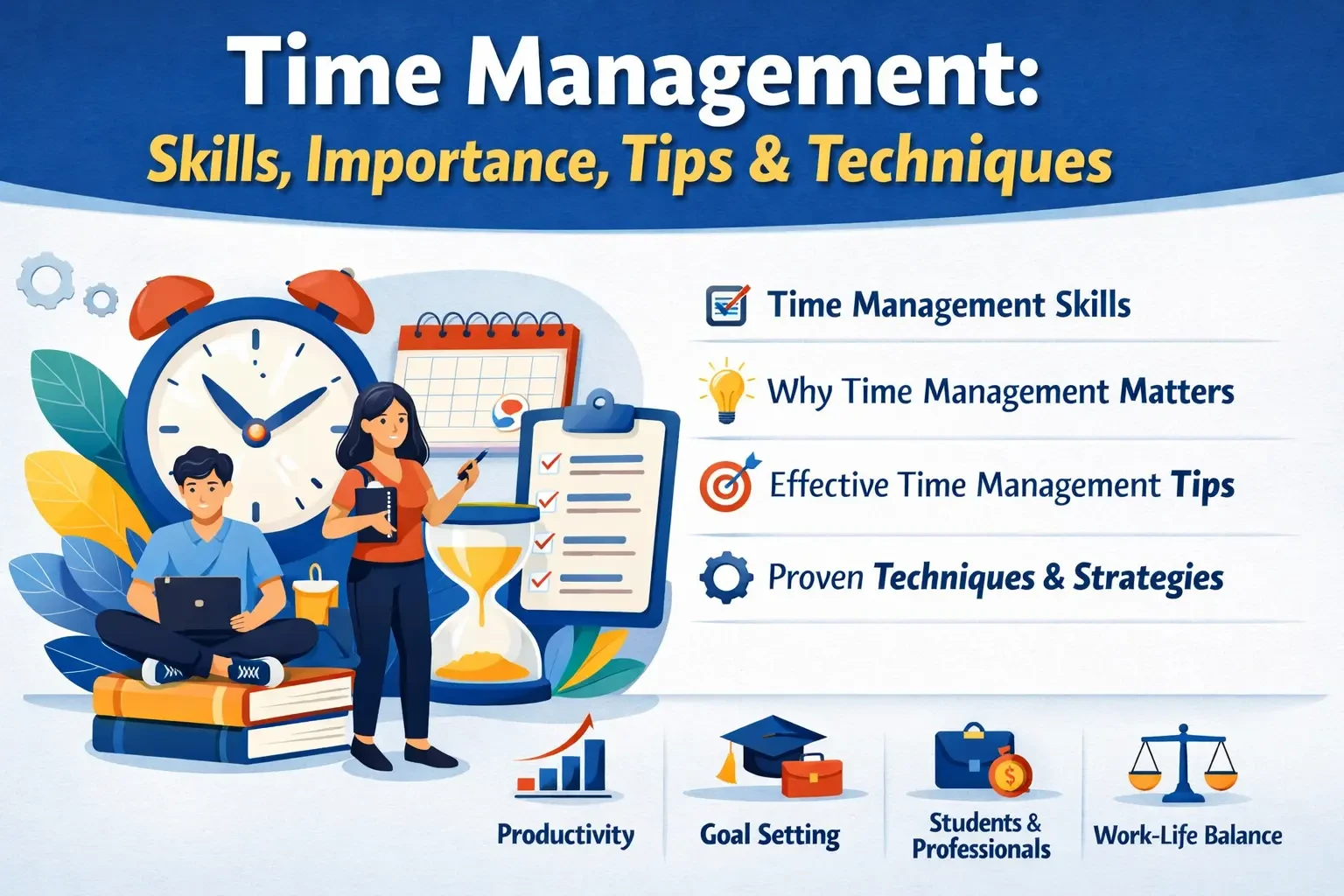
Time Management
-
Study Habits
-
Active Recall & Spaced Repetition
-
Memory & Focus : How to Focus and Avoid Distractions
-
Memory & Focus
-
Exam Prep.
-
Learning Styles
-
Goal Setting
-
Using Technology to Support Study
-
Stress Management ( Identify stress & cope healthily )
-
Anxiety ( Recognize signs, use mindfulness )
-
Emotional Regulation ( Express emotions, anger management )
-
Self-Esteem & Self-Compassion ( Build self-worth, positive self-talk )
-
Healthy Relationships ( Communicate, set boundaries )
-
Grief, Loss, & Change ( Grieving is normal, seek support )
-
Resilience & Problem-Solving ( Challenges as growth, use problem-solving steps )
-
Balance in Life ( Integrate rest, manage time )
-
Seeking Help ( Know support options, reduce stigma )
-
Healthy Lifestyle
-
Self-Awareness and Empathy
-
Effective Communication
-
Interpersonal Relationships
-
Decision Making
-
Problem-Solving
-
Critical and Creative Thinking
-
Coping with Stress and Emotions
-
Time and Self-Management
-
Adaptability and Resilience
-
Ethical Values and Responsible Behavior
-
Building Confidence in Primary Students: Celebrate Strengths and Achievements
-
Support their efforts with positive feedback and reinforcement.
-
Helping Children Believe in Themselves by Setting Realistic, Achievable Goals
-
Teach the importance of sharing, cooperation, and kindness in group activities.
-
Role-play to practice effective communication and conflict resolution with peers.
-
Building Safe Classrooms: Helping Class 1–5 Students Handle Teasing, Bullying, and Inclusion
-
Teach Kids to Recognize and Name Their Emotions with Ensure Education Counselling
-
Teaching Calmness: Helping Class 1–5 Students Manage Emotions Through Relaxation Techniques
-
Nurturing Emotional Expression in Young Learners: How Safe Creative Outlets Build Confidence
-
Building Organized Minds: Teaching Class 1–5 Students the Art of Planning and Responsibility
-
Effective Counselling for Class 1–5: Introducing Simple Study and Time-Management Tips
-
Encourage curiosity and questions to nurture a love for learning.
-
Building Smart Thinkers — Teaching Good Decision-Making Skills Through Stories, Games, and Role-Play
-
Helping Children Become Smart Problem-Solvers – Teaching the Steps of Solving Everyday Problems
-
Nurturing Respect and Equality – Teaching Children to Value Every Individual
-
Exploring Similarities and Differences Through Group Activities
-
Teaching Children Empathy and Understanding Towards Others
-
Teaching Safety with Confidence – Understanding Personal Boundaries, Safe Touch, and Trusted Adults
-
Reinforcing Personal and School Safety Rules for Young Learners
-
Guiding Students to Set Short-Term, Age-Appropriate Goals
-
Teaching the Importance of Trying Again After Setbacks
-
Helping Children Discover Their Strengths, Interests, and Passions for Lifelong Success
-
Building Confidence in Students — Encouraging Positive Self-Talk and Recognition of Achievements
-
The Power of Authenticity — Helping Students Embrace Their True Selves
-
Helping Students Manage Stress, Anxiety, and Emotions with Simple and Effective Strategies
-
Normalizing Conversations About Emotions and Mental Wellness in Students
-
Helping Students Recognize When to Seek Support from Trusted Adults or Counselors
-
Building Confident Communicators: Practicing Assertiveness, Active Listening, and Respectful Disagreement
-
Nurturing Empathy and Kindness Through Role-Play and Collaborative Learning
-
Helping Students Handle Peer Pressure, Inclusion, and Build Healthy Friendships
-
Helping Students Make Better Choices Through Real-Life Scenarios
-
Fostering Critical Thinking and Smart Decision-Making in Students
-
Teaching Digital Responsibility and Safe Online Behavior
-
Building Effective Study Habits, Time Management, and Organizational Skills
-
Empowering Students to Achieve Success Through Smart Goal Setting and Planning
-
Building a Growth Mindset: Turning Challenges into Opportunities for Learning
-
Fostering Cultural Awareness and Respect: Helping Students Appreciate Diversity
-
Building Respect and Understanding — Addressing Stereotypes, Prejudice, and Bullying
-
Building Unity and Confidence Through Inclusive Teamwork and Class Discussions
-
Building Healthy Habits — The Importance of Sleep, Nutrition, and Physical Activity for Student Well-Being
-
Growing with Confidence — Understanding Personal Hygiene and Puberty Changes
-
Finding Balance — The Importance of Hobbies, Leisure, and Personal Downtime for Students
- No blogs available
- No blogs available
- No blogs available
- No blogs available
- No blogs available
- No blogs available
- No blogs available
- No blogs available
- No blogs available
- No blogs available
- No blogs available
- No blogs available
- No blogs available
- No blogs available
- No blogs available
- No blogs available
- No blogs available
- No blogs available
- No blogs available
-
Discovering Yourself — Understanding Personal Strengths and Weaknesses
-
Understanding Feelings — Recognizing Emotions and Their Impact
-
Building Sensitivity to Others’ Feelings and Perspectives
-
Mastering Effective Expression: Developing Verbal and Non-Verbal Communication Skills
-
Strengthening Student Communication: Developing Active Listening and Assertive Expression
-
Communicating with Clarity and Respect: Helping Students Express Ideas Effectively
-
Nurturing Strong and Positive Friendships for a Happier School Life
-
Building the Spirit of Teamwork: Guiding Students to Collaborate and Succeed Together
-
Building Harmony: Teaching Students to Respect Diversity and Resolve Conflicts Peacefully
-
Helping Students Make Wise Choices: Learning to Identify Options and Weigh Consequences
-
Guiding Students to Make Thoughtful and Responsible Life Choices
-
Helping Students Set Goals and Stay Focused on What Truly Matters
-
Guiding Students to Think Smart: Understanding Problems and Finding Solutions
-
Analyzing root causes and brainstorming alternatives
-
Applying strategies to real-life challenges
-
Evaluating information and arguments objectively
-
Thinking out-of-the-box for innovative solutions
-
Reflecting on experiences to learn and grow
-
Recognizing sources of stress and emotional triggers
-
Strategies such as mindfulness, relaxation, and self-care
-
Building resilience to overcome setbacks
-
Planning, organizing, and prioritizing tasks
-
balancing academic, personal, and extracurricular demands
-
Developing self-discipline and motivation
-
-
 Ensure TV