Story of Wheel Invention: The Turning Point in Human History
What if there were no wheels? Imagine a world bare of cars, bikes, buses, even basic wagons. Today, that feels unimaginable. The creation of the wheel marks a turning point like few others in our past. A humble circle reshaped how people moved, traded, things got built.
Jump ahead to ancient times, where someone shaped wood into a circle - this moment changed everything. Picture heavy loads before wheels: dragging, straining, slow progress. Then came rotation, smooth movement replacing brute force. Think about clay pots spinning first, maybe that sparked the idea. Early wheels appeared with carts, turning transport forever. They rolled on roads made rougher by their own passage. Without gears yet, these disks still pushed societies forward. Imagine farming shifts, trade routes growing longer. Power shifted - not through war - but wooden circles moving goods. The real breakthrough? Turning effort into distance efficiently.
the wheel invention time?
Somewhere near 3500 BCE, the wheel came into being. Ancient Mesopotamia - now called Iraq - is where experts say it first appeared. Not meant for moving things at the start, its initial purpose took a different turn.
Wheels began life spinning clay, not rolling down roads. Spinning a lump of earth on a turntable brought roundness fast. Making pots turned smoother once rotation entered the craft. That twist later sparked an idea far beyond fired vessels. Round motion proved useful when dragging weight across dirt.
Wheels made movement easier
Something shifted the moment people put wheels on carts. Rolling them around on axles made moving weight far easier than before. A smooth turn changed everything.
Now things moved faster between distant places. Because of this, people in small towns, big cities, and far-off lands began linking up. Moving supplies like grain, iron, or wood got simpler. Strength came to communities that used these new ways. Progress followed where wheels rolled.
Imagine life without spinning circles beneath machines - no cars rolling down roads, no heavy trucks rumbling through cities, no long trains cutting across flat lands. Movement as we know it depends on that round invention turning below.
The Science Behind the Wheel
Roundness gives the wheel its strength. That smooth curve glides without catching on flat ground. Rotation happens easily because the axle holds it steady. Less rubbing means less effort to keep going.
Out of something small came ideas that changed everything else. Gears turned, machines moved, time got measured - each tied to a round shape spinning around a center. Hard to imagine progress without that turning circle doing its quiet work. Most moving things borrow from how wheels roll.
The Wheel Changed How People Lived
A tale often told about moving things turns out to cover more than travel. Shaping how farms worked, factories rose, buildings grew - that belonged to the wheel too. Turning slowly beside rivers, those wooden circles crushed wheat between stones while pulling energy from flowing water. As gears began to spin faster in workshops across nations, their motion tied directly to that ancient round form rolling forward through time.
Out in fields long ago, spinning circles let people move goods across distances. Because of that motion, markets grew while chores got simpler. Now machines fly through skies or stand humming in plants - all still leaning on the round idea first dug into dirt centuries back.
Conclusion
Rolling through time, the wheel began in clay workshops where potters spun their craft by hand. Long before engines, these circles turned slow hands into swift makers. Movement found new meaning when carts replaced burdened backs across dusty paths. Speed grew not in leaps but steady turns on axles made of wood then steel. Each era reshaped its rim without changing its core idea. Today’s tires hum on highways just as early discs whispered in desert winds. A quiet force, never flashy, yet always moving what matters.
Round it might seem, yet shaped how people live across ages. When spinning comes into view, think back - old as it is, progress leaned on this one shape more than most.
A little seed tucked into dirt - what happens when it wakes up? Days pass. Suddenly, a thin green thread pokes through. Life begins quietly. That quiet start has a name: germination.
Here’s how a tough, lifeless seed wakes up. What actually happens inside when it begins to grow? This piece looks at that shift from stillness to sprouting. Temperature matters. So does water. Even soil depth plays a role. Each factor helps decide if growth starts or fails. A plant's whole journey often depends on these first moments.
Seed Germination Explained?
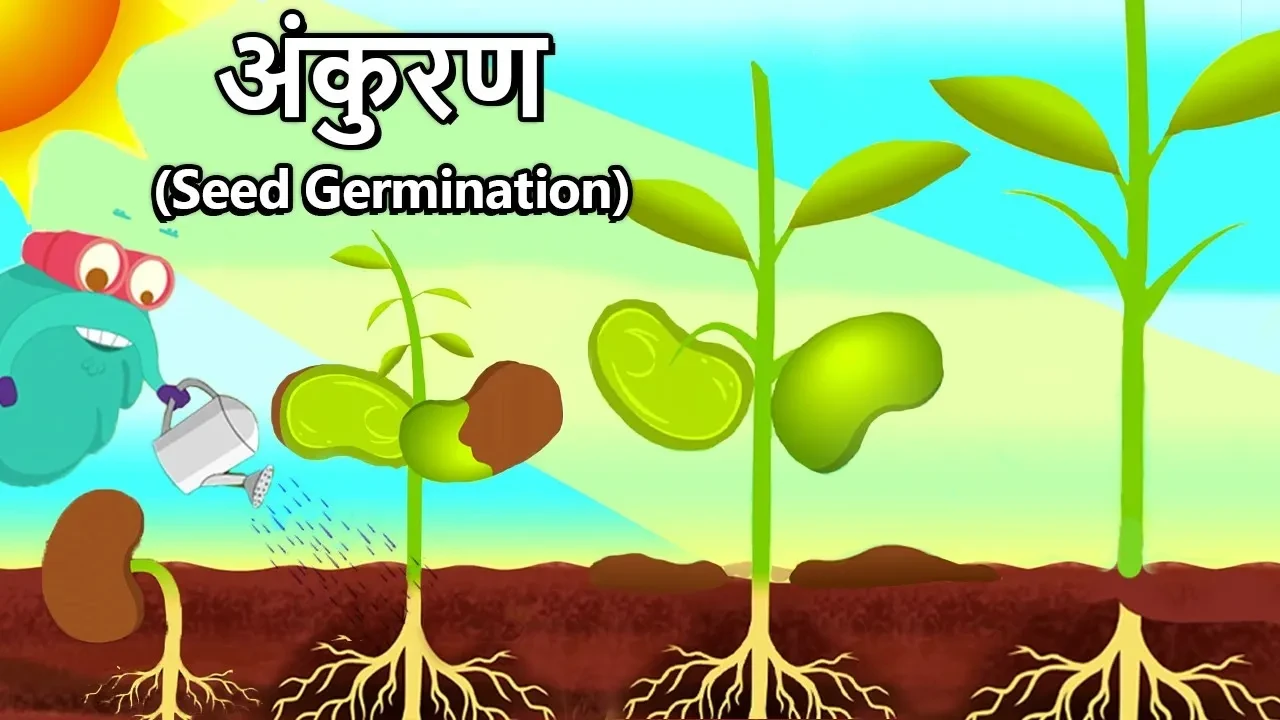
When a seed wakes up, it starts turning into a young plant. Hidden within each one lies a small life form known as an embryo. Alongside it sits nourishment packed inside the shell. This fuel feeds growth when roots first stretch out.
Water wakes up the seed when things like warmth and moisture line up just right. From that moment on, life begins to stir inside. Germination kicks off without delay.
Conditions Needed for Seeds to Sprout
When seeds begin to grow, they need specific things around them. Moisture plays a key role, followed by access to oxygen. Temperature matters just as much, but every plant has its own needs.
Right where things begin, moisture wakes up the seed. As liquid moves in, swelling happens - slow at first, then steady. Softening follows, quietly changing the shell's strength. With that shift, tiny cracks appear, just enough. Out slips the young plant, moving because space now exists.
Without air, seeds can’t breathe. Oxygen fuels their slow burn of stored food. That fire gives power to push roots down, sprouts up. Warmth speeds things along - most seeds wait for heat before waking. Cold keeps them still.
Germination of seeds fails when key conditions are missing.
Germination Process Steps
Water soaks into the seed at the beginning. Once wet, hidden chemicals wake up within it. These helpers turn saved nutrients into fuel the young plant can use. Step by step, life stirs inside the shell.
Downward pushes the first part - known as the radicle - digging into earth like a quiet explorer. Anchored now, it sips moisture plus minerals from the ground around it.
Upward pushes the shoot, aiming for light. When it breaks through the soil, tiny leaves slowly appear. Now able to feed itself, the plant uses sunlight to grow.
Seed Germination Matters
When a seed wakes up, that marks the start of a plant's journey. Life moves forward only when seeds take this leap, making farms able to exist.
Fresh growth from seeds keeps farms running. When sprouts take hold well, crops stand tall, producing more. Life moves forward because tiny beginnings push through soil. Air we breathe ties back to these quiet moments underground.
Conclusion
Okay, how does a seed start growing? That sprouting moment happens when life inside wakes up. Given moisture, oxygen, and heat, the small living part within springs to action. Growth kicks off, quietly, step by steady step.
When you spot a tiny green shoot pushing through dirt, think about the quiet miracle behind it. Though seed sprouting seems basic, within it lies one of life’s most curious awakenings.
Imagine holding a pencil, feeling its shape. That quiet moment when thoughts begin. Not just schools or work desks see these tools - artists grab them too. Writing happens first, yet lines turn into drawings next. Ideas start small, then grow through scribbles and marks. Simple wood and graphite carry what minds imagine.
Pencil stories hide surprises behind their plain look. Inside these lines, discover where pencils began, whose hands shaped them first, what went into making them work, yet still they write their way into daily life everywhere.
The Discovery of Graphite
A strange chapter in tool history starts back during the 1500s on an island nation. Near the year 1564, villagers in Borrowdale uncovered a thick seam of dark mineral stuff. Folks at that time believed they’d found lead ore - misunderstanding shaped how we name things today. That mistaken label stuck around long after facts changed, so now pencils carry a false title deep within them.
Pencil traces began with chunks of graphite pressed into hands through fabric wraps. Marks showed up sharp on pages, which made the material stick around. String bound some rods at first, just enough to keep fingers clean during strokes.
Who Made the Modern Pencil?
A Frenchman named Nicolas-Jacques Conte made the first modern pencil using wood. Back in 1795, amid war under Napoleon, high-quality graphite became hard to find in France.
Pencil making changed when Conte figured out how to blend ground graphite with clay, then fire it in a hot oven. Depending on more or less clay, the lead turned softer or firmer. His way of doing things stuck around, shaping how pencils are built even now.
Wood holds the mix of clay and graphite, just like today's pencils do. Each one keeps that old way alive without trying to impress.
Inside Modern Pencil Production
Out of a blend, graphite meets clay before turning into slender sticks. Baked hard, they gain strength through heat instead of time. Though methods have shifted, the core thought stays unchanged today.
Once done, glue holds the graphite inside a pair of split pieces - often light wood such as cedar. Shaped next, they take on the usual round or six-sided profile. Paint coats the outside after forming. A small rubber tip gets added at one end.
Still loved after hundreds of years, this clean setup works without fuss.
The Pencil Remains Relevant
Still found everywhere, even today, the pencil sticks around without needing power. Without cost barriers, it works for nearly anyone who tries it, yet includes a built-in fix through its eraser tip. Drawing first often means reaching for graphite - not pixels - since pressure changes create depth on paper naturally.
Pencil inventing changed how schools worked. Across continents, learners picked them up for scribbling letters, solving sums, sketching shapes. Easy to hold, quick to fix mistakes - no wonder they stick around. Though tools evolve, this one stays put.
Conclusion
Pencil creation looks basic at first glance - yet changed how people learn, draw, even share ideas. Graphite found by chance led to a slim stick inside wood that quietly became part of daily thought. A quiet helper, it grew alongside schools, sketches, written words. This tiny object holds big weight in shaping minds and expression.
Hold a pencil again, then think - this small thing carries hundreds of years inside it. Though tiny, its impact often outweighs flashier gadgets.
Ever thought about who made tomato ketchup first? This sauce sits in fridges across the planet. With fries, on burgers, tucked into sandwiches - it shows up constantly. Not many expect where it actually began.
Surprisingly, ketchup wasn’t always red. Long ago, people used fermented fish brine instead of tomatoes. This version traveled from Asia to Europe by sailors. Over decades, cooks began swapping ingredients. Mushrooms, walnuts, even oysters took turns inside the bottle. Tomatoes showed up later than most assume. One doctor believed they made food safer. His recipe added sugar, vinegar, spices - slowly shaping the taste. Bottling methods improved alongside home canning trends. Mass production followed once demand grew steady. What started as a salty brew now sits on nearly every table.
The Early History of Ketchup
Tomato ketchup has roots stretching back to old China. "Ketchup" likely traces to a Chinese blend named “ke-tsiap.” That first form contained no tomatoes at all. Fermented fish, mixed with spice and salt, formed the base instead.
From Southeast Asia it traveled onward, carried by traders into Europe. Experimentation followed slowly, as people swapped in new elements. Mushrooms turned up in early versions, alongside walnuts or oysters sometimes. Not one recipe at first used tomatoes. Later changes shifted that completely.
Tomato Ketchup Origins?
Back then, folks across Europe and America first saw tomatoes arrive during the 1500s and 1600s. Still, many kept their distance, believing these red fruits might kill them.
Back then, around the start of the 1800s, folks in U.S. kitchens started mixing tomatoes into their ketchup blends. Thanks to that deep taste and a hint of sugar already in the fruit, tomato versions caught on bit by bit. From there, what would become the familiar red sauce quietly took shape.
Who Made Today's Tomato Ketchup?
Nobody talks about ketchup without bringing up Henry J. Heinz sooner or later. By the 1800s, his version of tomato ketchup started turning heads - mostly because he cared how fresh it tasted.
Starting fresh each time, he swapped old methods for ripe tomatoes instead. By 1876, that shift led to a version people began recognizing fast - its flavor never changed much. Vinegar and sugar did their part, keeping things stable without odd tricks. The moment it launched under the Heinz name, reactions leaned strong toward liking what they tasted.
Heinz didn’t create ketchup first, yet his version shaped how it’s made today. Through steady changes, tomato-based ketchup spread far beyond its roots. His name became tied to the red sauce seen on tables everywhere.
Tomato Ketchup Gained Widespread Use Over Time
Bottle after bottle sells simply due to taste that hits just right. Not too sweet, yet not sour either - this mix somehow fits nearly every meal you can think of.
That stuff lasts forever on the shelf, so families kept it around without thinking much. With burgers and fries taking over meals everywhere, ketchup tagged along, showing up at every table from Tokyo to Toronto.
Conclusion
Not quite what you’d expect - tomato ketchup didn’t start with tomatoes at all. Long before bottles lined diner counters, people in Asia seasoned food with fermented fish sauce. That tangy base traveled far, shifting form through time. Enter Henry J. Heinz, stepping into a story already decades old. His version, though, stuck. Thick, sweet, red - it became the one we now pour without thinking. Not invention alone, but persistence made it common.
Picture this - tomato ketchup wasn’t always red or even made with tomatoes. Way back, it started as a fishy Southeast Asian broth, drifting westward through trade routes. Over centuries, cooks tweaked it, swapped ingredients, shaped new tastes. What we now pour on burgers began far from any kitchen in Europe. That familiar bottle on diner tables holds layers of change, migration, flavor shifts. Each dollop links back to ancient barrels and seafaring merchants. So when you reach for the condiment again, pause just slightly. Hidden inside is not just tangy sweetness - but time.
Sometimes February sneaks in an extra day, bumping up to 29 instead of its typical 28. That slip-in occurs during what we call a leap year. Yet exactly what defines such a year? Why does this particular month stretch by one additional turn? The reasons tie into how Earth travels around the sun - just not quite fast enough to match our calendar neatly.
One tiny shift on your calendar? Actually tied to how Earth circles the Sun. This piece unpacks leap years - not just rules, but roots. Picture February stretching to 29 days once in a while. That extra day patches up timing gaps between our clocks and cosmic motion. Our calendar stays aligned because of these corrections. Turns out, space rhythms shape months more than you’d guess.
Leap Year Explained?
One day more than normal - that happens during a leap year. February stretches to 29 when the calendar adds a date. Most years stay at 365, but every now and then, one steps up.
One extra day every now and then - what's that about? Turns out, it’s how long Earth really needs to go around the Sun: roughly 365.25 days. Calendars just count 365 most years. So something’s got to give.
One more day sneaks in after four of those little 0.25 leftovers pile up. Our calendar sticks close to how Earth moves only because we toss in an additional day once every four turns around the sun. People have named this trick a leap year.
February gets an extra day every four years because Earth's orbit doesn't match the calendar
What makes February pick up an extra day every four years, while others stay the same? That's what comes next.
Back then, February already had fewer days - just twenty-eight. Tacking on an extra one made more sense there instead of reshuffling the bigger ones.
That extra day shows up in February every leap year, pushing its total to twenty-nine. Because of this tweak, our calendar stays in step with how Earth circles the sun.
Leap Years Missing What Changes?
Imagine skipping a single day every four years. That tiny change keeps summer from creeping into winter months. Without it, January might feel like March. Seasons would drift across the year, quietly reshaping when flowers bloom or snow falls. Months lose their rhythm. Spring could show up in July.
One day, you might see summer-like weather during what used to be early-year seasons. Because of how Earth moves, that drift would slowly happen without correction. Leap years step in - not often, but just enough - to reset the rhythm. They hold the line between dates and daylight, matching clocks to sky.
Figuring Out Leap Years?
A single guideline makes spotting leap years clear. When a number divides evenly by four, that year usually jumps in. But centuries play by slightly different conditions. Only when they split without remainder by four hundred do they count.
A single tweak pushes the calendar closer to precision. Still, it's not just about days lining up - it's how time fits together without gaps piling up year after year.
Conclusion
A leap year shows up every now and then, bringing one more day to the calendar - totaling 366. This keeps things lined up with how Earth moves around the sun. The extra day lands in February since it's already the briefest stretch of months. That makes slipping in an additional date less disruptive than anywhere else.
One extra day every fourth year helps match the calendar to Earth's journey around the sun. When February stretches to 29 again, remember: numbers and nature team up to fix the clock.
What makes air so hard to spot, anyway? Wind gives it away by brushing against your skin. A thunderstorm lets its noise slip through. Breathing reminds us how badly we need it. Strange that something so constant stays out of sight.
Strange as it might seem, the most vital things are often hidden from sight. This piece looks at air - why eyes pass right through it, what bits make it up, then how emptiness plays tricks on perception.
What Air Contains?
What makes air invisible becomes clearer once we look at what it’s made of. Not one thing, but many. Gases blend together to form what we call air. Mostly nitrogen, then oxygen - these two dominate. Alongside them sit traces of carbon dioxide, plus a few others floating around unseen.
Light slips through because the specks making up air are too slight to catch it. Far between, those bits float without bumping into one another much. Tiny beyond seeing, they let daylight pass like whispers through empty halls.
How Seeing Works?
Bright things catch light, then send it straight to our eyes - that’s how we notice them. Hitting something firm, say wood or bark, makes rays leap away toward us, shaping what we observe.
Most of the time, you won’t see air because its particles don’t catch light well. Light slips right past them without much interference. That’s how something so full of stuff stays out of sight, even when we’re swimming through it constantly.
Seeing Air Effects Happens When Light Interacts With Particles Or Changes In The Atmosphere?
That invisible stuff around us? It shows itself sometimes. Sunbeams reveal specks drifting through space, carried by unseen currents. Fog gives the sky weight, moisture clinging low like a damp cloth draped across morning fields. Smoke does something similar, filling gaps between emptiness with gray trails that twist and fade.
Most times, what shows up isn’t the air at all. Light bounces off small bits floating - some solid, some wet - making them visible. That’s why pure air stays out of sight.
Can You See Air?
Funny thing - air doesn’t vanish from sight every time. That shade of blue overhead ties back to sunlight bumping into tiny bits floating in the air. As rays from the sun dive into our planet's blanket, they split apart, zipping sideways in all sorts of ways. Because blue tends to bounce around far more than its color cousins, we wind up seeing a blue dome above.
Air stays invisible, yet shapes everything our eyes take in. Still, without showing itself, it changes how things appear nearby.
Conclusion
Most things we see bounce light to our eyes. Air does not work that way because its molecules are too small and far apart. Light passes right through without catching on anything visible. That is why it stays invisible even though it surrounds us completely.
Most folks never see it, yet air matters more than almost anything else. Each breath pulls it into existence, while storms roll through it, voices travel across it, and sunlight scatters because of it. When a breeze touches skin, think how force hides inside what eyes cannot catch.
Every kid gets told the same thing at dinner. Yet somehow, nobody explains why greens matter. What if it is more than old advice passed down through years. Could actual proof back up what grownups insist on. Maybe the truth hides in studies instead of slogans.
Picture this - what if tiny changes on your plate quietly boosted how you feel each day? That crunch of broccoli might do more than just fill space. Think about carrots, spinach, beans - not as chores but helpers. Each bite slips nutrients into places that need them most. Could it be that simple? Regular meals with these plants shape energy levels in ways science now backs up. Not magic, just biology doing its job well. What happens when one habit stays steady across weeks? Bodies begin to balance better. Even small shifts add weight over time without shouting results overnight.
Why Vegetables Are Good For You?
Every now and then, someone questions if veggies truly do good - turns out, their contents tell the story. Packed full of vital stuff such as vitamins, fiber steps in alongside minerals, while antioxidants quietly play a role too.
Fresh spinach packs a punch with vitamin K along with iron inside every bite. Orange carrots bring solid support to vision thanks to their high vitamin A levels. Bright bell peppers deliver heavy doses of vitamin C that keep immunity on track. Each nutrient plays its part so everything in your body runs without hiccups.
Fiber fills you up while calories stay small - vegetables balance both. Their bulk helps your gut move smoothly, day after day.
Vegetables and health connection
Veggies do more than just feed you. Packed into everyday meals, they help lower chances of long-term illnesses like heart problems, diabetes, or some cancers.
Blood sugar stays steady thanks to vegetable fiber, while digestion moves without hiccups. Harmful molecules roam inside us, yet antioxidants step in, shielding cells quietly.
Truth sits in the data: folks who eat more veggies tend to live longer, feel better. Study after study backs this up without drama or exaggeration.
Not all vegetables have the same benefits?
One reason meals differ so much? Leafy greens bring something kale and Brussels sprouts do well, whereas golden roots such as squash or carrots shift the balance entirely. Each color group feeds the body distinct helpers found nowhere else.
Filling your plate with different colors brings in lots of vitamins plus minerals. People sometimes call this idea eating the rainbow - yet it’s just an easy move toward better food choices without effort.
Are There Downsides?
Sure, veggies tend to be good for you - but how they’re cooked changes things. When soaked in oil or piled with salty butter, their upside shrinks fast.
A few veggies can lose specific vitamins when cooked too much. Instead of boiling them a long time, try steaming or quick frying. Cleaning your produce well helps get rid of soil and chemical residues.
Conclusion
Turns out, veggies pack quite a punch when it comes to health. Yes, they truly are good for you. Packed with nutrients, few foods beat them in everyday meals. Digestion runs smoother because of them, while their presence strengthens your body's defenses. Weight stays steady more easily, simply by having them around. Disease risk drops too, just from making space on the plate.
Start by filling your plate with different colorful veggies, cooked without heavy oils. When you spot leafy greens sitting there, think about how they’re already helping your muscles move and your mind stay sharp
Fan spinning. Bicycle rolling. Door clicking shut - ever pause on what makes them go? Hundreds cross your hands daily, yet few get a second thought about the hidden rules running things. Peek under the surface, suddenly physics feels less like class, more like everyday magic shaping motion without noise.
Facts about how things move might surprise you. Objects behave in ways that seem odd at first. Simple machines work by redirecting force in clever directions. Levers tilt, wheels roll, pulleys shift weight with less effort. Tools around us rely on these ideas without looking complex. Efficiency comes from design, not magic. Science hides inside common items people overlook every day.
Objects Move When Pushed or Pulled
It happens every time you move something - force shows up. A shove or a tug, that is all force really means. Opening a door? That effort counts. Riding a bike takes leg power pushing down. Motion follows when force gets involved.
Something moves only if pushed or pulled somehow. Movement stops whenever that push disappears. Think about cars, spoons, even doors - each needs a shove to get going. How things shift depends on what acts upon them.
Simple machines help reduce effort needed
Here’s something else worth noting - objects function partly because of basic mechanical tools. Take levers, for instance, or pulleys - they’re part of a small group called simple machines. The wheel paired with an axle shows up often in everyday devices. Ramps make work easier by spreading effort over distance - that's the inclined plane at play. A screw? It's really just a twisted ramp molded around a rod. Then there’s the wedge, which splits things apart when force pushes it forward.
A good example is how a seesaw uses leverage. With a pulley, lifting big loads takes less force. Instead of just turning, a screwdriver acts like an axle too - sometimes even mimics a ramp wrapped around a rod. Using these basic tools makes work smoother by cutting down strength needed.
A car or a washer might seem complicated, yet each relies on basic mechanical parts working together. Simple tools shape their design, even if hidden beneath metal and plastic.
Energy Powers How Things Work
A push or pull gets things moving. Take a fan, TV, or computer - they run on electricity instead. A bike or hand pump moves by force of muscle. Each uses its own kind of power.
When something moves, its energy shifts shape. Take a lamp lighting up - electricity turns into brightness. The engine of a vehicle burns gas to create motion. Seeing how power transforms helps make sense of machines at work.
friction matters in motion
Slipping happens easily if there's nothing slowing motion between surfaces. When things move across one another, resistance shows up - this is what some call friction. Walking becomes impossible without it since each step relies on grip. That pull between materials keeps movement under control instead of sliding wildly.
Slowing movement happens when there’s too much resistance between surfaces. This is exactly why engines rely on oil - so parts glide instead of grind. Without careful control, either too little or too much grip causes problems inside moving equipment.
Design And Structure Matter
Something functions based on its form and build. Built right, a tool does what it needs without waste. How it looks, how big it is, which stuff went into making it - those change everything about its job.
A round shape helps wheels move without much resistance. Because it rolls so well, travel becomes effortless. One reason knives work fast is their thin edge. Pressure builds where the blade meets food, slicing through with less effort.
Conclusion
Everyday gadgets work because basic science packs a punch. Not just force but also motion shapes how things move. Energy flows through them while friction pushes back. Design ties it together even when unseen. What you hold usually follows nature’s rules without trying.
When you pick up a basic gadget or turn on some complicated device, pause just once to wonder what makes it run. What's happening inside could spark questions, maybe even surprise you. Curiosity grows when we see how things move, click, fit - revealing clever fixes people found over time. The way stuff behaves often follows quiet rules built into nature itself.
Ever wonder how simple lighting a flame feels now? One swift motion, a small wooden rod bursts into fire. Yet that moment wasn’t always within reach. Fire once demanded effort, patience, time. Then came matchsticks - suddenly control shifted. A single spark became something anyone could hold.
This little tale begins with fire - not wild flames, but something tucked into tiny sticks. Picture someone scratching one against stone, just to light a lamp or warm a room. A spark came long before matches did, yet turning that spark into something you could hold changed everything. One person didn’t simply wake up and invent it all at once. Steps were taken slowly, through trial, error, smoke, then success. The way these sticks catch flame depends on chemistry hidden inside their tips. Heat starts a reaction; gas puffs out; light appears almost instantly. Life without them meant carrying embers or striking stones endlessly. Now? Fire became portable, predictable, even safe enough for children to misuse. That shift shaped homes, industries, habits none saw coming.
Life Without Matches
Fires did not come easily before tiny sticks made it possible. Hitting rock against metal sparked flames back then, sometimes rubbing wood instead. Each attempt demanded practice, effort, long waits. A quick scrape to start heat? Not how it worked.
Fire grew harder to manage when communities expanded. So people searched for better methods. A spark could turn dangerous if uncontrolled. That pushed inventors toward chemical solutions. Matches began appearing through trial after error.
Who Invented Matchsticks?
A sudden spark came in 1826 when a mix went wrong in John Walker's lab. This English chemist wasn’t aiming to change daily life - yet that’s what happened. Instead of planning it, he stumbled on something useful during routine tests. His accidental strike lit more than just flames; it started a shift in how fire was made.
A spark came to life one day after Walker tried coating sticks with odd chemical blends. When scraped across something coarse, flame followed. With just a swipe, anyone could now summon heat where before there was none.
Early versions didn’t work well at first. A sharp odor came out when they lit, also people worried about accidents. Step by step, changes fixed these issues - eventually small sticks caught flame easier without danger.
How Matchsticks Create Fire?
What happens inside a match gives it surprising depth. Inside sits a slender piece of wood topped by a small tip full of reactive stuff. That tip often holds phosphorus along with something that helps fuel rapid burning.
A spark leaps when the match scrapes a bumpy patch. Heat builds up thanks to that tiny drag between surfaces. Inside the tip, chemicals wake up once warmth hits them. Fire blooms right there at the edge of your fingers. It creeps along the thin wood, steady and quiet. Light follows where it moves, reaching wicks or burners without fuss.
Safety matches today need a specific strip to catch fire. Because of this, they're less risky than older kinds once were.
Matchsticks changed how people lit fires
Fires sparked faster once matchsticks arrived on the scene. With a quick strike, meals warmed up, rooms lit, while homes stayed cozy through cold stretches. Workshops moved smoother too, timing tightened in factories and kitchens alike.
Still small, still everywhere - matchsticks slipped into pockets once cheapness arrived. Fire stopped being a chore because carrying it turned simple. Though lighters flicker now, though kitchens hum with switches, wooden sticks keep striking across continents.
A tiny creation changed how people move through their daily routines. It quietly slipped into homes, making tasks smoother without demanding attention. One moment it was absent. The next, it shaped moments of routine in ways few noticed but everyone felt.
Conclusion
A flick of the fingers - that’s all it took once matchsticks arrived. Not long ago, starting fire meant effort, time, noise. Yet one small stick scraped quickly brought light without struggle. Life warmed up in more ways than one.
Out of nowhere, little ideas can shift everything. When you light a match later today, think about how such a small object holds so much invention inside it.
Picture a world missing paper. Books gone. Notebooks vanished. Newspapers disappeared. Vital papers - nowhere to be found. Feels unreal right now. Paper’s arrival changed everything people built. Thoughts moved through time because of it. Knowledge passed down, carried on sheets. Stories survived, handed forward quietly.
Paper changed everything, yet its beginnings were quiet. Who first shaped it remains a tale from long ago. Made by hand back then, sheets rose from mashed fibers pressed flat. This thin stuff spread knowledge like nothing before. A humble thing, really, but it carried ideas across centuries. Its impact grew without fanfare, just steady, silent force. Not loud, never flashy - just everywhere.
Who Invented Paper?
Paper came from ancient China. Back in 105 AD, a man working for the imperial court, Cai Lun, made paper production better. Before that, people used things similar to paper, yet his version worked more smoothly and cost less.
Writing began on things such as bamboo, silk, papyrus, or hides long before paper showed up. Heavy loads came with some, while others cost too much. Lighter weight arrived when paper entered - production simplified, prices dropped. A shift happened quietly, yet deeply, thanks to this simpler way.
How People Made Paper Long Ago?
From the start, making paper meant using things like tree bark or scraps of cloth. Water would sit on those bits - old nets too - till they softened. Then came pounding, slow and steady, turning everything mushy.
After mashing, the wet mix got poured out on level ground to air harden. When fully hardened, it turned into slim layers suitable for marking with ink. From this start grew today's large-scale production of sheet material.
From China, the method slowly moved across Asia, then into the Middle East, later reaching Europe. With more people learning how to make paper, schools began using it widely, commerce relied on it heavily, while letters and messages traveled faster because of it.
How paper changed communication
Out of nowhere, paper changed how people saved ideas. With it, copying books became faster than before. Because of that, sacred writings moved across regions. Science findings spread beyond single scholars. Stories once told aloud found permanent form on sheets. Sharing thoughts widened when pages traveled far.
Paper made all the difference when it came to how far printing could reach. Thanks to its low cost and wide availability, learning moved quickly through societies, changing how people read.
Because of paper, keeping track of government matters became possible along with handling money in trade and recording what scientists learned. Hard to imagine progress without it shaping how information was saved.
Paper in the Modern World
Right now, folks rely on paper every single day. Think about it - journals show up just as often as shipping boxes do. Phones might dominate our pockets, yet sheets of pulp stay useful somehow. Bills made of cloth fiber? Still around too.
These days, machines powered by wood pulp shape most paper made worldwide. Still, the core idea feels much like it did when people first turned plants into flat writing material long ago.
Conclusion
Paper might look basic. Yet civilizations changed because of it. Starting in old China. Reaching every corner today. Because of paper, people began sharing ideas. Schools could form. New inventions followed. Not loud. But powerful in silence.
One thought could outlive its thinker, opening knowledge to countless people. When your hand moves across a blank page or your eyes follow lines in a book, consider how something so ordinary reshaped human destiny without fanfare.
What if no zero existed? Hard to believe, yet once upon a time, people counted without it. Now, zeros pop up in math, money, tech, digits we dial each day. Its arrival shifted how minds saw counting forever after.
A look at how zero came to be - its origins, the minds behind it, then what made such a small symbol so huge in math’s story. Not just a digit, but a turning point shaped by curiosity and time.
Zero Meaning And Its Importance?
A tiny loop on paper, zero carries weight beyond shape. It stands for empty, still drives numbers forward. Missing this symbol, today’s math falls apart.
Picture the number 10. Because of the zero, the one means ten instead of just itself. Take away zero, then numbers like 100 or 1000 fall apart. That tiny symbol holds up everything else. Its role is quiet but total.
Zero showed up late but changed how numbers work. Instead of stopping at nine, people could stretch counts further. A single digit held space so others grew stronger beside it. Math got faster once that gap had a name. Problems that took hours shrank into moments. Whole systems leaned on this empty placeholder. Without it, calculations stumble like before dawn.
Who Invented Zero?
Zero showed up long ago in ancient India. Not just a symbol, it became a real number there too. By the 600s, Brahmagupta laid out how to work with zero when adding or dividing. His ideas gave math a new direction entirely.
Funny thing, he explained adding or taking away zero from numbers like it was nothing special. Back then, people thought that sort of talk was wild. From India - where they first cracked the idea - it floated westward, carried by traders and thinkers alike.
This breakthrough is why many link zero’s creation to India.
Zero Both Placeholder and Number
Back then, counting got messy without a symbol for nothing. Some old cultures counted fine - yet big figures tangled fast. Then came zero, sliding into empty spots like a silent helper.
Take 205 - here, the middle digit marks an empty ten slot. If that placeholder went missing, telling numbers apart would get messy fast.
Only after some time did zero become more than just a gap filler. It started standing on its own as an actual number. Because of that shift, math thinkers found new paths into algebra and deeper ideas like calculus. Without zero, much of modern math simply would not exist.
How Zero Changed Everything
Starting from nothing, the idea of zero changed everything in science and tech. Computers now run on a system built around one and its opposite - zero holding equal weight. Picture today's digital world if that empty number had never arrived - it simply would not look like this.
Not just a number, zero turns up everywhere - physics leans on it, so do engineering, markets, space travel. Temperature dips? Altitude checks? Profit tallies or debts? All depend on that empty digit to make sense.
From empty space grew the roots of today's math and machines. A blank idea turned into a starting point for complex systems.
Conclusion
Imagine starting math without nothing - yet that changed when zero appeared. Born in ancient India, it slipped into numbers like a quiet revolution. Instead of just counting things, people began measuring gaps between them. Over centuries, this symbol grew stronger, hiding inside every computer today. Without it, calculations would stumble, blindfolded through time.
That little circle? It holds more weight than you might think. Every time it slips into a number, consider how such a modest mark reshaped math completely - unlocking ideas once out of reach.
Thirst shows up when your mouth turns parched, needing liquid fast. It hits without warning - dry tongue, tight throat. Your body sends that signal on its own, no choice involved. Water becomes urgent then, not optional. Notice it often comes midday, after movement, under heat. The need builds quietly until it cannot be ignored.
Thirst shows up when your body needs fluid - that signal means it is time to drink. Water matters because every cell uses it to work properly. Sometimes you feel tired or distracted without knowing dehydration might be the reason. This piece looks at how fluids fuel bodily functions. Feeling parched? That urge usually follows even slight losses of moisture through sweat or breathing. Hydration supports energy levels, clear thinking, little things like joint movement too. The need for water changes with weather, activity, age. Here’s a thought: sipping steadily beats waiting until mouth feels dry.
Why Humans Need Water?
Water keeps things running inside us - that is why people drink it. Six out of ten parts of your body are water. So it is less about choice, more about staying alive. Without it, nothing works right.
When it gets hot, water steps in to keep things balanced inside you, mainly because of sweating. Because digestion needs fluid, water breaks meals apart while guiding nourishment into your blood. Waste leaves quietly, carried out by pee or even drops on your skin after effort.
When water runs low, body parts slow down. This makes regular drinking key - keeping systems running smooth, staying well each day.
Why We Feel Thirst?
Here's what happens when thirst kicks in. Your body uses it like an alarm bell. Once fluids run low inside you, a message fires from the brain. That signal creates the urge to drink.
Water loss adds up - through sweat, pee, or just exhaling - and that’s when things shift. Deep inside, a tiny area in the brain takes notice. This spot, known as the hypothalamus, stays alert without drawing attention. Thirst shows up only after it decides action is needed. Signals fire long before you realize what's happening.
When your mouth feels dry, that is your body asking for water. Thirst shows up just before things get risky. It keeps balance by reminding you to refill what you have lost.
Effects of not drinking enough water?
Thirst ignored - water left untaken - and the body slips into dehydration. Dry mouth shows up first, then fatigue tags along, dragging energy down. Headaches creep in, while dizziness sways balance without warning. Thinking feels foggy, focus fraying at the edges.
When fluids run too low, the body might struggle to keep blood pressure steady or filter waste well. That’s when you notice how much your kidneys depend on regular sips throughout the day. Energy stays steadier, organs work smoother - water just keeps things moving behind the scenes.
Your body sends hints when it needs water - paying attention keeps things running smoothly.
How Much Water Is Enough?
Thirst hits faster when it's hot outside. Body moisture slips away during workouts, leaving some folks reaching for a glass sooner. Age plays a quiet role in how often that happens. Weather changes shift what the body needs without warning. Exercise pushes demand up whether you notice or not.
Thirst shows up differently for everyone, so sip water throughout the day instead of counting amounts. When pee looks pale or nearly clear, that usually means you are drinking enough.
Conclusion
Here is how it works. Our bodies need steady conditions to run right. When levels shift too much, signals kick in. One key signal makes you want to drink. That urge helps protect your cells. Without enough fluid, things slow down. Keeping hydration stable matters more than most notice. Temperature control depends on it. So does breaking down food. Organs rely on consistent supply. You feel thirst before serious loss happens. This nudge comes ahead of bigger trouble. Balance stays maintained through small prompts like this.
When thirst hits again, think of it as your body requesting what keeps it running well. Staying hydrated daily stands out as an effortless yet effective choice for wellness.
Every now and then, a question pops up: How do plants make their own food? Not like people or creatures who walk to a kitchen or hunt around for something to eat. Instead of grabbing apples or bread, they stand still under sunlight. Still, they stretch upward, bloom colorful flowers, remain lively. The secret lies hidden in quiet green leaves doing unseen work.
Plants create their own meals through a quiet miracle known as photosynthesis. This post peels back the layers of that hidden kitchen, revealing steps most never see. Sunlight kicks everything into motion, acting less like an ingredient and more like a spark. Without it, the whole system halts, frozen mid-breath. Life here depends on these green factories running without pause.
What Is Photosynthesis?
Plants create their meals how? Sunlight steps in, working alongside water plus carbon dioxide during a task called photosynthesis. This method powers meal production inside green leaves, turning light into usable energy quietly behind the scenes.
Inside every leaf, something quiet takes place. The green coloring there isn’t just for show - it grabs light from the sun. That pigment, named chlorophyll, acts like a tiny solar panel. If that substance were missing, capturing energy from sunlight could never occur.
What plants use to make their food
Picture a kitchen where meals come together - plants cook up their own meal using sunlight, water, one key gas from air. These pieces fit just right when making plant food happens. Sunlight leads the process, water flows into roots, carbon dioxide enters leaves. Each part plays its role without needing help from outside once they mix. Without any single piece, the whole thing stops
Sunlight
Water
Carbon dioxide
Water moves into plants from dirt below, pulled up by roots. From there, it travels upward, preparing for what comes next. Tiny leaf doors let carbon dioxide slip inside during daylight hours. Sunlight lands on green surfaces, sparking activity without delay. That light gets grabbed by a substance giving leaves their color. Energy shifts happen quietly, unseen but essential.
From sunlight, plants mix water with carbon dioxide to make glucose - a form of sugar. That sugar feeds them, fueling their growth.
Plants use food they make
Once sunlight fuels a plant's kitchen, the sugar made inside powers growth right away or waits quietly underground. Stored fuel might feed roots tonight instead of leaves tomorrow.
From sunlight comes the push that feeds a plant’s climb into leaf, blossom, fruit, seed. Stored bits settle where growth slows - down in earthbound forms like orange carrot skin, thick potato stalks, or ripe apple flesh.
What happens next might surprise you - oxygen escapes as plants make food using sunlight. Released into the atmosphere, it becomes something people and creatures depend on every second. Ask how plants prepare their meal, and suddenly you're uncovering one of nature’s quiet miracles: invisible work that keeps everything alive.
Photosynthesis Matters for Living Things
From tiny leaves to vast forests, photosynthesis powers life beyond greenery. This process supports more than roots and stems - it holds up whole ecosystems. Because they create energy from sunlight, plants earn the name "producers." Whether eating veggies or meat, people and animals trace their meals back to them.
Life could not exist without photosynthesis - no air to breathe, no meals to eat. From this quiet act grows every bite we take, each breath we pull. The world stays steady because of it.
Conclusion
Next time you hear "How do plants make their food?", remember this. Sunlight kicks it off. Water travels up from the roots. Carbon dioxide enters through leaves. Together, these turn into sugar inside plant cells. That sugar fuels growth. Photosynthesis handles the whole job.
Fresh air flows because green leaves work without hurry, turning sunlight into quiet magic. Life stays steady, not by force, but through slow daily acts beneath a bright sky.
One moment you’re chopping, the next - eyes sting. Onions sit in drawers, wait on cutting boards, show up without announcement in soups, salads, curries, even fried into golden bites beside rice. They’ve been there forever, haven’t they? Not planted once but many times across centuries, slipping quietly into stews while nobody asked their name. Their journey began far back, traveled through markets, hands, recipes passed down like secrets. Now they just belong.
Beneath that dull skin hides a tale older than most civilizations. Picture this: a small bulb traveling across continents, tucked into pockets of traders and sailors. Its roots stretch back to central Asia, where wild varieties first caught human attention. Over centuries, it found its way into pots from Egypt to China without fanfare. Today, kitchens feel incomplete without it chopping boards stained by its juice. Scientists now study how it fights inflammation quietly. Some say its sharpness clears sinuses better than steam. It shows up in rituals too - buried beside mummies, hung above doorways. Not just flavor, more like a quiet guardian in meals worldwide.
The Story Behind Where Onions Come From
Long before clocks ticked, people already knew onions. Thought to rise first in Central Asia's wide lands. Trade winds carried them far, not by accident but step by slow step. Exploration tucked them into new soils, new kitchens, new hands.
Onions meant something big to old cultures, especially the Egyptians. Burial chambers sometimes held these bulbs - people thought they stood for never-ending existence. Rings inside, one after another, matched ideas about endless time. Life, death, meaning - all tucked into a vegetable’s form. What we eat often carries more than flavor; it holds stories too.
Later on, people started using onions more often since growing them was simple plus they lasted a while when kept away.
Onion Became Common in Kitchens
What makes the onion's tale stand out? Its shape-shifting role in cooking. Picture it crisp straight from the garden, golden in a pan, charred in the oven, or soft in simmering water. Often unseen yet always felt, it slips into meals, building layers of scent and taste without announcing itself. Few ingredients slip so easily between such different lives.
Onions shift completely once heated. Sharpness fades under heat, replaced by mellow depth. Slow cooking draws out their natural sugars, altering both texture and flavor. That change? It's why so many dishes start right here. Across kitchens worldwide, this humble base builds entire meals.
Begging every dish they touch - Indian curries, Italian pasta, even Mexican salsa - onions rarely miss a meal. Not loud, yet lifting each bite, their quiet depth turns simple cooking into something more.
The Layers of an Onion Go Beyond Being Just a Vegetable
Peeling an onion brings tears - same way uncovering truths sometimes stings. Hidden beneath each outer skin, something softer waits. One layer at a time, things get closer to what's real. Not everything shows itself right away, much like quiet thoughts unfolding slowly. Each fold removed changes how we see the core.
Beneath the surface, nutrient and moisture reserves tuck into each layer, feeding the plant slowly. Because these parts hold resources tightly, the onion manages to endure dark soil conditions without fading. Its unique form - stacked rings forming a tight bulb - explains why it lasts longer than most produce on the shelf.
Onion Health Benefits
Surprisingly, onions bring more than just flavor to the table. Packed with vitamin C, they quietly boost body defenses. Immune support often comes from small sources - this vegetable proves that well. Fighting off illness? These layers hold compounds ready to help.
From time to time, folks turn to onion juice when fighting a cough or sniffles. Hidden inside these layers are substances that could ease swelling and help your heart stay strong. Not only do they add flavor, yet they’ve long played a role beyond the plate.
Conclusion
Buried deep in history, the humble onion shows how small things travel far. Across ages it moved, not by chance but by appetite - landing in pots from old worlds into today’s pans. A kitchen stays quiet without its sharp whisper. Centuries pass; still, it lingers at every table. Not loud, never flashy, just always there.
Peeling back the layers of an onion does more than make your eyes water. This humble ingredient brings taste, nourishment, one tradition at a time into meals across continents. When slicing through its rings later today, pause - inside lies centuries of human connection served on dinner plates everywhere.
Up there, have you ever stared at the sky and wondered how clouds form? Here’s what grabs attention - where does all that water in the air come from? There's no river above, yet moisture shows up out of nowhere. Not an ocean either, still droplets gather high up. How do they even get there when nothing pours into the heavens?
Every now and then, someone young or old wonders about this. Today we break it down plainly, step by step. Clouds form through quiet changes most folks overlook. Moisture rises when warmth lifts water from rivers, lakes, even puddles. The higher it goes, the cooler things get. Tiny droplets gather where air chills enough. These clusters become what we see floating above. Rain begins once those groups grow too heavy to stay aloft. Down they come, fed by skies that borrowed from earth below.
Aasman Mein Pani Ka Safar Kaise Shuru Hota Hai?
From soil it all begins. When sunlight touches rivers, ponds, seas, and damp earth, water slowly turns into vapor. That shift? Called evaporation. Heat drives it, quietly, steadily.
This vapor stays invisible to us, since it acts like air. Because light, it begins rising through the atmosphere instead of hanging low. So moisture arrives in the sky slowly, carried along by currents above.
How Clouds Form?
Up high where the sky meets air, water vapor climbs until it finds colder zones than down here. Cold surroundings turn that mist into tiny droplets floating loose. This shift from gas to small drops? That transformation goes by the name of condensation. Each speck forms when chill grabs hold and changes what once was invisible.
Small drops gather together, forming clouds bit by bit. Clouds appear when water vapor rises, cools down - then sticks as tiny droplets. Evaporation lifts moisture up, while cooling changes it back into visible form. This mix of rising steam and temperature shift makes cloud building happen.
Water droplets floating in air form clouds at their core. Sometimes it is tiny ice pieces instead. These gather high up where things are cooler. Up there moisture finds a way to show itself. Little bits group without making noise. Sky holds them like hidden gifts. When full they decide to fall.
Baarish Ka Pani Neeche Kaise Aata Hai?
What happens next - when clouds form, how does rain begin?
When clouds fill with too much water, drops grow heavy. Air can’t hold them any longer after a point. Then slowly they begin falling down. That fall is what we call rain.
Beyond a certain chill, those drops might fall as ice instead of rain. Cold enough air changes their form entirely - solid now, not liquid. Freezing turns them into frosty bits tumbling downward.
Water Cycle Magic
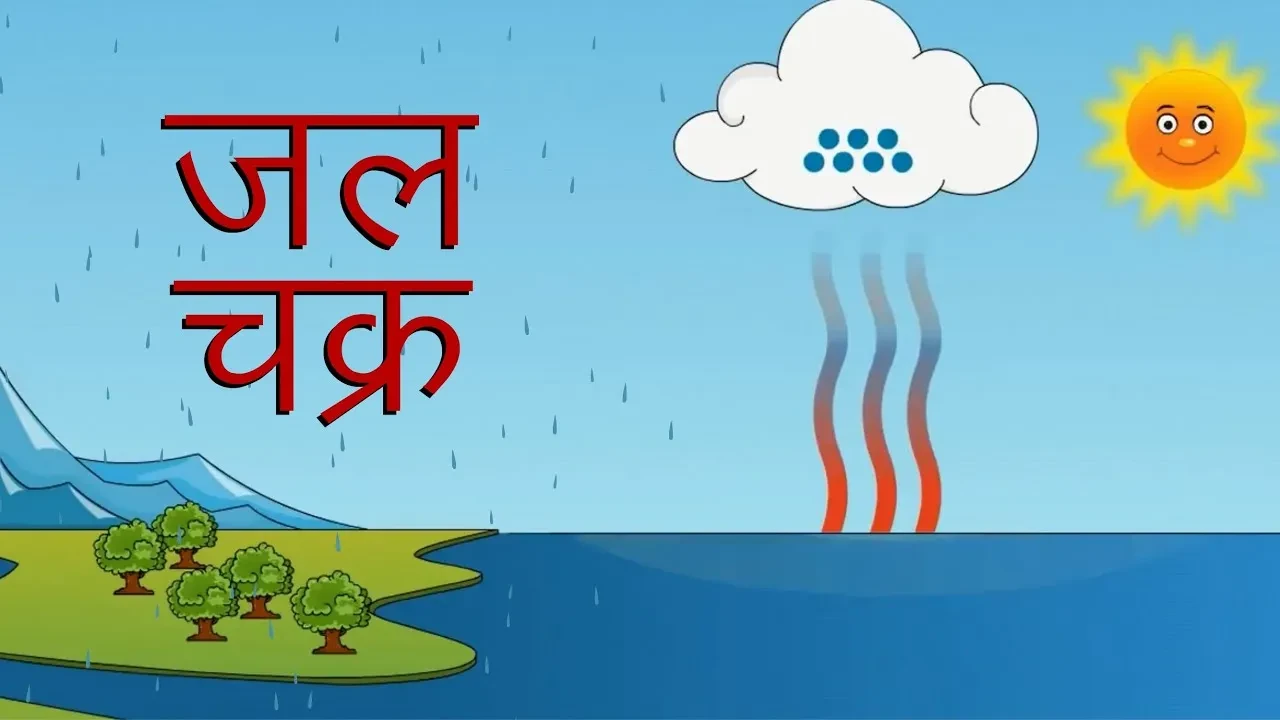
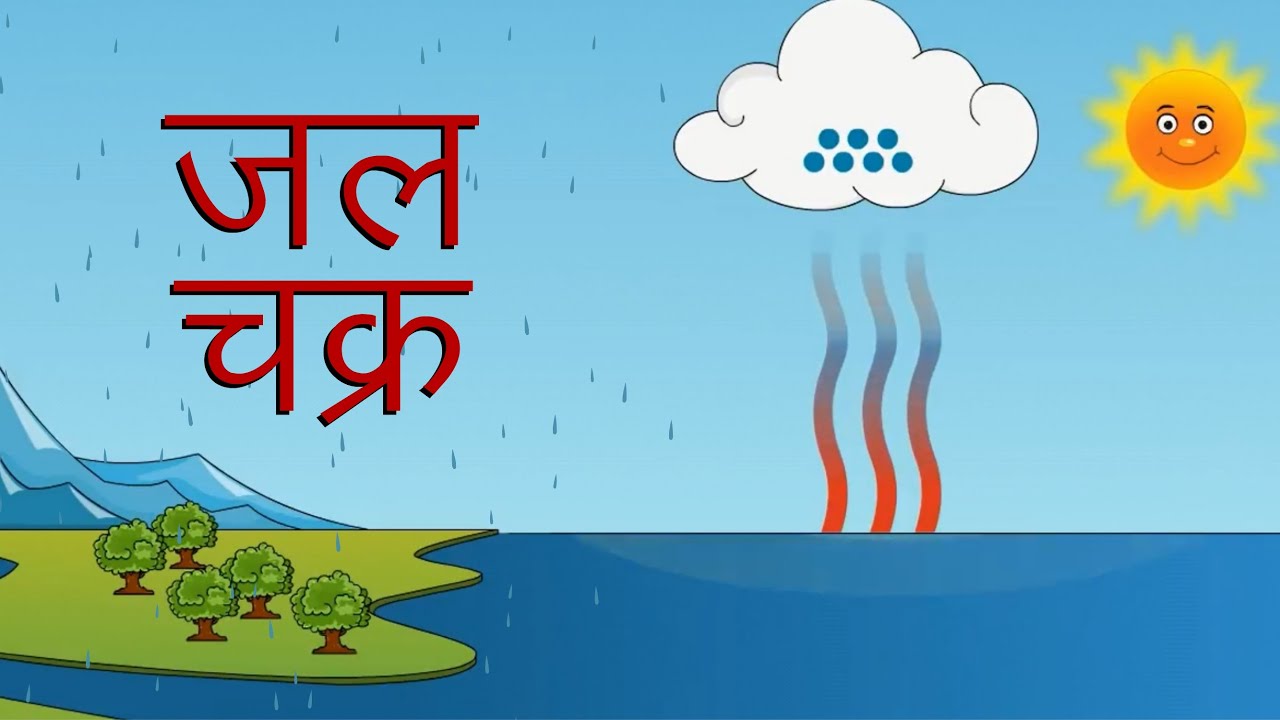
Puddles vanish when sun climbs high, that moisture drifts upward somehow. Clouds form as invisible vapors rise through breezes, cooling slowly at height. Rain returns later - droplets gather weight until they fall again. This loop repeats without pause: earth feeds sky, then sky waters land once more.
Water moves in a loop, never stopping. First step? It turns into vapor and rises. Then it cools down - clouds form when that happens. Rain comes after, dropping water back on land. This flow keeps Earth's supply steady. Without this rhythm, things would go off track.
Kya Saare Badal Ek Jaise Hote Hain?
Clouds differ in appearance. Some appear light and white, whereas others look dark and dense. Dark ones usually carry more moisture, often bringing rain.
A few changes only make the sky look beautiful, yet others hint at storms drawing near with heavy rain.
Conclusion
When you spot clouds above, it’ll click - water in the sky comes from sunlight heating up moisture. That vapor rises, meets cool air, then transforms. Sun warmth drives the whole shift, mixing steam with colder currents high up. Each cloud forms through that meeting, not magic but movement.
One moment nature feels basic, yet holds unmatched strength. Without the water cycle, life could not exist here. Next time rain falls, pause for a second - that drop once flowed in oceans or rivers long ago. Now it returns from above, dropped by clouds. 💧
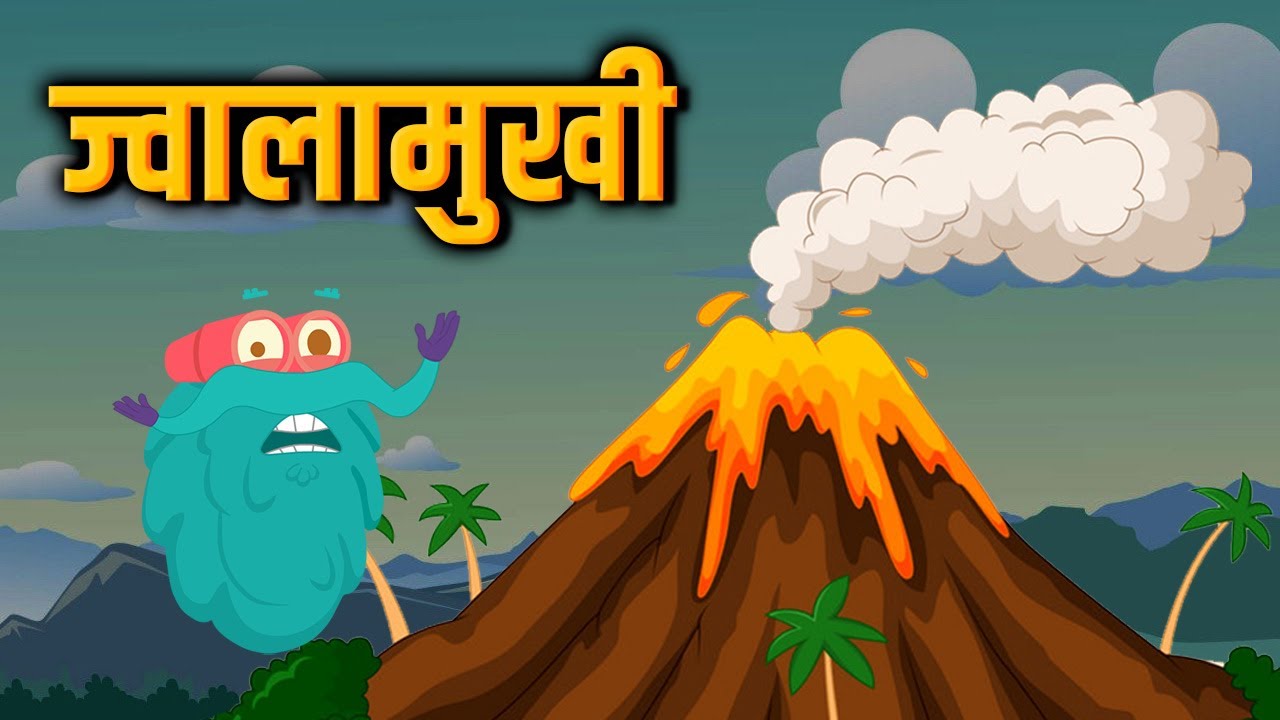
Down flows the red-hot lava, lighting up the mountain's edge in fiery streaks. That sight - loud, wild, full of raw force - might make your breath catch. What if that rumbling ground holds secrets far deeper than flame?
A volcano isn’t simply a mountain spewing fire. Actually, it ranks among Earth’s most captivating phenomena - helping mold continents and coastlines alike. This piece dives into eruption mechanics, examines underlying triggers, then reveals how such events quietly rebuild landscapes over time.
Volcanoes Are Openings in Earths Surface Where Magma Gas and Ash Escape?
Out of nowhere, a crack in the ground lets out hot melted stone from far below. That liquid rock hiding under the crust? It goes by the name magma. Once it spills outside, suddenly it has a new title - lava. Gases and ash join the show, rushing up when the pressure gives way.
Deep under our feet, huge chunks of rock slide past each other. Along their borders, most volcanoes take shape. Slow movement never stops reshaping these slabs we call tectonic plates. One pushes against another - or they drift away - building tension below ground. Trapped forces grow stronger until something gives way. Eruptions often follow when that stored energy escapes upward.
Volcanoes Erupt When Pressure Builds Underground?
Under the ground, far below where people walk, things get very hot. Pressure builds up where rock begins to soften. Magma forms when solid stone gives way under that heat. Eruptions start long before anything reaches the surface.
Lifting slowly, magma pushes up since it weighs less than surrounding stone. Gases within start to swell while the molten rock climbs higher. Bursting happens once that built-up force can no longer hold back.
Out of a volcano comes lava, ash, steam, and gases when it erupts. Explosive bursts happen sometimes; other times, lava slips out calm and continuous. What happens relies heavily on what the magma is made of along with how much gas is trapped within.
Volcanoes Change Earth Over Time
When lava bursts out, it might wreck things - yet those fiery vents help build Earth just the same.
Lava, once cooled, turns solid and forms fresh ground. Islands across the planet owe their existence to such fiery origins. Thanks to mineral deposits from eruptions, earth nearby becomes rich enough to grow crops well. Living close to these explosive mountains has its dangers - yet families settle there anyway.
Ash from volcanic explosions moves far, altering how storms form. Mountains rise slowly because eruptions keep happening across eons. Earth's outer layer shifts nonstop thanks to these fiery events.
Different Types of Volcanoes
Volcanoes come in many shapes. Tall ones rise sharply, whereas flat ones spread wide across the land. Shield, composite, and cinder cone make up the big three kinds. Their build varies, so does how they erupt. Structure shapes behavior when the ground cracks open.
Lava moves at a crawl when shield volcanoes erupt, whereas blasts happen more suddenly with composite types. Eruptions pile up chunks of rock to build cinder cones, which tend to be compact. Volcanic leftovers shape these small hills, unlike broader forms seen elsewhere.
Conclusion
Lava spilling out might look scary, yet it belongs in Earth's daily rhythm. Starting continents, feeding ground - fire peaks remake the world without asking.
When you think about volcanoes, consider the powerful energy hidden deep below ground. A sudden blast isn’t just flames shooting up - it reveals constant motion inside the planet. Next time one appears on screen or in a photo, notice how much more than rock and heat it really is. Each burst adds to the slow remake of landscapes across centuries. Even silent ones hold restless power ready to shift land again.
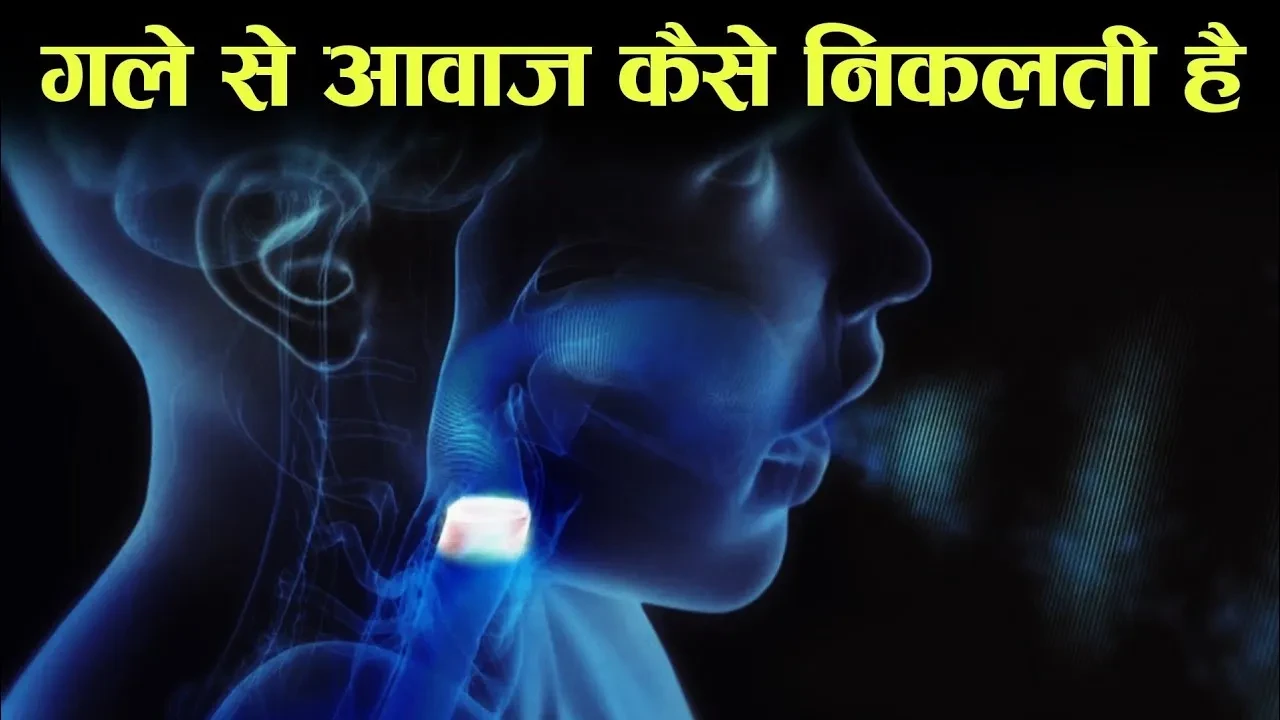
Every so often, take a moment to wonder - how do those little cords make sound when you talk, chuckle, or hum? Smooth as it seems, turning breath into words is really just physics dancing with precision. Power comes from the lungs; then air rises through the larynx, nudging the folds until they flutter like flags in wind. That tiny shake becomes your voice.
Beyond just making sounds, your voice relies on tiny bands that open and close with precision. These flexible tissues adjust tightly or loosely depending on what you say. Every word begins when air pushes through them smoothly. They respond instantly whether whispering or calling out loud. Motion matters more than most realize in forming each syllable. Without their constant movement, speech would not happen at all.
Vocal Cords What They Are and Where They Sit?
Inside your throat rests the larynx, a structure often named the voice box. This part connects to the upper section of your trachea. Within it lie two thin strips of muscle - your vocal cords, sometimes referred to as vocal folds.
Though tiny, they matter a lot for speaking. Clear talking needs vocal cords that work well. When breathing, these stretchy parts separate. Sound happens once they meet again.
Vocal Cords Vibrate to Make Sound
Start by picturing two small bands inside your throat that move when you speak. These stretch and vibrate as air passes through them. When they tighten or relax, pitch changes happen without effort. Sound begins right there, shaped before it leaves your mouth.
Sound starts deep in the chest. Outward breath climbs up the windpipe, slipping into a small chamber near the throat. There, thin bands tighten as moving air slips between them, causing quick shakes. These tiny motions mix with rushing air to form voice tones.
Flick a guitar string, out comes sound. That hum you hear? Comes from tiny back-and-forth shakes. Your voice works much the same - air passing through the folds sets them moving. These movements build what we know as speech. Each note, each word, born from motion.
From how we speak to why voices differ, it all ties back to this one simple process shaping sound production. Though small, these movements carry major weight in everyday communication through tone and pitch shifts.
Controlling Pitch and Volume
What catches attention when exploring voice mechanics? It's watching pitch shift alongside loudness. Changes happen step by step, not all at once. Each movement adjusts sound in a quiet way. You notice it more when listening closely. Small differences make the effect clear. This part stands out even if you're new to the topic.
Firm, stretched vocal cords shake quickly - sound climbs higher because of it. Speed in movement shapes pitch; quicker shakes lift the note. Looser, shorter bands tremble slower, bringing tones down low. Singers guide these shifts smoothly, shaping highs and lows without strain. Control comes from balance, not force.
Out of your lungs comes the push of air that shapes volume. Louder sounds happen when that flow intensifies, whereas quiet talking follows a lighter stream. The way muscles and breath work together - tightening here, easing there - reveals something intricate inside each spoken word. Smooth it may seem, but beneath lies careful timing.
What Occurs When People Whisper?
A hush in the air often means someone is using their voice without full sound. The cords inside the throat refuse to touch each other when this happens. Air slips between them, moving freely instead of creating steady noise. Softness comes out that way, closer to wind than words. Each quiet note carries less punch because there’s no real buzzing happening deep down.
Vocal Health Is Important
Your voice works nonstop every time you speak, so treating it well really matters. Water in your system means moist vocal cords, which function better. Yelling too much can hurt them, best avoided whenever possible. When air moves freely and tissues vibrate correctly, words come out clearly. That kind of balance depends on consistent care day after day.
When swelling hits the vocal cords, voice changes such as roughness may begin. Breathing clean air helps keep them working right. Irritation might slow speech down. Staying hydrated matters more than most think. Loud talking strains tissue over time. Quiet moments give them chance to recover. Smoke exposure worsens sensitivity fast. Normal speaking patterns return when rest happens.
Conclusion
Breathe out, then listen - suddenly sound appears. Inside your throat, tiny bands shake as air moves through. That ripple becomes tone when muscles tweak tightness. Words form fast, shaped by lips, tongue, and jaw. Each note shifts smoothly, guided without thought. All of it happens before you even notice.
Next time words leave your mouth, notice how the larynx moves, air flows just right, yet tiny cords shake exactly where needed to shape sound. That mix makes your voice yours. Few body parts do something so clever without showing off.
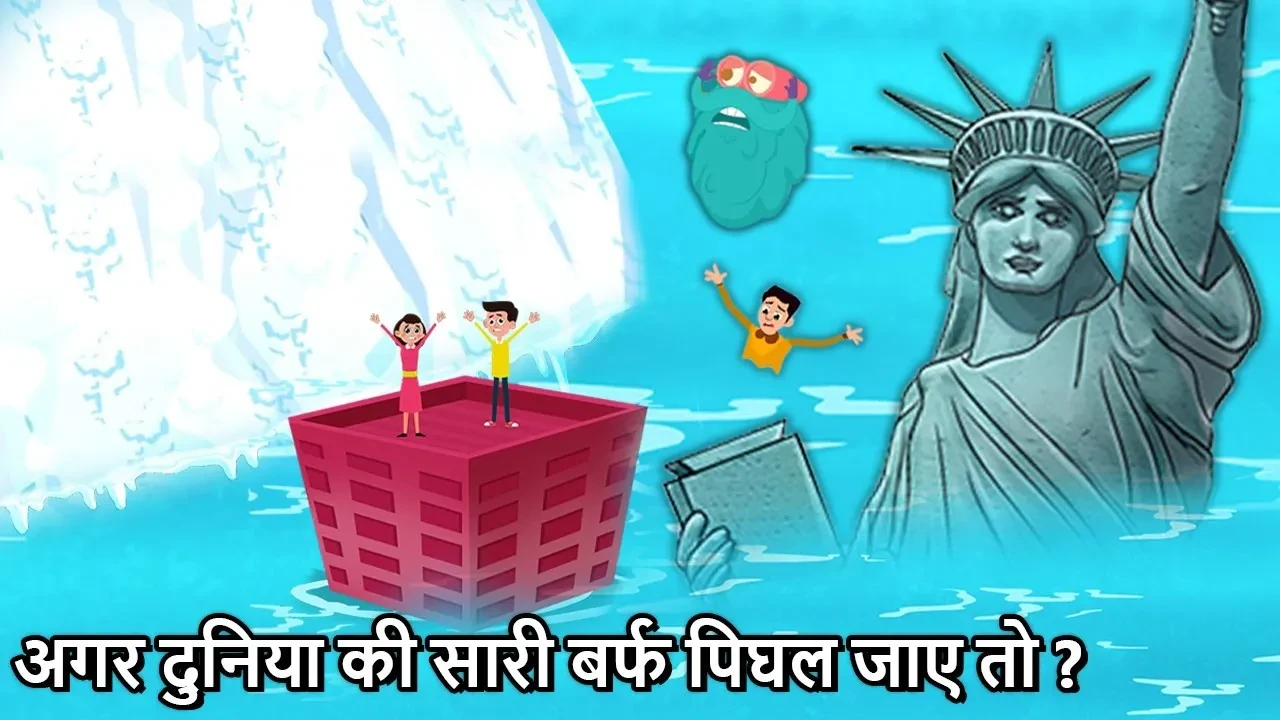
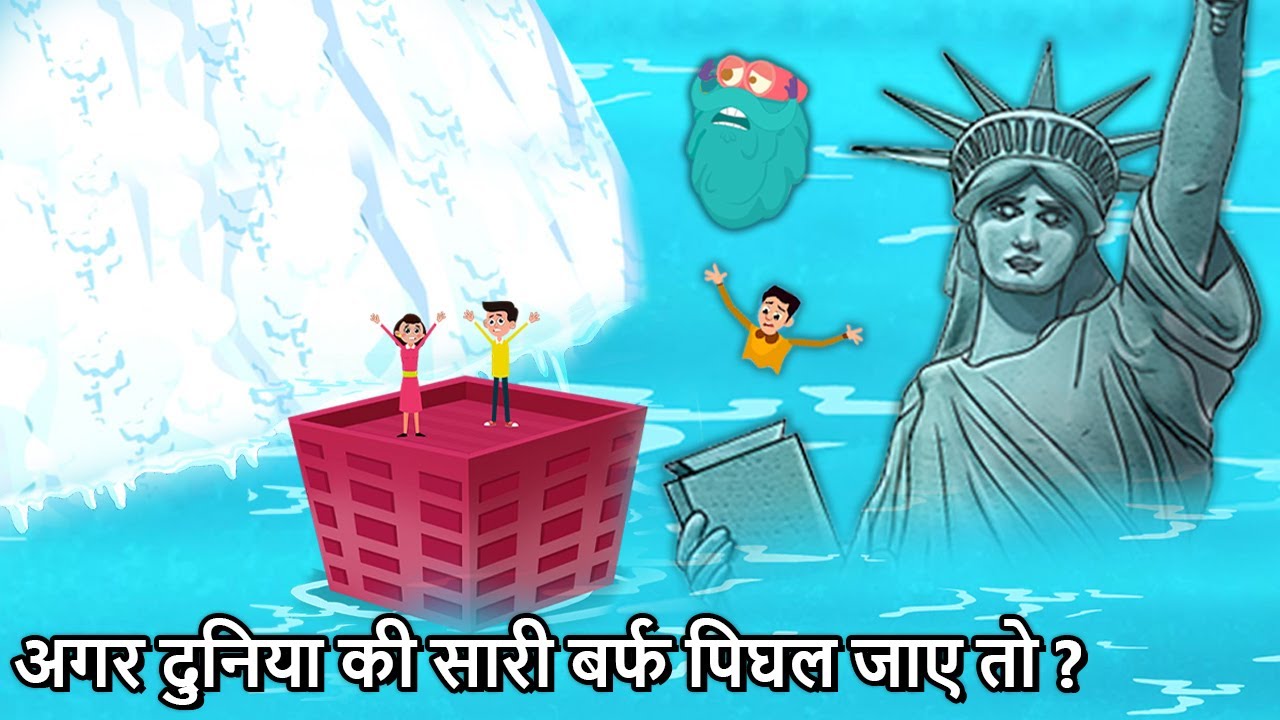
What might occur should every bit of ice across the planet vanish in an instant?
All of it, gone. From Greenland down to Antarctica. Not only a handful of glaciers. Or patches of ice up north.
Imagine a scene from a futuristic film. Yet look at this thought plainly, step by step.
How Much Ice Is There?
Most of Earth's frozen water sits in big icy spots. Ice piles up mostly on land far away from warm areas. Some lies deep inside cold mountain zones too. Frozen parts cover places near the planet's top and bottom edges
Antarctica (the largest ice sheet)
Greenland
Mountain glaciers around the world
Arctic sea ice
This ancient ice? It's held still, locked in time, some pieces dating back countless millennia. Frozen solid, it sits untouched by warmth, a quiet keeper of Earth’s deep past.
Were that ice to vanish, consequences would ripple out far and wide.
sea levels rising dramatically
Floodwaters creeping higher marks the sharpest shift, right away.
Should every bit of land ice vanish, seas might climb roughly 70 meters - some 230 feet - according to researchers’ calculations.
It isn’t just a little jump. Entire borders could shift because of it.
Some Big Cities Could Be Gone
Floodwaters creeping higher would reach places such as. Coastal hubs sit where land meets ocean - so when water climbs, spots like
New York
London
Mumbai
Shanghai
Tokyo
would be underwater.
Floating just above sea level, nations such as the Maldives or regions in Bangladesh might vanish over time. Low-lying lands face slow retreat when waters rise steadily year after year.
Folks - loads of them, maybe even a billion - would have to move somewhere else.
weather patterns would shift
Frozen water turning to liquid might do more than lift ocean heights; it could throw weather patterns out of balance.
Frozen surfaces bounce solar rays skyward. That reflection goes by the name of albedo.
When ice disappears:
Heat soaks into the sea at a growing pace.
Faster still, the planet grows warmer.
Weather patterns become more extreme.
We could see:
Stronger storms
Longer heatwaves
More intense rainfall
Severe droughts in some areas
Ocean Currents Might Change
When ice melts, a flood of freshwater spills into the sea.
Floating ice might shift patterns in sea flow, such as the AMOC - a system that balances heat across Earth. One change here ripples through distant climates.
When those flows shift or weaken, things start to drift out of sync. A slowdown here tugs at weather far away. Patterns tilt, then snap into new shapes. Even small bends reshape what comes next
Cold might hit certain areas harder than before.
Folks might heat up a whole lot more.
Climate systems could become unpredictable.
Wildlife Might Change
Frozen homes vanish when ice melts away. Creatures such as polar bears find nowhere to rest. Seals slip into uncertainty without stable platforms. Penguins face shifting grounds beneath their feet.
Fish life might shift as waters warm and salt levels alter. Ocean homes could transform when heat and salt mix differently. Temperature swings plus changing saltiness may reshape sea habitats. Sea creatures can face new conditions if warmth and dissolved salts drift apart. Water warmth moving one way, salt another - ecosystems adjust either way.
Much farther than icy places, changes would ripple out. Life in every corner of Earth could shift because of it.
Would It Happen Overnight?
Still. Every bit of frozen water on Earth wouldn’t vanish quickly, even if temperatures soared beyond normal limits. The process? Slow. Stretching centuries, possibly longer.
Nowhere stays frozen forever, especially where temperatures climb slowly over time. Warmer conditions push changes without sudden drama. Some regions feel it first, week by week. Ice gives way bit by bit, not all at once. Slow shifts add up where heat holds on longer each year.
One day all the ice vanishing? Not the real worry. What matters more is how steady thawing adds up over time, shifting things in deep ways. Slow shifts pile on top of each other, altering landscapes bit by bit. The problem hides in persistence, not sudden collapse.
Could There Be Some Good Outcomes?
Where glaciers retreat, soil once locked in frost may appear. With that shift comes space - places where people might live or grow food.
Yet most gains might disappear once you factor in:
Massive displacement of populations
Infrastructure loss
Ecological disruption
Economic instability
A wave of chaos might sweep through everything. The result? Massive upset across the board.
Final Thoughts
Should every scrap of ice on Earth vanish, the shape of our land would shift beyond recognition.
Shorelines might creep inland. Some towns could disappear underwater. Storms may grow stronger over time. Forests and rivers will face new pressures.
Here's a relief: complete melting of ice won’t occur overnight.
Yet grasping this chance highlights what a big role ice plays on our planet. More than solidified water, it shapes weather patterns, ocean heights, even where living things can survive.
Out of nowhere, picturing wild what-ifs can shine a light on how finely tuned Earth really is.
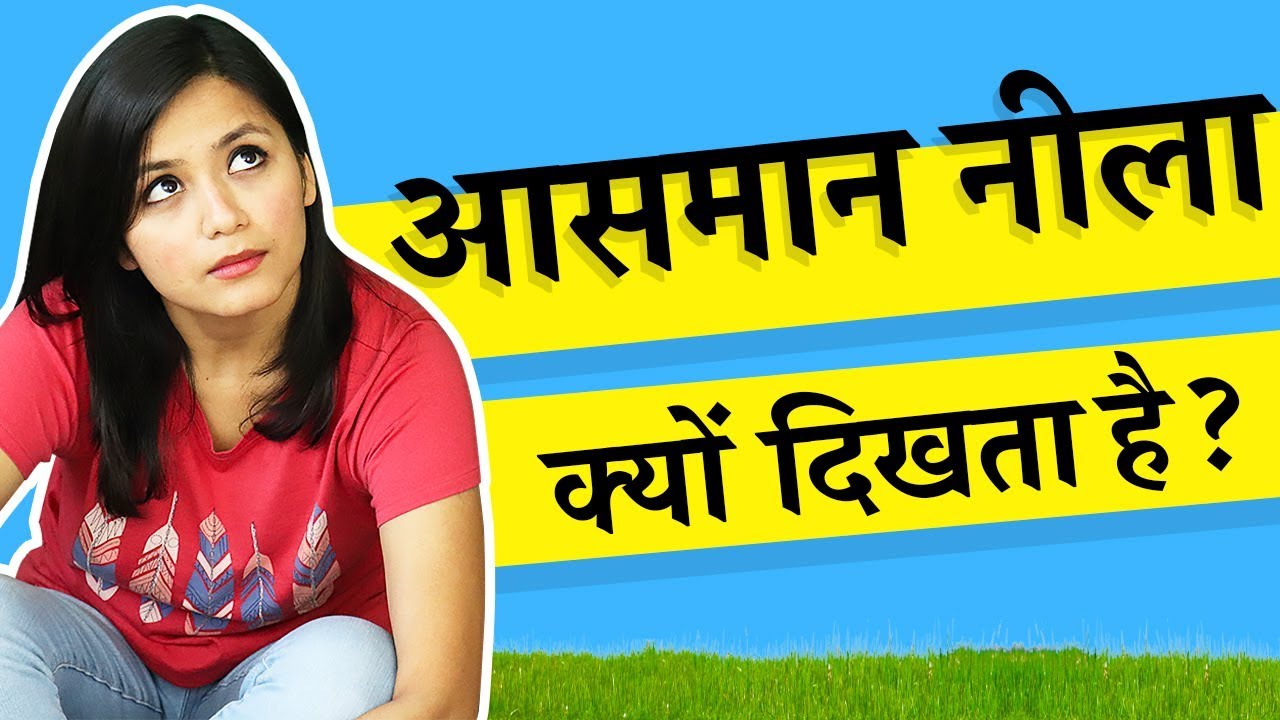
Staring into the sky on a bright afternoon - what makes that vast stretch look so blue?
Sunlight plays a big role, yet most people never think about how it shapes what we see. The blue above us comes from tiny shifts in light, something simple but full of quiet wonder.
Let’s break it down in a simple and conversational way.
Is the Sky Really Blue?
Darkness fills space, actually. Not a hint of brightness there. The sky? It stays colorless on its own.
That blue overhead? Sunlight bouncing off air around the planet makes it look that way.
Above us, sunlight bends and spreads through air, making blue stand out. Light changes direction slightly once it hits Earth's blanket of gas. Tiny molecules scatter short waves more than long ones. That scattering picks blue over red each time. Because of this shift, what we see turns a soft hue overhead.
Components of sunlight explained?
Funny thing - what seems like plain light holds a rainbow inside. Hidden layers show up when you split it just right.
Light splits into shades you spot in rainbows or when it bends through glass. These hues show up like this:
Red
Orange
Yellow
Green
Blue
Indigo
Violet
Purple light carries less distance between wave peaks compared to red. Red stretches further across space before repeating its shape.
What sets it apart matters more than most notice.
sunlight meets air what changes occur?
Light from the sun slips into our planet's sky, bumping into small bits of gas - mostly nitrogen mixed with oxygen.
Light bounces off these small bits, flying every which way. Called scattering, this effect happens when rays meet the specks.
Here it gets interesting
Blue and violet light bounce around far more easily than red or orange because their waves are shorter. Tiny shifts in wave size change how they move through air. What matters is not the color itself but how tightly packed the waves are. Red hues slip past particles without much disruption at all.
That’s why the sky looks blue during daylight hours - tiny air particles toss sunlight around, especially the shorter blue wavelengths. One ray zigzags here, another leaps there, spreading color like dust in a sunbeam.
Blue is what sticks around simply because sunlight scatters that way. Wherever your eyes land by daylight, this hue wins out. Rays bounce off air particles just enough to flood everything with blue.
But Why Not Violet?
Good question.
Violet light bounces around way more than blue does. Still, strangely, we see a blue sky instead.
However:
Bright shades of blue grab attention faster than other colors. Vision reacts quicker to these tones under daylight conditions. This sensitivity shows up clearly when spotting distant objects. Blue wavelengths trigger a stronger response in daytime settings.
A bit of violet light gets taken in higher up in the air.
That is why we see the sky as blue, not violet.
Red Sky at Sunset Explained?
Here's a thought that might remind you of those evening skies. Sunset moments often carry this same quiet shift.
Morning or evening light passes sideways through thick air. That stretch changes how fast colors move across the sky. A longer path scatters blue tones first. Red waves survive the trip when others fade.
When light finally arrives at your eyes:
Far off, most of that blue glow faded into thin air.
Far-out waves like red and orange stick around.
Reds, oranges, pinks - these colors fill evening skies because sunlight travels farther through the atmosphere at sunset.
From another viewpoint, it's still that scattering thing happening.
A Simple Way to Remember It
Think of it this way instead:
Sunlight contains many colors.
Blue light bends easiest when hitting air bits. That is why skies look washed in blue tones during daylight hours.
Blue light spills across the sky, spread thin by unseen hands.
So the sky appears blue when the sun is up because of how light scatters through the air.
Final Thoughts
Blue does not come from a brush. Not borrowed from sea waves below. Without pigment of its own, it simply appears that way sometimes.
Just sunshine meeting tiny bits in the sky, making something quiet and real happen. A moment of light doing its own thing, shaped by what floats above us.
Next time the sky catches your eye, bright and wide, what you're really watching is nature's rules at play.
It turns out that everyday objects can hide surprisingly interesting stories behind them.
One morning you open your eyes, puzzled by something your mind showed you while you slept.
Flying could have been it. A chase might be what happened. Back at school, unprepared for an exam, that also fits.
Dreams might feel odd, full of feeling, even thrilling - yet often make little sense. Here comes the real puzzle: what makes us dream at all?
Let’s explore this in a simple and conversational way.
What a Dream Is?
A dream unfolds as pictures flash through your head during sleep. Thoughts pop up without warning when darkness takes over. Feelings shift like winds changing direction at night. Sensations twist and bend as the body rests completely still.
When the body enters REM sleep, that is when most dreams occur. This phase brings quick eye motion beneath closed lids. Breathing turns uneven. Brain activity spikes close to waking levels. Muscles go slack, almost frozen. The mind spins stories without control. Time feels stretched or broken. Sounds and memories twist into scenes. Each cycle lasts longer through the night. Sleepers float between thought and stillness
Bursts of energy spark behind your eyes. Thoughts race without warning. A storm hums inside your skull.
Beneath your closed lids, they dart fast. Eyes jump without warning.
Mostly motionless is how your body remains.
Your mind races nearly nonstop during REM, much like it does while you’re up and moving. Though lying still, neurons fire just as fast as they do by daylight. Even dreams spark bursts similar to real-life reactions. While eyes dart under lids, thought patterns hum loud beneath silence. A sleeping person might seem calm, yet inside the head everything jolts alive.
Why the Brain Makes Dreams?
Funny how much mystery remains around dreams, even now. Some ideas stand out more than others, though. Research continues without pause.
Start by pulling them apart.
1. Dreams Help Process Emotions
Folks often think dreams let feelings settle overnight.
Midday brings worry, joy, a sudden rush of dread or thrill - every emotion swirling at once. While asleep, the mind might sift through these moods, guided by dreams that piece things together, untangle knots, make sense in quiet ways.
Stressful moments often slip into sleep because the mind stays busy sorting through them. How emotions linger can shape what we see when eyes stay shut.
While you sleep, your mind sorts through feelings much like tidying old records. Each night gives it time to reset without noise. Quiet moments help it let go of what’s heavy. Rest opens space where emotions get reshaped slowly. The process runs on its own when thoughts slow down.
2. Dreams Help With Memory
A different idea claims dreams play a role in how we remember things or pick up new skills.
Falling asleep sets off a quiet process inside your head. Through the night, memories take shape without you noticing. Information collected while awake gets sorted slowly. Thoughts shift into patterns during rest. The mind works on its own, reshaping pieces of what happened earlier
What you learned
What you experienced
What’s important
What can be forgotten
Falling asleep could involve this sorting method.
Funny how exam dreams pop up when schoolwork piles high.
3. Dreams Boost Creativity
Strange, isn’t it - how wild the mind gets when asleep.
Floating takes you where wings fail. Conversations happen, even when fur and feathers listen. Some destinations appear only when eyes close.
Floating through nighttime scenes, the mind sometimes works beyond rules. Without daytime thinking, fresh ideas can appear instead.
Funny thing - dreams sparked a few well-known breakthroughs, even masterpieces.
4. Dreams Might Just Be the Brain’s Random Signals
A different idea fits just as well.
Firing off in slumber, random signals could simply get sorted by the mind through dreams, some researchers think.
In this view:
A signal fires inside. Neurons wake without warning. Electricity moves where silence was. Thoughts begin before notice.
Something flickers - old moments rise without warning.
Your mind creates a story to connect them.
Imagine your mind tossing scraps of ideas into a scene it makes up on the spot.
Why Dreams Can Feel Weird?
Sleep throws odd stories at you since logic centers slow down when REM mode kicks in.
Firing up during these moments, parts tied to feelings work intensely.
That’s why dreams can feel:
Dramatic
Emotional
Unreal
Intense
Still, it feels ordinary when you're living through it.
Why Most Dreams Fade From Memory?
Dreams likely visit you each evening, whether recollection sticks around or slips away.
We often forget dreams because:
Morning light nudges the mind toward alertness. Slowly, circuits begin firing where silence ruled. Energy creeps into corners once dark and still. Thought threads reconnect like fragile bridges rebuilt at dawn.
Dreams slip away because their storage works differently than everyday recollections.
Memory isn’t what drives us.
Waking mid-dream often means the story sticks around in your mind. Sometimes, breaking into sleep’s flow leaves pieces fresh upon return.
Are Dreams Important?
Though no clear solution has appeared yet, a shared view quietly ties together many who study it
Maybe dreaming helps keep sleep balanced. It shows up every night without asking. This nighttime activity could support good rest. Sleep feels complete when dreams appear. The mind moves through images while resting. Each dream might hold little purpose yet happens anyway. Night after night it returns quietly.
Perhaps useful for:
Emotional balance
Memory storage
Learning
Creativity
Put simply, dreams carry weight - they help keep your mind in good shape.
Final Thoughts
Sleep brings strange stories we cannot explain. What happens inside our minds at night stays unclear.
When darkness comes, tales bloom inside your head. Pictures flash behind closed eyes. Feelings rise without warning. Rest moves through muscles. Dreams shape themselves in silence.
Finding reasons behind dreams still puzzles us. Yet here's what stands out
Rest does not stop its activity. While you lie unconscious, different regions still hum along.
Staring into the dark above, maybe you've asked yourself: where did our planet come from?
Out of nowhere, a spinning ball of rock took shape - water pooled, peaks pushed upward, trees found footing. Life showed up later. This world, wet and wild, somehow simply became.
Picture this: long ago - way before anything lived - the planet began. Step into that quiet moment when space shaped our home. See how dust and rocks slowly came together. Feel the heat grow as pieces crashed over millions of years. Watch one big lump become round, then solid. Hear silence break as volcanoes spoke for the first time. Notice light change when oceans formed under a young sun. Think about how wild it is that none of us saw it happen. Still, clues remain in stone, ice, and deep rock layers. That slow build? It led to everything breathing, crawling, walking now.
The Beginning Around Four Point Five Billion Years Ago
Something like 4.5 billion years back, Earth didn’t exist. The Sun? Not around either. Planets were missing too.
A shapeless swirl of particles hung adrift among the stars. This haze? Experts name it a nebula - that one, the solar kind.
Something floated inside that cloud. Hydrogen sat there, along with helium, while specks of stone and bits of metal drifted too.
Out of nowhere, a strange thing took place.
The Giant Collapse
Heavy pull from gravity made the giant cloud start shrinking bit by bit. While that happened:
It started spinning.
Heat built up at the core while pressure climbed. Dense layers formed slowly beneath. Temperature rose sharply without warning.
Heavy stuff piled up toward the center.
Out of the bright, fiery core, what we now call the Sun took shape.
What's left behind? That became the birthplace of planets.
How Earth Formed
From tiny bits near the early Sun, pieces began clinging. Dust met stone through slow collisions. Bits joined by chance during endless drifts. Clumps grew where motion slowed slightly. Small masses pulled others close over time.
Little bits smashed together, creating slightly larger clumps. From there, collisions kept building bulkier masses step by step. That slow buildup? It goes by the name of accretion.
Over millions of years:
From tiny stones, bigger ones grew. Rock by rock, size increased slowly.
Falling debris clumped into giants across space.
A single swelling shape among them turned into our planet.
Without warning, heat swirled across bare rock under a dim sun. Slowly, cracks breathed steam that climbed into cold space above. Then, thin films spread where wetness met fire. Over time, strange bubbles held shapes that changed without plan. At last, colors moved beneath waves - once empty, now alive
Extremely hot
Covered in molten lava
Constantly hit by asteroids
A massive blaze filled the sky, burning without warning.
The Moon Formed From Debris After A Giant Impact
A violent crash happened long ago when our planet was still young. This smash sent debris into space. From those pieces, the Moon eventually took shape. The impact changed Earth’s path forever.
A huge collision hurled rock fragments far out into space. Later, those pieces slowly gathered, drawn by gravity, shaping what we now see as the Moon.
True enough, the Moon could come from a massive crash in space.
Cooling Down and Forming Oceans
Frozen bits by frozen bits, the planet let go of its heat across eons. A long unspooling chill took hold. Heat bled into space while time stretched out thin. Cooling came drop by drop, moment by quiet moment.
As it cooled:
A crust took shape where once there was soft ground. Stone formed slowly beneath the open sky.
Gases came out of volcanoes, shaping the first air around Earth.
Fog droplets gathered, then fell as downpour.
Floods poured down century after century, pooling where the land dipped lowest. Seas took shape slowly, born drop by drop across endless ages.
Floating out there, Earth began appearing somewhat habitable. Life seemed possible here now. Things were shifting slowly, quietly. A different story started forming across its surface. Not dramatic - just steady change piling up.
When Life Started?
Floating bits of life showed up around four billion years back. From there, tiny blobs slowly took shape across oceans without a rush.
Floating in saltwater, they existed as small life forms. Tiny beings thrived where currents moved slowly. Life held on in droplets too small to see. These specks breathed beneath waves without noise.
Out of tiny roots, green things crept forward - then creatures followed on silent feet. People came much later, shaped by long stretches of quiet change.
All from a cloud of dust in space.
What Makes Earth Different?
One moment, thinking about space shows how many worlds exist out there - countless ones. Yet our planet stands apart since life thrives here due to liquid water
The right distance from the Sun
Liquid water
A protective atmosphere
The right temperature for life
Life found a way to begin and change under such circumstances.
Final Thoughts
One day didn’t make our planet. Billions of years passed - filled with space crashes, slow cooling, shifting shapes - to build what we stand on now.
Out of swirling mist and stardust, something quiet took shape. Not fast, but sure - a world began to pulse. Slow shifts pulled atoms into motion. Life slipped in without announcement. Breathing came later, soft at first. What started as fog now holds forests. The whole thing unfolded like breath finding its rhythm.
When your feet touch the soil again, think - this moment holds more than it seems. Ground shifts beneath quiet steps. Each breath ties you closer without warning. Stillness speaks louder when noticed. Life moves through what appears still
A globe beneath your feet has moved across the cosmos for four and a half billion years.
Picture it. A person close by collapses, skin reddens from heat, blood begins to show. Those opening minutes matter more than you might think. How you respond right then shapes what happens next.
Fresh help shows up right then. It steps in when seconds matter most.
Breathe easy - medical training isn’t required when helping someone in trouble. What matters? A clear head, simple skills, because timing makes all the difference. Picture this: small steps, spoken plainly, guide your hand.
First Aid Basics?
A person steps in when injury strikes or sickness hits out of nowhere. Help shows up fast, ahead of doctors or ambulances. This early response makes a difference until experts take over.
It can:
Save a life
Prevent the condition from getting worse
Reduce pain
Speed up recovery
Imagine this moment like stepping onto a path where help begins.
Stay Calm And Assess The Scene
Breathing slowly helps right away. A quiet moment now makes space for clear thoughts later.
Fear just clouds your thinking. Breathe in slowly, then out - calm settles everything
Check if the area is safe (no fire, traffic, electric wires, etc.)
See if the person is conscious.
When things seem dangerous, get help right away by calling emergency services.
When someone gets hurt, keeping things safe matters most. You need protection just as much as they do.
Call for Help
When injuries are severe, reaching out beats going it solo.
Right now, get help by calling emergency services. While they’re on the way, begin simple care steps.
When others are around, pick one person to assist - say, for instance:
“You in the blue shirt, please call an ambulance.”
Saves time when things are clear. Not guessing what's meant cuts down delays.
Common First Aid Scenarios And How To Respond
Let’s look at some common emergencies and simple actions you can take.
1. Cuts and Bleeding
If someone is bleeding:
Soap and water clean fingers best when available.
A steady push on the injury works best when you use something clean like gauze or fabric. Pressure helps slow blood loss right away if applied without delay.
Elevate the hurt spot whenever you can manage it.
A piece caught inside an injury should stay where it is. Removing it might cause more harm than leaving it alone.
Bleeding that continues past 10 to 15 minutes despite steady pressure needs immediate care. A hospital visit becomes necessary when it won’t slow down. Help should arrive quickly if the flow persists. When pressure fails, getting seen by a professional is critical. Minutes stretch on but the blood does not quit - this means going in.
2. Burns
For minor burns:
Start by rinsing the burned area with water that feels cool but isn’t icy. A full 10 to 20 minutes under the flow helps calm the skin. Let time pass slowly while holding it beneath a steady stream. The soothing effect grows stronger the longer you go. Not freezing - just comfortably cold - is key here.
Burns heal better without greasy coatings. Stay clear of home remedies like dairy fats or kitchen oils. Even toothpaste should be skipped - no matter how soothing it seems.
A light fabric drapes over it, just enough to keep dust away. The edges hang free, not tucked or sealed tight.
A serious burn - covering much skin, very deep, or caused by electricity - needs help fast. Right away, get in touch with medical responders if it's intense. When damage runs deep or spreads wide, waiting isn’t safe. Electrical injuries especially require urgent attention. Don’t delay calling professionals when the harm is extreme.
3. Fainting
If someone faints:
Place each one level on the surface.
Bend their knees just a bit off the floor.
Loosen tight clothing.
Breathing well matters most.
Should they stay unconscious past sixty seconds, get someone to contact emergency services.
4. Choking
A person who’s choking and can’t talk or catch air needs immediate help. When breath is blocked, every second counts. Help arrives fastest when others notice fast. Stay calm but act without delay. Their life might depend on quick response
Stand behind them.
Perform abdominal thrusts (Heimlich maneuver).
Wait right there unless the thing pops free or someone shows up to assist.
Should someone lose consciousness, get help right away by calling emergency services.
5. Sprains or Fractures
For sprains:
Apply Rest Ice Compression Elevation
Rest
Ice
Compression
Elevation
For suspected fractures:
Avoid shifting the hurt area more than needed.
A splint works only when you know how to apply it.
Seek medical attention.
Learn CPR It could save someone
When a person's heart ceases to beat, CPR may be applied.
Adult CPR basics
Call emergency services.
Firm pressure, right in the middle of the chest, drives motion. Speed matters just as much as depth during each press. Centered force keeps things effective. Fast rhythm maintains flow without pause.
A steady rhythm keeps things moving - roughly one hundred to a hundred and twenty pushes each minute.
A person’s odds get better when someone steps in with just hand presses. Survival climbs even without mouth-to-mouth moves.
A sudden moment might need quick thinking - try finding a certified class for first aid plus CPR. This knowledge shows up when it matters most.
First Aid Know How
Funny how life waits for no one when things go wrong. Sudden moments strike without warning, catching you anywhere - inside your house, where kids learn, at work desks, even while moving between places.
Knowing first aid:
Gives you confidence
Quick moves come easier when support shows up fast
Makes you someone others can rely on
Sometimes it sits unused - yet when the moment comes, preparation shows.
Final Thoughts
Helping someone in an emergency does not demand perfection. What matters is stepping in with useful actions before experts get there.
Breathe slow. Clear your head next. Move fast now.
Sometimes knowing what to do turns fear into readiness. That gap? It's filled with information.
What makes rain fall down sometimes? Water vanishes from sidewalks when the sun shines - why does that happen? Up above, tiny bits gather into fluffy shapes - how do they get there?
This whole process runs on what we call the water cycle - water constantly moving across Earth in a loop without beginning or end.
A fresh look makes things clearer. One step at a time helps you see better. Seeing it spoken out loud changes how it feels. A relaxed chat uncovers what matters. Simple words open doors fast.
What the Water Cycle Is?
Down below, water travels up into the air, then finds its way back again. From clouds, it returns to land, restarting the loop without pause.
Nowhere stays still for long when it comes to water. From clouds to soil, movement defines its path. Sometimes it rises, carried by warmth into open skies. Then again, it falls, returning as drops to valleys below. Over rocks or through roots, it finds new routes each time. Not trapped in one spot, ever shifting shape along the way
Flowing stuff like rivers, then huge salty stretches - oceans - hold most of Earth's water in open basins. Waves move across them constantly under wind push, never still
Gas (water vapor in the air)
Solid (ice and snow)
Here’s what stands out: it’s been going on, nonstop, across billions of years.
Water rises up through evaporation
Light spills across the lake's surface. Sun warmth lifts into the air as water shifts form - quietly becoming vapor. That change has a name: evaporation.
Maybe you’ve seen this happen around your house. Sunlight pulls moisture from damp fabric, lifting it into the atmosphere as vapor instead of making it vanish.
Water mostly escapes into air from seas since they hold nearly all of our planet's supply.
Clouds Form Through Condensation
Floating upward, the water vapor climbs toward the sky. Higher up, temperatures drop bit by bit.
Out of the cold air, water vapor becomes little drops again. That change? It goes by the name condensation.
Little drops group up, then turn into clouds.
A cloud? It holds little bits of water, floating. Each speck hangs there, caught in air. Tiny drops stay up, held by invisible balance. Water clings without falling. That is what forms a cloud - just moisture bunched in sky.
Rain Falls
Heavy water droplets make clouds release their load. Rain begins once the sky can’t carry the weight.
The water falls back to Earth as:
Rain
Snow
Sleet
Hail
Water falls when clouds release it like a slow sigh. That moment has a name - precipitation.
After the heat breaks, rain falls - nature moving water through air and earth. This drop you feel began as vapor rising unseen.
Water Comes Back
After precipitation, water collects in:
Rivers
Lakes
Oceans
Groundwater
Water slips down into the ground sometimes. Other times it moves sideways, returning to saltwater basins. After that, everything repeats once more.
Water keeps moving without stopping.
Water Cycle Importance?
Life on our planet depends heavily on how water moves through nature.
Without it:
Few drops fell when roots needed water most.
Falling water levels would leave riverbeds cracked under the sun.
Fountains stop flowing. Rivers run dry. Taps yield nothing.
Storms might vanish while droughts stretch on without end.
When it works right, the climate stays stable. Farms get what they need because of its influence. Life in natural systems continues without interruption.
Put simply, everything alive relies on how water moves around our planet.
A Simple Way to Remember It
Picture the steps this way instead:
Water evaporates forms clouds rains down gathers
Then repeat.
Around again it goes, without ever leaving. Beautiful because it just stays on.
Final Thoughts
When those puffy shapes gather overhead, or drops start tapping on the ground, picture it: that is how water moves through air and earth. Clouds building up, then letting go - nature shifting liquid from sky back to soil.
Simple as it looks, this system ranks among our planet’s strongest forces. Still, its role is huge.
Now here comes a fact: water does not vanish. Instead it shifts shape, then moves on.
That strange phrase "Black Fungus" - did it pop up on your screen lately? Sounds like something out of a dark tale, doesn’t it? Truth is, it might bring real trouble. Yet clarity strips away the haze, piece by piece.
Here’s how it looks when we take it apart slowly. A relaxed chat does the trick well enough.
Black Fungus Explained?
Mucormycosis goes by another name - black fungus - in everyday talk. This infection does not happen often, yet it can turn severe when it strikes.
Mold types called mucormycetes lead to it. Found everywhere around us, they thrive most where soil sits damp; rotting wood lies broken; compost piles steam after rain
Soil
Decaying leaves
Compost
Animal dung
Dust
Fungi usually leave well people alone. Yet if immunity drops, trouble might start.
Black Fungus How It Spreads?
Caught by breathing in spores, black fungus isn’t passed through coughs or touch. People can’t give it to each other the way they do with sore throats or runny noses.
Most times, this shows up if that's the case
Into the lungs go tiny fungus particles when someone breathes in. Air carries these microscopic invaders deep inside with each intake of breath.
Bacteria slip inside when there's a break - like from a scrape, heat damage, or injury - to the outer layer of skin.
A person's immune system might be so weak that it lets fungus spread within them.
Most times, you’ll see it hit the:
Sinuses
Lungs
Eyes
Brain
Early warning signs matter because spotting issues fast makes a difference.
Black Fungus Gained Attention Recently?
A surge in cases drew attention to black fungus when hospitals filled up across India. The illness spread quietly at first, then flooded news feeds worldwide. Doctors began noticing it more often amid coronavirus outbreaks. People started talking about the rare infection almost overnight.
many covid patients experienced
Weak immunity
Diabetes
High steroid use
Long hospital stays
Few things helped that fungus spread so easily.
Yet keep in mind - black fungus remains uncommon.
Common Signs of Illness?
Where things hurt changes what shows up. Yet most people notice these clues first
Facial pain or swelling
Black patches inside the mouth or nose
Headache
Fever
Blurred or double vision
Chest pain might show up when the lungs get involved
Skin turning black around wounds
Early care boosts the odds of getting better. Recovery becomes more likely when help comes fast.
How Treatment Works?
Fungal infection in black form needs fast hospital care.
Doctors may:
Strong antifungal medicines are provided here
Perform surgery to remove infected tissue
Control underlying problems like diabetes
Home care won’t work here - a doctor must be involved. A professional needs to watch how things go.
People More Likely to Be Affected?
You are more at risk if you:
Have uncontrolled diabetes
Still getting back to normal after serious COVID illness
Have cancer
Have undergone an organ transplant
Might be using medications that lower immunity
People taking steroids for a long time
Most people who are healthy stay clear of infection because their immune system works well.
Can It Be Stopped?
Though complete prevention isn’t possible, cutting chances helps - ways exist to lower the odds. Some steps make a difference even if they don’t block everything. Reducing exposure plays a part, simply put. Taking precautions matters more when risks pile up. Smaller threats add up, yet staying aware shifts outcomes. Actions count, especially before problems grow
Keeping diabetes under control
Avoiding unnecessary steroid use
Maintaining hygiene
Wearing masks in dusty areas (especially if immunocompromised)
Cleaning wounds properly
Final Thoughts
Mold that's black might seem scary - true, sometimes it causes big problems. Still, keep this in mind:
It is rare.
Folks whose bodies struggle to fight off illness tend to be hit hardest by it.
Folks live when care begins fast.
Fear fades when minds fill with knowing. As understanding grows, so does steady readiness - calm follows clarity like shadows follow light.
When signs appear, get medical advice without delay. A health professional should review any symptom right away. Seeing changes? Reach out to a clinician promptly. Always speak with a physician if something feels off. Notice anything unusual? That moment is when help should be sought. Symptoms mean it is time to contact care quickly.
Keep up with what's happening. Safety comes from knowing.
 About Us
 Blog
Blog
 Insights & Awareness








 Ensure TV