Invention of Electricity: The Story Behind a Powerful Discovery
Picture life with no electric light, no smartphones, no laptops - no fans either. 💡
Strange thought, isn’t it? Since power quietly runs almost everything we do. Yet a question pops up - how did someone actually create it? Its story started long ago. Then came shifts that rewrote how people live.
Light didn’t appear from one moment alone. Step by step, through centuries, sharp minds uncovered its pieces.
Let’s explore this fascinating story.
YouTube Video Link: https://www.youtube.com/watch?v=t5gGlQBW-7I
Electricity Was Not Invented?
Folks didn’t build electricity like a machine; they slowly uncovered how it works. Understanding came piece by piece, not in one quick moment.
Bolts of lightning flash across stormy skies. Thunder rumbles right after. Some fish zap water with hidden currents. Tree roots carry tiny flows when storms pass nearby. Even your body runs small pulses through nerves
Bright flashes during storms come from electrical energy in nature.
A spark comes from some fish when they move through water. These creatures send out pulses that ripple around them.
Figuring out fire came down to practice, over time people got better at using it.
The Early Discovery
Far back in time, near 600 BC, things started unfolding in Greece. Out of curiosity, a thinker called Thales of Miletus saw something odd - one day, after rubbing amber with animal fur, tiny bits such as feathers drifted toward it. Though quiet at first, his observation sparked questions where few had looked before.
It marked among the earliest known notes on static charge.
Back then, most folks had only a loose idea of how electricity really worked.
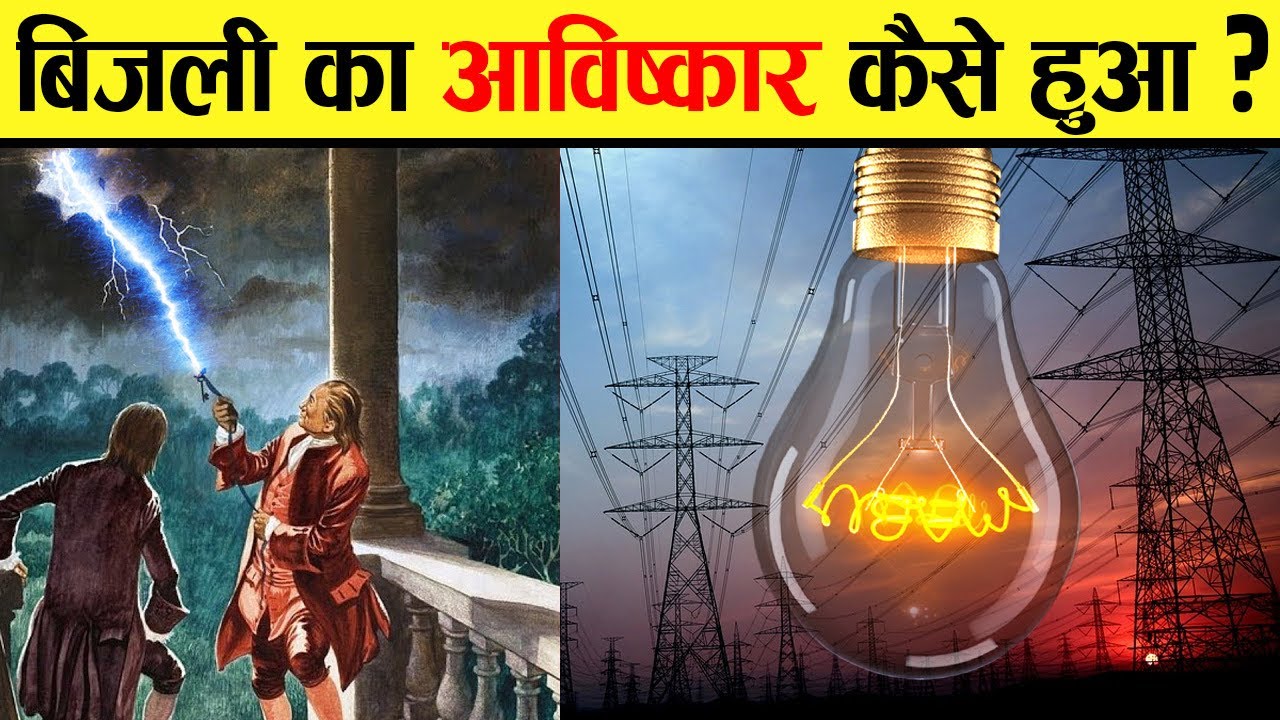
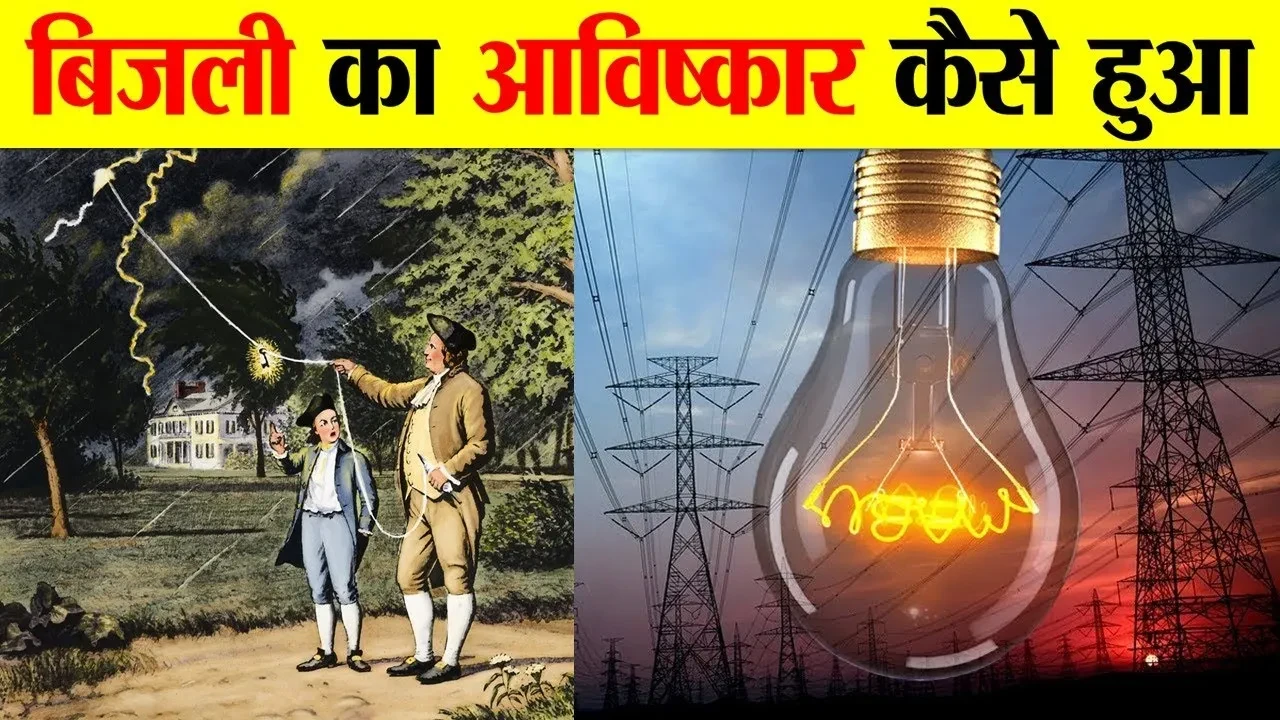
Franklin’s kite experiment with lightning
Flying a kite during a storm was how Benjamin Franklin tested lightning back in the 1700s.
A sudden storm rolled in while he sent a kite skyward, a metal key tied along its string. Lightning’s true nature - electricity - became clear because of what happened next.
Fear didn’t stop them - still, the test revealed how electric charge behaves. Though risky, it gave clarity where there had been confusion.
The Electric Battery
Out of nowhere in 1800, electricity took a sharp turn forward when Alessandro Volta built the first real battery - named the Voltaic Pile.
A single machine sparked constant electricity for the first time ever.
A name sticks around when someone leaves their mark - this one honors a pioneer by calling electric potential's unit the volt
Michael Faraday's Work on Electric Generators
Ahead of his time, Michael Faraday shaped how we understand electricity. His work lit up paths others later followed.
A spark jumped when metal met motion in 1831, thanks to Faraday’s hand. He saw current rise without warning as he shifted a magnet beside a loop of copper.
Folks figured this out, so machines that make electricity were built - now they sit humming inside power stations around the world. That idea took root long ago, yet those devices keep running just about everywhere we need juice.
Edison and the invention of electric light
Most folks picture Thomas Edison whenever the topic turns to who made electricity possible.
Even so, Edison made the light bulb work better while building real-world power setups for houses and towns. Though he didn’t create electricity, his changes stuck around. From that point, daily life began shifting toward wired rooms and lit streets. His name became linked with glowing filaments and switches on walls. Not because he started it all, but because he shaped what came next.
Folks began using electric power at home because of what he did.
Nikola Tesla AC Power
A figure who shaped technology in quiet ways? Nikola Tesla. His ideas sparked changes without needing loud announcements. Not fame, but circuits carried his legacy forward.
Far-off power movement? Tesla made that work with AC. His system moved energy without losing much along the way. It changed how far electricity could go.
Folks around the globe now rely mostly on alternating current for their energy needs.
Electricity changed how people live work and communicate
Once electricity became widely available, it transformed society:
Factories became more productive
Cities were lit at night
Communication improved
Medical technology advanced
Home appliances became common
Electricity powered the Industrial Revolution and shaped the modern world.
Conclusion
Electricity did not arrive through a single moment or mind. Centuries unfolded before it took shape, built slowly by curious thinkers across time. Thales noticed static long ago, then Franklin tested lightning from the sky. Later, Volta made steady current possible with his early battery design. Faraday shaped how we understand magnetic fields creating flow. Edison pushed practical systems into cities while Tesla imagined currents without wires. Each step leaned on what came before, never standing alone.
Flickering in wires, electricity runs much of what we do each day. Not just lamps but also online worlds depend on this force - shaping life more than nearly any past breakthrough.
Far beyond wires and switches, the tale unfolds through sunlit panels and wind-swept towers. Hidden currents shape tomorrow while quiet machines hum with fresh purpose. Each spark carries a choice - light without smoke, motion without roar. Paths shift where old habits fade into dusk.
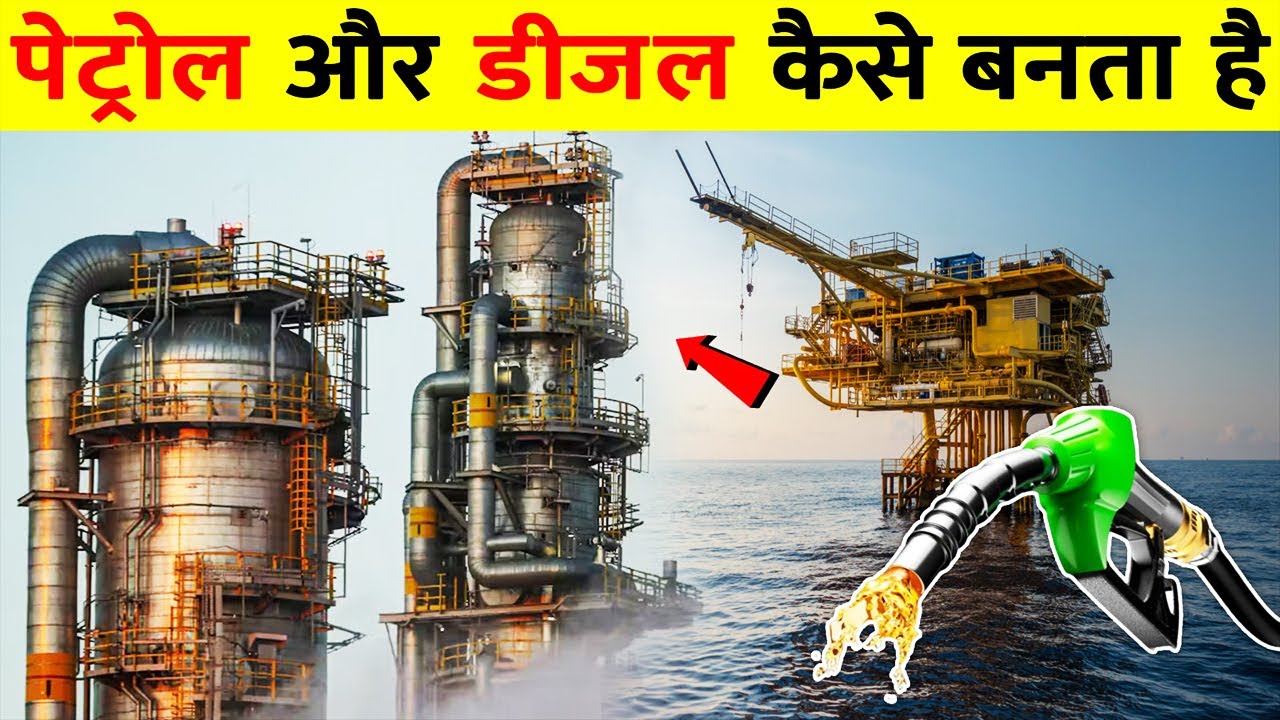
When cars roll past, their engines hum thanks to fuel burning inside. Bikes speed along using liquid energy stored in small tanks. Trucks rumble down highways fed by gallons of refined oil. Airplanes climb high after gulping thousands of litres before takeoff
Yet here’s something odd - what actually happens to create petrol and diesel? Where does it start? Not straight out of the earth, that much is clear.
No one says yes. Out of crude oil come petrol plus diesel - crafted by an odd sort of factory magic. Step by slow step, here's how that turns out.
YouTube Video Link: https://youtu.be/j3U9L3jpXzs?si=LRrDGsqqOF-5kqSG
Crude Oil Explained?
Petroleum, often called crude oil, is where petrol comes from - diesel too. Oil pulled from the ground transforms into fuel through refining steps. This raw material powers many vehicles on roads today.
Down below, far beneath the surface, lies crude oil - a heavy black fluid hidden in Earth's depths. Long before now, when prehistoric life sank and got trapped under stone after stone, something began to shift over time. That buildup - plant matter mixed with sea creatures - slowly transformed through immense pressure and heat. Not overnight, but across eras, it turned into what we pull up today from deep wells. Each drop carries remnants of a world gone, reshaped by geology’s quiet force.
Far from ready to power engines, crude oil needs transformation before it's useful. Only after processing does it become something cars can actually run on.
Crude Oil Removal Begins
A hole gets made first. Drilling kicks things off. First step: a drill goes to work.
Deep underground, oil firms bore narrow holes to tap hidden pools of crude. When reached, the thick liquid rises up through pipes toward processing sites.
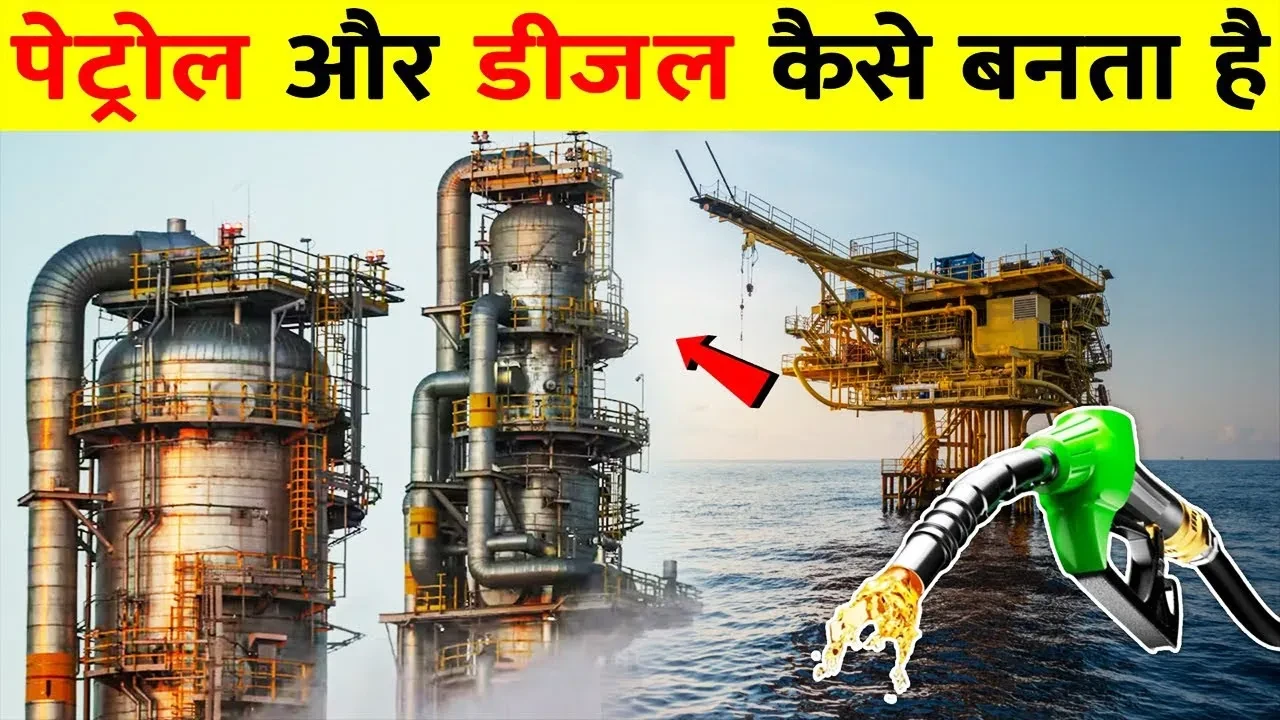
Refineries are large industrial plants where crude oil is processed into useful products.
Refining Through Fractional Distillation
Fractional distillation stands as the key stage when producing both petrol and diesel.
This is what happens next
Heat pushes crude oil past 400 degrees Celsius.
Steam rises when it heats up enough.
A misty stream flows into a towering pipe known as a distillation column.
At various levels, one part might chill while another turns to liquid higher up. Sometimes cooling happens here, sometimes it shifts farther out where things tighten into droplets.
Fuel splits apart when heated since each piece turns to vapor at its own temperature.
Products Made From Crude Oil?
Fuel types gather once crude splits in the tall column. After heat lifts vapors upward, liquids form at various levels. Where temperature drops, heavier parts settle lower down. Lighter portions rise until cooling catches them. Each level draws off a separate product steadily. Gasoline appears near the top, diesel sits farther below. Residue stays right at the base always
Petroleum gas (top)
Petrol (gasoline)
Naphtha
Kerosene
Diesel
Lubricating oil
Fuel that sinks low when refined - thick stuff, stays put at the base
Floating higher, petrol turns to vapor more easily. Heavier by comparison, diesel cools into liquid further down the column.
Further Processing Step Three
Following distillation, petrol gets further processing before use. Diesel moves to another stage for refinement. Each fuel type undergoes specific changes after separation. One step adjusts volatility, while impurities are removed separately. Treatment methods differ based on intended performance. Some batches require extra cleaning. Others need stability improvements. Final adjustments happen just before distribution
Removing impurities like sulfur
Improving fuel quality
Adding performance-enhancing additives
Fuel burns clean when conditions are right, so rules stay satisfied.
Difference Between Petrol and Diesel
One stems from crude oil, yet the other follows a separate path despite the shared origin
Pour a bit of petrol near your bike, watch how fast it disappears into thin air. That quick fade? Cars rely on that very trait, using the stuff to keep engines running.
Heavier than some fuels, diesel packs more energy per drop. Trucks often run on it, also buses move because of its power. Heavy machines? They rely on this fuel too.
Fuel savings usually favor diesel motors over their gasoline counterparts. Yet efficiency gaps depend heavily on driving patterns too.
Environmental Impact
Fumes from burning gasoline and diesel pour into the sky, filling it with CO₂ along with dirty particles. Air gets heavier when engines roar, pushing out invisible waste that sticks around. Smoke trails rise wherever vehicles move, leaving behind gases plus soot. Every time a motor runs, it sends more than just exhaust - heat-tagged vapors mix with city breath. Tailpipes cough up fumes, linking roads to rising carbon levels.
These emissions contribute to:
Air pollution
Global warming
Climate change
For this reason, governments around the world back electric cars along with greener fuel options.
The Future of Fuel
Fuel made from oil keeps nearly every car running today, yet what comes next could look different. Some engines burn gasoline, others rely on diesel, but change might be rolling in slowly. Instead of sticking to old ways, new paths are beginning to show up. Machines that once drank fossil fuels may soon sip something else entirely
Electric vehicles (EVs)
Hydrogen fuel
Biofuels
Renewable energy sources
Fuels like petrol still power many machines we rely on every day. Yet engines running on diesel continue to move goods across countries.
Conclusion
Fuels like petrol come from raw oil, pulled apart when heat splits it into parts. What flows out after warming depends on how quickly each piece boils away first. Machines in factories sort these liquids so engines can run later. Heavy industry relies on what emerges from this heated separation too.
What happens behind the scenes when fuel is created gives a clearer picture of the intricate networks powering everyday life.
Underground forces rise slowly, making their way toward machines above. Once there, power shifts form, feeding engines that move metal across roads. Hidden layers below give what burns up high. What begins in darkness ends in motion.
Fuel for vehicles, power grids, homes - where does it actually start? Think about oil fields humming at dawn, wires strung across hillsides before sunrise. Machines run because something burns, spins, moves deep underground. Factories stay loud thanks to steady pulses from hidden sources far away. Ever traced a wire back to its root? Smoke rises where engines breathe fossilized sunlight
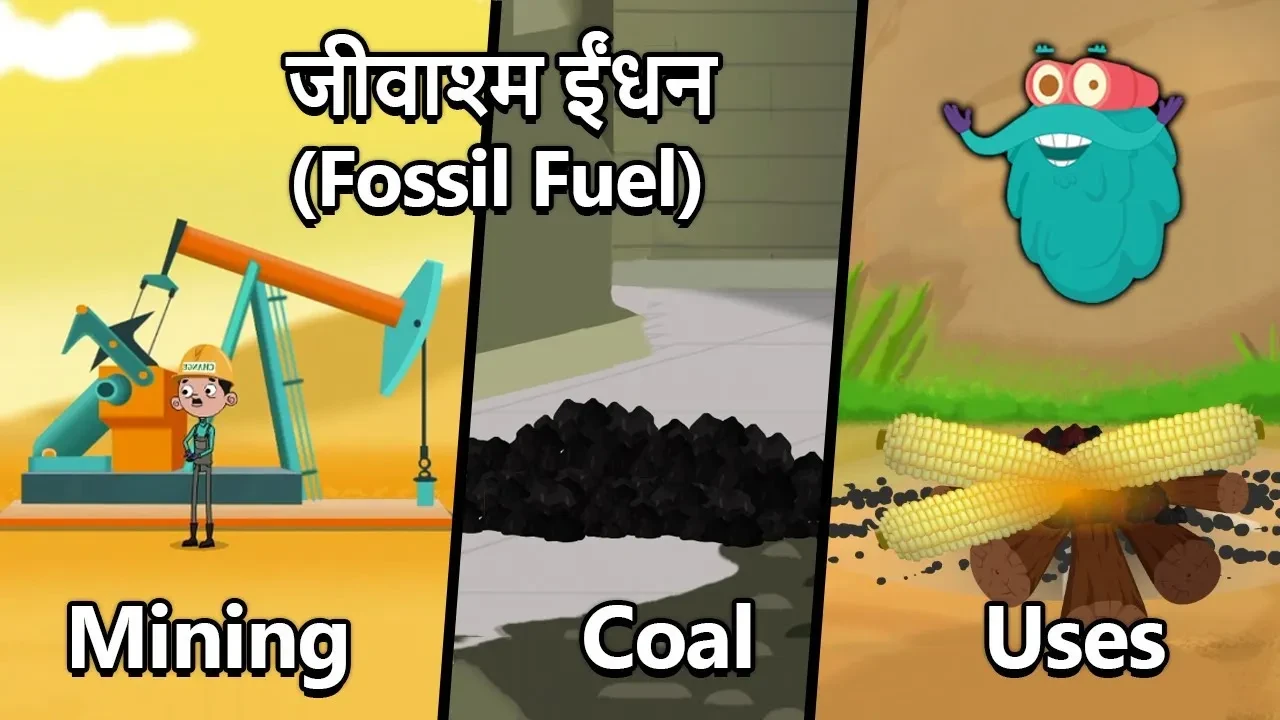
Fuel made from ancient plants and animals runs much of today's world. For more than one hundred years, it has driven progress in cities, machines, and travel. What even is this energy source buried underground? It begins deep below Earth, where heat and pressure cook old life forms over millions of years. Their remains turn into oil, coal, or gas very slowly. People dig them up, burn them, then capture the released power. This kind of energy keeps lights on, cars moving, planes flying. Yet smoke from burning these rocks heats up the planet. Some say we must stop using them fast; others argue change takes time. Not everyone agrees on what comes next after such powerful but polluting sources.
Fossil fuels aren’t hard to grasp when explained plainly.
YouTube Video Link: https://www.youtube.com/watch?v=Cn06lMrHvhs
Fossil Fuels Explained Simply?
Fuels from long-ago life forms, buried deep and changed by time, make up what we dig out today. Hidden pieces of old forests and creatures turn into coal, oil, or gas after ages underground.
Long ago, buried leftovers changed slowly under intense warmth and squeezing rock. Heavy loads far below ground cooked ancient bits until they stored power like fuel.
Coal comes from ancient plant material buried deep underground. Oil forms when tiny sea creatures get trapped under layers of sediment over millions of years. Natural gas often appears alongside oil, created through similar slow processes beneath the Earth's surface
Coal
Petroleum
Natural Gas
Long ago, plants captured sunlight using photosynthesis. That energy stayed locked inside them. Over time, those plants turned into fuels we now burn. The power released once belonged to the sun.
Formation of Fossil Fuels?
Long ago, when creatures and green life passed away, they got covered by dirt and stone stacked above them.
Due to:
High pressure
Heat
Lack of oxygen
Fossil fuels formed as their remains transformed gradually over time.
Fossil fuels vanish on a timescale beyond human reach. So when these ancient stores run out, nature won’t refill them anytime soon.
Types of Fossil Fuels
Coal
Burning deep-black chunks drives turbines where lights flicker on across cities. Long before modern times, people dug it up because heat came easily. Smoke rises often from these sites even now.
Petroleum Crude Oil
Fuels such as petrol, diesel, or jet fuel come from processed petroleum. Plastics together with various chemicals are made using it too.
Natural Gas
Fires fueled by natural gas show up in kitchens, furnaces, power stations. Cleaner flames rise compared to coal or oil smoke - yet carbon slips into air regardless.
Why Fossil Fuels Matter?
Fossil fuels have played a major role in:
Industrial development
Transportation systems
Electricity production
Manufacturing
Battery packs hold a lot of power, work when needed, yet move without much trouble.
Fuel made from ancient plants powers most places around the world. Still today, nations rely heavily on these buried sources to keep lights on.
How Fossil Fuels Affect the Environment
Fossil fuels serve a purpose, yet their impact on nature is hard to ignore. Still, the damage adds up over time.
When burned, they release:
Carbon dioxide (CO₂)
Sulfur dioxide
Nitrogen oxides
Floating in the air, carbon dioxide traps heat, pushing Earth's temperature higher. This shift alters weather patterns across continents slowly.
Fuels like coal and oil, when burned, release fumes that choke the sky while warming the planet bit by bit.
Are There Alternatives?
Fuel made from ancient plants runs out eventually. It hurts nature too. So more nations now move away from it. Instead they turn to power that renews itself - like sunlight or wind - for example
Solar energy ☀️
Wind energy 🌬
Hydropower 💧
Fresh winds keep turning turbines long after sunrise fades. Nature refills rivers that push through hydroelectric dams without asking permission.
The Future of Fossil Fuels
Fueled by growing concern over a warming planet, people now lean toward power sources that leave less harm behind.
Even so, oil, coal, and gas make up much of the world's power supply. Shifting toward cleaner sources depends on progress, money, also patience.
Conclusion
Buried remains of old life forms slowly turned into fuel over ages beyond counting. Powering cities, machines, and travel, coal, oil, and gas shaped how we live - yet left marks on air, water, and climate.
Fuel from ancient life shapes how we power homes, yet knowing its roots changes what comes next. A planet’s past buried underground now lights cities - this truth shifts which paths feel right later.
Facing what comes next means weighing power demands against safeguarding nature.
What if the way we make big power doesn’t need smoke or flames at all?
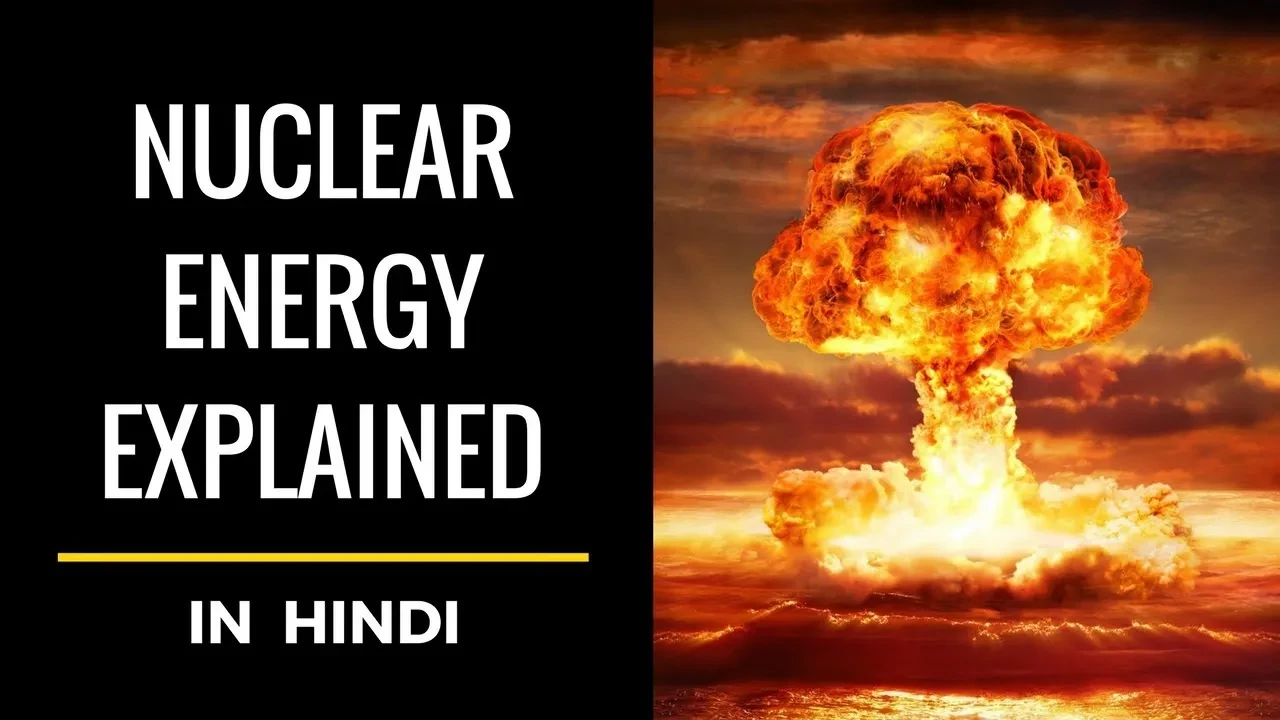
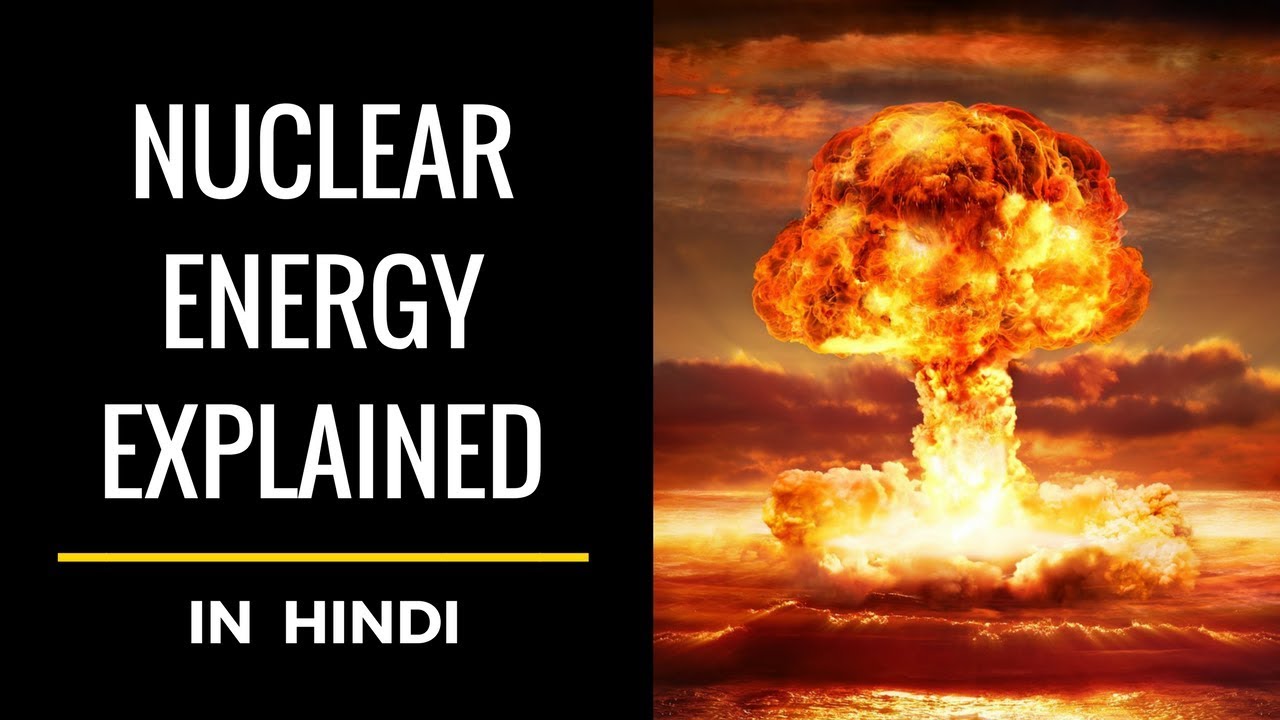
Nuclear energy powers the solution - a force among Earth's strongest. Sounds complex? The core concept feels almost silly when you get it.
This guide breaks down nuclear power using clear examples. A fresh look at how it works appears next. Simple words help make tough ideas easier to follow. One idea connects smoothly to the next. Each part builds without extra jargon. Clarity comes first here. Understanding grows step by step.
YouTube Video Link: https://www.youtube.com/watch?v=73HUy4dChd0
Nuclear Energy Explained Simply?
Inside every atom sits a core where power hides. This kind of power comes from deep within tiny building blocks of matter. A central part holds what we turn into electricity. Energy appears when that center gets split apart. The source lives right in the middle of small particles.
Everything you see comes from little bits called atoms. Right in the middle sits a core, like a seed inside fruit. Breaking apart that core - or joining two together - lets loose serious power.
Nuclear energy - that's what we call the power that gets let loose.
How Nuclear Energy is Made?
Nuclear fission powers most reactors that make electricity. The splitting of atoms releases heat used to generate power inside these facilities.
Understanding Nuclear Fission?
A single heavy atom's core breaks apart - that’s what nuclear fission looks like. Splitting uranium releases chunks where one whole used to sit. Smaller pieces emerge after the center gives way. The process begins only under specific conditions. One large nucleus turns into multiple lighter ones through force.
When this happens:
Heat energy pours out in great quantity
More neutrons are produced
A chain reaction begins
Inside a nuclear reactor, the process keeps moving - step by step, moment to moment. One event triggers the next, steady and contained. Each stage follows without rushing, held within limits. The sequence unfolds just as designed, neither speeding up nor fading out.
Inside a Nuclear Power Plant?
Here’s the simple step-by-step process:
Uranium atoms split inside the reactor.
Warmth begins to rise. That happens next.
A burst of warmth forces water to rise as vapor.
A cloud of hot vapor turns the spinning wheel.
The spinning blade turns the machine that makes electricity.
A spark wakes up inside wires when machines push tiny particles through metal paths.
Fueled by splitting atoms, nuclear plants create warmth that turns water into vapor, much like coal facilities do, yet without setting anything on fire. The method skips combustion entirely, relying on microscopic interactions deep inside matter to get things boiling.
Folks around the globe rely on groups such as the International Atomic Energy Agency to keep nuclear tech use under watch while also spreading its careful application. Though unseen by many, their work quietly shapes how nations handle atomic energy without falling into danger zones. Behind closed doors, standards get set so reactors operate cleanly and securely across borders where rules might otherwise waver.
What Makes Nuclear Energy Strong?
Nuclear energy is extremely powerful because:
Just a little uranium goes far when it comes to power. Energy shows up fast even with tiny amounts used. Power output jumps high without needing much material. Even minimal pieces deliver intense results quickly. The moment it gets going, output surges beyond what size suggests
Fumes stay clear of the air when power gets made
Power keeps coming without stopping
A single piece of nuclear fuel actually releases much greater energy than an equal amount of coal or oil. What makes it stand out is how efficiently atoms split to generate power. Fossil sources need huge volumes just to match a tiny fraction of that output. Yet most people still picture smokestacks when they think about electricity. The reality inside a reactor looks nothing like burning anything at all.
Nuclear Energy Benefits
✅ Low greenhouse gas emissions
✅ High energy output
✅ Reliable power supply
✅ Reduces dependence on fossil fuels
Many countries use nuclear energy as part of their electricity supply.
Nuclear Energy Drawbacks
❌ Radioactive waste
❌ High construction cost
Though uncommon, mishaps can happen - sometimes with severe outcomes
Strong safety steps matter more after moments such as Chernobyl, then later Fukushima Daiichi. From these, lessons came not quietly but through crisis. One event followed another, each shaping how risk gets handled. When systems fail, attention turns sharp. Pressure builds where corners were cut. Safety grows stronger only when failure leaves a mark. What happens next depends on what was ignored before.
Understanding Nuclear Fusion?
Fusion, a different kind of nuclear process, takes place under extreme conditions.
Fusion works by joining tiny atoms - hydrogen, for example - to build a larger one. Splitting them apart is not what happens here.
Fusion lights up the Sun, along with countless distant stars. Though researchers continue exploring its potential, generating power through fusion might one day offer a far cleaner, gentler path to energy.
Is Nuclear Energy Safe?
Few things beat today’s reactor safeguards - layers of fail-safes shape how emergencies get handled. Though mishaps hardly ever happen, constant oversight keeps risk at bay.
Fuel from atoms might power cities cleanly when handled with care. Safety rules make it possible to rely on this kind of electricity without adding heat-trapping gases.
Conclusion
From splitting tiny pieces inside atoms, power comes out. Heat builds up when those splits happen. Steam rises once things get hot enough. Spinning turbines follow after vapor moves through pipes. Electricity shows up on the grid soon afterward.
Besides its dangers, nuclear power offers strong output, making it a top-tier option among modern fuels. Still, problems linger alongside its strengths, yet few alternatives match its intensity and reach across nations relying on steady supply.
Nuclear energy makes clearer what lies ahead for worldwide electricity, also how we grow without harming nature. What happens inside atoms shapes both our grids tomorrow and whether clean progress sticks around.
One moment there's calm - then a wall of water races inland. Waves like that can appear out of nowhere, rising fast from deep water
A sudden surge of water moves across the open sea. These aren’t your typical rolling swells seen near shorelines; instead, immense walls of water rise from deep disturbances below the surface.
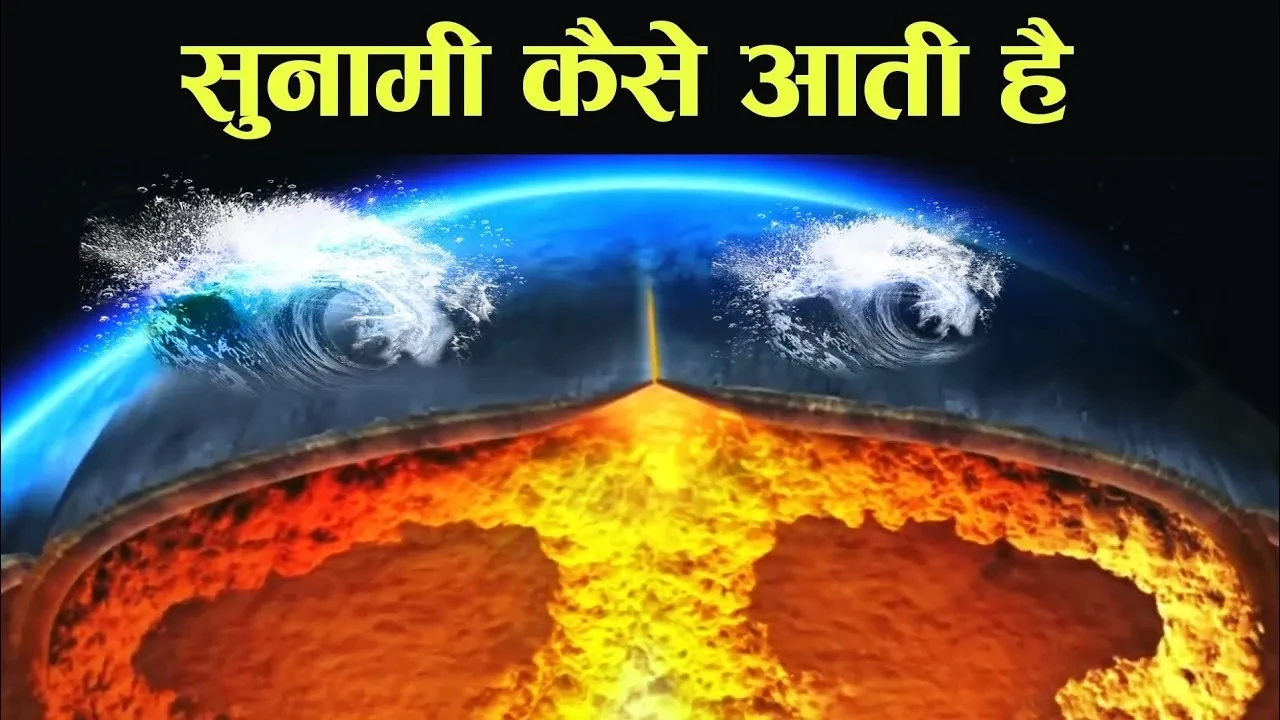
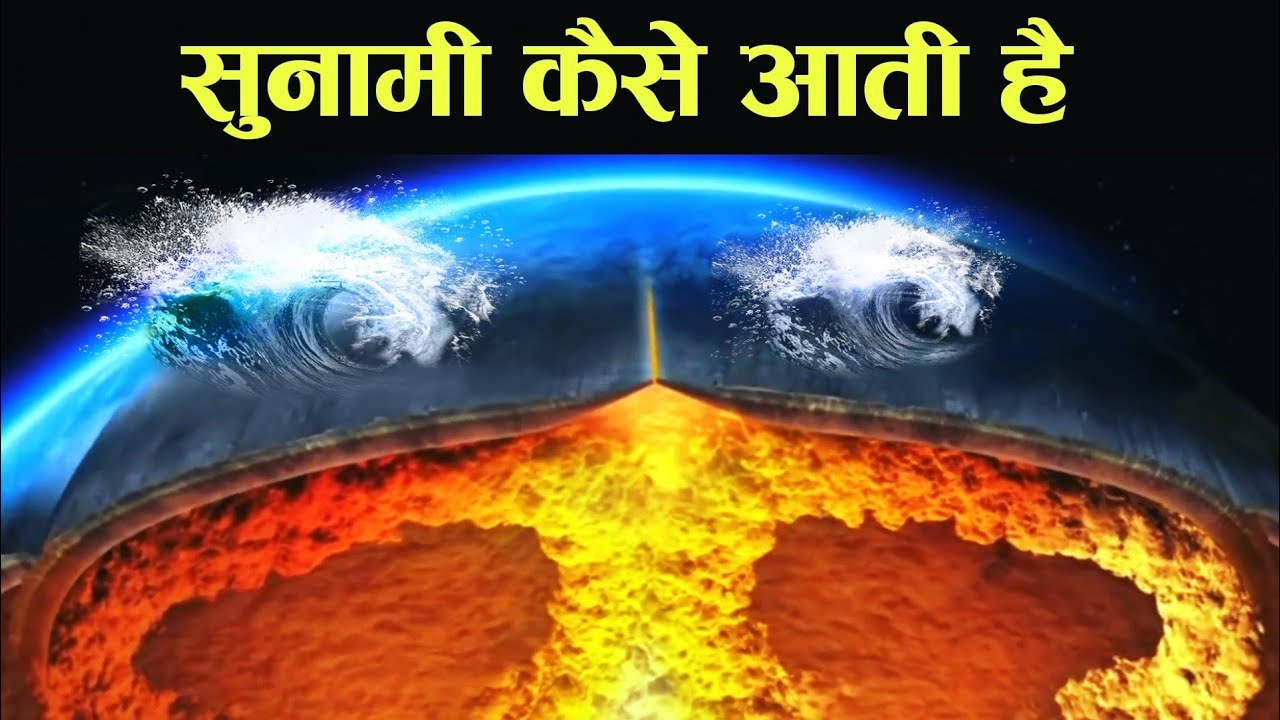
Tsunami waves rise when the ocean floor shifts suddenly. That shift pushes water upward, creating massive ripples. Those ripples move fast across open sea. When they near land, the waves grow taller. The energy has nowhere else to go but forward.
YouTube Video Link: https://www.youtube.com/watch?v=v110HjWXmLs
Understanding Tsunamis?
Waves that race across the sea often begin with a jolt beneath the floor. Water pushed out of place creates ripples turning fast and tall. Shaking ground under deep blue can send swells toward distant shores.
Down below the ocean, sudden shifts in the Earth often trigger tsunamis instead of wind pushing water like regular waves.
A harbor wave - that is what tsunami means in Japanese. From Japan the term travels into global use
Main Cause Underwater Earthquakes
A sudden shift beneath the ocean floor often triggers a tsunami. Earthquakes under water create these powerful waves more than anything else does.
Pieces of Earth's outer layer shift now and then. These chunks, known as tectonic plates, aren't always still. Sudden movement might jolt the ground beneath oceans. That push or pull changes the seafloor height fast. Water above reacts without delay.
A jolt like that shoves tons of water skyward - which then becomes a tsunami.
Earthquakes near shifting crust edges create most big waves - particularly around the Pacific’s restless rim. That zone crackles with seismic stress where plates grind past each other. Tremors there shove ocean water upward without warning. The Ring of Fire hugs coastlines prone to sudden surges when faults rupture deep below sea level. When land cracks under pressure, entire sections lurch beneath the surface.
Other Causes of Tsunami
When the ground shifts beneath the sea, it often triggers big waves. Still, other forces play a role too. Landslides moving fast under water push massive amounts of liquid ahead. Volcanic eruptions exploding upward send energy through the ocean. Even chunks of ice breaking off glaciers start ripple effects across shorelines. Each event reshapes the water’s motion in powerful ways
Volcanic eruptions under the sea
Landslides into the ocean
Glacier collapses
Meteor impacts
A sudden shift deep beneath the waves set off the massive tsunami across the Indian Ocean. That quake unleashed destruction without warning, reshaping coastlines in moments. Water surged inland after the seabed cracked open far below the surface.
Waves rise when ocean water shifts fast after an underwater quake?
Here’s the simple step-by-step process:
An underwater earthquake or disturbance occurs.
A jolt beneath the sea pushes the ground up or drops it down without warning.
A whole lot of water gets pushed out of the way.
Fanning out in every direction, energy moves through space as ripples. Waves carry it forward without needing a straight path.
Ahead of storms, swells cut through open water fast.
Out past the edge of land, those huge sea surges can seem almost flat on the surface. When they drag into thinner waters near shore, their speed drops - then the height suddenly swells.
This is where danger starts showing up.
What Makes Tsunamis Strong?
Big waves pack a huge punch when they move across the ocean.
Flying through deep ocean waters, these creatures reach velocities near 800 kilometers per hour - comparable to a commercial jet. Though underwater, their pace matches machines built for sky travel.
When the wave reaches shallow water near land:
The speed decreases
The wave height increases
Waves crash ashore. Foam spreads across sand. Currents drag debris inland. Spray rises where tide meets rock. Water slips into cracks it wasn’t before
A flash of rising water may drown wide regions, leaving damage behind. Floods like this strike fast, turning calm places into chaos without warning.
Warning Signs of a Tsunami
Some natural warning signs include:
Strong or long-lasting earthquakes near the coast
Sudden retreat of seawater from the shore
Loud roaring sound from the ocean
Flood sirens often follow tremors deep below the sea floor across nations today. Some places act fast once sensors pick up shifts under water. Warnings go out before waves rise near shores.
Can Tsunamis Be Prevented?
Fault lines shift deep below the sea, setting waves in motion that people can’t stop. Still, preparation helps lower what gets broken when water surges ashore
Early warning systems
Evacuation plans
Coastal protection structures
Public awareness
Preparedness saves lives.
Conclusion
A wall of water rises after the sea floor shifts hard beneath the waves. When quakes twist the deep ground, motion ripples outward fast across open water. As those surges reach shallow edges, they climb taller without warning. Huge swells form where land meets deeper parts far below.
Born from nature’s force, these giant waves take shape in ways we can learn. Alertness grows when the process behind them becomes clear. Preparation follows, quiet but steady, once knowledge takes root.
Far below, where eyes can’t see, motion never stops even when waves seem still. The surface hides what stirs under without a sound.
One moment it's bright outside - then shadows creep across everything.
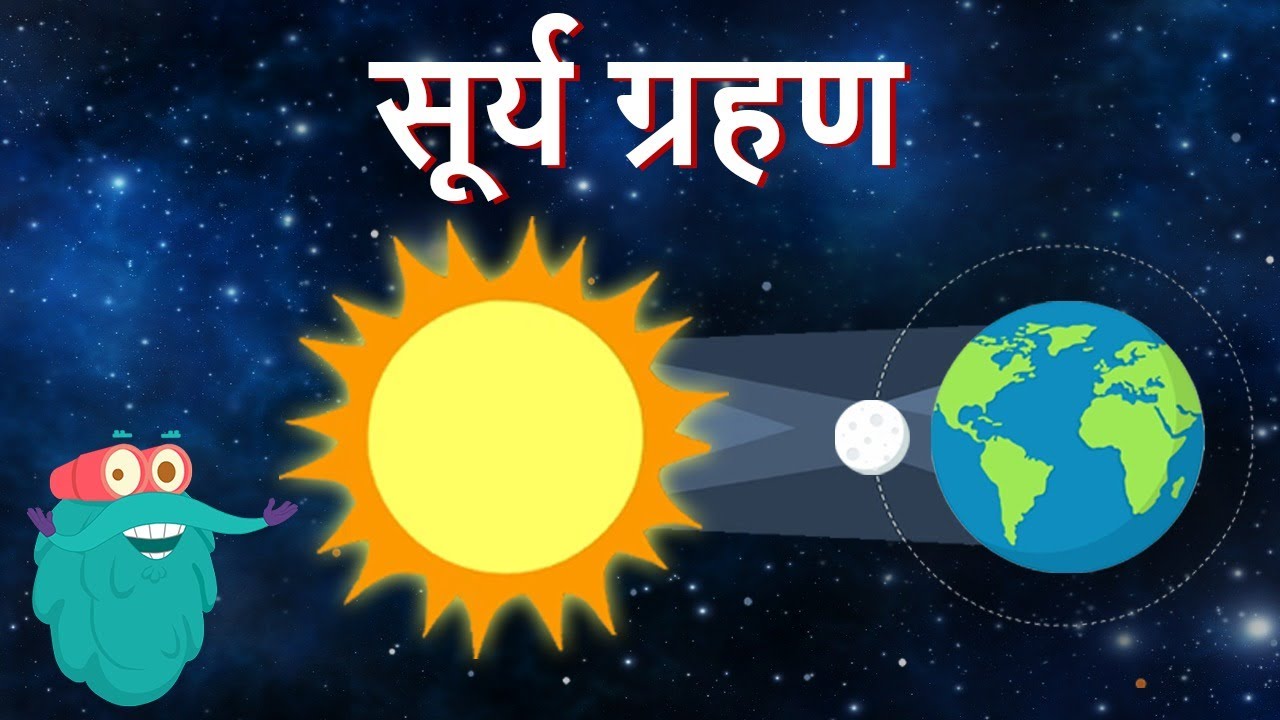
A strange quiet falls when the sky darkens fast. Yet what seems like magic turns out to be nature lining up just right. One shadow crossing another, smooth and silent. The moon slides between Earth and sun, blocking the light we rely on each day. This shift in brightness? It happens because orbits meet at exactly the right angle. Not every month allows such a moment - only when paths overlap perfectly.
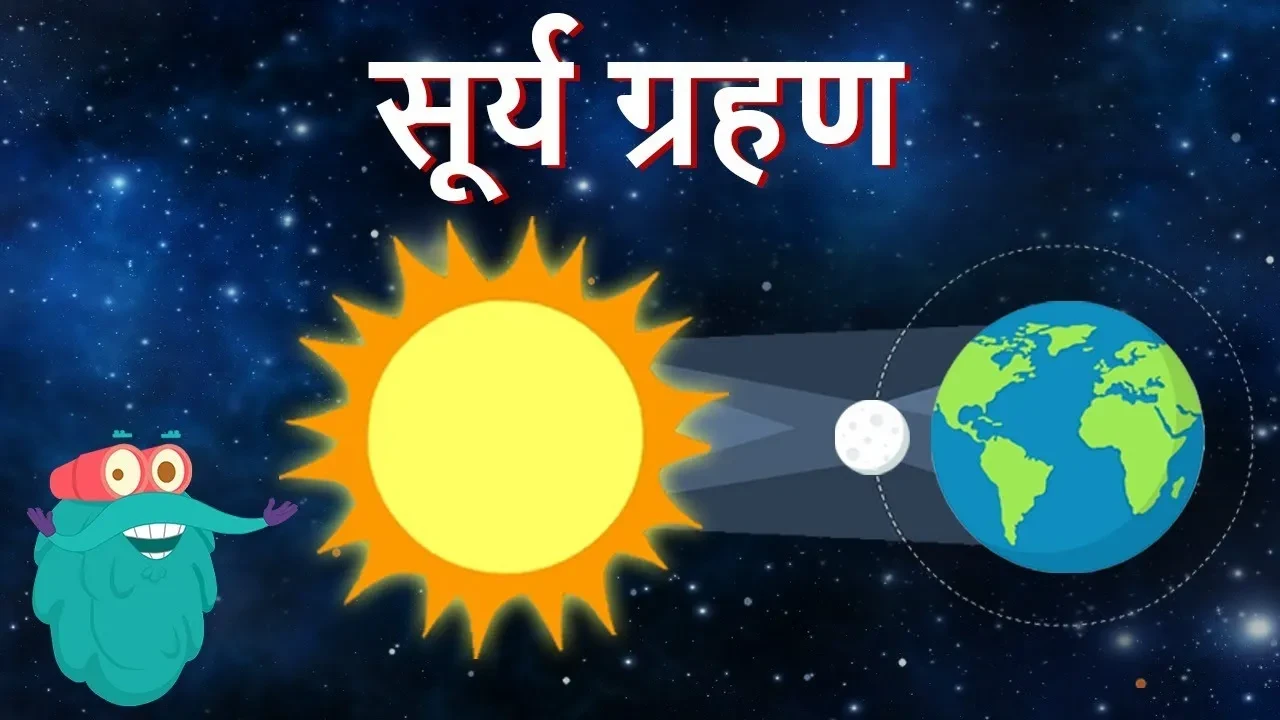
A solar eclipse might catch your eye when the Moon moves between Earth and the Sun. Sometimes shadows dance across our planet during these moments. It happens because light gets blocked just right. Few sky events feel quite like this one. Each detail adds up to something rare.
YouTube Video Link: https://www.youtube.com/watch?v=XP4XAf5hErM
Understanding a Solar Eclipse?
A shadow creeps across the land when the Moon slips into place between our planet and the Sun. Light fades as sunlight gets cut off, either partly or completely. This quiet moment unfolds in daylight, turning day toward dusk.
A shadow falls when the Moon moves into place. Earth gets dark because of it.
This won’t occur each month. What causes that?
Why Solar Eclipses Don't Occur Monthly?
A round trip around Earth takes the Moon about a month. Still, that path sits at a slight angle when set against how Earth moves around the Sun.
This tilt means the Moon often appears just north or south of the Sun when seen from Earth.
A shadow moves across our world because the Moon slides between Earth and Sun. That precise lineup - Sun, then Moon, then Earth - has a name: syzygy.
Types of Solar Eclipses
A shadow moves across Earth when the Moon blocks sunlight. Some shadows hide just a slice of the Sun. Others cover it completely. The kind of eclipse depends on how close the alignment gets.
total solar eclipse
A sudden hush falls when the Moon slides fully over the Sun. Darkness rises, not slowly - just there, as if someone turned down the light. Minutes pass like this, day pretending to be night.
High above the Sun's surface, its outer layer shows up. This part, known as the corona, can suddenly be seen.
Partial Solar Eclipse
A sliver of shadow creeps across the Sun during a partial solar eclipse. Imagine someone nibbling at daylight - what remains shines unevenly.
An annular solar eclipse occurs when the Moon covers the Sun’s center, leaving a bright ring visible
When the Moon sits a bit farther away from our planet, it looks tinier in the sky. Because of this distance, sunlight slips around its edges during alignment. A bright ring forms where darkness might otherwise be expected.
A thin circle of light stays lit around the edges of the Moon during the event. People sometimes name it the Ring of Fire
What happens when the Moon passes between Earth and the Sun?
During a solar eclipse:
The sky becomes darker
Temperatures may drop slightly
Animals may behave differently
Shadows become sharper and unusual
A sudden burst of color lights up the sky like fire dancing across snow. Bright waves twist without warning above frozen ground where few dare to stand. Cold air hums under a glowing ceiling no artist could copy. Night turns into something restless. Wild light sways as if the stars leaned closer.
Looking at a solar eclipse safety facts?
Facing the Sun while an eclipse happens might harm your vision badly.
Staring right at the Sun? Bad idea unless you have real solar glasses. Ordinary shades won’t cut it - way too risky. Protection needs to be built for that job, nothing else.
Besides experts, groups such as NASA insist on proper solar filters. While observing the sun, protection matters most according to these organizations. Protection comes first when it involves eyesight near bright light sources. Only approved gear earns support from official science teams. Without question, trusted tools are nonnegotiable during eclipses.
Why Solar Eclipses Matter?
When the Moon blocks the Sun, researchers get a clearer look at its outer atmosphere. During these moments, patterns of solar behavior come into sharper view.
Finding hidden patterns in nature once came from watching eclipses closely. These moments in the sky offered clues about how gravity works beyond what was known before.
It's wild how much this shows the solar system just works - everything sits right where it needs to be.
Conclusion
Bold shadows stretch across land when the Moon slides into place between sunlight and ground. Our world darkens briefly as space aligns without warning.
Floating through space like a quiet dancer, this isn’t fantasy but nature lining up just right.
When sunlight slips away during a sky darkening, you will already understand what causes it - yet also feel its quiet rarity.
Lately, summer heat feels stronger, while winter patterns shift in odd ways - storms and wild weather pop up more often these days. 🌍
Everything ties back to a thing people call climate change. What does that even mean? Could it be just another word for weather? Yet lately, it seems like all conversations lead there.
Let’s understand climate change in a simple and easy way.
YouTube Video Link: https://www.youtube.com/watch?v=XXPsWK-FHLI
What Is Climate?
What comes before understanding climate change? Knowing exactly what climate is.
Right now, the sky might be pouring down rain or bright with sun - that’s what we mean by weather. A momentary state of air around us shapes whether it feels wet, warm, cloudy, or clear. What happens up above can shift quickly from one hour to the next. This changeable pattern isn’t about long stretches - it focuses only on immediate moments.
Lasting conditions in one spot, seen across decades, make up its climate. Years piling on top reveal what kind of weather sticks around there.
When discussing climate change, it's really shifts in global temperatures and weather trends over time that come into play. Different regions feel these effects in their own way, depending on where they sit on the planet.
Climate Change Explained?
Big shifts in how Earth's weather behaves over a long time - that is what people mean when they talk about climate change.
Faster than ever before, current shifts in climate stand apart from earlier natural changes. Caused mostly by what people do, these alterations unfold at a pace nature alone never reached.
Fuel burning pumps more heat-trapping gases into the air.
Greenhouse Gases Explained?
Gases in the air hold onto sunlight warmth - that’s how Earth stays warm. The planet keeps heat because of these gases, a normal thing scientists call the greenhouse effect.
Frozen solid, our planet couldn’t host living things without it.
When extra greenhouse gases pile up, they trap excess warmth - Earth slowly heats as a result.
Fumes from burning fuels pile up as the key heat-trapping element - carbon dioxide takes that spot.
Causes of Climate Change?
Fumes fill the sky because people burn too much fuel. Smoke rises when forests shrink under chainsaws. Factories hum nonstop, pouring vapors into the air above them. Machines leak invisible heat-traps while lights never dim in big cities. Cows gather on flattened fields, breathing out thick clouds each hour
Fuel made from ancient plants and animals - like coal, crude liquid, or invisible kitchen flame stuff - gets burned
Deforestation
Industrial activities
Transportation emissions
Agriculture
It's clear - what people do shapes the planet’s temperature more than anything else lately. Experts at groups such as the Intergovernmental Panel on Climate Change point to actions by humans as the main driver behind rising heat worldwide. Their findings show a strong link between industrial activity and changes in climate seen since the 1900s. While natural factors play small roles now, they fall short explaining the speed of current warming. So when data piles up across decades, one conclusion stands: choices made in factories, farms, homes are shifting Earth’s balance.
Climate Change Effects?
Climate change affects the planet in many ways:
Rising Temperatures
Faster warming shows up across Earth's surface now. Rising heat marks every decade more clearly than before.
Melting Ice
Frozen rivers slide away now, mostly across lands near the top of the world. Ice sheets thin out where cold once stayed year-round.
Rising Sea Levels
Frozen water turning to liquid makes oceans grow taller when heated, pushing coastlines inward slowly. Rising waves edge closer to towns near shores without warning each year.
Extreme Weather
Floods now happen more often. Heatwaves stick around longer than before. Drought creeps in where rain used to fall. Hurricanes pack fiercer winds these days.
Effects on Wild Animals
Many animals and plants struggle to adapt to rapid climate changes.
Climate change raises global temperatures sea levels and extreme weather?
Climate change affects:
Food production
Water supply
Human health
Economies
Ecosystems
When global temperatures keep going up, the effects might shape how later lives unfold. Rising heat may shift patterns that younger people will have to follow. As warming pushes forward, conditions could change in ways kids down the line must handle. The steady climb in climate levels might alter what comes next for those not yet born. With each added degree, tomorrow's world risks becoming less like today’s.
Climate Change Can It Be Stopped?
Even if halting climate change right away isn’t possible, slowing its pace is within reach.
Some solutions include:
Fuel machines with sunlight instead of oil. Winds power cities once dependent on coal. Sunlight charges devices where wires cannot reach
Reducing fossil fuel use
Planting more trees
Saving energy
Supporting sustainable practices
Folks everywhere find ways to team up on climate deals, cutting down smokestack fumes. While one nation acts, another follows - less gas sent skyward becomes their shared aim.
What People Can Do?
Even small actions matter:
Turn off lights when not needed
Use public transportation
Reduce plastic use
Recycle
Save water
One step at a time, carried by many, builds surprising strength. People moving quietly together change more than expected.
Conclusion
Warming doesn’t stop - it builds, pushed by choices people make every day. Shifts in storms, heat, rain - they ripple through forests, cities, bodies. What happens now shapes what comes next.
Facing climate shifts begins with clear sight of what's happening around us.
Facing forward, life sticks to this planet alone. What happens next trails behind what people do now.
What if the story of people started long ago, yet feels close somehow?
Way back when, people lived deep inside rocky shelters. Surviving came first - then thinking, adjusting, reshaping life little by little. Through ages, minds grew sharper. Change didn’t happen overnight; it built slowly. Now humans reach beyond Earth. That shift - from stone tools to spacecraft - isn’t just progress. It’s a long twist through time.
A fresh look at human revolution - what it truly is, why it shifted everything. This piece digs into its meaning while showing the lasting impact on our lives. Not just a moment in time but a turning point that reshaped society slowly, then all at once. Through simple ideas, big changes appear. One shift led to another, each building quietly until the world was different without noticing. Here’s how that unfolded.
YouTube Video Link: https://www.youtube.com/watch?v=jaM1cmutB68
Human Revolution Explained?
A shift called "human revolution" marks big changes across time - times people began living differently, thinking freshly, shaping communities anew. Sometimes it started quietly, other times through sudden leaps, always altering daily life more than expected.
It includes:
Biological evolution
Development of tools
Agricultural revolution
Industrial revolution
Technological revolution
Each stage transformed humanity in powerful ways.
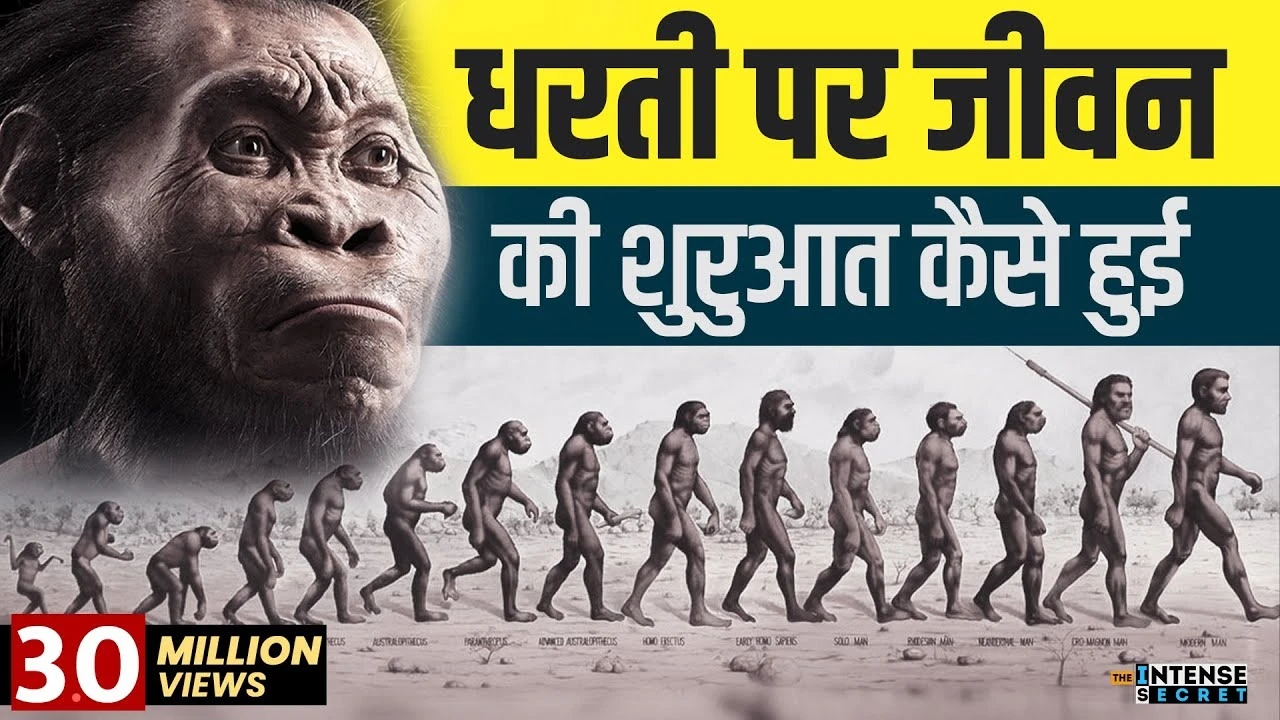
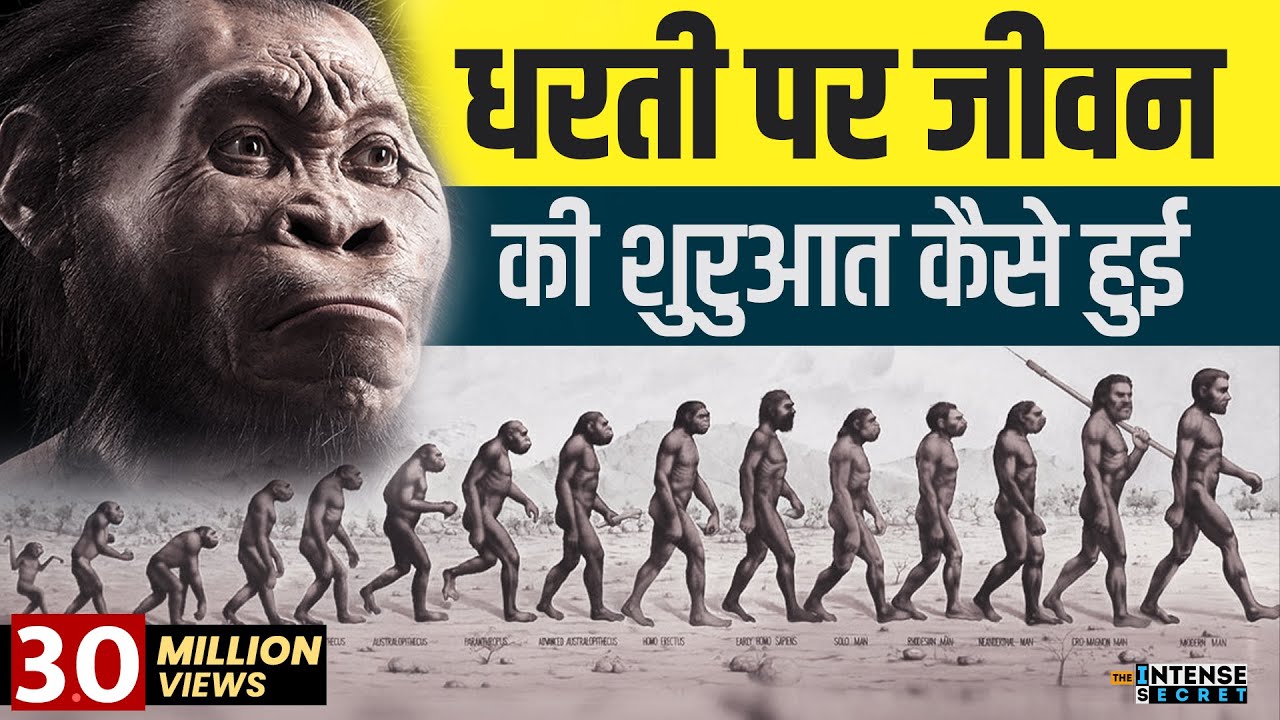
The Start of Humans
Long before now, life started shaping up through ancient beings who walked the earth. Their journey unfolded across vast stretches of time, slowly building what would come next.
Starting things off, Homo sapiens stand out among key players in how people came to be. Ending here.
From African roots came early humans, shifting slowly from older ancestors. Changes appeared through generations, one step at a time. Movement forward happened without sudden leaps. Traits shifted as life demanded new ways. Each shift built on what came before it. Slow adjustments shaped how these beings lived. New behaviors emerged alongside physical changes. Life pushed subtle transformations across centuries
Larger brains
Upright walking
Use of tools
Ability to communicate
Faster adaptation let people live through harsh climates. Sudden shifts in behavior helped them settle nearly everywhere.
The Cognitive Revolution
Something shifted in human minds roughly seventy thousand years back. That change marks what experts often name the Cognitive Revolution.
Fueled by necessity, people began shaping words that carried deeper meaning. A spark of creativity let minds wander beyond the obvious. Together - yet loosely tied - they started forming bonds across wider circles. New ways of thinking pushed tribes to act as one, even when strangers met.
This made it possible for them to:
Create myths and stories
Form larger communities
Develop culture and traditions
What changed inside people's minds sparked a turn unlike anything before it.
The Agricultural Revolution
Farming began roughly twelve thousand years back. That shift marked a turning point. Instead of chasing animals, people started planting seeds. Staying in one place became possible because crops needed care. This new way replaced the old life slowly. Wild foods gave way to fields full of grain. Settlements grew where land could be tilled. Life changed without anyone realizing it at the time.
This agricultural revolution enabled people to grow food more efficiently
Settle in one place
Grow crops
Domesticate animals
Build villages and cities
Farming expanded so more people could live together. Towns slowly appeared because there was enough to eat. Life changed when food became steady.
The Industrial Revolution
By the 1700s, a fresh wave of change took hold - humans kicked off what would become known as the Industrial Revolution.
Folks started using machines instead of hands to get work done. Because of that, big buildings popped up where goods could be made. Getting things from one place to another began moving faster.
This period changed:
How goods were produced
Where people lived
How economies functioned
Faster cities rose while machines advanced alongside them.
The Technological Revolution
Today, we are living in the Technological or Digital Revolution.
Faster connections changed how people learn, share ideas, maybe even think. Machines that adapt came online slowly, altering routines bit by bit. Screens in pockets shifted where meetings happen, when lessons start. Information flows differently now, shaped by quiet updates behind glass.
Folks today are linked across continents like vines twisting through a jungle - something ancient tribes wouldn’t have dreamed possible.
Human Change Without Machines
What changed people wasn’t only gadgets or engines. Alongside those came shifts in how they thought, lived, saw themselves. New ideas crept in while old habits cracked open. Ways of speaking evolved slowly beneath the noise. Beliefs once solid began shifting like sand. Moments mattered more than blueprints ever did. Tools helped, yet what moved things forward was less visible
Social movements
Human rights development
Scientific discoveries
Cultural transformations
People keep learning more about who they are, while also seeing things around them more clearly over time. What changes is not just knowledge but the way it connects to daily living. Each discovery builds on what came before, yet shifts perspective in quiet ways. Understanding grows not through sudden leaps but slow adjustments. This process shapes both personal views and shared beliefs across generations.
What Sets Humans Apart?
Several qualities make human revolution possible:
Intelligence
Curiosity
Creativity
Cooperation
Adaptability
One thing about people - they dream up tomorrows before they happen. Figuring out puzzles comes naturally, almost like breathing. Because of that, villages grow into cities, rules form, life gets layered.
Conclusion
Walking upright changed everything, slowly. Out of dusty savannas came fire, then tools, each step unfolding without a plan. Voices began shaping stories while hands shaped stone. Distance meant little once signals flew across wires, later through air itself. Life shifted not in leaps but layers, one habit piling on another. Cities grew like roots spreading under dark soil, unseen but deep. Machines learned to mimic thought long after dreams first sparked in caves.
Still, the tale continues.
A shift could start among stars, inside genes, or within machines. No matter the source, still - people keep shifting.
This moment ties us to what keeps changing. Revolution moves through time, we walk inside it.
Faces on screens - phones know yours because of pattern learning. Videos pop up on YouTube, not by luck, but from past clicks shaping what shows next
This happens thanks to Artificial Intelligence, or AI. Yet what's really going on inside? Could it reason the way people do? Is there something like a mind in there?
Here's how it looks when we make things easier to follow. A fresh take on clarity, one step at a time - without extra weight or noise.
YouTube Video Link: https://www.youtube.com/watch?v=2QT9fDXikHE
What Is AI?
Machines can act smart because of Artificial Intelligence. This tech handles jobs usually needing people smarts. It works like thinking, but inside computers instead.
These tasks include:
Recognizing speech
Identifying images
Making decisions
Learning from experience
Translating languages
Funny thing - machines spot trends in numbers without feeling a thing. Yet they guess what comes next, sort of like how people do, only different.
The Core Concept of Artificial Intelligence
AI operates through patterns and data
Collecting data
Learning patterns from that data
Figuring out what comes next by spotting how things repeat themselves
Fed fresh details, AI sharpens its grasp. Each new piece helps it adjust, slowly improving without pause.
For example:
A single machine might start telling apart felines from canines after seeing countless images. One example: feed it endless photos, then slowly patterns emerge. Picture by picture, distinctions become clear without anyone spelling it out. Thousands of snapshots teach what words cannot convey directly.
Understanding Machine Learning?
A key piece of artificial intelligence? It's called Machine Learning.
Fresh patterns emerge when machines spot trends on their own, drawing insights straight from information fed to them. Ever-changing rules shape how systems adapt, growing smarter through exposure rather than fixed instructions.
Instead of telling a computer:
"If image has whiskers and pointy ears, then it’s a cat"
It learns the pattern by itself, given plenty of examples. Sometimes it just needs exposure, not direction.
That’s learning.
Understanding Deep Learning?
Few steps ahead of regular Machine Learning sits Deep Learning, diving deeper into pattern recognition through layered networks that mimic brain activity in how they process data inputs across multiple levels.
Starting with how the mind works, deep learning builds systems that mimic brain cells connecting together. These webs of links learn patterns much like people do when recognizing sounds or images.
Information moves through these man-made brain-like systems layer by layer
Input layer
Hidden layers
Output layer
When a network grows deeper, its ability to grasp intricate patterns increases. Complex shapes in data start making sense as layers stack up. With each added level, subtle details become clearer. Patterns once hidden emerge through extended structure. Greater depth allows finer distinctions across information.
This is how:
Voice assistants understand speech
Self-driving cars detect objects
Face recognition works
How AI Learns?
AI learns through a process called training.
This is what happens next
A whole lot of information goes into the machine. Not just bits here and there - loads at once pour in. Stuff arrives constantly, filling up storage fast. Information floods the setup without stopping. The flow never really slows down. Data streams nonstop, feeding every part inside
The AI predicts outcomes
Errors are measured
It changes how it works on its own to make fewer errors
Over again, it happens - thousands, sometimes millions of loops. Each round follows the last without pause. Loops stack, one after another, never stopping. Millions might pass before it ends. Thousands occur; then more pile on. It runs, restarts, keeps going. Again and again, through countless turns.
Over time, the AI improves.
Where AI Is Used?
AI is everywhere around us:
Search engines
Recommendation systems
Online shopping suggestions
Medical diagnosis tools
Chatbots
Smart home devices
A single click might lead you here - streaming services guess what film you’ll like by watching how you’ve watched before. These guesses come alive through quiet learning machines that notice patterns without asking. Your history shapes the next suggestion, not because it’s told to, but because it sees repetition where you don’t.
AI and Human Thought Compared?
Not exactly.
Frozen circuits hum where feelings should live. Through cold math, data finds paths it did not know existed. Machines follow rules without knowing why. Numbers speak when words fail. Logic dances without a partner. Patterns emerge from silence.
At first glance, it looks smart - yet underneath lies a system running on intricate patterns of data.
What Makes AI Strong?
AI is powerful because it can:
Processing vast volumes of information at high speed
Detect patterns humans might miss
Work 24/7 without getting tired
Every bit of new information makes it better over time
When machines learn faster, clever systems start helping in new ways. Though tools change over time, smarter programs slowly take on harder tasks.
The Future of AI
Few doubt that machines will reshape how hospitals run, lessons are taught, money moves, cities connect, shows unfold. What once felt distant now inches closer each day - changing who does what, where it happens, why it matters.
Besides benefits, concerns pop up around right or wrong choices, personal data safety, machines taking work roles.
Because of this, building AI carefully matters a lot.
Conclusion
How AI Works?
Starting with heaps of information, AI picks up habits hidden inside numbers. It spots trends through math tricks called algorithms. Machines learn these rules over time instead of being told every step. Some systems dig deeper, using layers upon layers to understand complex stuff. Decisions come out after weighing probabilities quietly behind scenes.
While it doesn’t reason the way people do, its ability to handle smart tasks simplifies daily routines while boosting effectiveness. Still, thinking isn’t quite what you’d call human-like at all.
Faces unlock screens now. That moment a video feels just right? Hidden smarts behind it. Notice how quick it works? Quiet learning guides those choices. Behind familiar clicks, something sharp watches. Recognition happens fast - no buttons needed. Little by little, guesses improve. No magic, just patterns catching up.
Funny how terms pop up - programming, software, apps, sites - yet beneath them hides coding. Not just games on phones either; think YouTube, Instagram, even those blinking traffic signals rely on code to run things.
Yet here's a question worth asking: what does coding actually mean? Get ready to explore it plainly, with moments of surprise along the way.
YouTube Video Link: https://www.youtube.com/watch?v=2QT9fDXikHE
What Is Coding?
Coding tells a machine how to act by using specific directions. What happens is the computer follows steps written in a special way. A person writes these steps so tasks get done properly. Instructions come alive when typed into programs people build. Machines understand through structured lines made by coders.
A single thought might help: a computer acts fast, yet never decides alone. Following steps keeps it going. To guide it, people write code - simple directions in a tongue machines understand.
For example:
Pressing the button means its look shifts through script. A click triggers new shades by design.
Jumping in a game starts with lines of code. A character moves when instructions tell it how. Code shapes every leap on screen. Without programming, no bounce happens. Each hop comes from written rules. What looks like magic is really logic spelled out. Movement lives in the script.
Start typing when it's time to show something online. A screen fills after each line takes shape. Words form pages once letters lock into place. Every symbol builds what others will see later.
Folks write code so machines know what steps to take.
Is Coding Considered a Language?
Programming relies on unique tongues known as code languages.
Some popular programming languages include:
Python – Easy and beginner-friendly
From banking software to smart TVs, Java runs behind the scenes. It powers tools people interact with daily without noticing. A quiet engine in bigger machines. Found everywhere yet rarely seen on its own
C++ – Powerful and fast
JavaScript – Makes websites interactive
A single set of patterns shapes every tongue, much like how sentences form in English or Hindi. Structure hides behind each word choice, whether you speak Spanish or Japanese. Rules govern even the simplest phrases, similar to what happens in German or Arabic. Every way people talk follows hidden guides, not unlike those found in French or Swahili.
How coding works?
Code written by people means nothing to machines at first glance. Yet a tool steps in - compiler or interpreter - to bridge that gap. This translation shifts human logic into raw binary, strings of ones and zeros. Only then does the system truly follow along.
Here’s the simple process:
You write code
The computer translates it
The machine carries out what it's told. Doing its job without delay. Action happens once the signal is sent. It moves only when instructed
A chef follows directions, much like anyone else. When clarity guides each step, success often shows up on the plate. Mistakes creep in when guidance falters. A flawed start leads down a path where outcomes miss the mark.
Why Coding Matters?
Coding matters since it runs most of what we see online these days
Mobile apps
Websites
Online games
Banking systems
Artificial Intelligence
Smart devices
Codeless worlds lack digital life. Machines stay silent without programming's touch.
Besides building useful abilities such as:
Logical thinking
Problem-solving
Creativity
Patience
Is Coding Just for Experts?
Far from it. Pretty much anybody can pick up coding, younger ones included.
Some kids jump into coding early, creating basic games or animated stories. Fun often comes through easy-to-use apps designed just for beginners. Starting out can feel like play when tools guide each step gently. Simple projects help young learners grasp how code works piece by piece. Young minds build confidence while making colorful digital creations appear. Learning happens without pressure using friendly interfaces made for small hands. Step-by-step progress keeps things clear, never overwhelming. Creativity grows alongside skills through playful experimentation.
Starting out, writing code can seem messy - kind of like picking up any foreign tongue. Yet after grasping core ideas, things start making sense, sometimes sparking real interest.
Practice often means slow gains show up. Little by little, doing it again changes how things feel. Over time, effort shapes skill without loud notice. Repeating builds what talent alone cannot. Each try adds something quiet but real.
Truth is, even the sharpest programmers started out knowing nothing.
The Future of Coding
With every new tech advance, knowing how to code matters more. Software jobs, plus roles in AI or robots, rely on those skills. Cybersecurity paths depend on them too. Data science work runs on programming just the same.
Someday, knowing how to write code could matter just as much as understanding books or forming sentences. Writing programs may sit alongside basic literacy in daily life before long.
Conclusion
Well now here comes a question - have you ever thought about what coding really means?
Computers follow directions we write down step by step. That process forms the base of everything online while building useful abilities over time because it teaches problem solving through practice instead of theory.
Wondering how things work? That itch to figure stuff out could lead straight into coding. Puzzles keep your mind busy - so does writing code. Maybe one fits like the other.
Maybe - just maybe - you’ll create a popular app or game one day.
What pops into your mind when you think back on that very first classroom, a tune stuck in your head, or last night's dinner?
Memory sticks around in the mind in surprising ways - briefly, or forever. What makes some last while others fade fast? Information lands in the brain differently than files on a machine. Storage here isn’t copying data, it’s reshaping connections.
Picture this. Memory inside the brain works like paths forming over time. Each thought walks through neural trails shaped by repetition. These connections grow stronger when used often. Information sticks better when linked to feelings. Recall happens when signals retrace old routes. Patterns matter more than single facts. The mind reshapes memories each time they’re reached. Familiar cues spark quicker access. Storage isn’t perfect - it changes subtly every time.
YouTube Video Link: https://www.youtube.com/watch?v=Jo5l9QpaWNM
What Is Memory?
Funny how the mind tucks things away, holds on tight, then pulls them out later. Stored bits stick around thanks to silent networks firing inside your head. Retrieval happens when a hint unlocks what seemed forgotten. Retention isn’t perfect - some pieces fade while others stay sharp without warning.
Something touches your skin, drifts into your nose, strikes your eyes - your brain sorts through it all. Not every sensation sticks around long enough to matter. A few fragments, though, settle into place, hidden just beneath thought. What stays behind often lingers without warning.
Memory helps us:
Learn new skills
Recognize people
Solve problems
Make decisions
Build our personality
Forgetfulness makes picking up new things unworkable. Memory is what lets understanding stick around long enough to matter.
The Three Main Stages of Memory
Scientists generally explain memory in three main stages:
Encoding Making Experiences Into Data
First comes encoding. That moment your mind takes sights or sounds, reshaping them into something keepable. Stored only after transformation.
For example:
Floating through sentences, your mind pieces together what words truly say.
Music plays, your brain sorts the rhythm. Sound hits, patterns form inside. Hearing tunes, signals move through thought centers.
Focusing well builds deeper mental traces. Stronger attention means richer details stick.
Storage Keeping Data
Stored away after encoding, memory relies on various brain regions. Each kind of recollection settles where specific areas specialize.
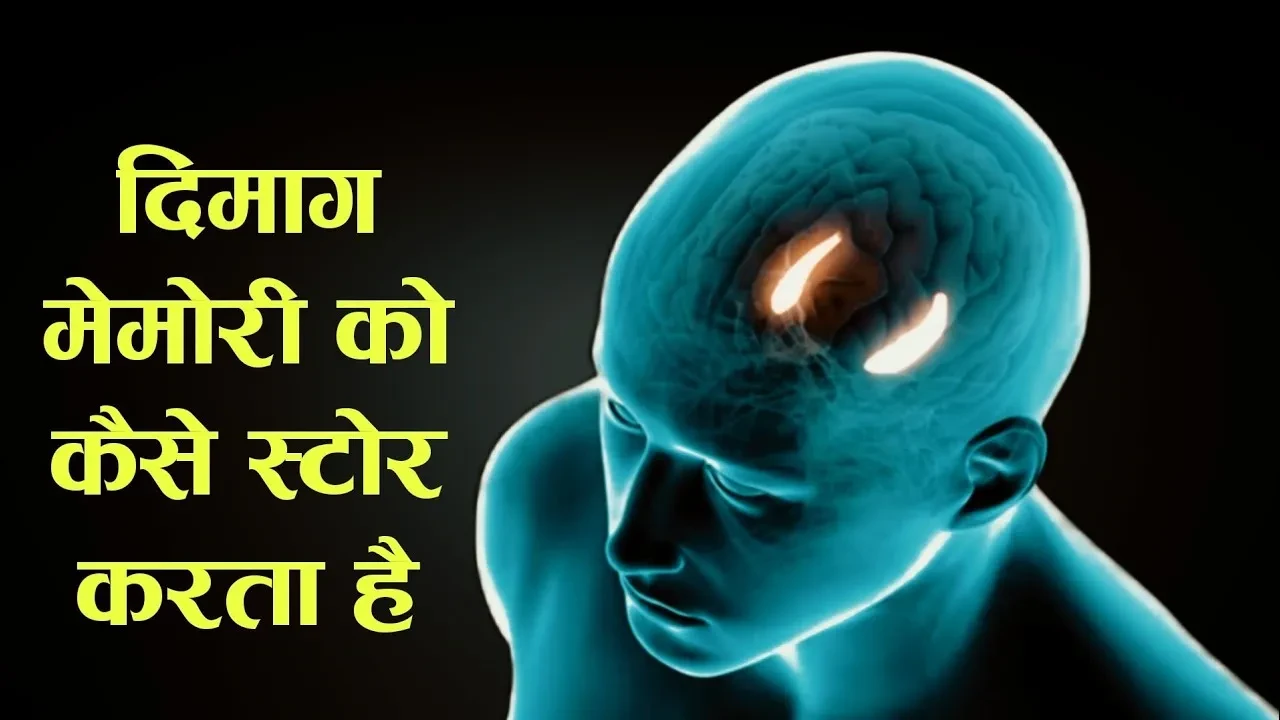
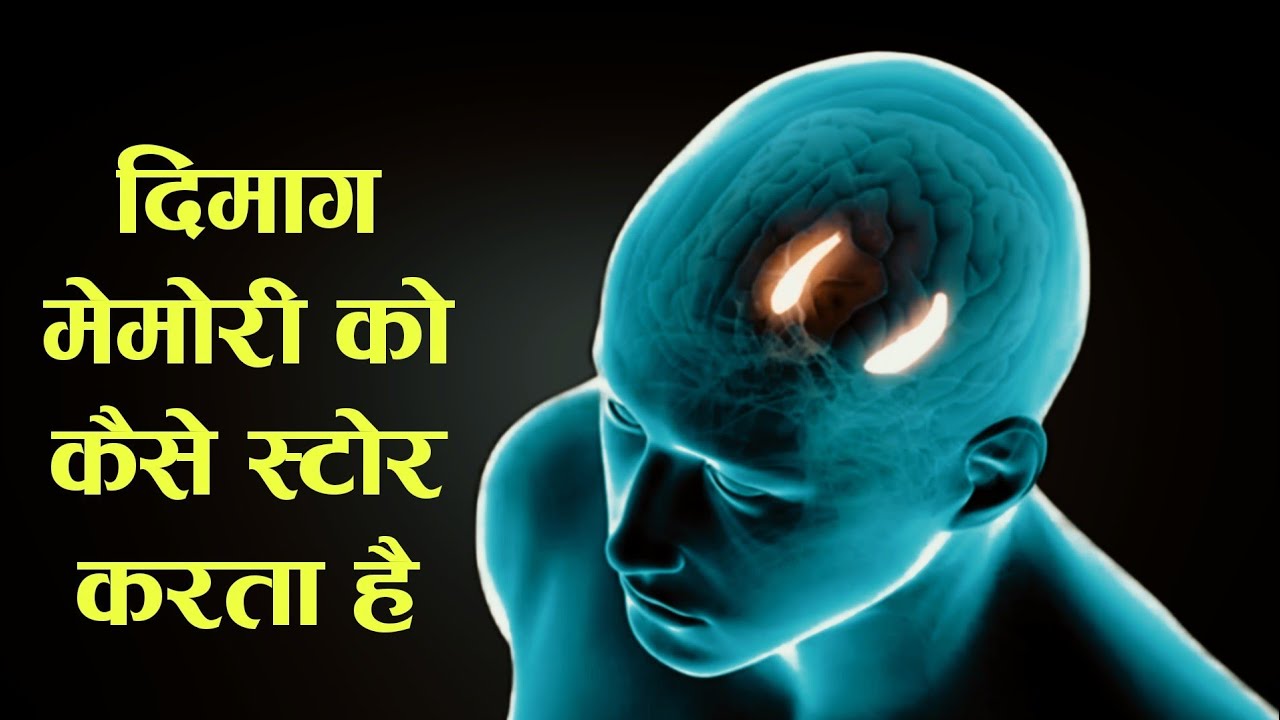
Deep inside the brain sits the hippocampus, crucial when it comes to building fresh memories. Shifting thoughts from fleeting moments into lasting storage? That’s one of its main jobs.
Deep inside, the Cerebral Cortex holds long-term memories, spread out in varied zones based on what kind of details they are. While some parts manage facts, others handle experiences - each chunk tucked where it fits best.
Each memory lives across many links in your mind. Not packed into a single spot, but stretched out like paths lighting up together.
Retrieval Remembering Information
Getting a memory back happens when your mind finds something it kept before. Stored thoughts come out of hiding this way.
For example:
Remembering your friend’s birthday
Recalling answers during an exam
Thinking about a childhood event
Every now and then, pulling up a memory just comes right away. Other times, it lingers - close but out of reach. This happens due to how deeply the moment got tucked into your mind.
Brain Cells and Memory Storage?
Inside your head, tiny nerve units - neurons - number in the many billions. Communication between them happens across links known as synapses.
When you learn something new:
From time to time, some brain cells fire at once.
The connections between them become stronger.
This ability of synapses to grow stronger goes by the name synaptic plasticity. Each time you run through a task, those brain pathways gain power - slowly building resilience. Practice carves deeper tracks because repetition fuels recall.
Types of Memory
The human mind stores different types of memory:
Short-Term Memory
Holding onto details just long enough to use them - say, keeping a phone number in mind for a moment before dialing. A quick mental note that slips away if not repeated. Lasts only until something new pushes it out. Like catching water in cupped hands, gone once you open your fingers. Brief by nature, fading fast unless rehearsed right then.
Long-Term Memory
Keeps details safe over long stretches - think languages picked up, abilities learned, moments lived. Time passes, yet it holds tight what matters most.
Procedural Memory
Remembering how to ride a bicycle comes naturally over time.
Why Forgetting Happens?
Something slips away over time. This might show up when memories fade without practice
Information was not encoded properly
Last things stayed untouched for ages. Old moments sat idle, far from reach. Time passed without touching them. Forgotten pieces waited without being called on
Last facts moved out when fresh details arrived
Oddly enough, letting go of memories keeps the mind running smoothly by clearing out what it does not need.
Ways to Boost Memory
Here are some simple ways to strengthen memory:
Focus and avoid distractions
Repeat information
Get enough sleep
Exercise regularly
Eat a healthy diet
Connect new information with something you already know
Built into each night’s stillness, memory finds its way shaped by sleep’s quiet work. When eyes close, the mind does not stop - it sorts, connects, rebuilds. Rest becomes the hidden thread tying moments together. Without it, pieces scatter, fragile and loose. Each hour of calm feeds what lasts beyond waking.
Conclusion
Inside the brain, moments become keepsakes by slipping into code, resting there, then surfacing later. Thanks to hubs such as the hippocampus plus vast webs of nerve links, lived seconds morph into long-term traces.
Who would we be without memory? That quiet force lets us take lessons forward, change step by step, yet stay somehow familiar. Each moment sticks because of it.
When memory strikes, picture this - science quietly lit up inside your head moments before.
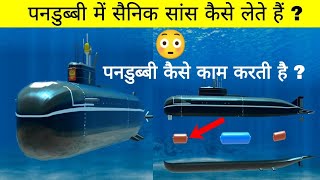
What makes a huge sub slip beneath the waves, then float up again so smoothly? Seems unreal - a ton of steel gliding below, quiet as a shadow. Truth is, it’s not sorcery at all. Hidden inside are smart ideas from physics that make it happen.
A deep dive into submarines begins now. How they move underwater unfolds piece by piece. This explanation strips away confusion. A look at their inner workings appears step by step. Understanding comes without complexity. Each part reveals itself plainly. No jargon stands in the way. Mechanics become clear through simple ideas. The process feels within reach. Clarity arrives slowly, then all at once.
Youtube Video Link: https://www.youtube.com/watch?v=cVytJXCP5n8
The Basic Principle of Sinking and Floating
Built into how things float, submarines follow an old idea about water pushing up. A thinker from Greece long ago - Archimedes - was the first to lay it out clearly.
Water decides whether something stays up or goes down based on weight compared to what it pushes aside. If the item weighs less, it stays afloat instead of dropping below.
Here's the puzzle: what lets a massive sub decide if it stays up or goes down?
The answer lies in something called ballast tanks.
Ballast Tanks Explained?
Down in a sub, rooms known as ballast tanks hold air or flood with sea. Their job shifts weight by swapping what fills them.
This is what happens next
To Dive:
Water flows into the tanks built inside the vessel. That added weight pulls the craft downward. Once it outweighs the surrounding liquid, descent begins.
To Rise:
With a rush of pressurized air, the sub fills its ballast tanks. Water gets pushed out by that force. As weight drops with the exiting water, upward motion begins. The craft then floats toward daylight.
Water lets you float just enough to move yourself down below.
Submarine Movement Explained Simply?
Floating isn't their only trick - sliding ahead or retreating slips into play too.
A few deep-water boats today rely on strong motors turning screw blades. Boats serving the U.S. military usually run on atomic energy instead. Since they do not burn fuel needing air, these undersea vessels remain hidden below for weeks at a stretch.
Floating closer to daylight keeps some subs powered, their electric systems humming after a gulp of air. Bubbles rise as machinery breathes again, tied to the rhythm of shallow dives.
A twist in the blades shoves liquid behind, nudging the vessel ahead - much like how a surface craft rides the push.
Submarine Steering Explained?
Fins on submarines steer their path, while rudders adjust course under water. Direction shifts happen through these built-in controls beneath the surface.
Left or right movement comes from the rudder. It steers the sub when adjusted. Direction shifts happen because of its position. Turning relies on how it angles through water.
When it moves, fins at the front adjust its angle in water. These small wings shift so the vessel points higher or lower during travel.
With tweaks to these settings, the sub glides through water without a hitch.
People breathing inside?
You could be thinking - what keeps folks going in a sub for weeks, maybe even months at a time?
Submarines have systems that:
Produce oxygen from seawater
Remove carbon dioxide from the air
Filter and recycle air
Fresh air cycles through, protecting those on board.
Seeing Under Water From Inside A Submarine?
Since it’s dark underwater, submarines use:
Sonar (Sound Navigation and Ranging) to detect objects using sound waves
Periscopes (when near the surface) to see above water
Out into the water go pulses of sound, zipping until they hit something solid. Bouncing back, these echoes give clues about what lies beneath. A ship might show up first, then a ridge of rock, maybe even another hidden vessel slipping through deep zones. Listening closely tells where things are hiding below.
Conclusion
Water fills the tanks when going down. That’s how submarines dive, thanks to careful balance between weight and lift. Air pushes the water out to rise again. Power moves them forward, while clever engineering handles deep-sea pressure. Their motion depends on shifting that internal mix of liquid and gas.
Beginning under the sea and moving toward defense roles, subs stand among humanity's most remarkable creations. Their reach stretches far below the surface while serving critical duties across continents.
Watch a sub on screen again, then suddenly it sinks below the surface - now you understand just what makes that happen.
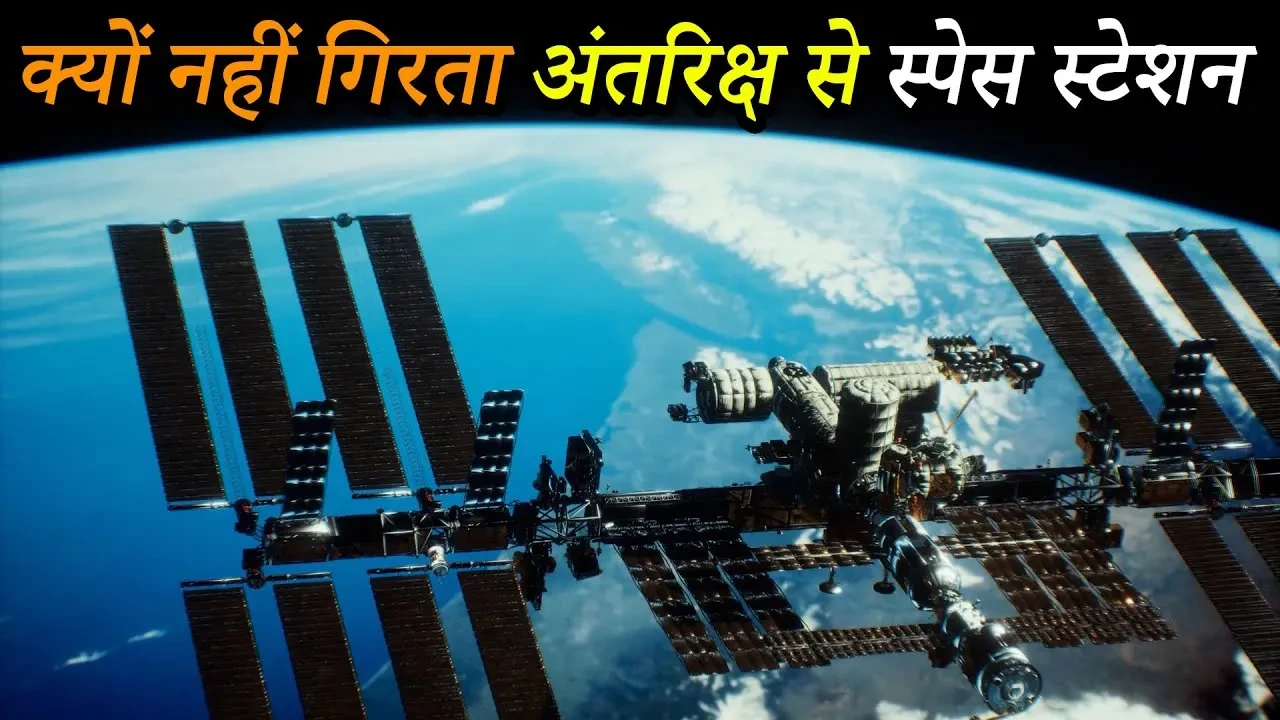
Up there, moving fast - did you know the International Space Station circles Earth every ninety minutes? People live inside it, floating above clouds while stars blink overhead. What if we told you they see sixteen sunrises each day instead of one?
What keeps the space station from dropping if gravity tugs at it constantly? Instead of falling, it moves sideways so fast that it misses Earth as it falls. Speed balances pull. That loop continues endlessly unless something interrupts. Falling forever without hitting ground - that’s its orbit.
Funny thing? Motion plus gravity team up, that's what makes it work. What looks complex turns out clear when they link like this.
YouTube Video Link: https://www.youtube.com/watch?v=5mpjGtOHJ50
What the Space Station Is?
A home in the sky, the International Space Station circles our planet without stopping. Inside this floating base, people live and test how things behave beyond Earth's air.
Around 400 kilometers up, it circles the planet. Moving fast - close to 28,000 kilometers every hour - it keeps going.
Far up there, yet gravity holds tight just the same.
Why doesn't it fall?
Start here instead. This one thought matters most
The space station tumbles downward - yet never hits the ground. Instead, its speed carries it forward just enough to stay aloft. Curving paths keep it in motion around the planet. Gravity pulls, sure, still it doesn’t crash. Moving sideways fast makes all the difference. Falling forever without landing.
Let’s understand how.
Downward pull never stops acting on the ISS. Still, it races ahead fast enough that while dropping, Earth bends out of the way. Falling happens, yet the ground slips sideways just as quickly.
Falling endlessly near our planet, yet never hitting it - that’s what happens here. Orbiting is the name we give this movement.
Understanding Orbits?
Around a planet, something keeps missing the ground because it flies so quickly sideways that gravity only bends its fall. Instead of dropping straight, the pull curves its path just right to stay aloft.
A toss of a ball comes to mind
Falling slowly, it lands when tossed light.
Faster throws send it sailing longer until gravity pulls it down. Ground arrival takes more time when launch speed increases.
Falling nonstop might sound odd, yet hurling something at just the right speed keeps it looping past Earth without touching down.
This is just how it goes on the space station.
Why Astronauts Float?
Up high where astronauts live, they drift like feathers. Not because gravity vanished. It’s actually still pulling on them.
It feels like floating since they’re dropping just as fast as the space station around them. Inside, nothing pushes down, so it looks like gravity turned off.
Space Station Speed Changes Over Time?
True, even small traces of gas up there gradually tug at the station, causing it to lose a little speed over time.
Every now and then, small bursts from rocket engines nudge the space station higher. If those pushes didn’t happen, gravity would slowly pull it down until it dropped into the atmosphere.
Conclusion
Spinning around Earth, the space station stays up thanks to its high speed. Even though gravity tugs hard at it, that pull gets balanced by how quickly it moves sideways. Instead of dropping down, it just keeps gliding along the same path. Motion and force lock together, making sure it never falls.
A dance unfolds where movement meets pull, showing how forces shape the cosmos. Stillness never wins, yet chaos does not rule either. What you see is nature’s quiet rhythm playing out beyond Earth.
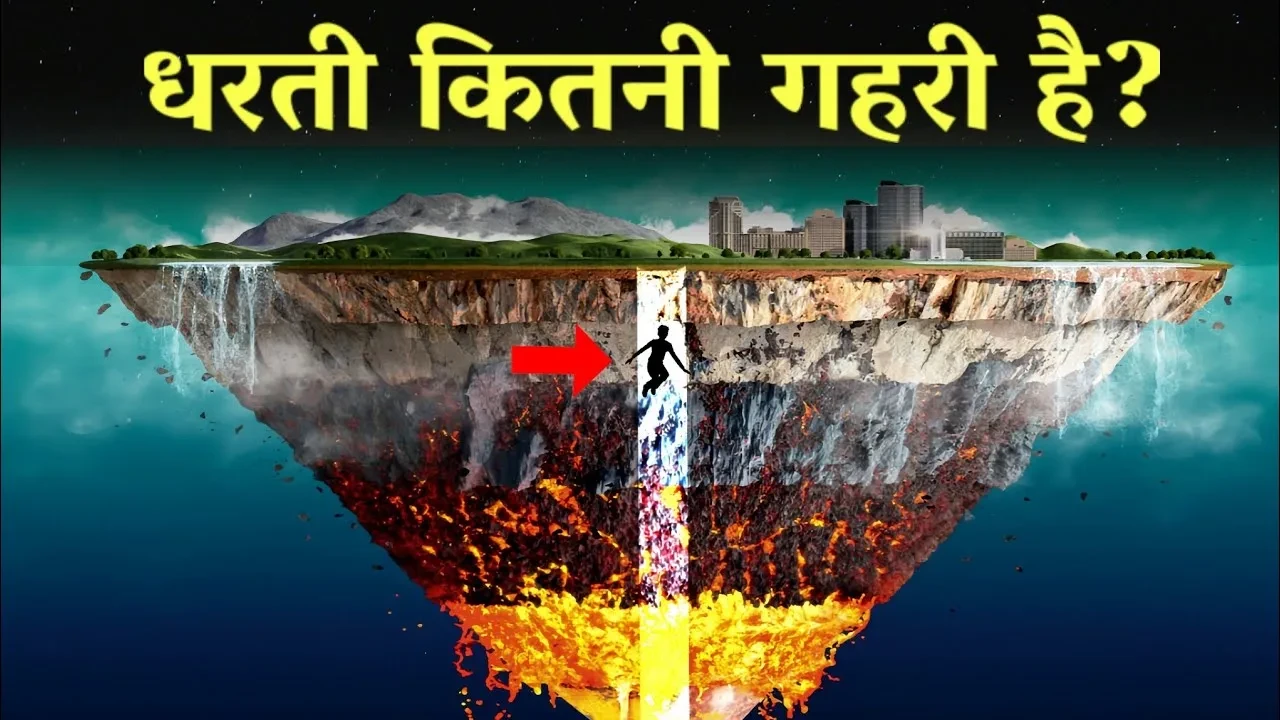
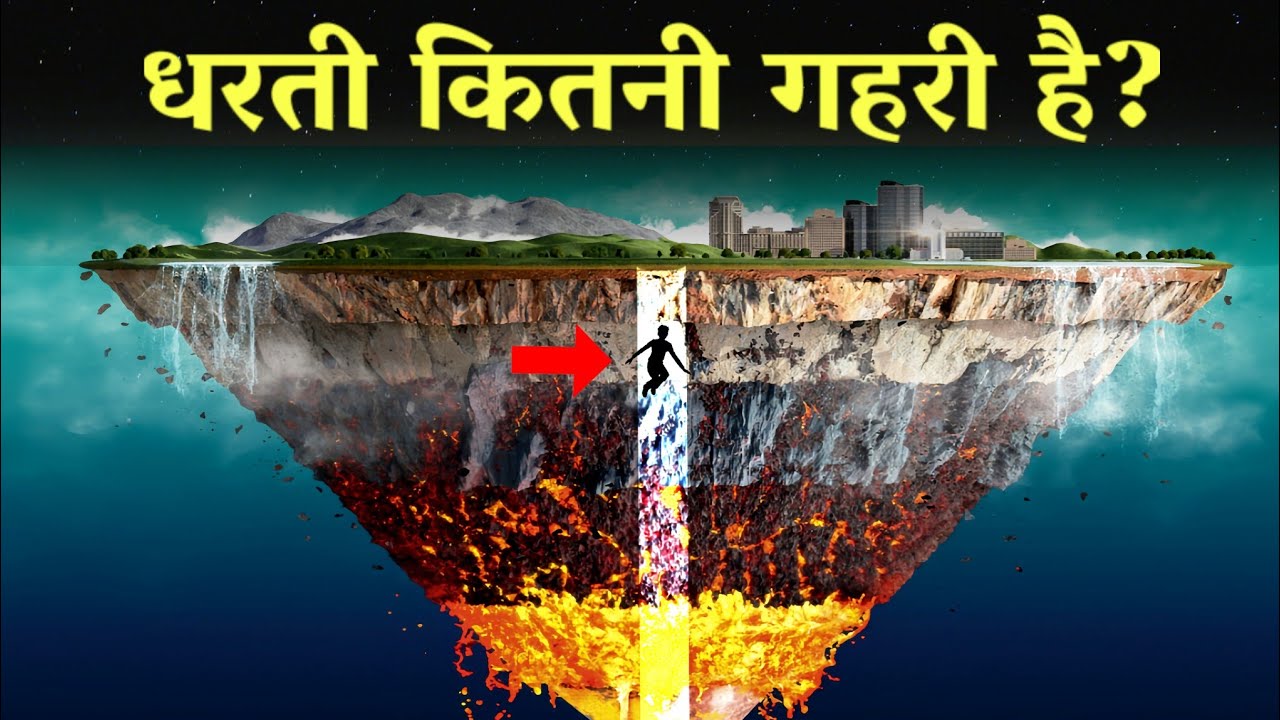
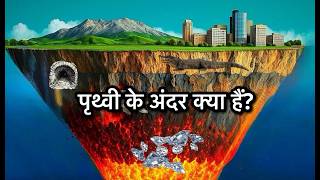
Down there, below your feet, lies a world no one has touched. Picture stepping past rock layers, deeper than any tunnel made by people. Darkness gives way to glowing warmth as pressure builds without warning. Strange forces move where eyes have never looked. Heat pulses through spaces built long before memory began.
Downward paths into Earth's core stay out of human reach, yet knowledge pushes past that limit. Picture a trip starting at ground level, heading toward the middle of everything beneath us.
YouTube Video Link: https://www.youtube.com/watch?v=t50YKTZKsLM
The Crust Where Life Lives
Beneath our feet lies the crust, Earth's skin. First comes this thin shell we walk on.
This is where:
Mountains rise
Oceans flow
Forests grow
Cities stand
Deep beneath our feet sits a fragile shell, just 5 to 70 kilometers wide. Although tiny next to the planet’s core, every living thing we know exists right there.
Farther down, heat starts creeping up.
The Mantle Flows Like Thick Stone Over Time
Beneath the surface, Earth holds its largest section - a deep zone called the mantle stretches far down. It makes up most of the planet's thickness, sitting right under the outer shell.
Beneath the surface lies the mantle, reaching down roughly 2,900 kilometers. Hot rock fills this layer, flowing slowly as if it were thick syrup. Because it creeps over time, Earth's outer shell cracks and shifts. That motion triggers volcanoes to erupt and ground to shake without warning.
As we descend further:
Beneath the surface, pressure climbs fast.
Fires sometimes climb past 1,000°C, heat building without pause.
Survival grows unfeasible as conditions shift beyond human limits.
Even so, it's this level that quietly steers how Earth's outer face takes form.
The Outer Core Is Made of Flowing Metal
Far beneath, the outer core begins - molten metal swirling in restless motion. This zone pulses with heat beyond imagination, glowing under its own fierce energy.
Floating deep below, this zone consists largely of molten iron mixed with nickel. Heat levels climb from roughly 4,000°C up to nearly 5,000°C within it.
Flowing deep below, this molten metal generates our planet's magnetic force. That unseen barrier guards life here against dangerous rays from the sun.
If Earth lacked its magnetic shield, living things might not last long.
The Inner Core – Earth's Hidden Heat
Deep inside our planet sits a solid ball of metal. It rests where pressure crushes everything tightly together.
Even when things get blazing hot, it holds its shape. Solid stays.
Fires burn close to 5,500 degrees Celsius, a heat nearly matching the outside of the Sun.
Heavy weight presses down on everything around here. Quiet moments feel loud under this load.
Deep inside Earth, iron takes up most of the space within the core, along with a good amount of nickel. Despite temperatures that soar high, crushing pressure locks everything into a solid state.
This point marks the lowest stretch we have reached so far - a blazing core buried beneath everything.
How Do We Know All This?
Twelve kilometers is as far as people have ever gone below the surface - hardly a scratch when you consider Earth spans more than six thousand down. Reaching deep inside has always stopped short, blocked by heat, pressure, unknowns waiting beneath.
What makes researchers certain about inner details?
Fault lines shake loose clues about what lies beneath. Because these rumbles move at varying speeds through rigid rock versus molten zones, researchers track their paths like hidden trails underfoot.
Why This Journey Matters
Understanding the depths of the Earth helps us:
Predict earthquakes
Study volcanic activity
Understand the magnetic field
Learn about planet formation
Inside, our world shifts without stopping - not still stone but alive with hidden motion beneath. Beneath the surface things stir, always changing, never quiet.
Conclusion
Down below, deep underfoot, temperatures soar alongside crushing weight. Life clings to the surface skin of the planet, while beneath it all churns. Heat blazes at the center, locked tight by immense squeeze. Every level, distinct yet connected, helps build what we feel up here. The outermost shell seems fragile next to what lies underneath. Motion never stops down there, driving changes felt far above.
Though we might never dig all the way down, tools of science let us peek into what lies below - showing how Earth hides layers deeper than skin-deep looks suggest.
Out on the streets now, vehicles that run without gas show up more every day. Running silent, they glide forward cleanly - no fumes left behind. Ever thought about what makes one of those machines move without a drop of fuel inside?
Not like regular vehicles powered by fuel, these ones go using power from batteries. Here is how they work, explained clearly.
YouTube Video Link: https://www.youtube.com/watch?v=SvapQgNrKSw
Electric Car Basics?
Power runs through wires into big batteries when you plug one in. Wires carry juice from those cells to a silent spinning machine under the floor. That spin moves rubber rounds stuck on each side. Fuel tanks stay empty because fire never starts here. Machines hum without coughing smoke into air.
This means:
No fuel tank
No exhaust pipe
No engine noise
Clean electricity alone.
Main Components of an Electric Vehicle
A battery powers the vehicle, storing energy for later use. While the motor turns electricity into motion, making the wheels spin. Instead of fuel, it relies on charging from an external source
1️⃣ Battery Pack
Power flows through the car because of its battery. This part holds energy, much like a big version you plug in to refill.
Electric vehicles usually run on lithium-ion cells instead.
A larger battery means more miles on a single charge.
Charging happens overnight in your garage, or while you're out running errands. Power flows back into the battery wherever outlets are available.
2️⃣ Electric Motor
Fueled by electricity rather than gas, these vehicles run on motors that hum quietly. Power flows without burning anything, turning energy into motion differently. Not combustion but charged circuits push them forward.
When electricity flows from the battery to the motor:
The motor spins.
The wheels turn.
Forward rolls the car. It shifts ahead now.
Fueled by electricity, motors deliver quick pickup without delay. Their design keeps energy waste low while power comes on fast.
Controller Inverter
Inside the setup, the controller takes charge much like a mind does.
Power moves from the battery to the motor based on its regulation.
Press harder, it goes faster. Ease up, the pace drops. How far down your foot pushes sets the rhythm. Not a fixed rate - depends entirely on pressure. More push means quicker movement. Less means slower roll. The throttle decides tempo.
Power from the battery goes through a device that changes it from steady flow to back-and-forth movement before reaching the motor, which happens in nearly every electric vehicle today.
Understanding Charging Basics?
Electric cars are charged by plugging them into:
Home charging units
Public charging stations
Fast-charging stations
Battery grabs electricity, holding it ready for when you need it next. Power slips inside, saved up till called upon.
Charging time depends on:
Battery size
Charger type
Power supply
How Cars Save Energy When Slowing Down?
What makes electric vehicles clever? Their ability to recharge while slowing down.
Hitting the brakes means less speed. As motion drops, resistance builds up inside components. Friction appears where surfaces meet under pressure. Energy turns into heat right at those contact points. Temperature climbs when force stays applied longer
Backward is how the motor runs.
Motion power turns straight into electric current again.
The power flows into the battery again.
Faster performance comes from smarter energy use, while distance between charges grows too.
Electric Cars Matter Because They Cut Pollution and Use Less Energy?
Electric cars are important because they:
Reduce air pollution
Lower greenhouse gas emissions
Use renewable energy sources
Reduce dependence on fossil fuels
One move ahead, they push transport closer to clean and lasting solutions. Still, change grows slow without real effort behind it.
Conclusion
Power inside an electric car runs a motor, which turns the wheels. Because there are simply not so many pieces shifting around, emissions drop while efficiency climbs - this is where driving heads now.
One day soon, cars that run on power might cost less, go farther, leave fewer marks on the planet. That hush-hush vehicle floating down the road? It drinks electrons, not gas.
Beneath your feet might hide things you never think about. Though pavement feels firm under shoes, the planet's depths are nothing like that - strange, hidden, alive with secrets too deep to see.
Far beneath our feet, exploration stops - yet clues arrive through tremors and eruptions. Hidden patterns emerge when vibrations shift under pressure. One layer gives way to another, each shaped by heat and density. What lies deep reveals itself indirectly, without ever being seen.
Let’s dig deeper and explore what’s really inside the Earth.
YouTube Video Link: https://www.youtube.com/watch?v=z8HU27Qd4yA
The Earth Has Three Main Layers
Deep inside, the planet holds a hot core. Following that comes the thick middle section. A solid outer shell wraps around everything
Crust
Mantle
Core
Temperature shifts from one level to the next. Thickness changes as you move through each zone. What something's made of isn't the same anywhere.
The Crust Earths Outer Layer Where Life Exists
Beneath our feet lies the Earth's crust. This top shell forms a firm surface, one humans occupy.
Besides soil, there are oceans, then mountains pop up, followed by stretches of land.
Between five and seventy kilometers thick, give or take.
Fragments of stone and bits of earth form its bulk.
Though it seems thick to people, the crust is actually quite slim when set beside Earth's deeper layers - much like an apple's outer layer.
The Mantle Is the Thick Layer Between Earth's Crust and Core
Down below the outer shell sits the mantle - Earth's heaviest coat by far. Its bulk makes up most of the planet’s interior stretch. Not solid rock, yet not quite liquid either, it flows slow under deep pressure.
Burrowing nearly three thousand klicks down into the planet's guts, it carves a path through layers most never see.
Magma - this thick, glowing rock - is what it consists of.
Heat presses down, yet the air drags like syrup. Movement crawls, even when still.
Shifting deep below, the mantle pushes huge slabs of Earth's surface into slow motion. As these pieces slide past one another, ground cracks suddenly - shaking everything above. Sometimes pressure bursts upward through weak spots, spilling molten rock during explosive outbursts.
The Earths Hot Inner Core
A deep ball of metal sits where our planet's heart should be, split into layers. One part wraps around the other, each different in how they behave
Outer Core
Floating deep below, it's formed from melted iron mixed with nickel.
Heat hits roughly four thousand degrees Celsius, sometimes pushing five. Temperature climbs high enough to melt most known materials instantly.
Flowing metal deep inside our planet makes a force around it.
Inner Core
Made of heavy metal stuff - iron right through, mixed with nickel.
Temperature climbs higher - hitting roughly 5,500 degrees Celsius.
Under intense pressure.
Deep inside, temperatures soar past the Sun's outer skin, but those extreme conditions stay hidden under heavy blankets of rock. Layers upon layers block the fire below, so warmth never reaches us where we stand.
Scientists figure things out through testing and observation?
Because reaching Earth's deeper layers isn't possible through drilling, researchers rely on earthquake-generated vibrations to learn about them.
Faster in solids, slower in liquids - that’s how these waves move, revealing hidden layers below. What shifts is their speed, depending on what they pass through, giving clues about deep structures. Deep down, changes in motion show whether material is firm or flowing. Their path bends when switching states, marking boundaries we cannot see. By tracking delays, researchers map what hides under continents and oceans alike.
Earth s Interior Matters?
The inside of the Earth affects life on the surface by:
Creating mountains
Causing earthquakes
Producing volcanic eruptions
A shield forms around Earth, born from swirling metal deep below. This movement crafts an invisible barrier. It deflects intense rays coming from the sun. Without it, life would face harsher cosmic threats. The planet's core keeps this guard active through constant motion
Were it not for what happens deep inside Earth, the world we know wouldn’t exist at all.
Conclusion
Deep beneath the surface, things move in ways eyes can’t see. Though the ground feels steady underfoot, wild forces churn below. Starting near the top, where roots dig and foundations sit, down through hidden zones of heat and pressure. The middle layers shift slowly, pushing continents without warning. Closer to the center, metal flows like rivers in darkness. This inner motion drives quakes, builds mountains, feeds volcanoes. Without these unseen engines, landscapes would never change.
Beneath your feet right now sits an unseen realm, winding down through rock and heat toward the core. Though hidden, it shapes everything above without ever showing itself.
Down below the surface, where sunlight fades, life moves in quiet ways. Water hides beings that twist, glide, float - some bright as sparks, others dark as shadow. Look closer and movement appears: flickers near rocks, pulses under sand. Creatures shaped by current and depth fill every corner without sound. A whale cuts through open deeps while minnows dart above shallow beds.
Water creatures wait, ready to be seen. Into their lives we go, pulled by curiosity instead of rules. Amazing forms swim below the surface, living quiet but wild. Each one moves through liquid space, shaped by time and tide.
YouTube Video Link: https://www.youtube.com/watch?v=QX1dBFnPiqA
Water Animals Explained?
Floating, swimming, diving - life underwater suits many. Some stay submerged always, others come up now and then. Found in lakes, rivers, oceans, even puddles after rain. Cold depths host them just like warm shallows do. Movement through currents defines how they feed, rest, avoid danger. Breathing happens via gills, skin, or trips to the surface. From tiny shrimp to whales stretching longer than buses. Each shaped by pressure, salt levels, light above or gone
Oceans (saltwater)
Rivers and lakes (freshwater)
Ponds and wetlands
Fish pull oxygen from water using gills, whereas dolphins must rise up to gulp fresh air. Breathing works differently depending on where the creature lives beneath the waves.
Water Animals Types
Fish
Fish are the most common water animals. They have:
Gills to breathe underwater
Fins to swim
Scales covering their bodies
Floating through rivers or diving deep in oceans, some creatures thrive where water changes taste. Goldfish dart in bowls while sharks cut silent paths below waves. Tuna race currents, built for speed, whereas salmon climb upstream against the flow. Salt shapes one world; fresh makes another habitable.
Marine Mammals
Floating beneath the waves, these creatures keep a steady internal warmth while relying on lung power to draw breath. Instead of gills, they surface regularly, pulling oxygen straight from the sky above. Though fully aquatic, their bodies work like land dwellers when it comes to respiration. Life in saltwater hasn’t swapped their need for air - just changed how they reach it.
Examples include:
Dolphins
Whales
Seals
Despite living underwater, these creatures still need air from above. Coming up for breath is something they cannot avoid. Water surrounds them always yet oxygen stays out of reach below. Breaking through the surface, they take what they need. Life in the depths does not free them from this task. Each time, the trip upward remains necessary.
Invertebrates
Backbone? Missing in these creatures. Soft-bodied forms show up often among them.
Examples include:
Octopus
Jellyfish
Starfish
Crabs
Not every creature carries a shield some blend into the background instead. Others stay safe by looking just like their surroundings.
Turtles Swimming in Water
Floating nearly motionless, certain reptiles linger through hours beneath the surface. Water holds them close, shaping days where swimming blends into resting without clear line. Between breaths and slow drifts, life moves at a pace set by tides, not urgency.
Examples include:
Sea turtles
Crocodiles
Alligators
Fins help them glide underwater even though they need to surface for breaths.
Water animals survive through adaptations suited to their environment?
Water animals have special adaptations that help them survive:
Streamlined bodies for smooth swimming
Gills for breathing underwater
Blubber (fat layer) for warmth in cold oceans
Camouflage to hide from predators
Frogs leap through wetlands while beetles dig into bark. Birds shape beaks around seeds whereas fish streamline bodies for rivers. Roots grip rocky soil yet leaves stretch toward sunlight. Life twists itself to fit where it lands.
Water Animals Matter?
Fish stir up mud when they swim through it. Because of that, tiny plants get more light. Crabs break apart dead things on the ocean floor. As a result, nutrients spread around slowly. Frogs eat insects near ponds. This keeps some bugs from growing too many. Whales carry food across deep water. Their movement feeds faraway spots. Otters protect kelp by eating sea urchins. Without them, forests underwater would shrink
Control food chains
Keep oceans healthy
Support biodiversity
Waterways full of life support sea creatures alongside people. A balanced ocean helps us breathe easier while feeding communities far inland.
Conclusion
Floating in salty currents are small beings, hardly seen. Big whales move below the waves, crossing dark waters miles wide.
Next up, when you're near water - be it shore, tank, or pond - keep in mind what hides below isn’t just depth but life unseen. A whole realm sits quiet under the ripple, out of sight till someone looks.
Hard to picture a world where lights don’t flick on with a tap. Phones stay dead unless they’re plugged into something that hums and glows. Most things we touch each day run because of it. Yet somehow, nobody actually made electricity itself. A few figured out how to catch it, bend it, send it through wires like water down a pipe.
Truth sits like this: no single hand sparked electricity into being at a single point. Instead, curious thinkers across ages poked, questioned, tested - slowly pulling its nature from shadows. Journey ahead now, tracing steps that turned unseen force into human triumph.
YouTube Video Link: https://www.youtube.com/watch?v=k_46nui0IpE
The First Steps With Electricity
A long time back, over two millennia ago, it started in old Greece. About 600 years before the current era, a thinker called Thales noticed something odd - after dragging amber across animal hair, tiny things such as bird fluff would stick to it.
A spark jumped, unseen until then, marking nature’s quiet zap. That jolt? It carried a name much later: static electricity.
Still, across hundreds of years, folks had only a hazy idea about electricity's true nature.
The Kite Experiment
Flying a kite mid-thunderstorm, Benjamin Franklin made his mark in 1752. Electricity, he showed, is what lightning really is.
Far from mystery, the test proved electric power belonged to nature’s rules. What once seemed like sorcery turned out to be science instead.
The First Electric Battery
A spark came from Italy in 1800 - Alessandro Volta built what we now call the first real battery. This device, later known as the Voltaic Pile, changed how energy could be stored. Not a guess but a working model, it delivered steady current unlike anything before. While others tested ideas, his design held together through layers of metal and cloth soaked in salt water. Power became something you could hold, thanks to that stack. The name stuck, tied forever to the man who shaped it
Out of nowhere, this device changed everything by delivering constant electrical power. Not tied to chance sparks anymore, researchers now had control - electricity showed up whenever they needed it.
A scientist called Volta gave his name to the volt. This measure carries his legacy forward.
Understanding Electromagnetism
Faraday, a researcher from Britain, uncovered something huge about electricity in the 1800s - timing it just before the world began wiring itself. His work slipped through labs and textbooks ever since, quiet but unshakable.
Finding a magnet moved through a coil made power appear - that was his breakthrough. From motion came current, thanks to shifting magnetic fields near metal loops.
Fuel burns here, making steam that spins turbines now just like before.
The Light Bulb and Power Systems
Only after clever minds cracked how to handle power without danger did electricity start fitting into daily life. A shift began once efficiency joined safety in design. Workable systems emerged where risk had ruled before. That moment changed everything quietly.
Far from just tinkering, Thomas Edison shaped a working light bulb during the final decades of the 1800s. Power began flowing through his early network, feeding lamps beyond labs. Homes saw brightness where darkness once stayed long after dusk. Cities changed slowly, lit by something new - not gas, but current carried wire by wire.
Far off in his lab, late that year, Tesla tweaked how AC moved through wires - suddenly power crossed miles without fading like old signals did.
Folks often overlook how Tesla's alternating current setup quietly runs today’s power networks. Though simple in design, its reach stretches across cities without fuss. Where older systems failed, this one adapted - keeping lights on, machines turning. Its rhythm pulses behind walls, under streets, inside every socket we tap into. Without fanfare, it became what powers now.
The Growth of Electric Power
By the 20th century, electricity powered:
Factories
Homes
Transportation systems
Communication devices
Faster machines arrived, so power grew crucial - feeding screens, networks, hospitals. Devices needed it just to wake up.
Faraday's old ideas now power modern tech, where sunlight plus moving air create electric current through updated methods. Though invented long ago, these concepts live on in today’s solar panels and turbines spinning under open skies.
Conclusion
Step by step, over many years, people slowly figured out electricity - no sudden flash of invention here. Starting with tiny shocks from friction, knowledge grew as minds across time connected ideas. One observation at a time, researchers stacked findings like stones. Power systems we see today emerged not from one genius but from steady effort. Each breakthrough leaned on what came before, quietly building forward.
From Franklin to Tesla, bold minds lit up progress - Volta’s spark, Faraday’s insight, Edison’s grit shaping what we rely on now. Still, curiosity pushes forward, seeking greener sparks, wiser grids, better paths ahead.
A world full of life did not stay calm forever. Through long stretches of time, sudden upheavals struck Earth, clearing vast groups of living things in just a blink. Such moments go by the name of mass extinctions.
Five huge die-offs have cleared much of life on our planet, scientists now know. Life took new paths after every one - had these events skipped Earth, people probably would never appear.
Take a look at these five strong parts of our planet’s past.
YouTube Video Link: https://www.youtube.com/watch?v=_LOkTojmrU8
The Ordovician–Silurian Extinction Around 444 Million Years Ago
A sudden shift unfolded in the Ordovician age. Life back then mostly filled ocean waters.
What happened?
Frost gripped the planet tight, dragging down worldwide cold.
Falling fast, sea levels plunged without warning.
Fish after fish vanished when the ocean shifted too fast.
Fewer than one in six ocean creatures made it through. The rest vanished without a trace.
After this die-off, sea life changed completely - making space for different creatures to appear later.
The Late Devonian Extinction Around 375 To 360 Million Years Ago
A slow fade marked the second great die-off across countless millennia.
Possible causes include:
Climate change
Decreased oxygen levels in oceans
Volcanic activity
Fish and coral communities collapsed during that time. Most life in the oceans disappeared - about three out of every four kinds.
A shift like that reshaped life under the sea. What followed was different from anything before it.
The Permian Triassic Extinction Around 252 Million Years Ago
Few events match its scale - this one reshaped life when nearly everything vanished. Called “The Great Dying” by many, it hit harder than any other known collapse.
Scientists estimate:
Fewer than one in twenty ocean creatures survived. Most vanished without a trace.
Frogs, beetles, trees - most vanished when forests shrank. Life on solid ground thinned out fast during that time.
Floods of lava pouring from Earth's core might have triggered chaos. Wild heat baking the planet could follow close behind. Seas turning sour on a vast scale may complete the collapse.
Almost wiped out every living thing - yet those that made it through opened paths for fresh forms of life, among them creatures leading to ancient dinosaur kin.
The Triassic–Jurassic Extinction Around 201 Million Years Ago
A wipeout long ago opened space for dinosaurs to take over Earth.
Believed causes include:
Massive volcanic eruptions
Rapid climate changes
Increased carbon dioxide levels
Fewer than one in five kinds of life made it through, leaving room for dinosaurs to take over on land.
Cretaceous Paleogene Extinction Around 66 Million Years Ago
A sudden shift ended an era when giants ruled the land. That turning point marks what many now recall as a defining moment in Earth's timeline.
Scientists believe a massive asteroid impact triggered:
Global fires
Dust blocking sunlight
Extreme climate disruption
Frogs, trees, and countless insects disappeared - alongside every dinosaur that could not fly. Most life simply faded away during that time.
Few creatures made it through, yet tiny mammals endured. Much later, after ages passed, people appeared.
Signs of a Major Species Die Off?
Some researchers think our planet could be sliding into a new era of widespread species loss. This shift might stem from actions people take that alter natural systems. Instead of ancient causes like asteroids or volcanoes, today it’s things like farming, building cities, cutting down forests, and polluting waterways. These choices quietly reshape life across continents. Not everyone agrees on how fast it’s happening. Still, patterns point toward something serious unfolding beneath the surface
Climate change
Deforestation
Pollution
Habitat destruction
This time, it might not be volcanoes or asteroids - people could be pulling the trigger. What once came from the sky now comes from cities, farms, roads. Nature used to shake things up; today hands guide the collapse. Not ice ages, but choices stack up. Fires we light, lands we claim - they echo like ancient catastrophes. A twist: the force behind dying species wears shoes.
Conclusion
Five huge die-offs show our planet never stays still. Though destruction followed each one, chances for fresh beginnings emerged just the same.
Fish in ancient seas, then beasts on land, now people everywhere - each step forward came through change over time. Surviving meant adjusting, again and again. When species vanished, the world shifted quietly beneath new rules. These losses show how thin the thread of existence really is. We’re here because others made way, changed paths, disappeared. What remains depends on choices we barely notice making.
From forest dwellers to star gazers - what shaped our journey? Could tree climbers become moon walkers through small steps over ages?
Far back in time, life slowly shifted through endless ages. Not a single leap forward - but tiny steps adding up across generations - built what we see today.
Let’s explore how this incredible process happened.
YouTube Video Link: https://www.youtube.com/watch?v=LVMfDC-Xvqo
Human Evolution Explained Simply?
Few can trace their roots back quite like we do, stretching into deep time where tiny shifts built something new. Generation after generation carried slight differences forward, each small change stacking without notice. From ancient beginnings emerged what now stands - us - not fast, but slow, shaped quietly over immense stretches of years.
Fossils tell a story older than any living chimp. That distant relative walked the Earth long before today's primates appeared.
Our Early Ancestors
Far back in time, life stirred differently across African plains - this is where researchers say our oldest relatives first walked. Humans started here, not elsewhere, shaped by sunbaked soil and shifting forests.
Some important stages in human evolution include:
1. Australopithecus
Four million years back, these first relatives stood on two feet. Yet certain traits stayed close to those of apes.
2. Homo habilis
A shift began with Homo habilis - tools appeared, crafted from stone. Not just surviving, they shaped their world bit by bit. Cleverness showed in how they struck rocks to make edges sharp enough to cut. Progress crept in through small acts, repeated across seasons.
3. Homo erectus
A few steps ahead, their brains grew bigger than before. Fire came into use through trial and error. Beyond Africa’s edges, they appeared where none like them had walked until then.
4. Homo sapiens
We call ourselves by this name. Around three hundred thousand years back, today’s people first showed up, then moved into nearly every part of Earth.
Changes Over Time?
Several key changes shaped human evolution:
A different way of moving allowed tools to be held more easily. By standing tall, early humans made space for new ways to work with their arms.
Bigger heads meant sharper minds could solve tougher puzzles.
Better at crafting tools meant a greater shot at staying alive.
Faster talking came from better words, which built stronger teamwork. Communication grew clearer because people shared ideas more easily.
Fine tweaks over time let people live in many kinds of places.
Humans Outlasted Other Species?
Long ago, different kinds of people walked the Earth - Neanderthals being one. Yet survival favored just a single kind: us.
Scientists believe humans survived because of:
Better social cooperation
Advanced communication
Ability to adapt quickly
Creative thinking and innovation
Working side by side might just be what made us strongest.
Human Evolution Has Significance
Understanding human evolution helps us understand:
Where we came from
Why we look and think the way we do
How we are connected to other living beings
Change keeps moving, just like breathing. Always there, never stopping.
Conclusion
Slow shifts over time made all the difference, quietly building what humans became. Patience wasn’t chosen - it was built into each step forward through hardship after hardship. Tiny adjustments piled up, one by one, until something new stood upright. Survival didn’t shout; it whispered in every bone and breath.
One step at a time, humans moved from crafting simple tools in Africa to building connections across continents. Still, even now, unseen shifts continue nudging what comes next.
Floating through a forest, you might see leaves catching sunlight while roots sip water below. Yet here - branches become homes where wings rest after long flights across fields. Even tiny bugs moving between petals help fruits grow by accident when they pass through blooms. Life sticks together like threads woven without anyone noticing the pattern.
A network where plants, animals, and their surroundings interact forms what we name an ecosystem.
A closer look shows how ecosystems work, also revealing their role in supporting living things across the planet. Then again, without them, survival would be impossible for most species.
Youtube Video Link: https://www.youtube.com/watch?v=z_6quh9xh_U
Understanding ecosystems?
A web of life forms - like plants, bugs, and tiny unseen creatures - sharing space with air, water, ground, and light shapes an ecosystem. These parts link through constant give-and-take, shaping how things survive together. Sun feeds green growth; animals eat them or each other; waste returns nutrients to earth. Even still elements join the cycle, quietly guiding where and how beings live.
Put plainly, an ecosystem works like a group project run by nature.
It includes:
Living things (biotic factors)
Non-living things (abiotic factors)
One cannot live without the other, tied by need. Survival links them, not choice. Their existence bends around mutual reliance. Without one, the other fails. Life holds them together, force unseen but real.
Types of Ecosystems
A single ecosystem might stretch across continents, or fit inside a puddle. Forests, wetlands, deserts - each forms its own kind of living network
1. Forest Ecosystem
Besides trees swaying, birds hop through branches while bugs crawl below. Rain falls, soaking into earth where roots twist and stretch. Creatures dig, push, slide across damp ground as leaves tremble overhead. Each part moves, breathes, stays linked without speaking a word.
2. Desert Ecosystem
Plants and animals adapt to survive with very little water.
3. Ocean Ecosystem
Underwater life thrives when light reaches it. Coral needs stable surroundings just as fish do. Sea plants grow where warmth mixes with clear water. Creatures below rely on balance, yet also on daily changes above.
4. Grassland Ecosystem
Far stretches of field covered in swaying green blades, home to creatures that wander without fences. Where hooves press into soft earth under wide skies, moving slow through endless meadow light.
A single pond might hold its own web of life. Gardens too can run like quiet systems. One tiny space, yet full of moving parts fitting together. Life stacks up without warning there.
Parts of nature working together?
Every ecosystem works through three main roles:
Producers
From sunshine, plants build their meals by way of photosynthesis. Because of this process, they sit at the bottom of every eating line.
Consumers
From time to time, creatures feed on greenery or one another for power. Some rely on leaves; others take their chances hunting neighbors nearby. Life moves through mouths that chew what once grew or ran. What lives must consume - roots, stems, flesh - to keep going.
Decomposers
Fungi plus bacteria take apart lifeless plants and creatures, slipping nutrients back into dirt. Then again, tiny organisms chew through fallen material, shoveling nourishment beneath the surface. Sometimes decay comes alive underfoot, feeding earth with silent precision. Other times, rot turns carcasses soft, pouring goodness where roots will follow.
Energy moves through it again once nutrients loop back around. The flow stays alive when what was used comes full circle.
Why ecosystems matter?
Ecosystems provide:
Clean air
Fresh water
Food
Climate regulation
Natural habitats
Life on Earth depends entirely on functioning ecosystems. When natural systems break down, everything unravels. Living things need balanced environments just to exist. Nature’s networks support every breath, bite, and drop we take. Without these hidden connections, survival slips away.
Bent out of shape by oil spills, logging, or hotter summers - nature stumbles. Guard these living systems, otherwise what comes next slips through our hands.
Conclusion
Life hums inside every forest, shaped not by creatures alone but by how they lean on each other. A single leaf feeds a bug which feeds a bird while shadows cool the soil beneath. Water slips through roots, air moves over bark, tiny things break down fallen limbs into dust again. Each piece fits even when unseen, held in place by quiet dependence.
Life fits together like pieces of a puzzle, each piece holding its place. Look after the woods, rivers, and creatures - it circles back to how we feel, day by day
Picture someone standing alone under a wide sky, long before buildings or roads existed. Who might that person have been, really? Their face would not match faces seen now - different bones, perhaps heavier brows. Living day by day with no written words, no machines, nothing handed down in books. Survival came through watching nature closely, moving with the seasons, learning fire or shelter slowly. Words, if used, were likely few, more sound than sentence. This life unfolded far from anything called progress.
Picture early humanity - not a lone figure, but waves of change over countless ages. This tale unfolds slowly, shaped by time rather than moments.
Step into the past, then trace the roots of our beginnings.
YouTube Video Link: https://www.youtube.com/watch?v=k9VUrsm2Rhk
Did First Humans Actually Exist?
Picture someone stepping out of nowhere, the very first person ever. That is how many think it began. Yet life does not jump like that from one form to another. Change creeps in slowly, over endless stretches of time.
Over countless generations, tiny shifts piled up in early primates turning into people. Not a moment passed where something not quite human had a child that was fully human. Change crept forward bit by bit, never rushing. One step after another blurred the line between what came before and us.
Few experts agree people today are part of a group named Homo sapiens, showing up roughly 300,000 years back on African soil.
Human Origins Uncovered?
Folks likely started in Africa, say most science findings. From there, moving across Earth took many generations.
People call it the “Out of Africa” idea. Here’s how it goes:
Early humans lived in Africa.
Outward journeys started with just a few people moving together.
From Asia they moved into Europe, then reached Australia before crossing into the Americas. Their path stretched through continents over time.
Over many thousands of years, movement took place bit by bit. Movement unfolded across generations without sudden shifts.
First Humans Appearance?
Early humans looked similar to us but had some differences:
Slightly stronger bones
More pronounced brow ridges
Different facial structures
On two legs they moved, shaping stones into tools while taming flames. That edge made staying alive far more likely.
How Did They Survive?
Life for early humans was not easy. They survived by:
Hunting animals
Gathering fruits and plants
Building simple shelters
Living in small groups for protection
Later on came sharper tools, clearer ways to speak, then rules for living together. Because of these, shifting climates became easier to handle.
Other human species existence?
Back then, people like us had company. Others walked the Earth too - Neanderthals, for example - sharing the world during those times.
One day, just one kind of human remained - us. Figuring out exactly why takes time, though clues point to how well we adjusted and worked together.
Why This Matters?
Peering into early people gives clues about who we are today. That journey reveals something quiet but real
How adaptable we are
How cooperation shaped our survival
How small changes over time create big transformations
Starting at the dawn of people changes how we see ourselves now. What came first shapes everything after.
Conclusion
Far from a sudden appearance, early people changed bit by bit over vast stretches of time. Beginning as makers of basic tools on African soil, they slowly became the thinkers behind great cities. What unfolded was not quick, yet unmistakably profound.
Picture tomorrow’s sky, then think back - those first people huddled together, moving forward even though they could not see what lay ahead. From such moments, everything quietly grew.
 About Us
 Blog
Blog
 Insights & Awareness








 Ensure TV